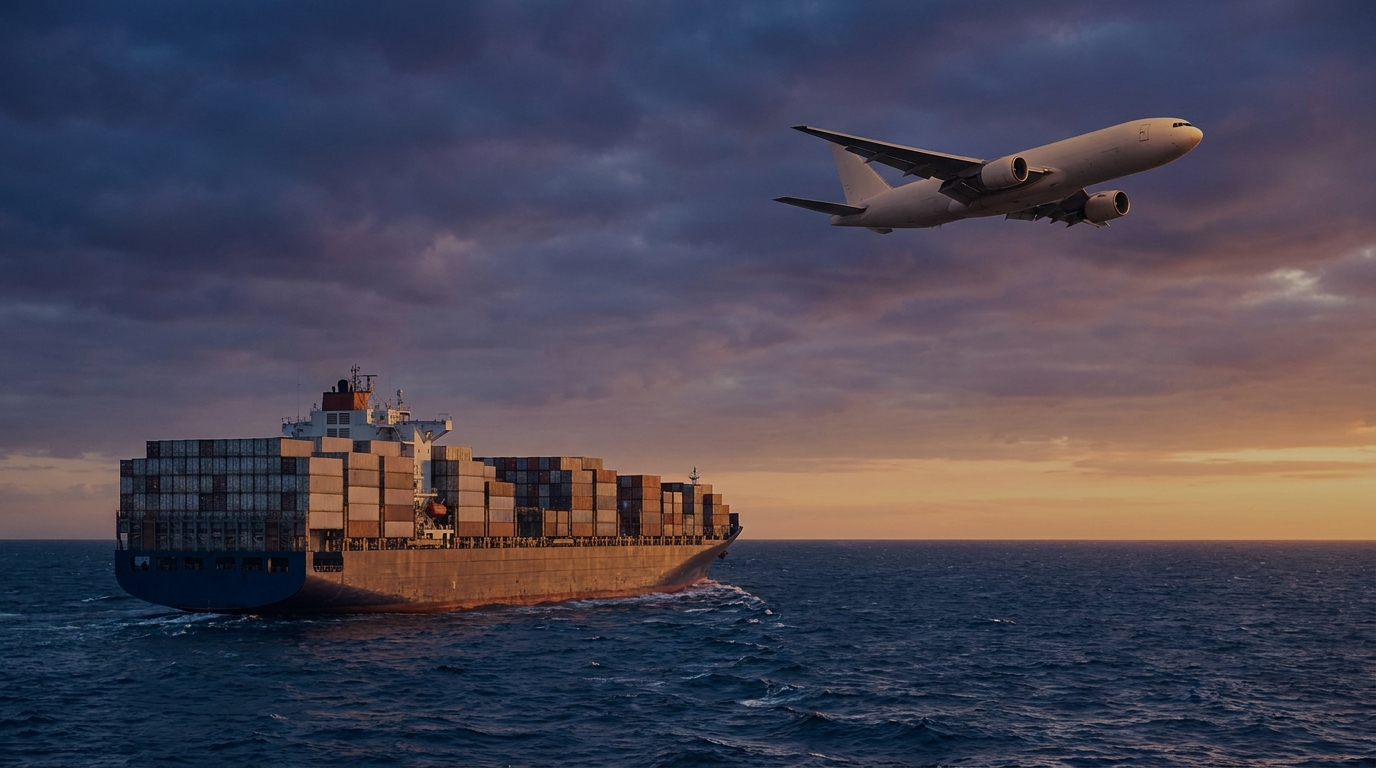
"Air or sea?" is the first question in China shipping, and the honest answer is a framework, not a slogan. Each method wins under specific conditions; the skill is knowing which conditions are yours.
The core trade-off
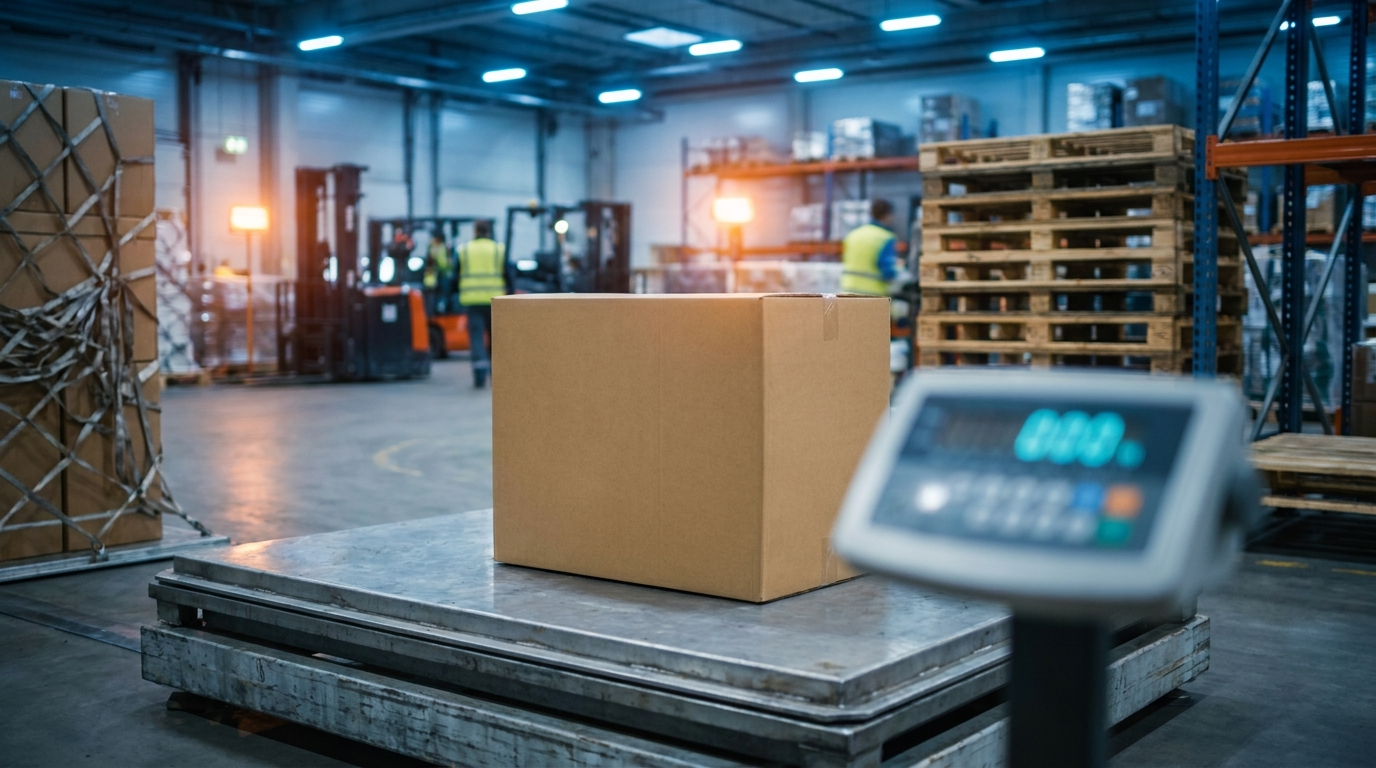
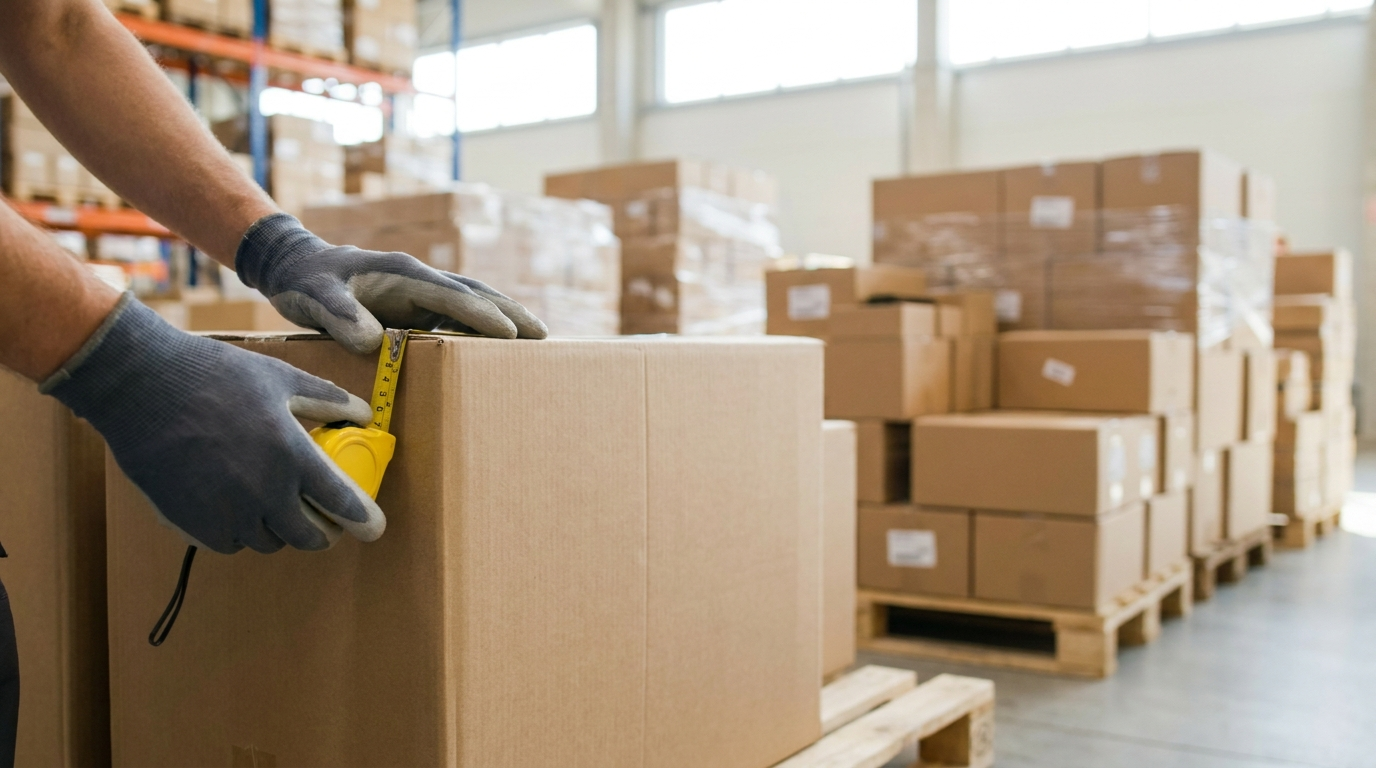
Air freight typically moves door-to-door in about 3–10 days and charges by chargeable weight. Sea freight takes weeks — from under two for nearby Asia to a month and more for distant markets — and charges by container or by cubic metre. Per kilogram, ocean is dramatically cheaper; per day saved, air is unbeatable. Transit time depends on cargo type, route, customs inspection, and carrier schedule, so treat every published range as planning guidance.
When air wins
- Launches, seasons and deadlines where lateness costs more than freight
- High-value, low-weight goods where freight is a small share of product value
- Stockout emergencies and fast replenishment of proven sellers
- Samples, prototypes and first trial orders
When sea wins
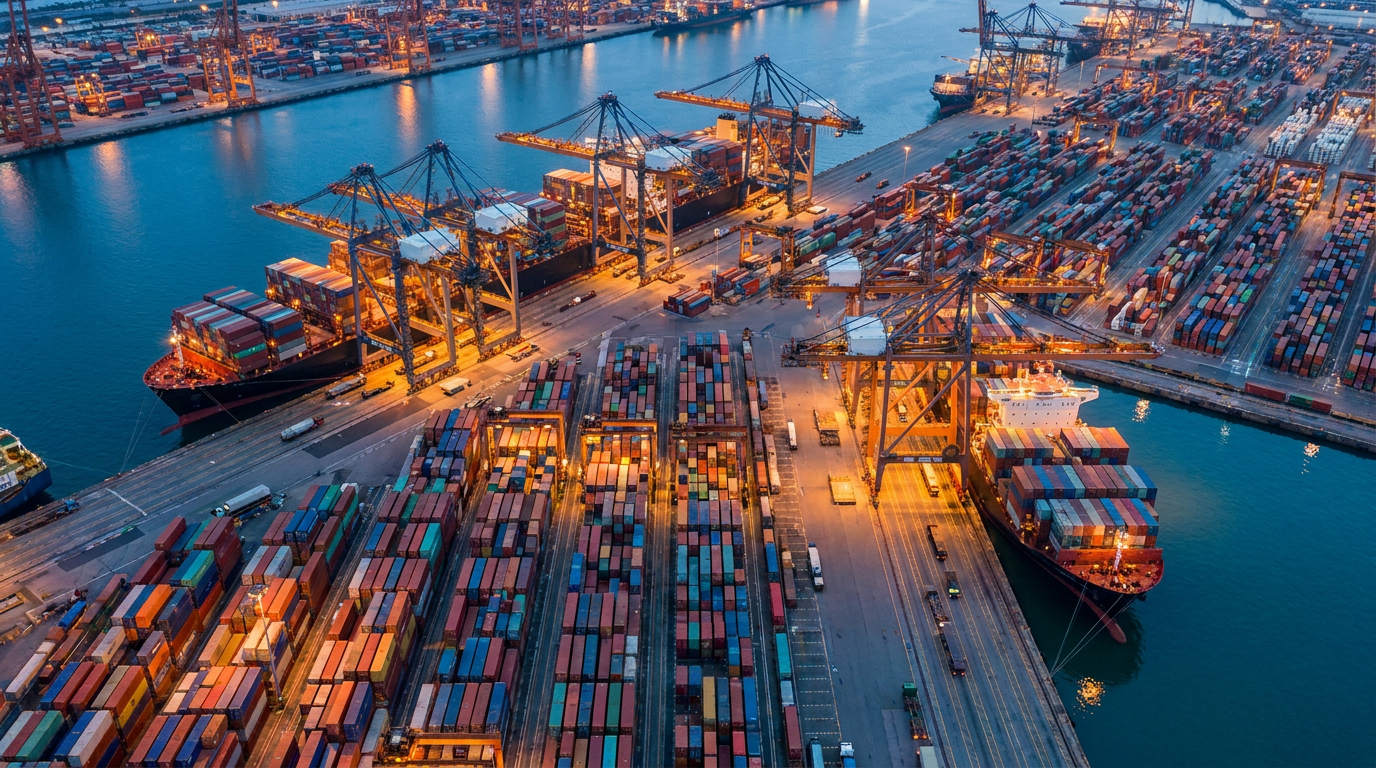
- Bulky, heavy or dense cargo — furniture, machinery, wholesale volume
- Predictable replenishment you can plan weeks ahead
- Products whose margins can't absorb air rates
- Anything measured in pallets and containers rather than cartons
The variable people forget: cash flow
Slow freight is cheap on the invoice but expensive on the balance sheet — inventory on the water is capital you can't sell. Fast freight costs more per kilo but turns stock into revenue sooner. High-margin, fast-selling products often justify air on cash-flow grounds alone; slow movers rarely do.
The strategy that beats both: split
Mature importers rarely choose once. They split: an air (or express) portion lands in days and keeps sales alive, while the sea bulk follows economically. One consolidation, two departures, documents aligned across both. Tell us your deadline and budget and we will price the realistic options side by side — including the split.