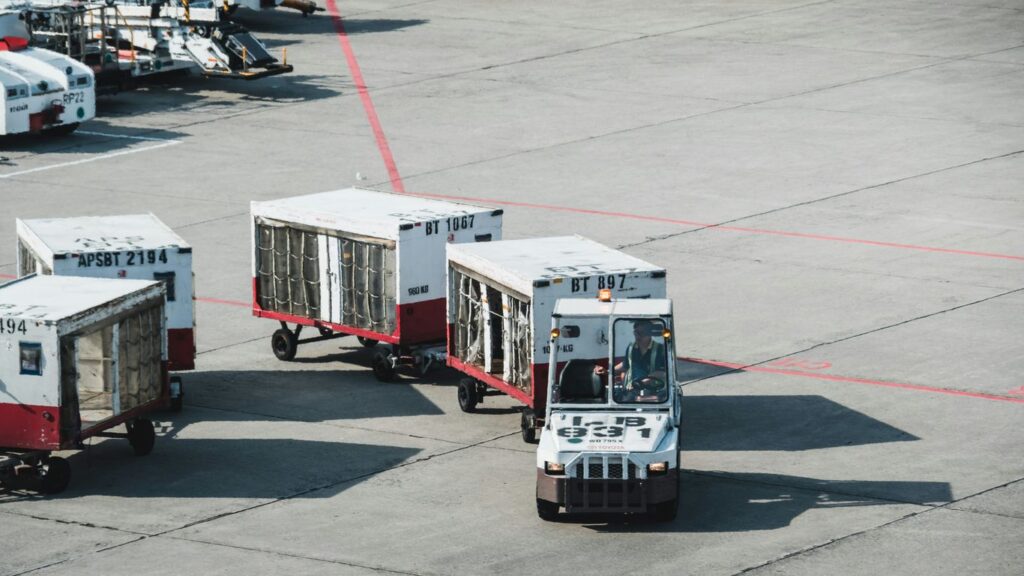
Key Takeaways
Air freight and sea freight solve different shipping problems. The right choice depends on cargo size, urgency, destination, documentation, and the total cost of carrying inventory.
- Air freight is generally faster and suits urgent, valuable, lightweight, or low-volume cargo.
- Sea freight is usually more cost-efficient for bulky, heavy, and less time-sensitive shipments.
- Dimensional weight, container utilization, handling, customs, and destination charges can change the comparison.
- Door-to-door transit includes pickup, export processing, transport, import clearance, and final delivery.
- Accurate carton details and clearly assigned charges are essential when comparing quotes.
Air freight vs sea freight from China at a glance
The decision between air and sea is not simply a choice between fast and slow. It is a calculation involving the value of the goods, the available inventory buffer, the shipment’s physical characteristics, and the destination route. For many importers, a blended approach works better than using one method for every order.
Core differences in cost, transit time, and capacity
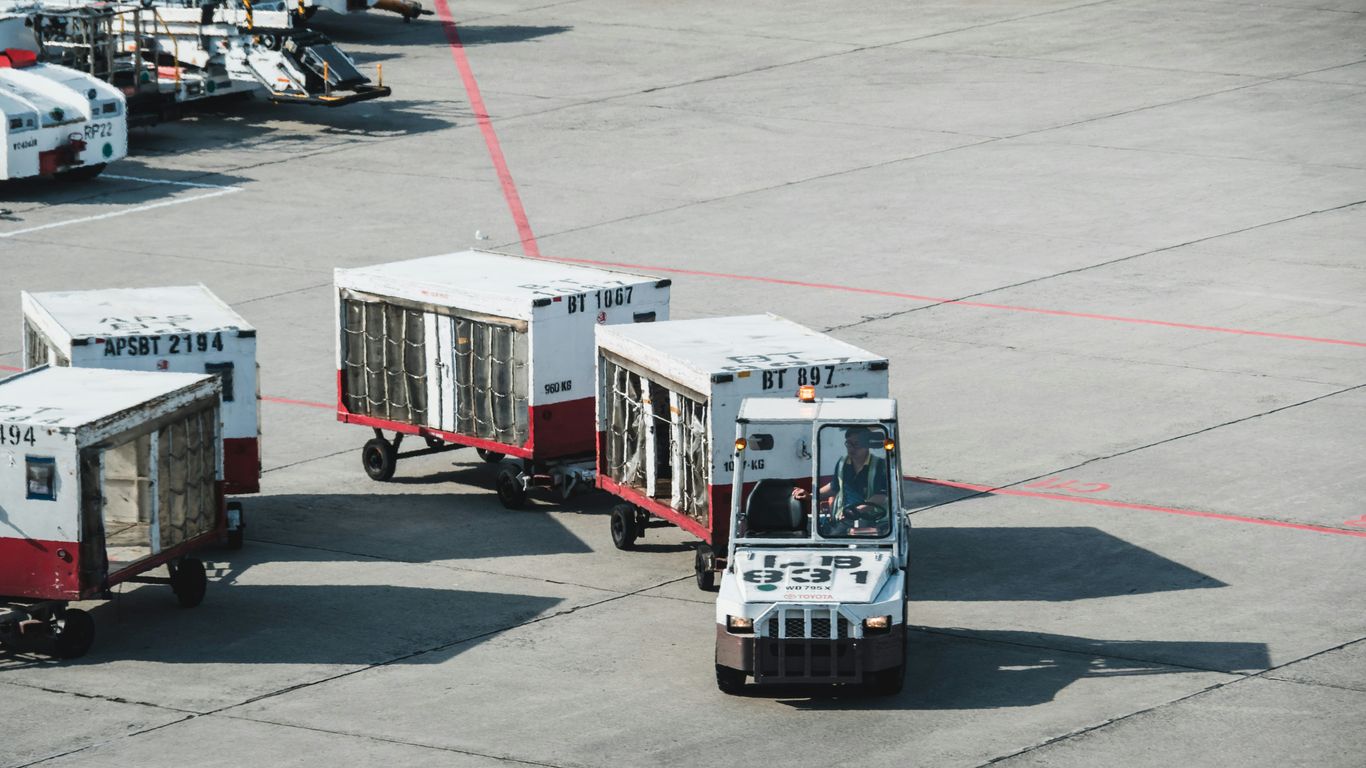
Air freight typically moves cargo across international distances in days, while sea freight commonly takes several weeks before final delivery. Air capacity is more constrained and priced around chargeable weight, whereas sea transport is designed for containers and consolidated cargo. A useful air and sea comparison guide can help frame the decision around cost, speed, volume, and reliability.
How shipment size and weight affect the choice
Small shipments can make air freight practical because ocean shipments may involve minimum charges and additional consolidation handling. As volume and weight increase, sea freight often becomes more cost-efficient, especially when cartons can be packed into an FCL container rather than moved as LCL cargo. Density matters too: a large but light shipment may incur air charges based on dimensional weight.
Typical use cases for air and sea shipping
Air freight is often selected for product samples, urgent replenishment, electronics, seasonal launches, and high-value goods. Sea freight is more suitable for furniture, machinery, construction materials, wholesale stock, and other cargo that can tolerate a longer replenishment cycle. The best choice still depends on the route and the shipment’s complete door-to-door requirements.
Key trade-offs beyond price and speed
Handling exposure, packaging, insurance, customs complexity, and warehouse scheduling can affect the practical result. Air may reduce the time that inventory is in transit, but it can make a packaging mistake more expensive. Sea may lower the transport cost per unit, yet a missed sailing or port delay can affect stock availability.
Air freight from China: Costs, benefits, and limitations
Air freight is a useful option when the commercial cost of waiting is higher than the freight premium. The quoted transport price is only one part of the decision; pickup, export handling, airport processing, customs, and final delivery also matter. Kunpeng Freight describes its air freight from China service as covering supplier coordination, export documentation, and destination delivery planning, with pricing based on cargo details and market conditions.
How air freight rates are calculated
Air carriers and forwarders commonly compare actual weight with dimensional weight and bill against the higher chargeable figure. The rate can also vary by origin airport, destination, commodity, service level, fuel conditions, and available capacity. That is why a quote based only on gross kilograms may change after cartons are measured.
Typical transit times from major Chinese airports
Airport-to-airport movement may take a few days on a suitable route, but door-to-door timing is longer once pickup, export procedures, security screening, destination customs, and delivery are included. Direct service, routing, flight availability, and inspections all affect the range. Transit estimates should therefore be treated as planning guidance rather than a fixed promise.
Advantages for urgent, high-value, and lightweight goods
Air freight can protect a launch date or prevent a stockout when there is little time to wait for an ocean sailing. It is also practical for goods whose value is high relative to their physical volume, because the transport premium may represent a smaller share of the inventory value. Careful packing and accurate commodity descriptions remain necessary.
Drawbacks including dimensional weight and capacity limits
Large cartons with low density can become expensive because the airline prices the space they occupy. Batteries, liquids, magnets, chemicals, and other controlled goods may require additional declarations or may face routing restrictions. Capacity can tighten around holidays and peak retail periods, so booking early is often more useful than simply requesting an expedited service.
Sea freight from China: Costs, benefits, and limitations
Sea freight remains the main option for many larger China-to-destination shipments because containers can carry substantial volume at a lower transport cost per unit. It has more moving parts than a simple port-to-port booking, including supplier pickup, consolidation or container loading, export documentation, ocean transit, destination handling, and final delivery. For a practical service overview, sea freight from China covers both FCL and LCL workflows and coordination through delivery.
How full-container and less-than-container rates work
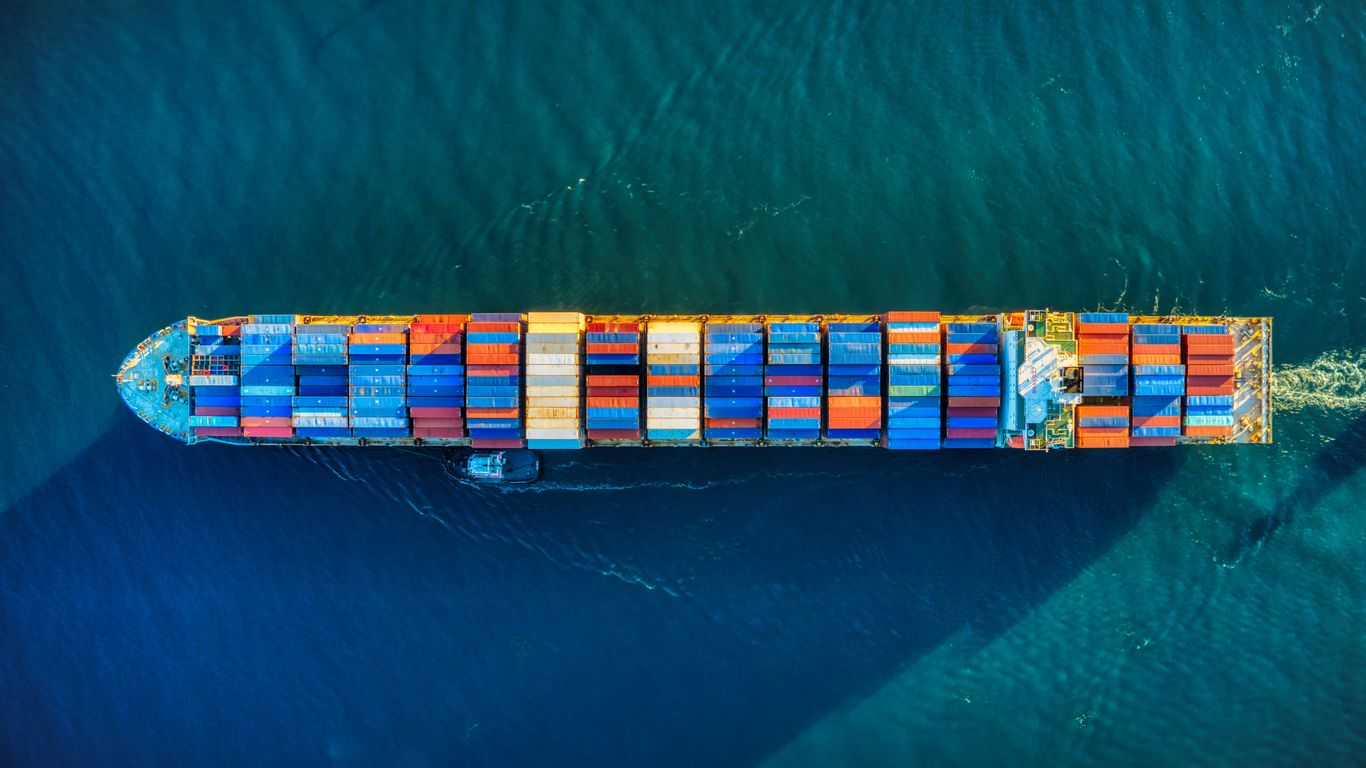
FCL means the importer uses a container for its own cargo, while LCL combines smaller shipments from multiple parties. LCL avoids the need to fill a container but adds consolidation and deconsolidation steps, along with minimum charges and handling. The point at which FCL becomes more economical varies by route, container type, cargo dimensions, and local fees; it should be calculated rather than assumed.
Typical transit times from major Chinese ports
Ocean transit from a Chinese port commonly takes weeks, and the complete schedule may be longer after origin pickup, loading, transshipment, customs, and inland delivery are included. Port pair, sailing frequency, carrier schedule, and destination congestion all matter. A shipment moving to a nearby regional market may have a very different timeline from one crossing to Europe or North America.
Advantages for bulky, heavy, and low-margin products
Sea freight spreads transport costs across a large quantity of goods, which can make it appropriate for heavy machinery, furniture, building materials, and replenishment stock. It also allows importers to plan larger purchasing cycles when warehouse capacity and demand forecasts are reliable. Consolidation can help combine cargo from several suppliers before export.
Drawbacks including port delays and minimum charges
Ocean cargo can be affected by blank sailings, port congestion, weather, transshipment delays, inspections, and inland appointment availability. LCL shipments may also face minimum volume charges even when the cargo occupies little space. A lower quoted ocean rate does not automatically mean a lower landed cost if storage or missed delivery appointments follow.
Air freight vs sea freight costs compared
A fair comparison uses the same shipment basis: pickup location, destination address, cargo description, dimensions, weight, Incoterm, customs assumptions, and delivery scope. Comparing only the headline freight rate can hide fees that appear later in the process. Itemized quotes make the air freight vs sea freight from China decision much easier to audit.

Main charges included in each shipping method
Air quotations may include an air linehaul rate, origin handling, screening, documentation, and delivery, while sea quotations may include ocean freight, terminal charges, consolidation, deconsolidation, and inland transport. The exact inclusions differ by provider and trade lane. Ask whether the figure is port-to-port, airport-to-airport, or door-to-door before comparing it with another quote.
How product volume and density change total cost
For air, chargeable weight can rise above the scale weight when cartons are large relative to their mass. For sea, cubic meters, container utilization, and whether the cargo is FCL or LCL usually have greater influence. Repacking, carton reduction, and supplier consolidation can change the calculation, but only when the cargo remains protected and compliant.
Customs, fuel, handling, and destination fees
Fuel surcharges, customs brokerage, duties, taxes, terminal handling, storage, delivery appointments, and residential or remote-area fees may sit outside the basic freight line. Some are payable at origin and others at destination. The importer should confirm who pays each charge and whether duties and taxes are included or excluded.
Example cost scenarios for different shipment sizes
The following examples show the direction of the decision, not a quote. Actual pricing changes with route, commodity, season, dimensions, and service scope.
| Shipment profile | Often suitable starting point | Main cost question | Timing consideration |
|---|---|---|---|
| Samples or a few small cartons | Air or courier | Is the minimum ocean charge disproportionate? | Is the launch or test date fixed? |
| Several cartons under a cubic meter | Air or LCL | What is the chargeable air weight? | Can the buyer wait for consolidation? |
| Palletized wholesale stock | LCL or air comparison | Are handling and delivery fees itemized? | How much inventory buffer exists? |
| Multiple cubic meters of heavy cargo | LCL or FCL | At what volume does FCL become economical? | Can the warehouse receive a container? |
These scenarios are starting points only. A supplier pickup plan and a complete destination cost sheet can reverse the initial preference, particularly when delivery is to a remote address or fulfillment center.
Ways to reduce freight costs without creating delays
Cost control is strongest when it happens before booking rather than after a shipment is already moving. Useful steps include:
- Confirm carton dimensions and gross weight with the supplier before requesting rates.
- Consolidate compatible orders when the extra handling time is acceptable.
- Compare FCL and LCL at the actual volume instead of relying on a general threshold.
- Match the service level to the real stock deadline rather than paying for unnecessary speed.
These measures work best when documents and cargo details are ready at the same time. Request a freight quote with the pickup city, destination, cartons, dimensions, weight, and preferred method so the comparison is based on the shipment you actually have.
Transit times, reliability, and shipment visibility
Transit time should be measured from supplier pickup to delivery, not only from aircraft uplift or vessel departure. A shipment can move quickly internationally and still arrive late because export paperwork, customs, or final-mile scheduling was not prepared. For that reason, reliability comes from planning the handoffs as carefully as selecting the transport mode.
Door-to-door timelines from China to the destination
A door-to-door estimate includes supplier readiness, pickup, cargo verification, export handling, departure, international transport, import clearance, and final delivery. Each stage can add time, particularly when several suppliers must be consolidated. A reasonable plan includes buffer for inspections, carrier changes, and warehouse receiving appointments.
Customs clearance and port or airport processing
Customs authorities may request commercial invoices, packing lists, certificates, permits, or additional product information. Incorrect descriptions, values, HS classifications, or consignee details can delay either air or sea cargo. Reviewing paperwork before pickup gives the importer more time to correct gaps.
Seasonal disruptions, congestion, and weather risks
Peak shopping periods, Chinese holidays, vessel omissions, airport capacity constraints, storms, and destination congestion can affect schedules. Air transport usually reduces the exposure to long ocean passages, but it is not immune to capacity or security delays. A mode decision should include a realistic buffer rather than depend on the shortest advertised transit.
Tracking, scheduling, and delivery predictability
Useful visibility shows meaningful milestones: pickup, cargo received, booking, departure, arrival, customs progress, and final delivery. Tracking alone does not solve a missed appointment or an incomplete document, so updates should be paired with someone responsible for the next action. Kunpeng Freight positions its logistics service around supplier pickup, export handling, import paperwork assistance, and final delivery coordination.
When faster transport can reduce total business costs
Air freight may cost more per kilogram while costing less overall if it prevents a stockout, missed promotion, production stoppage, or expensive emergency purchase. The calculation should include lost sales and working capital, not just the freight invoice. Conversely, paying for air when stock is already sufficient can unnecessarily reduce margin.
Choosing the best shipping option for your cargo
There is no universal winner in the air freight versus sea freight decision. The practical answer follows from the product, route, delivery terms, and the importer’s ability to receive and clear the cargo. A short written decision rule is often helpful: ship by air when time and value dominate, by sea when volume and cost dominate, and reassess when the shipment falls between those cases.
Product value, urgency, and inventory requirements
High-value goods may justify faster movement because they tie up more capital while in transit. Low-value goods usually need a transport method that preserves margin, provided the inventory plan can absorb the longer lead time. Consider the reorder point, sales forecast, launch date, and consequences of arriving early or late.
Fragility, perishability, and special handling needs
Fragile products require strong packaging and clear handling instructions in either mode. Perishable cargo may need temperature control, priority processing, or a route with fewer handoffs. Before booking, confirm whether the carrier accepts the commodity and whether the packaging meets the applicable requirements.
Hazardous goods, oversized freight, and compliance rules
Batteries, liquids, powders, chemicals, magnets, branded goods, and oversized items may require declarations, permits, special labels, or carrier approval. Air rules can be particularly restrictive for some dangerous goods, while sea containers still require accurate documentation and safe packing. Never conceal a product characteristic to obtain a lower initial rate.
Destination, delivery terms, and warehouse capabilities
A port or airport is not the final destination. Check inland distance, customs requirements, delivery appointments, unloading equipment, and whether the warehouse can accept pallets or a full container. Incoterms also determine which party arranges transport, insurance, export formalities, and import responsibilities.
When rail freight or courier shipping may be better
Rail can be a middle option on suitable China-to-Europe or China-to-Russia routes, offering a transit profile between ocean and air. Courier shipping may be more convenient for samples and small parcels that need simple door-to-door handling. The rail freight option and express courier service illustrate why mode selection should include alternatives beyond air and sea.
How to plan and book freight from China
Good freight bookings begin with verified information rather than a rough product description. Before contacting a forwarder, gather the supplier address, cargo-ready date, product details, carton count, dimensions, gross weight, and destination address. Kunpeng Freight’s global logistics services cover supplier pickup, export handling, import paperwork assistance, and final delivery across several transport modes.
Preparing product, carton, and shipment information
Ask the supplier for a current packing list and commercial invoice, then check that the figures match the physical cargo. Include photos when packaging, labels, batteries, liquids, or unusual shapes may affect acceptance. A quote based on measured cartons is more dependable than one based on an estimated order quantity.
Comparing freight forwarder quotes accurately
Request each provider to state the transport mode, route, validity period, estimated transit range, included services, excluded charges, and delivery scope. Also ask whether the quote assumes one supplier or multiple pickups. This makes it possible to compare equivalent services rather than choosing the lowest-looking line item.
Selecting Incoterms and clarifying who pays each charge
Incoterms define responsibilities between buyer and seller, but they do not replace a complete freight quote. Confirm who pays export charges, main transport, destination handling, customs brokerage, duties, taxes, and final delivery. If the supplier offers a delivered price, request enough detail to understand what is included.
Coordinating suppliers, pickup, customs, and final delivery
A coordinated workflow should confirm cargo readiness, arrange pickup, count and measure cartons, review documents, book space, monitor departure, and prepare destination clearance. Multiple suppliers can be consolidated when timing and commodity rules permit. Clear ownership for each handoff reduces the chance that a shipment waits because one party assumed another had acted.
Combining air and sea freight in a hybrid strategy
A hybrid plan can send a small quantity by air to protect immediate availability while the balance travels by sea at a lower unit cost. This works when demand is predictable enough to separate urgent stock from replenishment stock. Revisit the split after reviewing actual sales, transit performance, and warehouse costs rather than treating the first allocation as permanent.
Conclusion
Air freight earns its premium when speed, product value, or stock continuity matters most, while sea freight generally fits larger and less time-sensitive cargo. A sound decision compares the complete door-to-door cost and timeline, verifies cargo details, and assigns every charge and responsibility before booking.
Frequently Asked Questions
Is air freight always more expensive than sea freight?
Not always. For very small shipments, ocean minimum charges and handling can make air or courier shipping competitive, while larger dense shipments usually favor sea freight.
How long does air freight from China take?
Airport-to-airport movement may take a few days on an available route, but pickup, export processing, customs, and final delivery extend the door-to-door timeline.
How long does sea freight from China take?
Sea freight commonly takes several weeks, with the actual range depending on the port pair, sailing schedule, transshipment, customs, congestion, and inland delivery.
What is the difference between FCL and LCL?
FCL uses a container primarily for one shipper’s cargo, while LCL combines smaller shipments in a shared container. FCL may become more economical as volume increases, but the crossover depends on the route and charges.
What is dimensional weight in air freight?
Dimensional weight converts the space a carton occupies into a billable weight. If that calculated figure exceeds the actual scale weight, the higher chargeable weight may determine the freight price.
Which shipping method is best for urgent inventory?
Air freight is often the practical starting point for urgent inventory, but courier service may suit small parcels and samples. The final choice depends on the commodity, destination, deadline, and documentation.
What information is needed for a freight quote?
Provide the product description, supplier pickup location, destination, carton count, dimensions, gross weight, cargo-ready date, and any special handling or compliance details. Complete information produces a more useful comparison.