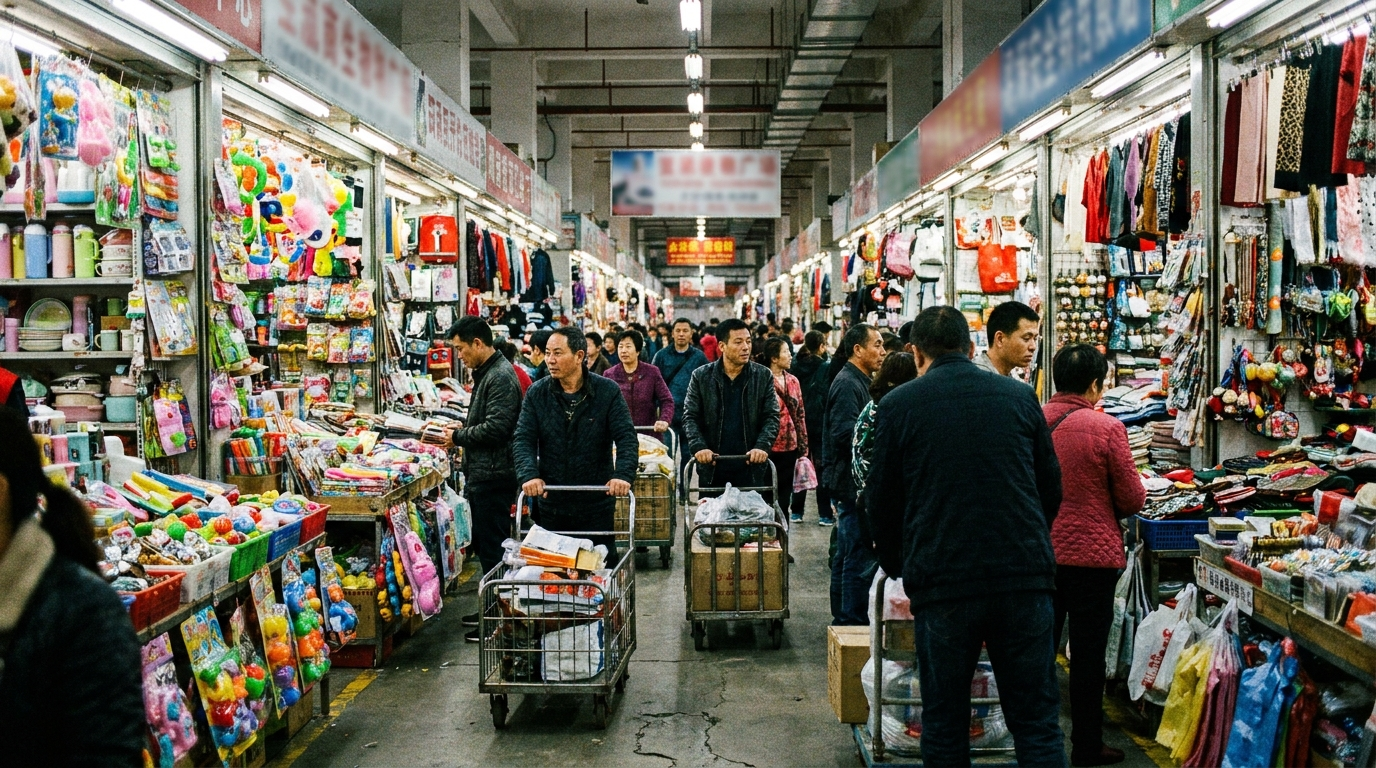
Yiwu International Trade City is the world's largest wholesale market for small commodities: tens of thousands of booths across connected districts, selling everything from toys and jewelry to tools and seasonal goods. Buyers love the variety and prices. Then they face the practical question: how do purchases from thirty different stalls become one shipment?
How buying in Yiwu works
Each booth is a small supplier with its own minimum quantities, prices, and lead times — many goods are made to order rather than carried in stock. Orders are typically confirmed booth by booth, with deposits, and goods are delivered days or weeks later to an address you nominate. That address is the key to everything that follows.
The consolidation pattern
- All booths deliver to one export warehouse under your reference code
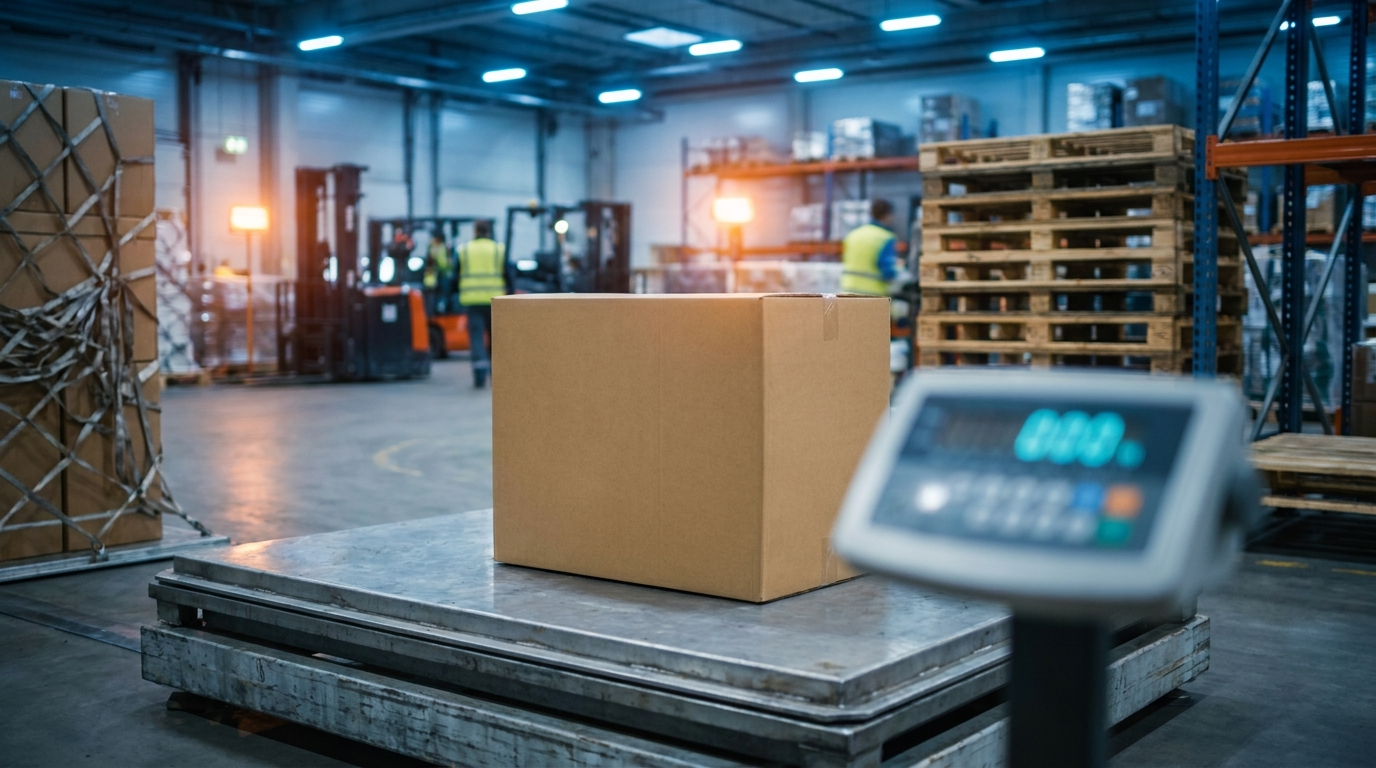
- Each delivery is received, counted, photographed and checked against your order list
- Loose market packaging is repacked into solid export cartons — often saving significant volume
- One combined shipment ships by sea, air, rail or road with one aligned document set
The paperwork reality
Thirty stalls means thirty receipts — but customs at your destination wants one coherent commercial invoice and packing list for the shipment. Building that consolidated document set, with realistic values and specific product descriptions, is where market shipments most often go wrong when self-managed. It is also precisely the work our paperwork assistance covers.
Practical tips for market buyers
Photograph every booth's business card next to the sample you ordered; give every supplier the same delivery address and your reference code; declare special items — anything with batteries, liquids, magnets or brand markings — to your forwarder before it ships; and leave buffer time, because booth production runs late more often than early. If you tell us your buying trip dates in advance, the warehouse is ready before your first booth ships.