International shipping has fixed costs that every consignment pays regardless of size: documentation, export handling, clearance, delivery arrangement. Buy from three suppliers and ship three times, and you pay those costs three times. Consolidation exists to pay them once.
What consolidation is
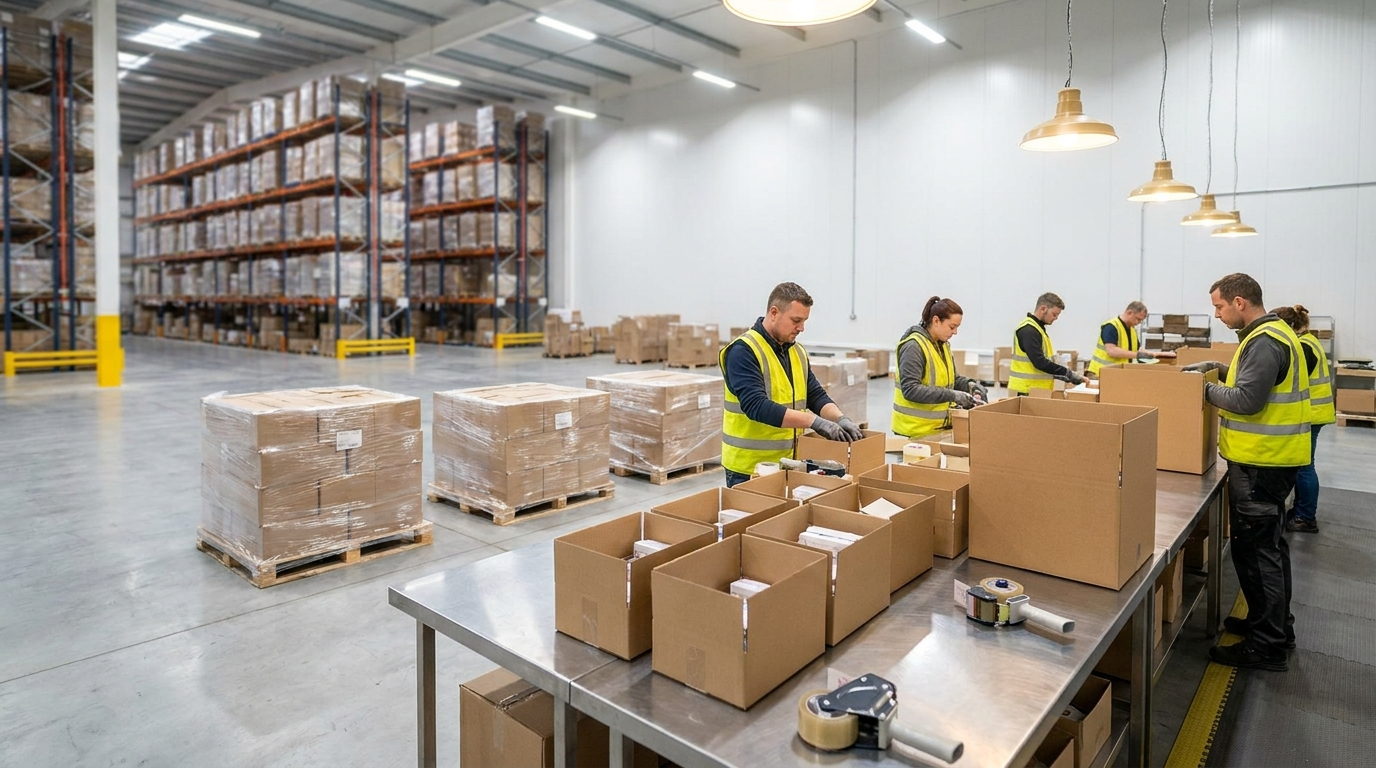
Each of your suppliers delivers to one export warehouse in China under your reference code. Deliveries are received, counted, photographed and checked; cartons are inspected; excess packaging is removed; and everything is combined into a single shipment — by sea, air, rail or road — traveling under one aligned invoice and packing list.
Where the savings come from
- Fixed costs once: one document set, one clearance, one delivery instead of several
- Rate breaks: combined volume often earns better per-kg or per-CBM pricing than fragments would
- Repacking: market and lightly-packed goods routinely lose meaningful billable volume when repacked properly
- Method upgrade: combined volume can cross the line where LCL becomes a cheaper full container
What happens inside the warehouse
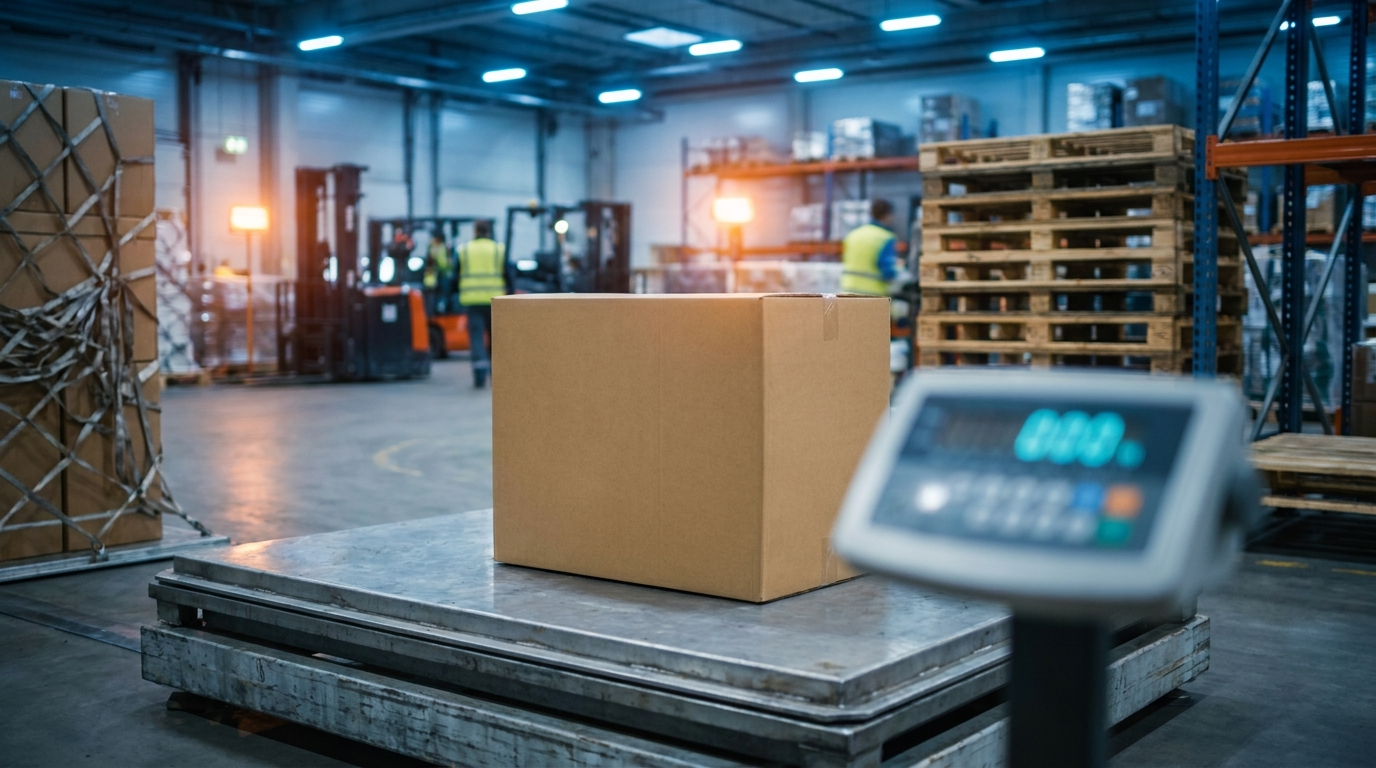
Receiving is verification: counts against your order list, photos you can check remotely, and real measurements that lock your freight pricing to reality. Optional services — inspection, labeling, palletizing — happen at the same touch. Storage during a normal consolidation window is part of the plan, and you decide the trigger: ship when everything arrives, or ship what's ready if one supplier drags.
Who benefits most
Multi-supplier importers, wholesale market buyers (Yiwu orders practically demand it), FBA sellers restocking several SKUs, and anyone whose individual orders are too small to ship economically alone. The pattern also solves a quieter problem: one accountable party has now physically verified what each supplier claims to have shipped — before it crosses an ocean.
Send us a line per supplier — product, rough cartons, city, ready date — and we'll plan the consolidation window and quote the combined shipment.