
Key Takeaways
China import Incoterms explained in practical terms: each rule assigns specific delivery tasks, costs, and risk, but it does not replace a complete sales contract or a detailed freight quote.
- EXW places most origin and transport responsibilities on the buyer.
- FOB is designed for sea or inland-waterway shipments, with risk transferring when goods are loaded on board.
- CIF includes seller-arranged freight and insurance, but the buyer assumes risk before arrival at the destination port.
- DAP brings the shipment to a named destination while leaving import clearance, duties, and taxes with the buyer.
- The named place, shipment mode, quote details, and customs plan matter as much as the Incoterm itself.
Incoterms basics for importing from China
Incoterms® are standardized rules used in sales contracts to explain how sellers and buyers divide delivery responsibilities. They help identify who arranges transport, handles customs formalities, pays particular costs, and bears risk at each stage. They do not make a vague quotation complete, so the commercial agreement still needs careful detail.
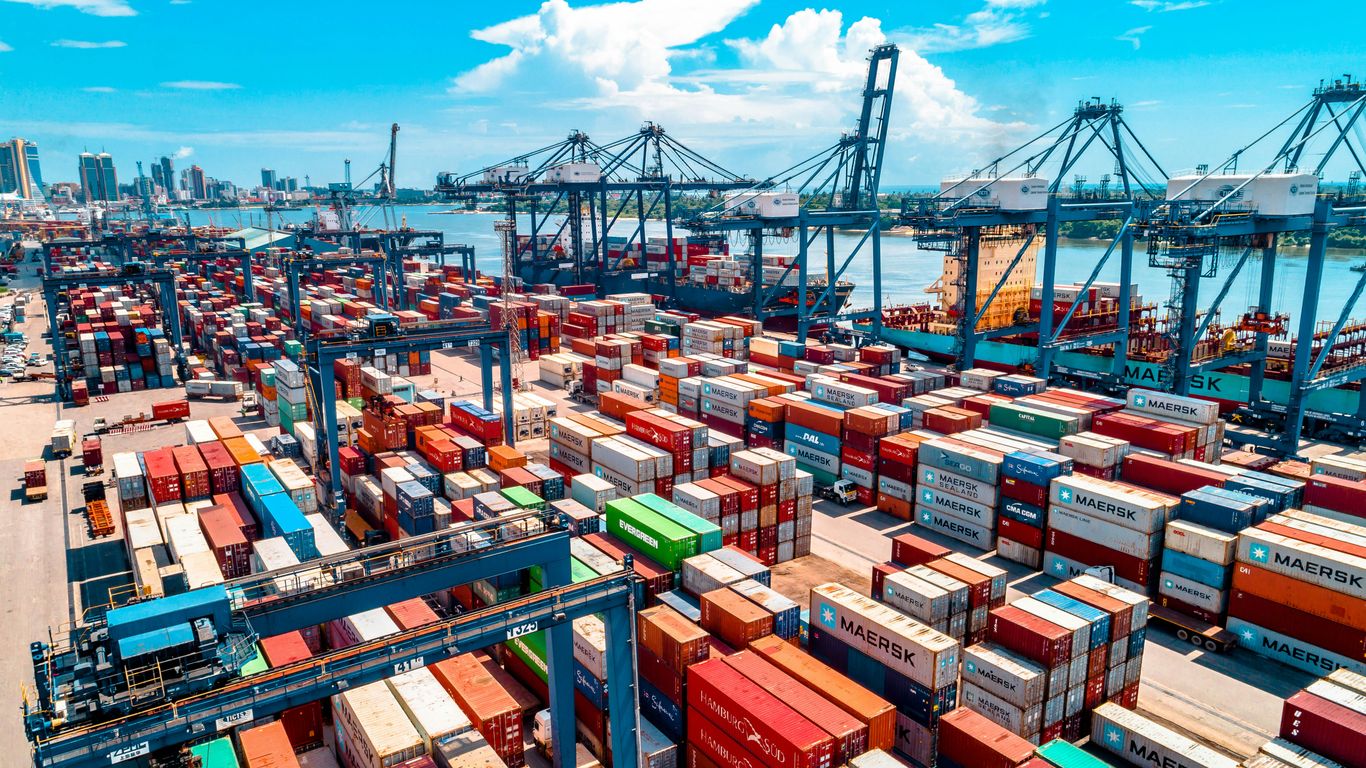
What Incoterms® define—and what they do not
An Incoterm defines obligations connected with delivery, including transport arrangements, export and import formalities in applicable cases, and the point at which delivery is completed. It does not by itself determine ownership, payment timing, product specifications, remedies for defects, or every charge appearing on a forwarder's invoice.
For a broader reference on the Incoterms® rules, check the transport-mode distinction before selecting a term. The choice should fit the physical movement of the goods, not merely the wording a supplier places beside a unit price.
How costs, risk, and responsibility are allocated
Costs and risk do not always move at the same moment. A seller may pay for freight that is already the buyer's risk, as happens under CIF after loading at the origin port. Conversely, a buyer may control and pay for a transport leg only after the seller has completed the relevant delivery obligation.
The practical questions are simple: who books the movement, who supplies the documents, who pays the charge, and who deals with loss or damage at that point? Writing those answers into the purchase order prevents a low-looking quote from hiding an expensive handover.
The difference between the delivery point and the risk-transfer point
The named destination is not automatically the place where risk transfers. Under a delivered term, the seller may carry risk until the cargo reaches the agreed place; under a sea term such as CIF, risk can transfer at the shipment port even though the seller pays the ocean freight to destination.
This distinction deserves attention when cargo is inspected, delayed, or damaged. Ask for the exact delivery point and risk point in writing, then align insurance and claims procedures with that answer.
Why the named place and Incoterms® version matter
“DAP warehouse” is less precise than “DAP, 123 Example Street, Chicago, Illinois, Incoterms® 2020.” The named place should identify where delivery occurs and, where relevant, whether unloading is included. The version should also be stated because rules and terminology are revised over time.
A careful quote can list the applicable version, origin location, destination, transport mode, included charges, and excluded charges. That level of specificity is more useful than treating the Incoterm as a complete landed-cost calculation.
EXW from China: Maximum buyer responsibility
EXW, or Ex Works, makes the goods available at a named place, commonly a factory or supplier warehouse. The buyer generally organizes the pickup, export-side movement, main transport, import formalities, and delivery onward. It can offer control, but it also requires the buyer to understand Chinese origin logistics and compliance.
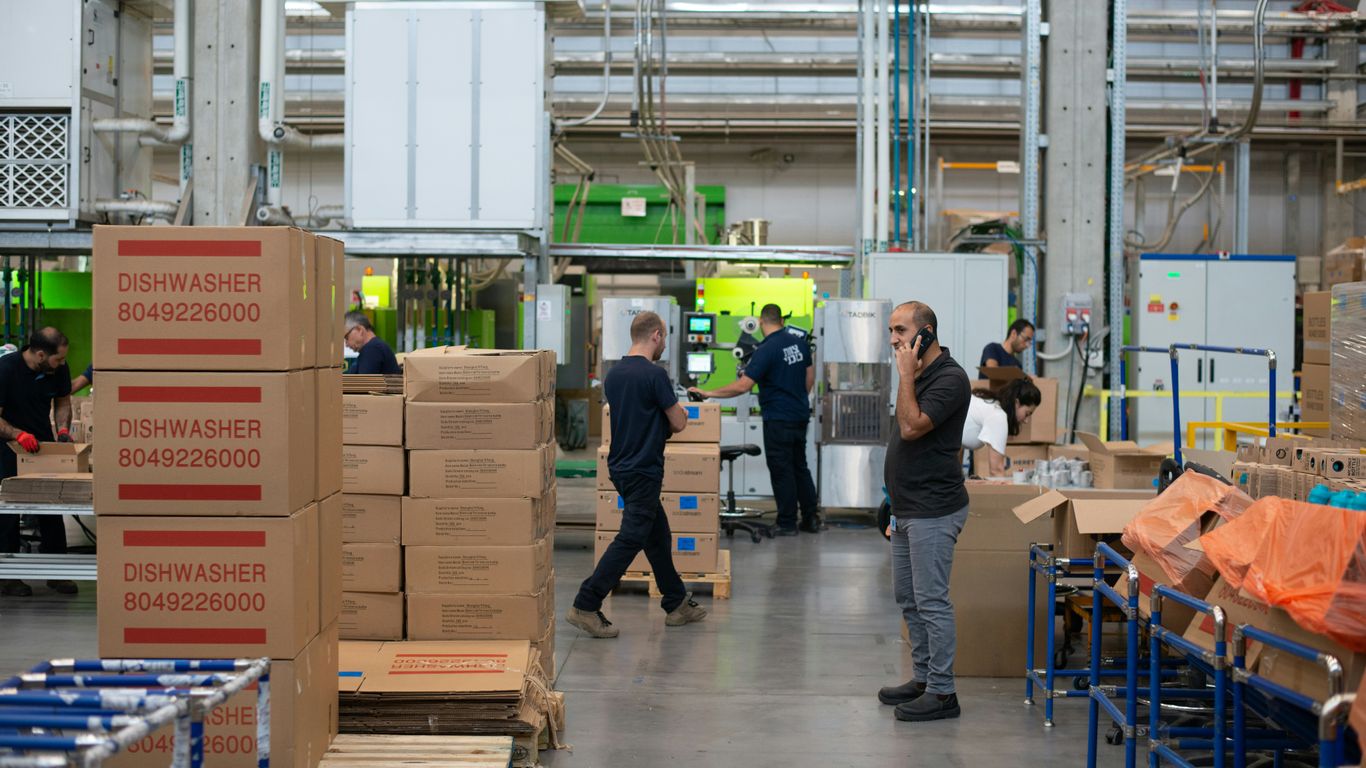
What the seller and buyer each handle under EXW
Under EXW, the seller makes the packaged goods available at the agreed place and time. The buyer is responsible for collecting them and arranging the remaining transport and customs work, subject to the precise contract and local procedures.
That division can be attractive to an importer with a trusted forwarder and established origin process. It is less comfortable when the buyer has no local representative, unclear cargo information, or limited experience with export documentation.
How factory pickup, export clearance, and inland transport work
The buyer must coordinate a vehicle or agent to collect the cargo, confirm loading access, and move it to the export point. Export clearance may require cooperation from the seller or another local party, and that cooperation should not be assumed simply because the term is printed on the invoice.
A workable EXW process usually confirms:
- The supplier's exact pickup address and loading hours.
- Carton count, dimensions, gross weight, and cargo-ready date.
- Who provides export declarations and supporting documents.
- Which party pays origin handling, warehouse, and inland charges.
After these points are confirmed, the buyer can compare the full origin-to-destination cost rather than the factory price alone. A China-based forwarder may also coordinate supplier pickup and document preparation where the buyer cannot manage those steps directly.
When EXW may increase costs or create compliance issues
A supplier may quote EXW without including factory loading, local transport, export handling, or documentation work. Separate small charges can then accumulate, while incomplete descriptions or mismatched paperwork can delay the export process.
For importers who need structured support, import paperwork assistance can help organize document review and clarify the division between origin export work and destination import work. It does not remove the buyer's contractual responsibility, but it can make the operational handoffs clearer.
Situations where EXW can still be a practical choice
EXW can work when the buyer controls a reliable origin network, purchases from several suppliers, or wants to consolidate cargo before selecting the main transport. It may also suit a buyer with negotiated local transport rates and a clear export-compliance process.
The decision should be based on total cost, control, and capability. If the supplier is better placed to complete export formalities, another term may reduce friction even if its quoted unit price appears higher.
FOB from China: A common option for ocean freight
FOB, or Free on Board, is a sea and inland-waterway term. The seller handles the shipment up to loading on the buyer's nominated vessel, while the buyer arranges the main ocean movement and later stages. It is often considered for containerized ocean cargo, but the named port and loading procedure must be explicit.
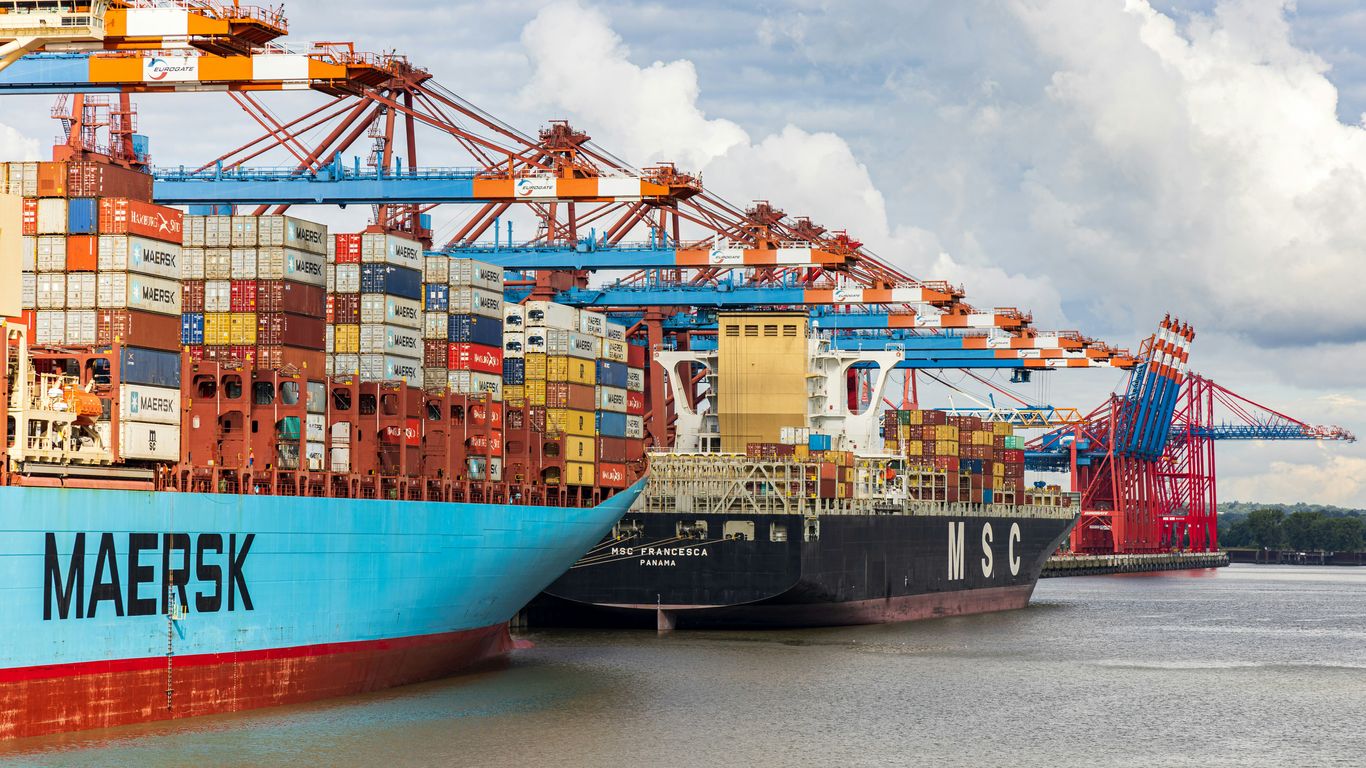
Where risk transfers under FOB
Under FOB, delivery and risk transfer when the goods are loaded on board the vessel at the named port. The buyer therefore carries the ocean-transit risk from that point, even though the seller has completed the origin delivery obligation.
The buyer should not confuse “freight paid to destination” with “risk retained to destination.” If the cargo is damaged after loading, the parties will look to the contract, transport documents, and insurance arrangement rather than the destination shown on the booking.
Seller and buyer responsibilities before and after loading
Before loading, the seller generally prepares the goods, handles export clearance, brings the cargo to the port, and loads it on the nominated vessel. After loading, the buyer arranges ocean freight, import clearance, duties, taxes, and onward delivery, unless the contract separately assigns a particular task.
The buyer should provide booking instructions early and confirm the vessel, port, cutoffs, and document requirements. The seller still needs accurate cargo details and timely export documents, since a missed cutoff can affect both parties even when the responsibility split is clear.
How FOB differs from EXW for export logistics
FOB moves more origin-side work to the seller than EXW does. The buyer still controls the main freight and destination process, but does not normally have to arrange the initial factory pickup and export clearance in the same way.
That can make FOB easier for a buyer unfamiliar with Chinese origin procedures. It is not automatically cheaper, however; the comparison should include port handling, documentation, freight, insurance, and destination charges.
When FOB is unsuitable for air, courier, or multimodal shipments
FOB is written for sea or inland-waterway transport and is not the natural choice for air freight, express courier, or a shipment moving through several modes before a vessel handoff. Applying it loosely to a non-sea movement can make the risk point difficult to identify.
For air, courier, rail, road, or multimodal cargo, use a term suited to the actual transport plan and name the handover point precisely. The shipping method should be selected from the cargo's urgency, volume, route, and documentation requirements.
CIF from China: Seller-arranged freight with buyer-side risk
CIF means Cost, Insurance and Freight and is a sea or inland-waterway term. The seller arranges and pays for transport to the named destination port and obtains the required insurance under the rule. The buyer, however, takes on risk once the goods are loaded at the origin port.
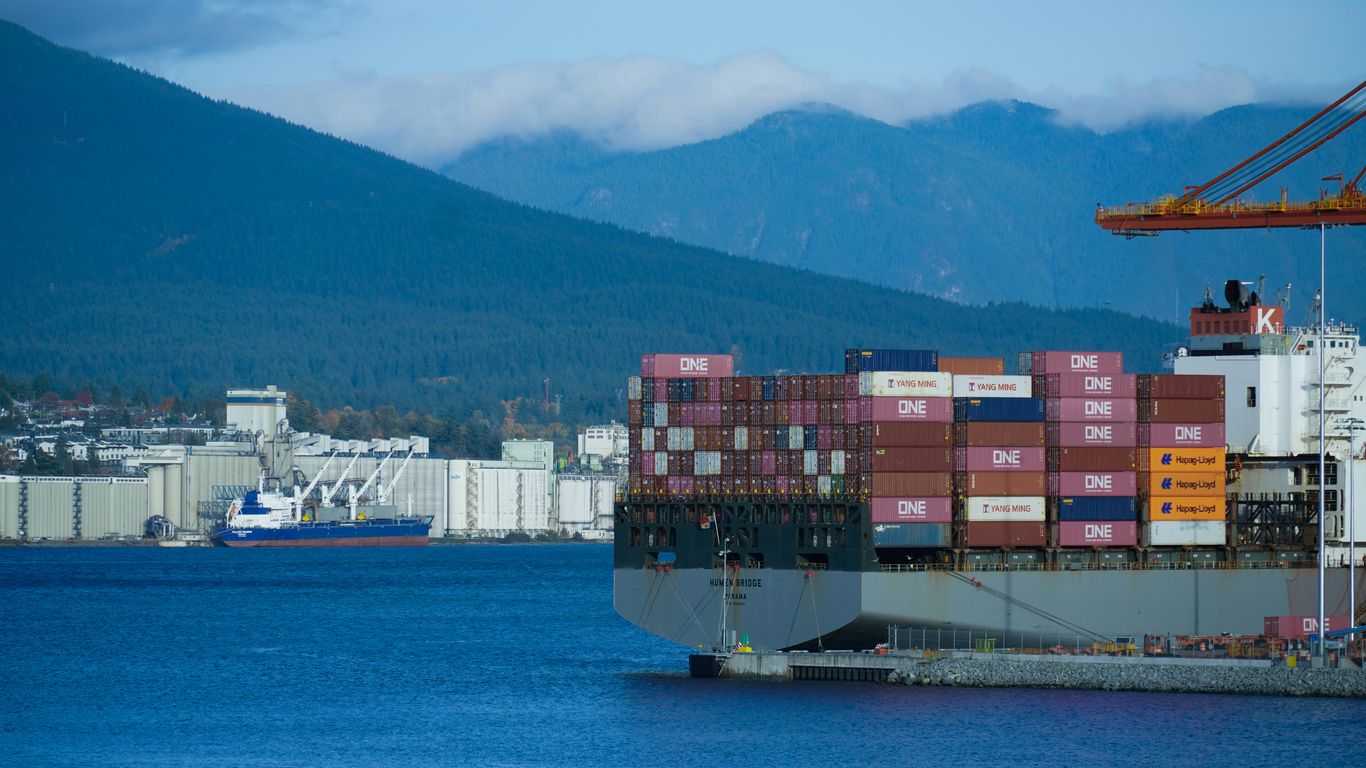
What the seller pays for under CIF
The seller arranges the export process, loads the goods, contracts the ocean freight to the named destination port, and provides the required insurance under CIF. The sales contract should still clarify which origin and destination charges are included because the term does not make every local fee disappear.
The buyer should request the freight route, carrier or service details where available, insurance evidence, and a clear list of exclusions. Seller-arranged freight can be convenient, but it gives the buyer less direct control over the main carriage than a buyer-booked arrangement.
Why risk transfers before the goods reach the destination port
CIF separates payment responsibility from risk. The seller pays freight to the destination port, but risk normally transfers when the goods are loaded on board at the origin port.
That point can surprise importers who read “freight to destination” as protection through arrival. A buyer should arrange any additional cover needed for the actual exposure and understand the claim process before the shipment moves.
Understanding CIF insurance coverage and common limitations
CIF requires the seller to obtain insurance, but the required cover may be limited and may not match the cargo's value, route, or commercial risk. The policy, insured amount, exclusions, deductible, and claims procedure should be reviewed rather than inferred from the three-letter term.
If the shipment includes fragile, high-value, or unusually handled cargo, ask whether the available cover is sufficient. Insurance is a separate risk-management decision, even when the seller is obligated to arrange a policy.
Destination charges, customs clearance, and delivery responsibilities
CIF normally brings the seller's freight obligation to the named destination port, not to the buyer's warehouse. The buyer generally handles import clearance, duties, taxes, port or terminal charges assigned to the buyer, and onward delivery.
A detailed quote should separate ocean freight from destination handling and customs costs. Sea freight from China can be evaluated more realistically when the shipment's volume, port pair, service type, and final delivery address are supplied.
DAP from China: Delivery to an agreed destination
DAP, or Delivered at Place, moves the seller's delivery obligation beyond the destination port or airport to a named place. The seller arranges transport and carries risk until the cargo is made available at that destination, ready for unloading. The buyer still has a significant role in import clearance.
DAP is useful when a buyer wants a coordinated delivery but is able to act as importer or appoint a customs broker. The address and unloading expectations should be written with the same care as the transport route.
What the seller manages under DAP
Under DAP, the seller arranges carriage to the named destination and bears risk until the goods arrive ready for unloading. The seller may coordinate multiple transport legs, but the contract should identify the final place and any limits on access, waiting time, or unloading.
A business address, warehouse, or fulfillment center may be named if the carrier can legally and operationally serve it. Confirm receiving hours and delivery restrictions before accepting the term.
Buyer responsibilities for import clearance, duties, and taxes
The buyer generally arranges import clearance and pays applicable duties and taxes under DAP. The buyer may also need to provide importer information, licenses, broker instructions, and product documents required by the destination country.
This is why DAP is not the same as a fully managed import service. Customs responsibility must be assigned to a party that can legally perform it and has accurate information about the goods.
How DAP differs from DDP and why the distinction matters
DDP places more import responsibility on the seller, including delivery duty paid under the rule. DAP leaves import clearance and duties with the buyer. The distinction matters where the seller cannot act as importer, register for local taxes, or meet destination-specific compliance requirements.
Never accept DDP or DAP as casual shorthand for “delivered.” State who files the entry, who pays duties and taxes, who unloads, and what happens if customs requests additional information.
Choosing a suitable named destination for DAP shipments
A DAP destination should be a real, accessible delivery point rather than only a city or country. Include the full address, receiving contact, hours, appointment rules, and whether the location can accept the vehicle or cargo type.
For a multi-supplier shipment, the named destination may be a consolidation warehouse before final delivery. The more complex the route, the more useful it is to describe each handoff in the contract and quote.
Comparing EXW, FOB, CIF, and DAP
The four terms represent different balances of control and involvement. EXW asks the buyer to manage the earliest handoff, FOB places the main ocean booking with the buyer after origin loading arrangements, CIF lets the seller arrange freight to a port, and DAP extends seller-arranged delivery to a named place. None should be selected from the supplier price alone.
Cost visibility and control across the four terms
A comparison becomes useful when it separates the seller's price from origin charges, main freight, insurance, destination charges, customs, duties, taxes, and final delivery. The following overview is a starting point, not a substitute for a shipment-specific quotation.
| Term | Main transport scope | Typical buyer control | Buyer-side charges to confirm |
|---|---|---|---|
| EXW | Goods made available at origin | High, from pickup onward | Pickup, export handling, freight, import costs |
| FOB | Loaded on board at named port | High over main ocean freight | Ocean freight, insurance, import and delivery costs |
| CIF | Freight and insurance to named port | Lower over main freight | Risk cover, destination charges, customs, delivery |
| DAP | Carriage to named destination | Moderate, with import control | Import clearance, duties, taxes, unloading |
The table shows why the lowest invoice line may not produce the lowest landed cost. Ask for an itemized quote with assumptions, exclusions, currency, validity period, and any charges that depend on actual measurements or carrier schedules.
Risk exposure during factory pickup, transit, and delivery
Risk should be mapped across the complete journey: factory release, origin trucking, export handling, loading, ocean or air transit, destination handling, customs, and final delivery. Under EXW, exposure begins early; under FOB and CIF, the key sea-risk handoff is at loading; under DAP, the seller carries risk farther toward the destination.
The right insurance arrangement depends on the cargo and the contract. A buyer should also keep photographs, packing records, inspection findings, and delivery evidence so that a claim or responsibility question can be investigated with facts.
Customs, documentation, and import compliance considerations
Incoterms do not classify products, guarantee admissibility, or replace commercial invoices, packing lists, export declarations, import entries, licenses, or certificates. Product descriptions and HS codes need consistency across the documents, while special cargo such as batteries or liquids may require additional review.
Documentation gaps can create inspection costs and delays. A freight forwarder's customs documentation support may help verify invoices, packing lists, export paperwork, and destination requirements before cargo is dispatched.
Example comparison for a shipment from China to the United States
Suppose a supplier in Shenzhen prepares cartons for delivery to a business address in California. With EXW, the importer arranges pickup and export-side work; with FOB Shenzhen, the seller handles the origin movement through vessel loading while the buyer books ocean freight; with CIF Los Angeles, the seller books freight and insurance to the port while the buyer handles import and onward delivery; with DAP California, the seller coordinates carriage to the named address while the buyer handles import clearance and duties.
The best option depends on who can manage the U.S. entry, who wants to control the carrier, the cargo's volume and value, and which destination charges are included. A written comparison of the same shipment under each term is more reliable than comparing four headline prices.
How to choose and negotiate China import Incoterms
Choosing an Incoterm is an operational decision, not a vocabulary exercise. Start with the shipment mode, cargo details, destination rules, and the people or partners who can perform each task. Then negotiate a term that makes the workflow visible from supplier handover through final delivery.
Matching the term to your shipment mode and logistics capabilities
Use EXW only when you can manage the origin handoff and export process. FOB and CIF are sea-focused terms, while DAP can cover a broader delivery movement but still leaves import obligations with the buyer. Air, courier, rail, road, and multimodal shipments need a term and delivery point suited to their actual routing.
Consider volume as well as urgency. Cargo consolidation may change the practical choice for goods collected from multiple suppliers, while smaller urgent consignments may require a different transport plan from a full container.
Evaluating freight quotes beyond the headline price
Ask whether the quotation is based on verified carton dimensions, gross weight, cargo type, pickup address, destination address, and planned mode. Request separate figures for origin pickup, export handling, main freight, insurance, destination handling, customs, duties, taxes, and final delivery where available.
A useful quote also states assumptions and variable charges. Request a quote only after gathering as much cargo information as possible, although an initial inquiry can still identify which missing details matter.
Confirming responsibilities in the purchase contract
Write the Incoterms® version and named place into the sales contract, purchase order, and commercial invoice consistently. Add the parties responsible for booking, export clearance, import clearance, duties, insurance, inspection, unloading, documentation, and storage.
If an online transaction also references unrelated records such as Main Street Roasters, the AI Visibility Engine, NEMO Group, wire connectors, or mold testing, keep those references separate from the freight contract and cargo description. They do not define shipping responsibility.
Avoiding disputes over inspections, delays, damage, and destination fees
Agree in advance on who may inspect cargo, when photos and measurements are taken, how damage is reported, and who approves repacking or consolidation. Also define what happens when a vessel is rolled, customs examines the cargo, the consignee cannot receive delivery, or a terminal applies storage or demurrage charges.
The most useful contract language is specific enough to guide an actual call between the supplier, forwarder, broker, and consignee. Clear records do not remove every transport variable, but they make responsibility easier to identify when a shipment does not follow plan.
Request a shipping quote
Share the supplier pickup point, destination, cartons, dimensions, weight, cargo-ready date, and preferred mode with Kunpeng Freight for a shipment-specific comparison of routing, Incoterm responsibilities, and expected charges.
Conclusion
EXW, FOB, CIF, and DAP each place the handoff at a different point and create a different balance of cost control, risk, customs work, and delivery responsibility. For a sound China import decision, match the rule to the transport mode, name the place precisely, and require an itemized quote that covers the whole journey rather than relying on the supplier's headline price.
Frequently Asked Questions
Which Incoterm gives the buyer the most responsibility?
EXW generally gives the buyer the greatest responsibility because the buyer arranges collection and most transport and customs steps from the named origin place onward.
Is FOB suitable for air freight from China?
FOB is intended for sea and inland-waterway transport. Air shipments should use a term suited to the actual mode and the point where the carrier receives the goods.
Who pays ocean freight under CIF?
The seller arranges and pays the freight to the named destination port under CIF, but the buyer usually bears risk after the goods are loaded at the origin port.
Does DAP include import duties and taxes?
DAP generally leaves import clearance, duties, and taxes with the buyer. The contract should confirm the exact customs and delivery responsibilities.
Does an Incoterm determine ownership of the goods?
No. Incoterms allocate delivery tasks, costs, and risk; ownership and payment terms must be addressed separately in the sales contract.
What should be included in a China import freight quote?
The quote should identify the Incoterm and named place, transport mode, origin and destination charges, freight, insurance, customs services, duties and taxes where applicable, final delivery, exclusions, and assumptions.
Can the parties use an older Incoterms® version?
They can specify a version in the contract, but the version should be stated clearly so both parties understand which rules apply. Current quotations commonly reference Incoterms® 2020.