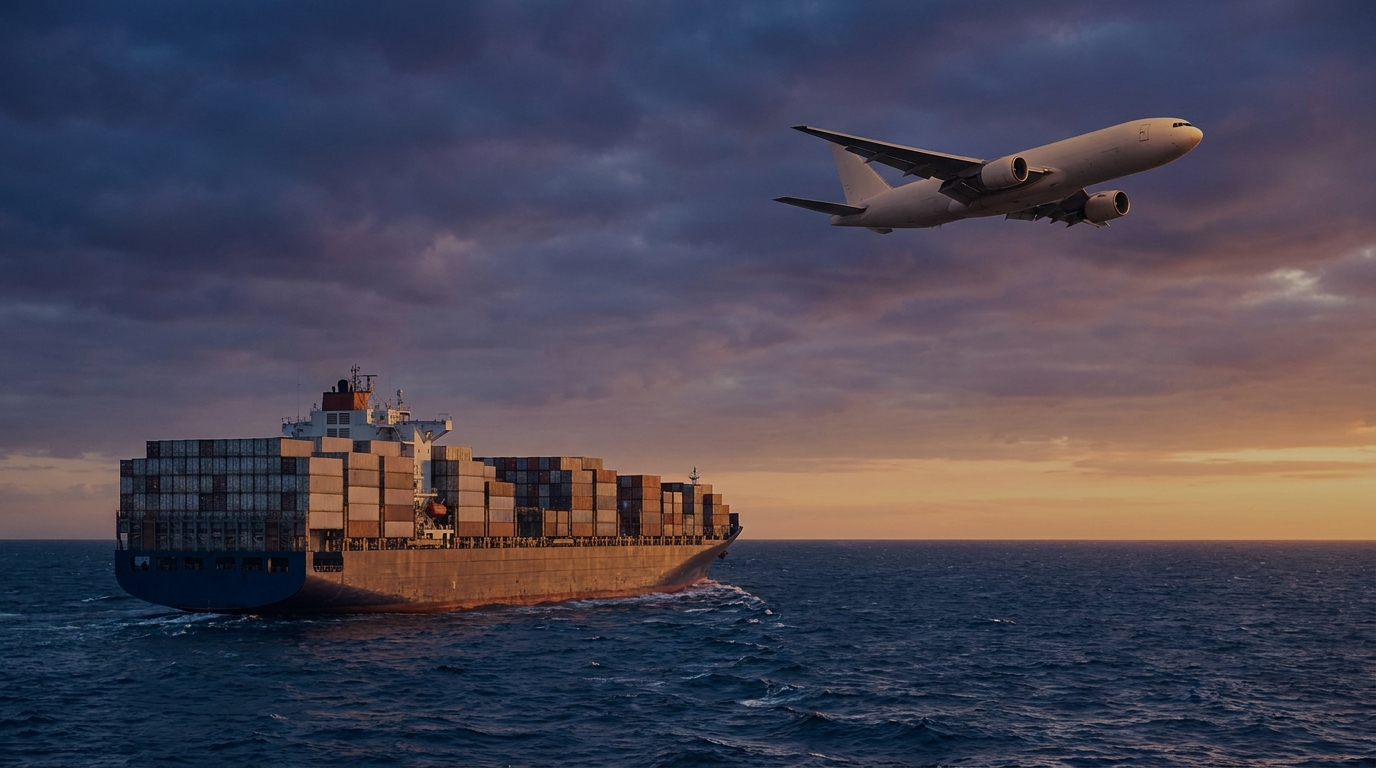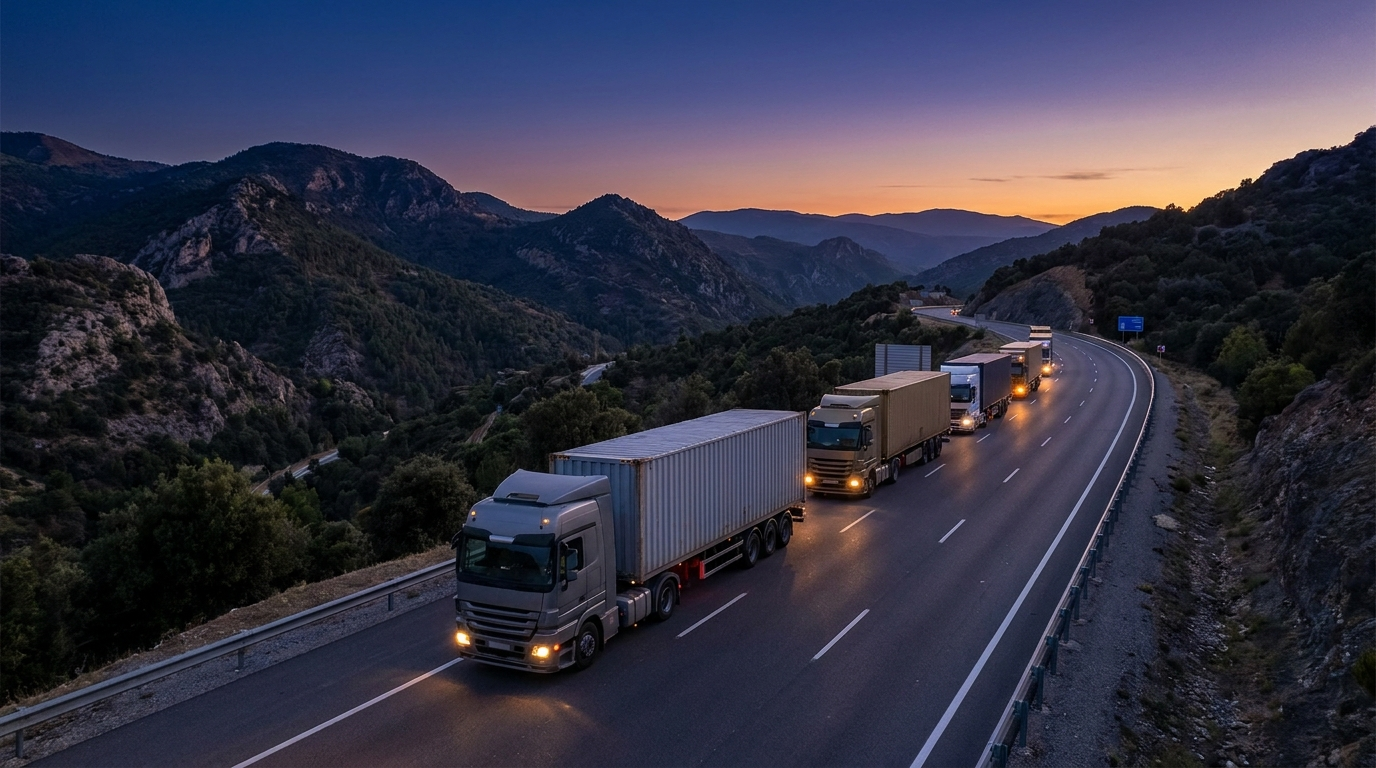
On most lanes the method choice is air versus sea. China–Thailand has a third contender that frequently beats both: cross-border trucking. Door-to-door in roughly a week, at costs closer to ocean than air, with your cargo on one vehicle from a Chinese warehouse to a Thai address.
How the corridor works
Trucks run overland routes from South and Southwest China through Laos or Vietnam into Thailand. Cargo is collected from your supplier, consolidated if needed, loaded as FTL (your own truck) or LTL (shared space), and driven the corridor with border formalities processed at the crossings. Typical door-to-door time is around 5–10 days — transit depends on cargo type, route, customs inspection, and carrier schedule, and border processing is the main variable.
Why importers choose it
- Near-air speed at near-sea cost — the sweet spot for restocking
- True door-to-door: no port handling at either end
- Flexible sizing: from a few pallets (LTL) to full sealed vehicles (FTL)
- Frequent departures suit steady replenishment rhythms
The border is a paperwork event
What decides overland transit isn't driving time — it's how cleanly documents process at the crossings. Export formalities on the Chinese side and Thai import formalities are handled against papers prepared before departure: commercial invoice, packing list, declarations, and any product-specific approvals. Well-prepared paperwork keeps border time short; inconsistencies park the truck. Certain categories (food, cosmetics, some electronics) need Thai import licenses or agency approvals that must be verified per product before shipping.
Is trucking right for your cargo?
If your shipment is mid-size, moderately urgent, and bound for Bangkok, the EEC zone, or other Thai commercial centers, trucking deserves the first quote rather than the last. Tell us your pickup city, volume, and product type, and we'll compare truck, sea and air honestly for your specific flow — including the cases where the boat is still the better deal.