No shipper can make customs inspections impossible — inspection is customs' job, and some checks are random. What you can control is whether your shipments look like they deserve one. Most inspections are invited by paperwork.
What triggers inspections
- Vague descriptions: "goods", "accessories", "parts" — customs wants "men's cotton T-shirts"
- Values that look wrong for the product and quantity declared
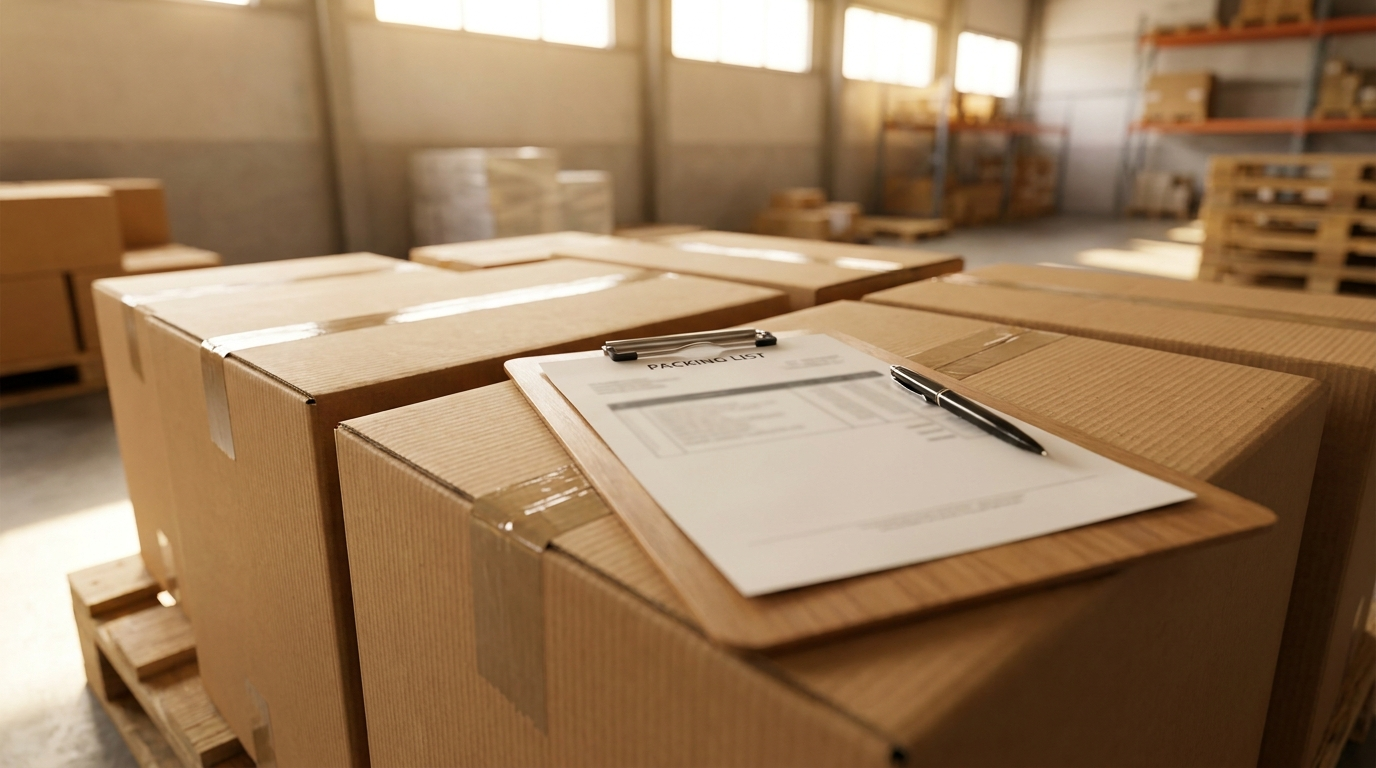
- Mismatches: invoice says 500 pieces, packing list says 480, container weighs like 600
- HS codes that don't fit the description — or fit a suspiciously cheaper duty rate
- Product categories under active trade measures or safety scrutiny
- First-time importers and new trade lanes, which naturally draw attention
What happens during one
The shipment is held while officers verify documents against physical cargo — from a records review, to an X-ray scan, to opening cartons and counting. Inspections add days (occasionally longer), and storage or examination fees can accrue while the cargo waits. If the paperwork matches the boxes, the outcome is release; if it doesn't, the outcome is questions, and questions cost more time than any inspection.
The discipline that prevents them
Specific, honest descriptions; defensible values; a packing list that matches the invoice which matches the physical cartons; HS codes chosen for accuracy rather than duty rate; and required certificates arranged before departure, not after arrival. None of this is sophisticated — it is consistency, applied every time.
Where we come in
Our customs documentation support is essentially professionalized consistency: cross-checking every figure across documents, tightening descriptions, sanity-checking classification against product photos, and coordinating with licensed brokers where the destination requires one. And when an inspection happens anyway — sometimes it simply does — a clean file is what turns it into a short delay instead of a long story. The 24/7 team responds to customs queries the hour they arrive.