Key Takeaways
Exporting luosifen successfully requires more than finding a carrier. The product, destination rules, packaging, documents, transport plan, and delivery responsibilities must work together.
- Confirm whether the product is shelf-stable, chilled, or frozen before requesting freight rates.
- Review every ingredient, topping, sauce, utensil, allergen, and label requirement for the destination country.
- Protect noodle blocks and sachets from moisture, compression, punctures, and temperature changes.
- Align invoices, packing lists, certificates, HS codes, and importer details before dispatch.
- Test the process with a small shipment and record the results before increasing volume.
1. Assess luosifen’s export readiness before shipping
Before you ship luosifen noodles from Liuzhou, establish exactly what is being exported and how it must be handled. Instant packs may be easier to transport than prepared food, but the individual components can still create regulatory, packaging, and customs questions. Product decisions also affect freight cost because weight, volume, temperature control, and shelf life all influence the route. A careful review at the beginning prevents a shipment from being treated as a simple carton of noodles when it is actually a multi-component food product.
Choose between shelf-stable, chilled, and frozen products
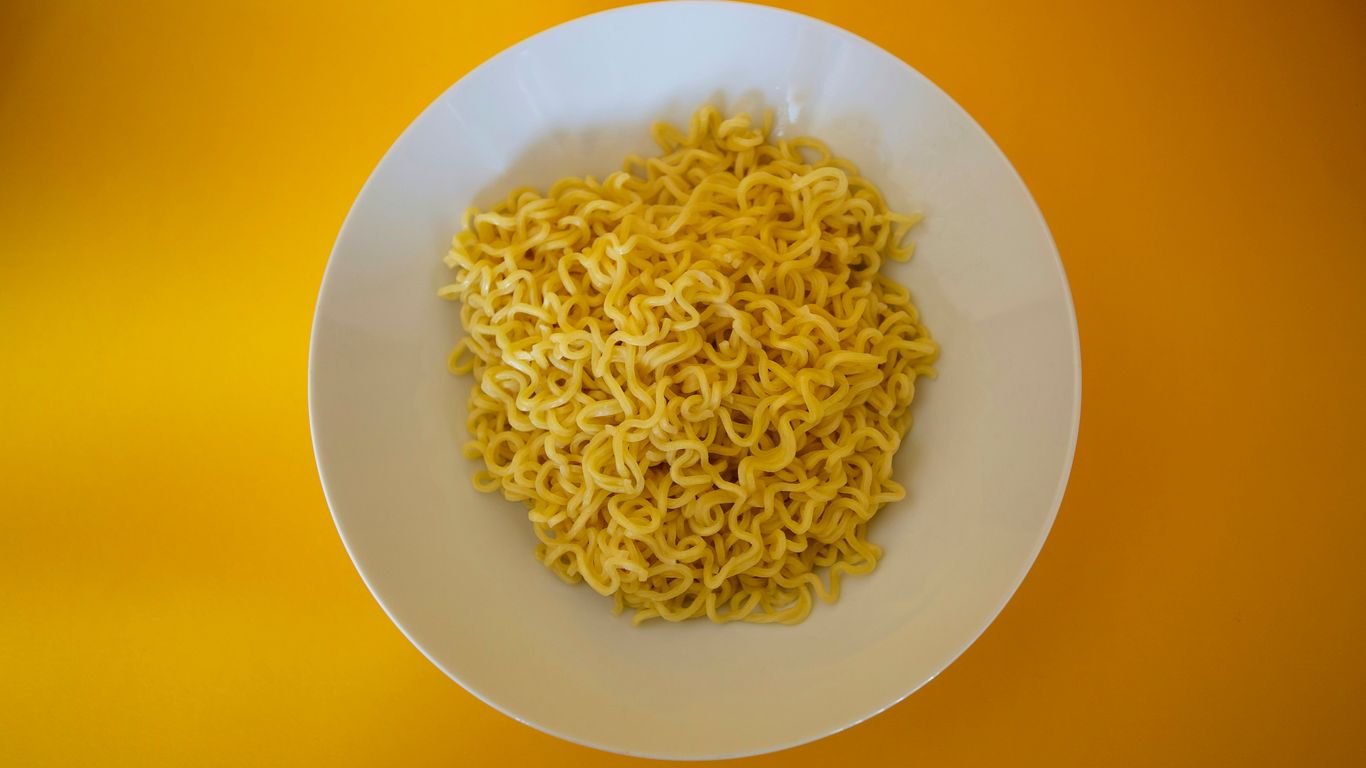
Start by separating the product formats. Shelf-stable instant luosifen generally offers more routing flexibility because it does not normally require refrigerated transport, while chilled or frozen products require temperature control from the supplier to the consignee. Confirm the required storage temperature, acceptable temperature range, and maximum time outside controlled conditions with the manufacturer. Do not assume that a product can move at ambient temperature simply because its noodles are dry; sauces, toppings, and broth components may determine the actual classification and handling plan.
Review ingredients, sauces, toppings, and included utensils
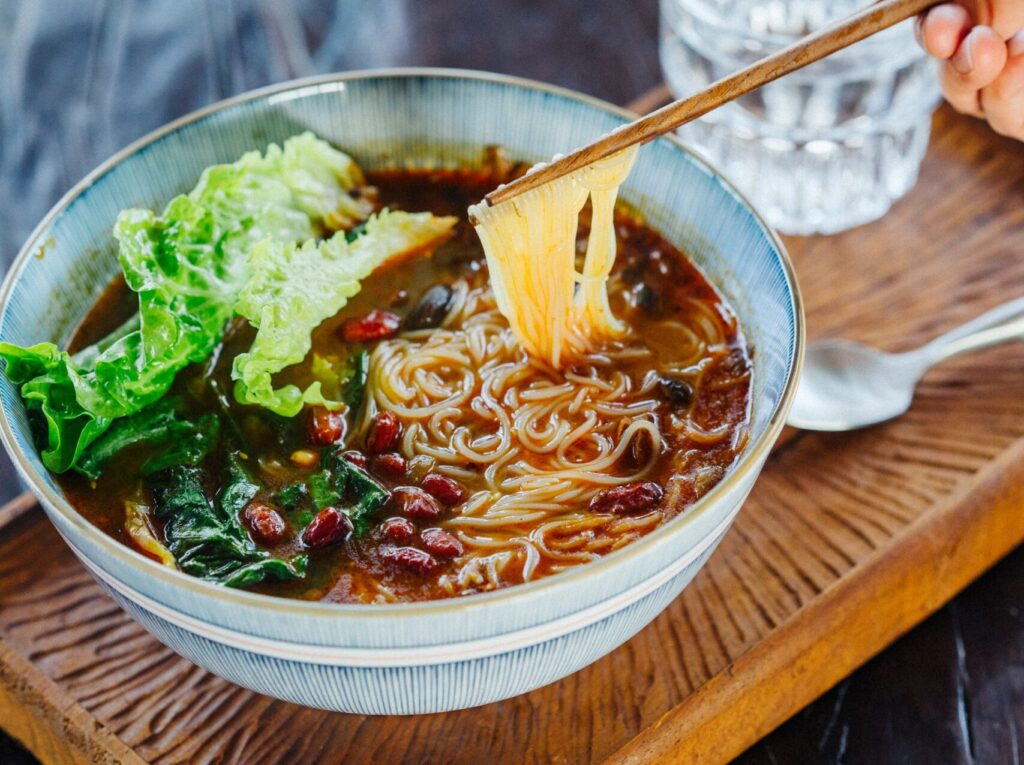
Request the complete ingredient statement and a component-level packing description. Luosifen may include rice noodles, broth or seasoning, chili oil, pickled vegetables, peanuts, bean products, dried toppings, or other ingredients, and each sachet can matter to the importing authority. Check whether chopsticks, forks, bowls, or other utensils are included, since they may affect packaging declarations or retail labeling. A product listing such as Liuzhou luosi rice noodles can help explain the consumer format, but the commercial shipment should be supported by the supplier’s own current specifications.
Confirm product shelf life and storage requirements
Obtain the manufacturing date, expiration date, storage instruction, and remaining shelf life available at dispatch. Compare that period with production time, inland pickup, export handling, international transit, customs clearance, and final delivery. A long nominal shelf life does not remove the need to protect the product from heat, humidity, and damaged seals. Set a minimum remaining shelf-life rule with the importer before placing the order, particularly if the noodles will enter retail or food-service distribution.
Match the product format to the destination market
The intended sales channel should guide the format you choose. A small online seller may prefer compact shelf-stable packs that can be shipped in parcels, while a distributor may require master cartons, palletization, barcode data, and consistent case quantities. Consider consumer expectations around spice level, odor, cooking instructions, portion size, and language. You can also use a landed-cost planning guide to compare the product price with freight, duty, tax, clearance, and last-mile charges before committing to a large order.
Evaluate supplier quality and production consistency
Ask for production records, current packaging samples, batch information, and evidence that the supplier can reproduce the same product specification. Compare a pre-shipment sample with the approved reference sample, including the number and weight of each sachet. Check carton counts, net weight, gross weight, and dimensions rather than relying on an informal estimate. Consistent production makes customs descriptions, retail listings, replenishment planning, and freight quotations more reliable.
2. Check destination-country food import requirements
Food import rules are determined primarily by the destination country and sometimes by the state, province, port, or sales channel receiving the goods. Identify the responsible authorities before the supplier begins production, then ask the importer or customs broker to confirm the exact process for this product category. Requirements can differ according to ingredients, animal-derived materials, packaging, intended use, and whether the shipment is commercial or personal. Early regulatory review is usually less disruptive than correcting a label or ingredient problem after the cargo arrives.

Identify the applicable food safety authorities
Determine which agency reviews packaged foods, which customs authority handles entry, and whether another body regulates animal products, plant materials, or additives. Ask whether the importer must hold a food business registration, obtain a product approval, or appoint a local representative. For Singapore-bound food products, a general regulatory approval guide can provide useful planning context, but it should not replace confirmation from the relevant authority and importer. Record the agency names, application references, deadlines, and responsible contacts in the shipment file.
Verify ingredient, allergen, and additive restrictions
Have the supplier provide a translated ingredient list and allergen declaration for every component. Review peanuts, soy, sesame, gluten, sulfites, preservatives, coloring agents, flavor enhancers, and any ingredients whose use may be restricted or subject to maximum levels. Do not rely on the product name alone to determine whether an ingredient is present. The importer should confirm the destination’s accepted names, allergen format, additive rules, and required nutrition information before labels are printed.
Prepare compliant English-language labeling
A label may need the product name, ingredient list, allergen statement, net quantity, country of origin, importer details, lot or batch code, expiration or best-before date, storage instructions, and preparation directions. Use language and units accepted in the destination market, and make sure the information remains legible after transport. Check that the outer carton and individual retail packs are consistent. A translation should be reviewed for regulatory meaning, not just grammar, especially where “best before,” “use by,” or storage terms have specific legal significance.
Check requirements for meat, seafood, and animal-derived ingredients
Ask whether the broth, seasoning, toppings, or flavoring contains meat, seafood, animal fat, gelatin, shellfish, or extracts derived from animals. Even a small quantity may trigger additional certificates, facility requirements, import permits, or border inspection. The supplier should identify the source and processing status of each relevant ingredient rather than describing it only as “flavoring.” If the information is incomplete, pause the shipment and obtain clarification before booking transport.
Confirm facility registration and prior import approvals
Some markets require the producing facility, importer, or both to be registered before commercial food can enter. Confirm whether the manufacturer is approved for export to the destination and whether a prior notice, import permit, or pre-arrival filing is required. Keep copies of registrations and correspondence with the shipment records. If the product, facility, or importer is new to the market, allow time for review instead of planning around the shortest carrier schedule.
3. Prepare packaging for international transport
Packaging must protect the food and preserve the information needed for sale and inspection. Luosifen packs can contain several separate sachets, so a crushed carton or failed seal may affect both product quality and inventory counts. Build the packing plan around the longest realistic route, including warehouse handling, transshipment, customs inspection, and final delivery. International shipping guidance such as this parcel packaging and customs guide is useful for general preparation, but food-specific requirements still come first.

Select moisture-resistant primary packaging
Inspect the material and seals used for the noodle block, broth packet, oil packet, pickled vegetables, and dry toppings. Packaging should resist humidity and incidental contact with moisture without trapping conditions that damage the contents. Ask for seal-strength or packaging specifications where available, and inspect sample packs for pinholes, weak seams, oil leakage, and swelling. The outer appearance should remain acceptable after normal handling, since damaged retail packaging can create loss even when the food itself remains safe.
Protect noodle blocks and seasoning sachets from damage
Separate fragile components from heavy items and prevent sachets from rubbing against sharp edges. Internal dividers, sleeves, or fitted inserts can keep noodle blocks from breaking and stop oil or sauce packets from being punctured. Verify that the packing method still allows accurate counting during inspection. A finished carton should be stable when lifted and should not shift excessively when moved by hand.
Use export-ready cartons and internal cushioning
Choose cartons that can support the loaded weight through stacking, storage, and vehicle movement. Define the carton dimensions, gross weight, units per carton, pallet pattern, and maximum stack height before receiving a freight quote. Use cushioning or separators where empty space would allow movement, but avoid adding so much material that dimensional weight rises unnecessarily. The same packing data should appear in the supplier’s packing list and the forwarder’s booking information.
Add batch, lot, and expiration information
Make the batch or lot code visible on the retail unit and, where appropriate, the master carton. Confirm that the expiration or best-before date can be read without opening the case and that the code can be matched to production records. Use a consistent format across labels, invoices, inspection photographs, and warehouse records. This makes it easier to isolate a problem, answer an importer’s question, or rotate stock by date.
Plan temperature control and humidity protection where needed
If any component requires chilled or frozen handling, document the required temperature at every handoff. For shelf-stable goods, assess seasonal heat, humidity, rain during loading, and the conditions likely to occur in port or warehouse storage. Desiccants, liners, pallet covers, or temperature indicators may be appropriate, but they should be selected with the supplier and importer. Packaging protection is only effective when the carrier, warehouse, and final receiver understand the handling instructions.
4. Build the export documentation package
Documentation connects the physical cargo to the commercial transaction and the customs entry. Every description should identify the goods accurately without making unsupported claims about ingredients, origin, or use. Prepare the documents while the cargo is being produced, then reconcile them against the final packed quantities. A small discrepancy in carton count, weight, value, or consignee information can delay release or require amendments.

Prepare the commercial invoice and packing list
The commercial invoice should show the seller, buyer, consignee, product description, quantity, unit value, total value, currency, country of origin, and agreed trade terms. The packing list should identify cartons, units, net weight, gross weight, dimensions, and packing configuration. Use the same product names and quantities on both documents. If the shipment contains several flavors or pack sizes, list them separately rather than combining them into a vague description.
Provide the certificate of origin when required
Confirm whether the destination, importer, trade arrangement, or customs broker requires a certificate of origin. The document should match the invoice, product description, manufacturer information, and declared origin. Do not request it as a routine formality without checking the applicable format and issuing authority. If preferential tariff treatment is being considered, confirm the additional origin rules before representing that the shipment qualifies.
Collect food safety, health, or sanitary certificates
Ask the destination authority or importer which certificates apply to the actual ingredients and processing method. Depending on the product, the request may involve a food safety certificate, health certificate, sanitary document, laboratory report, or facility record. Certificates should be current, correctly named, and issued by an accepted authority. Keep the original, electronic copy, and translation requirements clear before cargo handover.
Confirm HS classification and product descriptions
Work with the importer or customs broker to confirm the appropriate HS classification for the complete product. The classification may depend on whether the goods are prepared food, noodles, seasoning, or a retail set, so do not select a code from a generic online listing without verification. A practical compliance reference such as product liability guidance is separate from tariff classification, but it reinforces why accurate product descriptions and documented responsibilities matter. Record the chosen code and the reasoning supplied by the broker in case the classification is later questioned.
Align shipping documents with the importer’s information
Check that the legal names, addresses, tax numbers, importer registration details, and contact information match across the invoice, packing list, transport document, customs filing, and food import records. Confirm who will receive arrival notices and who is authorized to answer customs questions. If an importer uses a broker, obtain the broker’s document checklist before dispatch. A final document review should compare the paperwork with photographs and the measured cargo, not just with the purchase order.
5. Choose a shipping method from Liuzhou
The right method depends on volume, urgency, product stability, destination, and the importer’s delivery capacity. Air and courier services may suit samples or urgent replenishment, while ocean or rail can make more sense for larger, non-urgent shipments when the route and documentation support them. Road transport may be relevant for regional legs or multimodal movement. Kunpeng Freight coordinates supplier pickup, cargo consolidation, export handling, and air, sea, rail, road, and express shipping, so the comparison can begin with verified cargo details rather than a rough carton count.
Compare air freight, ocean freight, rail, and courier services
Air freight reduces the time cargo spends in transit but usually costs more and can be sensitive to dimensional weight and carrier acceptance. Ocean freight may offer a lower-cost structure for larger volumes, although port handling, sailing schedules, and destination clearance add variables. Rail can be useful on eligible routes, while courier services are convenient for small parcels and samples but may have restrictions on food or certain ingredients. Compare the complete route, not merely the international leg.
Select a Liuzhou pickup and consolidation arrangement
Confirm the supplier address, cargo-ready date, pickup hours, carton count, dimensions, and loading conditions. A pickup plan should specify whether the goods move directly to a gateway, to a consolidation warehouse, or through another domestic transfer. If several suppliers are involved, align production and collection windows so cartons can be checked and combined without unnecessary storage. Measurements and photographs at pickup provide a useful record when the booked cargo differs from the original estimate.
Decide between direct shipping and a freight forwarder
A direct carrier booking may work for a simple, well-documented shipment with a capable importer. A freight forwarder can be more useful when supplier pickup, consolidation, export paperwork, multimodal routing, or final delivery must be coordinated across several parties. Review who is responsible for each handoff, document, charge, and exception. For businesses comparing routes and service scope, global freight services provides a relevant reference point for supplier pickup, consolidation, and China-to-destination logistics.
Compare transit time, minimum volume, and total cost
Request itemized quotations based on actual package data. Compare freight, pickup, export handling, consolidation, documentation, terminal charges, fuel or security surcharges, destination fees, customs brokerage, duties, taxes, and final delivery. The fastest option is not automatically the most suitable, and the lowest quoted international freight may omit charges that appear later. Keep the quote assumptions in writing, including validity dates, currency, chargeable weight, and whether the service is port-to-port or door-to-door.
Plan delivery from the arrival port to the final destination
The shipment is not complete when it reaches the arrival port or airport. Confirm who will file the import entry, pay duties and taxes, collect the cargo, arrange inspection attendance, and deliver to the warehouse, store, or fulfillment center. Check whether the destination address can receive the planned vehicle and whether pallet, appointment, or labeling requirements apply. A delivery plan with named responsibilities reduces the chance that food sits at a terminal while the parties wait for one another.
6. Manage customs, costs, and delivery risks
A reliable export plan includes financial and operational contingencies. Customs may inspect the shipment, carriers may alter schedules, and documents may require correction even when the goods were packed properly. Build a landed-cost estimate before purchase and update it when the final measurements or route change. Kunpeng Freight supports import paperwork assistance and customs documentation support, but the importer remains responsible for providing accurate commercial and regulatory information and for meeting destination-country obligations.
Estimate freight, duties, taxes, and handling charges
Separate origin charges, international freight, insurance, destination charges, brokerage, duties, taxes, inspection fees, storage, demurrage, and final delivery. Use the confirmed HS classification and customs value when estimating duty and tax, and ask the importer or broker to validate local treatment. Include a reasonable allowance for measurement changes and document amendments. A quote is useful only when its inclusions and exclusions are understood.
Choose suitable Incoterms for the transaction
Select an Incoterm that clearly allocates transport, insurance, export, import, and delivery responsibilities. Discuss who controls the forwarder, who pays destination charges, who handles customs, and when risk transfers from seller to buyer. Avoid choosing a term merely because it appears familiar on a supplier quotation. The commercial contract, invoice, booking, and delivery instructions should all use the same term and named place.
Prepare for customs inspections and document discrepancies
Set aside time and budget for inspection, sampling, relabeling, storage, or document correction. Keep the supplier available to answer questions about ingredients, production, packaging, and value. If customs identifies a discrepancy, respond with a controlled revision rather than sending several conflicting documents. Maintain an audit trail of the original filing, corrected information, approval, and any added charges.
Insure the shipment against loss or damage
Ask whether the carrier’s standard liability is sufficient for the product value and the risks of the route. Insurance terms may exclude inadequate packaging, inherent spoilage, temperature deviation, or certain delays, so read the conditions before dispatch. Keep invoices, packing photographs, inspection records, and damage evidence organized. If a carton arrives wet, crushed, opened, or short, record the condition immediately and notify the responsible parties within the required period.
Track temperature, delays, and delivery milestones
Use a shipment timeline covering pickup, warehouse receipt, export filing, departure, transshipment, arrival, customs release, delivery appointment, and final receipt. For temperature-sensitive goods, review indicator or logger data at each critical handoff. Ask for updates that explain the current location, next action, responsible party, and possible cost effect rather than relying on a vague status. This operating discipline is consistent with CognitiveMetrics policies, which are unrelated to food logistics but illustrate why clear records and defined information handling matter.
7. Establish a repeatable export process for luosifen
One successful shipment is useful, but a repeatable process is what supports regular sales. Record what happened from supplier confirmation through final delivery, including delays, damaged cartons, clearance questions, and unexpected charges. Update the product file when the recipe, packaging, label, manufacturer, or destination changes. A stable process also makes it easier to compare suppliers and decide when to move from parcels to consolidated or larger-volume freight.
Run a small trial shipment before scaling volume
Use a limited shipment to test the product, documents, packaging, route, importer, and delivery address. Confirm that the goods arrive with acceptable remaining shelf life and that the destination authority accepts the labeling and ingredients. Measure actual transit and clearance time rather than relying only on a quotation. Resolve the trial’s problems before adding more suppliers, flavors, or sales channels.
Create a supplier and pre-shipment inspection checklist
A practical checklist should cover product identity, batch and expiration dates, ingredients, label accuracy, carton counts, dimensions, weights, seals, photographs, and document completeness. It should also identify who approves release and what happens when goods fail inspection. Keep the checklist short enough for regular use, but specific enough to catch recurring errors. Supplier performance should be assessed from evidence across shipments, not from a single conversation.
Set reorder points based on shelf life and transit time
Reorder planning should account for production lead time, pickup availability, export handling, international transit, customs clearance, warehouse receiving, and the minimum shelf life required at sale. Maintain enough stock for ordinary delays without ordering so far ahead that the product ages in storage. Separate fast-moving and slow-moving flavors if their demand differs. Review the reorder point whenever the route, season, packaging, or destination rules change.
Coordinate importers, distributors, and retail partners
Give every party the same product specification, label file, carton configuration, and delivery instructions. Confirm who owns stock at each stage, who handles customer complaints, and who approves substitutions or relabeling. Retail and marketplace partners may have additional barcode, pallet, appointment, or fulfillment requirements. If a distributor changes the delivery address or sales channel, reassess the customs and labeling implications before the next shipment.
Review landed cost, customer feedback, and compliance performance
After delivery, compare quoted and actual costs by shipment and by sellable unit. Review damaged cartons, missing components, odor concerns, cooking instructions, spice-level feedback, customs questions, and remaining shelf life. A useful post-shipment review ends with assigned corrective actions and a date for checking them. For businesses that need a formal contact point for logistics coordination, request a quote with the cargo details, pickup location, destination, dimensions, weight, and preferred shipping method.
Next Steps for Export Planning
If you are preparing to export luosifen, first confirm the product specification and destination requirements, then assemble measured cargo details and a complete document set. Compare transport options using the full landed cost and assign responsibility for every customs and delivery step. A small trial shipment can reveal practical issues before they affect a larger order. Kunpeng Freight can be contacted to discuss supplier pickup, consolidation, export handling, and the available transport options for a China-to-destination shipment.
Conclusion
Shipping luosifen from Liuzhou is a coordinated food-import project rather than a single freight booking. When product composition, labels, packaging, certificates, route selection, customs responsibilities, and final delivery are reviewed together, the shipment becomes easier to control and repeat.
Frequently Asked Questions
Can shelf-stable luosifen be shipped internationally?
Often, shelf-stable products are more flexible than chilled or frozen products, but acceptance depends on the destination’s food rules, ingredients, labeling, and importer requirements. Confirm the product’s actual storage conditions before booking transport.
What ingredients should be reviewed before exporting luosifen?
Review noodles, broth, sauces, oils, pickled vegetables, toppings, allergens, additives, and any animal-derived ingredients. Obtain a complete component-level ingredient statement from the manufacturer.
Does luosifen require special labeling for export?
Many destinations require information such as ingredients, allergens, net quantity, origin, importer details, batch code, expiration date, storage instructions, and preparation directions. The exact requirements depend on the importing market.
Which shipping method is suitable for luosifen?
The choice depends on volume, urgency, shelf life, destination, temperature needs, and total landed cost. Air, ocean, rail, road, courier, or multimodal transport may be appropriate in different circumstances.
What documents are commonly needed for a food shipment?
Commercial invoices and packing lists are common, while certificates of origin, food safety documents, health certificates, sanitary certificates, import permits, and facility records may apply depending on the product and destination.
How can an exporter protect luosifen during transit?
Use sealed, moisture-resistant primary packaging, stable cartons, suitable internal separation, readable batch and expiration marks, and temperature or humidity controls when required. Inspect the cargo before dispatch and document its condition.
Should a first shipment be small?
A small trial shipment can test labeling, customs acceptance, packaging, transit conditions, delivery coordination, and remaining shelf life. The results can then guide larger orders and process changes.