
Key Takeaways
Importing electrical components from Liushi requires more than choosing a supplier and booking a vessel. The shipment should be planned as one connected process, from specifications and packaging to customs and final delivery.
- Confirm supplier capability, product specifications, quantities, and delivery dates before booking freight.
- Separate components by sensitivity, size, handling needs, and traceability requirements.
- Compare ocean, air, rail, road, and express options against urgency, volume, value, and route.
- Review HS codes, commercial documents, labeling, and destination-market rules before export.
- Track landed cost and operational performance rather than judging freight by the quoted rate alone.
Plan your sourcing and shipping strategy in Liushi, Wenzhou
Liushi is a major electrical manufacturing center, but its supplier base is not uniform. A successful plan begins by matching the product requirement to a factory, distributor, or export intermediary that can document its capability. Before you ship electrical components from Liushi Wenzhou, establish what is being bought, how it will be packed, and who controls each handoff. Early coordination also gives the forwarder realistic cargo details for routing and pricing.

Map Liushi’s electrical manufacturing clusters and supplier capabilities
Start by grouping prospective suppliers according to the products they make, their production equipment, and the markets they already serve. Ask for current product catalogs, drawings, sample records, certifications, and a clear explanation of which operations are performed in-house. A supplier directory or online marketplace can generate leads, but it does not replace a capability review. For background on the local industry, Weiben Electrical describes a Liushi-based business producing low- and high-voltage electrical products, power equipment, and cables.
Define component specifications, quantities, and delivery requirements
A purchase order should identify model numbers, ratings, materials, tolerances, accessories, approved substitutions, and inspection criteria. Include carton quantities, expected gross weight, dimensions, cargo-ready date, destination, and whether partial delivery is acceptable. This information prevents a freight quote from being built on an assumed carton count that changes after production. It also lets the receiving team plan storage and incoming inspection before the goods leave China.
Evaluate manufacturers, distributors, and export intermediaries
Compare factories and trading companies on more than unit price. Check ownership of the product design, response quality, production lead time, export experience, payment terms, and willingness to provide batch-level documentation. A distributor may be useful when an order combines many product families, while a manufacturer may offer tighter control for a repeat specification. For terminal blocks and connectors, Willele documents copper-alloy conductors, flame-retardant housings, quality-control stages, and lot traceability; those are the types of details a buyer should seek and verify for any supplier.
Align purchasing terms with freight and production timelines
Freight planning should begin while the order is being negotiated, not after the factory announces that cargo is ready. Agree on the handover point, who books inland transport, when measurements are confirmed, and how a production delay is reported. Kunpeng Freight can coordinate supplier pickup and cargo consolidation, but the quote still depends on accurate product, packing, weight, dimensions, and destination information. Put booking cutoffs, inspection windows, and document deadlines into the purchasing schedule so one late milestone does not silently affect the entire shipment.
Prepare electrical components for international transport
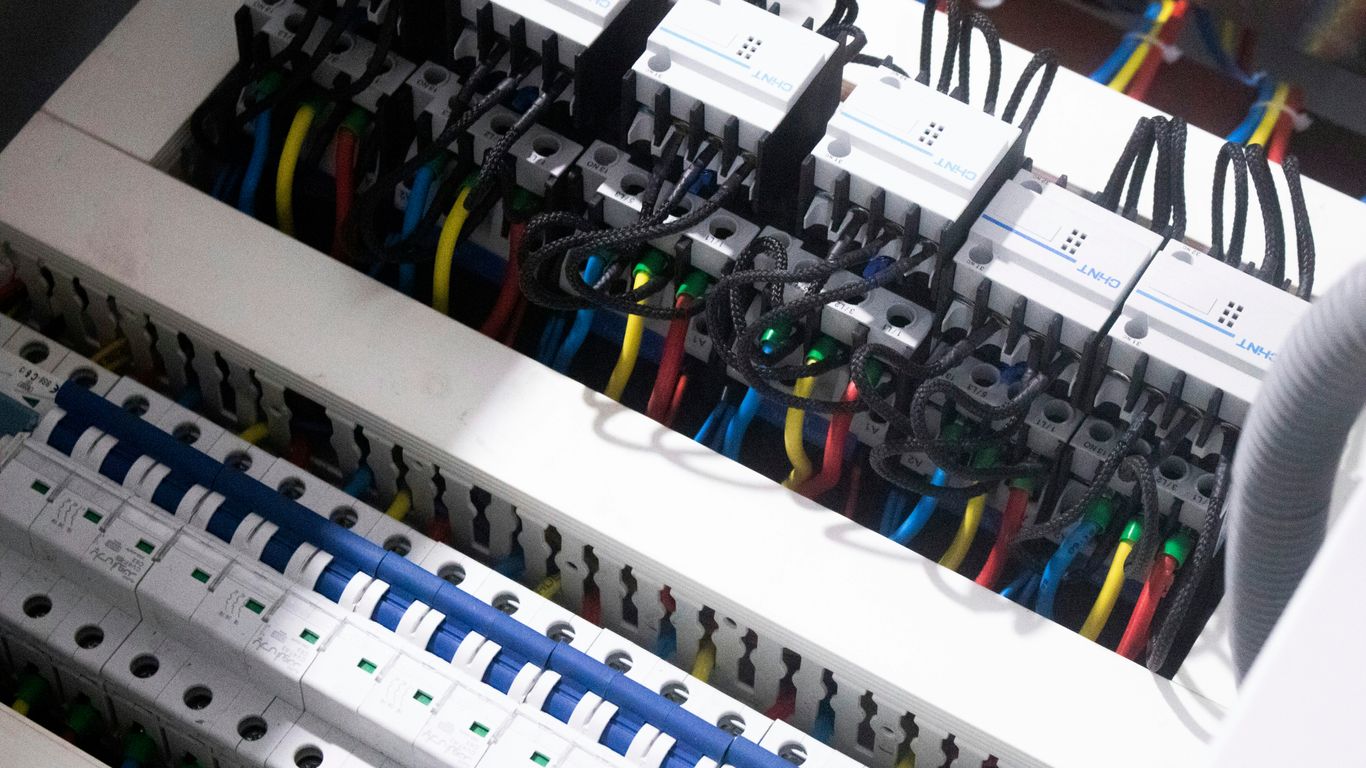
Electrical parts often look durable but can still suffer from crushed housings, bent terminals, corrosion, dust, or lost small accessories. Packaging must suit the actual component and the number of handling events expected during inland transport, export handling, and destination delivery. Mixed orders need especially careful separation because similar-looking parts may have different ratings or customer destinations. A documented packing plan turns a warehouse task into a controllable shipping step.
Classify components by size, sensitivity, and handling requirements
Create packing groups for heavy metal parts, molded housings, small loose accessories, precision items, and any product affected by moisture or static. Record the group, quantity, carton reference, and required orientation on the packing instruction. If a component contains a battery, magnet, liquid, or other potentially restricted material, disclose it before booking because transport and declaration rules may differ. Classification at the warehouse makes later inspection and customs questions easier to answer.
Use packaging that protects terminals, housings, and precision parts
Use inner bags, dividers, caps, foam, or molded inserts where terminals could bend or housings could rub against one another. Keep cartons dry and strong enough for stacking, and use desiccant where the product and destination conditions justify it. Do not fill empty space with loose material that can enter openings or obscure serial labels. Packaging should protect the product while leaving the carton accessible for counting and inspection.
Consolidate mixed components without creating damage or traceability risks
Consolidation can reduce repeated handling and simplify delivery, but it should not erase the identity of each supplier or purchase order. Use separate inner cartons, clear carton marks, and a consolidation map that connects each carton to its packing-list line. The cargo consolidation process is most useful when the warehouse verifies supplier shipments before combining them, especially when several factories send similar electrical parts. After consolidation, send the buyer carton counts and photographs before the load is closed.
Confirm labeling, palletization, and container-loading standards
Labels should show the consignee reference, purchase order, carton number, gross and net weight where required, handling marks, and any destination-specific information. Pallets should be stable, dry, and compatible with the receiving facility’s equipment. Load heavier cartons below lighter ones, protect exposed terminals, and leave no movement that could cause impact during transit. The final loading record should reconcile the physical count with the packing list before the container or truck departs.
Choose the right way to ship electrical components from Liushi Wenzhou
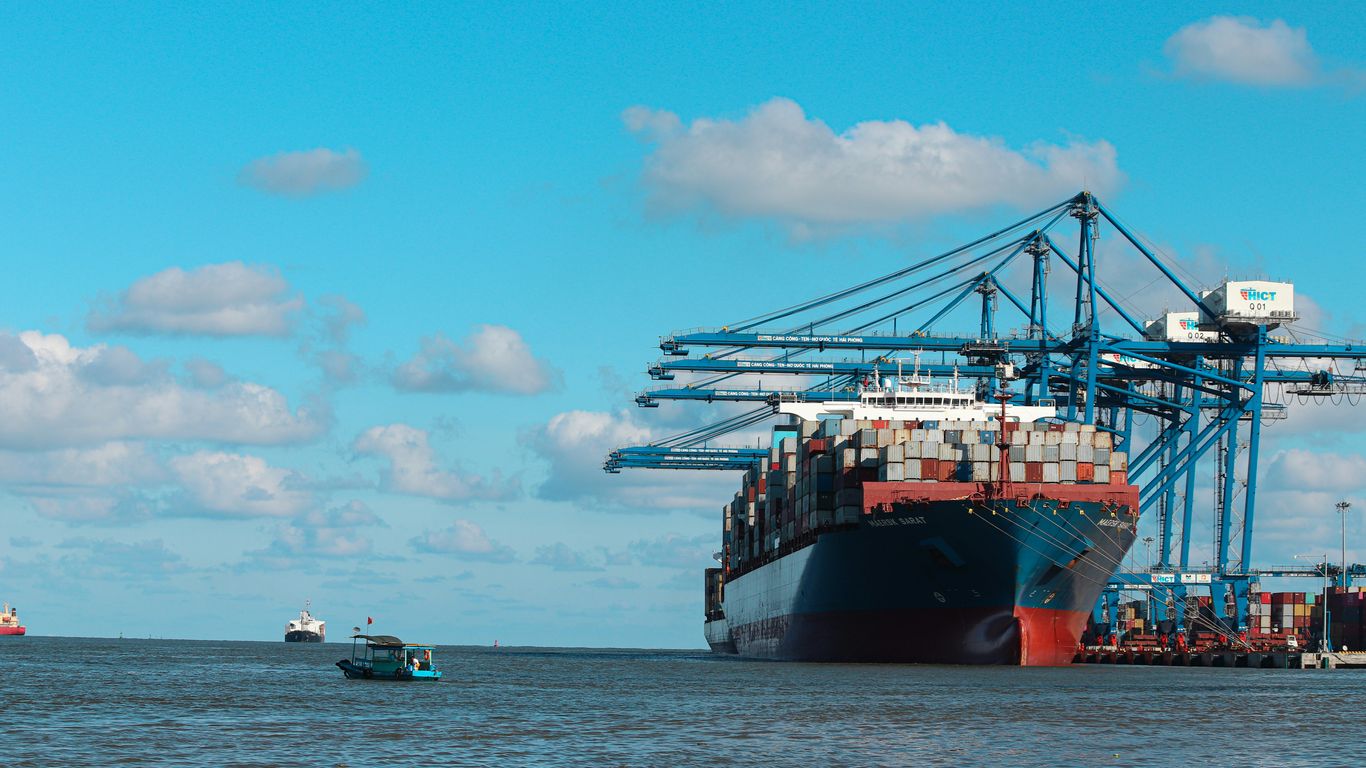
The right transport mode depends on the shipment’s volume, urgency, value, route, and readiness. Ocean freight may suit planned replenishment, while air or express can make sense for urgent stock or small, high-value consignments. Rail and road may be relevant on particular corridors, subject to route availability and cargo requirements. Compare the full delivery path rather than focusing only on the international leg.
Compare ocean freight, air freight, rail, and express shipping
Ocean freight generally offers a cost-efficient structure for larger, less urgent consignments, but it involves port cutoffs, sailing schedules, and destination handling. Air freight can reduce transport time for urgent or valuable components, with pricing strongly affected by chargeable weight. Rail may fit certain Eurasian routes, while express is convenient for small parcels but can carry a higher cost per unit. Kunpeng Freight provides air, sea, rail, road, and express shipping, so the comparison should be made against the shipment’s measured details and destination rather than a default mode.
Select full-container load or less-than-container load services
FCL gives one shipper use of a container and can simplify handling when the cargo fills a suitable unit. LCL combines cargo from different shippers and can be appropriate when volume does not justify a full container, though it adds consolidation and deconsolidation stages. Compare minimum charges, warehouse handling, delivery arrangements, and the risk of extra touches. A shipment that is small at the factory may become more economical as part of a carefully managed consolidated order.
Match transport mode to urgency, shipment value, and cargo volume
Set a service preference only after separating essential replenishment from flexible inventory. Consider the cost of a stockout, the value of the components, the consequences of damage, and whether the cartons are ready on the same date. A useful comparison includes at least these factors:
- Cargo-ready date and acceptable delivery window.
- Gross weight, volume, carton dimensions, and chargeable weight.
- Product value, insurance needs, and cost of delay.
- Destination service level, customs complexity, and final address.
The result should be a documented trade-off, not a blanket preference for speed or low freight cost. Recheck the choice if production dates, quantities, or packaging change.
Plan inland transport from Liushi to ports and export terminals
The inland leg from Liushi must be planned around pickup windows, truck access, cargo dimensions, port cutoffs, and export-terminal procedures. Confirm the supplier address, loading conditions, number of cartons, and whether a truck needs special equipment. A forwarder should receive updated measurements before arranging pickup, because a change in pallet count can affect vehicle selection and the booking. Allow time for factory release, inspection, weighing, and document review rather than treating the factory gate as the start of ocean or air transit.
Manage export documentation and customs compliance
Documentation connects the physical cargo to the commercial transaction and the customs declaration. Small inconsistencies in model descriptions, quantities, weights, or values can lead to questions and delays. The exporter, buyer, broker, and forwarder should work from one controlled set of documents. This is particularly important when a shipment contains many similar electrical components.

Confirm HS codes, product descriptions, and declared values
Confirm the likely HS classification with the responsible customs professional and verify it against the product’s construction and intended function. Use descriptions that are specific enough to identify the goods without making unsupported claims about their use. Reconcile the declared value with the commercial invoice, purchase terms, and payment records. Where classification is uncertain, resolve the question before cargo is collected rather than relying on a last-minute guess.
Prepare commercial invoices, packing lists, and certificates of origin
The invoice should identify seller, buyer, product description, model or part number, quantity, unit price, currency, trade term, and total value. The packing list should show carton marks, package count, dimensions, gross and net weight, and the contents of each package. A certificate of origin may be required by the destination or requested for a trade preference, so confirm its form and issuing requirements early. Document sets should agree with the labels and the physical cargo.
Check electrical safety, labeling, and import requirements in the destination market
Import rules vary by product category and destination. Check whether the components need safety marks, technical files, test reports, environmental declarations, language-specific labels, or importer records. Do not assume that a supplier’s domestic approval satisfies the buyer’s market requirements. Review restricted-goods questions separately for products containing batteries, chemicals, magnets, or other regulated materials.
Coordinate export clearance with suppliers and freight forwarders
Give the forwarder the invoice, packing list, supplier contact, cargo-ready date, and any certificates before pickup. The forwarder can flag missing or inconsistent information, but the exporter and importer remain responsible for the accuracy of their declarations. Import paperwork assistance can help organize supplier coordination, export documentation, customs clearance, and final-delivery information. Keep revisions dated so the team knows which document set was used for clearance.
Control freight costs and landed import expenses
A freight quote is only one line in the cost of importing electrical components. Product price, packaging, supplier pickup, export handling, international transport, insurance, duty, taxes, destination fees, and final delivery all affect the amount paid. Buyers should compare offers using the same cargo assumptions and trade term. Otherwise, a low headline rate may simply exclude costs that appear later.
Break down product, packing, inland, freight, duty, and delivery costs
Build a cost sheet by shipment and by sellable unit. Include factory pricing, export packing, pickup, consolidation, documentation, freight, customs brokerage, duty, taxes, storage, inspection, insurance, and delivery to the receiving address. Note which figures are quoted, estimated, or subject to carrier and customs confirmation. This makes it easier to identify whether a cost problem comes from purchasing, carton efficiency, routing, or destination handling.
Compare Incoterms such as EXW, FOB, CIF, and DDP
EXW places more origin responsibilities on the buyer, while FOB generally assigns export delivery to the named port under the agreed terms. CIF includes certain ocean freight and insurance responsibilities to the named destination port, but it does not automatically include every destination charge. DDP can place more delivery responsibilities with the seller, subject to legal and tax feasibility in the destination. Compare the actual scope, exclusions, and control points of each term rather than treating the term name as a complete quote.
Account for dimensional weight, surcharges, insurance, and port fees
Air and express carriers may price on dimensional weight when volume is greater than actual mass. Ocean shipments can include origin handling, documentation, terminal, consolidation, demurrage, detention, and destination charges. Check fuel, peak-season, security, remote-area, and special-cargo surcharges where relevant. Insurance should be evaluated against product value, packaging, route, exclusions, and the evidence needed for a claim.
Build a landed-cost model for supplier and freight decisions
Use one model to compare suppliers, carton designs, shipment modes, and order sizes. A simple table can reveal why a slightly higher unit price might still produce a better delivered result if it reduces damage, repacking, or dimensional weight.
| Cost area | What to record | Why it matters |
|---|---|---|
| Product and packing | Unit price, quantity, cartons, packaging | Establishes the purchase baseline |
| Origin handling | Pickup, inspection, consolidation, export fees | Shows the cost before international transit |
| Main freight | Mode, chargeable weight or CBM, surcharges | Supports a fair route comparison |
| Import and delivery | Duty, taxes, brokerage, storage, final mile | Converts the quote into delivered cost |
After the model is populated with confirmed measurements, compare cost per unit and total cash exposure. Keep assumptions visible so the decision can be updated when the supplier changes carton dimensions or the carrier revises a surcharge.
Reduce risks when importing B2B electrical components
Risk control begins before production is complete. Electrical components can be difficult to inspect after they have been mixed, sealed, or loaded, so quality and packing checks should occur at planned milestones. The buyer should define what constitutes an acceptable shipment and what evidence is required if a discrepancy appears. A practical process reduces surprises without pretending that every transport variable can be eliminated.
Verify supplier quality systems and pre-shipment inspection procedures
Review sample approval, incoming-material controls, in-process checks, final inspection, calibration records, and corrective-action procedures where available. Agree on inspection timing, sampling method, visual standards, functional tests, and treatment of nonconforming goods. For products such as relays, breakers, switches, or connectors, verify that the inspected model and revision match the purchase order. Woen Electric is an example of a supplier profile describing electric appliances such as contactors, relays, and circuit breakers; any buyer should still verify current specifications and quality evidence directly.
Protect fragile, moisture-sensitive, and static-sensitive products
Use suitable inner protection, moisture barriers, desiccants, anti-static materials, and shock-resistant packing when the product requires them. Keep cartons away from wet floors and record storage conditions during consolidation. Inspect outer packaging for compression, puncture, and water exposure before loading. If damage is found, photograph it, isolate the affected cartons, and obtain written instructions before proceeding.
Insure cargo against loss, damage, and transport delays
Insurance terms should match the cargo’s declared value and the risks that matter to the buyer. Review exclusions for inadequate packaging, inherent defects, delay, abandonment, and improper declarations. Preserve invoices, packing lists, inspection records, photographs, loading reports, and carrier notices. These records support a claim but do not replace the need for careful packaging and accurate documentation.
Create contingency plans for customs holds, shortages, and schedule changes
Set out who will answer a customs query, who can approve a document correction, and how a shortage or damaged carton will be handled. Hold a small amount of schedule and inventory flexibility when the purchase is tied to a production line or customer commitment. Consider alternate delivery dates, partial release where permitted, replacement production, and a second booking option. The plan should be practical and approved before the shipment becomes urgent.
Build a reliable industrial freight process
A repeatable workflow gives each party a defined responsibility and gives the buyer evidence at each handoff. It also makes future shipments easier because product data, packaging measurements, and document templates can be reused after verification. The goal is not more paperwork for its own sake; it is fewer unanswered questions between supplier, carrier, customs, and receiver. Kunpeng Freight supports the broader China-to-destination flow through supplier coordination, export handling, transport selection, import paperwork assistance, and final delivery coordination.
Set milestones from purchase order to final delivery
Create milestones for purchase-order confirmation, sample approval, production completion, pre-shipment inspection, cargo measurement, pickup, export clearance, loading, departure, arrival, customs release, and final delivery. Assign an owner and target date to every milestone. Mark which events are confirmed and which remain estimated. This gives the buyer an early warning when a production delay may affect a port cutoff or delivery appointment.
Use shipment tracking and document-control checkpoints
Tracking should be paired with document control, not used as a substitute for it. Save the booking confirmation, pickup evidence, carton photographs, weights, invoices, packing lists, declarations, and arrival notices in one shipment record. Use revision dates and a clear approval status for each document. For a broader reference on shipping workflows and customs topics, the freight forwarding guides provide a useful starting point.
Coordinate suppliers, inspectors, forwarders, customs brokers, and receivers
Name one operational contact for each party and define the information each person must provide. Suppliers confirm readiness and cargo details; inspectors report findings; forwarders arrange movement and updates; brokers manage declarations; receivers confirm delivery requirements. A single accountable coordination path reduces duplicated instructions and contradictory carton counts. For road pickup and multi-city coordination, road freight services describe supplier pickup, export documentation, and final delivery as connected parts of the process.
Measure freight performance with cost, damage, lead-time, and delivery KPIs
Review each shipment after delivery using cost per unit, quote variance, pickup punctuality, documentation corrections, damage rate, customs-hold days, total lead time, and delivery accuracy. Separate supplier performance from carrier or destination performance so the corrective action is specific. Keep a record of root causes, such as weak cartons, late documents, incorrect measurements, or missed receiving appointments. Over several shipments, these measures support better supplier terms and more dependable freight decisions.
Conclusion
To ship electrical components from Liushi Wenzhou with fewer avoidable problems, connect sourcing, packing, mode selection, documentation, cost control, and delivery follow-up from the beginning. Accurate cargo details and clear ownership give every participant a better basis for action, while inspection and document checkpoints protect the shipment as conditions change.
Frequently Asked Questions
What should be confirmed before ordering electrical components from Liushi?
Confirm the exact model, ratings, materials, quantities, packaging, inspection requirements, cargo-ready date, destination, and responsible contacts before production begins.
Which shipping mode is best for electrical components?
The suitable mode depends on urgency, volume, chargeable weight, shipment value, route, destination requirements, and the cost of delayed inventory. Compare the complete delivered service rather than only the line-haul rate.
When should an importer choose FCL instead of LCL?
FCL may fit a shipment that fills a suitable container or benefits from fewer consolidation touches. LCL can suit smaller volumes, but compare minimum charges, handling stages, and destination fees before deciding.
What documents are commonly needed for export?
Common documents include a commercial invoice, packing list, shipping instructions, and transport documents. A certificate of origin, permits, test records, or other certificates may be needed depending on the product and destination.
How can electrical components be protected during transit?
Separate parts by type and sensitivity, protect terminals and housings, use suitable moisture or anti-static materials, stabilize pallets, and inspect cartons before loading and after arrival.
How is landed cost calculated?
Combine product, packaging, pickup, export handling, freight, insurance, duty, taxes, brokerage, storage, port charges, and final delivery. Divide the total by the relevant sellable quantity for a delivered unit cost.
What should happen if customs holds a shipment?
Identify the exact question, provide consistent documents and technical information, and assign one person to coordinate the response. Keep the receiver and supplier informed while reviewing schedule and inventory contingencies.