
Key Takeaways
Shipping wire mesh and steel products from Anping requires more than selecting an ocean rate. Product details, packaging, inland transport, documentation, customs, and final delivery must fit together from the start.
- Confirm specifications, quantities, cargo readiness, and delivery deadlines before requesting freight rates.
- Choose FCL, LCL, consolidation, or another mode according to volume, urgency, value, and route.
- Verify weights, dimensions, packaging, HS codes, invoices, packing lists, and destination requirements.
- Compare Incoterms and total landed costs rather than judging quotations by freight alone.
- Photograph, inspect, seal, track, and reconcile the cargo at every important handover.
1. Plan your shipment from Anping, Hebei
Anping is widely associated with wire mesh manufacturing, but the practical shipping plan begins with your individual order rather than the production cluster. Before you ship wire mesh from Anping Hebei, establish exactly what is being purchased, where it will be collected, and when it must arrive. A clear brief gives the supplier, carrier, and customs broker the same set of facts. It also makes later quotations easier to compare.

Define product specifications, quantities, and delivery deadlines
Describe the mesh by material, wire diameter, opening size, width, length, finish, and fabrication where applicable. For steel products, add grade, thickness, dimensions, tolerances, and any drawing or treatment requirement. State the number of rolls, panels, sheets, bundles, or finished pieces, along with the cargo-ready date and delivery deadline.
Photos and drawings can prevent a vague product description from becoming a costly misunderstanding. A supplier-upload workflow such as supplier specification files can be useful when several drawings, spreadsheets, or images need to be shared for clarification. Keep the commercial description consistent with the eventual invoice and packing list.
Choose between full-container, less-than-container, and consolidated shipping
A full-container load may suit a large, dense order that can be loaded directly at one factory. Less-than-container load can work when the shipment does not fill a container, although handling and consolidation schedules add variables. Consolidation is particularly useful when mesh or steel products are purchased from several suppliers and can be combined after pickup.
Do not decide from volume alone. Consider whether the cargo is awkward to stack, whether separate bundles need segregation, and whether the delivery deadline allows a consolidation cutoff. The right arrangement is the one that balances handling control, space, transit timing, and total cost.
Confirm the supplier’s factory location and export experience
Ask for the full pickup address, contact person, loading hours, and confirmation that the named location is the actual factory or an authorized warehouse. This matters because Anping County addresses can involve different villages, towns, and trucking distances. Request evidence that the supplier has prepared export cargo before, including examples of packing marks, loading records, or prior shipping documents.
A supplier’s production capability and a supplier’s export readiness are separate questions. For broader background on matching products to manufacturing regions, review this China manufacturing clusters guide, then apply the same verification discipline to the specific Anping supplier.
Build a shipment timeline from production to final delivery
Work backward from the required delivery date and include production completion, inspection, packing, pickup, consolidation, export clearance, port cutoff, vessel departure, arrival, import clearance, and inland delivery. Add time for weekends, carrier schedule changes, document corrections, and possible inspections. A timeline with named owners is more useful than a single promised transit figure.
Keep one written version of the schedule and update it when the cargo-ready date changes. If supplier pickup, inspection, consolidation, export handling, and final delivery are coordinated by one forwarder, ask for milestone updates that show which handoff has actually occurred.
2. Prepare wire mesh and steel products for transport
Steel cargo is durable, but it is not immune to corrosion, deformation, or handling damage. Rolls can unwind or crush, panels can bend, and finished pieces can rub against one another during movement. Packaging should reflect the product’s shape, finish, weight, and unloading environment. Treat the packing plan as part of the technical specification, not as an afterthought.

Compare packaging options for rolls, panels, sheets, and fabricated items
Rolls commonly need secure wrapping, end protection, strapping, and support that prevents telescoping or deformation. Panels and sheets may require pallets, edge guards, separators, and banding that keeps the stack square. Fabricated items often need custom frames or blocking so projecting parts do not catch on equipment or damage neighboring cargo.
Ask the supplier for a packing photograph and a description of the materials before loading. Confirm whether pallets, skids, timber, or other wood components meet the destination’s treatment and marking rules. Packaging that is easy to count and handle also reduces disputes at delivery.
Protect galvanized, coated, and stainless steel products from moisture
Moisture can create staining, white corrosion, or surface damage, especially when cargo is wrapped before it is fully dry or when temperature changes create condensation inside the container. Use dry packaging, separation from standing water, and suitable ventilation practices where appropriate. Do not assume that a galvanized or coated finish eliminates the need for protection.
Discuss desiccants, vapor barriers, separators, and container condition with the packing team. The correct combination depends on the finish, voyage conditions, packaging materials, and destination climate. Record any pre-existing marks before the container is sealed so they are not confused with transit damage.
Verify cargo dimensions, gross weight, and container loading limits
Measure each package after packing, not only the bare product. Record length, width, height, net weight, gross weight, package count, and cubic volume, then compare the figures with the container’s usable space and payload limits. Dense steel can reach a weight limit before the available floor area is filled.
The following table gives a practical starting point for organizing the data that a forwarder and broker will need:
| Cargo detail | What to record | Why it matters |
|---|---|---|
| Product description | Material, finish, form, and specification | Supports quoting and classification |
| Package count | Rolls, bundles, pallets, or crates | Enables loading and delivery checks |
| Dimensions | External packed length, width, and height | Determines space and handling needs |
| Weight | Net and gross weight by package and total | Supports container and transport planning |
| Ready date | Date cargo can be collected | Aligns pickup and booking schedules |
After measuring, reconcile the figures with the supplier’s draft packing list. If the final cargo differs materially from the quotation data, update the freight plan before pickup rather than discovering the discrepancy at the port.
Use labeling and palletizing to support safe handling and identification
Labels should identify the supplier, purchase order, package number, product description, destination, gross weight, and handling direction where relevant. Use durable marks that remain readable after loading and transfer. Numbering every bundle or pallet makes it easier to compare the physical cargo with inspection photographs and documents.
Pallets and skids should be stable, accessible to handling equipment, and suitable for the product’s center of gravity. Keep mixed products separated and tell the loading team which packages must not be stacked. A simple, consistent marking system is often more valuable than decorative packaging.
3. Choose the best way to ship wire mesh from Anping, Hebei
The transport route normally has several legs: factory pickup, inland movement, export handling, the international journey, import clearance, and final delivery. For many Anping shipments, the inland leg to a suitable port deserves as much attention as the ocean rate. The best method depends on cargo density, shipment size, destination, urgency, and tolerance for handling. Compare the complete route rather than one isolated segment.
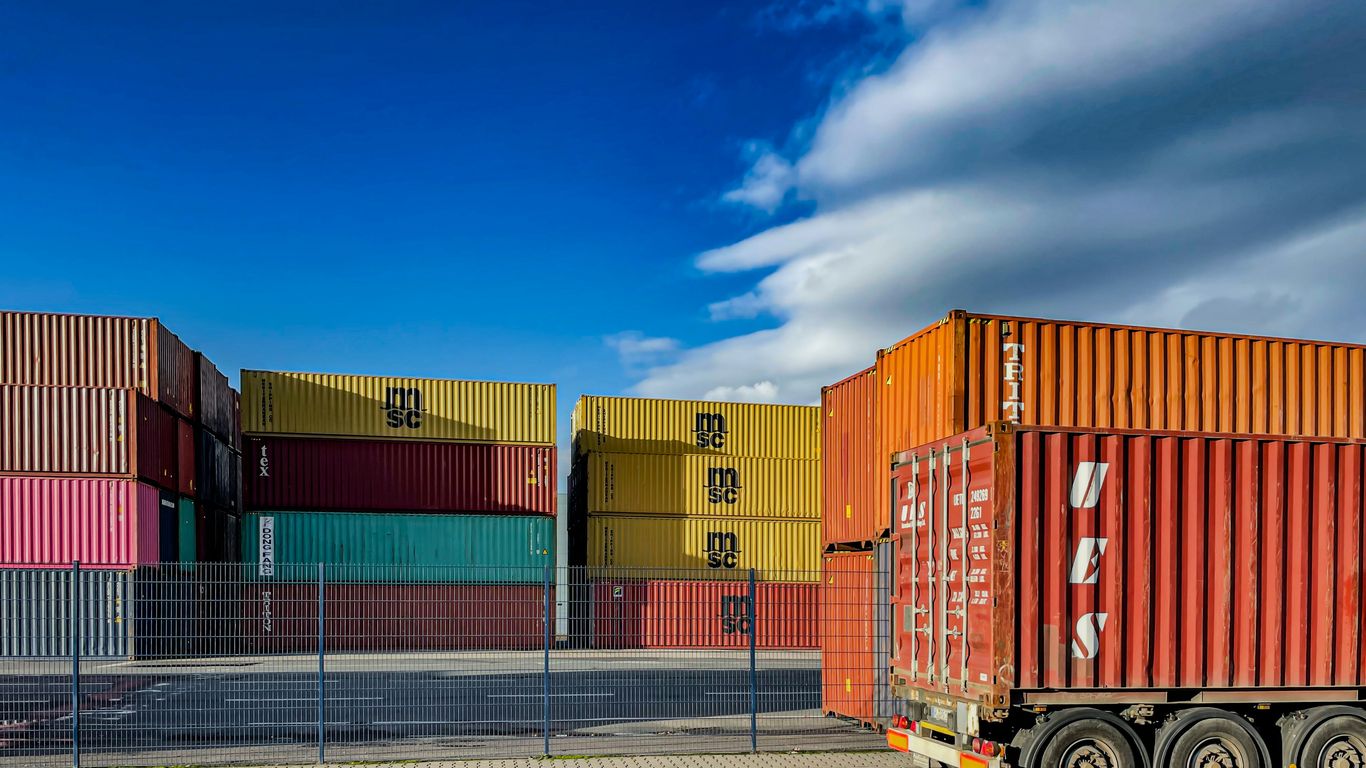
Evaluate trucking options from Anping to nearby export ports
Request a trucking plan that names the pickup address, loading window, equipment type, estimated route, port, and cutoff. Heavy or unusually long bundles may require different equipment from ordinary cartons. Ask how the carrier will handle waiting time, re-weighing, road restrictions, and a failed pickup.
The supplier should confirm that the cargo can be loaded safely at the factory and that the truck can reach the loading point. A forwarder coordinating supplier pickup can also compare the measured cargo with the booking information before the inland movement begins.
Compare ocean freight through Tianjin and other suitable ports
Ocean freight is often appropriate for heavy, non-urgent cargo, but the comparison should include inland trucking, origin charges, documentation, terminal fees, sailing frequency, transshipment, and destination handling. Tianjin may be a practical gateway for Hebei cargo, while another port or routing may suit a particular destination or sailing schedule.
Ask for route-specific assumptions rather than a generic port price. Published schedules can change, and actual availability depends on the booking date, equipment, carrier, and cargo details. For a wider comparison of shipping decisions from China, the freight forwarding guides archive provides useful background on routes, Incoterms, and documentation.
Decide when rail, air freight, or multimodal transport is practical
Rail can make sense for selected lanes and mid-priority cargo when its schedule and destination network fit the order. Air freight is generally considered for urgent, compact, or higher-value shipments where speed justifies the higher transport cost. Multimodal service may combine modes to solve a specific inland or cross-border constraint.
Check whether the cargo’s weight, dimensions, finish, and packaging are accepted by the proposed carrier. Steel products can be dense, so chargeable weight and handling restrictions may quickly change the comparison. Do not select a mode until the forwarder has reviewed the actual package data.
Match the transport method to cargo value, urgency, and shipment size
Build a short comparison showing the estimated door-to-door cost, expected schedule, handoffs, documentation requirements, and principal risks for each option. A lower line-haul price may be offset by extra handling, storage, or destination charges. Conversely, a faster method may be wasteful if the goods are not ready or the delivery site cannot receive them.
For smaller or urgent consignments, request a quote that states whether it is door-to-door, port-to-port, or airport-to-airport. For regular container orders, compare at least two sailing or service patterns and record the assumptions behind each one.
4. Organize export documents and import compliance
Documentation connects the physical cargo to the legal transaction. Names, quantities, descriptions, weights, values, and country-of-origin details should agree across the purchase order, invoice, packing list, booking, and bill of lading. Small inconsistencies can lead to questions, amendments, storage, or delayed release. Start document review before loading, when corrections are still manageable.
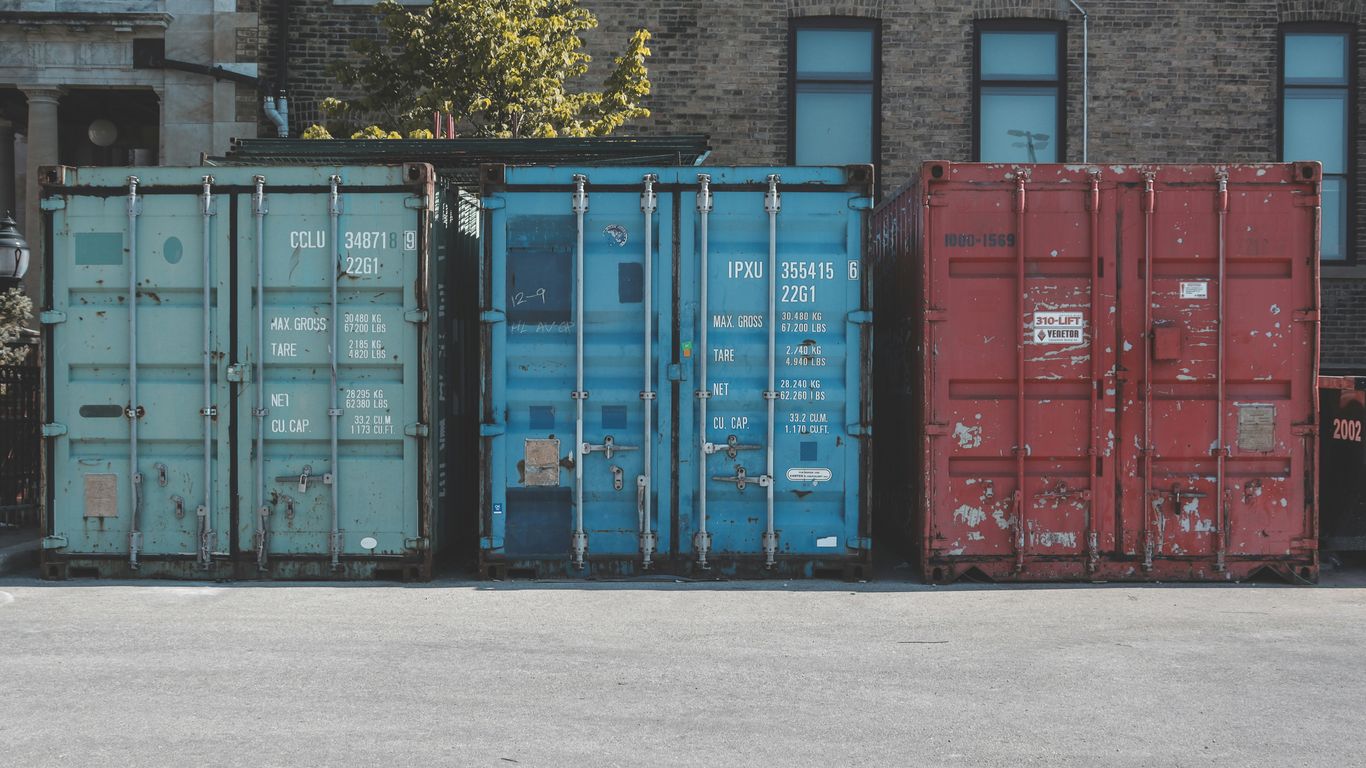
Prepare the commercial invoice, packing list, and bill of lading
The commercial invoice should identify the seller, buyer, terms, currency, product description, quantity, unit value, total value, and agreed Incoterm. The packing list should show package marks, contents, dimensions, net and gross weights, and totals. The bill of lading must reflect the parties, ports, cargo description, package count, and shipping instructions accurately.
Use a detailed packing list checklist to cross-check the physical cargo against the invoice and packing list. Provide draft documents early to the broker or forwarder, then approve the final versions against the loaded and sealed container.
Confirm the correct HS code for each wire mesh or steel product
HS classification can differ according to material, construction, coating, use, and the form in which the product is imported. Do not classify every item under one convenient description when the order contains different mesh types, fabricated products, or steel articles. Ask the importer’s broker or customs adviser to validate the proposed codes for the destination country.
Keep technical specifications, product drawings, and material information available to support the classification. The code affects duty treatment, statistical reporting, and possible controls, so a confident guess is not a substitute for a documented review.
Check country-of-origin, marking, and product labeling requirements
Confirm how the destination country expects origin marking, package labels, product descriptions, and importer information to appear. Requirements may apply to the goods, outer packaging, pallets, or all of them. Make sure marks are readable and do not conflict with the invoice or certificate of origin.
Ask whether the destination requires a particular language, measurement system, warning, or traceability reference. Keep a photograph of the final labels with the shipment file, especially when the supplier applies them before loading.
Review certificates, test reports, and treatment documents when required
Some buyers or destinations may request mill certificates, material declarations, coating information, test reports, or certificates of origin. Wood packaging may also require treatment documentation and appropriate marks. Determine what is required by the product, destination, customer contract, and customs authority before production is complete.
A document request should name the issuing party, document format, product reference, and deadline. If a report covers only a sample or production batch, verify that its scope matches the shipped goods rather than assuming it applies to every item.
5. Control freight costs and Incoterms
A freight quote is only useful when its boundaries are clear. Product price, pickup, export charges, international freight, insurance, duties, taxes, destination handling, and final delivery can sit with different parties. Incoterms define important responsibilities, but they do not replace a complete cost sheet. Compare the commercial term and the actual cash exposure together.
Compare EXW, FOB, CFR, CIF, and DDP responsibilities
Under EXW, the buyer generally takes responsibility from the named premises, while FOB places export delivery and loading responsibilities with the seller up to the specified port stage. CFR includes ocean freight without seller-provided insurance, and CIF includes insurance under the applicable term. DDP places broader delivery and import responsibilities on the seller, subject to whether that seller can legally and practically handle destination obligations.
Confirm the named place, transfer point, export clearance responsibility, insurance scope, and destination charges for every quotation. A term label without a named location can leave important responsibilities unclear.
Calculate product, inland transport, ocean freight, insurance, and port charges
Build the landed-cost model from the supplier’s actual cargo data. Include the product price, origin pickup, packing adjustments, export handling, ocean or other main freight, insurance if selected, destination handling, customs brokerage, duties, taxes, and final delivery. For consolidation, include receiving, storage, sorting, and additional handling where applicable.
The comparison below helps separate costs that are often blended into a single headline rate:
| Cost category | Typical question | Confirm with |
|---|---|---|
| Origin movement | Who collects from the Anping address? | Supplier and forwarder |
| Main transport | What route, mode, and service are quoted? | Forwarder or carrier |
| Documentation | Are export and document fees included? | Forwarder |
| Import charges | Who pays duty, tax, and brokerage? | Importer and broker |
| Final delivery | Where does the quoted delivery end? | Forwarder and consignee |
Once every line has an owner, compare quotations on the same basis. This prevents a low origin rate from appearing attractive simply because destination charges were omitted.
Account for customs duties, taxes, demurrage, and destination handling fees
Duties and taxes depend on classification, customs value, origin, and destination rules. Demurrage, detention, storage, inspection, port handling, chassis, and appointment fees may arise when clearance or collection misses a deadline. Ask how long free time lasts and what triggers additional charges.
Keep a contingency for events that are outside the quoted base service. The amount will depend on the route and destination, but the principle is consistent: a realistic landed-cost estimate includes foreseeable exceptions rather than assuming every handoff is frictionless.
Request comparable quotations with clearly defined inclusions and exclusions
Send each provider the same product description, package count, dimensions, weights, pickup address, destination address, ready date, preferred mode, and Incoterm. Require the quote to state validity, currency, transit assumptions, routing, included services, exclusions, and likely surcharges. Ask whether the rate is based on estimated or verified cargo data.
For complex imports, structured paperwork assistance can help identify missing invoices, packing lists, permits, or certificates before the cargo reaches the port. The quote should still be reviewed line by line by the importer.
6. Manage customs clearance and final delivery
International transport does not end when the vessel arrives. Import clearance, release instructions, destination handling, delivery appointments, and unloading all need coordination. The consignee should know who is responsible for each step and what information must be supplied. Early preparation is especially valuable when the cargo is dense, consolidated, or subject to inspection.
Coordinate with a customs broker before the cargo leaves China
Share the commercial invoice, packing list, proposed HS codes, origin information, and product specifications with the broker before departure. Ask the broker to identify missing details, likely questions, and any permits or special filings. Correcting a description before export is usually simpler than correcting it after arrival.
Provide the broker with reliable contact details for the importer, supplier, forwarder, and delivery party. Keep the approved document set in one location so that everyone works from the same revision.
Confirm import permits, duty treatment, and customs valuation rules
Check whether the destination requires permits, pre-arrival filings, product standards, origin evidence, or special treatment for coated or fabricated steel. Confirm how customs value should be calculated when freight, insurance, assists, commissions, or related-party transactions are involved. The importer remains responsible for complying with its country’s rules even when a forwarder supports the paperwork.
Ask for written guidance on uncertain points and retain the supporting technical documents. Do not reduce the declared value or use a vague product description to make the shipment appear simpler; that can create greater cost and compliance risk.
Plan delivery from the destination port to the warehouse or job site
Confirm the final delivery address, receiving hours, unloading equipment, appointment process, road access, and contact person. Steel bundles may require a forklift, crane, dock, or a truck with suitable access. If the job site cannot receive a full container, plan a transload or partial delivery before booking the final leg.
Share package weights and dimensions with the delivery carrier. A delivery plan based only on the container number may fail when the receiving location lacks the equipment needed for heavy or long pieces.
Track container milestones and prepare for inspections or delays
Track booking confirmation, cargo readiness, pickup, gate-in, export clearance, vessel departure, transshipment, arrival, customs filing, inspection, release, and final delivery. Each milestone should have a responsible party and an escalation contact. Carrier schedules and customs processing can change, so communicate the effect on the next handoff rather than reporting only that a delay exists.
Keep the delivery appointment flexible enough to accommodate an inspection or document amendment. A concise status record with dates, documents, and decisions helps the consignee respond quickly when the planned sequence changes.
7. Reduce shipping risks and verify cargo on arrival
Quality control and logistics control overlap at the container door. A shipment can be manufactured correctly yet arrive short, wet, bent, or poorly documented if the loading process is not checked. Verification should cover quantity, specification, condition, packing, measurements, and seals. The goal is not to eliminate every variable, but to create evidence and prompt action when something differs.
Inspect product quality and quantities before container loading
Compare the finished goods with the purchase order, approved sample, drawings, and inspection criteria before loading. Count rolls, panels, bundles, sheets, and fabricated pieces; measure representative dimensions; and note finish, labeling, and visible damage. For large orders, agree in advance whether inspection is full, sample-based, or independent.
Record shortages or deviations before the container is closed. If corrective production is needed, update the packing list and schedule rather than allowing an old document set to travel with changed cargo.
Use loading photos, seal records, and independent inspection reports
Photograph the empty container, container number, floor condition, packaging, loading sequence, blocking, final cargo, and closed doors. Record the seal number on the loading report, packing list, and shipment file. Where the value or contractual risk justifies it, use an independent inspection report that identifies the sample, date, criteria, and findings.
These records are useful to the buyer, carrier, insurer, and supplier because they establish the condition and quantity at a particular handover. They also make a later claim more specific than an unsupported statement that the cargo was damaged in transit.
Prevent damage caused by corrosion, shifting, overloading, or poor stacking
Use blocking, bracing, straps, separators, and suitable weight distribution for the product and container. Keep heavy bundles low and stable, protect edges from strap pressure, and avoid placing incompatible materials together. Check that the gross weight is within equipment and route limits and that doors can close without forcing the cargo.
A practical loading sequence usually includes these checks:
- Inspect the container for holes, dampness, odor, and floor damage.
- Confirm package marks and count each unit as it enters.
- Distribute weight and secure rolls, panels, sheets, and loose pieces.
- Photograph the final arrangement and record the seal number.
After loading, review the photographs against the packing list and retain the file with the commercial documents. This small discipline supports both claims handling and accurate receiving.
Resolve shortages, damage, and documentation discrepancies with the supplier and carrier
Notify the supplier, forwarder, carrier, insurer, and broker promptly when the cargo arrives with a shortage, visible damage, wet packaging, broken seal, or document mismatch. Take photographs before moving or discarding packaging, note the container and seal numbers, and obtain a delivery receipt with exceptions recorded. Preserve damaged materials when possible.
Match the claim to the evidence: purchase order, inspection report, loading photographs, seal record, bill of lading, packing list, and receiving report. If the physical cargo differs from customs documents, ask the broker for the correct procedure before making a unilateral amendment.
Plan Your China Freight
When an Anping shipment involves supplier pickup, cargo inspection, consolidation, export documentation, and final delivery, a freight forwarder can coordinate those handoffs as one operational workflow. Request a shipping quote with the pickup address, cargo details, destination, ready date, and preferred method so the route and charges can be assessed against real information.
Conclusion
A successful Anping wire mesh shipment is built through accurate specifications, suitable packing, verified measurements, clear responsibilities, compliant documents, and evidence at each handover. Compare complete door-to-door costs, allow for customs and carrier variables, and keep the supplier, broker, forwarder, and consignee aligned from production through receipt.
Frequently Asked Questions
What information is needed to ship wire mesh from Anping Hebei?
Provide the product specification, material and finish, package count, dimensions, net and gross weight, cargo-ready date, pickup address, destination, and preferred delivery method. Photos or drawings are helpful for unusual or fabricated items.
Is ocean freight suitable for wire mesh and steel products?
Ocean freight is often suitable for heavy, non-urgent cargo, particularly when the shipment fills a container or can be consolidated. The decision should include inland transport, handling, sailing schedules, destination fees, and the required delivery date.
Should wire mesh rolls be palletized?
Not always. The best packaging depends on roll dimensions, weight, finish, handling equipment, and the destination’s unloading conditions. Rolls should be secured against movement and protected from moisture and deformation.
How are HS codes selected for steel products?
Classification depends on details such as material, construction, coating, dimensions, and product form. The importer or customs broker should review the proposed code using technical specifications and destination-country rules.
What is the difference between FOB and CIF?
FOB generally places the seller’s responsibility through export delivery and loading at the named port, while CIF also includes main freight and seller-arranged insurance to the named destination port. The exact obligations depend on the named place and applicable Incoterms rules.
How can moisture damage be reduced during ocean transport?
Start with dry cargo and a sound container, then use appropriate wrapping, separators, desiccants, or vapor protection for the product and route. Record the container condition and loading arrangement before sealing.
What should be checked when the shipment arrives?
Inspect the seal, package count, product condition, labels, and documents before or during unloading. Photograph damage or shortages, record exceptions on the delivery receipt, and notify the relevant parties promptly.