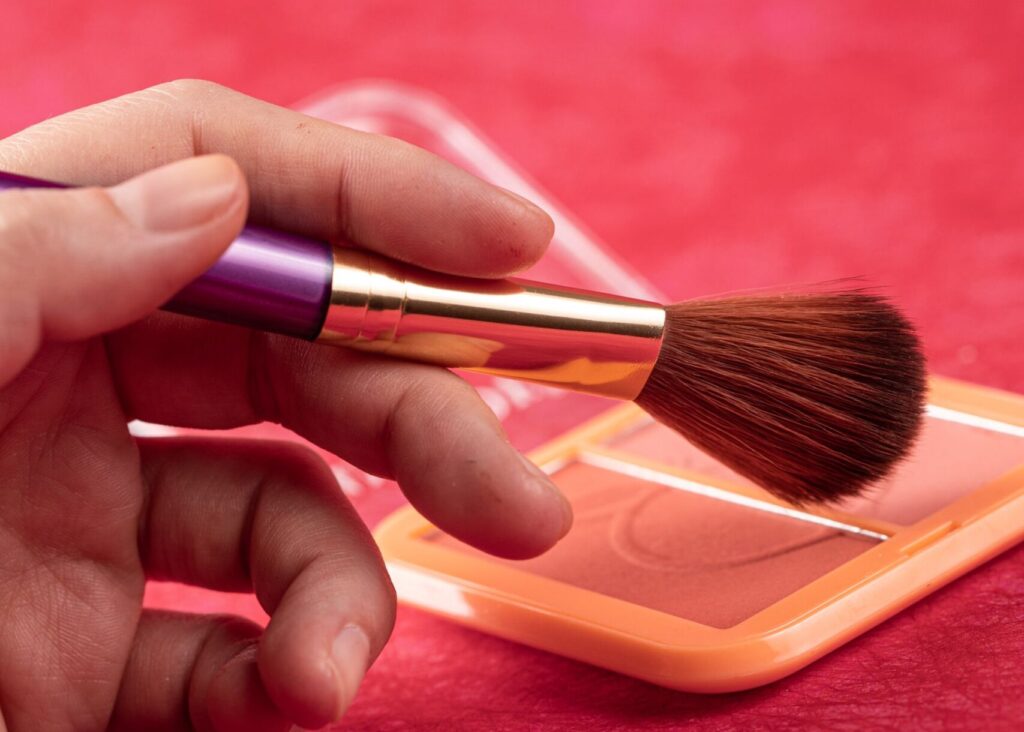
Key Takeaways
A successful Luyi brush order depends on decisions made before a factory quote is requested. Define the product, verify the supplier, approve measurable standards, and plan freight as one connected process.
- Luyi offers access to a broad makeup brush manufacturing ecosystem, but individual factories still require careful evaluation.
- Synthetic and natural fibers create different performance, care, price, and positioning considerations.
- A clear specification sheet makes quotations, samples, inspections, and reorders easier to compare.
- Landed cost includes packaging, inland movement, freight, customs-related charges, and final delivery—not only the factory price.
- Long-term reliability comes from documented standards, realistic schedules, backup plans, and useful supplier KPIs.
1. Understanding Luyi’s makeup brush manufacturing landscape
Luyi, in Henan Province, is widely associated with China’s makeup brush production cluster. Its ecosystem includes manufacturers and supporting businesses connected with materials, processing, assembly, packaging, and export orders. That density can give buyers more choice, although it also means that the first supplier found online may not be the right production partner. The Luyi production-base overview offers useful background on how the regional cluster developed.

Why Luyi is relevant to makeup brush sourcing
For an importer, the attraction of Luyi is less about a single headline claim and more about the possibility of finding several supplier profiles in one manufacturing region. You may encounter factories focused on standard brush sets, suppliers with custom-order experience, and businesses that combine material processing with finished-product assembly. This can be useful when a collection contains several shapes, handle finishes, or fiber types.
The regional connection with tail-hair processing is also relevant when natural-hair brushes form part of a range. Buyers should still confirm the exact material source, processing route, and available documentation for each proposed product. Regional reputation is a starting point for research, not a substitute for an audit.
Common factory capabilities and production models
A brush supplier may perform some operations internally and outsource others. Bristle preparation, trimming, shaping, ferrule fitting, handle finishing, logo application, assembly, inspection, and packaging may not all happen under one roof. Ask the factory to map the process and identify which steps are performed by approved subcontractors.
The production model should match the order. A small test launch may be built around existing shapes and standard components, while a larger private-label program may justify custom tooling, printed packaging, and a formal approval process. The Luyi manufacturer profile illustrates one documented supplier model that combines raw-material processing with finished makeup brushes and accepts custom and OEM work; it should be treated as an example to verify, not as a general description of every local factory.
OEM, ODM, private label, and ready-made programs
OEM usually means producing to the buyer’s defined design, while ODM generally involves adapting an existing supplier design. Private label may use a ready-made brush shape with the buyer’s logo and packaging. Ready-made programs are often quicker to specify, but they can limit differentiation and may create conflicts if several customers use similar components.
Request a clear answer about what is standard and what is custom. Confirm whether the quoted handle, ferrule, fiber, logo method, box, pouch, and set configuration are existing options or require development. This is also the right stage to ask about minimum order quantities for each component, not merely the minimum order for the finished set.
How to evaluate a Luyi makeup brush factory
A useful evaluation combines documents, observed operations, samples, and communication. A supplier that answers quickly but cannot explain its inspection records is not necessarily stronger than a quieter supplier with a clear process. Ask for a business license, factory address, product catalogue, production photographs or video, relevant certifications, and references to comparable work where disclosure is permitted.
When comparing a Luyi makeup brush factory, focus on fit rather than reputation alone: Does it understand your target market? Can it repeat the approved sample? Can it provide consistent packing data for freight? Can it explain who owns the tooling and artwork? Those answers reveal more than a polished catalogue.
2. Choosing between synthetic and natural brush materials
Fiber selection affects how a brush feels, applies product, dries after washing, and is described to customers. It also influences the product’s care instructions, animal-welfare position, expected price, and quality-control method. Neither synthetic nor natural hair is automatically suitable for every brush shape. Choose according to the intended application, then verify the result through samples and repeated-use testing.
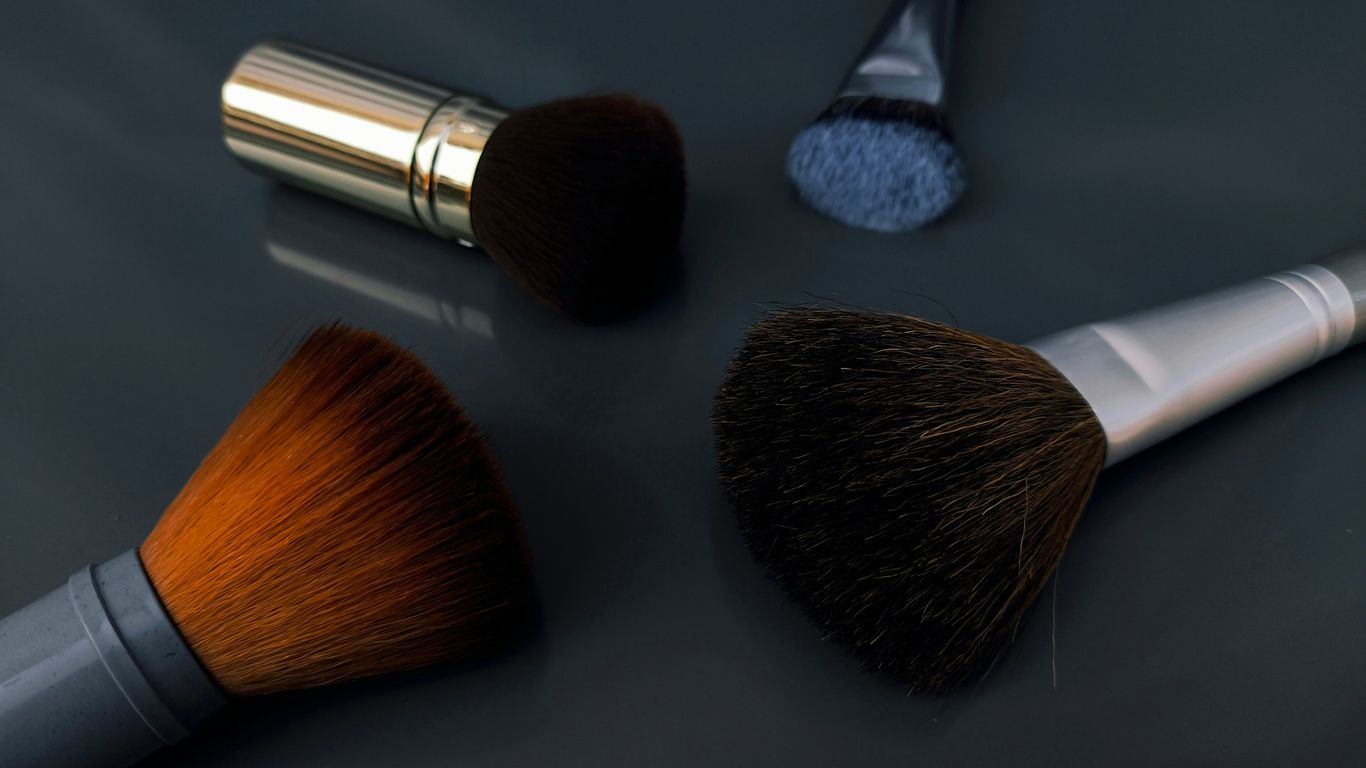
Key differences in fiber performance and feel
Synthetic fibers are manufactured filaments with relatively consistent diameter and shape. They can provide a smooth feel and are commonly considered for liquid, cream, and vegan product lines. Natural hair has a cuticle structure and can create a distinctive pickup and diffusion feel, but characteristics may vary with species, grade, preparation, and finishing.
The useful comparison is practical rather than ideological. Test pickup, release, blending, scratchiness, shape retention, drying time, and appearance after washing. A soft brush that lacks control may perform poorly, while a firmer brush can be appropriate for precision work.
Popular synthetic fibers for face and eye brushes
Suppliers may offer different synthetic filaments for face, eye, and detail brushes. Names and grades can vary between factories, so a material label alone is not a complete specification. Ask for the filament description, diameter or grade where available, color stability, and the proposed shaping method.
For face brushes, compare surface smoothness, density, edge control, and flexibility. For eye brushes, look closely at taper, spring, precision, and how the fibers behave when used with powder or cream. Keep the sample request consistent so that different suppliers are evaluated against the same brief.
Natural hair options and suitable applications
Natural hair may suit applications where pickup and gradual diffusion are central to the user experience. The correct choice depends on the required softness, resilience, taper, length, and intended cosmetic formula. Ask how the hair is cleaned, sorted, treated, and secured, and request documentation for the material claims used in your market.
Do not assume that “natural” means premium or that every natural-hair brush will feel soft. Grade variation, moisture, odor, loose hairs, and inconsistent tips must be checked. A buyer should approve a defined sample rather than a general promise about hair quality.
Vegan, cruelty-free, and sustainability considerations
Vegan positioning generally requires synthetic fibers and careful review of all brush components, including adhesives, coatings, labels, and packaging. Cruelty-free and animal-origin claims may have different meanings depending on the market and certification approach. Ask suppliers to support claims with written material declarations and relevant records.
Sustainability also includes durability and packaging choices. A brush that sheds or loses its shape quickly creates avoidable waste, even if its fiber is synthetic. Consider recycled or reduced packaging only after confirming protection during export handling and storage.
How material choice affects cost and positioning
Cost is shaped by fiber, density, length, trimming, assembly time, handle and ferrule materials, decoration, packaging, order quantity, and testing. Natural hair may carry a different raw-material cost and sourcing burden; synthetic fiber may require its own grade and finishing decisions. Compare the complete specification rather than asking only which material is cheaper.
The final positioning should follow the tested experience. If the brush is designed for a vegan collection, ensure that the claim is supported across the bill of materials. If it is positioned as a premium natural-hair tool, document the grade and care expectations clearly.
3. Defining your makeup brush collection before requesting quotes
Factories quote what they can understand. A request that says “high-quality makeup brush set” leaves too many variables open, so suppliers may return prices for different products. Define the brush functions, dimensions, materials, decoration, packaging, quantity, and delivery target before requesting comparable offers. This reduces revisions and makes sample approval more disciplined.
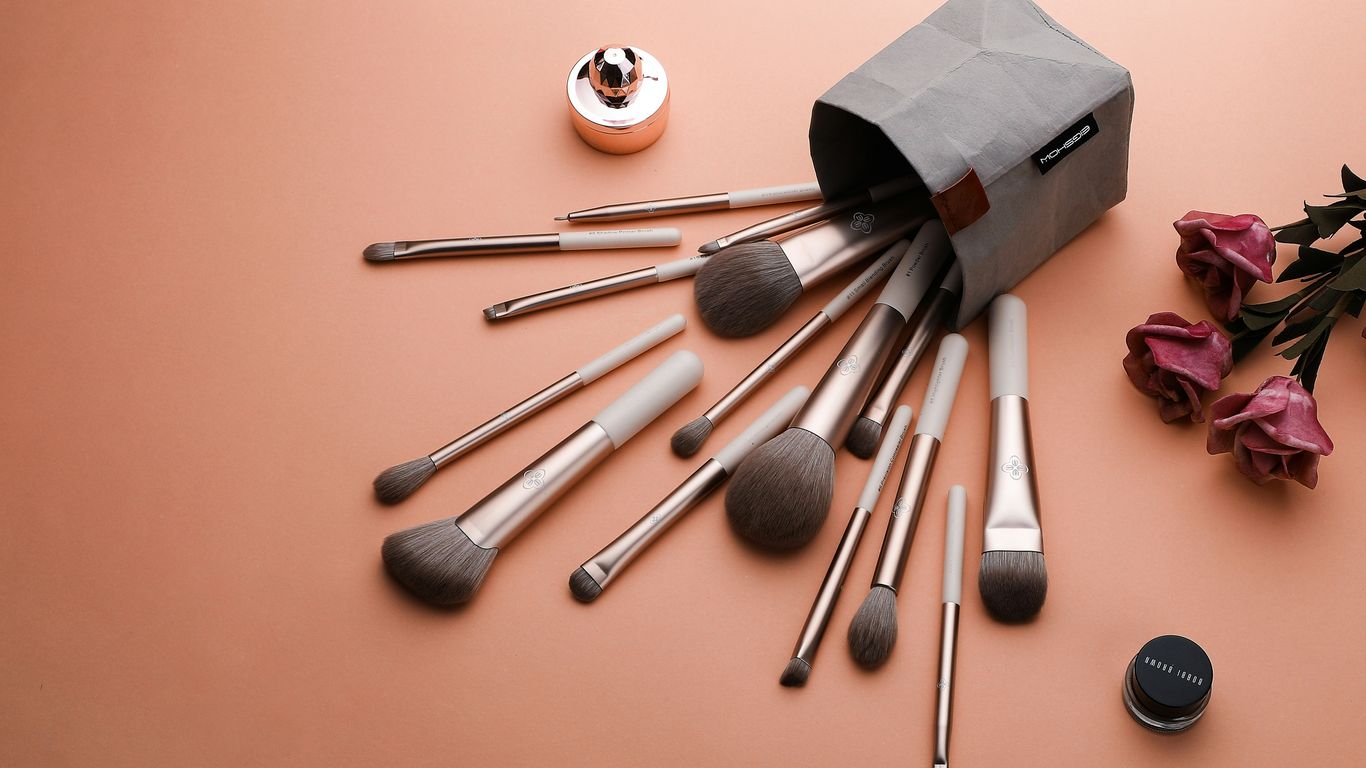
Selecting brush shapes for face, eye, and specialty use
Start with the user’s routine rather than a catalogue. A face collection might include products for foundation, powder, blush, bronzer, or contouring; an eye collection may require placement, blending, lining, and detail shapes. Specialty brushes should have a clear purpose, because unusual shapes add development and explanation costs.
Record the shape name, intended use, overall length, ferrule dimensions, bristle length, and approximate head width. Photographs are helpful, but a drawing with measurements is more reliable. If the design is based on an existing sample, send the physical reference or a complete dimensional brief.
Matching brush density, softness, and flexibility to application
Density and flexibility should be specified together. A dense head may distribute coverage efficiently but feel less flexible, while a loosely packed head can create a softer blend but may lack control. The correct balance depends on formula, application method, and the customer’s expected finish.
Use plain performance descriptions in the brief: soft against skin, controlled edge, moderate spring, rounded taper, or firm precision tip. Then convert those descriptions into inspection criteria after the sample is approved. Sensory language begins the discussion; measurable tolerances make it repeatable.
Comparing handles, ferrules, adhesives, and surface finishes
Handle materials can include wood, plastic, or other specified constructions, with painted, matte, glossy, wrapped, or printed finishes. Ferrules require decisions about metal type, color, wall strength, shape, and attachment. Adhesive performance matters because a beautiful handle does not compensate for a loose ferrule.
Request component samples when a finish is central to the collection. Check color under normal lighting, logo alignment, surface marks, sharp edges, odor, and the transition between ferrule and handle. These details should appear in the approved specification, not remain informal messages.
Planning brush sets, individual SKUs, and packaging formats
A set can simplify merchandising but may tie slower-moving items to best sellers. Individual SKUs offer more flexible replenishment and allow customers to replace one brush, but they create more labels, cartons, and inventory records. Packaging may be a paper box, pouch, sleeve, blister, or a combination, depending on the product and destination rules.
Before a quote, decide whether you need:
- Individual retail units or a mixed brush set.
- One outer carton per SKU or consolidated assortment cartons.
- Printed packaging, plain packaging, or supplied packaging materials.
- Protective separators, caps, sleeves, or moisture protection.
This list affects both factory labor and carton volume. Confirm the packing method with a physical sample because a small change in presentation can alter the shipment dimensions materially.
Creating a technical specification sheet
A strong specification sheet gives each SKU a unique code and records every component. Include drawings, dimensions, fiber type, color, density, softness, ferrule, handle, logo, packaging, tolerances, inspection method, quantity, and target date. Add reference photographs, but label them as visual references when they are not contractual specifications.
The sheet should also identify open decisions. For example, a supplier may quote two ferrule finishes or two packaging formats. Keeping those alternatives visible prevents a low initial quote from being compared with a more complete quotation elsewhere.
4. Auditing and comparing a Luyi makeup brush factory
A factory audit is a structured check of whether a supplier can make the specified product repeatedly and document the process. It does not need to be dramatic or complicated. Review the business identity, production route, equipment, workforce, quality controls, subcontracting, sample procedure, and export experience. The goal is to understand operational fit before money and launch dates are committed.

Reviewing factory experience, equipment, and product range
Ask how long the business has made the relevant products and which processes it controls. A catalogue may show many items, but the factory should explain which ones are current, which are samples, and which are sourced from another supplier. Look for evidence of trimming, shaping, assembly, decoration, packing, and storage capacity appropriate to your order.
Where a site visit is not practical, request a live video walkthrough or a dated production demonstration. Compare the equipment shown with the process described in the quotation. A clear distinction between in-house work and outsourced work helps you identify where quality or schedule risk may arise.
Checking sampling, customization, and development processes
Sampling should follow a defined sequence: brief review, quotation, component confirmation, first sample, comments, revision, and pre-production approval. Ask who records comments and how the final version is identified. If several SKUs are developed together, ensure that each sample carries the correct code.
A supplier should also explain the cost and ownership of molds, color matching, logo plates, custom packaging dies, and other tooling. Development fees are easier to assess when the quotation states whether they are refundable, reusable, or tied to a particular order quantity.
Assessing quality control at incoming, in-process, and final stages
Quality control is stronger when checks happen throughout production rather than only at the end. Incoming checks can cover fiber, handles, ferrules, packaging, and decoration. In-process checks can cover filling, trimming, assembly, and logo placement. Final inspection can cover appearance, function, packing, count, and carton condition.
Use the same inspection logic when reviewing other sourcing categories. A practical supplier verification guide can help structure questions about manufacturing credentials, production capacity, quality consistency, and the difference between a factory and a distributor. The details still need to be adapted to makeup brushes.
Verifying certifications, testing records, and compliance documents
Request documents relevant to the destination market and the product claims being made. Depending on the materials and sales channel, this may include business records, material declarations, social or environmental documentation, packaging information, and test reports. Check the issuing body, scope, validity, named company, and product coverage rather than accepting a logo in a presentation.
Cosmetic tools may also require careful attention to labeling, restricted substances, and consumer-product rules in the destination. Ask a customs broker or compliance professional when the requirement is unclear. Factory documents support due diligence, but they do not transfer the importer’s legal responsibilities automatically.
Comparing quotations beyond the unit price
A quotation is comparable only when the included specifications are comparable. Ask suppliers to itemize sample fees, tooling, packaging, inner cartons, export packing, inland delivery, payment terms, lead time, and validity period. Confirm whether the price is for one brush, one set, or one retail-packed unit.
A simple comparison table can expose differences that are easy to miss in email threads:
| Quote item | Supplier A | Supplier B | Supplier C |
|---|---|---|---|
| Brush or set configuration | Confirmed | Confirmed | Pending |
| Packaging included | Retail box | Pouch only | Retail box |
| Tooling and setup | Separate | Included | Separate |
| Production lead time | Stated | Stated | Pending |
| Export packing details | Stated | Pending | Stated |
The lowest unit price may not be the lowest landed cost. Resolve every “pending” item before choosing a supplier, especially when it affects carton size, protection, or production timing.
5. Managing samples, quality standards, and production approval
Samples are the bridge between a written brief and a repeatable order. The first sample is not merely a marketing prototype; it is evidence about materials, workmanship, communication, and the factory’s ability to follow instructions. Record comments by SKU and avoid approving a whole collection with one general message. Small differences become expensive when they are discovered after production.
What to inspect in first-round samples
Inspect the brush under normal retail lighting and during actual use. Check the silhouette, symmetry, head size, fiber color, softness, density, taper, handle finish, ferrule alignment, logo placement, and overall balance. Use the brush with the formulas for which it is intended, since dry handling alone can hide performance problems.
Keep a sample report with photographs and numbered comments. State whether each point is accepted, revised, or still open. If the supplier proposes a substitute material or component, treat it as a new approval decision rather than an informal adjustment.
Setting measurable standards for shedding, odor, staining, and ferrule strength
Quality standards should describe both the test and the acceptable result. For shedding, define the handling or brushing procedure and the maximum visible loose fibers permitted. For odor, state the inspection conditions and escalation process. Staining can be checked by washing or rubbing the relevant surface under a defined method.
Ferrule strength needs a practical attachment test appropriate to the product. Record the direction, duration, and force where your testing approach permits it. The exact threshold should reflect the intended use and market requirements, but it must be agreed before production rather than invented after a dispute.
Testing brush performance after washing and repeated use
A brush can look excellent on arrival and still fail after cleaning. Wash a representative sample using the intended care method, then inspect shape recovery, shedding, odor, dye transfer, adhesive condition, ferrule movement, and handle finish. Repeat the process when the product positioning or care instructions imply regular washing.
Testing should include multiple units from a batch or sample group. One excellent brush cannot establish consistency. Keep a retained reference so later production can be compared with the approved performance, not only with memory.
Approving pre-production samples and golden samples
The pre-production sample should use the materials, decoration, packaging, and assembly process intended for bulk production. Once accepted, identify a golden sample with SKU, date, revision, and signatures or written approval. Store photographs and the signed specification alongside the physical reference.
Approval should state what happens if a component becomes unavailable. A replacement fiber, handle, ferrule, or box must require written review when it changes appearance, function, dimensions, or compliance status. This protects both parties from assuming that “equivalent” means identical.
Handling defects, rework, and inspection disputes
When defects appear, separate confirmed defects from subjective preferences and describe both with evidence. Provide counts, photographs, batch references, inspection conditions, and the relevant specification clause. Give the supplier a reasonable opportunity to investigate, while keeping the shipment and payment status clear in writing.
Agree in advance on rework, replacement, credit, sorting, or rejection procedures. If an independent inspection is used, define its scope and sampling method before production. Clear records usually resolve disagreements faster than broad statements about quality.
6. Planning beauty product import logistics from China
Freight planning should begin while the brush specification is being finalized, not when cartons are already ready. Packaging choices affect volume, and volume affects the transport decision. You also need accurate pickup information, carton counts, dimensions, gross weight, cargo-ready date, destination, and delivery requirements. A focused cosmetic brush import guide can serve as a useful companion when organizing the China-side and customs workflow.
Choosing between sea, air, rail, and express freight
Sea freight is often considered for larger, less urgent shipments; air freight can suit time-sensitive or moderate-volume cargo; rail may fit particular routes and service requirements; and express courier can be practical for samples or small urgent consignments. Availability, destination, cargo value, route, customs process, and delivery address all affect the decision.
Do not compare modes by headline freight rate alone. Ask what is included, where responsibility changes, whether pickup and final delivery are included, and how customs-related charges are handled. A lower-cost mode may require more planning and a longer variable schedule, while a faster mode may cost more per kilogram or cubic meter.
Calculating carton dimensions, weight, and landed cost
Request the final packing list before booking freight. For each carton, record length, width, height, gross weight, net weight, quantity, and SKU mix. Dimensional or volumetric weight may apply to air and express shipments, so a lightweight but bulky retail pack can cost more than its scale weight suggests.
Your landed-cost model should include factory price, packaging, tooling allocation, supplier-to-forwarder pickup, export handling, freight, insurance if selected, duties, taxes, destination fees, customs-related charges, and final delivery. Separate confirmed values from estimates and update the model when the packing list changes.
Preparing commercial invoices, packing lists, and shipping documents
The commercial invoice should identify the seller, buyer, product description, quantities, values, currency, country of origin, and agreed trade terms. The packing list should match the actual carton count and dimensions. Product descriptions should be specific enough for customs review without making unsupported claims about material or use.
Check that names, addresses, quantities, and values match across purchase documents, shipping instructions, and customs paperwork. Keep copies of the approved specification and relevant material documents available if questions arise. Early review is usually easier than correcting inconsistent paperwork after departure.
Understanding customs classification and import responsibilities
The importer or its appointed customs professional remains responsible for providing accurate information and meeting destination requirements. Classification depends on the product’s characteristics and the applicable tariff schedule; do not choose an HS code solely because a supplier used it previously. Duties, taxes, permits, labeling, and broker requirements vary by destination.
Clarify the Incoterm and the point at which risk, cost, and responsibility transfer. If the supplier quotes an arrangement that includes freight, confirm exactly what it covers and who handles destination customs and delivery. Written responsibility lines prevent unexpected charges.
Coordinating production schedules with freight and delivery windows
Build the schedule backward from the required delivery window. Include specification approval, raw-material preparation, production, inspection, rework allowance, packing, pickup, export handling, transit, customs processing, and final delivery. Carrier schedules and customs inspections can change, so avoid treating an indicative transit period as a fixed promise.
Share the cargo-ready date as soon as it becomes realistic, then update it when production changes. For several suppliers, coordinate pickup appointments and consolidation instructions early. The China logistics archive provides broader context on consolidation, customs, and freight planning across product categories.
7. Building a reliable long-term sourcing strategy
A first order tests more than the brush. It tests whether the supplier communicates changes, records approvals, packs accurately, and responds to defects. A long-term program should therefore be built around repeatable information rather than personal memory. Keep the product brief, sample history, inspection reports, commercial documents, and freight records together.
Setting minimum order quantities and reorder expectations
Minimum order quantity can apply separately to fibers, handles, ferrules, packaging, and finished SKUs. Ask whether a mixed set has one MOQ or whether each component must meet a threshold. Also ask how the supplier handles small reorders, seasonal peaks, discontinued components, and leftover packaging.
Forecasts do not need to be perfect to be useful. Share a realistic first order, likely reorder range, and expected launch or promotional periods. This lets the factory explain capacity and material constraints before they affect delivery.
Negotiating payment terms, lead times, and tooling ownership
Payment terms should correspond with identifiable milestones such as order confirmation, component preparation, sample approval, production completion, inspection, and shipment. Lead times should state when the clock begins and which approvals or deposits are prerequisites. Ask how holidays, material shortages, and revision requests affect the schedule.
Tooling ownership should be written plainly. Identify who paid for each mold, plate, die, or custom fixture; where it is stored; whether it can be transferred; and what happens if production stops. These details matter most when a collection becomes commercially valuable.
Protecting packaging artwork, product designs, and brand information
Send only the information needed for the current stage and label confidential files clearly. Use version numbers for artwork and specifications, and keep an approval record for every change. Ask the supplier to confirm how artwork, customer lists, prototypes, and unused packaging are stored or destroyed.
A written agreement can define permitted use, confidentiality, ownership, and approval requirements. It cannot replace practical controls, so limit access to final files and monitor sample photographs, packaging proofs, and production communications.
Reducing supply chain risks through backup planning
A backup plan does not require a second factory to duplicate the entire range immediately. Start by identifying the most critical SKUs, components, and processes. Then determine which alternatives have been sampled, which materials are interchangeable, and which changes would require a new compliance review.
You can also reduce concentration risk by maintaining a second approved freight route or forwarder contact. For other categories, the same structured thinking appears in this supplier risk guide, which emphasizes credentials, specifications, sample approval, quality control, and freight planning. The principles transfer well, even though the product category differs.
Measuring factory performance with practical KPIs
Choose indicators that reflect the problems your business actually needs to prevent. Useful measures include on-time sample completion, first-sample approval rate, defect rate by SKU, corrective-action closure time, order-complete accuracy, packing-list accuracy, and response time for production changes.
Review the measures after each order rather than waiting for a major failure. A supplier with a slightly higher price may be the better long-term choice if it documents changes, meets agreed standards, and provides dependable cargo information. The decision should remain evidence-based and specific to your product and route.
Make Your Shipment Plan
Once your brush specifications, approved samples, carton data, and delivery target are ready, request a freight quote with the actual cargo details. A China-based forwarding team can help coordinate supplier pickup, consolidation, export documentation, freight selection, customs paperwork support, and final delivery planning.
Conclusion
Sourcing makeup brushes from Luyi works best when product development and logistics are treated as one workflow. Define the fiber and construction, compare factories against documented capability, approve a measurable standard, and calculate the full landed cost before placing the order. With accurate cargo information and a realistic schedule, you can make clearer supplier decisions and reduce avoidable surprises during export and import.
Frequently Asked Questions
Is Luyi a suitable region for makeup brush sourcing?
Luyi is associated with a substantial makeup brush manufacturing ecosystem, but suitability depends on the individual supplier’s capabilities, materials, quality controls, order quantity, and export experience.
Should a new collection use synthetic or natural hair?
Choose according to application, desired feel, claims, care requirements, target price, and documentation needs. Test both performance and consistency before making a final decision.
What should a makeup brush specification sheet include?
Include SKU codes, brush shape, dimensions, fiber, density, softness, handle, ferrule, adhesive, decoration, packaging, tolerances, quantity, inspection standards, and target dates.
How can an importer compare factory quotations fairly?
Give each supplier the same specification and request itemized pricing for components, packaging, tooling, production, inland movement, export packing, payment terms, and lead time.
Which freight method is best for makeup brushes?
The appropriate method depends on volume, urgency, route, cargo value, destination, customs requirements, and budget. Compare total cost and responsibility, not only the transport rate.
What documents are commonly needed for import shipments?
Commercial invoices, packing lists, shipping instructions, and transport documents are commonly required, while destination-specific permits, declarations, or test records may also apply.
How can a buyer reduce quality disputes?
Approve a clearly identified pre-production or golden sample, define measurable inspection standards, retain records, and agree in writing on inspection, rework, replacement, and dispute procedures.