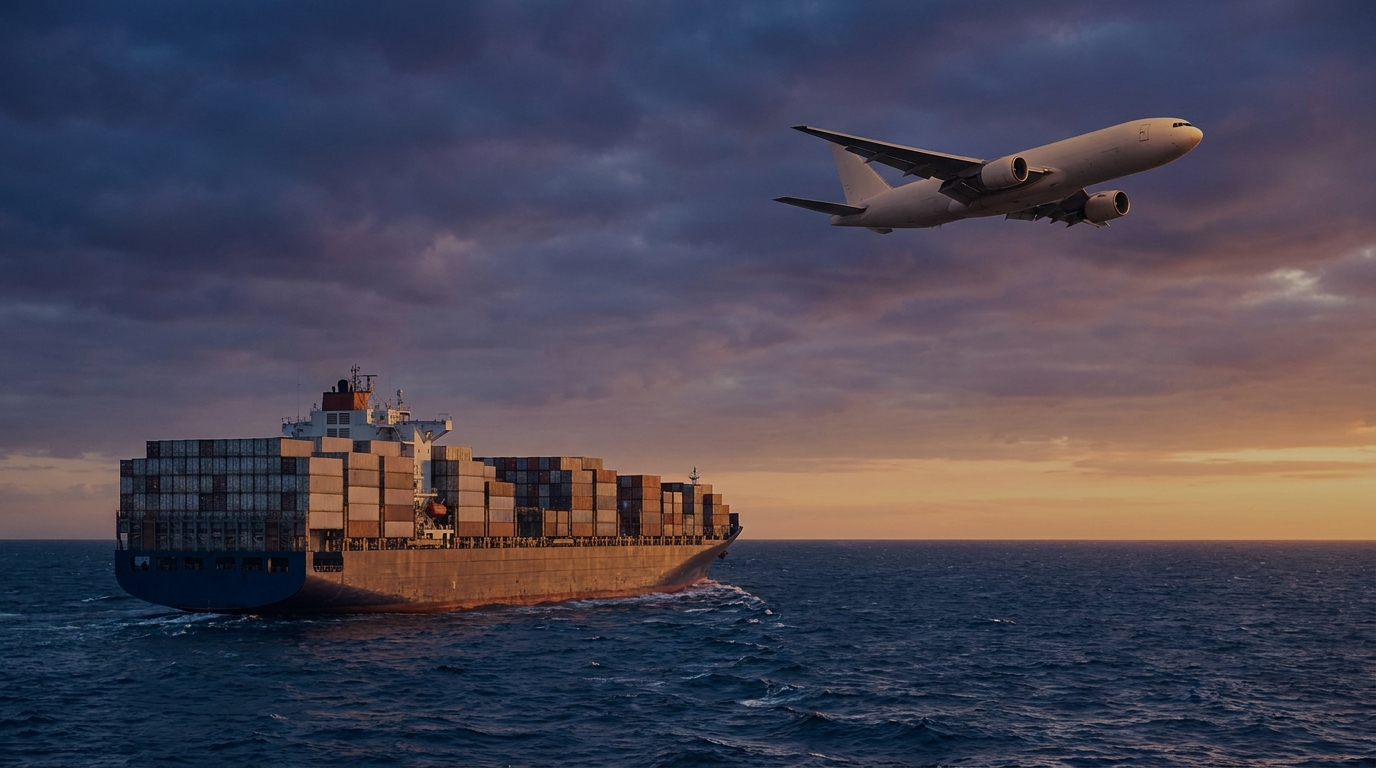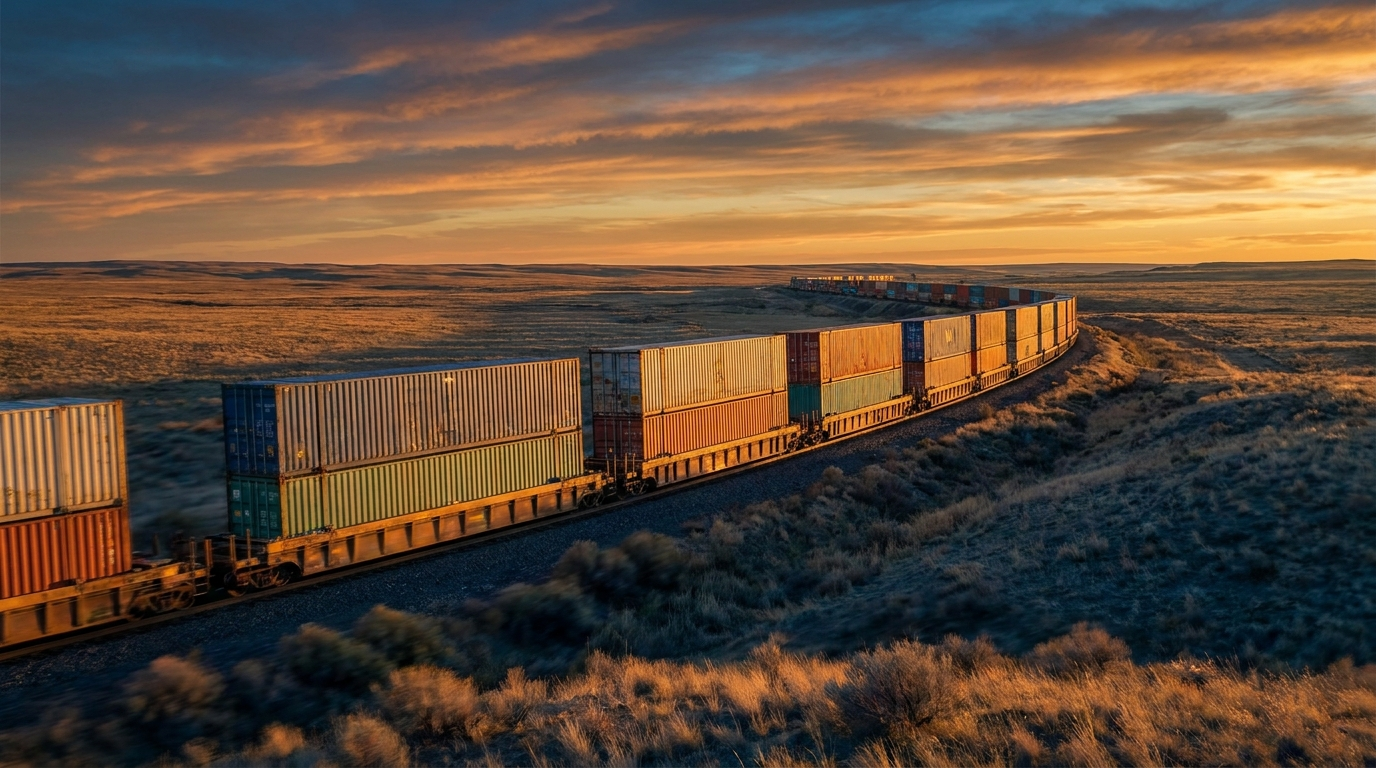
Between ocean's weeks and air's premium sits a railway: container trains running from Chinese hubs across Central Asia and Russia into European terminals. For the right cargo, rail is not a compromise — it's the correct answer.
How the corridor works
Trains depart from Chinese rail hubs — Chengdu, Chongqing, Xi'an, Zhengzhou, Wuhan, Yiwu — and cross at border corridors such as Khorgos, Erenhot and Manzhouli, where containers change gauge or paperwork clears, before terminating at European rail ports, Duisburg and Hamburg foremost among them. From the terminal, trucking completes delivery anywhere in Europe. Terminal-to-terminal transit typically runs around two to four weeks depending on the corridor; as always, transit time depends on cargo type, route, customs inspection, and carrier schedule.
Where rail wins
- European warehouse restocking on a schedule ocean can't keep
- Cargo manufactured in central and western China — it boards a train locally instead of trucking to a coastal port first
- Mid-priority commercial goods: too slow for air budgets, too urgent for the sea
- Cash-flow-sensitive inventory: roughly half of ocean transit means faster stock turns
Full or shared containers
Like ocean, rail offers full-container bookings and shared-container (consolidated) space on major corridors. Shared space suits smaller consignments testing the mode; full containers suit regular flows.
What to know before booking
Departures are scheduled, so cargo-ready dates matter more than with the near-daily ocean options; border formalities are document-driven, so the invoice, packing list and HS codes must be clean before departure; and seasonal demand can tighten space on popular corridors. Certain cargo types face mode-specific restrictions, which we confirm during review. If your route touches Russia or the EAEU, additional trade-regulation review applies and every request is checked individually before quotation.
Send your origin city, volume and timeline and we'll tell you honestly whether the train beats the ship for your specific flow.