Key Takeaways
Porcelain shipments from Dehua need a packaging plan built around the product, route, and receiving process. A careful inspection before pickup is as valuable as the carton itself.
- Test fragile shapes, finishes, handles, lids, and detachable parts before setting a packing specification.
- Use layered protection that prevents abrasion, impact, compression, moisture, and internal movement.
- Match cartons, pallets, and freight modes to weight, volume, urgency, and destination requirements.
- Verify documents, labels, carton counts, and shipment condition before pickup and after delivery.
- Record damage patterns so each future order can use a more precise packaging standard.
Assess product risks before shipping from Dehua, Fujian
Before you ship porcelain from Dehua Fujian, assess the item rather than relying on a general “fragile” label. A tall figurine, a thin teacup, and a heavy serving platter fail in different ways. The packing specification should reflect the shape, materials, finish, order quantity, and expected handling route. That first assessment also gives you a sensible basis for inspection and insurance decisions.
Identify fragile shapes, finishes, and construction methods
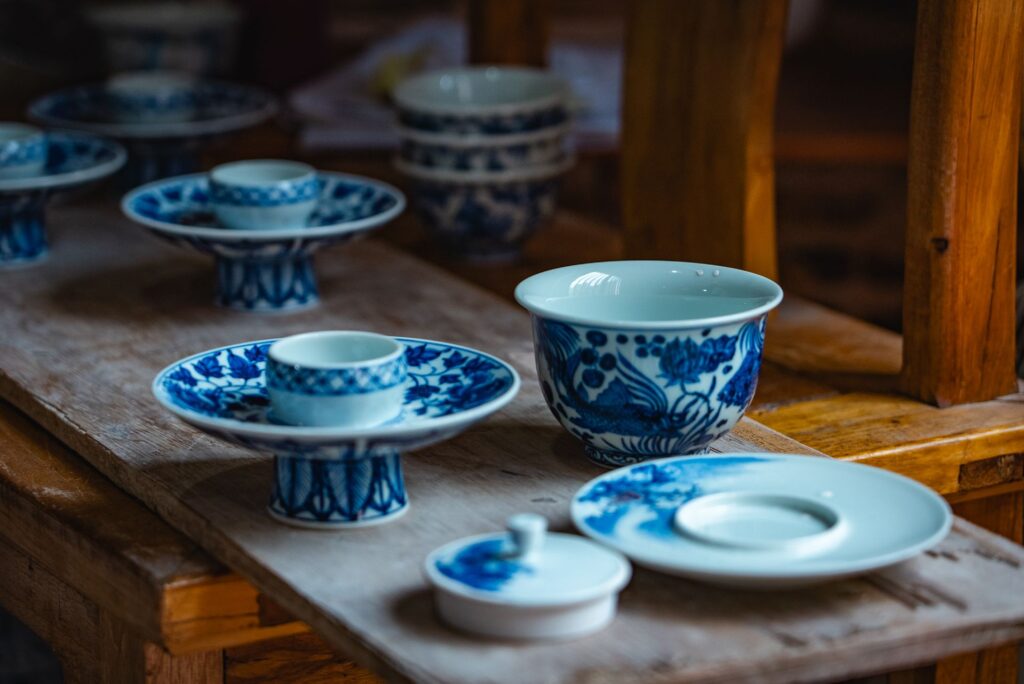
Begin with the geometry. Narrow necks, openwork, extended figures, thin stems, and wide unsupported rims create stress points that can break even when the main body is well cushioned. Note whether the piece is slip-cast, pressed, hand-built, or assembled from multiple fired components, since joins and thin sections deserve separate protection.
Surface treatment matters as well. A glossy glaze can be scratched by another smooth-looking piece, while painted or metallic decoration may need a soft, non-abrasive barrier. Photograph representative samples from several production batches, because small changes in thickness or assembly can alter the packing requirement.
Evaluate size, weight, wall thickness, and center of gravity
Measure height, width, depth, gross weight, and the approximate wall thickness of each product family. A large hollow vase may be light but vulnerable to point pressure, whereas a compact statue can be heavy enough to crush its own inner supports. Find the center of gravity by observing how the item rests, then design the base support around that point.
Do not estimate carton loading from product dimensions alone. Include wrapping, dividers, corner protection, cushioning, and the clearance needed for safe removal. These details affect dimensional weight and may change the practical freight choice.
Account for glaze, decoration, handles, lids, and detachable parts
Handles and spouts should not carry the load of a packed item. Wrap them separately, support them without forcing pressure against the body, and prevent lids from rubbing against rims. If a component can be removed, decide whether it is safer to wrap it independently or secure it in a fitted compartment.
For decorated pieces, define acceptable contact surfaces and use separators that will not transfer color, moisture, or texture. A packing sample should be opened after a simulated handling cycle so the team can check for scuffing as well as breakage.
Set acceptable breakage rates and delivery requirements
Agree on measurable requirements before production is complete. Define whether a shipment must arrive intact as a complete set, whether minor cosmetic marks are acceptable, who pays for replacement pieces, and how quickly concealed damage must be reported. These terms belong in the purchase and freight instructions, not only in informal messages.
Keep the discussion practical: a zero-damage target may be appropriate for a high-value collection, while a replacement allowance may be workable for lower-cost promotional goods. The Dehua export coverage provides useful regional context, but your own item-level inspection remains the controlling evidence.
Build a protective packaging system for porcelain
Good porcelain packaging is a system of layers, not a single material. The inner layer prevents contact, the cushioning layer absorbs energy, and the outer container carries compression and handling loads. Each layer must work with the others without leaving empty space where pieces can move. For broader packaging preparation, printed packaging order guidance is a useful reminder to approve artwork and physical samples before a production run.
Use inner wrapping that prevents abrasion and movement
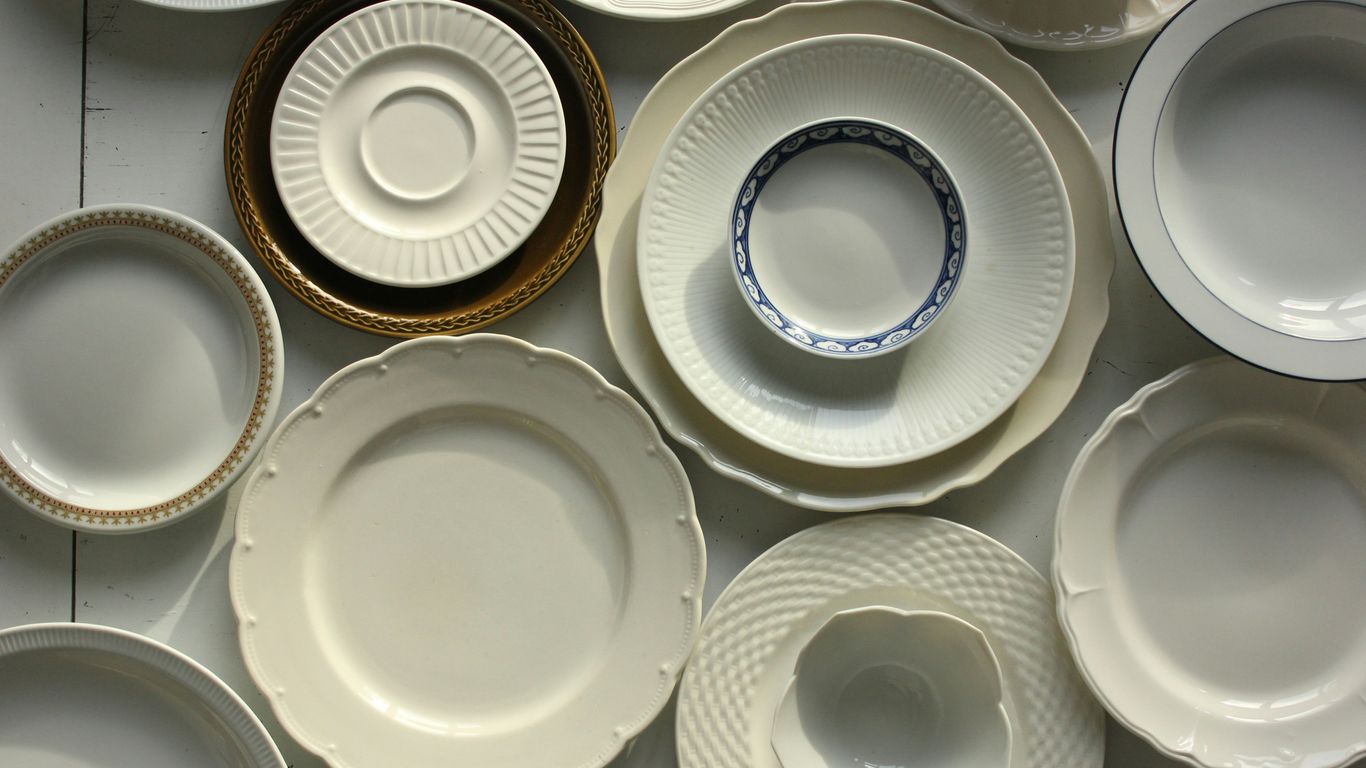
Wrap each piece so its surface cannot scrape against another object or against the divider. Soft tissue, foam, or another approved non-abrasive layer may be suitable, but the choice should be tested against the glaze and decoration. Tape should secure the wrapping around the material rather than touch the finished surface.
The wrapping should hold the item in place without squeezing it. Preventing contact first is usually more reliable than adding thick cushioning after pieces have been allowed to rub together.
Select cushioning materials for impact and vibration
Cushioning must address both sudden drops and repeated vibration. Use material with enough resilience to maintain a buffer through the journey, and size it consistently around the product rather than filling one side heavily and leaving another exposed. Test the packed sample with the expected orientation and stacking arrangement.
Lightweight foam may suit delicate individual pieces, while molded or denser supports may be needed for heavier forms. The right answer depends on weight, fragility, carton size, and the handling environment; more material is not automatically better.
Separate individual pieces with dividers and compartments
Dividers should stop lateral movement and keep neighboring pieces from sharing impact. For dinnerware, use compartments sized to the wrapped item, with enough clearance to avoid edge pressure. For mixed products, do not allow a small cup to sit loose beside a heavy bowl simply because both fit inside the same carton.
A useful packing list for each carton should identify the product family, quantity, and compartment arrangement. This supports receiving checks and complements a detailed packing list guide when several suppliers or product lines are consolidated.
Protect rims, corners, handles, and other vulnerable areas
Apply extra protection to the areas that project beyond the main body. Rims need even support, corners need buffers, and handles need a design that prevents sideways leverage. Never let a fragile projection press directly into a carton wall, even when the rest of the item appears well padded.
Open a sample carton from each major product type and inspect the removal process. If the receiver must pull on a handle, twist a lid, or force a divider aside, the design needs revision before the full order is packed.
Choose cartons and crates based on load and transport conditions
Select a carton that can withstand the packed weight and expected stacking pressure. Double-wall construction may be appropriate for heavier or more valuable goods, while a fitted crate can offer additional protection for oversized, irregular, or unusually valuable pieces. The outer package should remain square and stable after sealing.
Crates add weight and volume, so compare their protective value with the route and handling plan. Confirm whether the carrier, warehouse, and destination can accept the selected packaging and whether any wood packaging requirements apply.
Pack single items and multi-piece orders safely
A repeatable packing method reduces variation between workers, suppliers, and shifts. Write the method as a short work instruction with photographs of correctly protected parts. Then approve a packed sample before the entire order is sealed, especially when products have different shapes or finishes.
Apply a repeatable packing method for individual ceramics
Inspect the item, wrap it, protect projections, place it in a fitted or divided inner space, add cushioning on every side, and close the carton only after checking movement. Lift and gently turn the carton to detect loose contents; this is not a laboratory test, but it can reveal obvious gaps.
Record the materials, dimensions, and packed weight for the approved sample. Consistency makes later replenishment easier and gives a forwarder or warehouse clear instructions rather than a general request to “pack carefully.”
Arrange dinnerware sets, figurines, and mixed products
Dinnerware generally benefits from vertical separation and edge protection, while figurines need support around delicate projections and stable bases. Keep similar weights together where practical, and place heavier pieces low in the carton without allowing them to load directly onto fragile rims.
Mixed cartons should have a defined map. Mark the location of each product family so that the receiving team can count contents without repeatedly disturbing the most delicate pieces.
Use double-boxing for high-value or highly fragile pieces
Double-boxing creates a second buffer between the inner package and external impacts. The inner box should already restrain the item; the outer box is not a substitute for proper internal packing. Maintain an even gap between boxes with cushioning that will not collapse immediately under handling.
This approach is most useful when the product value, irregular shape, or replacement difficulty justifies additional volume and cost. Check the resulting dimensional weight before approving it for a large order.
Prevent shifting with void fill and internal bracing
Void fill should close movement paths without creating concentrated pressure. Fill spaces around the protected item, then test whether the product can slide, rotate, or settle toward one corner. Bracing is especially useful for tall objects and multi-piece inner packs that could lean during transport.
For a consistent pack-out, use a short sequence:
- Place the heaviest stable layer at the base.
- Add dividers before inserting wrapped pieces.
- Fill side and top voids without compressing projections.
- Seal, label, and check the carton weight against the packing record.
This sequence gives the packing team a shared reference while leaving room for product-specific adjustments. The final check should confirm restraint, not simply the presence of filler.
Add moisture protection for long-distance and ocean shipments
Long routes can expose cartons to humidity, condensation, temperature changes, and damp handling areas. Use moisture-resistant outer materials where appropriate, keep desiccant from touching products, and ensure the carton is sealed without trapping unnecessary moisture inside. Do not treat a plastic bag as a complete moisture-control plan.
Consider ventilation, container conditions, and the time between packing and delivery. The protection selected should suit the glaze, decoration, carton material, and destination climate.
Prepare cartons and pallets for international transport
Pallet preparation changes the forces acting on each carton. A well-packed box can still fail when placed beneath excessive weight, loaded unevenly, or allowed to slide during truck or container movement. Plan the shipping unit as a whole, including its center of gravity, wrapping, labels, and access for inspection.
Distribute weight evenly across the shipping unit
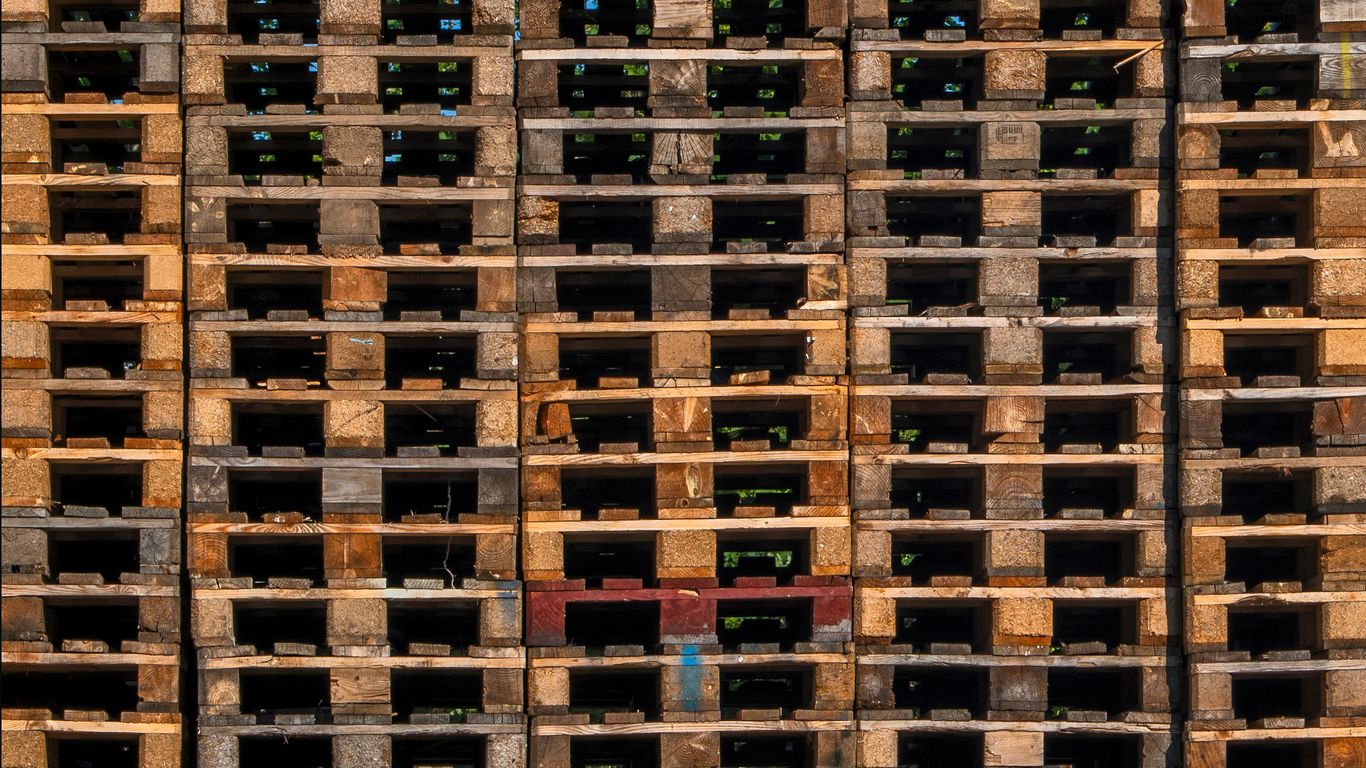
Place heavier cartons toward the lower center of the pallet and keep the load balanced from side to side. Avoid creating a tall narrow tower, particularly when the cartons contain irregular or top-heavy pieces. Check the completed pallet weight and dimensions against the booking information.
If several product families are combined, keep carton marks clear and maintain an inventory record by pallet. This makes a partial receipt easier to investigate without opening every carton.
Stack cartons without placing excess pressure on fragile items
Use a stable stacking pattern and respect the carton’s marked orientation. Do not assume that a strong-looking outer carton can carry unlimited compression. If the product requires upright loading, design the pallet so that other cartons cannot overturn or load directly onto its vulnerable area.
Where possible, place like-sized cartons together. Uneven surfaces create pressure points and can transfer force through the carton into rims, lids, or thin walls.
Secure pallets against tipping, compression, and sliding
Stretch wrap, strapping, corner boards, and top protection may all have a role, but each must be applied without crushing the cartons. Secure the load to the pallet rather than relying on friction between cartons. Inspect the pallet after wrapping to ensure labels and carton marks remain visible.
A pallet that arrives leaning or with broken stretch wrap should be photographed before unloading. The condition at handover may help distinguish packing damage from a later handling event.
Mark packages with handling and orientation information
Use clear carton marks for item identity, quantity, gross weight, dimensions, and pallet number. Add orientation and handling instructions where they communicate a real requirement, but do not rely on labels to compensate for weak packaging. The physical design remains the primary protection.
Coordinate marks with the commercial invoice and packing list. Mismatched carton numbers or vague descriptions can slow receiving and make a damage investigation harder.
Consider heat, humidity, and rough handling during transit
Review the route for likely exposure to heat, rain, humidity, vibration, and repeated transfers. Container loading, port storage, inland trucking, and warehouse handling may each impose different conditions. Build a reasonable margin into the packaging plan rather than assuming a single controlled environment.
For longer routes, inspect both the product and the packaging materials for compatibility. A cushion that performs well in a dry room may behave differently after prolonged moisture or compression.
Choose the right way to ship porcelain from Dehua, Fujian
There is no universal best mode for porcelain. The decision depends on order size, urgency, value, packaging volume, destination, available delivery service, and tolerance for handling events. Compare the complete route from supplier pickup to final delivery rather than comparing only an international freight line.
Compare air freight, ocean freight, express, and rail options
Air freight can suit urgent or relatively compact shipments, while ocean freight often fits larger volumes when timing allows. Express services may be practical for samples or small consignments, and rail may be worth reviewing on routes where its schedule and network fit the destination. Availability, transshipment, carrier acceptance, and customs procedures can vary.
A forwarder should explain the trade-off between speed, cost, handling, and route complexity. Kunpeng Freight lists air, sea, rail, road, and express shipping among its services, so a mode comparison can be based on the shipment’s actual characteristics rather than a preset answer.
Match shipping methods to order size and urgency
Samples, replenishment cartons, and full production orders rarely need the same plan. Set a required arrival window, then work backward through production completion, inspection, pickup, export handling, transit, customs, and final delivery. Allow room for carrier schedules and destination controls.
For a mixed order, consolidation may reduce unnecessary separate movements, but it can also add coordination and waiting time. Confirm whether the products will be ready together and whether one delayed supplier would hold the rest.
Calculate packaging volume, dimensional weight, and landed cost
Use final packed dimensions, not product dimensions, when requesting freight quotes. Include cartons, pallets, crates, local pickup, export handling, documentation, freight, insurance, duties, taxes, destination fees, and final delivery. A lower line-haul rate can be offset by larger packaging or additional handling.
Compare at least three planning cases in your worksheet: urgent small shipment, consolidated medium shipment, and larger ocean movement. This makes the decision visible and gives you a clear reason for changing modes when the cargo profile changes.
Decide between supplier-arranged freight and a third-party forwarder
Supplier-arranged freight may simplify communication, but you should still confirm who controls pickup, inspection, documents, booking, claims, and final delivery. A third-party forwarder can coordinate multiple suppliers and handovers, provided responsibilities and charges are written clearly.
Kunpeng Freight describes a workflow that includes supplier pickup, cargo inspection, consolidation, export handling, and final delivery coordination. If several Dehua suppliers are involved, ask for carton-level counts, photographs, measurements, and a quote based on verified cargo data.
Confirm delivery terms, insurance, and liability before dispatch
Write down the agreed Incoterm, named place, delivery point, and the moment risk transfers. Confirm whether insurance is included, what exclusions apply, and which party must notify the carrier after damage. Terms of supply can also affect responsibility for late delivery and receipt; even the unrelated FFS Beauty terms illustrate why delivery obligations should be read rather than assumed.
Before dispatch, request an itemized quote and identify charges that may change with actual weight, volume, inspections, storage, or destination delivery conditions. Approval should cover both the price and the operating assumptions behind it.
Manage export documents, inspections, and delivery controls
Documentation is part of cargo protection because errors can cause storage, rehandling, or delayed release. Product names, quantities, values, weights, dimensions, and marks should agree across the commercial invoice, packing list, booking, and physical cartons. Start the review while goods are being prepared, not after pickup.
Verify commercial invoices, packing lists, and product descriptions
Use specific product descriptions that reflect the actual porcelain goods, including material, product type, quantity, and relevant model or style references. Check gross and net weights, carton dimensions, carton numbers, shipper and consignee details, invoice references, and declared values.
The customs packing list guide is especially relevant when several cartons or suppliers are involved. A receiving count should be possible from the documents without guessing what a vague description means.
Confirm customs requirements for the destination market
Import requirements vary by destination and may depend on product use, composition, value, labeling, and trade controls. Confirm the likely HS classification with the responsible customs professional, review duty and tax treatment, and check whether permits, testing, or special declarations apply.
Do not assume that a prior shipment establishes a permanent rule. Regulations, carrier policies, and inspection practices can change, so document the source and date of the advice used for the booking.
Check country-of-origin marking and labeling obligations
Determine whether cartons, products, retail packaging, or documents must show country of origin. Also review language, care, food-contact, consumer safety, or recycling requirements when they apply to the intended sale. These obligations are separate from simply writing “fragile” on an outer carton.
Approve the final label artwork against the destination rules and the physical product. A label that is technically present but hidden by stretch wrap or placed on the wrong carton does not provide reliable control.
Inspect packed goods and document the shipment before pickup
Inspect representative finished pieces, the inner protection, sealed cartons, pallet condition, and document totals. Photograph the product before packing, the protection around vulnerable points, the closed carton, carton marks, and the loaded shipping unit. Record exceptions and obtain written approval before release.
Kunpeng Freight can coordinate cargo inspection and supplier pickup as part of its China-to-destination freight workflow. Whether inspection is performed by your own team, the supplier, or a logistics partner, the report should state what was checked and what was not.
Coordinate receiving procedures and carton-level inventory checks
Send the receiving team the carton list, pallet map, expected quantities, delivery instructions, and damage-reporting steps before arrival. Ask them to count cartons against the documents and note visible damage on the delivery record where possible.
For mixed orders, open cartons according to priority and preserve packaging until the inspection is complete. This helps separate a packing defect from a transit event and reduces confusion when a shortage and breakage occur together.
Reduce damage claims and improve future shipments
Damage control continues after the carrier collects the shipment. A disciplined evidence trail helps you identify whether the problem began with the product, packing method, loading pattern, handling, or receiving process. It also turns one difficult delivery into a better specification for the next order.

Photograph packaging stages and record carton conditions
Take clear, dated photographs at meaningful stages: product condition, wrapping, inner compartments, closed cartons, palletization, and handover. Include carton marks and visible defects in the frame. Keep the images with the invoice, packing list, inspection report, and booking reference.
Record crushed corners, punctures, wet cartons, broken seals, leaning pallets, and missing marks. A simple condition log is often more useful than a large collection of unlabelled photographs.
Use shock, tilt, and humidity indicators when appropriate
Indicators can provide additional evidence for sensitive or high-value shipments, but they do not replace proper packing or a receiving inspection. Place them where they can be seen and record their serial numbers or locations before dispatch. Explain their meaning to the warehouse team so they are not discarded with the outer packaging.
Use them when the information could affect a mode decision, carrier discussion, or packaging test. For ordinary low-risk cartons, the cost and interpretation may not justify them.
Inspect for concealed damage immediately after delivery
Visible carton damage is only one signal. Open the shipment within the agreed inspection period, examine inner dividers and cushioning, and check representative pieces from every product family. Look for hairline cracks, chipped rims, loose handles, glaze abrasion, and deformation of supports.
Separate damaged goods from saleable stock and preserve the carton, filler, labels, and photographs. Do not discard evidence before the carrier or insurer confirms its requirements.
File carrier or insurance claims with complete evidence
A claim normally needs shipment details, delivery records, photographs, product values, packing information, and a description of the loss. Follow the notice period and submission method in the freight and insurance terms. State facts carefully, distinguishing what was observed at delivery from what was discovered during unpacking.
Keep copies of all correspondence and note inspection dates. If replacement, repair, or disposal is proposed, obtain approval before taking an action that could affect the claim.
Review breakage patterns and adjust packaging specifications
Group incidents by product, carton position, failure type, route, and handling stage. Repeated rim chips may indicate insufficient edge protection; crushed bases may point to stacking pressure; scattered abrasions may show that wrapping or dividers allow movement. Use the pattern to change one or two variables at a time.
Retest the revised pack-out and update the work instruction, photographs, carton dimensions, and freight calculation. For adjacent logistics planning, a specialty coffee cupping guide, a plastic surgery clinic checklist, or an assurance emprunteur guide is not a porcelain reference, but each demonstrates why a defined procedure is more useful than relying on memory. Keep those references separate from your actual ceramic packaging standard.
Conclusion
To ship porcelain from Dehua, Fujian safely, connect product assessment, layered packaging, stable loading, suitable freight, accurate documents, and disciplined receiving. The process does not eliminate every transport risk, but it makes fragile shipments more predictable, inspectable, and easier to improve after each delivery.
Frequently Asked Questions
What is the most important first step when shipping porcelain from Dehua?
Inspect the product and define its failure points before choosing materials. Shape, weight, wall thickness, decoration, handles, lids, and detachable parts should all influence the packing method.
Should porcelain always be double-boxed?
No. Double-boxing is useful for high-value, irregular, or highly fragile pieces, but it adds volume and cost. Use it when the extra buffer is justified by the product and route.
How can cartons be protected from internal movement?
Use individual wrapping, dividers, fitted compartments, and measured void fill. After sealing, gently test the carton for sliding or rotation without applying force that could damage the contents.
Is ocean freight suitable for porcelain?
Ocean freight can suit larger shipments when the schedule allows, provided the packaging addresses vibration, stacking, humidity, and repeated handling. The final decision should include total landed cost and route conditions.
What documents should accompany a porcelain shipment?
Common documents include a commercial invoice, packing list, transport documents, and any destination-specific declarations or certificates. Product descriptions, quantities, weights, dimensions, values, and carton marks should agree.
When should delivered porcelain be inspected?
Inspect visible carton condition at delivery and open the shipment as soon as practical within the carrier or insurance notice period. Preserve damaged packaging and photograph concealed damage before disposal or repair.
How can a shipper reduce repeated breakage?
Track damage by product, carton location, failure type, and route. Then revise the packaging specification, approve a new sample, and verify the updated pack-out before the next production shipment.