
Key Takeaways
Shipping large household appliances from Hefei requires more than booking a container. The shipment must be planned around cargo dimensions, factory readiness, export documents, inland transport, and destination delivery conditions.
- Confirm carton dimensions, gross weights, total volume, and cargo-ready dates before requesting a freight rate.
- Use FCL when the shipment volume, handling sensitivity, or security needs justify a dedicated container.
- Prepare packaging, loading plans, labels, and regulated-goods information before pickup.
- Compare the full landed cost, including origin charges, ocean freight, duties, taxes, insurance, and final delivery.
- Keep one clear operating plan from supplier handover through customs clearance and final-mile delivery.
1. Planning a major appliance shipment from Hefei, Anhui
To ship major appliances from Hefei Anhui successfully, begin with the physical facts of the cargo rather than a preferred transport mode. Refrigerators, washing machines, dryers, ovens, and similar products can occupy considerable container space while remaining sensitive to tipping, impact, and moisture. The plan should connect factory production dates with pickup windows, port cutoffs, vessel schedules, and the destination consignee’s receiving capacity. A practical home appliance import guide can also help frame the early questions around packing, documents, and landed cost.
Choosing FCL for refrigerators, washing machines, and other appliances
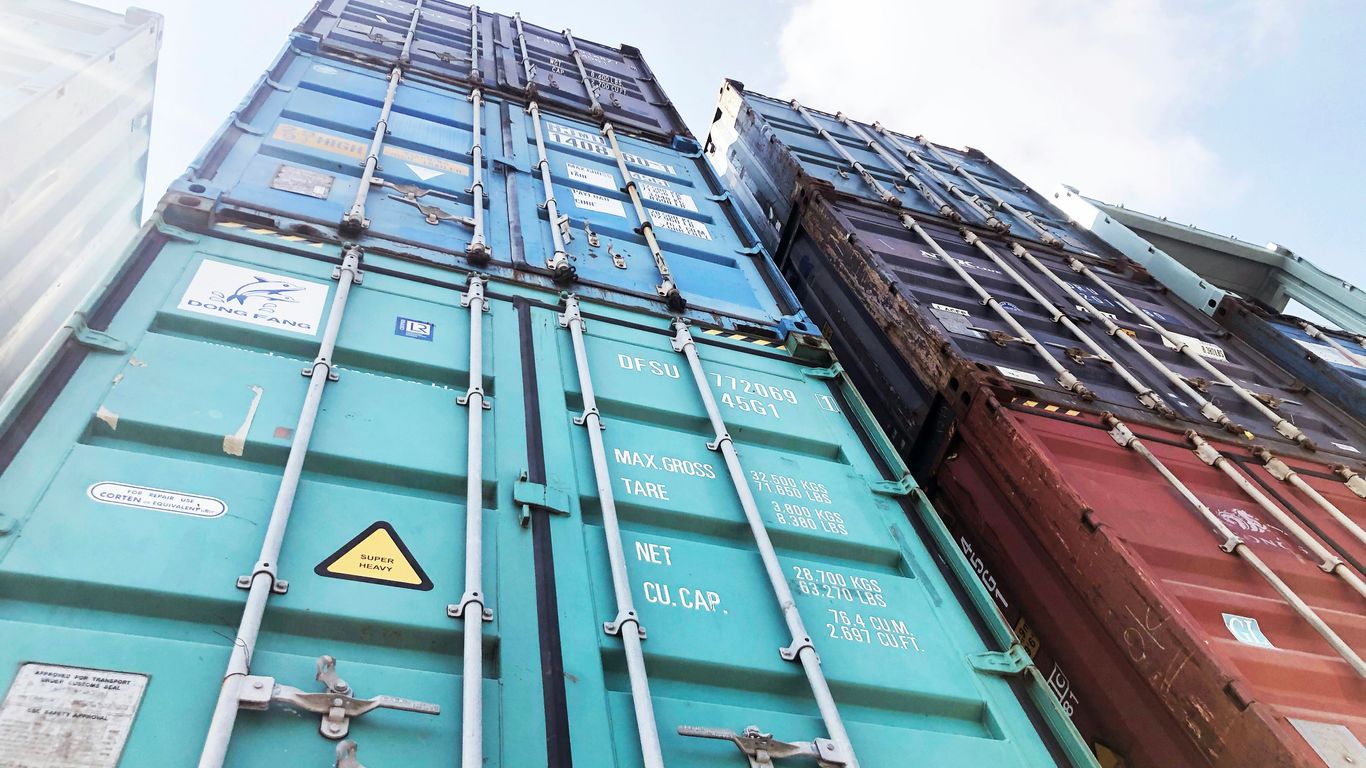
Full-container-load shipping gives one shipper use of a container, although the cargo may not physically fill every cubic meter. That control can reduce unnecessary handling and makes it easier to plan loading order, separation, and seal management. FCL is often worth comparing for large appliances because repeated warehouse touches can increase the opportunity for carton damage or misplaced units. The right choice still depends on volume, route, cargo readiness, and the cost difference between a dedicated container and shared cargo.
A useful FCL versus LCL comparison is based on cubic volume and handling exposure, not on a simple rule that one mode is always better. If the order is too small for a container, LCL may be practical; if several suppliers can be combined or the shipment is approaching a container’s economic range, FCL may provide better control. Ask for a quote using actual carton counts and dimensions rather than an approximate product description.
Estimating shipment volume, container type, and equipment needs
Measure every packaged appliance, including skids, corner protection, and any accessories shipped in the same carton. Record length, width, height, gross weight, stackability, and whether the unit must remain upright. These details determine whether a standard container is suitable or whether a high-cube unit, special loading equipment, or additional bracing should be considered.
The calculation should allow for practical loading clearances. Door openings, internal lashing points, pallet footprints, and the weight distribution across the floor all matter. A container that appears large enough on paper may be unsuitable if the cartons cannot be safely turned, stacked, or secured once inside.
Comparing port routes from Hefei to international destinations
Hefei is inland, so an export plan normally includes a factory-to-port leg before ocean transport begins. The appropriate gateway depends on the destination, available sailing schedules, inland trucking conditions, and the forwarder’s ability to coordinate the handoff. Compare the complete route rather than looking only at the ocean leg.
For each option, request the planned pickup location, port or terminal, estimated inland transit, sailing pattern, transshipment points, cutoff dates, and destination delivery scope. A route with a lower base freight rate may involve extra handling or a less convenient schedule. When comparing background information about Hefei’s trade environment, Hefei import activity is a separate reference point, not a substitute for a shipment-specific routing plan.
Setting delivery timelines around factory production and vessel schedules
A realistic timeline starts with the date when the appliances are packed, inspected, and ready for collection. Add time for pickup booking, loading, inland movement, export processing, terminal cutoff, vessel departure, ocean transit, customs clearance, and final delivery. Carrier schedules can change, and customs inspections or document corrections can add time, so a buffer is preferable to planning around the earliest possible arrival.
Ask the supplier to confirm a firm cargo-ready date and identify which cartons may be delayed. If production is split across several factories, decide whether the first-ready cargo should wait, move separately, or be consolidated at a warehouse. This decision affects both cost and delivery timing.
2. Preparing major appliances for container transport
Large appliances need preparation that reflects their size, weight, materials, and internal components. A strong export package protects the product during lifting, truck movement, container loading, ocean vibration, and unloading at the destination. Before pickup, confirm the packing method with the factory and match it to the actual route. Clear box identification, such as the practices described in an efficient box labeling guide, also makes counting and receiving easier.

Protecting large appliances against impact, moisture, and vibration
Use the manufacturer’s export packaging where it has been tested for international transport, but do not assume a retail carton is automatically sufficient. Inspect cartons for crush resistance, corner protection, internal cushioning, and clear upright markings. Appliances with glass doors, control panels, compressors, or projecting handles may need extra protection at vulnerable points.
Moisture protection should match the anticipated conditions. Desiccants, barrier film, and dry-container controls may help where appropriate, but they should not trap condensation around a product that is packed before it has cooled or dried. Photograph the finished cartons and any visible damage before loading so that the shipment record is clear.
Checking product dimensions, weights, and container loading plans
The loading plan should be prepared from final packaged measurements, not catalog dimensions. Confirm whether dimensions include pallets, detachable parts, protective frames, or accessory cartons. Weights should be reconciled with the packing list and distributed so that the container remains stable and within applicable road and terminal limits.
Draw a simple loading diagram showing carton positions, stacking limits, access space, and the location of heavier units. It should also identify which items are loaded first and which must be accessible for inspection. Changes at the factory should be recorded rather than handled informally at the container door.
Using pallets, blocking, bracing, and other cargo-securing methods
Pallets can simplify forklift handling, but they consume space and add weight, so their use should be assessed against the appliance design and loading method. Blocking, dunnage, straps, airbags, and timber bracing can prevent movement when correctly selected and installed. Do not allow restraints to press against doors, displays, hoses, or other fragile areas.
The loading team should check that cartons are upright where required, weight is distributed across the floor, and no loose material can fall during unloading. Seal numbers, photographs, and a signed loading record provide useful evidence of the condition and arrangement at origin. The Kunpeng Freight service description covers supplier pickup, cargo consolidation, export handling, and final delivery coordination, which are relevant when the loading plan spans several suppliers.
Managing batteries, refrigerants, liquids, and other regulated components
Appliances may contain batteries, refrigerants, oils, cleaning liquids, magnets, or other components that require review before booking. The product description should identify these items accurately, even when they are built into the appliance. Carrier acceptance, labeling, declarations, packaging, and route restrictions can vary by component and transport mode.
Provide safety data sheets, battery details, refrigerant information, and product photographs when requested. Never rely on a general statement such as “household goods” if a regulated component is present. Early review is particularly useful for mixed shipments where one restricted item could affect the booking for the entire container.
3. Export documentation and compliance requirements
Documentation connects the physical cargo with the commercial transaction and the customs declaration. Names, quantities, values, weights, and product descriptions should agree across the invoice, packing list, booking data, and transport documents. Differences can delay export processing or create questions at destination. The same disciplined approach used in broader China import paperwork guidance applies here, although the exact requirements depend on the route and products.

Commercial invoices, packing lists, and certificates of origin
The commercial invoice should identify the seller, buyer, consignee where applicable, currency, terms of sale, product descriptions, quantities, unit values, and total value. Avoid vague descriptions such as “appliances” when a clearer description is available. The packing list should show carton marks, package counts, net and gross weights, dimensions, and the contents of each package.
A certificate of origin may be needed for the destination, a trade arrangement, or the buyer’s internal records. Confirm who will issue it and whether the destination requires a particular format. Keep product codes and descriptions consistent rather than changing terminology from one document to another.
Export declarations and customs procedures in China
The exporter or its appointed representative must provide accurate information for the China export declaration. This usually includes the exporter, consignee, product description, value, quantity, origin, and applicable classification details. The correct HS code should be confirmed with the party responsible for the declaration, because classification can affect both export processing and destination duties.
Submit documents early enough for review before the cargo reaches the terminal cutoff. If customs asks for clarification, respond with consistent commercial and product information. A forwarder can coordinate document collection and procedural handoffs, but the exporter remains responsible for the truthfulness of the underlying transaction details.
Product labeling, safety standards, and destination-market requirements
Appliance labeling may include model information, electrical ratings, country of origin, handling marks, serial numbers, and destination-specific compliance marks. Requirements differ by market and by product category. Confirm whether the importer, testing body, retailer, or customs authority requires additional labels, declarations, manuals, or conformity records.
Labels should remain legible after palletization and container movement. Carton marks should match the packing list, especially when several models share a shipment. If QR codes or barcodes are used, test their readability before the goods leave the factory and retain a record of the labeling scheme.
Documentation considerations for electrical and gas-powered appliances
Electrical appliances may require voltage, frequency, plug, testing, and conformity information for the destination market. Gas-powered products can bring additional requirements involving fuel type, fittings, safety documentation, and transport restrictions. The exact documents depend on the product and destination, so the importer should confirm them before production is complete.
Include manuals, technical specifications, declarations, and test reports where required. If an appliance has a battery, liquid, refrigerant, or gas-related component, describe it in the booking and customs information. A complete document file is easier to review than a collection of last-minute attachments.
4. Selecting the right FCL freight service
An FCL service is not a single product with one fixed scope. It may cover only the ocean leg, or it may include factory pickup, export handling, customs documentation support, destination coordination, and final delivery. Define the handoff points in writing before comparing rates. Sea freight from China is a useful service reference for understanding how supplier coordination, documentation, ocean transit, and delivery may fit into one workflow.

Door-to-port, port-to-port, and door-to-door shipping options
Door-to-port usually places responsibility for destination clearance and delivery with the importer after the container reaches the destination port. Port-to-port covers the main ocean movement but leaves both inland legs and customs arrangements to the parties named in the booking. Door-to-door can simplify coordination, but its quote must clearly state what is included and where responsibility changes.
Ask whether origin pickup, loading, export customs, terminal charges, destination handling, duties, taxes, unloading, and final delivery are included or excluded. A service described as door-to-door may still exclude duties or unusual access requirements. The more precisely the scope is written, the easier it is to compare offers.
Standard, high-cube, and specialized container choices
Standard and high-cube containers differ mainly in available internal height, while specialized equipment may be relevant for unusually tall, wide, heavy, or temperature-sensitive cargo. Most boxed household appliances can be planned with standard equipment, but the final choice should follow the loading drawing and carrier acceptance.
Check door dimensions, internal height, floor loading, ventilation, and the equipment’s condition. A high-cube container is useful only if the extra space can be loaded safely and the route supports it. Specialized equipment can increase cost and reduce schedule flexibility, so it should be selected for a clear cargo reason.
Direct carrier bookings versus freight forwarder coordination
A direct carrier booking may suit an importer with established volume, internal customs capability, and staff available to coordinate multiple handoffs. A freight forwarder can be useful when the shipment involves supplier pickup, several factories, document review, consolidation, inland transport, or final delivery. The comparison should consider operating responsibility, not just the displayed ocean rate.
A forwarder should state the information needed for a quote, identify assumptions, and explain which charges are estimated. Verified cargo details reduce surprises because the rate can be built around actual dimensions, weights, pickup conditions, and destination requirements. Kunpeng Freight describes a China-to-destination workflow covering supplier coordination, export handling, multiple transport modes, and final delivery, which may suit importers seeking one operating contact.
When to combine ocean freight with rail, trucking, or warehousing
Ocean freight may be combined with trucking, rail, or temporary warehousing when the factory location, destination, urgency, or order pattern makes a single mode impractical. Trucking generally handles local pickup and delivery legs, while rail may be considered for selected corridors and timing requirements. Warehousing can create a controlled point for inspection, consolidation, repacking, or document resolution.
Use a multimodal plan only after identifying each transfer and responsible party. Confirm who pays storage, what happens if production misses the consolidation window, and how the cargo will be inspected between modes. For urgent or high-value units, an air option may be worth pricing separately rather than assuming ocean freight is appropriate for every shipment.
5. Managing the shipment from factory pickup to vessel departure
Once the service is selected, execution depends on a sequence of small confirmations. The pickup address, cargo-ready date, carton count, loading method, documents, and terminal cutoff should be visible to everyone involved. Updates are most useful when they report what has been completed, what is pending, and which decision is needed next. This is where operational discipline matters more than a general promise of speed.
Coordinating supplier pickup and inland transport in Hefei
Confirm the factory’s exact address, loading hours, contact person, vehicle access, and equipment needs. Large appliances may require a truck with a suitable body, a liftgate, or a forklift at the factory. Ask the supplier to have the cargo counted and staged before the vehicle arrives so that loading does not become an unplanned warehouse operation.
The pickup record should include photographs, carton counts, visible condition, and the actual measurements if they differ from the booking. If the cargo is not ready, document the reason and agree on a revised window. A clear record helps protect the schedule and prevents later disputes about what was handed over.
Factory loading supervision and container seal controls
Loading supervision should follow the approved plan rather than improvising around available space. Check that cartons are stable, protective materials are in place, and the heaviest units are positioned sensibly. Photograph the interior before loading, key stages during loading, and the closed container after the seal is applied.
Record the container number and seal number on the loading report and transport documents. The seal should remain intact until an authorized party opens the container, except where customs or terminal procedures require otherwise. Any replacement seal should be recorded with the reason, date, and new number.
Consolidating orders from multiple appliance manufacturers
Multiple suppliers can make a container more cost-efficient, but consolidation adds coordination work. Each factory must meet the warehouse receiving window, provide compatible documents, and label cartons clearly. The consolidation plan should state which supplier’s cargo arrives first, how goods are inspected, and how missing or damaged cartons are handled.
Set a cutoff for late cargo. If one supplier misses it, decide whether the shipment will wait, move without that order, or use another transport arrangement. The decision should account for customer demand, storage charges, container utilization, and the consequences of splitting the shipment.
Tracking cutoffs, transshipment points, and schedule changes
Track the last receiving time at the terminal, documentation cutoff, verified gross mass deadline, planned vessel departure, and any transshipment points. These dates are different and should not be reduced to a single “shipping date.” A schedule change may affect inland trucking, customs filing, warehouse labor, and destination delivery appointments.
Request updates when the container is picked up, loaded, gated in, cleared for export, loaded to the vessel, transshipped if applicable, and discharged at destination. If a delay occurs, ask for the new milestone dates and the practical effect on delivery. This makes the response useful instead of merely reporting that the carrier’s schedule changed.
6. Calculating the total cost of exporting appliances
A meaningful quote should show more than the ocean freight line. Appliance shipments can include pickup, loading, documentation, terminal, handling, storage, customs, duties, taxes, insurance, and delivery costs. Rates also depend on route, season, equipment availability, cargo volume, and destination conditions. Build a landed-cost view before choosing the service.
Ocean freight, origin charges, trucking, and handling fees
Start with the origin address and cargo details. Origin trucking may be priced by vehicle, distance, weight, or special equipment requirements. Other charges can include loading, warehouse receiving, consolidation, export documentation, terminal handling, and seal or administrative fees. Ask which charges are included in the quoted ocean rate and which are billed separately.
Compare offers on the same basis. A lower ocean line item may be offset by excluded pickup, documentation, or destination handling. The quote should state its validity period because carrier and local charges can change before booking.
Customs duties, taxes, and destination delivery expenses
Destination costs depend on the importer, product classification, customs value, country of origin, trade terms, and local tax rules. Duties and taxes are normally separate from the freight rate unless the service explicitly states otherwise. Delivery may also require appointment booking, unloading labor, liftgate service, inside placement, or storage if the consignee cannot receive the container promptly.
Ask the destination customs broker or importer of record to confirm the expected charges. Do not treat an indicative duty calculation as a final assessment. The importer should also check whether special appliance recycling fees, environmental charges, or product registration costs apply in the destination market.
Insurance options for high-value or damage-sensitive cargo
Cargo insurance can cover risks that are not fully addressed by a carrier’s liability terms. Consider the value of the appliances, the packaging, the route, the number of handling points, and the financial effect of a damaged shipment. Review exclusions for inadequate packing, inherent defects, delay, improper declaration, or unattended cargo.
The insured value, policy scope, deductible, claim procedure, and required evidence should be clear before departure. Retain invoices, packing lists, photos, inspection records, and seal information. Insurance does not replace careful packaging or accurate documentation.
How Incoterms affect freight responsibilities and landed cost
Incoterms allocate defined responsibilities between seller and buyer, including transport arrangements, risk transfer, export procedures, and certain costs. They do not automatically settle every destination charge or replace a written service scope. Confirm the agreed term, named place, and which party will appoint the forwarder and customs representative.
For example, under an origin-focused arrangement the buyer may need to organize pickup and export handling, while another term may place more transport responsibility with the seller. The commercial term should match the operational plan. A useful Incoterms planning resource can help identify questions, but the sales contract and shipment quotation must control the actual responsibilities.
7. Receiving and delivering appliances at the destination
The destination phase begins before the container arrives. Send the commercial invoice, packing list, transport document, origin records, and any compliance material to the party handling import clearance. Confirm the consignee’s receiving hours, unloading equipment, appointment process, and ability to accept a full container. A delivery plan that ignores the final warehouse can create storage and detention costs even when the ocean movement was on schedule.
Import customs clearance and document handoff
The importer or customs broker should review the documents before arrival and identify any missing classification, valuation, origin, or compliance information. Submit the required filings within the destination’s deadlines and respond promptly to customs questions. Keep the descriptions consistent with the export documents and the physical cartons.
The transport document, arrival notice, invoice, packing list, certificates, and product records should be handed to the responsible party through a traceable process. Confirm who is authorized to release the container and who will pay destination charges. These details should be settled before the vessel arrives, not during the delivery appointment.
Container unloading, inspection, and damage reporting
Inspect the seal and container exterior before opening. Photograph the seal, container number, interior condition, and any signs of water entry or shifting. During unloading, count cartons against the packing list and note crushed packaging, punctures, wet cartons, missing units, or visible appliance damage.
Do not discard damaged packaging before the carrier, insurer, or surveyor has had an opportunity to inspect it. Record model numbers and serial numbers where available, and separate affected units from undamaged stock. Prompt written notice is essential because claim deadlines and evidence requirements vary.
Final-mile delivery to distributors, retailers, or warehouses
Final delivery should be planned around the consignee’s equipment and receiving process. A full container may need a chassis, unloading crew, forklift, dock, appointment, or transloading facility. If the destination cannot unload the container quickly, arrange a warehouse or devanning plan before arrival.
Provide the consignee with the carton list and handling instructions. Confirm whether deliveries are to one warehouse or several locations, and decide who will schedule appointments and manage shortages. For e-commerce or retail programs, carton labels and advance shipment information may need to match the receiving system exactly.
Planning reverse logistics for returns, repairs, and replacements
Appliances can return because of transit damage, installation problems, warranty issues, or customer preference. Before launch, define who authorizes a return, where the unit goes, how it is inspected, and whether repair, replacement, refurbishment, or disposal is appropriate. Refrigerants, batteries, oils, and other components may affect the return route.
Keep serial numbers, photographs, delivery records, and repair outcomes connected to the original shipment. A reverse-logistics plan can reduce confusion when several models or suppliers are involved. It also helps the importer estimate the real cost of after-sales service rather than treating returns as an exception.
Conclusion
A successful Hefei appliance shipment is built through coordinated decisions: accurate cargo measurements, suitable packaging, complete documents, a realistic route, controlled loading, transparent costs, and a prepared destination handoff. When those details are agreed before pickup, FCL freight becomes a manageable operating process rather than a series of last-minute corrections.
Frequently Asked Questions
Is FCL suitable for all major appliance shipments?
No. FCL is useful when the volume, handling sensitivity, security needs, or consolidation plan justify a dedicated container. Smaller shipments may be better suited to LCL, while urgent units may require another mode.
What information is needed for an appliance shipping quote?
Provide the factory address, destination, product descriptions, carton count, dimensions, gross weight, total volume, cargo-ready date, packaging details, and any batteries, liquids, refrigerants, or other regulated components.
How should refrigerators and washing machines be packed?
Use export packaging that protects corners, doors, controls, hoses, and other vulnerable parts. Confirm upright requirements, moisture protection, stacking limits, and the loading plan before the container is collected.
Which documents are commonly required?
Commercial invoices, packing lists, transport documents, export declaration information, and certificates of origin may be required. Electrical, gas-powered, battery-containing, or refrigerant-equipped products may need additional technical or compliance records.
Who pays customs duties and destination taxes?
The responsible party depends on the sales contract and agreed Incoterm. Duties and taxes are generally separate from the freight rate, so the importer should confirm them with the destination customs representative.
How can damage be documented at delivery?
Check the seal and container before opening, photograph the cargo and packaging, count cartons, record model or serial numbers, and report visible damage in writing. Preserve damaged packaging until the relevant party has reviewed it.
Can appliances from several factories be shipped in one container?
Yes, if the cargo can be collected or received within a workable consolidation window. Each supplier must provide accurate documents and labels, and the plan should address inspections, late cargo, loading order, and responsibility for shortages or damage.
Plan Your Shipment
For a shipment-specific review, request a quote with the pickup address, destination, carton details, cargo-ready date, and any regulated components so the route and service scope can be assessed around real cargo information.