
Key Takeaways
Shipping stainless steel flasks from Yongkang requires more than selecting a supplier and booking a container. Product specifications, cargo measurements, documents, and delivery responsibilities should be aligned before the goods leave the factory.
- Confirm the supplier’s construction, vacuum performance, customization, quality process, and order quantities.
- Build landed cost from product price through final delivery, not freight alone.
- Select sea, rail, air, express, FCL, or LCL according to volume and replenishment needs.
- Protect flasks with tested cartons, clear loading plans, and a pre-shipment inspection.
- Keep one timeline for production, pickup, documents, customs, tracking, and claims.
1. Evaluate Yongkang suppliers and stainless steel flask specifications
Yongkang is a major sourcing center for stainless steel vacuum flasks and related drinkware, but factories differ considerably in product range, equipment, order quantities, and export experience. Start with a written specification rather than relying on catalogue photographs. A useful Yongkang supplier guide can help frame the initial comparison, while the final decision should come from samples, documentation, and commercial terms. The goal is to select a supplier whose capabilities match the product you intend to sell and the shipment you can realistically manage.

Compare factory capabilities, product categories, and order quantities
Ask whether the supplier is a factory, a trading company, or a combination of both, and request its registered business details. Then compare the relevant product categories: vacuum flasks, bottles, travel pots, coffee pots, tumblers, or accessories. Minimum order quantities should be confirmed by model, color, finish, and logo method because a quoted quantity for one standard item may not apply to a customized order.
A factory’s apparent scale is less useful than its fit for your order. Ask about monthly capacity, production lead time, sample development, export markets, and the person responsible for coordinating pickup. If several suppliers are involved, establish whether products can be released on a common date for consolidation.
Verify stainless steel grades, vacuum performance, and construction
Your specification should identify the stainless steel grade for the interior and exterior, wall construction, capacity, dimensions, lid materials, seals, and insulation requirements. Request the supplier’s available material declarations and test reports, then compare them with the rules in your destination market. Do not treat the words “food grade” or “double wall” as a complete technical specification.
For vacuum models, ask how the supplier tests insulation performance, leakage, weld integrity, and lid fit. Define the test method and acceptance threshold in writing before production. A sample that performs well is helpful, but it does not replace a production inspection using the same criteria.
Review customization options for lids, finishes, logos, and packaging
Customization affects both cost and timing. Confirm whether the supplier can produce the requested lid, coating, powder finish, engraving, screen print, laser logo, color, insert, and retail packaging, and ask which options require new tooling. Artwork should include dimensions, color references, placement, and approval status so that the production sample is unambiguous.
Packaging deserves the same attention as the flask itself. Confirm the inner box, master carton, barcode, warning marks, instruction card, and promotional materials. For broader purchasing research, even a children’s book selection guide illustrates a useful principle: specifications should reflect the end user rather than stopping at a generic category label.
Request samples and production documentation before placing an order
Order representative samples that include the intended lid, finish, logo, and packaging whenever possible. Check capacity, weight, dimensions, odor, surface quality, closure action, leakage, and insulation according to a written checklist. Keep an approved reference sample or signed specification for comparison during production.
Request a pro forma invoice, packing assumptions, production schedule, quality records, and available compliance documents before paying the balance. If an accommodation or travel-related buying trip is part of your wider procurement plan, practical information such as family apartment planning may be useful separately, but it should not replace factory verification. Your flask order needs its own evidence trail.
2. Build a landed-cost plan for shipping stainless steel flasks
The price quoted by a Yongkang supplier is only one part of the import cost. A realistic plan includes factory charges, inland movement, export handling, international freight, insurance, duties, taxes, destination fees, and delivery to your warehouse or fulfillment center. Use actual carton dimensions and gross weight as soon as they are available. For a broader reference on freight planning, the shipping and logistics archive covers related questions such as Incoterms, HS codes, and mode selection.

Calculate product, tooling, packaging, and inland transport costs
Separate recurring and one-time charges. The unit price may exclude molds, artwork plates, sample fees, special lids, inserts, retail boxes, pallets, and export cartons. Inland transport from Yongkang to a consolidation warehouse or port also depends on pickup location, cargo readiness, vehicle access, and whether several suppliers must be collected.
Request a quote that identifies the currency, quantity basis, packaging basis, and validity period. Include bank charges and inspection costs where applicable. Use measured cargo data rather than a preliminary estimate when asking for international freight prices.
Compare Incoterms such as EXW, FOB, and DDP
EXW generally leaves the buyer responsible for arranging collection from the supplier’s premises and much of the export movement. FOB normally places the seller’s responsibility through loading at the named origin port, while DDP can place more transport and import obligations with the seller, subject to the destination and the parties’ ability to handle import formalities. The exact named place matters, so record the term together with the location and version used in the contract.
Do not compare EXW, FOB, and DDP as though they were three identical freight quotations. Ask what each price includes, who acts as exporter, who pays origin charges, and who is responsible for destination customs and taxes. The offer that looks lower at the factory may not produce the lower delivered cost after all responsibilities are added.
Estimate freight, insurance, duties, taxes, and destination charges
Ask the forwarder for an itemized estimate covering pickup, consolidation, export handling, origin terminal charges, ocean or air freight, documentation, insurance, destination handling, customs brokerage, duties, taxes, storage, and final delivery. Duties and taxes depend on classification, customs value, destination rules, and importer status, so they should be checked with the appropriate customs professional or authority.
A quote should also state what is excluded. Demurrage, detention, inspections, re-delivery, address changes, storage, and customs exams can arise when cargo or paperwork is not ready. If your business also evaluates online growth providers, a Singapore digital marketing guide may be relevant to that separate project, but it has no bearing on flask landed cost.
Account for volume, weight, carton dimensions, and minimum order quantities
Flasks can be dense, while air carriers may charge by dimensional weight. Record units per inner box, inner-box dimensions, cartons per pallet, gross and net weight, carton count, and total cubic meters. Then compare the shipment against the supplier’s minimum order quantity and the forwarder’s thresholds for consolidation or container loading.
The following working table keeps the main variables visible during quotation review:
| Cost or planning input | What to confirm | Why it matters |
|---|---|---|
| Product quantity | Units by model, finish, and color | Determines factory pricing and MOQ exposure |
| Carton data | Length, width, height, gross weight, and CBM | Drives freight rating and loading plans |
| Origin movement | Pickup point and cargo-ready date | Determines truck scheduling and origin charges |
| Destination delivery | Port, airport, address, or fulfillment center | Adds brokerage, handling, and last-mile costs |
After the table is completed, request revised quotations using the same data for every provider. That makes differences in assumptions easier to identify and reduces the risk of selecting a rate that omits a necessary service.
3. Choose the right freight method from Yongkang
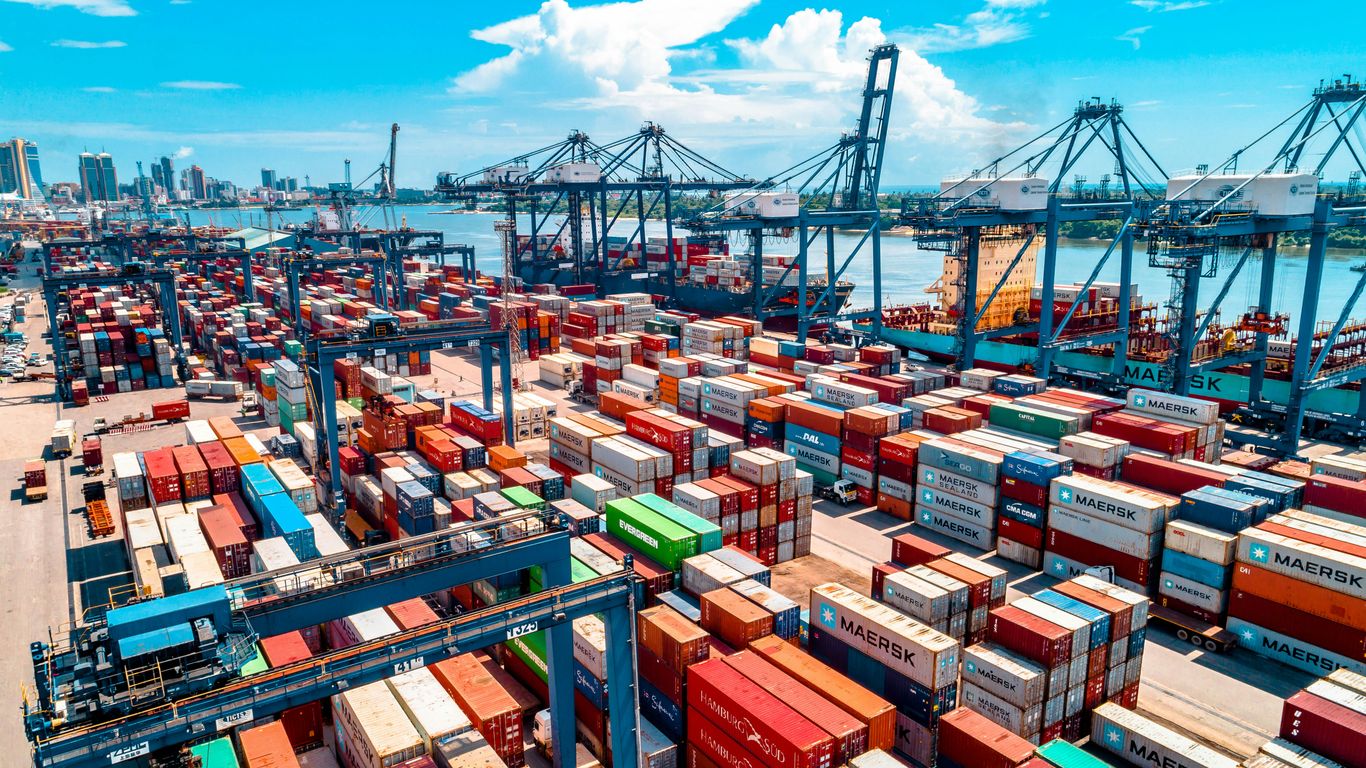
Yongkang is inland, so the shipping plan normally begins with factory pickup and a truck connection to a logistics hub or port. The right method depends on volume, urgency, destination, budget, and the consequences of a stockout. Sea freight can suit planned replenishment, while air or express may be appropriate for samples or urgent inventory. A route-specific comparison is more useful than a universal recommendation.
Use trucking connections to nearby ports and logistics hubs
Confirm the supplier address, loading access, cargo dimensions, and preferred pickup window before booking a truck. Yongkang cargo may move by road to a nearby port or consolidation point, and the final route should account for port cutoffs, warehouse receiving hours, public holidays, and the time needed to prepare export documents.
For multiple suppliers, coordinate collection dates and identify which cartons are ready, which remain in production, and which require inspection. Supplier pickup should produce a count, photographs, dimensions, and weight record that can be compared with the commercial packing list.
Compare sea freight, rail freight, air freight, and express shipping
Sea freight generally suits larger, less urgent shipments, while air freight and express services can reduce transit time at a higher transport cost. Rail may be relevant on a suitable route and schedule. The quote should state the service scope, estimated transit range, transshipment points if known, customs responsibilities, and final delivery arrangement.
A useful comparison includes more than the headline rate:
- Sea freight for planned replenishment and larger cargo volumes.
- Rail freight where the route, schedule, and destination service are suitable.
- Air freight for urgent inventory, samples, or time-sensitive launches.
- Express shipping for smaller consignments that need a simpler door-to-door arrangement.
Reviewing the options this way helps you match the method to the commercial consequence of delay. Transit estimates remain subject to carrier schedules, port conditions, customs processing, and inspection activity.
Decide between full-container and less-than-container loads
FCL means your cargo occupies a full container, while LCL combines it with other shippers’ goods. FCL can offer simpler handling and more control when the volume is sufficient; LCL may be practical when a full container would leave substantial unused space. Compare both on total cost, minimum charges, handling, consolidation timing, and delivery requirements.
A partial shipment can also be consolidated with compatible cargo from other suppliers, but the documentation and carton identification must remain clear. Ask who receives the goods, who checks the consolidation, and how discrepancies are reported before cargo is dispatched.
Match shipping speed and cost to replenishment requirements
Set a required arrival window rather than choosing a mode from habit. Consider sales forecasts, launch dates, safety stock, seasonal demand, and the cost of missing a replenishment cycle. It may be sensible to move the main quantity by a slower method and reserve a smaller quantity for faster transport, provided the additional handling and compliance work are understood.
The China freight services overview describes supplier pickup, consolidation, and air, sea, rail, road, and express options in one operating model. Use that kind of scope as a checklist when asking any forwarder to explain what it will actually coordinate.
4. Prepare flasks for export packaging and cargo handling
Vacuum flasks are vulnerable to dents, scratches, coating damage, and lid breakage when cartons are compressed or moved repeatedly. Packaging must protect the finished surface while using space efficiently. Ask the factory to provide a packing specification before production is complete, then test representative cartons through handling checks. Packaging decisions affect both claims risk and freight cost.
Design cartons to protect vacuum flasks from dents and scratches
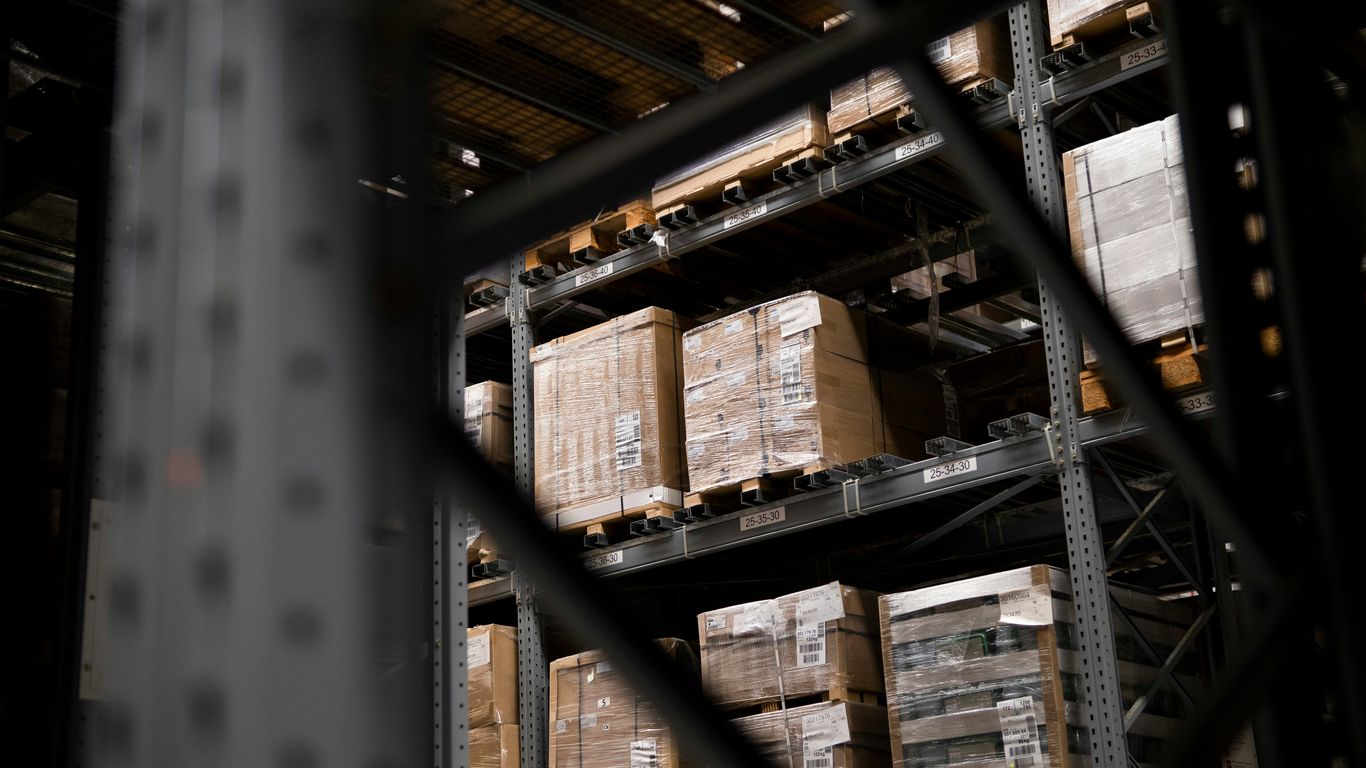
Use separators, sleeves, molded supports, or other suitable protection between units and around vulnerable lids. Confirm that the inner packaging prevents movement without placing pressure on painted or polished surfaces. Cartons should be strong enough for stacking and marked consistently with the product, quantity, and handling information required by the buyer.
Request a packing sample or photographs of an opened carton. Check whether the lid, base, handle, and body are protected independently. A carton that looks orderly from the outside can still allow internal movement during a long road and ocean journey.
Confirm carton dimensions, pallet requirements, and container loading plans
Record the final carton length, width, height, gross weight, and units per carton. Confirm whether pallets are required, whether they must be treated or certified, and whether the destination warehouse has height or weight restrictions. The loading plan should account for stackability, access to labels, weight distribution, and protection from crushing.
Ask for the container or truck loading sequence before dispatch. If cartons from more than one supplier are combined, keep a clear map of where each product is positioned. This makes receiving and discrepancy checks faster after arrival.
Separate finished products, accessories, and promotional packaging
Accessories such as spare seals, straws, cleaning tools, lids, and gift packaging should be counted separately from finished flasks. Their quantities and carton locations should appear on the packing list where appropriate. This prevents a shortage of a low-cost accessory from being confused with a shortage of finished goods.
Use distinct labels for retail-ready cartons, bulk cartons, samples, and promotional inserts. If a buyer has multiple sales channels, separate packaging by destination or SKU before pickup. Clear segregation is especially useful when a consolidation warehouse receives goods from several factories.
Reduce damage and shipping costs through packaging inspections
Inspect packaging before the cargo is released, not only after a problem appears at destination. Check carton seals, corner compression, unit count, gross weight, markings, pallet condition, and the match between physical cargo and the approved packing specification. Photographs should show both the outside of the cartons and representative internal protection.
The inspection record should be shared with the supplier and forwarder before booking is finalized. If changes are needed, correct them while the goods remain accessible. That is usually more practical than explaining damage after customs clearance and final delivery.
5. Manage customs, product compliance, and shipping documents
Shipping documents connect the supplier’s goods with the carrier, customs authority, importer, and receiving warehouse. Small inconsistencies in product description, quantity, value, or consignee details can delay release or trigger questions. Prepare the document set early and ensure every party works from the same commercial information. Compliance remains the importer’s responsibility, even when a forwarder assists with paperwork.
Prepare commercial invoices, packing lists, and bills of lading
The commercial invoice should identify the seller, buyer, product description, quantity, unit value, currency, trade term, and country of origin. The packing list should show cartons, dimensions, gross and net weight, and packing configuration. The bill of lading or air waybill must match the shipper, consignee, notify party, cargo description, and routing instructions.
Ask for draft documents before departure. Compare them against the purchase order and physical inspection record, then correct discrepancies before the carrier’s document cutoff. A separate import paperwork resource can help organize recurring document questions for future shipments.
Confirm HS code classification and country-of-origin requirements
HS classification should reflect the actual product and its construction, not merely a convenient catalogue name. Confirm the proposed code with the importer’s customs adviser or relevant authority, particularly where the flask includes multiple materials or special features. Country-of-origin marking and origin statements should follow destination-market rules.
Keep the classification decision and supporting product description in your shipment file. The same code may not automatically apply to every accessory, promotional item, or replacement part. Consistent descriptions also make later cost and customs reviews easier.
Check food-contact, labeling, and material compliance for the destination market
Determine which food-contact, labeling, testing, and material requirements apply in the destination country. The review may cover stainless steel, coatings, plastics, silicone seals, inks, packaging, warnings, language, capacity markings, and recycling information. Ask the supplier for current reports tied to the exact model and materials you are buying.
Do not assume that a report for one lid, coating, or product size covers every variation. Match documents to the SKU, production material, and intended market. If the product is sold through a regulated channel, confirm whether the retailer or marketplace imposes additional requirements.
Review import permits, testing reports, and destination-specific rules
Before production, confirm whether the destination requires an importer number, permit, advance filing, product registration, or laboratory report. Requirements can vary by country, product claims, packaging, and sales channel. Give the forwarder complete information about the goods and ask which matters require a customs broker, testing laboratory, or local adviser.
Keep certificates, declarations, artwork approvals, invoices, packing lists, transport documents, and inspection photographs together. Early review gives you time to amend a label or request a missing report before the shipment is already at the port.
6. Select and manage a freight forwarder in Yongkang
A forwarder should be evaluated on the work it will perform, not only on the quoted freight rate. Ask how it handles supplier communication, pickup, inspection coordination, consolidation, export handling, customs documentation, tracking, and final delivery. You should know who owns each handoff and who will contact you when cargo data changes. The best comparison is based on a shared shipment brief.
Compare local forwarders, supplier-recommended agents, and global providers
Obtain comparable quotations from local forwarders, a supplier-recommended agent, and a provider with destination-side capability. Verify the legal entity issuing the quote, payment instructions, insurance terms, and escalation contact. Supplier recommendations can be useful, but the buyer should retain control of the shipping instructions and document review.
Ask each provider for examples of the information it needs: product photographs, supplier address, carton count, dimensions, weight, cargo-ready date, destination address, and preferred mode. A provider that asks for real cargo details can usually produce a more meaningful estimate than one quoting from a product name alone.
Check port coverage, carrier relationships, and destination delivery services
Confirm which nearby ports, airports, rail routes, and destination gateways the forwarder can actually serve. Ask whether it provides delivery to a business address, warehouse, or fulfillment center, and whether customs brokerage is included or subcontracted. Carrier schedules and space availability should be treated as variables rather than assumptions.
If you are comparing the forwarder’s offer with general road freight services, check whether the scope includes supplier coordination, export handling, tracking, and final delivery. A transport label alone does not explain the operational responsibility behind the movement.
Clarify booking, consolidation, customs, and warehouse responsibilities
Put the workflow in writing. Identify who books space, collects the cargo, measures and photographs it, receives goods at a warehouse, prepares export documents, submits customs information, monitors transshipment, and arranges final delivery. For consolidated cargo, clarify how cartons are labeled and how shortages or damage are recorded.
Also confirm who approves changes. A forwarder should not substitute a route, term, or delivery arrangement without a clear escalation process. Written responsibility is particularly valuable when the supplier, consolidator, carrier, broker, and destination warehouse are different parties.
Evaluate quotes for hidden fees, service exclusions, and transit estimates
Read every quotation for origin charges, warehouse handling, documentation, customs clearance, delivery, fuel or security surcharges, storage, inspections, and taxes. Ask whether the rate is based on actual or chargeable weight, estimated or final CBM, and a specific validity period. Transit should be presented as an estimate with the relevant route and assumptions.
For time-sensitive stock, compare the cost of delay with the premium for a faster method. Request a revised quote whenever carton dimensions, quantity, destination address, or readiness date changes. A clear quote is one that lets you see what remains outside the stated price.
7. Coordinate the shipment from factory release to final delivery
The final stage is a sequence of controlled handoffs, not a single booking event. Production, inspection, pickup, export, linehaul, transshipment, customs, and delivery each have their own milestone. Keep one shipment record with the latest cargo figures and document versions. That record allows you to act quickly when the factory finishes early, misses a cutoff, or changes the carton count.
Set production milestones, inspection dates, and cargo-ready deadlines
Agree on the production completion date, sample or inspection date, packaging completion, cargo-ready date, pickup window, document cutoff, and planned departure. Build a small buffer for rework and document corrections. The cargo-ready date should mean that the goods are packed, counted, accessible, and accompanied by the information required for booking.
Share milestones with the supplier and forwarder in one written schedule. If the shipment contains several SKUs, list each one separately so that a partial completion does not appear to be a complete release.
Arrange pre-shipment inspections and verify the final carton count
A pre-shipment inspection should compare finished products with the approved sample and specification. Check appearance, dimensions, capacity, lid function, leakage, logo placement, packaging, carton markings, and quantity. Record defects by type and agree on the correction or acceptance process before pickup.
At collection, the forwarder or appointed inspector should verify cartons, pallets, dimensions, gross weight, and photographs. The final packing list must reflect the physical cargo, not the original estimate. If the count changes, update the booking and all relevant documents promptly.
Track pickup, port departure, transshipment, and customs clearance
Request milestone updates for factory pickup, warehouse receipt, export release, port or airport departure, transshipment, arrival, customs filing, customs release, and final delivery. The update should identify the event date, location, current status, and next action. For consolidated cargo, confirm when it is received and when it is loaded into the main transport movement.
A freight forwarding partner can be assessed against this full journey: supplier pickup, consolidation, multiple transport modes, import paperwork, customs documentation, and final delivery. Regardless of provider, the practical test is whether each handoff has an owner and a recorded status.
Create a claims process for shortages, damage, or documentation errors
Set the notice period, evidence requirements, claim contact, and escalation route before shipment. On arrival, photograph the vehicle or container condition, seals, pallets, cartons, and any damaged units before unpacking further. Record shortages against the final packing list and preserve labels, packaging, and inspection records.
Notify the relevant party quickly and distinguish supplier quality issues from transport damage or receiving errors. A claim is easier to investigate when it includes the booking, invoice, packing list, inspection report, photographs, delivery record, and a clear statement of the loss.
Plan Your Shipment
When you are ready to ship stainless steel flasks from Yongkang, prepare the supplier address, product details, carton measurements, cargo-ready date, destination, and preferred transport method. A freight team can then compare practical routes, review the document requirements, and coordinate the movement from pickup through delivery.
Conclusion
A reliable Yongkang flask shipment begins with a verified product specification and ends with controlled delivery records. When landed cost, packaging, compliance, freight mode, and handoffs are planned together, you can make a defensible shipping decision and respond more calmly when schedules or cargo details change.
Frequently Asked Questions
What information is needed to ship stainless steel flasks from Yongkang?
Provide the supplier address, product description, quantity, carton count, dimensions, gross weight, cargo-ready date, destination address, and preferred shipping method. Product photographs and compliance details also help with quoting and document review.
Which shipping method is suitable for stainless steel flasks?
Sea freight often suits larger planned shipments, while rail, air, or express may fit particular routes, urgent stock, or smaller consignments. The decision should consider volume, deadline, destination, handling, and total landed cost.
Should stainless steel flasks be shipped by FCL or LCL?
FCL may be appropriate when the cargo volume justifies a container and greater control over handling. LCL can suit smaller volumes, although consolidation and handling charges should be included in the comparison.
What documents are commonly required for flask imports?
Common documents include a commercial invoice, packing list, bill of lading or air waybill, and origin information. Depending on the destination and product, import permits, test reports, declarations, labels, or advance filings may also be needed.
How can vacuum flasks be protected during transport?
Use sleeves, separators, suitable inner supports, strong export cartons, and clear stacking instructions. Confirm the final packaging through inspection and record carton condition, quantity, and photographs before release.
How should landed cost be calculated?
Add the product price, tooling, packaging, inland transport, export charges, international freight, insurance, duties, taxes, customs services, destination handling, storage risk, and final delivery. Use measured carton data rather than preliminary estimates.
What should a freight forwarder confirm before booking?
The forwarder should confirm the pickup address, cargo figures, route, mode, trade term, estimated transit, included services, exclusions, document requirements, delivery point, and milestone-update process. Any changes to cargo or timing should trigger a revised review.