
Key Takeaways
Importing wigs from Xuchang is easier to manage when product decisions, supplier checks, freight, customs, and delivery are planned as one process.
- Define product specifications and destination-market requirements before requesting quotes.
- Compare total landed cost rather than focusing on the factory price alone.
- Match air, sea, rail, express, or consolidated freight to the shipment’s size and urgency.
- Check Incoterms, HS codes, labels, and documents before cargo leaves China.
- Record shipment milestones and review performance after delivery.
1. Plan your sourcing strategy before you import wigs from Xuchang
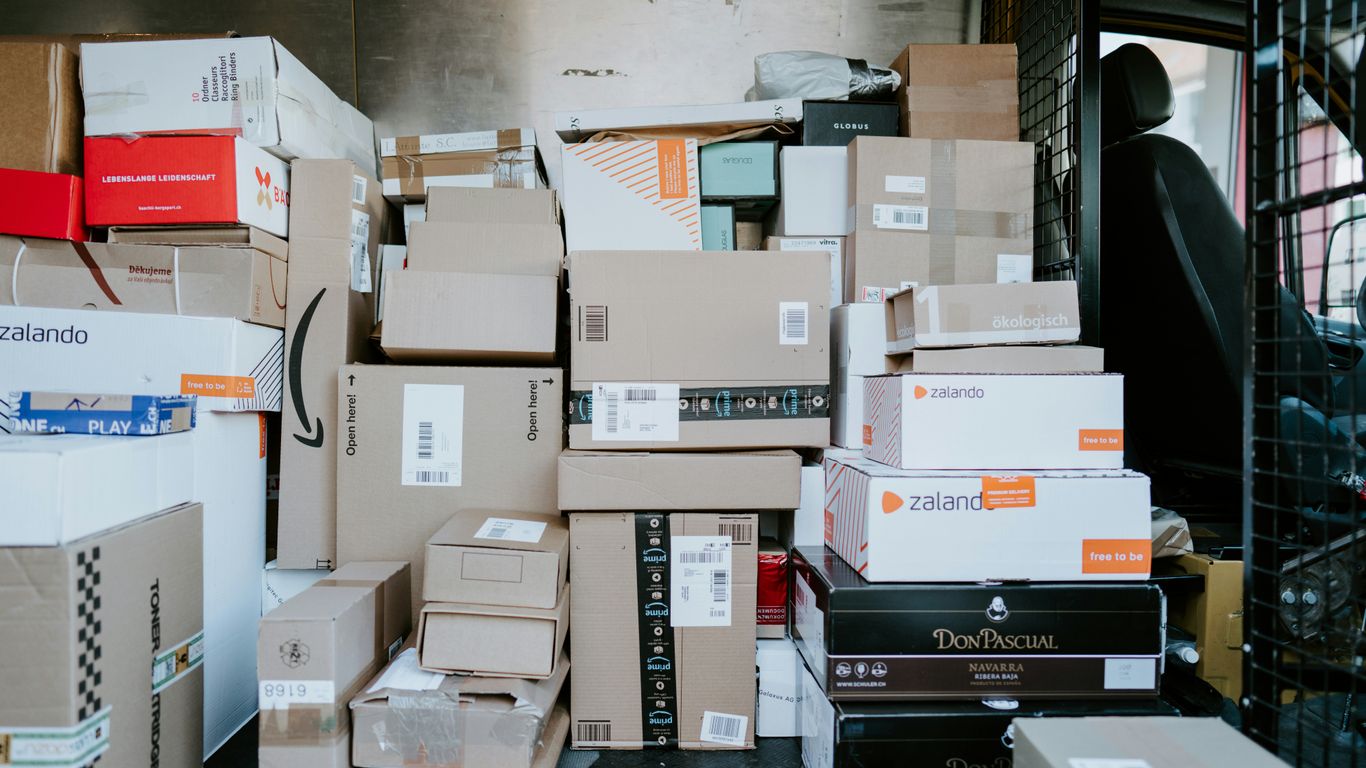
Xuchang has a deep network of businesses producing and trading wigs and other hair products, but a large supplier base does not remove the need for careful selection. Before you import wigs from Xuchang, decide what you are buying, where it will be sold, and how much variation you can accept. Freight planning also begins here because product type, carton size, order value, and timing all affect the eventual shipping choice. A clear sourcing brief gives suppliers and logistics partners the same information.
Define the hair products, specifications, and target market
Start with a written specification for the wig, extensions, bundles, or related item. Include hair material, length, color, density, cap construction, lace type, packaging, labeling, and acceptable tolerances. The target market may impose additional rules for fiber content, country-of-origin marking, consumer labeling, or product claims, so check those requirements before production rather than after arrival.
A specification should also distinguish samples from final production. If a sample uses a particular color, density, or package, record those details in the purchase documents. This prevents a vague description such as “human hair wig” from becoming the only reference used during inspection or customs review.
Compare factories, trading companies, and sourcing agents
A factory may offer direct production control, while a trading company may combine products from several manufacturers. A sourcing agent can help communicate, inspect, and coordinate, but the fee structure and responsibilities should be clear. Ask each supplier who owns the production process, where the goods will be collected, and whether the quoted price includes domestic handling or export preparation.
Review business registration details, product catalogs, sample policies, payment terms, and communication records. Do not assume that a polished catalog proves manufacturing capacity. When supplier information is incomplete, an independent inspection and a documented purchase order provide useful safeguards.
Confirm minimum order quantities and production lead times
Minimum order quantity can apply to the whole order, each style, each color, or each length. Ask for the rule in writing, especially when you want to test several variations. Also separate sample time, production time, inspection time, and the time needed to move cargo from the supplier to the export point.
Production lead time is not the same as total delivery time. Materials may need to be prepared before manufacturing starts, and a finished order may still require carton measurements, export documents, and pickup scheduling. Build those stages into your launch or replenishment plan.
Build a supplier shortlist using samples and verification checks
Use samples to compare appearance, construction, packaging, and consistency against your specification. Keep dated photographs and notes so that the approved sample remains a practical reference. A shortlist is stronger when it includes at least one backup supplier, but the backup should be assessed against the same requirements rather than selected only because it offers a lower quote.
For broader planning, a China sourcing guide can help frame questions about supplier verification and manufacturing clusters. Once the supplier is chosen, confirm the pickup address, cargo-ready date, carton count, gross weight, dimensions, and any special handling needs before booking freight.
2. Choose the right international shipping method
The right transport mode depends on the shipment rather than on a universal preference. Air may suit urgent replenishment, while sea freight often fits larger orders with more flexible timing; rail, road, and express can make sense on particular routes and for particular cargo profiles. Compare the complete service, including pickup, export handling, customs, and final delivery. The quoted transit time should be treated as an estimate because carrier schedules, border conditions, and inspections can change.

Compare air freight, sea freight, rail, and express delivery
Air freight generally prioritizes speed and is often considered for urgent or high-value cargo. Sea freight is commonly evaluated for larger volumes, including full-container and less-than-container-load shipments. Rail can be relevant for some China-to-Europe or China-to-Russia routes, while express delivery is useful for samples and small consignments.
A practical comparison should include both the transport charge and the service boundaries. For a detailed mode comparison, review freight options from China, then ask for a route-specific quotation rather than relying on a general rate card.
Match the transport mode to order size and urgency
Order volume, cargo value, stockout risk, and destination infrastructure should be considered together. A small urgent launch order may justify air or express pricing, whereas a planned replenishment may tolerate a longer sea or rail movement. If the goods are mixed across several suppliers, the time required to collect and consolidate them should be included in the decision.
Do not compare modes using price alone. A slower option can create warehouse or marketing costs if stock arrives after the selling window, while a faster option can tie up less inventory in transit but cost more per kilogram.
Understand port-to-port versus door-to-door service
Port-to-port pricing normally leaves you responsible for several steps after the cargo reaches the destination port. Door-to-door service may include more of those steps, but you still need to confirm whether duties, taxes, customs brokerage, unloading, residential delivery, or appointment fees are included.
Ask the forwarder to show the handover points in writing. A route described as door-to-door should still identify the party responsible for import clearance and the documents needed from you. This is where apparently similar quotations often differ.
Evaluate consolidation for smaller or mixed supplier orders
Consolidation can combine cargo from multiple suppliers into one export shipment, which may be useful when no single supplier fills a container or when products are ready on different dates. It requires accurate receiving records, clear carton identification, and enough time for the consolidation warehouse to count and measure each lot.
Before agreeing, confirm warehouse charges, cutoff dates, repacking rules, and how discrepancies will be reported. Supplier pickup and consolidation services can be compared through cargo consolidation support when a shipment has several collection points.
3. Calculate the full landed cost of your shipment
The factory quotation is only one part of the financial picture. Landed cost can include packaging, domestic pickup, export handling, international freight, insurance, duties, taxes, customs brokerage, destination handling, and final delivery. Use one consistent shipment profile when comparing offers. Otherwise, a quote that looks lower may simply exclude charges that another provider has included.

Break down product, packaging, freight, and insurance charges
Request the product price separately from cartons, inserts, labels, and any preparation requested by your destination warehouse. Record carton count, dimensions, gross weight, chargeable weight, and volume because carriers may calculate freight using different measures. Insurance should also be listed separately, with the insured value and exclusions explained.
A useful cost sheet has a line for every handoff. Include supplier-to-warehouse movement in China, consolidation or storage, export documentation, main carriage, destination handling, and delivery to the final address. This makes it easier to identify which assumption changed when the final invoice arrives.
Account for duties, taxes, brokerage, and destination fees
Confirm the likely HS classification with a customs professional or the relevant authority; do not select a code solely because it appears on an old supplier invoice. Duties and taxes depend on the destination country, declared value, classification, origin, and applicable trade rules. Brokerage, inspection, port, terminal, storage, demurrage, and delivery appointment charges may also arise.
Keep a distinction between charges included in the freight quote and charges payable directly at destination. That distinction should be visible before dispatch, not discovered when the shipment is held for payment.
Compare quotations using consistent Incoterms
Incoterms define key responsibilities between buyer and seller, but they do not automatically make two quotations financially comparable. Ask each supplier or forwarder to quote on the same basis, with the same pickup location, destination, cargo details, and service scope. For example, an EXW quote and a DDP quote may place very different costs and risks on the buyer.
The following simple comparison can keep the first review orderly:
| Cost area | Question to ask | Common point of confusion |
|---|---|---|
| Product | What exact specification and quantity are priced? | Sample and production specifications differ |
| Origin handling | Who pays pickup, export preparation, and storage? | Factory price excludes local movement |
| Main freight | What mode, route, and chargeable weight apply? | Estimated weight changes after measurement |
| Destination | Are clearance, taxes, handling, and delivery included? | Door delivery does not always include duties |
| Risk cover | What is insured and how are claims handled? | Carrier liability may be limited |
This structure does not replace a formal quotation, but it exposes missing assumptions early. Ask for revisions when one provider has bundled charges and another has listed them separately.
Allow for currency changes, surcharges, and unexpected costs
Rates may change with fuel adjustments, peak periods, exchange rates, carrier capacity, or a change in measured cargo. Set an internal contingency rather than treating the initial estimate as a fixed final cost. Also ask how long the quote remains valid and whether destination storage or customs inspection charges are excluded.
For a more precise request, provide product details, pickup and destination information, carton count, dimensions, weight, CBM, and the preferred mode through a shipping quote request. Better input generally produces a more useful comparison.
4. Select Incoterms and logistics partners carefully
Incoterms affect who arranges transport, who bears risk at each stage, and who handles export or import formalities. They do not remove the need to read the actual service agreement and quotation. Your decision should reflect your team’s experience, destination-country requirements, and ability to control freight and customs. A capable forwarder can coordinate many stages, but the importer remains responsible for supplying accurate commercial information.
Understand EXW, FOB, CIF, DAP, and DDP responsibilities
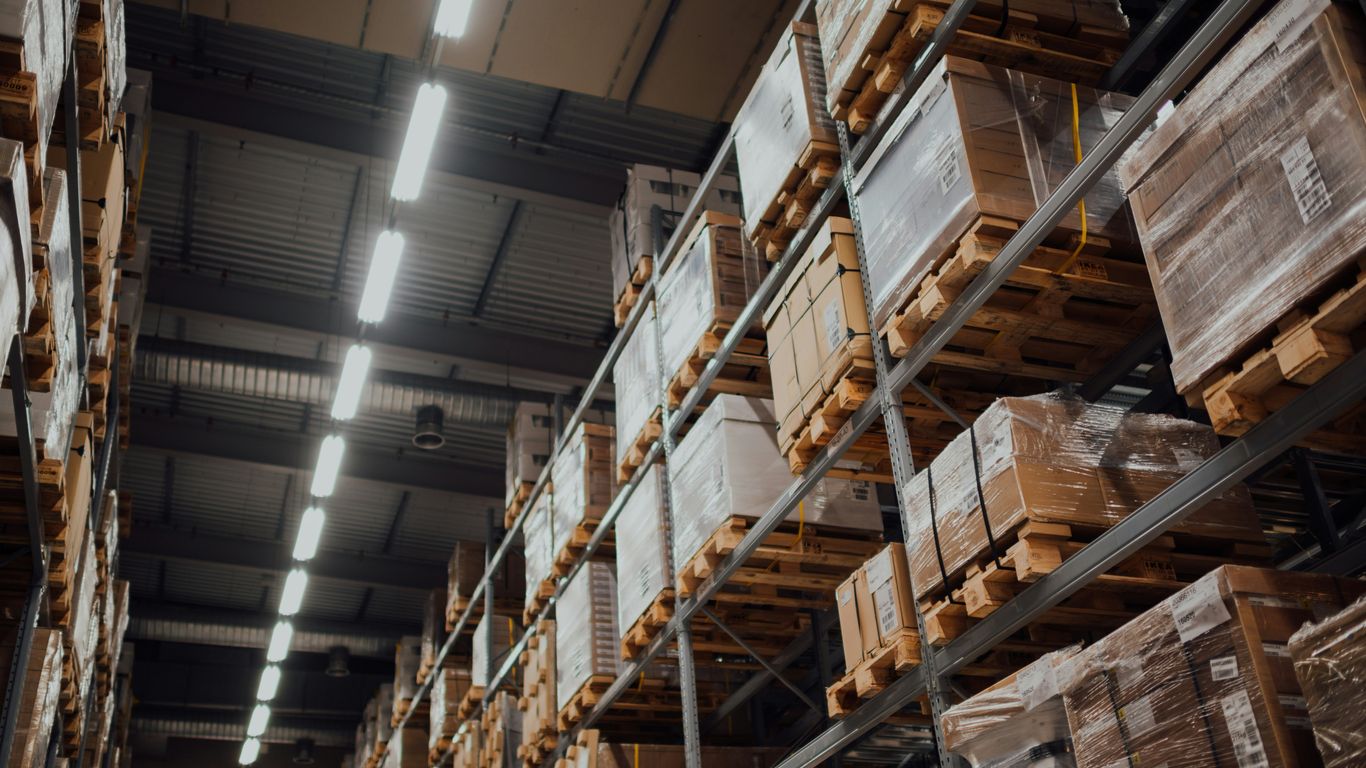
EXW generally leaves the buyer responsible for collecting goods from the seller’s premises and arranging much of the export movement. FOB normally places the seller’s delivery responsibility through loading at the named port, while the buyer arranges the main carriage. CIF includes cost, insurance, and freight to the named destination port, but import clearance and onward delivery may remain with the buyer.
DAP generally places delivery responsibility with the seller up to the named destination, excluding import clearance and import taxes. DDP places more import obligations on the seller, subject to whether the seller can legally and practically complete those obligations in the destination country. Always name the precise place and confirm exclusions.
Decide which party should control freight and customs clearance
Control should follow competence and visibility. If you have established carrier relationships and a customs team, you may prefer to arrange more of the movement directly. If not, a forwarder can coordinate supplier pickup, export handling, international freight, documentation, and final delivery while keeping the quotation itemized.
Regardless of who books the freight, agree on who approves documents, who receives delay notices, and who pays destination charges. These decisions prevent a shipment from waiting while several parties assume someone else is responsible.
Vet freight forwarders with China-to-destination experience
Ask whether the forwarder has handled collections from the supplier’s city, the selected mode, and your destination route. Check how it receives cargo, records carton counts, reports damage, and communicates exceptions. A forwarder that can coordinate several modes may be useful when the order changes from express samples to consolidated or full-volume freight.
The business model should be clear: identify the contracting party, the service scope, the escalation contact, and the documents supplied after delivery. For background on multi-mode forwarding, review global freight forwarding before requesting route-specific terms.
Confirm rate validity, transit times, and service exclusions
Ask for the rate validity period, estimated transit range, sailing or flight frequency, cutoff, free-storage period, and excluded fees. Confirm whether the estimate begins at supplier release, warehouse receipt, port departure, or another milestone. This small detail can materially change your planning.
Get exclusions in writing, including customs inspections, storage, demurrage, remote-area delivery, duties, taxes, and address changes. Clear exclusions are more useful than an attractive rate that leaves the operational details unresolved.
5. Prepare customs and shipping documentation
Documentation should be assembled while the order is being produced. A commercial invoice, packing list, transport document, and customs declarations need to describe the same cargo in consistent terms. Errors can delay release, trigger questions, or create costs at the destination. Early document review is therefore part of freight planning, not an administrative task saved for dispatch day.
Check the correct HS codes for wigs and hair products
Wigs, hairpieces, extensions, bundles, and synthetic products may not share the same classification. The correct HS code depends on the product’s material and construction as well as the destination country’s tariff schedule. Ask your customs broker or authority to confirm the applicable code and retain the reasoning behind the classification.
Use the confirmed code consistently across the invoice, packing list, customs entry, and any shipping instruction. A supplier’s historical code can be a useful clue, but it should not override destination-country advice.
Prepare commercial invoices, packing lists, and certificates
The commercial invoice should identify the seller, buyer, product description, quantity, unit value, currency, origin, and trade term. The packing list should show cartons, contents, net and gross weight, and dimensions. Transport documents should align with those details, including consignee and notify-party information where relevant.
Certificates, permits, or material declarations should be added when required by the destination or buyer. Review spelling, addresses, values, quantities, and carton totals together; a mismatch between two otherwise complete documents can still create a hold.
Verify labeling, country-of-origin, and import requirements
Check whether labels must show fiber content, care instructions, importer details, country of origin, lot references, or other consumer information. Requirements vary by market and product category. Keep approved artwork and the final packing specification with the purchase records so the factory does not apply an outdated label.
This review is also a sensible point to confirm whether any marketing claims are permitted. Product descriptions should be accurate, consistent, and supported by the goods actually shipped.
Coordinate customs broker instructions before dispatch
Send the broker the invoice, packing list, transport plan, HS classification, importer details, and any permits before the cargo is collected. Explain the intended delivery address and whether the shipment will move to a warehouse, store, or fulfillment center. A broker can then flag missing information while corrections are still practical.
Import paperwork assistance is most effective when the importer supplies complete facts. Keep one approved document set and instruct the supplier, forwarder, and broker to work from that version.
6. Protect hair products during packaging and transit
Hair products can arrive in saleable condition only when packaging decisions reflect the product’s sensitivity. Wigs, extensions, and bundles may be affected by moisture, dust, odor, compression, and rough handling. Packaging should protect the goods without creating unnecessary dimensional weight. Agree on the standard before production and approve any changes before cartons are sealed.
Set packaging standards for wigs, extensions, and bundles
Define inner bags, tissue or protective material, hangers or forms where needed, carton strength, sealing method, and maximum carton weight. Keep delicate pieces from being compressed beneath heavier cartons. If several styles share one carton, require internal separation and a packing list that identifies the contents clearly.
The packaging standard should include photographs or a simple diagram. This gives the factory and inspector a common reference and makes claims easier to assess if the cargo arrives differently from the approved condition.
Control moisture, compression, dust, and odor risks
Use clean, dry packaging and avoid sealing goods while they are damp. Ask how products will be arranged so that lace, fibers, and shape-sensitive components are not crushed during storage or transit. Ventilation, desiccant use, and odor controls should be considered according to the material and destination conditions.
Do not add a treatment or packing material without checking whether it is permitted for the route and product. Any unusual material should be declared to the forwarder when relevant.
Use carton markings and shipment identification consistently
Mark cartons with purchase-order references, carton numbers, destination, handling instructions, and any agreed warehouse identifiers. The markings should match the packing list and remain legible after handling. Avoid relying only on supplier-specific shorthand that a consolidator or customs team may not understand.
For mixed orders, use a consistent numbering sequence across all suppliers. A clear identifier helps the receiving team reconcile cartons, photograph discrepancies, and direct goods to the correct storage area.
Inspect and document cargo before it leaves Xuchang
Before release, count cartons, measure dimensions, record gross weight, and photograph the external condition. Compare the shipment with the approved packing standard and purchase order. If cartons are damaged, wet, open, or inconsistent, record the issue and obtain instructions before loading.
The inspection record should include date, supplier, order reference, carton numbers, observations, and photographs. It creates a practical baseline for later claims and may also correct a freight quotation before the cargo reaches the export warehouse.
7. Manage delivery risks and improve logistics performance
International freight involves several handoffs, so risk management should be operational rather than abstract. Production delays, port congestion, schedule changes, customs questions, and last-mile problems can all affect the delivery date. Maintain a shared shipment record and define who communicates when a milestone is missed. This makes exceptions easier to manage without losing sight of the commercial priority.
Plan for production delays, port congestion, and customs holds
Set a cargo-ready deadline that leaves room for inspection and document correction. Ask the supplier to notify you when production is at risk, not only when the deadline has passed. At the transport stage, monitor booking confirmation, warehouse receipt, departure, arrival, customs submission, release, and final delivery.
Keep a backup plan for urgent inventory, such as splitting a shipment or changing mode after reviewing the additional cost. Any change should be approved against the remaining stock and selling date rather than made automatically.
Use cargo insurance and define claims procedures
Insurance terms should identify the insured value, covered risks, exclusions, deductible, and claim deadline. Carrier liability may not equal the commercial value of the goods, so ask what protection applies before the shipment is released. Preserve invoices, packing lists, inspection photographs, delivery records, and damage photographs.
A written claims process should state who is notified, what evidence is required, and whether the carrier, insurer, supplier, or forwarder submits the claim. Prompt notice matters because some policies impose short reporting periods.
Track milestones from factory release to final delivery
Use one timeline that records supplier completion, inspection, pickup, warehouse receipt, consolidation, export clearance, departure, arrival, customs release, and final delivery. Each milestone should have a date, responsible party, and supporting document or reference number. This is more useful than a single message saying that cargo is “in transit.”
For shipments requiring regular communication, agree on update frequency and escalation channels before dispatch. The importer should be able to see what has happened, what is pending, and what action is needed.
Review supplier and carrier performance after each shipment
After delivery, compare the original quotation and schedule with the actual result. Review product conformity, carton accuracy, pickup timing, document quality, communication, damage, extra charges, and final-mile performance. Keep the review factual and separate supplier issues from carrier or customs issues.
Use the findings to update future specifications and routing decisions. A supplier that repeatedly misses carton data may need tighter release controls, while a route with frequent storage charges may require a different cutoff or service structure.
Practical Next Steps
If you are preparing to import wigs from Xuchang, assemble the product specification, supplier address, carton details, destination, cargo-ready date, and preferred transport mode before asking for a quote. Compare the complete cost and service scope, then confirm documents, packaging, and handoff responsibilities in writing. For a shipment-specific discussion, request shipping support with the information you already have.
Conclusion
A successful Xuchang shipment begins before the goods are packed: define the order, verify the supplier, calculate the landed cost, select a suitable transport plan, and align every document and responsibility. Careful inspection, clear packaging standards, and milestone tracking then reduce avoidable surprises between factory release and final delivery.
Frequently Asked Questions
What should I decide before importing wigs from Xuchang?
Define the product specifications, target market, order quantity, quality tolerances, packaging, destination, required delivery window, and preferred transport options before requesting final quotations.
How do I compare suppliers in Xuchang?
Compare samples, specifications, production capacity, minimum order quantities, lead times, communication, documentation, payment terms, and verification results rather than comparing unit price alone.
Which shipping method is suitable for wigs?
Air, sea, rail, road, express, and consolidated freight can each be suitable depending on volume, urgency, route, cargo value, and destination service requirements.
What does landed cost include?
Landed cost may include the product, packaging, pickup, export handling, freight, insurance, duties, taxes, brokerage, destination fees, storage, and final delivery.
Why do Incoterms matter in a wig shipment?
Incoterms clarify important buyer and seller responsibilities for transport, risk, export procedures, import clearance, and delivery, but the named place and exclusions still need to be confirmed.
Which documents are commonly needed for customs?
Common documents include a commercial invoice, packing list, transport document, customs information, and any certificates, permits, or product declarations required by the destination.
How can I reduce damage during transit?
Approve a packaging standard, control moisture and compression, mark cartons consistently, inspect cargo before release, and retain photographs and records for any later discrepancy or claim.