
Key Takeaways
Sourcing violins from Taixing can work well when product standards, supplier checks, and freight planning are handled together.
- Treat Huangqiao and Taixing as a manufacturing cluster, not a guarantee of uniform quality.
- Verify the factory’s identity, workforce, equipment, export experience, and sample quality.
- Put tonewood, fittings, setup, packaging, tolerances, and accessories in writing.
- Approve a pre-production sample and inspect production batches before shipment.
- Calculate the complete landed cost, including freight, duties, taxes, brokerage, and delivery.
Understanding Taixing’s violin-making industry
Taixing, particularly Huangqiao Town, is widely associated with violin and other musical-instrument production. The area combines small craft workshops, larger manufacturers, accessory suppliers, and export-focused businesses. That concentration can make sourcing efficient, but the quality and service level may vary considerably from one supplier to another.

Why Taixing Jiangsu is a major violin production center
Huangqiao developed a deep local base of violin-making skills over several decades. Public reporting describes a cluster with hundreds of musical-instrument enterprises, production ranging from batch manufacturing to customized instruments, and exports reaching many overseas markets. These figures are useful context, although they should not be treated as proof that every Taixing violin factory can meet the same specification.
A cluster offers practical advantages: workers may have specialized experience, materials and accessories can be easier to source, and buyers can compare several suppliers within one region. The local story is also explored in this account of Taixing’s musical-instrument cluster, which gives helpful background on how the production network developed.
How craft workshops differ from export-oriented factories
A workshop may rely on a small group of experienced makers and offer hands-on finishing or unusual customization. It may also have limited documentation, less formal inspection, and lower capacity for a repeatable export program. An export-oriented factory is more likely to maintain packing procedures, commercial paperwork, production schedules, and a defined process for handling overseas orders.
Neither model is automatically better. A workshop can be suitable for a small specialty order, while a larger factory may be more practical for school programs, distributors, or private-label retail. Ask who actually makes the instruments, who performs final setup, and whether the quoted supplier is the manufacturer or an intermediary.
Common violin product categories and buyer segments
Taixing suppliers commonly present instruments for different playing levels, along with outfits that may include bows, cases, rosin, and other accessories. Buyers can include music schools, wholesalers, online retailers, orchestras, educational programs, and distributors. Each group will judge value differently: a beginner program may prioritize durability and consistent setup, while a specialist retailer may care more about tone, appearance, and individual selection.
Define the intended customer before requesting prices. A violin described only as “high quality” leaves too much room for interpretation, especially when the same supplier offers several grades and finishes.
What production scale can and cannot tell you
A large output figure may indicate access to labor, materials, and production planning. It does not establish that a supplier can reproduce the tone, dimensions, varnish, or setup of your approved sample. Conversely, a small workshop may produce excellent individual instruments but struggle with quantity, schedule, or replacement support.
Use scale as one verification point among several. Request recent production photographs, sample records, batch inspection data, and references relevant to your order size. The useful question is not simply how many instruments a supplier makes, but how reliably it can make yours.
Finding and evaluating a Taixing violin factory
A good supplier search begins with a shortlist rather than a single attractive quotation. Compare factories on documented capability, communication, sample quality, export experience, and willingness to answer specific questions. The same disciplined approach used in a broader China supplier verification guide applies here, even though violins require more attention to setup and playability.
Where to identify potential manufacturers
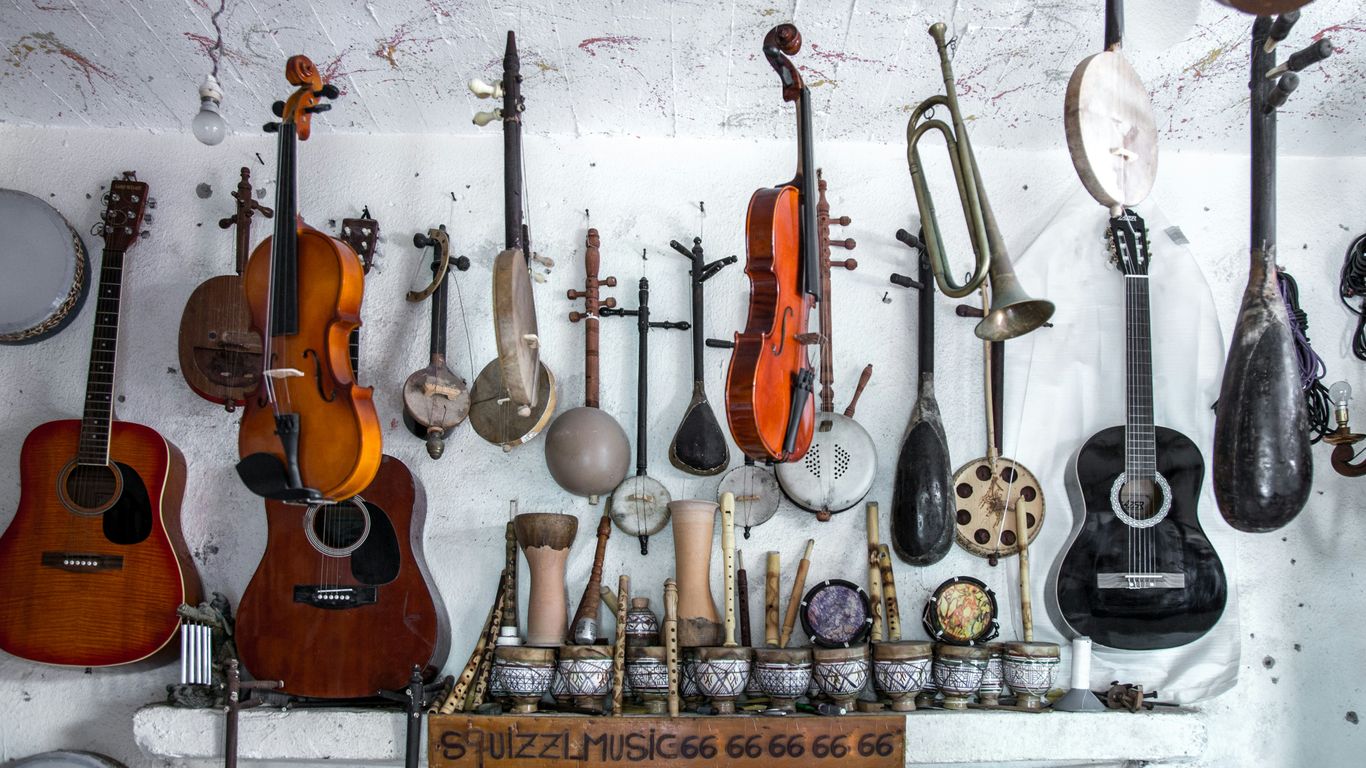
Trade directories, industry introductions, factory websites, exhibitions, and referrals can all produce leads. Online listings are useful for discovery, but listing information should be confirmed directly. For example, Taixing Tongling Musical Instrument presents a supplier inquiry process that accepts photos, drawings, and specification documents; that can be useful when communicating a detailed brief.
Build a shortlist of several candidates and send each the same initial information. Consistent requests make it easier to compare prices, minimum quantities, materials, sample policies, and delivery terms without confusing a missing detail for a lower cost.
How to verify factory identity and production capabilities
Request the registered company name, business license details, production address, export contact, and the name of the entity that will appear on commercial documents. Then confirm whether the address is a workshop, factory, office, or trading company. If several entities are involved, ask who accepts payment, who makes the instruments, and who is responsible for defects.
Ask for evidence that matches the proposed order: current workshop photographs, production-line information, sample videos, packaging examples, and details of similar shipments. A supplier profile such as Taixing Xinxin Musical Instrument Factory can help identify a possible manufacturer, but the profile itself is not a substitute for direct verification.
Questions to ask about workshops, equipment, and skilled labor
Questions should focus on the work that affects your finished instrument. Ask how wood is selected and stored, which operations are completed in-house, who performs carving and varnishing, and who completes final setup. Also ask whether the same workers and procedures will be used for the production order after sample approval.
Clarify the supplier’s ability to produce the required sizes, left-handed instruments, accessories, labels, and packaging. If the factory outsources any step, identify the subcontractor and the inspection point. Specific answers are more useful than broad statements about experience.
Warning signs of unreliable suppliers
Be cautious when a supplier avoids sharing a verifiable company identity, changes specifications without explanation, or gives a price that excludes major components. Other concerns include pressure to pay quickly, reluctance to provide a sample, inconsistent answers from different contacts, and refusal to record quality standards in the purchase agreement.
A low quote is not necessarily a problem, but unexplained differences deserve investigation. Compare the same materials, accessories, packing method, trade term, and inspection scope before deciding that one supplier is genuinely more cost-efficient.
Defining violin specifications before requesting quotes
A quotation is only comparable when every supplier is pricing the same product. Prepare a product brief before discussing unit cost, and separate essential requirements from optional upgrades. This reduces later disputes about what “student,” “antique finish,” or “professional” was intended to mean.
Choosing student, intermediate, and professional-grade models
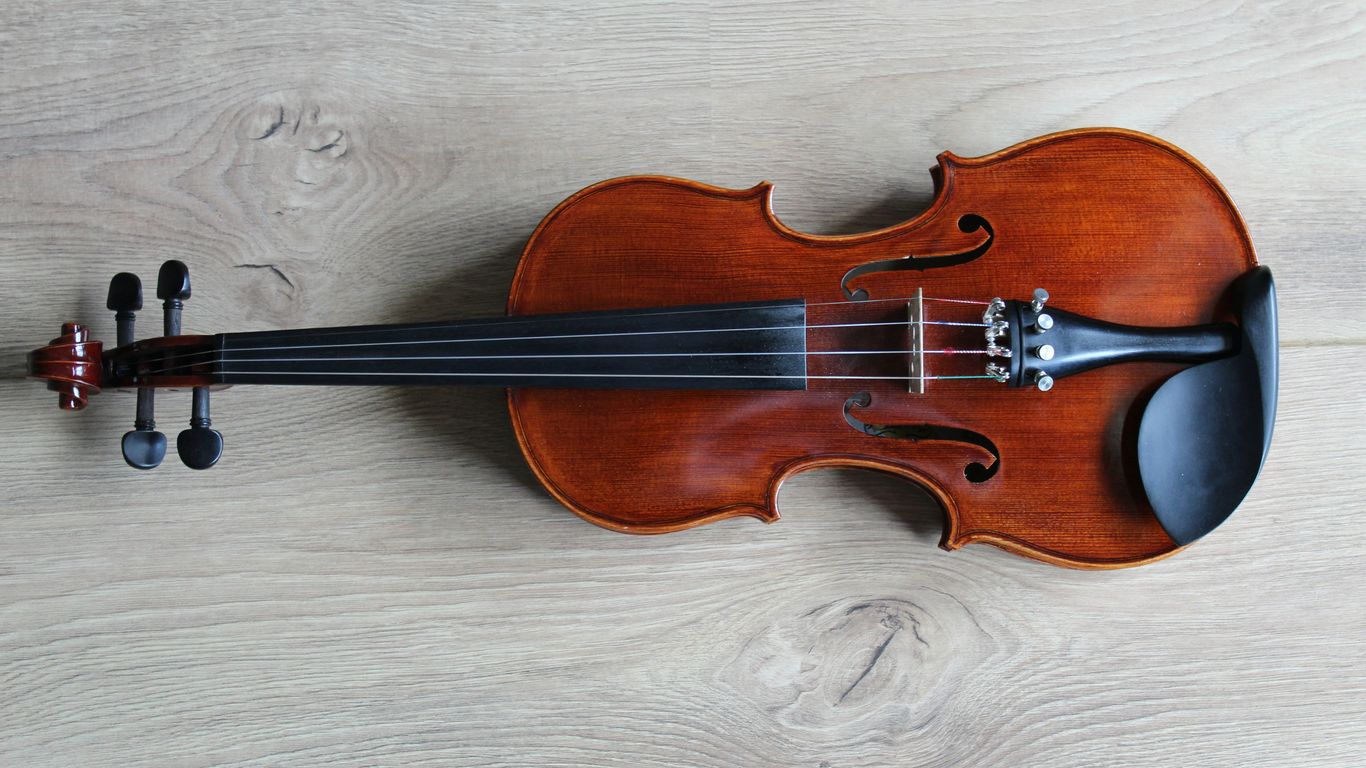
Grade labels are helpful for organizing a range, but they are not universal technical standards. Describe the expected construction, materials, appearance, setup, and target use for each level. A school outfit, for instance, may need resilient packaging and repeatable playability, while an advanced model may require more selective wood and individual tonal review.
Request separate samples for materially different grades rather than asking one sample to represent the entire range. The buyer should be able to explain why a model belongs in its category and what features justify the price difference.
Comparing tonewood, fittings, varnish, and finishing options
Specify the wood species and any relevant grade or appearance criteria for the top, back, ribs, neck, and fingerboard. List the fittings separately, including the material and finish of the pegs, tailpiece, chinrest, endpin, bridge, and strings. Varnish should be described by color, sheen, texture, and process expectations rather than by a vague style name alone.
The quote should also state whether finishing includes edge work, purfling, bridge fitting, fingerboard dressing, string installation, and final tuning. These details prevent a factory from interpreting a decorative request as a complete quality requirement.
Setting requirements for sizes, left-handed models, and accessories
List every size and the quantity for each size. State whether left-handed models are required, since their construction and setup should not be assumed to match a standard right-handed instrument. Accessories should have their own specifications for bow material, case type, shoulder rest, rosin, strings, labels, and retail packaging.
For a mixed order, use a written schedule that identifies model codes, quantities, carton quantities, and accessory combinations. This is especially useful when several models look similar but have different fittings or customer segments.
Translating quality expectations into measurable specifications
Turn subjective preferences into inspection points wherever possible. Measure body dimensions, neck alignment, bridge position, string height, finish defects, open seams, and accessory counts against an approved reference. Define acceptable tolerances and identify defects that require repair, replacement, or rejection.
A clear brief also supports a more accurate freight estimate because carton dimensions, gross weight, packing style, and order quantities can be assessed before production. When the product description and cargo details are both precise, later logistics decisions become less speculative.
Managing samples, customization, and quality control
Sampling is the bridge between a supplier’s description and the goods you will actually receive. Treat the sample as a reference document, not merely as a demonstration instrument. Record photographs, measurements, setup details, finish characteristics, labels, and packaging so the approved version can be compared with production.
What to include in a pre-production sample review
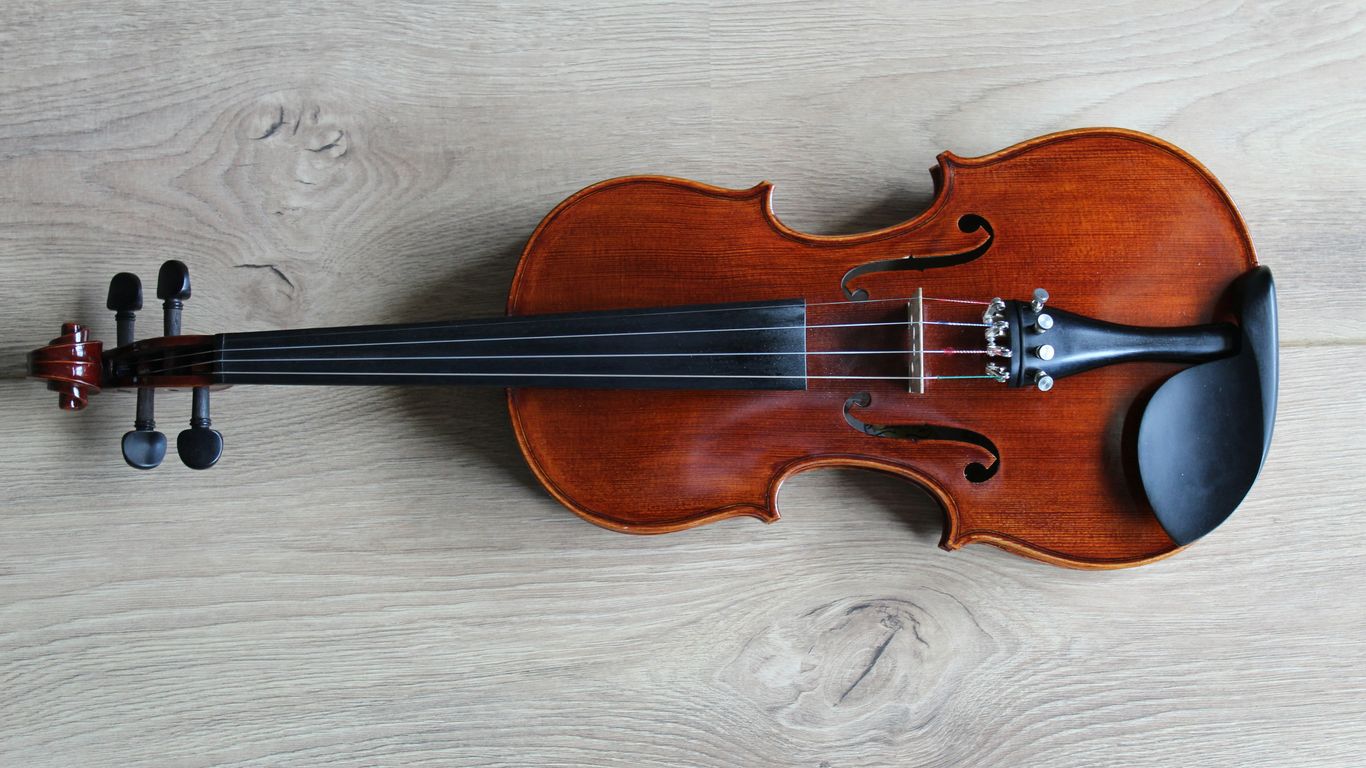
Review the instrument in the same configuration you intend to order. Check the model, size, wood, fittings, varnish, label, bow, case, and accessories, then document any approved variation. If the supplier proposes a substitution, request a revised sample or written approval before production begins.
The sample record should include dated photographs and a signed specification sheet. It should also state which features are visual preferences and which are mandatory acceptance criteria. That distinction helps a factory prioritize corrective action when a natural material varies slightly.
Inspecting construction, setup, and playability
Inspect the body for open seams, cracks, uneven edges, loose purfling, rough work, and finish contamination. Check the neck, fingerboard, bridge, pegs, tailpiece, endpin, strings, and bow for alignment and function. A player or qualified technician should assess response, tuning stability, string height, comfort, and general playability.
Visual inspection alone cannot confirm how an instrument performs. Arrange a consistent playing test, ideally using the same player and recording conditions for each sample. Keep the results with the written inspection record rather than relying on memory.
Checking consistency across production batches
Batch control should compare instruments against the approved sample and against one another. Establish a sampling level before production, with additional checks for high-risk details such as bridge fitting, neck alignment, cracks, seams, varnish defects, and missing accessories.
Track defects by model and production date. Repeated problems often point to a process issue rather than isolated carelessness. Ask the factory what corrective action it will take and whether repaired instruments will be reinspected before packing.
Using third-party inspections and factory quality records
A third-party inspection can provide an independent count, measurement check, visual review, and packing assessment before the cargo leaves China. It is most useful when the checklist is based on your approved sample and contract, not on a generic product inspection form.
Request the factory’s own quality records as well, including production checks, rework records, and final counts where available. An independent report does not replace a clear specification, but it gives you another documented checkpoint before the shipment is released.
Negotiating pricing, minimum orders, and contracts
Price discussions are easier when the product and logistics assumptions are separated. Ask for an itemized quotation and confirm the currency, trade term, validity period, production lead time, packing basis, and payment schedule. A low unit price can become expensive if it excludes setup, inspection, domestic pickup, or suitable export packing.
Breaking down unit price, tooling, packaging, and accessory costs
Ask whether the unit price includes the instrument, strings, bow, case, labels, retail box, master carton, and export protection. Private-label work may involve artwork, labels, molds, printing plates, or setup fees. Confirm which charges are one-time costs and which apply to every unit.
The quotation should also identify whether inspection, inland transport, and documentation are included or charged separately. This makes the factory comparison more meaningful and gives your forwarder usable cargo assumptions.
Understanding minimum order quantities and lead times
Minimum order quantities may apply to each model, finish, size, label, or accessory combination rather than to the total purchase. Ask how mixed-model orders are counted and whether a sample order is treated differently. Lead time should be divided into sample development, material preparation, production, inspection, correction, and packing.
Allow extra time for revisions and seasonal factory congestion. If your sales date is fixed, write the required cargo-ready date into the order plan and define how delays will be reported.
Choosing payment terms that reduce sourcing risk
Common structures include a deposit followed by payment before shipment, but the right arrangement depends on supplier history, order value, inspection access, and your leverage. Avoid paying the full balance before the agreed inspection or before receiving the documents needed to release the shipment.
Use the same legal entity for the contract, invoice, and payment whenever possible. Keep bank details, change requests, inspection rights, remedies, and cancellation terms in writing, and verify any changed payment instructions through an independent channel.
Protecting private-label designs and brand requirements
Put label artwork, trademarks, packaging files, model names, and permitted uses into the contract. State who owns supplied drawings and whether the factory may reuse them for another customer. Also define approval procedures for any change to wood, fittings, varnish, packaging, or accessories.
For complex private-label programs, keep revision numbers on every file and sample. A dated approval trail is more practical than a broad promise that the finished instruments will match the buyer’s intentions.
Preparing violins for international shipping
Violins are light relative to their volume but vulnerable to impact, compression, temperature swings, and humidity changes. Packing should protect the bridge, strings, scroll, varnish, and case while preventing movement inside the carton. Plan the shipment from the supplier’s packing area through final delivery, not only from port to port.
The instrument shipping checklist covers practical steps such as photographing cargo, loosening strings, controlling humidity, and selecting export-grade packaging. Those checks are particularly relevant when a shipment contains several models or multiple suppliers’ cartons.
Selecting export packaging for fragile string instruments
Each violin should be secured inside a suitable case or inner package, with protection around the bridge, scroll, chinrest, and other projecting parts. The inner units should be immobilized so they cannot strike one another, while the master carton should resist crushing and moisture exposure.
Ask for carton dimensions, gross weight, units per carton, pallet details, and photographs of the packed configuration. Test packing with a sample shipment when possible, because a design that looks adequate on paper may leave movement around delicate components.
Comparing air freight, sea freight, and courier delivery
Courier delivery can suit a few samples or urgent small parcels, while air freight may be appropriate for valuable or time-sensitive commercial cargo. Sea freight generally becomes more practical as volume grows, although transit time, handling points, consolidation, and destination charges must be considered.
The choice should reflect cargo value, urgency, order size, destination, and documentation. Kunpeng Freight coordinates supplier pickup and can compare air, sea, rail, road, and express options around the verified cargo details rather than assuming one mode fits every order.
Planning cartons, pallets, insurance, and shipment documentation
Before booking, confirm the pickup address, carton count, dimensions, weights, cargo-ready date, trade term, consignee details, and delivery address. Decide whether cartons will be palletized, consolidated with other cargo, or shipped separately. Insurance should be considered in relation to the instrument value, packing method, route, and policy exclusions.
The commercial invoice, packing list, transport document, and any required origin or material declarations should agree with one another. Photograph cartons and labels at pickup, record counts, and retain the inspection report with the shipment file.
Reducing damage from temperature and humidity changes
Wooden instruments respond to their environment, so avoid unnecessary exposure to rain, direct sun, and abrupt changes between storage locations. Use suitable internal protection and discuss humidity-control materials with the packing specialist. Do not assume that a sealed carton alone controls the internal climate.
The destination’s warehouse conditions matter as much as the journey. Let packed instruments acclimate gradually after arrival, and inspect cases and instruments before opening strings fully or placing them into retail stock.
Handling customs, compliance, and landed costs
International violin shipments require more than a freight booking. Classification, wood materials, country-of-origin rules, commercial values, and destination requirements can affect clearance. Requirements differ by importing country, so confirm them with a customs broker or qualified trade adviser before production is completed.
For a useful comparison, keep product cost, export handling, freight, insurance, duties, taxes, brokerage, storage, and final delivery as separate lines. Kunpeng Freight provides import paperwork assistance and customs documentation support, while the importer remains responsible for supplying accurate product and consignee information.
Identifying the correct customs classification and import requirements
Start by describing the goods accurately: complete violins, outfits, bows, cases, or separate accessories may not share the same classification. Confirm the destination country’s tariff treatment and whether any permits, product declarations, or special documentation apply.
Do not select a code solely because a supplier used it on an old shipment. Give the broker the construction details, materials, intended use, quantities, and invoice values, then retain the classification rationale with your import records.
Reviewing wood, material, and endangered-species restrictions
Wood species and fittings can trigger rules beyond ordinary tariff classification. Ask the supplier for precise material information and investigate whether any species, ebony, ivory substitute, shell, or other component requires documentation or is restricted in the destination market.
Natural-material descriptions should be specific rather than casual. If the supplier cannot identify the material used in a fitting or bow, pause the order until the compliance question is resolved. A product that is legal to sell locally may still require additional evidence when exported.
Confirming country-of-origin marking and commercial documents
Check the importing country’s marking rules for the instrument, retail package, carton, and accompanying paperwork. The invoice and packing list should use consistent descriptions, quantities, values, weights, and model references. Any private-label presentation should still preserve the required origin information.
Before dispatch, review the draft documents against the physical order. Kunpeng Freight can coordinate document review and final delivery planning, but discrepancies should be corrected before the cargo is handed to the carrier rather than after customs raises a question.
Calculating duties, taxes, brokerage, and total landed cost
Calculate landed cost per unit by adding the factory price, origin charges, inspection, pickup, export handling, freight, insurance, destination charges, duty, tax, brokerage, storage risk, and final delivery. Use realistic carton measurements and weights, since dimensional weight can affect air and courier quotes.
Build a sensitivity check for exchange-rate movement, inspection findings, customs delays, and changed carrier surcharges. A quote based only on the factory unit price or headline freight rate can conceal the costs that determine whether the order is commercially viable.
Conclusion
Sourcing from Taixing can give buyers access to a mature violin-making cluster, but the outcome depends on disciplined supplier verification, precise specifications, sample approval, batch inspection, protective packaging, and accurate import planning. Treat craftsmanship and logistics as one connected workflow: the right instrument still needs the right documents, handling, and delivery plan to reach its market safely.
Frequently Asked Questions
Is Taixing a suitable place to source violins?
Taixing, especially Huangqiao, has a substantial musical-instrument production cluster. Suitability depends on finding a supplier whose materials, craftsmanship, capacity, documentation, and export process match your requirements.
How should I compare two Taixing violin factories?
Send both suppliers the same specification sheet and compare samples, construction, setup, accessories, packaging, minimum quantities, lead times, payment terms, inspection access, and complete landed cost.
What should a violin pre-production sample prove?
It should demonstrate the agreed model, materials, fittings, varnish, dimensions, setup, playability, labels, accessories, and packing configuration. Record the approval in photographs and writing.
Are student and professional violin grades standardized?
Usually not in a universal technical sense. Grade names should be supported by measurable construction, material, finish, setup, and performance requirements that the supplier can quote and inspect.
Which shipping method is best for violins?
Courier, air, and sea freight each suit different combinations of urgency, quantity, value, destination, and handling risk. Compare the full cost and service scope rather than choosing by mode alone.
Do violin shipments require wood documentation?
Possibly. Requirements depend on the species, fittings, bow materials, destination, and applicable wildlife or timber rules. Confirm the materials and import requirements before shipment.
How can I estimate the landed cost of imported violins?
Add product, packaging, inspection, pickup, export, freight, insurance, duties, taxes, brokerage, storage risk, and final delivery. Use verified carton data and confirm assumptions with a customs professional.