Key Takeaways
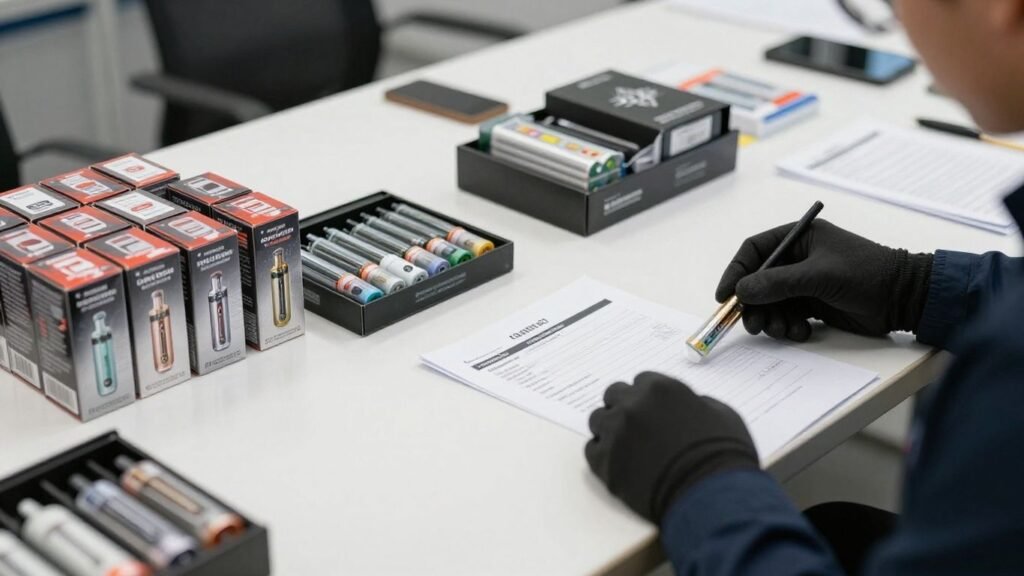
A vape shipment can be refused for a correctable issue—or because the chosen carrier or route will not accept that product configuration. Check the whole shipment before tendering it.
- Confirm the battery type, configuration, and condition for every device and spare battery.
- Protect devices against accidental activation, movement, and leakage.
- Match package contents, marks, labels, and shipping documents.
- Verify carrier, aircraft, transit, and destination requirements before booking.
- Get the specific rejection reason and confirm acceptance before reshipping.
How airlines classify vape products
Airlines and freight handlers assess vape products by their contents and transport conditions, not just by the word “vape” on an invoice. A shipment may include a battery-powered device, spare batteries, e-liquid, or several of these together, and each part can affect handling. The applicable rules depend on the product, route, and carrier.
Why vape devices are treated as dangerous goods
Many vape devices contain lithium batteries, which can present a fire risk if damaged, short-circuited, or mishandled. That is why airlines may require specific battery information, packaging, marks, labels, and documentation before accepting a shipment. The exact requirements are not identical for every device or route, so a product description alone is not enough to determine whether it can travel.
How batteries inside devices differ from spare batteries
A battery installed in a device and a spare battery shipped separately are not necessarily handled under the same conditions. The battery’s chemistry, watt-hour rating, configuration, and whether it is installed or packed alongside the device can all matter. For commercial cargo, do not assume that rules for a traveler carrying a vape apply to a freight booking; check the specific carrier and route requirements instead.
When e-liquid creates a separate shipping concern
E-liquid needs its own review because its ingredients, container size, packaging, and quantity can affect transport and import requirements. It is not automatically classified the same way as a battery, and the product’s safety information may be needed to assess how it should move. Keep liquid details consistent across product specifications, packing information, and any documents requested by the carrier.
Why airline and route rules can differ
A shipment may be acceptable on one route but refused on another because carriers, transit points, and destination authorities may apply different requirements. A connecting service can introduce an additional airline or handling point, so checking only the first flight is not enough. For a fuller review of battery, packaging, and acceptance checks, see this air-freight preparation guide.
Battery issues that lead to rejection
Battery details are among the first things a freight team may need to verify. A mismatch between the product, the battery paperwork, and the shipment description can stop acceptance even when the goods themselves are intact. Kunpeng Freight coordinates cargo inspection and can review shipment details early, so battery information can be checked against the actual cargo before booking.
Missing or unclear battery specifications
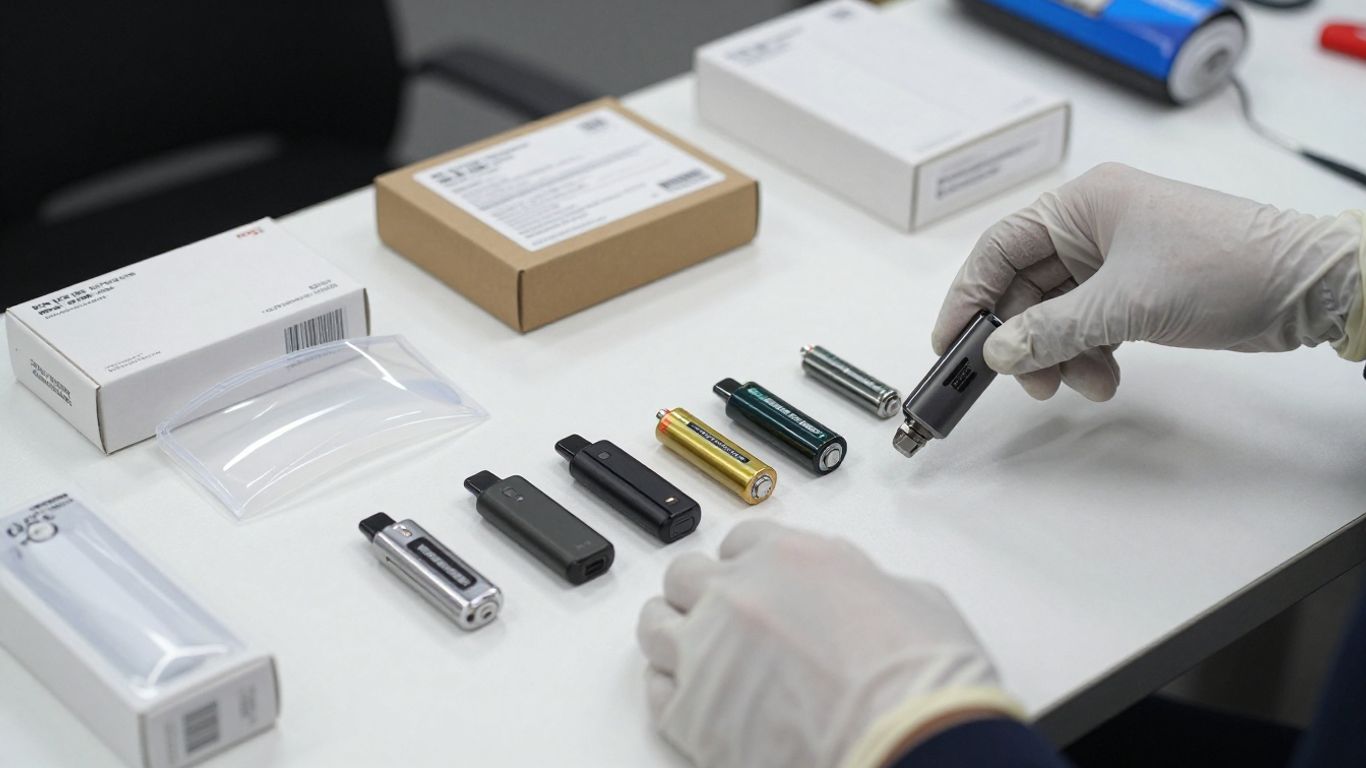
If the shipper cannot identify the battery type, capacity, watt-hour rating, or installation status, the carrier may not have enough information to assess the shipment. A vague description such as “electronic product” does not explain what battery is inside or how it is packed. Make sure the specifications refer to the exact model being shipped, rather than a similar product from the same supplier.
A simple comparison can reveal gaps before documents are submitted:
| Detail to verify | What to confirm | Common source of confusion |
|---|---|---|
| Battery chemistry | The type used in the product | Generic or missing battery description |
| Rating | Capacity or watt-hour information, as applicable | Figures copied from a different model |
| Configuration | Installed, packed with equipment, or shipped separately | Product description omits spare batteries |
| Test documentation | Records correspond to the battery and product | Report does not match the shipped model |
If any entry is uncertain, ask the supplier for model-specific information before tendering the cargo. UN 38.3 test documentation may be relevant to lithium batteries, but the carrier should confirm what it needs for the exact shipment.
Batteries that are damaged, defective, or recalled
A damaged, defective, or recalled battery can raise safety concerns that ordinary shipment paperwork cannot resolve. Do not assume that protective wrapping makes such a battery acceptable for air transport. If a battery is swollen, leaking, unusually warm, visibly damaged, or covered by a recall, stop and obtain direction from the supplier and carrier before arranging transport.
Unprotected terminals and loose spare batteries
Exposed battery terminals can contact conductive items and create a short-circuit risk. Spare batteries may need individual protection and packaging that prevents them from shifting or touching other batteries or metal objects. Ask the carrier which packing method and limits apply; do not rely on a general packing practice as proof of compliance.
Incorrect battery configuration or shipment limits
A shipment can be rejected when its battery arrangement does not fit the applicable limits or conditions. For example, installed batteries, batteries packed with equipment, and standalone spares may be assessed differently. Confirm the count and configuration for every package, then check whether the service and aircraft type can carry that arrangement.
Packaging problems that prevent acceptance
Packaging must protect the cargo during ordinary handling and meet any applicable air-transport conditions. A carton that looks sturdy on the outside can still fail if devices shift, batteries are left exposed, or liquid contaminates the outer packaging. Preparing vapes for international freight means checking product protection and the requirements of the route and carrier, not simply choosing a larger box.
Packaging that does not meet air-transport requirements
The required packaging depends on the product classification and applicable transport rules. Carriers may reject a package if its construction, closure, containment, or required marks and labels do not meet the conditions for that shipment. Confirm the requirements before packing is finalized, because relabeling or repacking after tender can cause delays.
Devices that can activate during handling
A device that can switch on if pressed, moved, or packed tightly may create a problem during transit. Prevent accidental activation in a way that is appropriate for the model, and ensure the device cannot operate because of pressure or movement inside the package. Where a device design makes this difficult, ask the carrier or a dangerous goods specialist how it should be prepared.
Weak cushioning or inadequate protection from movement
Devices and cartridges can be damaged if they move freely inside a carton or strike each other during handling. Use suitable internal protection to keep products stable, while ensuring packaging does not interfere with any required containment or inspection. A package should be checked as a complete unit: the inner arrangement, outer carton, closure, and shipment marks all need to work together.
Leaking e-liquid and contaminated outer packaging
A leaking bottle or pod can wet labels, weaken packaging, or contaminate other items in the shipment. Inspect containers and seals before packing, and use suitable containment to limit the effects of a leak. If liquid has reached the outer carton, do not simply cover it with a new label; reassess the package and replace contaminated materials as needed.
Documentation errors that delay or stop a shipment
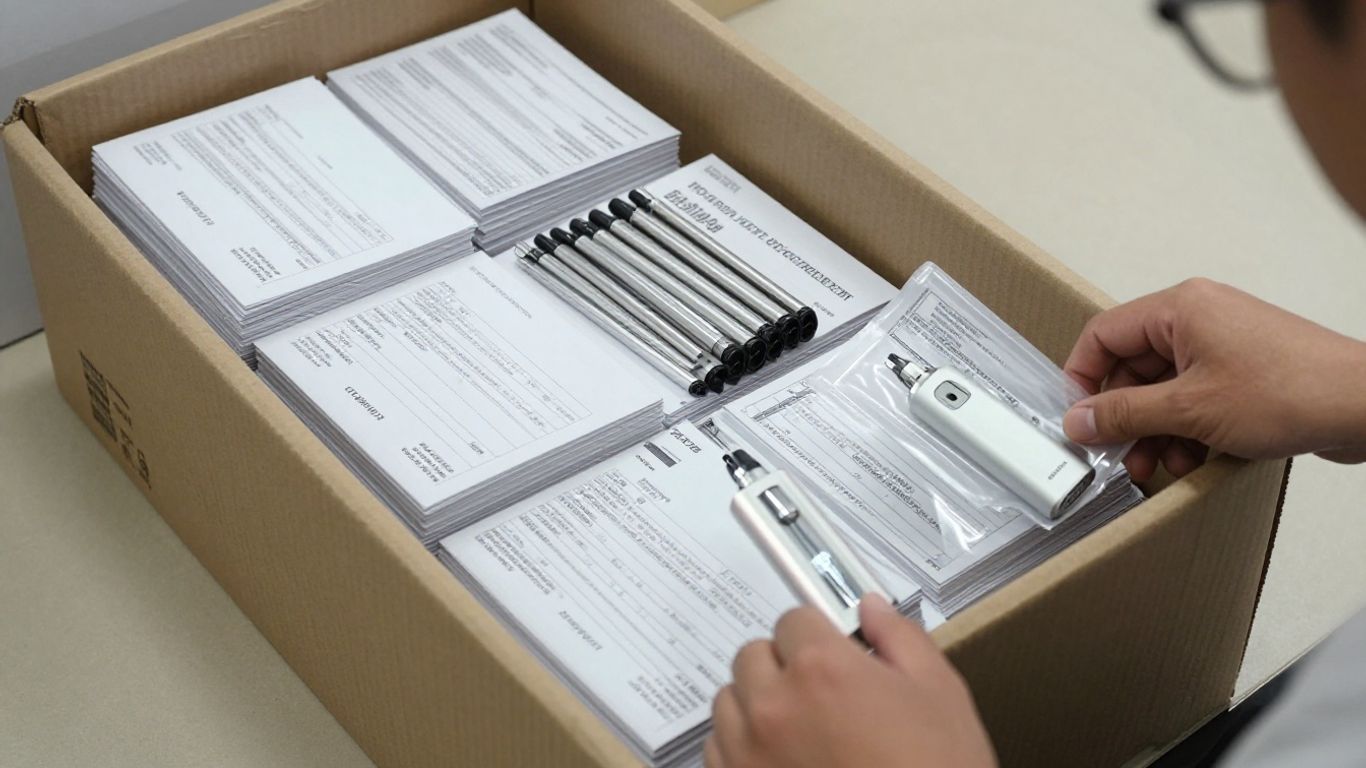
Paperwork gives the carrier and handling teams a way to assess what is in the package and how it is prepared. When a product description, battery record, declaration, or package label conflicts with another document, the shipment may be held for clarification or refused. The export documentation overview describes common records involved in preparing commercial vape shipments, but the required documents still depend on the exact cargo and route.
Incomplete or inconsistent dangerous goods declarations
A declaration that omits required information or conflicts with the package can prevent acceptance. Check that the shipper has used the correct description and classification for the actual goods, and that all requested fields are complete. If the carrier requires a dangerous goods declaration, it should be prepared by someone qualified to provide accurate shipment information.
Incorrect battery descriptions and UN identification numbers
Battery descriptions and UN identification numbers must not be guessed from a product category or copied from an unrelated shipment. The correct identification depends on what is being shipped and how the battery is presented. Verify the classification against current requirements and have the carrier confirm that the description and number match the planned configuration.
Why a safety data sheet may not be enough
A safety data sheet can provide useful information about a product, but it may not establish every transport detail the carrier needs. Battery test records, product specifications, package information, or a transport declaration may also be requested. Ask what documents are required for this product on this route, rather than assuming one document will cover every review.
Mismatched paperwork, labels, and package contents
Small inconsistencies can prompt a larger review. A model number that differs between a packing list and product specification, or a declared quantity that does not match the cartons, can make it difficult to verify the shipment. Before tendering, compare the physical cargo with the invoice, packing list, battery documents, declarations, and package marks. Kunpeng Freight provides customs documentation support and can help review shipment records against the cargo details provided.
Carrier and route restrictions to check before tendering
Regulatory compliance does not guarantee that a particular airline will accept a shipment. The carrier may have its own restrictions, and transit or destination requirements can add another layer of review. Treat acceptance as a route-specific check that should happen before cargo is handed over, rather than after it reaches the airport.
Airline policies that are stricter than baseline regulations
An airline can apply conditions that are more restrictive than the baseline rules that would otherwise permit a shipment. It may limit particular products, battery configurations, or services, or require documents before booking. Ask the carrier to confirm acceptance for the exact goods and package details, and keep a record of its instructions.
Passenger-aircraft and cargo-aircraft limitations
A service carried on a passenger aircraft may have different limits from one carried on a cargo aircraft. The booking team needs to know which service is being considered and whether the shipment’s classification and configuration are permitted on it. Do not infer cargo acceptance from passenger travel rules, or assume that a change of aircraft resolves a documentation or packaging problem.
Transit, destination, and customs requirements
Transit countries, destination authorities, and customs procedures can affect whether the shipment proceeds even after an airline accepts it for carriage. Import eligibility is separate from air-transport acceptance, so confirm both before dispatch. For shipments from China, Kunpeng Freight coordinates route and mode options, while requirements and final acceptance depend on the product, destination, and carriers involved.
Why a vape shipment rejected by airline may not be rejected by every carrier
A vape shipment rejected by airline staff may still be eligible for another service, but that is not guaranteed. The refusal could reflect a correctable paperwork error, a route-specific restriction, or a limit that applies to the product itself. Recheck the reason and the entire route before approaching another carrier; changing the booking without resolving the underlying issue can lead to another rejection.
What to do after an airline rejects a vape shipment
A rejection is a signal to pause and find out what the carrier actually assessed. Ask for the reason in writing if possible, then compare it with the product details, packaging, and submitted documents. Avoid resubmitting the same shipment until the issue is understood and the next carrier has confirmed its requirements.
Ask for the specific rejection reason and applicable rule
Ask whether the problem concerns battery specifications, package condition, labels, declarations, route restrictions, or destination eligibility. Request the applicable rule or carrier requirement and clarify whether the decision applies to one package, the product configuration, or the whole route. A precise reason helps distinguish a fixable submission error from a restriction that will remain in place.
Correct the battery, packaging, or paperwork issue
Once the cause is clear, make corrections that address that specific issue. Depending on the rejection, the practical next steps may include:
- Obtaining specifications for the exact battery and device model.
- Repacking the goods to protect batteries, devices, or liquid containers.
- Revising documents so descriptions and quantities match the cargo.
- Removing or separating items the carrier will not accept on that service.
After making a change, check that the physical package and its documents now agree. If the correction changes the shipment configuration, ask whether the carrier needs to reassess it.
Confirm acceptance with the carrier before reshipping
Send the updated product details, package information, and documents to the intended carrier before arranging a new handover. Ask for confirmation covering the full route, including any transit points, and retain the response with the shipment file. Kunpeng Freight can coordinate supplier pickup, document review, and carrier booking as part of its China-to-destination freight service; actual acceptance remains subject to the carrier’s review.
When to use a dangerous goods specialist or a different transport mode
Consider a dangerous goods specialist when the classification is unclear, the package has been refused more than once, or the shipment needs a formal review. If air transport is unavailable, ask whether another mode is suitable for the product, route, timing, and import rules. A different mode is not automatically permissible; confirm the requirements and responsibilities before changing plans.
Conclusion
A vape shipment is less likely to encounter avoidable delays when its batteries, liquids, packaging, documents, and route are reviewed together before tendering. If an airline refuses the cargo, use the stated reason to identify what needs to change, then confirm acceptance with the carrier before shipping again.
Frequently Asked Questions
Why would an airline reject a vape shipment?
Common reasons include unclear battery specifications, a restricted battery configuration, inadequate packaging, missing or inconsistent documents, or a route that does not accept the goods. The carrier’s specific refusal reason is the best starting point for resolving it.
Can vape devices be shipped by air?
It depends on the product, battery configuration, packaging, documentation, carrier, and route. Confirm that the intended service accepts the exact shipment before handing it over.
Are e-liquids treated the same as vape batteries?
No. E-liquid and batteries raise different transport questions. The liquid’s ingredients, volume, packaging, and destination requirements may need separate review from the device’s battery information.
What battery information should a shipper provide?
Provide details for the exact battery and device, including the battery type, rating, and whether it is installed, packed with equipment, or shipped separately. The carrier may also request supporting test records or other documents.
Is a safety data sheet enough to ship a vape product?
Not necessarily. A carrier may also require battery test documentation, product specifications, packaging details, or a transport declaration, depending on the shipment and route. Ask for the complete document list before booking.
Does rejection by one airline mean no airline will accept the shipment?
Not always. Another carrier or route may have different acceptance conditions, but the product may also be restricted more broadly. Identify the reason for refusal and verify the complete alternative route before reshipping.
What should I do first after a shipment is refused?
Ask the airline or freight handler for the precise reason and relevant requirement. Then correct the identified issue and obtain confirmation from the intended carrier before tendering the cargo again.