Key Takeaways
Anping sourcing works best when product specifications, supplier checks, quality controls, and freight planning are treated as one connected process.
- Define mesh type, dimensions, material, coating, and fabrication details before requesting quotations.
- Match the factory’s equipment and experience to the product category, not merely to its catalog.
- Approve samples and measurable specifications before production begins.
- Compare landed cost, packaging, inspection, documentation, and delivery risks alongside the unit price.
- Plan pickup, consolidation, export paperwork, and final delivery before the cargo is ready.
1. Understand Anping’s wire mesh manufacturing ecosystem
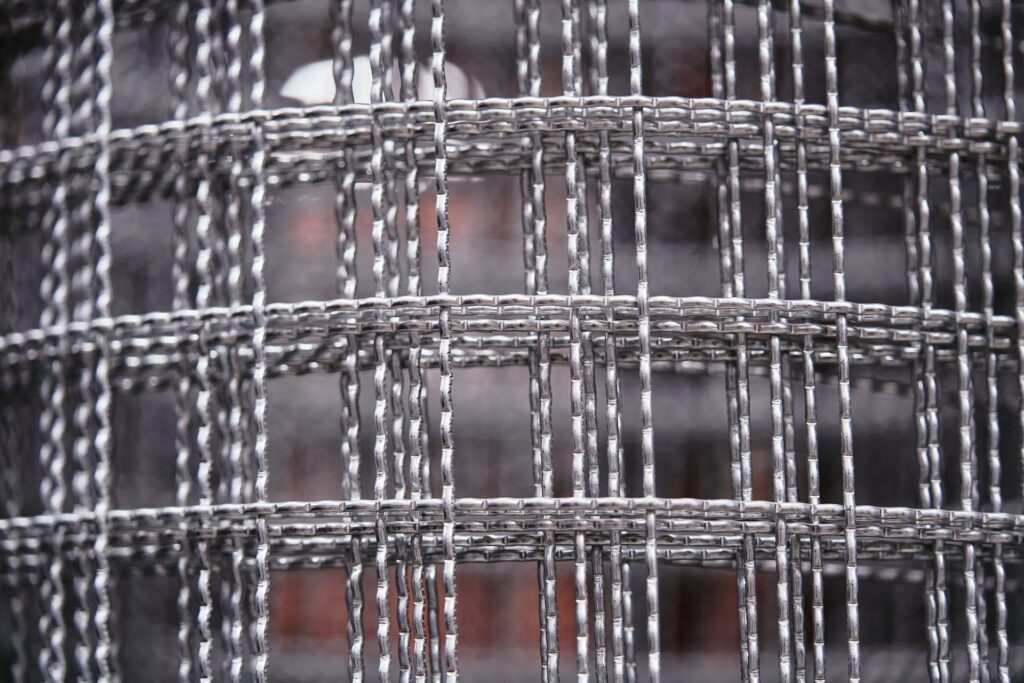
Anping is widely recognized as a concentrated wire mesh production center, with manufacturers, processors, traders, and related service providers working close together. That concentration can make supplier comparison easier, but it can also make similar quotations difficult to interpret. A useful starting point is this overview of Anping’s wire mesh industry, which places the local manufacturing network in context. Your aim is not simply to find an Anping wire mesh factory, but to find one suited to the exact product and export workflow.
Why Anping is a major wire mesh sourcing hub
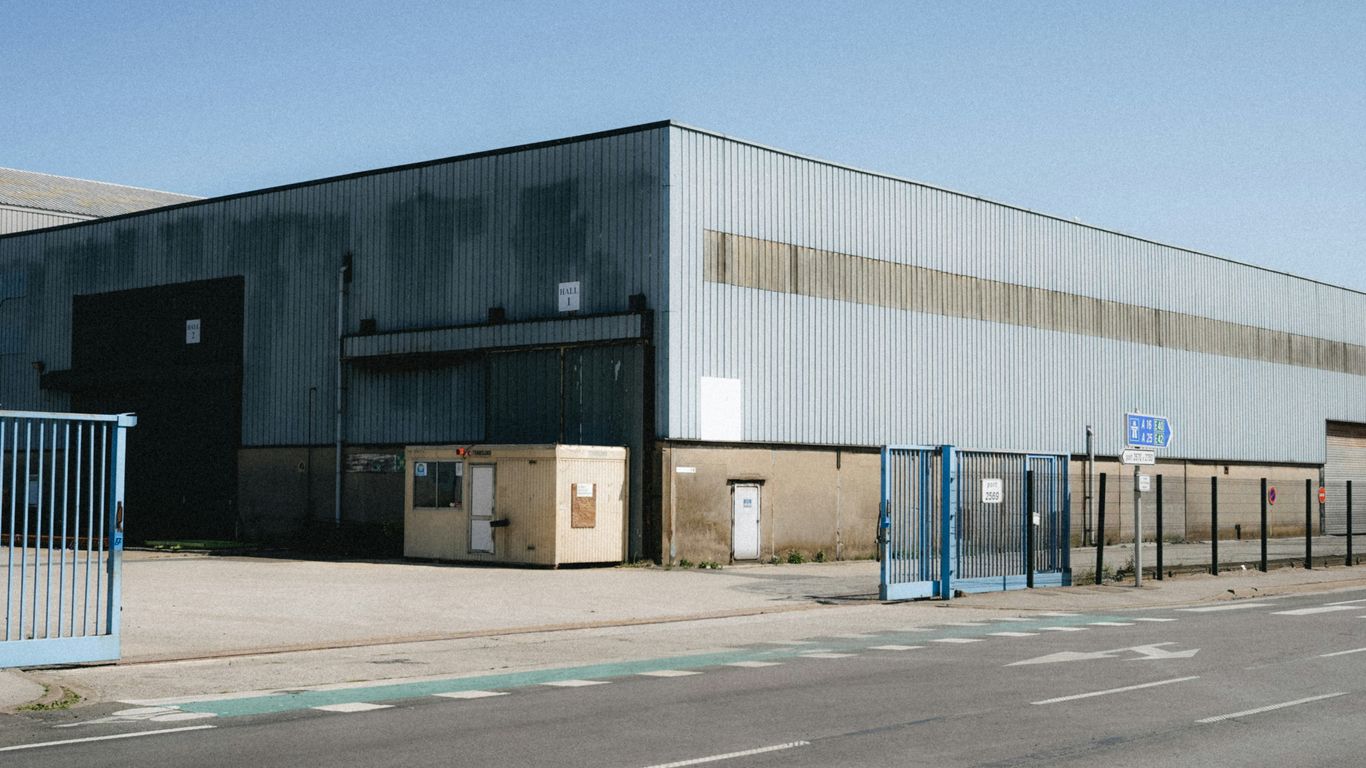
The local ecosystem covers basic wire, woven and welded mesh, fencing products, screens, baskets, and fabricated components. Buyers can often compare several production approaches without changing regions, while nearby workshops may handle cutting, bending, welding, coating, or packing. This density is useful for projects that combine standard mesh with made-to-order parts.
It also means that the name of a product may not tell you who actually makes it. Ask whether the quoted supplier owns the relevant equipment, subcontracts part of the work, or purchases finished mesh for resale. The answer affects traceability, lead-time control, and how technical changes will be handled.
How factory capabilities differ by product category
A plant that makes standard welded panels may not have the looms, perforating equipment, sintering capacity, or fabrication tools needed for filtration products. Likewise, a supplier experienced with rolls may not be set up to produce accurately framed panels or complete fence systems. Review the actual process route rather than relying on a broad product list.
For a useful comparison, request a short capability statement covering raw wire sizes, mesh openings, maximum widths, cutting accuracy, welding, forming, surface treatment, and packing. A supplier with a narrower but well-documented specialty may be a better fit than a general catalog seller.
When to work with a factory, trading company, or sourcing agent
Direct factory purchasing can provide clearer technical communication and a closer view of production, especially for repeat orders. A trading company may be practical when one order combines several product categories or when the buyer needs a single commercial contact. A sourcing agent can help with supplier identification, sample development, negotiation, quality monitoring, and logistics coordination; this China sourcing support is most useful when the buyer lacks local staff.
Clarify who approves drawings, who bears responsibility for defects, and who controls the final packing list. Those responsibilities should appear in writing rather than being left to an informal understanding.
What export experience means for overseas buyers
Export experience is more than a list of destination countries. It includes accurate commercial invoices, packing lists, country-of-origin information, appropriate packaging, product labeling, and an understanding of the buyer’s Incoterms and destination requirements. Ask for examples of export documents with sensitive commercial information removed, along with the supplier’s normal production and dispatch timeline.
For the shipping side, wire mesh import planning is a useful reference because it connects product specifications and packing choices with FCL, LCL, consolidation, and total landed cost decisions. Early coordination reduces the chance that finished cargo will sit while dimensions or documents are being corrected.
2. Choose the right mesh for fencing applications
Fencing selection begins with the use case, not with a preferred pattern. Security, animal containment, boundary marking, erosion control, visibility, installation speed, and appearance all lead to different specifications. Confirm the site conditions and the complete fence arrangement before comparing prices. A fencing order is rarely just mesh; posts, gates, clips, and packing can materially change the delivered cost.

Comparing welded, woven, expanded, and chain link mesh
Welded mesh has fixed intersections and generally holds a regular panel geometry, making it suitable where dimensional stability and straightforward installation matter. Woven mesh can offer flexibility and is available in many patterns and openings. Expanded mesh is formed from sheet rather than individual wires, while chain link is produced by interlocking wire into a flexible diamond pattern.
Compare opening shape, rigidity, roll or panel format, edge condition, and installation method. A chain-link roll and a welded panel may both be described as fencing, but they create different requirements for tensioning, posts, transport, and labor.
Matching wire diameter, opening size, and panel dimensions to the project
Wire diameter influences stiffness, handling weight, and resistance to deformation. Opening size affects containment, visibility, airflow, and the passage of objects. Panel length, height, and allowable variation should be stated together, since a nominal mesh size without dimensional tolerances leaves room for disagreement.
Send a drawing or marked-up photograph when possible. Include the number of panels, corner conditions, gates, slopes, fixing points, and any required bends. This gives the factory enough information to quote fabrication rather than an incomplete material description.
Selecting materials and coatings for outdoor durability
Choose the base material and finish according to exposure, expected service life, and maintenance conditions. Common decisions include galvanized wire, galvanized-after-welding or before-welding treatments, PVC-coated wire, stainless steel, and painted or powder-coated components. The right choice depends on moisture, salt, chemicals, abrasion, and contact with dissimilar metals.
Ask how coating thickness or mass will be verified, where cut edges are treated, and whether posts and fittings receive a compatible finish. A durable mesh paired with unprotected hardware can still create a weak point in the installed system.
Evaluating posts, frames, gates, and other system components
A quotation should identify every component needed for installation: posts, rails, frames, hinges, locks, tension wire, clamps, anchors, and gate hardware. Confirm section dimensions, hole locations, weld quality, and whether accessories are packed with the panels or separately. This is especially important when the fence will be installed by a contractor working from a fixed bill of materials.
Ask for a component schedule and a packing plan before production. It is easier to correct a missing bracket on a drawing than after a container has reached the destination.
3. Specify filtration and industrial mesh requirements
Filtration mesh is governed by performance requirements that may be invisible in a product photograph. Define what must be retained, the process fluid or gas, operating temperature and pressure, cleaning method, and expected service life. The supplier should understand the application well enough to identify whether a standard mesh is appropriate or whether a fabricated assembly is required.

Defining mesh count, aperture, and filtration accuracy
Mesh count describes the number of openings over a stated length, but it does not by itself establish the clear aperture. Wire diameter, weave style, and measurement method also matter. State the target aperture, permitted variation, filtration rating where applicable, and whether the requirement concerns nominal or absolute retention.
Request a technical drawing or datasheet showing wire diameter, weave, open area, roll width, and inspection method. Samples should be measured using an agreed method, particularly when the mesh will be installed in a screen pack or pressure-sensitive process.
Choosing woven wire, perforated, sintered, or wedge wire solutions
Woven wire is often selected for fine openings and flexible formats. Perforated sheet provides a plate-like structure with defined holes, while sintered constructions can combine layers for a more stable filter medium. Wedge wire uses shaped support wires and profile wires to create continuous slots. Each option has different cleaning, strength, flow, and fabrication characteristics.
Do not substitute one format for another simply because the opening dimension appears similar. Ask the supplier to explain the construction, support method, maximum panel or cylinder size, and intended operating conditions.
Reviewing material compatibility with heat, pressure, and chemicals
Material selection should reflect the actual process, including temperature cycles, pressure differential, pH, solvents, salt exposure, and cleaning chemicals. Stainless steel grades, nickel alloys, and other metals have different behavior in service. Compatibility should be reviewed by the buyer’s process or materials engineer when the application is safety-critical.
Provide the factory with a process description rather than only the phrase “industrial filter.” Include contact media, operating range, cleaning frequency, and whether the part is exposed to vibration or thermal shock. These details can change the recommended wire and support structure.
Confirming tolerances, edge treatments, and fabrication requirements
Industrial mesh may need welded frames, rolled cylinders, discs, baskets, gaskets, reinforced edges, or custom mounting holes. Specify flatness, squareness, seam position, weld appearance, edge protection, and dimensional tolerances. Also state whether burrs, loose wires, sharp corners, or exposed weld spatter are unacceptable.
A signed drawing should control production, with revision numbers shown on the purchase order and packing documents. That simple discipline prevents an approved sample from being replaced by an untracked variation.
4. Evaluate an Anping wire mesh factory before ordering
Supplier evaluation should connect what a company says with what it can demonstrate. A factory visit is useful, but photographs, live video, samples, records, and clear technical replies can also reveal much about operational maturity. The goal is to establish whether the supplier can repeat the required result at the required volume.

Reviewing production equipment and in-house processing
Ask to see the equipment used for the quoted product, not only general workshop images. Confirm whether wire drawing, weaving, welding, cutting, bending, coating, and final assembly are performed in-house or assigned to partners. Subcontracting is not automatically a problem, but it should be disclosed and managed.
Record equipment limits such as maximum width, wire range, panel length, and forming capacity. These limits help explain why two factories may quote different prices or propose different construction methods.
Checking samples, technical drawings, and production records
A sample is useful only when it is tied to a specification. Mark it with the supplier, date, material, mesh details, and any approved finish, then compare later production against that reference. Request drawings with dimensions and revision control instead of relying on a verbal description.
Production records can include raw-material receiving notes, in-process checks, coating measurements, and final inspection reports. Even a simple record system indicates that quality is being managed as a process rather than judged only at dispatch.
Assessing quality control from raw wire to finished goods
Quality control begins with incoming wire and continues through forming, joining, surface treatment, cutting, fabrication, and packing. Ask what is checked at each stage, how nonconforming material is segregated, and who authorizes rework. For repeat orders, agree on sampling levels and defect classifications before production starts.
Use the same specification for the factory, inspector, and receiving team. Measurable acceptance criteria are more useful than general language such as “high quality,” particularly when a defect is discovered after delivery.
Identifying communication, engineering, and after-sales capabilities
Technical communication affects the outcome as much as equipment. Test whether the supplier can answer questions about tolerances, material substitutions, packaging, and drawing revisions without repeatedly changing the contact person. Establish who will respond to a defect claim and what evidence will be needed.
For complex orders, a local partner can coordinate supplier communication, inspection, pickup, consolidation, and export handling. Arrange a cargo review only after the product, quantity, and ready date are sufficiently clear for the review to be meaningful.
5. Verify quality, compliance, and documentation
Quality documentation should be prepared before production, not requested as an afterthought. The purchase order, approved sample, drawing, inspection plan, and packing instructions should describe the same goods. Destination-market rules may also affect labeling, material declarations, treatment records, or customs classification.
Setting measurable specifications in the purchase order
State product type, material grade, wire diameter, aperture, mesh count where relevant, dimensions, quantity, coating, fabrication, tolerances, and packing format. Include drawing numbers and a process for approving deviations. If a substitute material or finish is proposed, require written approval before use.
The purchase order should also identify inspection rights, shortage handling, damage reporting, and the documents to be supplied. Clear terms make later conversations faster and less personal.
Using sample approval and pre-shipment inspection procedures
Approve a representative sample before bulk production, then inspect finished goods before loading. Inspection can cover dimensions, appearance, count, welds, coating, labels, packaging, and the quantity actually ready for dispatch. For custom products, photographs with measuring references can supplement a physical inspection but should not replace agreed testing where performance is critical.
Set a decision point for corrections before the cargo is packed. If inspection occurs only after loading, practical remedies become more limited and may affect the shipping schedule.
Requesting material certificates, test reports, and coating records
Ask for certificates that identify the material and relate clearly to the ordered batch. Depending on the product, relevant records may include chemical composition, mechanical properties, aperture measurements, filtration tests, coating results, or weld and fabrication checks. Confirm whether reports are supplier declarations, third-party tests, or original mill documents.
Keep certificates with the commercial invoice, packing list, drawings, and inspection report. A structured documentation archive supports customs questions, technical review, and future reorders.
Confirming packaging, labeling, and destination-market requirements
Labels should identify the product, quantity, dimensions, gross and net weight, origin, handling marks, and any buyer-specific references. Packaging must protect sharp edges, coated surfaces, rolls, panels, and fabricated parts from movement and moisture. Check whether wooden pallets or crates require treatment marks for the destination.
Give the factory the destination country and delivery conditions early. Customs procedures, carrier requirements, and warehouse rules can influence how the cargo should be packed and described.
6. Build a realistic purchasing and cost plan
The quoted unit price is only one part of the buying decision. Mesh weight, fabrication, packing volume, inspection, inland transport, export charges, freight, insurance, duties, taxes, and destination delivery can all affect the final figure. Compare quotations on the same specification and trade term so that apparent savings are not simply missing cost items.
Comparing quotations beyond the unit price
Request an itemized quote showing product price, tooling, fabrication, packing, inspection, pickup, and any charges included or excluded under the proposed Incoterm. Confirm currency, validity period, minimum order quantity, production lead time, and payment schedule. Ask the supplier to identify assumptions about material or coating.
A practical comparison table can keep the evaluation grounded:
| Cost or condition | Factory quotation | Buyer should verify | Why it matters |
|---|---|---|---|
| Mesh and fabrication | Per unit or weight | Exact specification | Prevents unlike-for-like comparison |
| Export packaging | Included or separate | Carton, pallet, or crate details | Changes volume and damage risk |
| Inland movement | Included or separate | Pickup point and ready date | Affects factory-to-port planning |
| Inspection and documents | Included or separate | Reports and certificate scope | Protects approval and compliance |
After the table, recalculate the offer using the expected quantity and packing data. A higher unit price may produce a more predictable landed cost if it includes the required fabrication and documentation.
Calculating tooling, fabrication, packaging, and inspection costs
Custom rolls, panels, discs, baskets, and frames may require dies, molds, jigs, special cutting, or setup time. Ask whether tooling is a one-time charge, whether it remains with the supplier, and whether future orders use the same setup. Include sample freight, inspection travel or service fees, export packing, and possible rework in the project budget.
Use actual dimensions and weights whenever available. Estimates based only on product quantity can understate both container space and handling requirements.
Choosing between trial orders, stock products, and custom production
A trial order can test material, dimensions, finish, packaging, and communication before a larger commitment. Stock products may shorten production time but may offer fewer choices in wire size, coating, and panel dimensions. Custom production can fit the application more closely, though it requires stronger drawings and approval controls.
Before selecting the route, decide which variables are essential and which can remain standard. The following sequence is often practical:
- Approve the application specification and drawing.
- Order a representative sample or small trial quantity.
- Inspect the goods and packing against the agreed criteria.
- Release the repeat order only after unresolved deviations are closed.
This approach limits the cost of discovering a mismatch after a full production run. It also gives the freight plan a more reliable basis.
Protecting lead times with milestones and payment terms
Break the order into milestones: quotation approval, drawing approval, raw-material purchase, sample completion, bulk production, inspection, packing, and dispatch. Tie payment stages to clearly defined evidence where commercially appropriate, while recognizing that factory terms vary.
Add time for corrections, public holidays, booking availability, customs review, and destination delivery. A schedule that contains no contingency is not a realistic schedule; it is only a target date.
7. Plan industrial cargo logistics from factory to destination
Wire mesh is deceptively variable cargo. Rolls may be dense but difficult to stack, panels can consume space quickly, and fabricated parts may need protection against bending or abrasion. Freight planning should begin when the quotation is prepared, using packed dimensions and weights rather than theoretical product data.
Selecting cartons, pallets, crates, or seaworthy export packaging
Choose packaging according to product shape, surface finish, handling points, moisture exposure, and route. Rolls may need end protection and secure banding; panels may need pallets, separators, or frames; finished baskets and screens may require cartons or crates that prevent deformation. Export packaging should also allow safe forklift handling.
State whether packaging must be suitable for sea transport, long storage, repeated handling, or a damp destination. Photograph the packed cargo before collection and keep the packing list aligned with those photographs.
Estimating container utilization for rolls, panels, and fabricated parts
Ask for the number of packages, each package’s length, width, height, gross weight, and stackability. These details allow a forwarder to compare full-container loading with less-than-container-load consolidation. Weight limits, door dimensions, void space, and the need for bracing can matter as much as total cubic volume.
A loading plan is especially useful when several suppliers are involved. It shows whether goods can be consolidated safely and whether one awkwardly sized component determines the container choice.
Coordinating inland transport, booking, and export documentation
Confirm the supplier address, cargo-ready date, pickup hours, contact person, package count, and any loading restrictions. The forwarder can then arrange supplier pickup, verify cargo details, and coordinate the movement to the export gateway. Booking should follow confirmation of packed measurements and the intended shipping method, since carrier schedules and space can change.
Kunpeng Freight is described as coordinating supplier pickup, cargo inspection and consolidation, export handling, and air, sea, rail, road, and express shipping. That scope fits a shipment where the buyer wants one operational contact to connect factory handover with international transport. Its China freight forwarding guides also provide a broader reference for supplier pickup, paperwork, and delivery coordination.
Managing customs, cargo damage risks, and final delivery checks
Prepare the commercial invoice, packing list, transport documents, origin details, HS-code information, and any product-specific declarations before departure. Customs authorities or carriers may request clarification, and descriptions should match the physical cargo. Restricted or treated packing materials deserve additional review; a general restricted cargo reference can help identify documentation and packaging questions early.
At destination, inspect package counts, visible damage, labels, and moisture exposure before signing an unqualified receipt. If damage is found, record it immediately with photographs and delivery remarks, then notify the responsible parties according to the agreed procedure. Kunpeng Freight can provide import paperwork assistance, customs documentation support, and final delivery coordination as part of its stated logistics services.
CTA: Plan Your Shipment
Share the supplier location, product details, packed dimensions, destination, and ready date with Kunpeng Freight to discuss pickup, consolidation, freight options, and documentation support.
Conclusion
A successful Anping mesh purchase depends on joining technical specification with supplier verification and practical cargo planning. When drawings, inspection criteria, packed measurements, documents, and delivery responsibilities are agreed early, you can compare factories more fairly and make freight decisions with fewer assumptions.
Frequently Asked Questions
What should I send when requesting an Anping mesh quotation?
Send the mesh type, material, wire diameter, opening, dimensions, quantity, finish, fabrication details, packaging needs, destination, and target ready date. Drawings and application photographs are helpful for custom work.
How can I tell whether a supplier is a factory or a trader?
Ask which processes are performed in-house, request equipment and workshop evidence, and clarify who controls subcontracted operations. Also check whether the commercial entity on the quotation matches the entity issuing production and export documents.
Is welded mesh better than woven mesh for fencing?
Neither is universally better. Welded mesh generally offers fixed geometry and rigidity, while woven mesh can provide flexibility and different installation characteristics. Select according to security, containment, terrain, handling, and budget requirements.
What information defines filtration mesh accurately?
Define clear aperture, wire diameter, weave or construction, material, open area where relevant, tolerances, dimensions, operating conditions, and the inspection method. Mesh count alone is usually insufficient for a performance-sensitive filter.
Should I order a sample before bulk production?
A sample or trial order is prudent when the product is custom, technically demanding, or difficult to replace after shipment. Use an approved sample together with a drawing and written acceptance criteria.
How is wire mesh usually packed for export?
Rolls, panels, and fabricated parts use different packing approaches. Common choices include cartons, pallets, separators, crates, banding, and moisture protection, selected according to shape, weight, surface finish, handling, and route.
What documents are commonly needed for importing wire mesh?
Typical documents include a commercial invoice, packing list, transport document, origin information, and customs classification details. Additional material, coating, treatment, or compliance records may be needed according to the product and destination.