Key Takeaways
An SDS can help a carrier assess a vape shipment, but it is only one part of the shipping review. The exact documents depend on the product, route, carrier, and destination.
- An SDS may be requested for screening or to support transport decisions, but requirements vary.
- Battery configuration and e-liquid ingredients can affect how a product is classified.
- The SDS should describe the actual product and match the shipment details.
- If the supplier cannot provide a suitable SDS, request product-specific information rather than altering a generic file.
- Other records, such as a UN 38.3 test summary or dangerous goods declaration, may also be needed.
When an SDS/MSDS is required for vape shipments
There is no single rule that makes an SDS mandatory for every vape shipment. A carrier, freight forwarder, or authority may ask for one to understand what the goods contain and how they should be handled. The MSDS for vape shipping is best treated as supporting safety information, not a universal shipping permit.
How carriers use an SDS to screen products and assess transport risks
A carrier may use an SDS to review a product’s ingredients, hazards, and stated transport information before deciding whether it can accept the cargo and under what conditions. The document can help identify questions that need clarification, but the carrier may also request specifications, photographs, or other records. Its value depends on whether it accurately describes the finished goods being offered for transport.
Why requirements can differ by carrier, route, and shipping method
Carriers set acceptance procedures within the applicable transport rules, and those procedures can vary by service and route. Air, ocean, rail, and courier shipments may involve different documentation reviews and handling limits. Before booking, check the requirements for the actual route and service rather than assuming that a document accepted on one shipment will work for another. A general guide to shipping vapes from China can help frame those route and documentation checks.
When customs or other authorities may request supporting safety information
Customs authorities or other agencies may ask for product details or safety information to clarify the goods, verify declarations, or assess import eligibility. Their requests can depend on the destination and the product category, and an SDS does not replace destination-specific permits or compliance records. Keep the information available and make sure it refers to the product in the shipment.
Why an SDS alone does not authorize a shipment
An SDS is not a booking approval, an import license, or proof that a particular vape may legally enter a destination market. The carrier still needs to assess classification, packaging, labels, quantity, and other applicable transport conditions. Kunpeng Freight can coordinate document review as part of shipment planning, but carrier acceptance and destination requirements must still be confirmed for the actual cargo.
What determines whether a vape product is regulated as dangerous goods
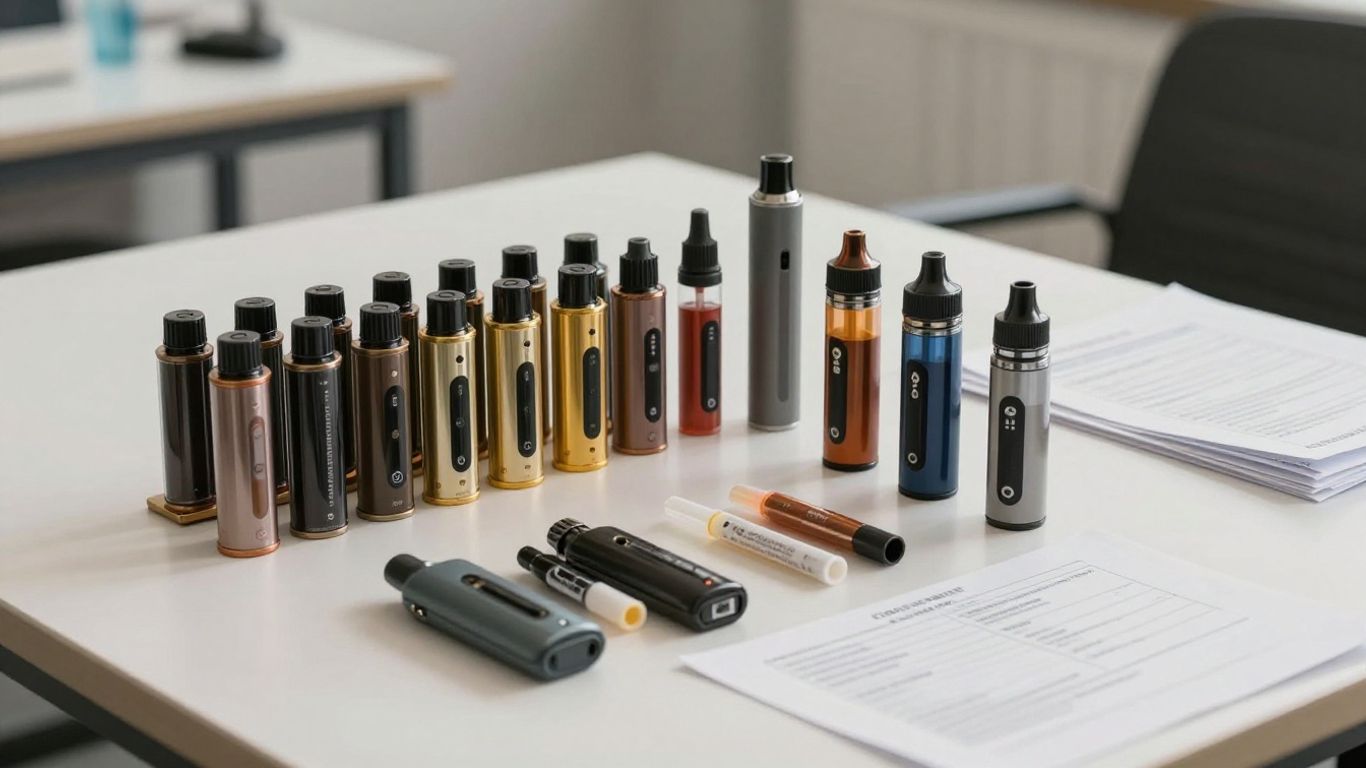
A vape is not a single, uniform shipping item: a disposable may combine a battery and liquid, while a device, pod, or bottle of e-liquid can have a different configuration. Classification depends on the physical goods and applicable transport rules, not merely on the product name printed on a carton. Get the battery and liquid details before requesting a booking assessment.
Lithium-ion batteries in disposable and rechargeable devices
Lithium-ion batteries can trigger dangerous-goods requirements, but the relevant details include whether a battery is installed in a device or packed separately, as well as its type and specifications. A battery document for a different cell or model may not support the shipment in question. If the product contains a battery, obtain the exact model information and any available test summary from the manufacturer.
E-liquid ingredients, including nicotine and alcohol
The liquid formulation matters too. Nicotine content and other ingredients, including alcohol where present, can affect hazard assessment and transport documentation. A product-specific SDS or reliable formulation information helps a reviewer understand what is inside; do not infer a classification from the flavor name or retail description alone.
Product configuration, battery capacity, and packaging
The finished configuration can change which questions a carrier asks. To prepare for a review, gather the details that distinguish one SKU from another:
- Whether the battery is built in, removable, or absent.
- The battery model and capacity, where applicable.
- The liquid type and available ingredient or concentration information.
- The number of units per package and the outer-carton configuration.
These details give the forwarder or carrier a clearer basis for comparing the paperwork with the physical cargo. A generic description such as “electronic accessories” is unlikely to resolve questions about what is actually packed.
How air, ocean, and courier shipments can have different rules
The transport mode affects the review process, and an express courier may have acceptance policies that differ from an airline or ocean carrier. That does not mean one mode is automatically available or suitable: the product, route, destination, packaging, and carrier all matter. For air shipments, review the battery documentation and booking steps early using an air-freight guide for vape cargo; for a broader comparison, see shipping vapes by different routes.
What information the SDS should include
A useful SDS should make it possible to identify the product and understand its relevant hazards without guessing. It should be current and tied to the formulation or component being shipped, not simply to a similar product from the same supplier. When documents cover separate components, such as a device battery and e-liquid, confirm which item each file describes.
Product identity and details that match the shipment
Check that the product name, model or SKU, supplier, and description correspond to the goods in the order. If several versions look alike but use different batteries or liquid formulations, the paperwork should distinguish them. Guidance on matching vape documents to cargo is useful when you are comparing product lists, supporting files, and carton details.
Hazard classification and transport information
The SDS should provide relevant hazard classification and transport information where applicable. A reviewer may use those sections as part of the assessment, but the document alone does not decide carrier acceptance or satisfy every declaration requirement. Check that the stated information is consistent with the product and the transport method under consideration.
A quick comparison can help identify gaps before documents are submitted:
| Document detail | What to compare | Why it matters |
|---|---|---|
| Product identity | Name, model, and SKU | Links the SDS to the goods offered for shipment |
| Hazard information | Classification and handling details | Supports transport review and follow-up questions |
| Transport information | Relevant transport statements | Helps identify whether more documentation is needed |
| Document control | Supplier and revision date | Helps confirm source and currency |
Use this as a review aid, not a substitute for a carrier’s instructions or a qualified classification assessment. If a detail is missing or inconsistent, ask the supplier to correct or supplement the file before booking.
Battery and e-liquid details relevant to the product
An SDS for the liquid does not necessarily describe a device’s battery, and a battery SDS does not establish the ingredients in a vape liquid. Check which component each document covers and request separate product-specific details when needed. Battery test summaries and technical specifications may be relevant supporting records, but they serve a different purpose from an SDS.
Supplier, revision date, and language considerations
The document should identify its supplier or responsible manufacturer and include a revision date so a reviewer can judge whether it is current. Confirm that the language is acceptable to the carrier and authorities involved; if a translation is needed, make sure it preserves the technical meaning. Keep files organized and share them through a suitable channel, with care when handling confidential supplier information; privacy guidance for medical record uploads and personal data practices concerns different settings, not dangerous-goods approval.
What to do if the supplier cannot provide an SDS
A missing SDS is a reason to pause and establish what information is available, not to fill in technical details by assumption. Ask the factory or the actual product manufacturer to identify the components and provide the records they have. Then confirm with the intended carrier or a qualified specialist whether the remaining information is enough to assess the shipment.
Ask the manufacturer for a product-specific document
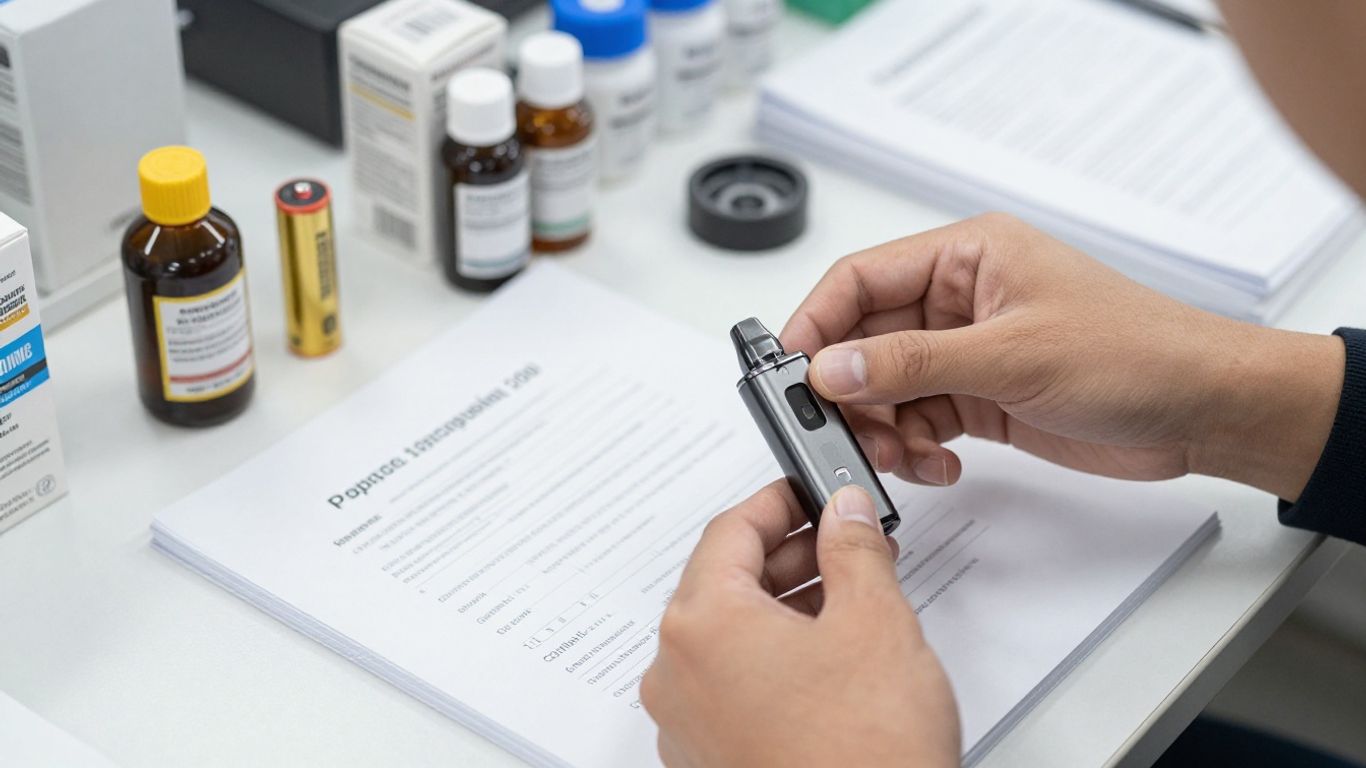
Request an SDS that matches the model, formulation, and component being shipped. If the supplier only offers a document for a similar item, ask what differs and whether the manufacturer can issue a corrected version. Clear identification matters because a file with the wrong product name or formulation can create more questions than it resolves.
Request battery test summaries and technical specifications when relevant
For products with lithium-ion batteries, ask for the battery model, capacity, installation details, and available UN 38.3 test summary. The summary is a separate record from an SDS, and it should relate to the battery used in the device. Keep the battery model and product SKU visible in your request so the supplier can check the match.
Have a qualified dangerous-goods specialist assess missing information
When the available records leave uncertainty about classification or transport conditions, have a qualified dangerous-goods specialist review the product details. Provide product photographs, specifications, packaging information, and the destination and shipping method being considered. Kunpeng Freight can help coordinate an early document review within the shipping workflow; a specialist or carrier may still need to make the relevant technical or acceptance assessment.
Avoid using a generic or altered SDS that does not match the goods
Do not edit another product’s SDS to make it appear to describe your shipment. A mismatch between a file and the actual goods can lead to re-review, booking delays, or rejection, and may undermine the accuracy of the declaration. Other materials, including home-sale paperwork, CBD Pain Relief Gel, and account-based marketing, address unrelated subjects and cannot stand in for product-specific shipping records.
Which other shipping documents may be needed
An SDS is only one item that may form part of the document set. Depending on the goods and route, the shipment may also need commercial records, battery evidence, a dangerous goods declaration, or destination-market compliance material. Requirements should be checked against the specific product and carrier before the cargo leaves the supplier.
Commercial invoice and packing list
The commercial invoice and packing list describe the transaction and the cargo, including product descriptions, quantities, and package details. Keep those details consistent with the SDS and product specifications. If there are multiple SKUs, list them clearly rather than using a broad description that obscures what is inside.
Dangerous goods declaration when the shipment is regulated
A dangerous goods declaration may be required when the cargo is regulated under the applicable transport rules. It is not interchangeable with an SDS: the declaration serves a distinct transport function and must reflect the classification and shipment details determined for the goods. Ask the carrier which forms and sign-off process apply to the chosen service.
Battery-related documents, such as a UN 38.3 test summary
For lithium batteries, a UN 38.3 test summary may be requested alongside other battery information. Confirm that the summary corresponds to the battery installed in or packed with the product; do not assume that a supplier’s general battery file covers every model. Packaging and marking requirements may also depend on the configuration and transport mode.
Import, labeling, or product-compliance records for the destination market
The importer may need market-specific records in addition to transport documents. These can include permits, notifications, labels, or other product-compliance evidence depending on the country and product. A shipping document review does not determine whether a vape is permitted for sale or import, so verify those rules with the relevant destination authorities or qualified advisers.
How to prepare an SDS/MSDS for vape shipping from China
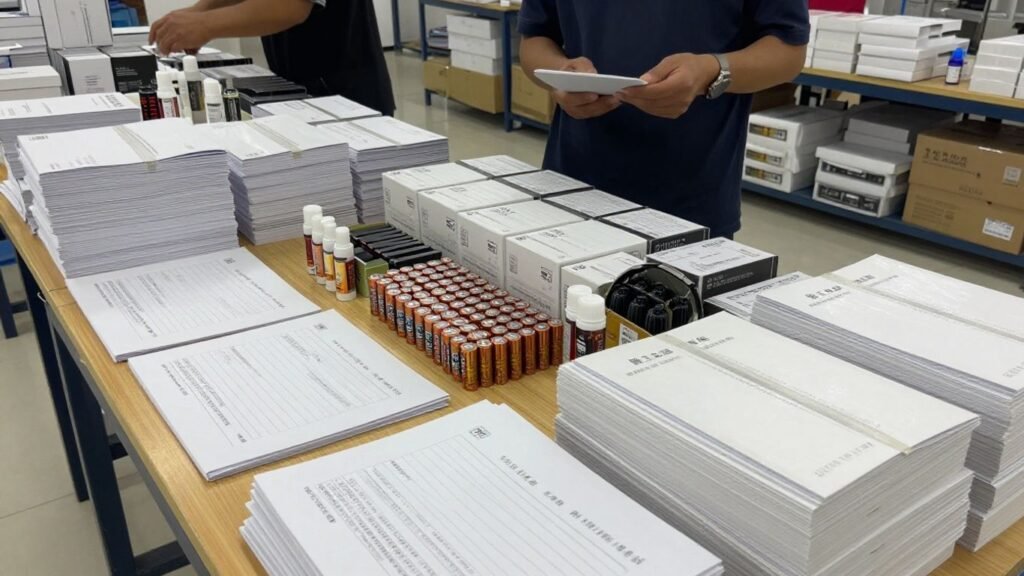
A practical document check starts with the cargo, not with a folder of generic certificates. Identify every SKU, confirm what is inside the finished product, and then match each supporting document to those goods. Kunpeng Freight coordinates supplier pickup and shipping-document review as part of China-to-destination logistics, while carrier acceptance and destination requirements remain specific to the shipment.
Confirm the exact product, battery, and liquid specifications
Ask the supplier to confirm the model, battery type and configuration, capacity, liquid formulation, quantity, and packing arrangement. Product photos and carton information can help clarify differences between versions. Make a concise SKU list so the same identifiers can be used across the SDS, test summary, invoice, and packing list.
Check the carrier’s current requirements for the chosen route
Before dispatch, confirm the requested documents, packaging, labels, and booking conditions with the carrier or forwarder handling the route. Requirements can change by service, destination, and shipment configuration. If you are comparing options, review the route and product checks for vape shipments and verify details for the intended carrier rather than relying on a general checklist alone.
Align product descriptions and classifications across all documents
Use descriptions that accurately identify the goods and do not conflict across records. The model, battery details, liquid description, quantities, and carton counts should agree wherever they appear. If the information changes during production, update the relevant documents instead of leaving an earlier version in the shipment file.
Submit documents for review before the goods leave the supplier
Send the file package early enough to address questions before pickup or booking. Include the SKU list, product and carton details, available SDS and battery records, and the planned destination and shipping method. Kunpeng Freight can coordinate supplier communication and an early document check, helping identify discrepancies before the cargo enters the export process.
Recheck requirements when the product or shipping method changes
A revised battery, liquid formulation, package design, quantity, route, or carrier can affect what needs to be reviewed. Recheck the file set whenever one of those details changes, even if the new product looks similar to an earlier shipment. Keeping the documents tied to the actual goods is more useful than relying on a certificate folder assembled for a previous order.
Conclusion
An SDS can support a vape shipment review, but it does not by itself classify every product, secure carrier acceptance, or satisfy destination rules. Start with the exact device, battery, liquid, and packaging details, then confirm the documents and conditions for the route you plan to use. If information is missing, seek product-specific records and qualified review before the cargo moves.
Frequently Asked Questions
Is an SDS always required to ship vapes from China?
No single requirement applies to every vape product and route. A carrier or authority may request an SDS, while other supporting documents may also be needed depending on the goods and service.
Is an SDS the same as an MSDS?
The terms are commonly used for safety data sheets, though document format and terminology can vary. Use the version requested by the carrier and make sure it describes the actual product or component.
Does an SDS prove that a vape can be imported?
No. An SDS provides safety information; it does not establish import eligibility, product compliance, or carrier acceptance. Check the destination’s applicable rules separately.
Do disposable vapes need battery documentation?
They may, because many disposables contain an installed lithium-ion battery. The documents requested depend on the battery, product configuration, route, and carrier.
Is a UN 38.3 test summary a substitute for an SDS?
No. A UN 38.3 test summary and an SDS serve different purposes. A carrier may ask for one or both, depending on the cargo and applicable requirements.
What if the supplier gives me an SDS for a similar vape?
Ask the manufacturer to confirm whether it matches the exact model, battery, and liquid formulation. Do not edit or reuse a generic SDS as if it described different goods.
Should I send the SDS before the supplier ships the cargo?
Yes, submitting available documents for review before dispatch gives time to resolve mismatches or missing information. Confirm the carrier’s current requirements for the route and service before the goods leave the supplier.