
Key Takeaways
A dependable wig supply chain depends on more than finding a low factory quotation. Hair characteristics, supplier controls, sample approvals, freight planning, and import compliance all influence the result.
- Define the hair specification before requesting prices.
- Verify supplier capability, documentation, and batch traceability.
- Inspect raw hair before production and finished wigs before dispatch.
- Compare freight methods using total landed cost and timing.
- Maintain backup sourcing and replenishment plans for continuity.
1. How the global wig supply chain works
A wig usually passes through several hands before it reaches a retailer or end customer. Hair is collected, sorted, aligned, processed, assembled, inspected, packed, exported, and delivered across one or more borders. Each handoff can affect quality, timing, and cost, so buyers need visibility from the original material through final delivery.
From hair collection to finished wig production
The chain begins with collection from individuals, local collectors, or regional trading networks. Hair is then sorted by length, color, texture, and condition before it is cleaned and prepared for production. A factory may use the material for wefts, lace units, closures, frontals, or other wig components, followed by ventilating, sewing, coloring, styling, and packing.
The finished product is not defined only by the hair itself. Cap construction, lace quality, knotting, density, dimensions, and styling instructions must also match the buyer’s specification. A clear product description helps a factory quote accurately and gives inspectors something objective to check.
Key sourcing regions and processing hubs
China has several important hair-trading and manufacturing centers, while raw hair may originate in China or enter through international trading networks. Processing hubs often bring collectors, wholesalers, skilled labor, accessory suppliers, packaging vendors, and export services into the same commercial ecosystem. This concentration can make comparison and consolidation easier, but it does not remove the need to verify each supplier.
For buyers considering a human hair sourcing guide, the practical question is not simply which city is famous. It is whether the supplier can consistently obtain the required material, document its processing, and produce the requested construction at the needed volume.
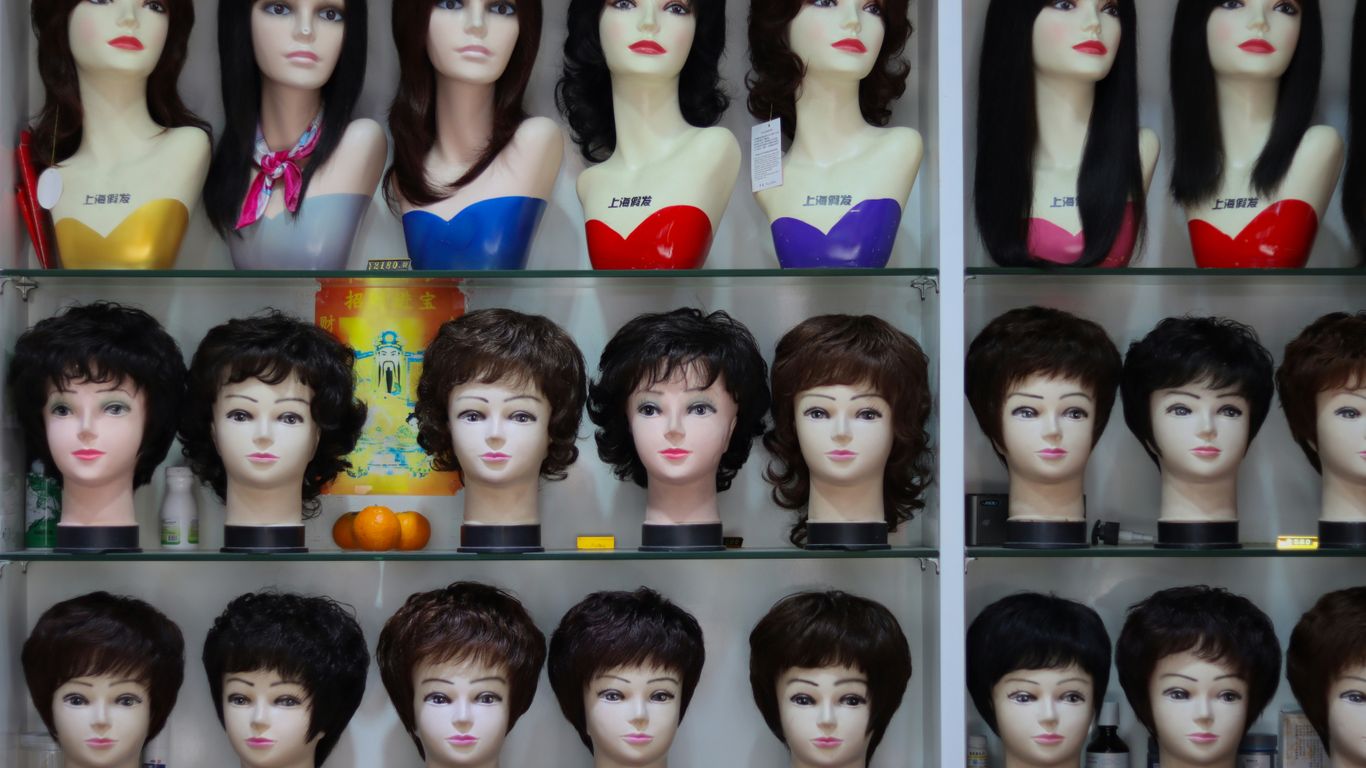
The roles of collectors, traders, factories, and distributors
Collectors obtain hair in local markets and communities. Traders aggregate and resell batches, sometimes supplying several factories. Manufacturers convert selected material into finished products, while distributors manage wholesale orders, branding, inventory, and customer delivery. A trading company may be useful when a buyer needs several product categories, but the buyer should understand who actually controls production.
This distinction matters during quality disputes. A factory can usually explain process controls and production records in more detail, while an intermediary may need to obtain answers from another party. Neither structure is automatically unsuitable; the right choice depends on order size, customization, oversight needs, and the buyer’s ability to manage communication.
Where delays, quality issues, and added costs typically occur
Delays often begin when specifications are incomplete, samples are approved verbally, or raw material is not available in the requested grade. They can continue through rework, color matching, packaging changes, supplier pickup, export documentation, customs inspection, and destination delivery. Costs also increase when a shipment is measured incorrectly or when several suppliers are treated as separate deliveries rather than one consolidation plan.
A practical sourcing workflow should connect the purchase order to the cargo plan. Homescape360 describes material procurement through requirements, supplier vetting, contracts, inventory management, and disruption planning; those same disciplines are useful when coordinating hair purchases and freight, even though the product category differs.
2. Choosing raw human hair materials for wig production
Material selection determines how a wig looks, feels, performs, and is priced. Terms such as raw, virgin, and Remy are often used loosely, so buyers should define measurable characteristics instead of relying on labels alone. The specification should identify origin information where available, processing history, alignment, length, color, texture, weight, and intended construction.

Raw hair, virgin hair, and processed hair compared
Raw hair generally refers to hair that has received limited processing, although the exact meaning varies by supplier. Virgin hair usually indicates hair that has not been chemically treated, but the claim still requires clarification about washing, steaming, coloring, and blending. Processed hair may be bleached, dyed, straightened, curled, or otherwise altered to achieve a particular appearance.
Ask what happened to the hair before it entered the factory. Two bundles carrying the same commercial label may behave differently if one has been heavily treated or mixed with shorter material. A written processing description is more useful than a broad quality adjective.
Cuticle direction, hair origin, and alignment
Cuticle direction affects how strands move and how easily they tangle. Hair with aligned cuticles is generally easier to evaluate consistently than a mixed-direction batch, but alignment should be checked through handling and inspection rather than assumed from marketing language. Origin claims also deserve careful documentation because commercial names can describe a texture or market category rather than a verified biological origin.
Record the supplier’s terminology, sample photographs, and any test method used. The approval standard should describe observable results such as strand direction, shedding, tangling after washing, and consistency across bundles.
Common textures, lengths, colors, and density requirements
A useful specification separates the visual target from the manufacturing tolerance. State whether the texture is straight, body wave, deep wave, curly, or another defined pattern; specify finished length rather than relying on a photograph; and identify color using a recognized reference where possible. Density should be stated for the cap and, when relevant, for the hairline, part, or crown.
Measurements should account for textured hair, because stretched length and visible length are not the same. Samples should be evaluated in the same condition that the customer will receive them, with agreed methods for weighing, measuring, and assessing density.
Matching hair materials to wig types and target markets
A lace-front wig, full-lace wig, machine-made unit, and topper can place different demands on hair direction, ventilation, density, and cap structure. Target customers also influence the specification: a heat-styled fashion unit may require a different treatment standard from a natural-looking everyday wig. The buyer should connect material choices to use, retail positioning, and expected maintenance.
For a broader comparison of supplier types and product requirements, a China hair supplier overview can provide market context. It should supplement—not replace—the buyer’s own sample testing and supplier verification.
How raw material specifications affect pricing
Price rises when the material is longer, more uniform, less processed, better aligned, or harder to obtain. Additional coloring, curl formation, lace work, hand ventilation, custom packaging, and low-volume production can also alter the quotation. Freight and import charges then sit outside the factory price, which is why a lower unit quote may not produce a lower delivered cost.
Request quotations against the same specification and quantity. Otherwise, differences in length, weight, density, processing, or packaging can make competing prices appear comparable when they are not.
3. How to evaluate a raw human hair supplier in China
Supplier evaluation should combine commercial verification with technical review. A polished catalogue does not demonstrate stable sourcing, and a low price does not show that the factory can repeat the sample. Buyers should examine the organization, production process, records, communication, and willingness to define measurable acceptance criteria.

Factory capabilities, production scale, and specialization
Ask whether the supplier manufactures in-house, uses subcontractors, or combines both models. Review the stages it performs, the types of wigs it regularly produces, available labor and equipment, typical order volumes, and capacity during peak periods. Specialization matters because a supplier experienced in one construction may not have equal control over another.
Capacity should be discussed in practical terms: current orders, monthly output by product type, lead-time assumptions, and the effect of customization. A large stated capacity is not the same as reserved capacity for your order.
Supplier documentation, traceability, and business verification
Request the legal business name, registration details, factory or office address, banking information, export experience, and relevant product documentation. Traceability should connect a finished wig to a raw material batch, production date, operators or work order, inspection results, and packing records. Where ethical collection is a concern, ask what the supplier can document about consent and procurement channels.
Verification is stronger when several details agree across the quotation, contract, invoice, factory visit, sample label, and shipping documents. Inconsistencies should be resolved before money is transferred or production begins.
Questions to ask before requesting samples or quotations
A short, consistent question set helps compare suppliers fairly. Ask about minimum order quantities, sample charges, sample lead time, raw material availability, construction options, tolerances, packaging, payment terms, and the process for handling defects. Also ask which parts are made internally and which are outsourced.
The following questions are especially useful when screening a raw human hair supplier China before investing in a full sample program:
- Can the supplier identify the material batch used for each sample?
- Which processing steps are applied, and where do they occur?
- What measurements and defect tolerances will appear on the inspection sheet?
- How are substitutions or material shortages communicated and approved?
The answers reveal whether the supplier is prepared to work from a controlled specification. Vague replies at this stage often become avoidable disputes later.
Comparing a raw human hair supplier in China with other sourcing options
Direct factory sourcing may provide closer production communication, while a trading company may simplify access to multiple factories or product categories. A sourcing agent can assist with local coordination, but the buyer should define the agent’s inspection authority, fees, and responsibility for discrepancies. The comparison should focus on control, transparency, responsiveness, and total cost—not only the quoted hair price.
For related sourcing decisions, Guangzhou Labor Hair Factory is presented in its source material as a manufacturer and exporter handling raw human hair into extensions, wigs, closures, and frontals. That description can help a buyer understand the kind of capability to verify, but it is not a substitute for independent due diligence.
Warning signs of inconsistent sourcing or misleading product claims
Be cautious when a supplier refuses to identify processing steps, changes material descriptions between messages, cannot explain sample-to-batch controls, or offers a quotation without confirming weight and construction. Other warning signs include pressure to skip inspection, unexplained substitutions, unusually broad origin claims, and photographs that cannot be connected to the current facility.
A supplier does not need to answer every question instantly, but it should be willing to record the question, investigate it, and provide a consistent answer. Written clarity is a meaningful part of quality control.
4. Factory quality control for human hair wigs
Quality control works best as a sequence of checks rather than a single final glance. The factory should inspect incoming material, monitor production stages, and classify defects before packing. Buyers should agree in advance on what is critical, what can be reworked, and what is unacceptable.

Incoming inspection of raw hair batches
Incoming inspection should confirm the supplier’s declared material against the purchase specification. Inspectors can record bundle count, weight, length distribution, color, texture, odor, visible contamination, shedding, tangling, and signs of chemical treatment. Samples should be taken consistently so that one attractive bundle does not represent an entire shipment.
Each accepted batch should receive an identifier. That identifier can later connect the material to production records and make it easier to isolate a problem if the finished wigs do not perform as expected.
Testing for length, weight, density, and hair direction
Measurements require a defined method. Curly hair may be measured stretched or unstretched, density may be checked against a cap map, and weight should be recorded using a calibrated scale. Direction can be reviewed by observing the root-to-tip arrangement and handling the hair after washing or combing.
The inspection report should state the method, sample size, result, and tolerance. Without that detail, a number such as “18 inches” or “full density” has little value for repeat production.
Detecting synthetic blends, chemical overprocessing, and damaged cuticles
Visual examination, touch, controlled washing, heat response, and strand-level checks may reveal inconsistencies. Synthetic fibers can behave differently from human hair under heat and handling, while overprocessed hair may show dryness, unusual odor, weakened strands, or rapid loss of curl pattern. Testing should be appropriate to the product and performed without damaging the entire batch.
Claims about purity or processing should be supported by the supplier’s records and the buyer’s agreed test method. If a dispute arises, preserve samples from the approved batch and the delivered batch for comparison.
Quality checkpoints during ventilating, sewing, coloring, and styling
During production, inspect knot spacing, hairline shape, part placement, cap dimensions, seam strength, color uniformity, and styling against the approved sample. Coloring and chemical work deserve additional checks because processing can alter texture and strand strength. Rework should be recorded rather than silently absorbed into the production flow.
Photographs are useful when they show scale, measurement references, and the actual work order. A close-up selected by the factory is less informative than a repeatable photo checklist agreed by both parties.
Final inspection, packaging checks, and defect classification
Final inspection should verify appearance, dimensions, weight, accessories, labels, carton count, and packaging condition. Defects can be classified as critical, major, or minor, with a defined response for each category. The result should be signed or otherwise acknowledged before dispatch.
Packaging must protect lace, shape, moisture-sensitive materials, and styling during handling. A final carton count matched to the packing list reduces confusion at pickup and gives the freight provider accurate information for booking.
5. Building a reliable sampling and approval process
Sampling is the bridge between an idea and a repeatable production standard. It should answer technical questions before a commercial order creates pressure to move quickly. A sample is useful only when the buyer records what was approved and what remains open.
Defining a product specification sheet
The specification sheet should include product photographs, cap construction, dimensions, lace details, hair type, texture, color, length, density, weight, accessories, packaging, labeling, and tolerances. It should also state the inspection method and identify any features that must be approved visually rather than measured.
Give the document a revision number and date. When a change is accepted, update the revision instead of relying on a message thread that different teams may interpret differently.
What to inspect during sample evaluation
Evaluate the sample under realistic conditions. Check the cap fit, hairline, parting, knots, shedding, tangling, odor, texture, color, combing response, and behavior after washing or styling if those actions are relevant to use. Compare it with photographs and measurements, not memory.
A sample review should include both technical and commercial questions. A visually attractive unit may still be unsuitable if it is too heavy, difficult to pack, inconsistent with the intended retail price, or impossible to reproduce at the required volume.
Setting acceptable variation and defect tolerances
Not every difference is a defect. Natural hair can vary in strand thickness and texture, while handmade ventilation can create small visual differences. Define acceptable ranges for measurable features and specify which visual deviations require correction or rejection.
Tolerance decisions should reflect customer expectations and product positioning. They should also be practical for the manufacturing method, because an impossible tolerance may produce repeated delays without improving the product meaningfully.
Using batch records, photos, and inspection reports
Batch records create a chain of evidence from incoming material to finished cartons. Include lot numbers, production dates, inspection results, photographs, rework notes, and approval status. Keep the approved sample in a controlled location and label it clearly.
This documentation supports faster investigation when a customer reports a problem. It also helps distinguish a raw-material issue from a production, packaging, or handling issue.
Approving pre-production samples and production standards
Before bulk production, approve a pre-production sample made with the intended materials, construction, and finishing process. Confirm that the sample is not merely a showroom piece made under different conditions. The purchase order should refer to the approved revision and state what happens if production deviates.
A written approval does not eliminate inspection. It gives inspection a clear reference point and makes corrective action more specific when a batch falls outside the agreed standard.
6. International freight solutions for wig shipments
Wigs are usually compact, relatively valuable, and sensitive to crushing, moisture, and handling. The suitable freight method depends on shipment size, urgency, route, documentation, and delivery requirements. A reliable plan starts with verified carton count, gross weight, dimensions, cargo-ready date, pickup address, and destination details.
Choosing air freight, express delivery, or ocean freight
Express delivery may suit samples or urgent small parcels, while air freight can balance speed and capacity for replenishment orders. Ocean freight may be more cost-efficient for larger volumes when the delivery schedule allows additional planning. Rail or road options may also be relevant for specific routes and cargo profiles.
Compare the trade-off rather than selecting by habit. A freight planning guide for Xuchang covers specifications, Incoterms, landed cost, and air-to-sea comparisons that are directly relevant to hair shipments from a major production region.
Shipping terms, responsibilities, and landed cost
Incoterms allocate responsibilities for transport, export handling, insurance, and certain risk points, but they do not replace a complete quotation. Confirm who arranges supplier pickup, export clearance, main carriage, destination customs, taxes, and final delivery. Ask for charges that may sit outside the headline freight rate.
You can also request a freight quote with the cargo details available. Accurate dimensions and weights make the first comparison more useful and reduce later revisions.
Export documents, customs declarations, and product descriptions
Commercial invoices, packing lists, transport documents, and export information should describe the cargo consistently. Product descriptions need to be accurate and sufficiently specific for customs review; vague wording can cause questions, while incorrect wording can create compliance problems. Classification, origin, value, and consignee information should be checked before dispatch.
The importer remains responsible for destination-country requirements, even when a forwarder assists with paperwork. Early review is particularly useful when the shipment includes branded packaging, restricted materials, or unusual product combinations.
Packaging requirements for hair products and wigs
Protect each unit from compression, dust, moisture, and deformation. Use suitable inner packaging, secure lace and accessories, separate colors or styles where needed, and place an accurate packing list with the shipment. Cartons should be strong enough for the selected handling chain and labeled so the receiving team can reconcile them quickly.
Avoid overpacking that adds chargeable volume without improving protection. The best packaging balances product safety, dimensional weight, warehouse handling, and destination presentation requirements.
Managing transit times, shipment tracking, and cargo risk
Transit time is affected by carrier schedules, consolidation cutoffs, customs processing, inspections, holidays, and delivery appointments. Build a timeline with production completion, inspection, pickup, export handling, departure, arrival, clearance, and final delivery milestones. Tracking updates are most useful when they are tied to an expected next action.
For high-value or time-sensitive cargo, discuss insurance, packaging evidence, exception handling, and proof of delivery before booking. Good communication cannot remove every transport variable, but it can make responsibility and response steps clearer.
7. Controlling supply chain cost, compliance, and continuity
Supply chain control is the combined practice of protecting product quality, legal compliance, cash flow, and availability. A decision that saves a small amount at the factory may create larger costs through rework, delayed freight, customs queries, or unsold inventory. Buyers should evaluate the full flow before approving an order.
Calculating total landed cost beyond the factory price
Total landed cost can include the product, sampling, tooling or customization, inspection, inland pickup, export charges, freight, insurance, customs brokerage, duties, taxes, storage, destination delivery, and currency conversion. Consolidation may reduce duplicated handling, but it also requires accurate receiving and documentation across suppliers.
The China Market & Suppliers archive provides wider sourcing and logistics context, including supplier verification, consolidation, packaging, and customs responsibilities. Those topics are useful reminders that a factory quote is only one line in the commercial calculation.
Import duties, taxes, and destination-country requirements
Duty and tax treatment depends on the destination, classification, declared value, origin, and local rules. Confirm whether wigs, hair extensions, accessories, packaging, or promotional items require separate treatment. Labeling, consumer disclosures, product safety rules, and import permits may also vary by market.
Work with a qualified customs adviser or broker where the classification is uncertain. Keep commercial documents, product descriptions, and shipping declarations aligned rather than adjusting descriptions merely to obtain a preferred price.
Ethical sourcing, consent, and responsible hair collection
Responsible procurement requires questions about how hair is collected, whether consent is obtained, how collectors are paid, and whether records can support the supplier’s claims. Buyers should avoid treating ethical sourcing as a marketing label detached from procurement practice. Contract language, supplier questionnaires, audits, and corrective-action procedures can make expectations more concrete.
Where evidence is limited, state the limitation internally and avoid unsupported claims to customers. Transparency about what has been verified is more credible than broad assurances.
Managing currency, freight, and raw material price fluctuations
Hair prices, exchange rates, carrier surcharges, fuel costs, and seasonal capacity can change between quotation and shipment. Ask how long a quote remains valid and which charges are variable. Scenario planning for urgent air freight, delayed ocean freight, or a material substitution helps prevent a rushed decision when conditions change.
Keep a record of the assumptions behind each quotation. This makes it easier to explain why two shipments with the same product price can have different delivered costs.
Creating backup suppliers and a resilient replenishment plan
A backup supplier is useful only if it has been screened and sampled before the primary source fails. Maintain approved specifications, alternative material options, contact records, and a realistic transition plan. Avoid spreading small orders across many suppliers without the records and inspection capacity to manage them.
A resilient replenishment plan also includes reorder points, lead-time allowances, safety stock, freight alternatives, and clear escalation contacts. The aim is not to eliminate every disruption; it is to make the response measured rather than improvised.
Conclusion
A global wig supply chain becomes easier to manage when material specifications, supplier verification, quality checkpoints, sample approvals, freight decisions, and import responsibilities are treated as one connected process. Clear records and realistic cost comparisons give buyers stronger control from collection through final delivery.
Frequently Asked Questions
What should a buyer define before contacting a wig supplier?
Define the hair type, processing history, texture, length, color, density, weight, cap construction, lace details, packaging, quantity, target market, and required delivery timing. Include measurement methods and acceptable tolerances where possible.
How can a buyer verify a raw human hair supplier in China?
Check business information, production arrangements, relevant experience, sample consistency, documentation, traceability, communication quality, and willingness to accept a written inspection standard. A factory visit or independent inspection can add useful evidence.
Is raw hair always better than processed hair?
Not necessarily. Raw hair may suit buyers seeking limited processing, while processed hair may be appropriate for a specific color, texture, or price position. The decision should follow the intended use and verified performance rather than the label alone.
What should a wig sample inspection include?
Inspect hair direction, length, weight, density, texture, color, shedding, tangling, odor, cap construction, lace, hairline, styling, and packaging. Use the same methods and conditions for every supplier sample.
Which freight method is best for wigs?
Express, air, ocean, rail, or road freight may be suitable depending on volume, urgency, route, cargo value, documentation, and budget. Compare total landed cost and timing rather than choosing one method for every order.
What documents are commonly needed for international wig shipments?
Common documents include a commercial invoice, packing list, transport document, export information, and destination customs filings. Exact requirements vary by country, product classification, shipment value, and packaging.
How can an importer reduce supply chain disruption?
Use approved specifications, maintain batch and inspection records, qualify backup suppliers, plan reorder points, verify cargo before pickup, and compare freight alternatives before an urgent need arises. Early document review also helps reduce avoidable delays.