
Key Takeaways
A successful Hefei appliance import depends on more than a factory quote. Supplier verification, market-specific specifications, quality checks, container planning, and accurate customs paperwork all need to work together.
- Hefei offers a substantial home-appliance manufacturing ecosystem with access to major white-goods categories.
- A factory should be assessed through licenses, ownership evidence, certifications, samples, audits, and export records.
- AC units, refrigerators, and washing machines must match the destination market’s electrical and regulatory requirements.
- Landed cost includes production, packaging, inland movement, freight, insurance, duties, taxes, and destination charges.
- Full-container shipping works best when dimensions, loading, documents, and delivery responsibilities are agreed early.
1. Why source large appliances from Hefei
Hefei is a practical sourcing location for buyers who need volume white goods and a coordinated export plan. The decision is not simply about finding a low factory price; it is about matching manufacturing capability with product requirements and a workable route to the destination. A clear comparison of suppliers, shipping modes, and landed costs should come before any purchase order.
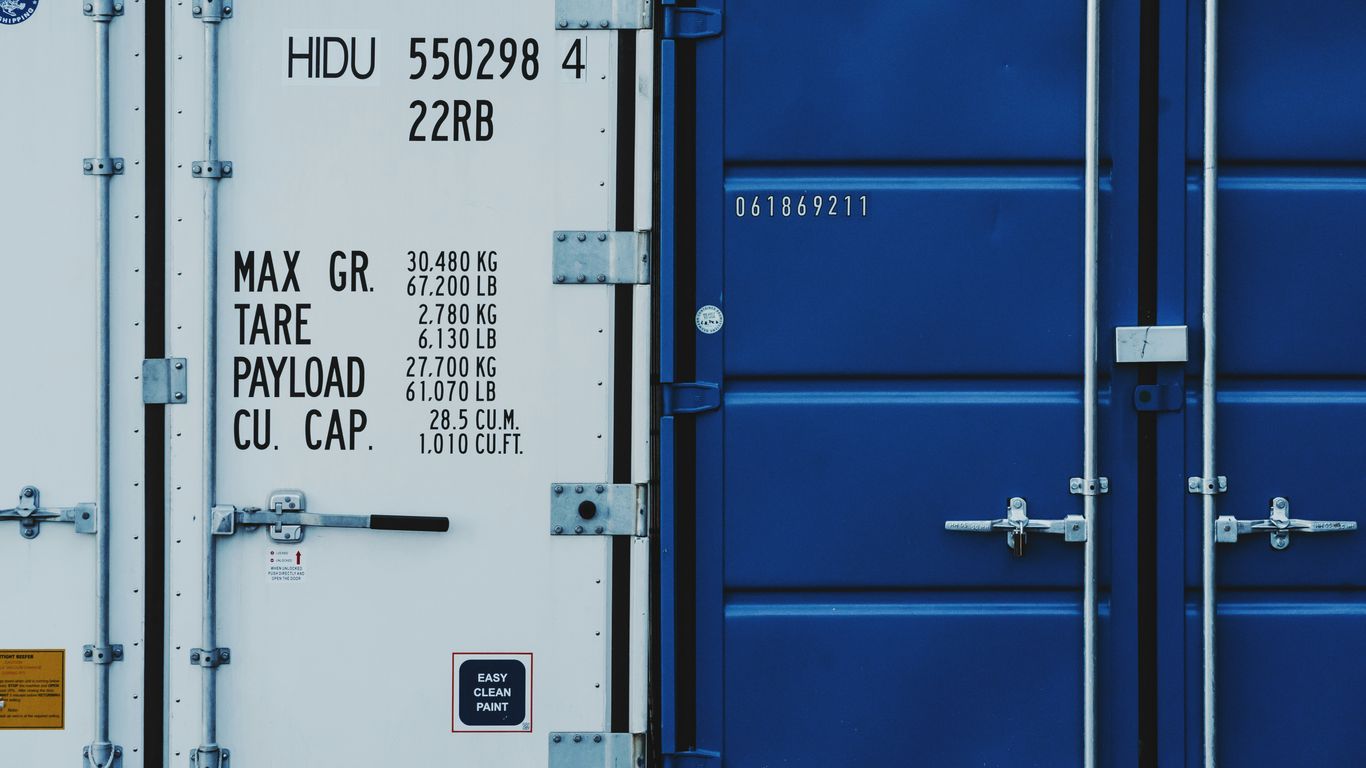
Hefei’s role in China’s home appliance industry
Hefei has developed into a major Chinese home-appliance cluster, supported by research, component production, manufacturing, logistics, and after-sales activity. The wider ecosystem includes refrigerator, washing-machine, air-conditioning, and related parts production. This depth can give an overseas buyer more options than working with an isolated factory, although each supplier still needs independent verification.
For additional background, this overview of Hefei’s appliance industry explains the city’s manufacturing base and industrial chain. It is useful context, but it should not replace a current factory audit or document review.
Product categories available from a Hefei big appliance factory
A Hefei big appliance factory may produce refrigerators, freezers, washing machines, air conditioners, and other household equipment, depending on its line configuration. Some manufacturers focus on one category, while others combine several white-goods lines with shared engineering, procurement, and export resources. Ask for a current product list rather than assuming that a factory can produce every category associated with the city.
The product scope, minimum order quantity, annual capacity, and available models should be recorded in writing. For refrigeration-focused suppliers, Hefei cooling manufacturers provide an example of how capacity, product range, and export markets can be presented for review.
When Hefei sourcing makes sense for overseas buyers
Hefei sourcing can make sense when you require repeat orders, private labeling, standardized models, or enough volume to justify factory coordination and sea freight. It may also suit buyers who want access to an established appliance supply chain rather than purchasing mixed stock from several unrelated wholesalers. The fit becomes weaker when the order is very small, highly urgent, or built around many unrelated product categories.
Your decision should consider order frequency, target retail price, technical support, replacement-part needs, and destination compliance. A product that looks attractive at the factory gate can become unsuitable after testing, relabeling, inland transport, and import charges are added.
Comparing direct factory sourcing with trading companies
Direct sourcing can provide closer access to production details, engineering discussions, and customization decisions. A trading company may instead offer broader model selection, communication support, or access to several factories. Neither structure is automatically safer; the buyer needs to establish who owns the production line, who controls inspection, and who is responsible when the delivered goods differ from the approved sample.
A written supplier comparison should include the legal seller, manufacturing location, payment terms, warranty contact, export history, and handling of defects. That basic record makes it easier to distinguish a genuine factory relationship from a sales intermediary with limited control.
2. How to identify and evaluate a Hefei big appliance factory
Choosing a Hefei big appliance factory requires evidence rather than a polished catalog. Start with the legal entity and manufacturing address, then test whether the supplier’s stated capacity, certificates, samples, and export process align. Factory evaluation should be treated as a risk-control exercise before commercial negotiation.

Verifying business licenses, export experience, and factory ownership
Request the Chinese business license, registered company name, factory address, export records where available, and confirmation of whether production is owned or subcontracted. The names on the quotation, bank account, license, and export documents should be consistent or clearly explained. A video call is useful, but it does not substitute for address verification and documentary checks.
Ask how long the supplier has exported the specific appliance category you intend to buy. Experience with a different product does not prove competence in compressors, sealed systems, motors, insulation, or high-volume final assembly.
Checking production capacity, certifications, and quality systems
Capacity should be expressed in terms that relate to your order: line count, shifts, monthly output, peak-season constraints, and current commitments. Request copies of relevant certifications and test reports, checking the product model, issuing body, validity, and scope. Quality-system language is meaningful only when it is supported by inspection records, calibration controls, traceability, and corrective-action procedures.
Do not treat a certificate logo on a brochure as proof that the exact proposed model is compliant. The model number, electrical configuration, safety standard, and destination market must all match the documentation.
Reviewing factory audits, sample units, and customer references
A factory audit should examine incoming materials, assembly, testing, finished-goods storage, packaging, and nonconforming-product controls. Sample units should be evaluated against a written specification, not judged only by appearance. Where references are available, ask about consistency between samples and bulk production, communication during defects, spare parts, and warranty handling.
The sample process should also record carton dimensions, gross weight, accessories, manuals, labels, and packaging materials. These details later affect both the purchase order and container loading plan.
Assessing private-label, OEM, and ODM capabilities
Clarify whether the supplier can apply your brand, modify an existing platform, or develop a new design. OEM and ODM terms are used differently by suppliers, so define tooling ownership, mold charges, firmware or control-panel changes, artwork approval, minimum order quantities, and intellectual-property responsibilities. For a useful comparison, OEM and ODM appliance sourcing offers background on how one Hefei supplier presents these services; verify all capabilities directly before contracting.
A private-label project is workable only when approvals are staged. Treat artwork, rating plates, manuals, carton printing, and final samples as controlled documents rather than informal messages.
3. Selecting AC, refrigerators, and washing machines
Large appliances are market-specific products. A model that works in one country may fail commercial, electrical, efficiency, or installation requirements in another. Build the specification around the destination first, then ask factories to quote against the same technical and packaging brief.
Matching appliance specifications to the destination market
Define capacity, dimensions, climate class where relevant, operating conditions, noise expectations, controls, finish, and included accessories. For air conditioners, specify cooling or heating function, rated capacity, refrigerant, indoor and outdoor-unit dimensions, and installation components. For refrigerators and washing machines, record usable capacity, program functions, water connections, door configuration, and drainage requirements.
The buyer should also confirm the destination’s testing and labeling rules before selecting a model. A sourcing checklist for home appliance imports can help organize supplier questions, but local authorities and qualified testing bodies remain the final reference.
Comparing energy ratings, voltage, frequency, and plug requirements
Electrical compatibility must be checked at model level. Confirm rated voltage, frequency, phase, plug type, power input, circuit requirements, and energy-label format. Do not rely on a generic product photograph or a statement that a model is “for export”; the rating plate and test documents should show the intended configuration.
Energy requirements can affect compressor selection, insulation, motor controls, software, and retail labeling. Confirm whether the factory is quoting one configuration or several regional versions, since mixing them in a container creates avoidable receiving and compliance problems.
Evaluating cooling systems, compressors, motors, and control platforms
For cooling products, review the refrigerant, compressor make and model, operating range, insulation, defrost method, and leak-testing procedure. For washing machines, examine motor type, drum or tub construction, balancing controls, water inlet arrangement, and program logic. For AC units, review compressor technology, heat-exchanger construction, controls, and service access.
The goal is not to choose a component by name alone. Ask for test data, approved component lists, failure records where available, and confirmation that replacement parts can be supplied for the expected support period.
Confirming dimensions, packaging, accessories, and installation needs
External dimensions determine warehouse fit, retail handling, pallet design, and container utilization. Confirm product and carton measurements separately, along with gross weight, stacking limits, corner protection, manuals, hoses, brackets, remote controls, and installation kits. Photograph and approve the packed sample before mass production.
Packaging must protect the appliance without wasting container space. Changes to foam, carton strength, pallet height, or accessory placement should trigger a revised loading calculation rather than being treated as a minor production detail.
4. Building a reliable product and quality-control process
Quality control begins with a shared definition of an acceptable product. The purchase order, technical file, approved sample, inspection plan, and packaging artwork should all point to the same revision. This reduces the risk that a factory builds correctly to one document while the buyer inspects against another.
Defining technical specifications and acceptable quality limits
Create a product specification that covers performance, materials, appearance, dimensions, electrical data, functions, packaging, labels, and included parts. Define critical, major, and minor defects, along with inspection quantities and acceptance limits. If a measurement matters commercially, write the tolerance into the document rather than leaving it to interpretation.
This is also where you should define how missing accessories, cosmetic damage, abnormal noise, leaks, failed programs, and incorrect labels will be handled. Clear acceptance limits make a later dispute more factual and less dependent on personal judgment.
Using prototypes and pre-production samples to prevent errors
A prototype can expose design, installation, or packaging problems before tooling and mass production are committed. The pre-production sample should represent the intended materials, software, artwork, electrical setup, and carton configuration. Keep a signed or otherwise traceable approval record with photographs and revision details.
If a change is requested after approval, record who authorized it and whether a new sample is required. Small changes to a control panel, plug, hose, or rating label can affect both compliance and customer use.
Scheduling in-process inspections and pre-shipment checks
Inspection timing should match the risk. An early production check can identify material or assembly errors; an in-process inspection can verify the production line; and a pre-shipment inspection can confirm quantity, appearance, functions, labeling, and packing. The buyer should receive a report with photographs, measurements, sample numbers, and any corrective action.
A practical inspection sequence often includes:
- Confirming raw materials and key components against the approved list.
- Checking assembly, electrical safety, leaks, controls, and operating functions.
- Verifying carton marks, accessories, manuals, and pallet or loading condition.
- Rechecking corrected defects before release of the shipment.
This sequence does not eliminate risk, but it places checks where problems are still less expensive to correct. Inspection findings should also be shared with the freight coordinator when packaging or loading plans may change.
Managing warranty terms, spare parts, and after-sales support
Agree on warranty duration, covered failures, response times, evidence requirements, replacement procedures, and allocation of freight costs. Create a spare-parts list covering high-wear, installation, and service items, with part numbers and prices. For refrigeration and AC products, clarify who handles technical diagnosis and refrigerant-related service in the destination market.
A buyer should also plan how claims will be logged and how serial numbers connect to production batches. These controls help separate a transport-damage claim from a manufacturing defect and make recurring problems easier to investigate.
5. Calculating costs for large appliance imports
A factory quotation is only one component of the import budget. Large appliances consume cubic capacity, require careful handling, and can generate substantial destination charges. Build the estimate from actual carton dimensions, weights, quantities, route assumptions, and the agreed Incoterm.
Breaking down factory pricing, tooling, and customization charges
Request separate prices for the appliance, packaging upgrades, branding, tooling, molds, samples, testing, manuals, and spare parts. Confirm whether the quoted price includes export packing, loading, inland delivery, or only ex-works collection. Tooling ownership and future maintenance charges should be stated before payment.
For private-label goods, include artwork setup, certification changes, engineering work, and minimum-order effects. A low unit price can be misleading if required customization is hidden in one-time charges or if the quoted model does not meet the destination specification.
Estimating packaging, inland transport, and warehouse expenses
Calculate cartons, pallets, loading labor, local pickup, storage, inspection, consolidation, and handling separately. Hefei’s inland position means the factory-to-port leg needs its own schedule and cost assumption. Include possible remeasurement or repacking costs if the supplier’s first dimensions are incomplete.
For a broader planning reference, China sourcing logistics guidance discusses supplier coordination, product details, documentation, and shipment visibility across different Chinese manufacturing areas. Apply the same discipline to each Hefei shipment rather than copying a previous estimate.
Comparing full container load with less-than-container load shipping
Full container load, or FCL, generally gives the buyer control over the container and fewer cargo-handling points. Less-than-container load, or LCL, may suit smaller quantities but introduces consolidation, deconsolidation, and additional handling. Large appliances are often more vulnerable to damage when moved repeatedly, so the decision should consider cubic volume and handling risk as well as freight price.
| Cost or operational factor | FCL | LCL |
|---|---|---|
| Cargo volume | Suits higher cubic volume | Suits smaller shipments |
| Handling | Usually fewer shared-cargo transfers | More consolidation and deconsolidation |
| Loading control | Buyer can plan the container load | Space is managed within a shared shipment |
| Documentation | One primary container shipment | Shared cargo documentation may be more involved |
The right choice depends on the quantity, carton geometry, destination service, and delivery urgency. An FCL appliance shipping plan can help structure volume calculations, factory readiness, port routing, and final delivery questions.
Accounting for duties, taxes, insurance, and destination charges
Estimate customs duty from the correct HS classification and destination tariff, then add import tax, broker fees, port charges, terminal handling, storage, delivery, and installation where applicable. Cargo insurance should be priced against the shipment value and risk profile, with exclusions reviewed before purchase.
Do not present a landed-cost figure as final until the destination agent confirms local charges and the importer confirms tax treatment. Currency movement, inspections, demurrage, and carrier changes can all affect the final amount.
6. Planning full container sea freight from Hefei
Sea freight planning starts before the goods are finished. The buyer, factory, and forwarder need a shared view of carton dimensions, cargo readiness, container type, pickup location, export documents, and destination delivery. For appliances, a few centimeters of unplanned packaging can change the loading pattern and container requirement.
Choosing between Hefei rail connections and nearby seaports
Hefei has inland rail and road connections to Chinese port networks, so the appropriate route depends on the destination, vessel schedule, cargo readiness, and inland cost. A forwarder should compare the complete door-to-door movement rather than choosing a port from distance alone. Port cutoffs, rail availability, trucking capacity, and seasonal congestion can alter the practical schedule.
Build a route comparison that shows pickup, export handling, inland movement, port handoff, ocean transit, destination clearance, and final delivery. It is also useful to identify where responsibility changes between suppliers, forwarders, carriers, and importers.
Selecting container size based on appliance dimensions and loading plans
Select the container after checking the packed-unit dimensions and a proposed loading diagram. Consider standard and high-cube options, door clearance, carton orientation, stacking limits, axle or road restrictions, and the order in which cargo will be unloaded. Do not use theoretical cubic capacity without allowing for irregular shapes and protective materials.
A loading plan should identify quantity by model, pallet positions, fragile zones, accessory cartons, and securing points. If several suppliers are involved, reconcile the final measured cargo before booking so the container is not under- or over-allocated.
Preventing damage through palletizing, bracing, and moisture protection
Appliances should be loaded on packaging designed for their weight and fragility. Use suitable pallets where required, corner and edge protection, internal bracing, anti-slip materials, and moisture barriers. Refrigerators, glass panels, doors, and control surfaces deserve particular attention during loading and unloading.
Before closing the container, record photographs of the cargo, container condition, loading sequence, seal number, and any visible damage. A sea freight packing guide provides related guidance on pallets, moisture barriers, container loading, and customs preparation.
Coordinating booking, loading, documentation, and shipment tracking
The booking should be made only after cargo readiness, measurements, shipping marks, and document responsibilities are confirmed. The factory needs clear instructions for pickup access, loading time, export packing, and release of the commercial documents. The buyer should receive the booking reference, container and seal details, departure updates, and copies of the final document set.
Kunpeng Freight coordinates supplier pickup, cargo checks, export handling, and sea, rail, road, or other freight options according to the shipment details. Its shipment coordination service is best approached with the product list, pickup address, carton data, destination, and preferred delivery method ready for review.
7. Managing compliance, customs, and delivery
Compliance is part of product selection, not a task left until the container reaches port. Electrical safety, energy labeling, refrigerants, language requirements, packaging marks, and importer obligations vary by destination. A shipment can be physically complete and still be commercially unusable if its documents or labels do not match the goods.
Preparing commercial invoices, packing lists, and certificates of origin
The commercial invoice should identify the seller, buyer, product descriptions, quantities, unit values, currency, Incoterm, and country of origin. The packing list should reconcile models, carton counts, dimensions, weights, and container details. Where required, prepare a certificate of origin and any product-specific certificates before the shipment is released.
Descriptions should be precise enough for customs classification without contradicting the labels or technical file. Review drafts early, because correcting an invoice after sailing is slower and may create additional destination work.
Confirming electrical, safety, refrigerant, and labeling requirements
Confirm the destination’s electrical safety rules, efficiency labels, language requirements, plug standards, and registration obligations for each model. Refrigerant information and environmental rules may require additional declarations or controls. Air conditioners and refrigeration equipment can also raise service, recovery, and installation issues after import.
Where the cargo has special regulatory features, use an appropriate restricted cargo reference and obtain advice from the destination authority or qualified compliance professional. The factory’s export history is useful evidence, but it does not transfer legal responsibility from the importer.
Selecting Incoterms and assigning responsibilities between buyer and supplier
Incoterms should be selected with the actual workflow in mind. Define who arranges pickup, export clearance, main carriage, insurance, import clearance, duties, delivery, unloading, and installation. Also state when risk transfers and which party supplies each document.
An apparently convenient term can conceal costs or leave a gap between factory release and destination delivery. Compare the quote with the responsibilities in the sales contract, then confirm that the forwarder’s scope matches the agreed handoffs.
Planning customs clearance, final-mile delivery, and installation support
Before departure, confirm the importer of record, broker, tariff classification, required permits, delivery address, unloading equipment, and appointment rules. Large appliances may need a liftgate, pallet truck, warehouse dock, or scheduled installation team. Final-mile planning should reflect the actual dimensions and weight of the packed units, not just the product specification.
Kunpeng Freight supports import paperwork, customs documentation, supplier coordination, and final delivery planning as part of its China-to-destination freight workflow. Share complete cargo details early so the route, documents, and delivery responsibilities can be reviewed together.
Conclusion
A Hefei appliance import becomes manageable when sourcing, specification control, inspection, costing, freight, compliance, and delivery are treated as one connected process. Verify the factory, approve the exact model and packaging, calculate the full landed cost, and document every handoff before the container is loaded. That preparation gives you clearer choices and fewer expensive surprises.
Frequently Asked Questions
Is Hefei a suitable location for sourcing large appliances?
Hefei can suit buyers seeking refrigerators, washing machines, air conditioners, and related white goods, particularly when repeat orders and container-scale purchasing justify factory coordination. Suitability still depends on the supplier’s exact capability, price, compliance evidence, and export process.
What should I verify before choosing a factory?
Verify the legal entity, factory address, ownership or subcontracting arrangement, export history, product-specific certifications, production capacity, quality controls, samples, packaging, references, and warranty process. Match the evidence to the exact model you plan to purchase.
How do I compare appliance models for different countries?
Compare voltage, frequency, plug, capacity, dimensions, energy requirements, controls, safety documents, refrigerant details, labels, and installation conditions. A model should be approved against the destination market rather than selected from a general catalog.
When is FCL preferable to LCL for appliances?
FCL is often worth considering when the shipment has enough volume to use container space efficiently or when reducing shared-cargo handling is valuable. LCL may suit smaller quantities, but the comparison should include handling, consolidation, damage exposure, and destination charges.
What documents are commonly needed for customs clearance?
Common documents include a commercial invoice, packing list, transport document, certificate of origin where required, and product-specific compliance or testing documents. Exact requirements depend on the destination, product classification, importer, and shipment terms.
How can appliance damage during sea freight be reduced?
Use suitable cartons, pallets where appropriate, corner protection, bracing, moisture control, clear loading instructions, and photographs before container sealing. Confirm that packaging can withstand the planned handling and that the loading plan matches the measured cargo.
What information should I provide when requesting a freight quote?
Provide the supplier address, product description, quantity, carton dimensions, gross weight, total volume, cargo-ready date, destination port or address, preferred shipping method, and any special compliance or delivery needs. Accurate measurements allow a more realistic route and cost comparison.