
Key Takeaways
Importing pet food and supplies from Nanhe requires more than finding a factory and booking freight. Product classification, destination-country compliance, complete paperwork, careful cargo handling, and a realistic landed-cost model should be planned together.
- Map Nanhe suppliers and define the cargo before requesting quotes.
- Confirm destination-country rules for food, treats, supplements, and accessories.
- Verify supplier records, product specifications, testing, and batch information.
- Match documents, HS codes, packaging, and freight methods to the shipment.
- Track the full landed cost through customs clearance and final delivery.
1. Plan your import route from Nanhe, Hebei
Nanhe District in Xingtai, Hebei, is widely associated with China’s pet food manufacturing base, particularly products such as staple food and treats. The practical starting point is not a shipping quote but a clear description of what you intend to buy, who will sell it, and where it must arrive. A route plan should connect supplier pickup, export handling, international transport, customs, and final delivery. This is also a useful stage to review broader pet supply sourcing information without treating general market listings as supplier verification.
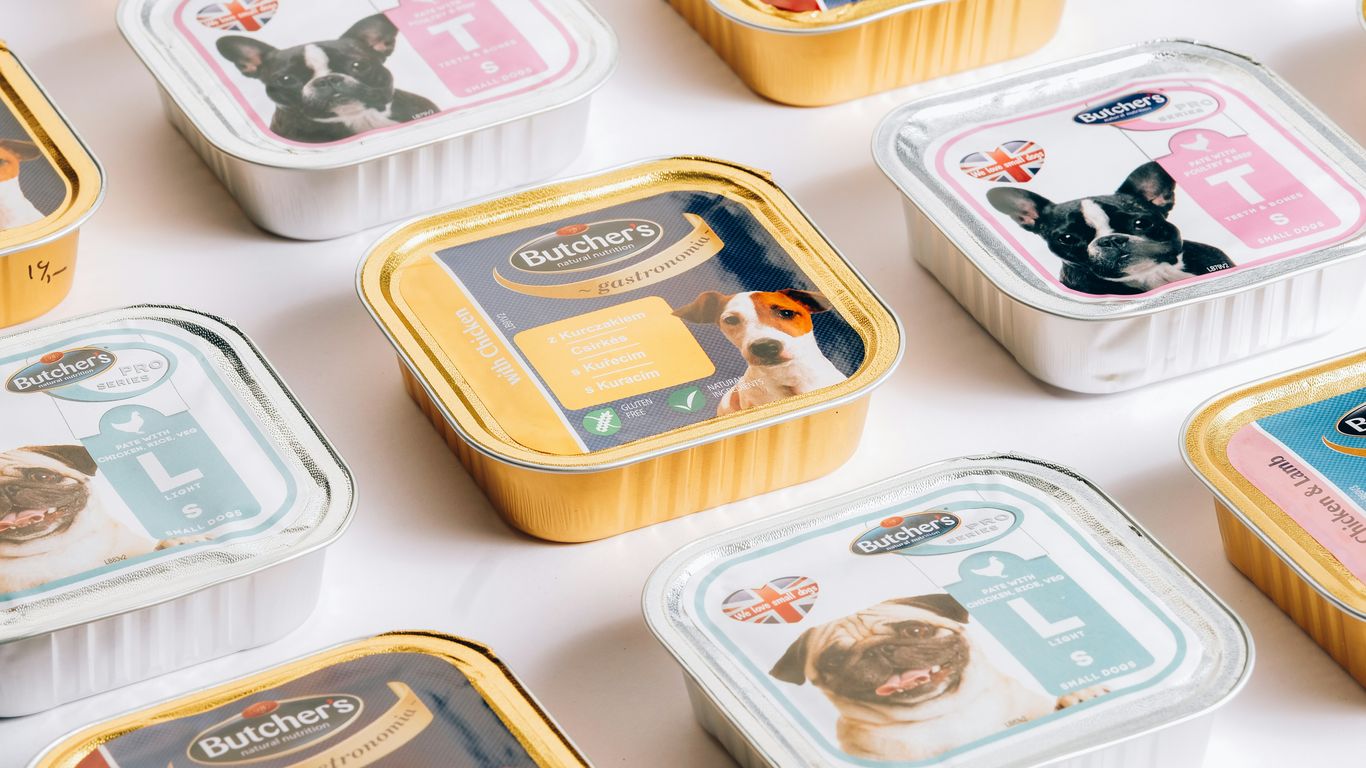
Identify Nanhe’s pet food and supply manufacturing clusters
Begin by separating factories, trading companies, and warehouse addresses. Nanhe may be the commercial location shown on a quotation while production takes place elsewhere, so request the exact factory address and pickup point. Record the supplier’s distance from the export gateway, loading constraints, working hours, and whether several vendors can release cargo during the same pickup window.
A route can become more efficient when compatible orders are collected together, but consolidation only works when carton counts, product descriptions, and ownership are kept distinct. Confirm these details before production finishes rather than trying to reconstruct them at the warehouse.
Define product categories, materials, and intended use
Write a product matrix covering species, product form, ingredients or materials, package size, shelf life, intended users, and whether the goods are for resale or testing. “Pet supplies” is too broad for a customs or compliance decision: dry food, canned food, chews, supplements, litter, toys, bowls, and grooming tools may follow different rules. If the order includes food, also document the feeding instructions and formulation version; a pet food portion guide can help frame the information customers may expect, although it does not replace destination-country labeling rules.
For private-label products, approve the artwork and product specification together. A change in formula, package material, serving statement, or product name can affect both regulatory review and the shipping documents.
Compare direct factory buying with trading companies
A direct factory may offer closer control over production details, while a trading company may coordinate several categories or smaller orders. Neither structure is automatically preferable. Ask who issues the invoice, who owns the goods before export, who is responsible for defects, and whether the seller can provide the documentation required by your destination authority.
Compare quotations on the same basis. Include minimum order quantity, packaging, sampling, lead time, payment terms, export capability, and pickup location rather than comparing only the unit price.
Confirm whether the shipment is commercial, private-label, or sample cargo
The commercial purpose should be agreed before booking. A resale shipment, a private-label order, and a sample consignment can require different values, labels, declarations, and approvals. Do not describe commercial stock as samples to reduce apparent value; inaccurate declarations can create customs and insurance problems.
For samples, mark the goods and paperwork consistently and confirm whether the destination permits import without full registration. For commercial cargo, keep the purchase order, approved artwork, invoice, packing list, and product records aligned from the beginning.
2. Check destination-country regulations before ordering
Regulatory responsibility usually sits with the importer, even when a supplier has exported similar goods before. Requirements can vary by destination, product type, ingredient, animal species, package language, and intended use. Obtain written guidance from the relevant government agencies or a qualified customs professional before paying for production. This early check can prevent a finished shipment from being held, relabeled, returned, or destroyed.

Determine which agencies regulate pet food and animal products
Identify the customs authority, food-safety authority, veterinary or animal-health authority, and any consumer-product regulator involved in your destination. Some countries distinguish between imported feed, retail pet food, animal-origin products, and general accessories. Ask which agency issues permits, which one reviews labels, and whether registration is required before the first shipment.
Keep a written record of agency names, reference numbers, filing dates, and the official interpretation received. Regulations can change, so date each decision and recheck it when the formulation, supplier, or destination changes.
Review ingredient, labeling, and product-registration requirements
Collect the full ingredient list, analytical or guaranteed analysis, feeding directions, net quantity, manufacturer details, lot code, expiry or best-before date, and storage instructions. Check whether translations, local importer details, warnings, claims, or pre-approval are required. A label that is acceptable in China may not satisfy the rules where the product will be sold.
Treat marketing language as a compliance issue. Claims such as “complete,” “natural,” “therapeutic,” or “grain-free” may have defined meanings or require substantiation. Approve the final label only after the destination review, not merely after the supplier confirms that it has printed similar packaging before.
Separate compliance rules for food, treats, supplements, and accessories
Create separate files for each regulatory category. Food and treats may require ingredient and health documentation; supplements may be treated as feed additives, veterinary products, or human-style products; accessories may instead involve material, safety, or electrical requirements. Combining all items under one generic pet-products description makes classification harder.
A simple category review should answer four questions:
- What is the product’s legal classification at destination?
- Which agency or permit applies?
- What label and test documents are required?
- Can the shipment be imported and sold under the proposed claims?
This separation also improves the commercial invoice and reduces the chance that one regulated item obscures the status of the rest of the order.
Confirm restrictions on animal-derived ingredients and packaging materials
Animal-derived ingredients can trigger additional veterinary, sanitary, or quarantine controls. Ask for the species and origin of relevant ingredients, processing information, and any required health certificate. Packaging may also be reviewed when it contains wood, untreated plant material, or other controlled components.
Do not assume that a supplier’s previous export destination has the same rules as yours. Confirm acceptable packaging treatment, markings, and documentary evidence before cartons are produced.
3. Verify suppliers and product documentation
Supplier verification should connect legal identity, physical production, product records, and shipment responsibility. A polished catalog is not enough evidence of manufacturing capability or regulatory readiness. Request documents early, compare them across the quotation and label, and investigate inconsistencies before placing a deposit. For a useful quality-control perspective, review this guidance on pet food testing practices, while recognizing that your own supplier’s records still need independent review.
Request business licenses, factory details, and export experience
Ask for the registered company name, business license, factory address, contact person, export license or export arrangement, and a list of markets served. Confirm whether the contracting party is the manufacturer or an intermediary. A video call, factory visit, or independent inspection can help establish whether the stated facility matches the goods being offered.
Export experience is useful but not conclusive. Ask for examples of comparable products and destinations, then verify that the current formula, package, and legal entity are the same ones covered by that experience.
Review ingredient lists, specifications, and certificates of analysis
Match the ingredient list to the product specification, approved artwork, purchase order, and certificate of analysis. Check units, tolerances, microbiological limits, moisture, additives, allergens, and shelf-life information where relevant. The certificate should identify the product, batch, test date, laboratory, and test results rather than provide only a broad statement of quality.
For accessories, request material composition, dimensions, load or safety information, and any applicable test reports. Keep the approved version in a controlled file so that later changes can be identified instead of silently accepted.
Check quality systems, testing records, and batch traceability
Ask how raw materials are received, how batches are coded, what sampling is performed, and how complaints or recalls are handled. Quality-system certificates may be helpful, but they do not prove that every shipment meets your specification. Review actual batch records and retained-sample procedures when the supplier can provide them.
Traceability should work in both directions: from a finished carton back to its batch and raw materials, and from a problem report forward to affected lots and customers. Put the required records into the purchase agreement rather than relying on informal promises.
Use samples and pre-shipment inspections to validate product quality
A sample confirms more than appearance. Evaluate odor, texture, package seals, print accuracy, dimensions, labeling, and performance against the approved specification. For food, consider independent laboratory testing where the product risk or destination rules justify it.
A pre-shipment inspection should verify quantity, carton marks, packaging condition, batch information, and random samples before release. Inspection is a checkpoint, not a substitute for supplier qualification or regulatory approval.
4. Prepare customs and import paperwork
Paperwork should tell one consistent story about the goods, their value, origin, quantity, and movement. Customs problems often begin with small differences between the purchase order, invoice, packing list, bill of lading, and product label. Build the document set while the order is being prepared, then have the parties review it before cargo pickup. A practical import paperwork workflow is especially useful when several products or suppliers are involved.

Build a complete commercial invoice and packing list
The commercial invoice should identify seller, buyer, consignee, product description, quantity, unit price, total value, currency, origin, and agreed trade term. The packing list should show carton count, net and gross weight, dimensions, and the contents of each package. Descriptions should be specific enough for classification without using marketing language in place of technical detail.
Before release, compare the invoice and packing list with the physical cargo. If the forwarder is arranging customs document support, provide the approved documents and clarify who will correct discrepancies with the supplier.
Select the appropriate HS codes for each product type
HS classification affects duty, taxes, permits, and possible inspections. Review each category separately and provide customs with composition, function, form, and intended use. Do not copy a code from a supplier’s old shipment without checking whether the product and destination treatment are identical.
When classification is uncertain, seek an advance ruling or written advice from the destination authority where available. A defensible code is more valuable than a convenient code that later requires amendment.
Document country of origin, quantities, and declared values
Country of origin is not always the same as the country from which the goods are shipped. Record where the product was manufactured or substantially transformed, and retain evidence such as supplier declarations or production records when required. Quantities and values must reflect the actual transaction, including samples or assists when applicable.
Use consistent units across documents and state whether freight, insurance, tooling, or other charges are included in the declared value. Clear records make questions easier to answer during clearance.
Coordinate permits, health certificates, and other government filings
Check which permits or certificates must be issued before departure and which may be submitted during clearance. Pet food and animal-derived products can require health, veterinary, sanitary, or quarantine documents that are not part of an ordinary commercial shipment. Confirm the issuing authority, validity period, original-copy requirements, and document language.
Share draft certificates with the destination broker before loading where possible. Corrections after departure can be slow, particularly when a certificate must be reissued by a government office.
5. Choose the right shipping method
The best transport method depends on volume, urgency, product value, shelf life, route, and destination handling. Air, sea, rail, road, and courier services each shift the balance between speed, cost, capacity, and process complexity. Ask for comparable quotes using the same cargo data and delivery point. A broader freight option comparison can help explain terms such as EXW, FOB, CIF, and DAP before you request final pricing.
Compare air freight, sea freight, rail, and courier services
Air freight suits urgent or relatively compact shipments, while sea freight generally fits larger consignments that can tolerate longer and variable schedules. Rail may be relevant on supported routes, and courier service can simplify small parcels subject to weight, value, and product restrictions. Road transport may handle inland legs or regional delivery rather than the entire China-to-destination journey.
Compare transit estimates as planning ranges, not guarantees. Carrier schedules, port congestion, inspections, weather, and destination clearance can change the actual delivery date.
Decide between consolidated cargo and full-container shipping
Consolidated cargo combines shipments and can suit smaller orders that do not fill a container. Full-container shipping gives you dedicated container capacity and may provide more control over loading, but it requires enough volume and careful planning. Ask how cargo is counted, photographed, measured, sealed, and transferred at each handover.
When several suppliers are involved, cargo consolidation can combine compatible goods into one delivery. Keep each supplier’s cartons and documents identifiable so consolidation does not blur ownership or regulatory status.
Evaluate transit time, minimum order quantities, and landed cost
Do not compare freight rates without including origin pickup, export handling, destination charges, customs, storage, and final delivery. A lower line-haul rate may be outweighed by a longer route, higher minimum quantity, or additional handling. Product shelf life and promotional deadlines should be included in the decision, not considered afterward.
The route should fit the order’s economics. For small or urgent cargo, speed may justify a higher transport cost; for stable, larger-volume stock, a slower service may fit the inventory plan better.
Select Incoterms that clearly assign freight, insurance, and customs duties
Incoterms define responsibilities, costs, and risk transfer between buyer and seller, but they do not replace a complete freight quotation or determine every customs obligation. Confirm who arranges pickup, export clearance, main transport, insurance, import clearance, duties, taxes, and final delivery. Make the named place precise.
Avoid accepting an Incoterm simply because it appears familiar. The same term can produce different practical outcomes when the named place, cargo type, or destination process changes.
6. Manage packaging, cargo handling, and transit risks
Pet food and supplies may travel through humid warehouses, hot loading areas, multiple handovers, and long periods in transit. Packaging must protect the product while also supporting inspection, counting, and identification. The shipment plan should cover physical protection and documentary control together. This mirrors the broader logistics principle of aligning specifications, labeling, and palletizing before pickup.
Protect food products from moisture, heat, pests, and contamination
Use sealed primary packaging and clean, dry outer cartons appropriate to the product. Separate food from chemicals, strongly scented goods, damaged cartons, and any cargo that could contaminate it. Check container cleanliness and reject loading conditions that expose goods to water, pests, or excessive heat.
Storage instructions should be visible to warehouse and delivery teams. If temperature or humidity limits matter, decide in advance how they will be monitored and what evidence will be retained.
Choose packaging suitable for long-distance international transport
Test seals, carton strength, inner protection, stacking resistance, and resistance to abrasion. Heavy items should not crush flexible food packages, and liquid or canned products need protection against leakage and denting. Packaging should also leave room for required labels, lot codes, shipping marks, and handling instructions.
For private-label orders, approve packaging samples before mass production. A visually attractive package that fails during stacking can create more loss than it prevents.
Plan palletization, container loading, and carton labeling
Agree on pallet dimensions, maximum stack height, carton orientation, weight limits, and whether pallets must meet destination treatment rules. Provide a loading diagram when mixed products or fragile goods are involved. Carton marks should match the packing list and remain readable after handling.
Use a short loading checklist:
- Photograph cargo condition before loading.
- Count and measure cartons against the packing list.
- Check seals, labels, batch codes, and pallet stability.
- Record the container number and final seal number.
These records create a practical handover trail. They also give the broker and consignee useful evidence if the count or condition differs on arrival.
Arrange cargo insurance and procedures for damaged or delayed shipments
Review insurance exclusions, deductible, covered risks, claim deadlines, and required evidence before departure. Take photographs at pickup, loading, transshipment where available, and delivery. If cartons arrive wet, crushed, short, or tampered with, record the exception on the delivery receipt before signing.
Set an escalation path for delays: the supplier, forwarder, carrier, broker, insurer, and receiving warehouse should each have a named contact. Prompt reporting does not guarantee recovery, but it protects the opportunity to investigate and claim.
7. Calculate landed cost and manage final delivery
Landed cost is the amount required to place compliant, saleable goods in the intended warehouse or fulfillment location. It includes more than the supplier invoice and international freight. Build the estimate before ordering, then update it when dimensions, quantities, duties, or routing change. The goal is a decision model that remains useful when schedules and charges vary.
Estimate product, freight, duty, tax, brokerage, and storage costs
List product price, tooling or artwork charges, origin pickup, export fees, consolidation, freight, insurance, destination handling, duty, taxes, brokerage, inspection, storage, and final delivery. Add a reasonable allowance for currency movement, document corrections, and possible examination charges where relevant. Separate one-time costs from recurring costs so repeat orders are not overstated.
A landed-cost table makes assumptions visible:
| Cost component | What to confirm | When it can change |
|---|---|---|
| Product and packaging | Unit price, MOQ, artwork, and package format | Formula or quantity changes |
| Origin and international freight | Pickup, mode, routing, and surcharges | Cargo dimensions or carrier schedule |
| Duty and taxes | HS code, origin, customs value, and rate | Classification or regulation review |
| Clearance and destination charges | Broker, terminal, inspection, and storage fees | Examination or delay |
| Final delivery | Address, appointment, unloading, and handling | Warehouse requirements |
Once each line has an owner and source, you can compare routes without hiding costs inside a single delivered-price figure. This is also the point to request an itemized quote and challenge assumptions that do not match the cargo.
Coordinate customs clearance with a freight forwarder or customs broker
Give the broker the final invoice, packing list, transport document, permits, certificates, labels, and any classification advice before arrival. Confirm who files the entry, who pays duties and taxes, who responds to customs questions, and who authorizes amendments. The importer remains responsible for the accuracy of its declarations even when a service provider prepares them.
For a coordinated workflow, Kunpeng Freight can handle supplier pickup, cargo inspection and consolidation, export handling, freight options, import paperwork assistance, and final delivery coordination as described by its service coverage. Provide verified cargo details rather than estimates so the quote and clearance plan reflect the actual shipment.
Plan delivery from the arrival port to the warehouse
Port arrival is not the same as warehouse delivery. Confirm terminal release, customs status, appointment rules, unloading equipment, receiving hours, and whether storage charges begin after a free period. Give the delivery provider the correct address, contact, carton count, and any pallet or labeling instructions.
Where multiple suppliers are involved, retain the consolidated receiving report and reconcile it against the original pickup records. This closes the loop between the factory, export warehouse, arrival point, and inventory system.
Create a repeat-order process for inventory, compliance, and supplier performance
A repeat order should begin with the previous shipment’s evidence, not a blank purchase order. Review sell-through, damaged units, document corrections, inspection findings, clearance delays, and supplier responsiveness. Update the approved formula, label, HS code, packaging specification, and reorder quantity when facts change.
Set a calendar for regulatory review, certificate renewal, shelf-life checks, and supplier audits. For broader shipping decisions, an import logistics checklist offers a useful comparison point for specifications, packaging, documents, and landed cost. If you need an action-oriented discussion of cargo details and routing, you can also request a quote before the next production deadline.
Contact the Logistics Team
When you are ready to ship pet food supplies from Nanhe Hebei, prepare the supplier address, product details, carton data, destination, and preferred timing. Kunpeng Freight can review the shipment flow and coordinate the appropriate China pickup, freight, paperwork, and final-delivery steps through its logistics team.
Conclusion
A successful Nanhe import is built before the cartons leave the factory: define the goods, confirm destination rules, verify the supplier, align every document, select a suitable route, and budget for the complete delivery. Treating compliance and logistics as one process gives you clearer decisions and fewer surprises at the border or warehouse.
Frequently Asked Questions
Is Nanhe suitable for sourcing pet food and supplies?
Nanhe is associated with pet food manufacturing in Hebei, but suitability depends on the exact product, supplier, documentation, order size, and destination-country requirements. Verify the factory and product rather than relying on the location alone.
What pet products need the closest regulatory review?
Food, treats, supplements, and products containing animal-derived ingredients often need closer review than ordinary accessories. The exact requirements depend on the destination, formulation, claims, and legal classification.
Should I use a factory or a trading company?
A factory may provide direct production control, while a trading company may coordinate multiple categories or smaller orders. Compare legal identity, documentation, quality responsibility, pricing, minimum quantities, and export capability before deciding.
Which documents are usually needed for an import shipment?
Common documents include a commercial invoice, packing list, transport document, origin information, and any permits, health certificates, or other filings required by the destination. The final list depends on the product and country.
How should I choose between sea and air freight?
Compare volume, urgency, shelf life, product value, route availability, and total landed cost. Sea freight often suits larger, less urgent cargo, while air freight can suit compact or time-sensitive shipments, but neither is universally best.
What should a pre-shipment inspection cover?
It should compare the physical goods with the approved specification, including quantity, packaging, labels, carton condition, dimensions, batch information, and selected product samples. It should also record photographs and discrepancies before release.
How can I reduce surprises in landed cost?
Request an itemized estimate that includes product, pickup, export handling, freight, insurance, duty, tax, brokerage, storage, and final delivery. Recheck the estimate when dimensions, HS codes, quantities, or routing change.