
Key Takeaways
Shipping towels from Gaoyang requires more than finding a suitable product price. The shipment needs clear specifications, verified suppliers, protective packing, and a freight plan based on volume, urgency, destination, and import requirements.
- Confirm towel specifications, packaging, carton data, and delivery deadlines before ordering.
- Compare factories and trading companies using samples, production evidence, documents, and inspections.
- Choose FCL, LCL, air, express, or multimodal transport according to the shipment’s size and urgency.
- Calculate the complete landed cost, including inland transport, freight, duties, taxes, and delivery fees.
- Keep suppliers, forwarders, customs brokers, and warehouses aligned through one documented workflow.
1. Why Gaoyang is a major sourcing hub for towels and home textiles
Gaoyang has a long-established textile manufacturing cluster with suppliers serving both domestic and export markets. For importers, the attraction is the concentration of factories, workshops, trading companies, finishing services, and packing resources in one sourcing area. That concentration can simplify comparisons, but it does not remove the need for careful verification.
The local market is broad enough to support standard replenishment orders as well as customized programs. Buyers can compare materials, sizes, weights, colors, decoration, packaging, and order quantities before committing to production. A useful overview of the area’s textile history and supply chain is available in this Gaoyang textile cluster guide.
Gaoyang’s textile manufacturing cluster and product range
The cluster brings several stages of textile production into close proximity. Depending on the supplier, these may include weaving, dyeing, cutting, hemming, embroidery, folding, and packing. Not every company performs every stage itself, so ask which work is completed in-house and which work is assigned to another workshop.
This distinction affects quality control and scheduling. A trading company may coordinate several specialized factories, while a factory may offer tighter control over a narrower product range. Either model can work when responsibilities, specifications, inspection points, and delivery dates are recorded clearly.
Common towel and home textile products available for export
Export buyers commonly evaluate bath towels, hand towels, face towels, kitchen towels, washcloths, beach towels, hotel towel sets, cleaning cloths, and gift towel packages. Related home textile orders may also include robes, bath mats, blankets, or other woven household products, subject to the supplier’s actual capabilities.
Do not describe a product only as “a towel.” Define the fiber content, construction, size, grams per piece, color standard, edge finish, decoration, folding method, and packaging. A supplier can quote accurately only when the product brief is specific enough to compare like with like.
Benefits of buying directly from local factories and trading companies
Buying near the manufacturing source can make supplier meetings, sample collection, inspection, and pickup easier to coordinate. It may also allow an importer to consolidate goods from more than one supplier rather than paying for separate international shipments. The commercial benefit depends on order size, supplier terms, local trucking, and the buyer’s ability to manage communication.
A trading company may be useful when you need several product categories or one local contact for different workshops. A factory may be preferable when the order requires detailed production control. In both cases, verify ownership of the goods, export responsibility, payment terms, and the party that will correct defects if the shipment does not meet the approved sample.
Quality, customization, and minimum order considerations
Customization can include color matching, woven or printed logos, embroidery, jacquard patterns, private labels, retail packaging, and coordinated sets. Each additional process can affect the minimum order quantity, lead time, sample cost, and inspection method. Ask for a written quotation that separates the base product from every customization charge.
Samples should reflect the production specification, not merely show the supplier’s best available towel. Check absorbency, softness, lint, stitching, color consistency, shrinkage, odor, and label placement. A written product standard gives the inspection team something objective to measure and gives the supplier a clear reference during production.
2. How to choose reliable towel suppliers in Gaoyang
Supplier selection is the first major risk-control decision in an importing project. A polished catalog does not prove production capacity, export experience, or consistency. Treat the first quotation as the beginning of verification rather than as a reason to place an immediate order.
Request business details, factory or workshop information, product photographs, sample specifications, and references to prior export markets where appropriate. You should also confirm who issues the invoice, who packs the goods, and who will coordinate with the freight forwarder at pickup.
Verifying factory capabilities, certifications, and export experience
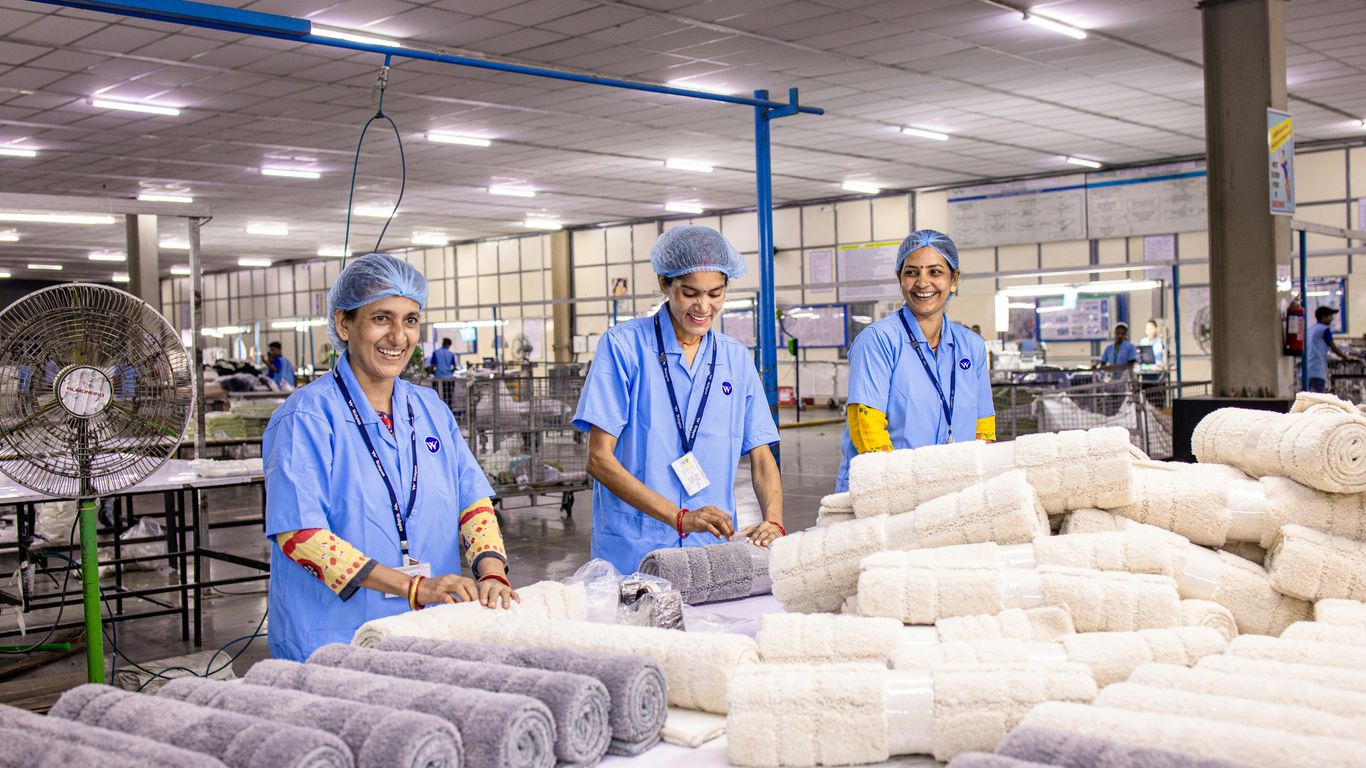
Ask the supplier to explain its production process and identify subcontracted stages. If certifications are relevant to your destination market or product claim, request current copies and confirm that they apply to the correct company, facility, and product. Export experience should be assessed through actual documentation and practical answers, not a general statement that the company ships worldwide.
Confirm the supplier’s registered name, address, bank-account name, production location, and export role. If the seller and manufacturer are different entities, record both parties in the purchase documents. This helps prevent confusion when arranging pickup or resolving a quality issue.
Comparing product specifications, samples, and production capacity
Send the same specification sheet to several suppliers. Compare their responses for fiber composition, towel weight, dimensions, tolerance, dyeing method, color reference, embroidery, packing, and lead time. Samples should be labeled so that the approved version can be matched to the eventual bulk goods.
Production capacity should be discussed in relation to your actual order and deadline. Ask how many units can be completed per day or week, when materials will be available, and whether other orders may compete for the same equipment. A supplier that can make a sample is not automatically a supplier that can complete a large, consistent order.
Reviewing pricing, payment terms, and minimum order quantities
A low unit price may exclude packaging, inland delivery, export handling, inspection, or customization. Request comparable quotations using the same trade term and product specification. Clarify whether the price is EXW, FOB, CIF, DAP, or another arrangement, because each term assigns different costs and responsibilities.
Minimum order quantities may apply per color, size, design, or packaging format rather than only to the full purchase order. Confirm sample fees, deposit percentages, balance timing, production validity, and the treatment of rejected goods before making payment. The objective is not simply a low price; it is a quote that can be reconciled with the final shipment.
Using inspections to confirm color, size, weight, and workmanship
An inspection plan should state what will be checked, when it will be checked, and what constitutes a failure. For towels, the plan may cover dimensions, weight, color shade, stitching, loose threads, stains, holes, embroidery placement, packaging, carton marks, and quantity. Measurements should use agreed tolerances rather than subjective language such as “premium quality.”
If several suppliers contribute to one shipment, identify each supplier’s cartons separately during inspection and consolidation. Photographs, count sheets, and measurement records can help resolve discrepancies before export. Inspection does not eliminate every risk, but it gives the buyer evidence and an opportunity to correct problems while the goods remain in China.
3. Preparing towels and home textiles for bulk freight
Textiles are comparatively light but can occupy substantial cubic volume. Their freight cost may therefore be driven by carton dimensions rather than gross weight, especially for LCL and air shipments. Packing decisions should be made while the order is being quoted, not after production is complete.
The supplier should provide a packing list that matches the approved product mix. Check the number of cartons, units per carton, net weight, gross weight, dimensions, and total CBM. These figures support freight quotations, warehouse planning, customs documentation, and final delivery arrangements.

Selecting suitable packaging for different textile products
Standard towels may be folded and packed in polybags, paper bands, inner cartons, or master cartons. Retail-ready sets, embroidered goods, and gift packages may need stronger protection against crushing or abrasion. Packaging should reflect the sales channel and handling journey, not just the supplier’s usual domestic packing method.
Ask whether the selected packaging adds meaningful protection or only presentation. For ocean freight, master cartons need sufficient strength for stacking and handling. For air freight, compact packing can reduce chargeable volume, but it must not compress the product so severely that it arrives creased, damp, or misshapen.
Managing carton dimensions, gross weight, and container utilization
Accurate carton data is central to freight planning. Measure finished cartons rather than estimating from the product specification, since folding, inner packaging, and carton tolerances can change the final volume. Keep a separate record for each SKU and supplier when the shipment contains mixed products.
Use the data to compare container utilization and shipping modes. A shipment that nearly fills a container may be suitable for FCL, while a smaller order may be more practical as LCL. Leave room for safe loading, aisle access where needed, weight distribution, and the carrier’s restrictions rather than trying to fill every remaining space.
Protecting textiles from moisture, dust, compression, and odor
Towels can absorb moisture and odors during storage or transit. Use clean, dry packaging and discuss desiccants, moisture barriers, palletization, and ventilation with the supplier or forwarder. Do not load cartons that are damp, damaged, or carrying a strong chemical odor.
Compression is another concern for soft goods. Cartons should be stacked according to their strength, and heavier products should not crush lighter retail packs. If goods are consolidated from multiple suppliers, keep them separated and record their condition at warehouse receipt.
Labeling cartons for inventory control and destination compliance
Carton marks should support receiving teams and customs review. Include purchase-order or SKU references, product description, carton sequence, quantities, gross and net weight where required, country-of-origin information where applicable, and handling marks that are appropriate for the cargo.
Destination rules may require specific textile fiber labels, care instructions, importer details, or packaging declarations. Confirm the requirements with a customs broker or compliance specialist before printing labels. A mark that helps the warehouse but conflicts with destination regulations creates avoidable rework.
4. Choosing the best shipping method from Gaoyang, Hebei
There is no single best method for every towel order. The right choice depends on cubic volume, weight, cargo-ready date, delivery deadline, destination, shipment value, and tolerance for schedule changes. Compare total cost and operational risk, not only the first freight rate.
For many orders, the decision is between FCL and LCL. Smaller or urgent consignments may justify air or express service, while a planned replenishment may benefit from ocean transport. Multimodal options can connect local pickup with port, rail, road, or final delivery legs.
Full-container-load shipping for large towel orders
FCL is generally considered when one order or several consolidated orders can use a substantial portion of a container. The cargo travels in a dedicated container, which can reduce handling between the origin warehouse and destination port. It also gives the buyer more control over loading order and carton segregation.
FCL still requires careful planning. Confirm the container type, allowable weight, loading date, shipping instructions, seal record, and destination charges. A container that is too large for the cargo may carry unnecessary cost, while a rushed loading plan can cause poor weight distribution or missing cartons.
Less-than-container-load shipping for smaller consignments
LCL allows smaller cargo to share container space with other shipments. It can make a modest towel order practical, but the shipment usually passes through consolidation warehouses and may experience additional handling. The quote should identify origin charges, consolidation fees, documentation, destination deconsolidation, and delivery terms.
Use exact carton data when requesting an LCL quote. Ask how the cargo will be protected from neighboring goods and whether the forwarder needs palletized or non-palletized cartons. For mixed-supplier orders, confirm whether all cargo can be received before the consolidation cutoff.
Air freight and express delivery for samples or urgent replenishment
Air freight is suited to time-sensitive, compact, or relatively high-value shipments when the additional cost is justified. Express delivery may be useful for samples, small replacement quantities, or documents, subject to carrier and destination rules. Chargeable weight can be based on volume as well as actual weight, so carton dimensions matter.
Do not send a partial order by air without checking whether the remaining ocean shipment will still meet its commercial purpose. A split shipment can protect a launch date, but it adds documentation, handling, and tracking work. Compare the cost of urgency with the cost of delayed stock before deciding.
Multimodal transport from Gaoyang to ports and inland destinations
A multimodal plan may combine local truck pickup, ocean or rail transit, and final road delivery. This can be useful when the buyer wants one coordinated movement from a supplier address to a warehouse or fulfillment center. Each handoff should have a named party, planned date, document requirement, and condition check.
For China-origin cargo, sea freight planning can cover supplier pickup, consolidation, export documents, and final delivery coordination. The selected route should still be based on the actual destination and cargo details, since port schedules, carrier availability, and inland delivery conditions vary.
5. Planning the export route and freight booking
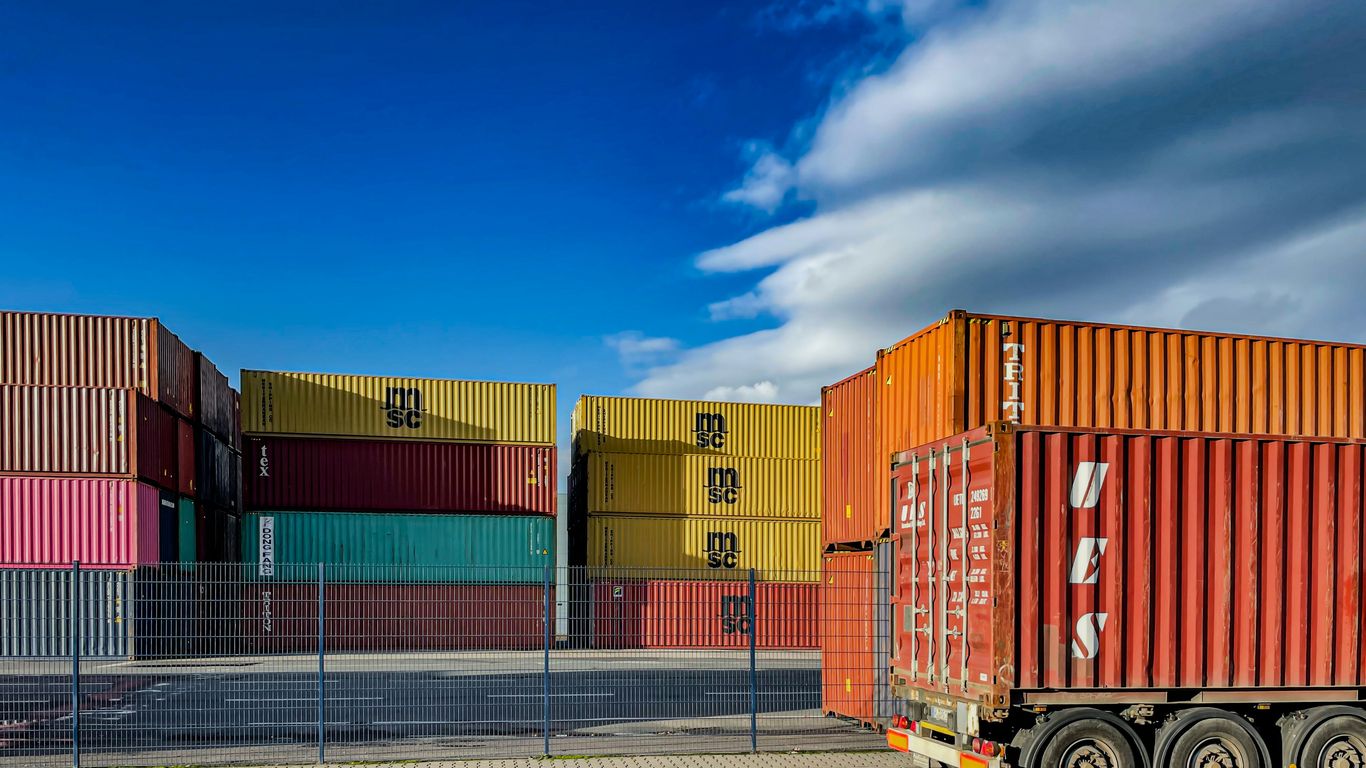
Gaoyang is inland, so the export plan normally begins with collection from the supplier and movement to a suitable consolidation point or seaport. The best port is not determined by distance alone. Sailing frequency, available equipment, inland trucking cost, cutoff times, destination service, and transshipment exposure all matter.
Book freight only after the cargo details are sufficiently stable. A quote based on guessed cartons may change when the finished goods are measured. A short pre-booking checklist can prevent repeated amendments and missed warehouse receiving windows.
Moving cargo from Gaoyang to suitable Chinese seaports
The supplier’s address, cargo-ready date, carton count, and loading conditions should be confirmed before arranging pickup. A forwarder can compare trucking to likely ports and advise whether consolidation or direct container loading is more practical. The route may change if the shipment is too small for direct loading or if the chosen sailing has no suitable equipment.
Provide the forwarder with the destination country, city, delivery address, product description, estimated HS classification, packing data, and any special handling needs. These details support a more realistic comparison than simply asking for a rate from “Gaoyang to destination.”
Comparing transit times, sailing schedules, and transshipment risks
A quoted transit time is normally an estimate, not a guarantee. Compare the planned departure, port cutoff, transshipment points, free-time allowance, and likely destination handling. A route with one additional connection may offer better frequency, while a direct service may reduce handling but have fewer sailing dates.
Build buffer into the delivery plan for factory delays, trucking congestion, customs examination, port omissions, and schedule changes. If stock is needed for a fixed promotion or production line, consider whether a small urgent shipment should travel separately from the main order.
Working with freight forwarders and consolidators
A forwarder should explain what its quotation includes and what remains payable at destination. Ask for an itemized offer covering pickup, warehouse receiving, export handling, origin documentation, ocean or air freight, insurance if requested, destination charges, customs brokerage, and final delivery. Terms that are vague at origin often become expensive at arrival.
For multi-supplier orders, cargo consolidation in China may simplify collection and export handling. The forwarder should provide a receiving process, supplier instructions, carton counting, photographs where agreed, and a clear method for reporting shortages or damaged cartons.
Coordinating supplier pickup, warehouse receiving, and container loading
Give suppliers a common cargo handover instruction. It should state the warehouse address, receiving hours, booking reference, carton labeling format, documents required, and deadline for delivery. Ask each supplier to confirm the final carton count before dispatch.
At receiving, compare the physical cartons with the packing list and purchase-order records. Record visible damage, wet cartons, missing labels, and unexpected dimensions. Only then should the consolidation or container-loading plan be finalized; early physical checks are often more useful than assumptions in a spreadsheet.
6. Calculating the landed cost of imported towels
Landed cost is the amount required to bring the goods to the agreed destination and make them available for sale or use. It is broader than the supplier’s unit price and broader than the ocean freight line on a quote. A reliable estimate separates known charges, variable charges, taxes, and destination costs.
Use the same commercial assumptions when comparing suppliers. Otherwise, a lower factory price may simply reflect an excluded packing service, a different Incoterm, or an incomplete destination estimate. Keep the calculation tied to the actual carton and product data.
Product pricing, inland transport, and export handling charges
Begin with the purchase price for each SKU, including customization, labels, retail packaging, and sample-related costs allocated to the order. Add pickup from the supplier, local trucking, warehouse receiving, consolidation, export handling, and origin documentation where applicable.
Check whether the supplier’s price includes loading or delivery to a forwarder’s warehouse. Under EXW, the buyer may carry more origin responsibility; under FOB, some origin costs are handled differently. Do not compare Incoterms as if they were interchangeable unit prices.
Ocean freight, surcharges, insurance, and destination fees
Ocean freight may be quoted with additional charges for fuel, equipment, documentation, peak periods, security, or terminal handling. Destination fees may include deconsolidation, terminal handling, delivery order, storage, demurrage, detention, and local delivery. The exact items depend on the route, carrier, service type, and destination agreement.
Insurance is a separate decision. Consider the value and vulnerability of the cargo, the coverage terms, exclusions, claim procedure, and evidence required. Towels are not usually treated like dangerous goods, but damage from moisture, contamination, crushing, or shortage still needs to be addressed contractually.
Import duties, taxes, customs brokerage, and delivery costs
Duty and tax depend on the destination country, product classification, customs value, origin, and applicable trade rules. Confirm the HS code and textile-specific requirements with a qualified customs professional rather than relying on a supplier’s casual classification. Brokerage fees and inspection charges should also be included in the estimate.
Final delivery may involve appointment fees, residential or warehouse restrictions, liftgate service, pallet disposal, or storage. These charges can be small individually but material for a low-value shipment. Ask for a destination-cost range and identify which amounts are estimates.
Using carton and container data to estimate landed cost accurately
A practical model allocates shared freight and handling costs across units using a consistent basis, such as CBM, gross weight, carton count, or product value. The right basis depends on the charge. Do not spread a weight-based fee by unit value or a volume-based fee by towel count without documenting the assumption.
| Cost component | Useful input | Common allocation basis |
|---|---|---|
| Product cost | SKU price and quantity | Units or SKU value |
| Origin transport | Pickup address and cargo-ready date | Cartons, weight, or CBM |
| International freight | Chargeable weight or container rate | Weight, CBM, or container share |
| Import charges | Customs value and classification | Customs value or shipment |
| Final delivery | Address, service level, and access | Shipment or delivery unit |
After calculating the estimate, test it against a low-volume LCL case and a larger FCL case if both are realistic. This shows whether a mode change materially affects the per-towel cost and helps prevent a freight quote from being mistaken for the complete import cost.
7. Managing customs, documents, and shipment risks
Document control starts before production is finished. The commercial invoice, packing list, transport document, purchase order, and product description should describe the same goods in consistent units. Discrepancies in quantity, value, names, or carton totals can delay review and complicate clearance.
Destination requirements differ, particularly for textile labeling, consumer safety, fiber declarations, packaging, and importer records. Confirm the rules for the market where the goods will be sold or used. A forwarder can help coordinate paperwork, but the importer remains responsible for providing accurate commercial information.

Commercial invoices, packing lists, bills of lading, and certificates
The commercial invoice should identify the seller, buyer, product description, quantities, unit prices, total value, currency, origin, and agreed trade term. The packing list should show carton-level quantities, dimensions, net weight, gross weight, and marks. The bill of lading or air waybill must match the shipment instructions and consignee details.
Some destinations or buyers may require certificates of origin, inspection certificates, insurance evidence, test reports, or other documents. Use import paperwork assistance when the shipment includes multiple suppliers or when Incoterms and document responsibilities are unclear. Early review is preferable to discovering a missing document after departure.
Confirming textile labeling and import requirements in the destination market
Textile labeling may require fiber content, care instructions, country of origin, importer information, language rules, or specific placement. Requirements can differ by product and market, even when the towel appears commercially ordinary. Confirm them before bulk production so that labels do not need to be replaced at the warehouse.
Product claims such as organic, antibacterial, recycled, or hotel grade should be supported by appropriate evidence. Avoid printing a claim merely because it appears in a supplier catalog. The label, invoice, marketing material, and technical documents should describe the product consistently.
Choosing Incoterms that match the buyer’s logistics capabilities
Incoterms define selected responsibilities, costs, and risk points between seller and buyer; they do not replace a complete shipping contract or determine every customs obligation. EXW, FOB, CIF, DAP, and DDP can produce very different workflows. Choose a term that matches who can arrange pickup, export handling, import clearance, tax payment, and final delivery.
A first-time importer may prefer a coordinated service, while an established buyer with a local customs broker may want more control. The key is to write down the handover point and confirm which party pays each charge. Never accept a term without understanding what happens at both origin and destination.
Handling delays, cargo damage, shortages, and supplier disputes
Set a process for reporting problems. Photograph damaged cartons at receipt, preserve packaging, record the carton number, and compare the shortage with the supplier’s packing list and warehouse count. Notify the responsible party within the contractual period and keep all correspondence in one file.
Delays may arise from production, pickup, port cutoff, customs inspection, weather, carrier changes, or destination congestion. A practical response is to identify the next decision date, the available alternative route, the stock impact, and the cost of changing the plan. Insurance claims and supplier claims require evidence, so records taken at each handoff matter.
8. A practical workflow to ship towels from Gaoyang, Hebei
A repeatable workflow makes a textile import easier to manage than a series of urgent messages. Start with a complete product brief, then validate the supplier, calculate the shipment, approve the packing, and book transport using final cargo data. The same sequence works for a trial order and can be expanded for recurring replenishment.
The following steps are also useful when coordinating several factories. Keep one shared file for specifications, quotations, purchase orders, inspection records, packing lists, booking details, and clearance documents. This creates a reliable handoff between purchasing, logistics, customs, and receiving teams.
Defining specifications, quantities, and delivery deadlines
Write the specification before requesting freight rates. Include product type, fiber content, size, weight, color, tolerance, decoration, packaging, labeling, quantity by SKU, carton assumptions, destination, and cargo-ready date. Separate the required delivery date from the preferred delivery date so that the forwarder can explain the available trade-offs.
If the order is intended for e-commerce or a fulfillment center, add carton and barcode requirements at the start. If it is a hotel or institutional order, include set composition, replacement expectations, and acceptance standards. Clear inputs reduce revisions later.
Requesting comparable supplier and freight quotations
Send the same brief to selected suppliers and ask for the same commercial term. In parallel, send final or carefully estimated carton information to freight forwarders. Compare the resulting offers for inclusions, exclusions, payment terms, production timing, pickup timing, and destination charges rather than ranking them by unit price alone.
A useful request should include product photos, supplier address, destination city, quantities, cartons, dimensions, gross weight, CBM, cargo-ready date, and desired shipping method. For broader preparation, this textile sourcing workflow offers a related framework for defining specifications, comparing suppliers, and preparing goods for international transport.
Approving samples, inspections, packaging, and shipping documents
Approve a labeled sample or a documented pre-production sample before bulk work begins. Confirm the inspection scope and acceptance tolerances in writing, then check the finished cartons against the packing list before booking is finalized. Make sure the invoice, packing list, purchase order, and booking instructions use consistent descriptions and quantities.
For mode selection and document coordination, Kunpeng Freight describes supplier pickup, export documentation, multiple transport modes, shipment updates, and final delivery coordination. When the shipment requires a different logistics arrangement, request a freight quote using the actual cargo details rather than a general product name.
The following unrelated reference pages may appear in a broader research library, but they do not replace textile or freight guidance: Liberate program, Italian dining etiquette guide, local marketing tips, VAT transport documents, and Gateway International Loan. They should not be used to determine towel specifications, customs treatment, or freight decisions.
Tracking the shipment through customs clearance and final delivery
After loading, monitor the transport document, departure status, transshipment events where applicable, arrival notice, customs submission, release, and final delivery appointment. Confirm who receives each update and when the importer must provide information. A shipment tracker is most useful when it includes the next action and responsible party, not only a status label.
For time-sensitive goods, maintain a backup plan for delayed clearance or missed delivery appointments. At final receipt, count cartons, inspect visible condition, compare the delivery against the packing list, and file any discrepancy promptly. This closes the loop and improves the next order.
Conclusion
To ship towels from Gaoyang, Hebei successfully, treat sourcing, quality control, packing, freight booking, customs, and delivery as one connected process. Clear specifications and accurate carton data make supplier and freight comparisons more meaningful, while early document review and physical checks reduce avoidable surprises. The most suitable route is the one that fits your cargo, deadline, destination, budget, and ability to manage each handoff.
Frequently Asked Questions
Is Gaoyang suitable for exporting towels and home textiles?
Gaoyang is known for a concentrated textile supply base with factories, workshops, trading companies, and related services. Buyers should still verify the specific supplier’s product range, quality process, export role, and production capacity.
What information should I request from a towel supplier?
Request fiber content, size, towel weight, color reference, tolerances, decoration details, packaging, MOQ, lead time, payment terms, company information, and export responsibilities. A labeled sample and written specification should support the quotation.
Should I ship towels by FCL or LCL?
FCL may suit large or consolidated orders that use a meaningful portion of a container, while LCL can suit smaller consignments. Compare carton volume, handling charges, schedule, destination fees, and delivery requirements before choosing.
Can towels be shipped by air freight?
Yes, air freight can be considered for samples, urgent replenishment, compact orders, or higher-value cargo when speed justifies the cost. Chargeable weight may be calculated from volume, so finished carton dimensions are necessary.
What documents are commonly needed for towel imports?
Common documents include a commercial invoice, packing list, bill of lading or air waybill, purchase records, and any certificates or test documents required by the destination. Exact requirements depend on the product, country, importer, and customs classification.
How can I reduce damage during textile shipping?
Use clean, dry, appropriately strong packaging; protect goods from moisture and odor; avoid excessive compression; label cartons clearly; and record condition during supplier pickup, warehouse receipt, loading, and final delivery.
What is the most reliable way to estimate landed cost?
Combine product cost, customization, origin transport, export handling, international freight, insurance, destination charges, duties, taxes, brokerage, storage, and final delivery. Base the calculation on measured cartons, gross weight, CBM, product value, and the agreed Incoterm.