Key Takeaways
Keqiao offers broad access to textile suppliers, but successful international sourcing depends on disciplined specifications, quality checks, and shipment planning.
- Define fiber content, construction, width, weight, color, finish, and packing requirements before requesting quotes.
- Compare mills, wholesalers, trading companies, and sourcing agents according to order size and required control.
- Confirm roll measurements, packaging, documents, and shipping terms before cargo leaves the supplier.
- Choose transport based on volume, urgency, destination, and the total landed cost rather than freight price alone.
- Keep supplier, forwarder, customs, and delivery responsibilities documented from purchase order to final receipt.
1. Understanding Keqiao’s textile market and sourcing ecosystem
Keqiao, in Shaoxing, is a major textile trading and manufacturing center with a deep network of fabric sellers and production partners. Buyers can find finished fabrics, greige goods, knitted materials, woven textiles, and related services in one sourcing region. That variety is useful, but it also means that similar-looking products may differ significantly in composition, finishing, and consistency. A clear buying brief makes the market easier to navigate.
Why Keqiao is a major global fabric hub
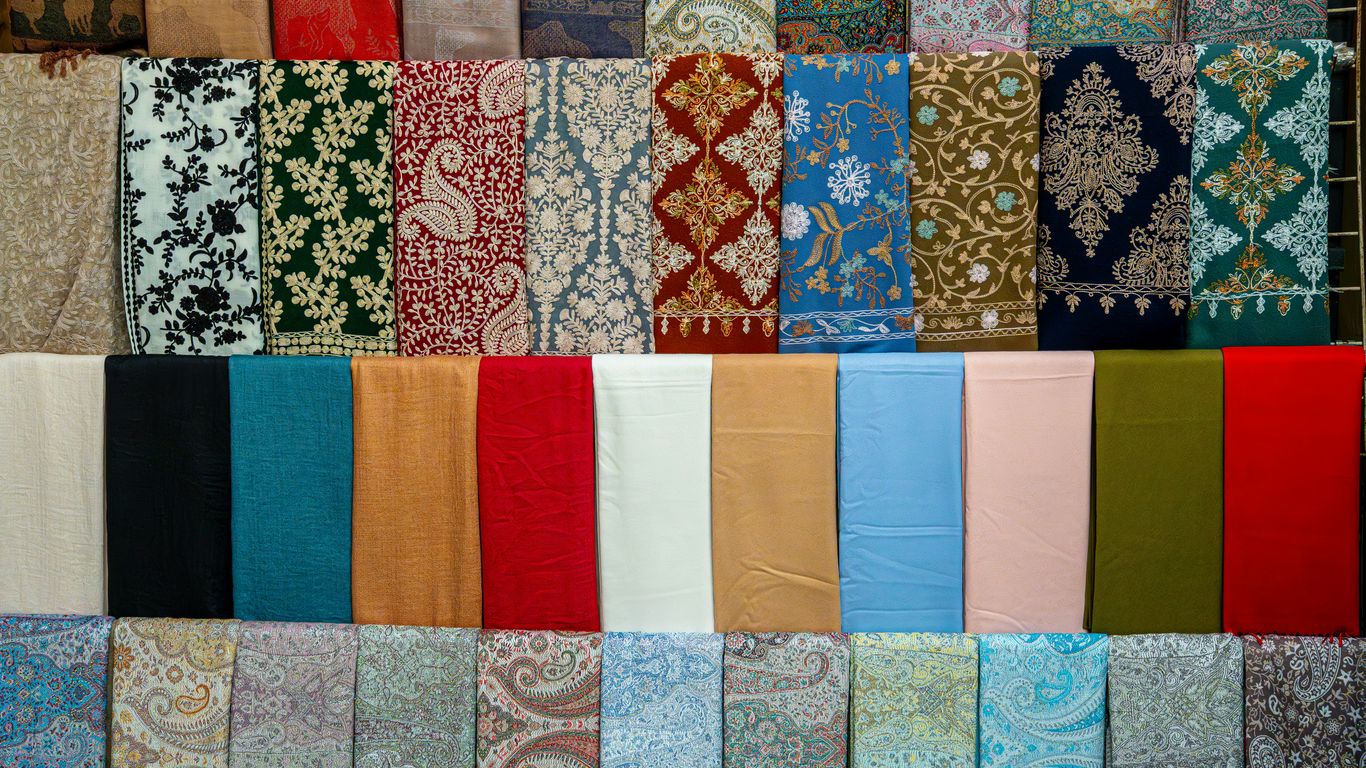
Keqiao combines market distribution with nearby manufacturing capacity, allowing buyers to compare many fabric categories without relying on a single supplier. The China Textile City market attracts international buyers because samples, production discussions, and price comparisons can often happen within the same sourcing trip. For businesses planning to source Keqiao fabrics, the practical advantage is access to a broad supplier base rather than a guarantee of quality or price.
The market is especially useful when a buyer is still refining a collection. You can review hand feel, color, drape, stretch, and finishing options before committing to a larger order. The next step is to separate suppliers that merely display a fabric from those that can reproduce it consistently.
How the China Textile City market is organized
The market is not a single uniform showroom. It includes different buildings, streets, product areas, sales offices, warehouses, and factories serving distinct parts of the textile trade. Some sellers hold stock, while others arrange production through partner mills, so the name on a sample card may not be the name on the final export documents.
A buyer should record the seller’s legal company name, contact details, fabric reference, quoted basis, and production location. A local sourcing guide can help visitors distinguish the major market areas and understand whether a conversation concerns wholesale stock, custom production, or a factory order.
Choosing between mills, wholesalers, trading companies, and sourcing agents
A mill may offer stronger control over production, while a wholesaler can be more practical for small quantities or ready stock. Trading companies may coordinate several processes, but you should ask which activities they perform themselves and which they subcontract. A sourcing agent can help compare suppliers, communicate specifications, arrange inspections, and coordinate handover, but the scope and fee should be written clearly.
The right choice depends on your volume, development needs, tolerance for variation, and ability to manage communication in China. Treat the supplier relationship as an operating decision, not simply a price comparison.
When direct factory sourcing makes sense for textile rolls
Direct factory sourcing becomes more attractive when you need repeat production, custom finishing, stable specifications, or a substantial volume. It may also provide clearer answers about machinery, lead time, testing, and production scheduling. However, direct contact does not remove the need for independent checks or written purchase terms.
Before placing an order, confirm whether the factory exports under its own name, can issue the required documents, and can prepare rolls for your chosen transport method. A freight partner can then coordinate supplier pickup without assuming that the factory’s packing information is complete.
2. Finding and evaluating fabric suppliers in Keqiao
Supplier selection should begin with the fabric itself and end with evidence that the supplier can reproduce and ship it correctly. Photos are useful for a first search, but they cannot establish weight, width, colorfastness, or composition. Ask for samples and technical information before comparing commercial offers. This is also the stage to identify whether your order is stock, made-to-order, or dependent on another mill.
Defining fabric specifications before contacting suppliers
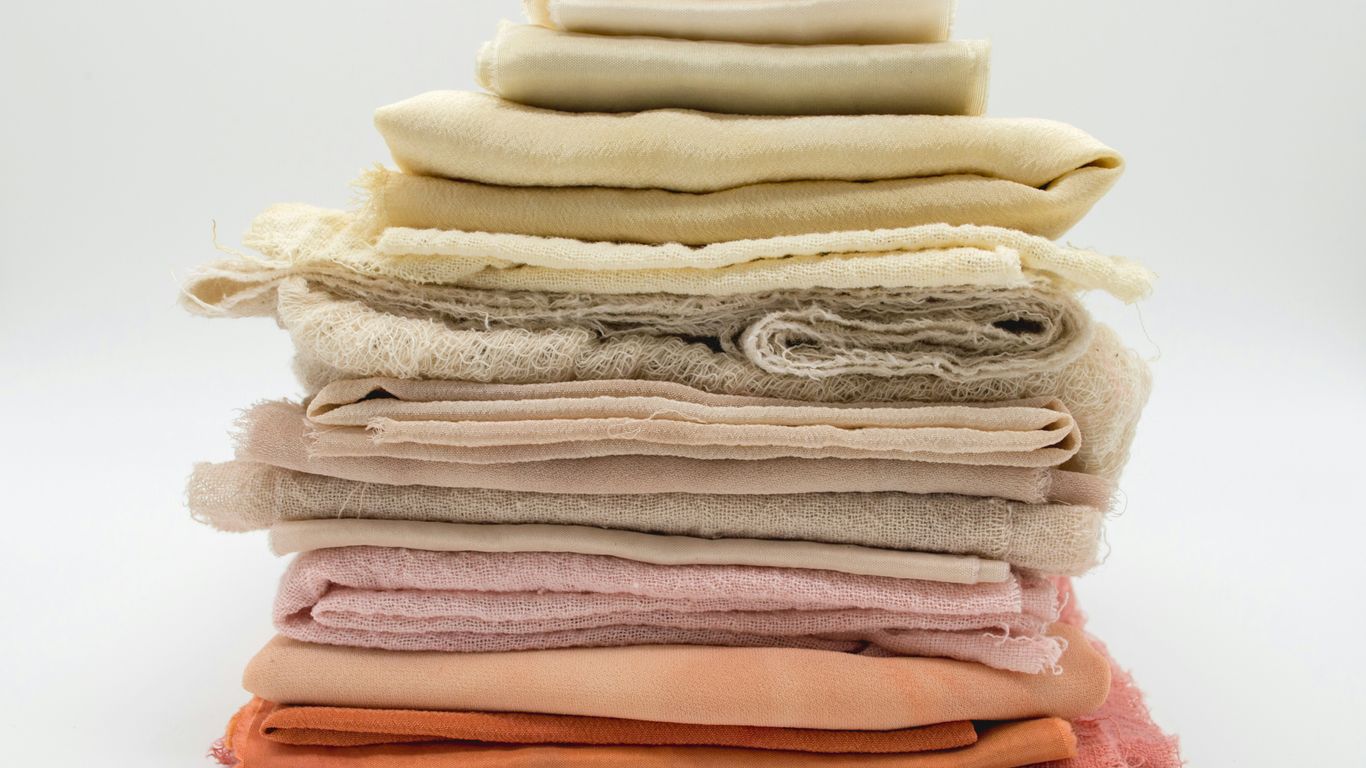
Prepare one specification sheet for each fabric rather than describing requirements differently to every seller. Include fiber content, construction, finished width, weight per square meter, stretch, finish, color reference, intended use, estimated quantity, and roll preferences. If available, attach a reference swatch, drawing, or existing technical document.
This discipline reduces ambiguous quotations and makes later inspection more meaningful. It also gives a forwarder the information needed to estimate packing volume and transport requirements.
Verifying supplier experience, production capacity, and export history
Ask how long the supplier has handled the relevant fabric category, where production takes place, and whether the quoted quantity fits its normal capacity. Export history can be checked through commercial references, prior documents, or shipment records where available, but such evidence should be interpreted carefully. A supplier that has exported a different product is not automatically experienced with your fabric.
Confirm production lead time, holiday effects, payment milestones, and the person responsible for quality communication. Written answers are more useful than general assurances because they can be compared across shortlisted suppliers.
Comparing samples, swatches, and technical data
Compare samples under the same conditions. Check color under suitable lighting, measure width and weight, inspect the reverse side, and assess defects, odor, weave or knit regularity, stretch recovery, and surface finish. Keep an approved reference sample sealed and identified with the supplier, date, and fabric code.
Technical sheets should support—not replace—physical comparison. If two fabrics appear similar but have different composition or finishing, record the difference before negotiating price.
Checking certifications, compliance, and quality management systems
Ask which certifications or test reports apply to the actual fabric and current production, rather than accepting a generic company certificate. Verify the issuing body, validity, scope, and whether the document covers the fiber, dyeing, finishing, or restricted substances relevant to your destination market.
Compliance requirements vary by product and country. Confirm them with your importer, customs adviser, or testing laboratory, and make the supplier’s obligations part of the purchase order. A freight forwarder can review whether the commercial paperwork is consistent, but it should not replace technical or legal compliance advice.
3. Building a reliable fabric purchasing process
A dependable purchase process turns a sample into a controlled order. The central documents are the specification sheet, quotation, approved sample, purchase order, inspection criteria, and packing details. Each should use the same fabric code and measurable terms. That continuity prevents a low price from being attached to a slightly different material.

Requesting quotes with consistent specifications
Send the same brief to every shortlisted supplier and ask for comparable pricing. Request the unit basis, currency, tax treatment, minimum order, production lead time, sample charges, payment terms, packing method, and quotation validity. Ask separately about stock and new production so that a ready-stock price is not compared with a made-to-order price.
A quote should also identify whether local delivery, loading, export preparation, or inland transport is included. Those details affect the later freight calculation.
Negotiating minimum order quantities, pricing, and payment terms
Minimum order quantities often reflect dyeing, finishing, loom, or knitting setup requirements. If your demand is uncertain, ask whether a smaller trial order is possible and what price or color limitations would apply. Negotiate around the complete commercial arrangement, including lead time, replacement treatment for defects, packing, and documentation.
Payment milestones should correspond to identifiable events, such as order confirmation, pre-production approval, or completion of inspection. Avoid relying on informal messages when the agreed terms can be recorded in a purchase order.
Confirming color standards, roll lengths, and packaging requirements
Color should be tied to a physical standard, recognized color reference, or approved lab dip—not only a screen image. Specify acceptable variation, roll length range, fabric direction, core size, outer wrapping, labels, and whether rolls may be folded or must remain cylindrical.
Use one packing instruction for the supplier and one copy for the logistics team. If you need cargo measurement guidance, the same dimensions should appear in the supplier’s packing list and the forwarder’s booking information.
Using pre-production samples and inspections to reduce risk
A pre-production sample confirms that the supplier has interpreted the specification correctly before the full quantity is completed. For repeat orders, compare production against the retained approval sample and establish a practical defect standard. An inspection may cover quantity, roll identification, dimensions, appearance, packing, and visible defects.
The inspection result should lead to a decision: release, correct, rework, or hold. Clear instructions at this point are more effective than trying to resolve an undocumented discrepancy after loading.
4. Preparing textile rolls for international shipment
Textile rolls are light compared with many industrial goods, but they can occupy substantial volume and are vulnerable to compression, moisture, dirt, and rough handling. Transport planning begins with accurate cargo data, not an estimate based on the number of rolls alone. Ask the supplier for final packed dimensions and weights before booking. This information determines whether consolidation or a full container is sensible.

Measuring roll dimensions, weight, and total shipment volume
Record the number of rolls, net and gross weight, length, diameter, width, packing type, and total cubic volume. Measure packed rolls rather than unfinished goods because wrapping, cores, pallets, and corner protection change the shipment profile.
A simple cargo schedule should reconcile the roll count with the packing list. If the measured volume differs materially from the initial quote, request a revised freight calculation before cargo is collected.
Selecting suitable wrapping, labeling, and palletizing methods
The packing method should suit the fabric, route, handling points, and destination warehouse. Common decisions include inner plastic protection, outer woven wrapping, end protection, roll labels, pallet use, and whether pallets must meet destination requirements. Labels should match the commercial documents and show the fabric code, roll number, quantity, and handling information where needed.
Do not palletize automatically. Pallets can improve handling but add weight, height, and volume; some rolls may load more efficiently without them. Agree on the method in writing before production packing begins.
Choosing between consolidated cargo and full-container loads
Consolidated cargo can suit smaller orders or purchases from several suppliers, provided the forwarder can receive, identify, and combine the goods correctly. A full-container load may offer more control over loading and reduce handling when volume is sufficient. The choice depends on cargo volume, timing, destination charges, handling sensitivity, and the number of suppliers.
A consolidation plan should show which supplier delivers what, when cargo must arrive at the warehouse, and how each package will be identified. Cargo consolidation in China is most effective when the shipment data is complete before the first pickup.
Protecting fabrics from moisture, crushing, stains, and handling damage
Use intact wrapping, dry storage, clean loading areas, and sensible stacking limits. Keep rolls away from wet cargo and inspect the outside packaging at pickup. Photographs of labels, roll ends, pallets, and visible damage create a useful handover record.
Packaging cannot compensate for unsuitable storage or a poorly planned container load. The supplier, warehouse, trucker, and forwarder should each know who checks the cargo at their stage.
5. How to ship fabrics from Keqiao Shaoxing to global markets
To ship fabrics from Keqiao Shaoxing, coordinate three connected movements: collection from the supplier, export handling in China, and international delivery to the destination. The best method depends on volume, urgency, cargo value, route availability, and documentation. A clear quote should separate origin charges, international freight, and destination costs. Transit estimates remain subject to carrier schedules, port conditions, weather, and customs processing.
Comparing ocean freight, air freight, rail, and express delivery
Ocean freight is generally suited to larger, less urgent textile shipments, while air freight may fit time-sensitive or higher-value orders with manageable volume. Rail can be relevant on specific China–Europe routes, and express delivery is usually reserved for samples or very small urgent consignments. These are trade-offs, not universal rankings.
| Transport mode | Typical use | Main consideration | Cargo planning focus |
|---|---|---|---|
| Ocean | Larger orders and containers | Longer, schedule-dependent transit | Volume, port pair, container type |
| Air | Urgent or compact shipments | Higher chargeable cost | Packed weight and dimensions |
| Rail | Suitable inland-connected routes | Route and service availability | Border and terminal handling |
| Express | Samples and small parcels | Limited scale and higher unit cost | Address, paperwork, package size |
Compare the complete route rather than the headline freight rate. A lower origin price may be outweighed by destination handling, storage, or a delivery arrangement that does not suit your warehouse.
Coordinating trucking from Keqiao to the export port
The supplier pickup should be scheduled around production completion, inspection release, warehouse receiving hours, and the vessel or flight cutoff. Provide the trucker with the exact address, contact person, roll count, packed dimensions, and loading conditions. Textile rolls may require a vehicle with suitable clean, dry space and enough capacity for safe loading.
Confirm pickup evidence, actual measurements, and any waiting or reloading charges. Early verification is useful because a truck booking based on estimated cargo can create avoidable changes.
Selecting ports, freight forwarders, and shipping routes
A forwarder should explain the proposed port, sailing or flight schedule, transshipment points, cutoffs, consolidation warehouse, and final delivery responsibilities. Compare communication quality as well as price: you need timely notice when cargo is short, late, damaged, or documented incorrectly.
For a practical comparison of modes and terms, review a China shipping guide, then request a quote based on your actual rolls. A route should be selected for its fit with the order, not because it is familiar.
Understanding Incoterms, freight quotes, and transit times
Incoterms define which party handles costs, transport stages, risk, and certain export or import responsibilities. They do not by themselves settle every issue, such as product quality, insurance scope, or customs classification. Make sure the supplier quotation and freight quote use the same named place and term.
Ask for validity dates, included and excluded charges, estimated transit, free-time assumptions, and destination fees. Kunpeng Freight can be contacted with product details, pickup and destination information, dimensions, weight, and cargo readiness so a logistics team can assess the shipment on actual data.
6. Managing customs, documents, and import compliance
Textile imports require consistency between the goods, the purchase order, the packing list, the invoice, and the transport document. Small differences in roll count, description, weight, or consignee details can create questions at export or import. Prepare documents before cargo reaches the warehouse. The importer remains responsible for meeting destination-country requirements, even when a forwarder assists with paperwork.
Preparing commercial invoices, packing lists, and bills of lading
The commercial invoice should identify the seller, buyer, product description, quantity, unit value, currency, terms, and origin information required for the shipment. The packing list should reconcile rolls, marks, dimensions, net weight, gross weight, and packages. The bill of lading or air waybill must match the agreed shipper, consignee, notify party, and routing instructions.
Review drafts before issuance. Once cargo is in transit, correcting a document may involve fees, delays, or additional customs questions.
Confirming fabric classifications, duties, and country-of-origin rules
Fabric classification can depend on fiber content, construction, processing, and destination rules. Do not guess the HS code from a supplier’s old invoice. Confirm the classification and duty treatment with a qualified customs professional or the relevant authority, especially when blends or special finishes are involved.
Country-of-origin rules may also affect marking, trade remedies, or preferential treatment. Keep production and supplier records that support the declaration made at import.
Meeting destination-market labeling and product requirements
Labels may need to state fiber composition, care information, country of origin, roll identification, or other details depending on the destination and intended sale. Requirements can differ for fabric sold to manufacturers and fabric sold directly to consumers. Check the rules before printing labels or packing a large order.
If the fabric is intended for a regulated use, obtain any required testing or declarations before shipment. Logistics coordination should follow the compliance plan, not replace it.
Avoiding delays caused by documentation or customs discrepancies
The most preventable delays usually begin with mismatched descriptions, incomplete values, incorrect consignee details, missing certificates, or unexplained differences between packed cargo and documents. Use a pre-departure document review and ask the supplier to confirm final quantities after packing.
Keep one version-controlled document set. If customs asks a question, respond with a consistent explanation supported by the invoice, packing list, purchase order, and product records.
7. Controlling landed cost and delivery performance
The purchase price is only one part of the financial result. Landed cost includes the fabric, origin services, freight, insurance where selected, duties, destination handling, customs-related fees, storage, and final delivery. Delivery performance also includes whether the correct quantity and specification arrive in usable condition. Tracking both cost and execution gives you a better basis for repeat orders.
Calculating the full landed cost of imported fabric
Build a cost model for each shipment and state the currency and unit basis. Divide total landed cost by the appropriate unit—meter, kilogram, roll, or finished item—so different supplier offers can be compared fairly. Separate confirmed charges from estimates and identify who pays each line.
A practical model should include supplier price, inland pickup, export handling, international freight, duties, destination charges, and delivery to your receiving location. Microsoft Fabric can be relevant to businesses seeking a connected view of procurement, inventory, logistics, and production data, but it does not replace shipment-level cost verification.
Accounting for tariffs, insurance, handling fees, and destination charges
Tariffs may be calculated from the customs value and applicable classification, while handling fees can vary by port, carrier, warehouse, and delivery arrangement. Insurance is a separate decision: check the scope, exclusions, valuation basis, and claim process rather than assuming that carrier liability equals cargo insurance.
Ask the forwarder to itemize destination charges and clarify whether taxes, broker fees, storage, demurrage, or delivery appointments are included. This makes a quote easier to evaluate and reduces unpleasant surprises.
Tracking production milestones and shipment status
Set milestone dates for sample approval, raw-material readiness, production completion, inspection, packing, pickup, warehouse receipt, export clearance, departure, arrival, customs release, and final delivery. Each milestone should have an owner and a source of confirmation. Photographs and measured cargo data are particularly useful at pickup and warehouse receipt.
For broader operational planning, supply chain visibility is useful when procurement, inventory, logistics, and production information must be viewed together. Keep shipment updates tied to the specific order so a general dashboard does not conceal a roll-count or document problem.
Planning inventory buffers for seasonal and repeat orders
Textile demand can change with fashion calendars, promotions, weather, and production schedules. Set a buffer according to demand variability, replenishment lead time, carrier schedules, customs risk, and the cost of holding inventory. A repeat order should begin with a review of the previous shipment’s actual lead time and defects, not merely its quoted timetable.
You can also divide a large order into planned releases when the supplier and freight route allow it. That approach may reduce exposure to one production or transport event, although it can add handling and freight costs.
For operational questions, request shipping support with the supplier location, destination, packed dimensions, weight, cargo-ready date, and preferred transport mode. Those details allow the route and quote to be assessed against the shipment you actually have.
Get a Shipping Quote
If you are ready to move textile rolls, contact Kunpeng Freight with your supplier address, cargo details, destination, and preferred timing so the logistics team can review pickup, documentation, transport, and delivery requirements.
Conclusion
Successful fabric importing from Keqiao rests on a connected process: define the material, verify the supplier, approve the production standard, measure the packed rolls, and choose transport with all origin and destination costs in view. When documents and responsibilities are agreed before pickup, international delivery becomes easier to monitor and repeat.
Frequently Asked Questions
What information should I send when requesting a fabric shipping quote?
Provide the supplier address, destination address, number of rolls, packed dimensions, gross weight, cargo-ready date, fabric description, and preferred transport method. Photos and a packing list are helpful when available.
Is ocean freight suitable for textile rolls?
Ocean freight is often suitable for larger or less urgent orders, but the decision depends on volume, route, timing, destination charges, and whether the cargo can tolerate the longer schedule.
Should fabric rolls be palletized?
Pallets can improve handling, but they add weight and volume. The choice should reflect the roll construction, warehouse handling equipment, container loading plan, and destination requirements.
How can I compare fabric suppliers in Keqiao?
Compare written specifications, samples, production location, capacity, export experience, certifications, lead time, minimum order, payment terms, and inspection arrangements—not price alone.
Which documents are normally needed for a fabric shipment?
Common documents include a commercial invoice, packing list, and bill of lading or air waybill. Additional certificates, declarations, licenses, or labels may be required by the product and destination.
How is the landed cost of imported fabric calculated?
Combine the product price, origin pickup and handling, international freight, insurance if selected, duties, customs or broker fees, destination handling, storage where applicable, and final delivery.
What causes delays when shipping textile rolls internationally?
Common causes include inaccurate dimensions, mismatched roll counts, incomplete descriptions, incorrect classifications, missing certificates, late production, customs inspections, port congestion, and carrier schedule changes.