Key Takeaways
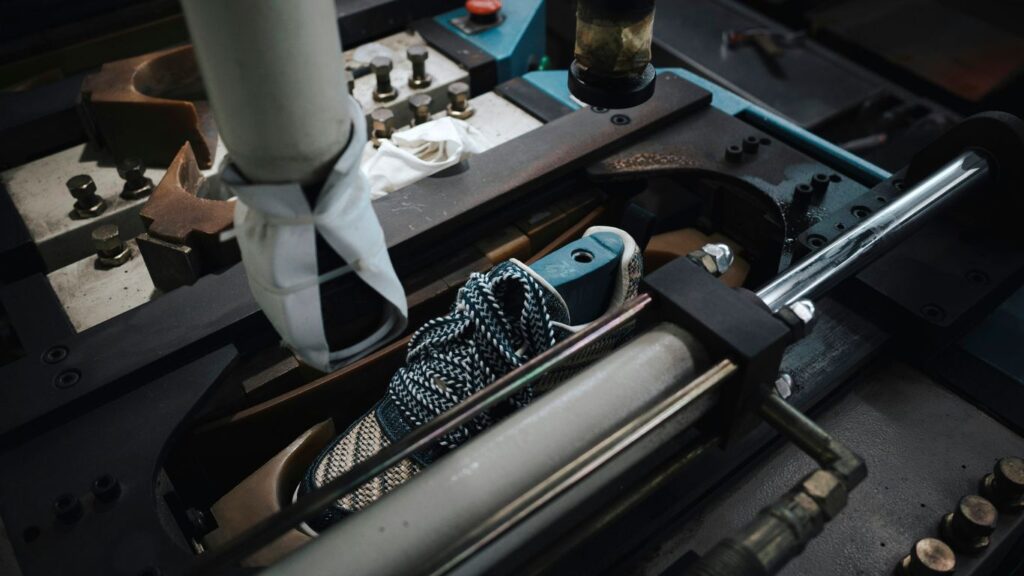
Jinjiang can be a practical source for athletic shoes, trainers, and private-label footwear, but a successful order depends on decisions made before production begins.
- Define construction, materials, branding, sizing, packaging, and order volume before requesting quotations.
- Verify whether a supplier is a factory, trading company, or sourcing intermediary.
- Approve samples and a pre-production reference before authorizing bulk manufacturing.
- Build quality checks, testing, documentation, and customs responsibilities into the order plan.
- Coordinate supplier pickup, freight bookings, export paperwork, and final delivery as one process.
1. Understanding Jinjiang’s sneaker manufacturing ecosystem
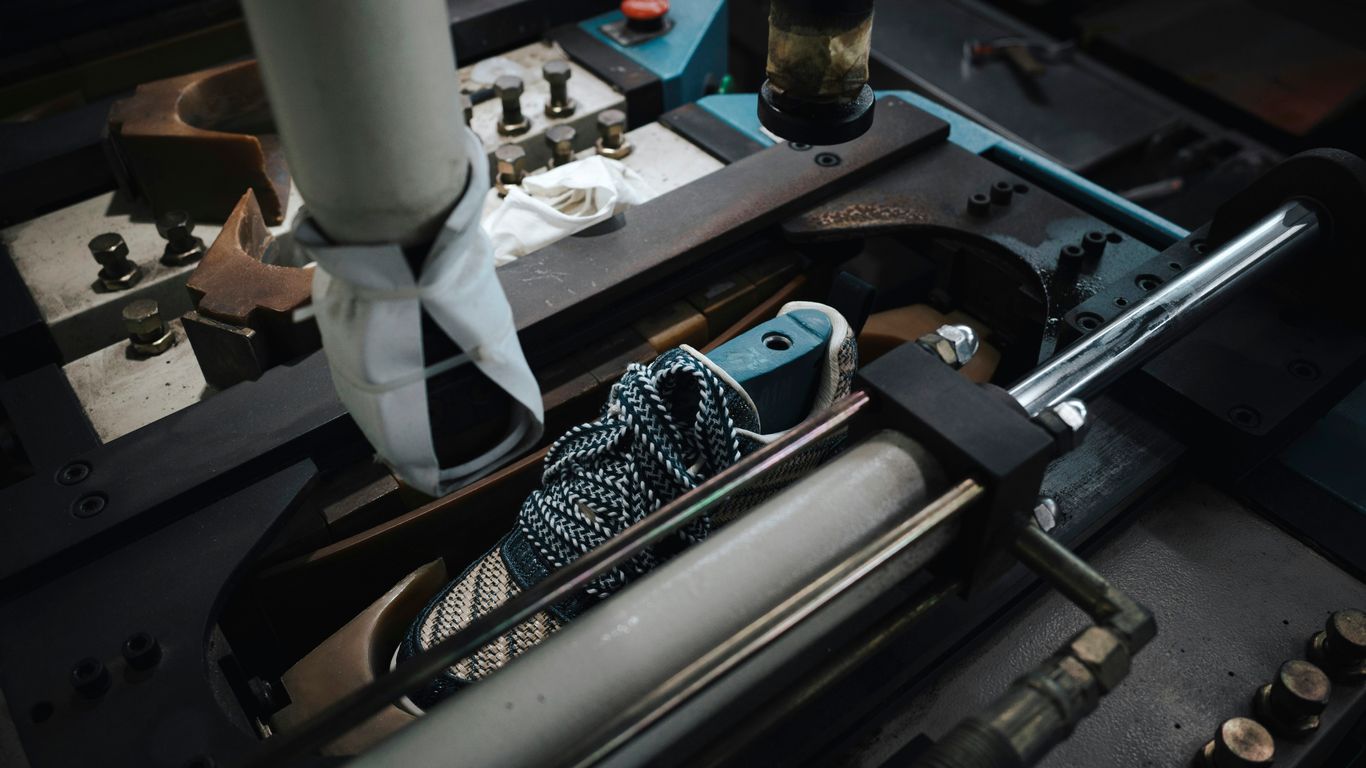
Jinjiang is widely recognized as a major footwear production center in Fujian. Its dense network includes factories, component suppliers, workshops, trading companies, and logistics providers, giving buyers access to several levels of customization and production support. That density is useful, but it also means that a polished sales presentation is not enough evidence of capability. A buyer still needs to match the supplier’s actual equipment, experience, and order scale to the product being developed.
Why Jinjiang is a major footwear sourcing hub
Jinjiang’s importance comes from the concentration of footwear skills and supporting businesses in one region. A buyer may be able to develop uppers, soles, packaging, and branded details through connected local suppliers rather than coordinating every component from distant locations. The area is associated with sports shoes and other casual footwear, while its supplier base ranges from smaller workshops to export-oriented manufacturers. Jinjiang footwear sourcing can be a useful starting point for understanding the range of suppliers and customization options presented to international buyers.
The practical advantage is not simply a lower factory quotation. Local supplier depth can shorten communication loops during sampling, make material substitutions easier to discuss, and provide more options when a first factory is not suitable. These benefits only appear when specifications are clear and the buyer checks who will actually make each part of the shoe.
Main footwear clusters, factory types, and supplier profiles
The local ecosystem is best viewed as a chain rather than a single type of factory. Some businesses specialize in cutting and stitching, some focus on soles or molded components, and others assemble finished shoes or coordinate production through subcontractors. Trading companies may offer broader catalogs and communication support, while a direct manufacturer may provide more visibility into machinery, labor, and scheduling.
Ask for the factory’s legal name, physical address, business license, production photographs, and the names of the processes performed on site. If a supplier says it can produce many categories, ask which ones are made routinely and which are outsourced. A useful comparison of manufacturing clusters is available in this China sourcing regions guide, particularly when you are deciding whether regional specialization outweighs distance or supplier familiarity.
Athletic shoes, trainers, sports shoes, and private-label capabilities
A supplier that makes athletic shoes may still be unsuitable for a technical running shoe, a fashion trainer, or a basic private-label sneaker. Construction affects the required machinery, materials, testing, labor steps, and mold investment. Clarify whether your design uses cemented, vulcanized, injection-molded, or another construction method, then ask the factory to show comparable completed work.
Private-label production usually requires more than adding a logo. It may involve custom colors, woven labels, printed insoles, outsole marks, tissue paper, shoeboxes, and retail cartons. Confirm which elements are produced internally, which are purchased from approved vendors, and which minimum quantities apply to each one.
How Jinjiang compares with other Chinese footwear regions
Regional comparison should focus on the entire supply chain rather than a reputation alone. Consider the depth of component sourcing, access to skilled labor, export experience, inland transport, inspection availability, and the total landed cost. A region that offers a lower ex-factory price can become less attractive if it requires costly transfers, longer development cycles, or fragmented supplier coordination.
Fujian’s footwear specialization can be valuable for buyers who need sports-oriented construction and a broad supporting network. Still, the right choice depends on the product, quantity, compliance requirements, and destination market. A first sample order is often more informative than a broad regional ranking.
2. Defining your sneaker sourcing requirements
A factory cannot quote accurately from a product name alone. “Custom sneakers” may describe several constructions, material grades, finishing methods, and packaging levels, each with different costs and production risks. Before contacting a Jinjiang sneaker factory, convert the idea into a written purchasing brief that another person could use without guessing.
The brief should separate essential requirements from preferences. That distinction gives you room to negotiate timing or materials without quietly weakening the product. It also makes later inspection and freight planning much more straightforward.
Choosing the right product category and construction
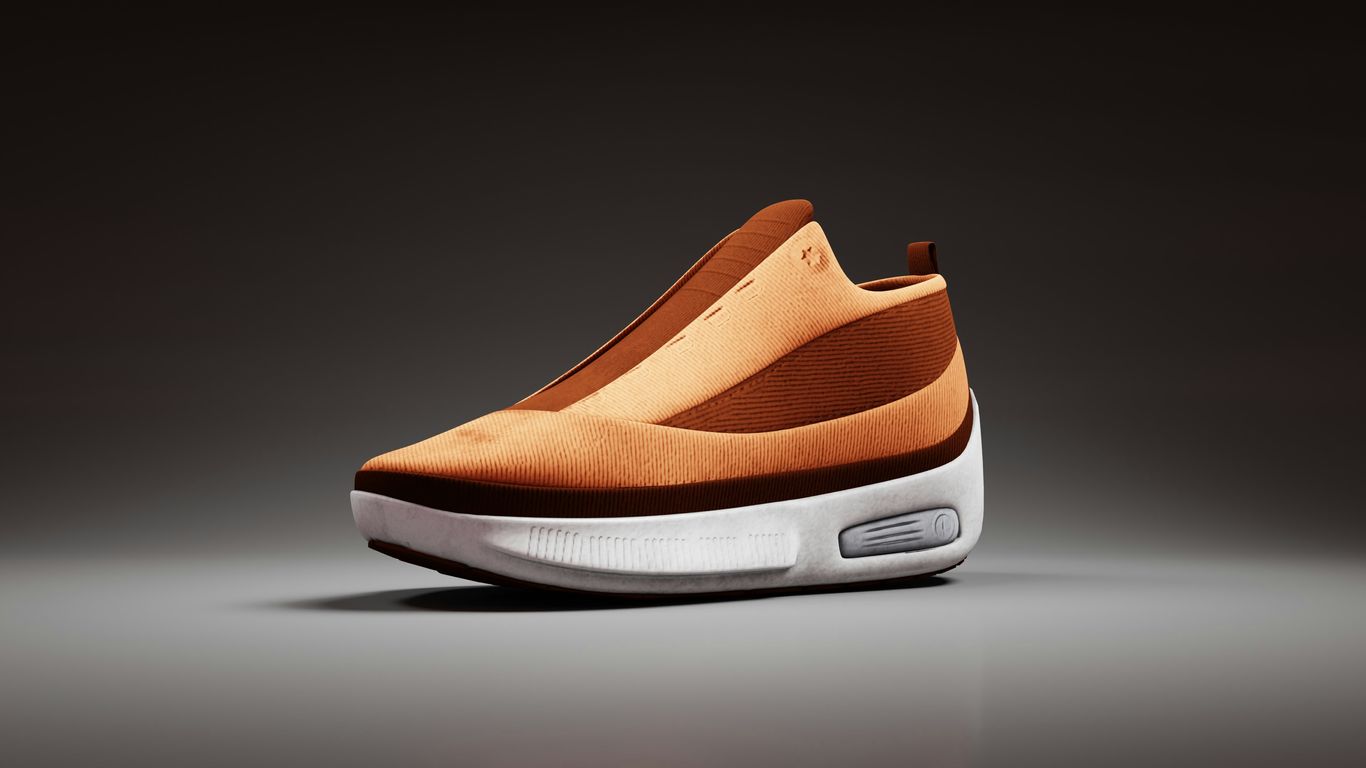
Start with the intended use and wearer. A lifestyle trainer, court shoe, walking sneaker, and performance sports shoe may look similar in a photograph but require different support, cushioning, flexibility, abrasion resistance, and fit decisions. State the construction method, upper pattern, sole material, closure system, size range, and target market in the initial brief.
If the product will be sold as performance footwear, define the claim carefully. Terms such as lightweight, water-resistant, breathable, or impact-absorbing should correspond to measurable requirements and appropriate testing. Avoid asking a factory to promise a broad performance result when you have not specified how it will be evaluated.
Setting target prices, order quantities, and production volumes
Your target price should be tied to a defined specification and a stated commercial term. Ask whether the quotation includes custom molds, sampling, packaging, inspection, local transport, and export handling. Separate one-time development costs from the repeat-unit cost so that a small first order is not compared unfairly with a larger production run.
Order quantity also affects material purchasing and size allocation. A factory may accept a total quantity that becomes awkward when divided across colors and sizes. Prepare a preliminary size curve and color breakdown, then ask for the minimum order quantity at both the style and color level.
Specifying materials, performance features, and branding
List the upper, lining, tongue, insole, outsole, laces, adhesive, and reinforcement materials by composition or agreed reference. If a material has a color standard, hand-feel requirement, recycled-content expectation, or restricted-substance concern, record it in the specification rather than leaving it to a verbal discussion.
Branding details should include artwork files, placement, dimensions, color references, application method, and tolerances. A logo may be embroidered, printed, embossed, molded, woven, or applied as a separate badge, and each method affects appearance and durability. Clear acceptance criteria reduce disputes when the sample and bulk goods are compared.
Preparing tech packs, reference samples, and packaging requirements
A tech pack should show measurements, construction drawings, material callouts, artwork, colorways, size grading, labeling, and revision dates. Include photographs or a physical reference sample, but identify which features are mandatory and which are only visual inspiration. The supplier should confirm any points it cannot reproduce exactly before sampling starts.
Packaging deserves equal attention. Specify individual shoebox dimensions, labels, barcodes, tissue, desiccants if required, master-carton quantities, carton marks, and pallet preferences. These details affect both factory handling and freight calculations, so document them before the order is finalized.
3. Finding and evaluating a Jinjiang sneaker factory
Supplier discovery is only the first stage. Online catalogs, trade fairs, referrals, and local introductions can produce a shortlist, but the shortlist must be tested against evidence. A factory’s relevance depends on its current equipment, staff, subcontracting arrangements, quality controls, export documents, and willingness to communicate in writing.
Use the same brief and questions for each candidate. Consistent inputs make differences in price, lead time, sample quality, and included services easier to see.
Where to search for qualified manufacturers and trading companies
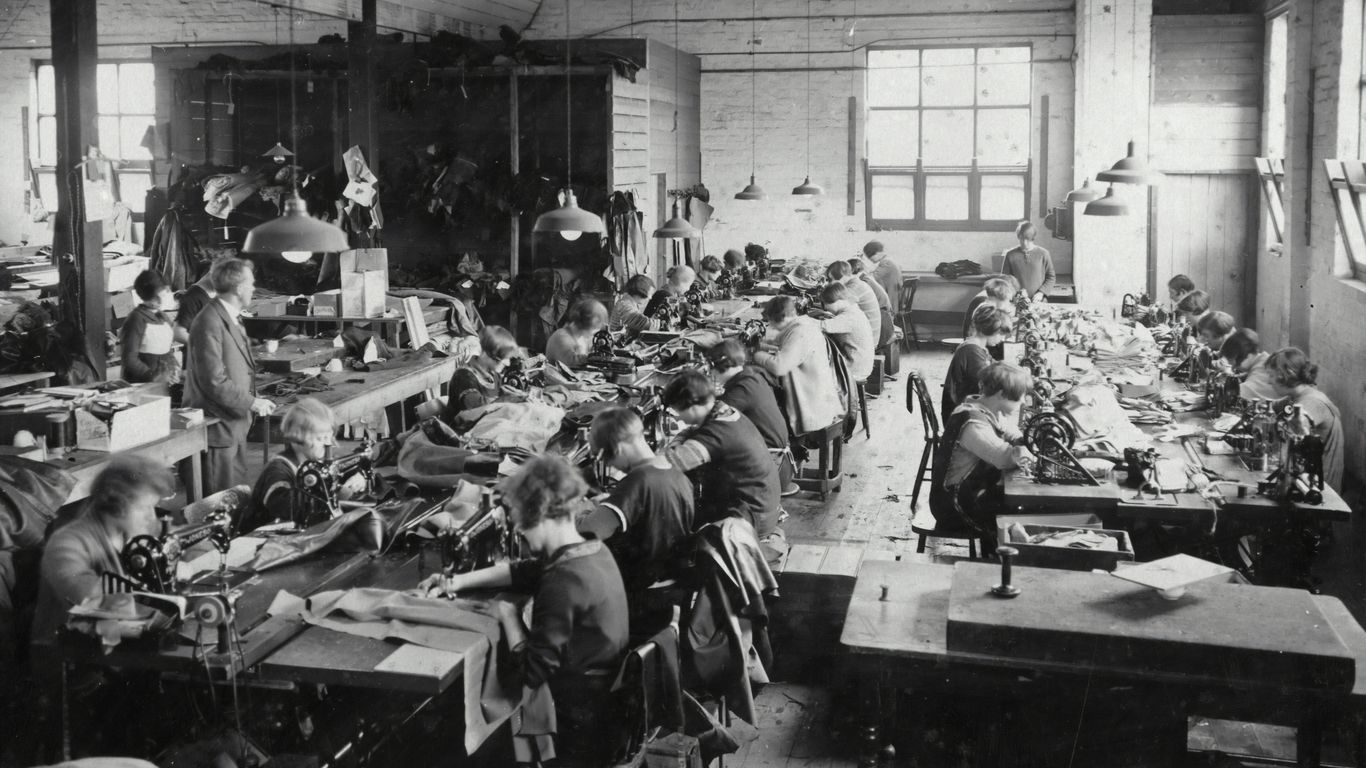
Search through footwear directories, business platforms, trade fairs, industry referrals, and local sourcing contacts. A trading company is not automatically unsuitable; it may be useful when you need access to several workshops or help coordinating a complex product. The issue is accountability: you should know which entity signs the contract, receives payment, controls production, and handles corrective action.
Ask shortlisted suppliers for recent examples in the same category as your design. Generic sneaker photographs prove little if the factory cannot explain the construction, material source, order quantity, and production location. A footwear factory evaluation guide can help organize supplier vetting alongside freight preparation.
Factory capabilities to verify before requesting a quote
Before asking for a final quotation, confirm that the supplier can handle the intended upper, sole, construction, branding, size range, and packaging. Ask about current monthly capacity, minimum quantities, sample timing, mold ownership, material sourcing, and the proportion of work performed in-house. Request a clear list of exclusions from the quotation.
It is also useful to confirm export experience to your destination country. The factory may produce excellent shoes but have limited experience with your labeling, carton, documentation, or product compliance requirements. Those gaps should be assigned to a named party before production begins.
Assessing production equipment, workforce, and quality systems
A factory visit, live video walkthrough, or independent verification can reveal more than a brochure. Look for cutting, stitching, lasting, sole attachment, finishing, and packing areas that correspond to the proposed construction. Ask who checks incoming materials, first pieces, in-line work, finished pairs, carton counts, and measurement consistency.
Do not treat a certificate image as a complete quality system. Request current documents, issuing-body details, scope, expiry dates, and the factory address shown on each record. A production system is credible when records, responsibilities, and corrective actions can be explained and demonstrated.
Distinguishing a direct manufacturer from an intermediary
A direct factory should be able to identify its production address and explain the operations conducted there. An intermediary should identify its role honestly and describe how it selects and controls the workshop. Problems arise when a buyer believes it is contracting directly but discovers that the quoted party has limited control over materials, scheduling, or inspection.
Compare the bank-account name, contract entity, business license, invoice issuer, and factory address. If they differ, ask why and document the relationship. That small administrative check can matter greatly when a defect, delay, or refund must be resolved.
Questions to ask during supplier screening
Screening questions should expose operational details, not merely invite a sales response. Ask how the supplier handles failed samples, material shortages, mold delays, production changes, and late shipments. Also ask for the proposed approval points and the documents you will receive at each stage.
A short written questionnaire can cover the main risks without overwhelming the supplier:
- Which processes are performed at the stated factory address?
- What are the minimum quantities by style, color, and size range?
- Which materials and components require separate approval?
- Who owns molds, patterns, artwork, and production records?
- What inspection access and corrective-action process are available?
The answers should be compared with evidence, not accepted as guarantees. Vague replies about capacity or quality usually deserve a smaller trial order, additional verification, or removal from the shortlist.
4. Managing samples, pricing, and production development
Sampling turns a commercial idea into something that can be measured. It is also where many sourcing projects become expensive, because changes to fit, sole tooling, materials, and branding can affect both the product and the schedule. Treat each sample as a controlled revision rather than an informal preview.
Keep a dated record of comments, artwork versions, measurements, and agreed changes. Without that record, the buyer and factory may approve different versions while believing they are discussing the same shoe.
What to include in a first sample request
Send the tech pack, reference images, size information, color references, artwork, packaging brief, target quantity, and destination market. State whether the first sample is for shape and construction only or must already include final materials and branding. Ask the factory to list substitutions before making them.
The request should also identify the intended wearer and use case. A sample for a narrow fashion silhouette should not be assessed by the same criteria as a walking or training shoe. Clear purpose helps the factory make sensible development decisions and helps you review the result fairly.
Reviewing fit, comfort, materials, and construction quality
Review samples on a person or fit model representative of the target customer. Check length, width, instep volume, heel hold, flex point, tongue position, collar pressure, cushioning, and weight. Photograph both shoes from consistent angles and record measurements rather than relying on general impressions.
Inspect stitching, edge finishing, bonding, symmetry, logo placement, outsole alignment, insole seating, and material color. Wear testing may reveal issues that are invisible on a table, while a simple pull or flex check can identify weak construction. Send comments as numbered revisions with a clear decision for each point.
Understanding tooling, mold, sample, and development charges
Ask for a separate schedule of sample fees, mold or tooling charges, pattern fees, material minimums, testing costs, and revisions. Clarify whether a mold is dedicated to your design, how long it remains usable, and whether the charge is refundable or credited against production. Ownership and release conditions should appear in the purchase documentation.
Development costs are easier to evaluate when the factory explains what each charge covers. A low sample fee can be offset by expensive tooling or repeated revisions, while a higher initial fee may include more complete development work. Compare the full development path, not a single line item.
Negotiating quotations without sacrificing specifications
Negotiate by separating commercial variables from product requirements. You might adjust order timing, color count, packaging configuration, payment milestones, or shipment consolidation, but should not quietly reduce material thickness, testing, dimensions, or workmanship standards to reach a headline price.
Request an itemized quote with unit price, development charges, packaging, local delivery, taxes where applicable, and validity period. Confirm the currency, trade term, lead time assumptions, and what happens if approved materials become unavailable. A written quote is useful only when its boundaries are clear.
Approving a pre-production sample and golden sample
Before bulk production, approve a pre-production sample made with the final materials, components, branding, and packaging approach. Keep one signed or otherwise identified reference pair as the golden sample, with the approved tech pack and revision record attached. The factory and buyer should both know which version controls inspection.
Approval does not eliminate the need for inspection. It establishes the standard against which bulk shoes are reviewed. If a change becomes necessary after approval, record the reason, obtain a new approval, and update the reference rather than relying on a chat message.
5. Controlling quality and managing compliance risks
Quality control is most effective when it begins before the finished shoe reaches a carton. Materials, construction, fit, labeling, and packaging can each create a separate failure, and correcting them late may require rework or delay shipment. Assign checkpoints to the factory, your own team, and any independent inspector.
Compliance is similarly product- and destination-specific. The importer remains responsible for understanding the rules that apply to its market, including labeling, chemical restrictions, consumer safety, trademarks, and advertising claims.
Setting inspection checkpoints from materials to finished shoes
Agree on inspection timing in the purchase order. Typical checkpoints include incoming material review, first-piece approval, in-line construction checks, pre-final inspection, finished-pair inspection, carton verification, and loading supervision where needed.
Each checkpoint should have a written record and an action if results fail. Specify sample size, measurement method, defect classification, photographs, and who authorizes rework or release. If an inspector finds a problem, the decision path should already be known rather than negotiated under shipment pressure.
Common sneaker defects and acceptable quality limits
Common issues include loose threads, uneven stitching, open bonding, glue marks, mismatched panels, color variation, outsole separation, incorrect labels, poor symmetry, crushed uppers, and size deviations. Some are cosmetic; others affect safety, comfort, durability, or saleability. Define critical, major, and minor defects in a way the factory and inspector can apply consistently.
Acceptance limits should be based on the product’s intended market and price position. A tolerance for a hidden internal mark should not be copied to a visible logo or an outsole bond. Use photographs and measured examples when a defect is difficult to describe in words.
Testing footwear materials, adhesives, and performance claims
Testing should follow the risks created by the product and its claims. Materials may require checks for colorfastness, abrasion, composition, restricted substances, or other destination-market requirements. Adhesives and sole bonds may need durability or separation testing, while performance claims need a defined method and suitable laboratory evidence.
Ask the factory what tests it already performs and whether results relate to the exact material and construction being purchased. A report for a different color, adhesive, or sole compound may not support the same conclusion. Keep test reports with the approved specification and shipment records.
Checking factory certifications, social compliance, and labor practices
Request current certifications and audit reports, then verify their scope, address, issuing organization, and expiration. Review whether the documentation covers the facility producing your shoes or only a related company. Social compliance also requires practical questions about working hours, wages, safety systems, subcontracting, and grievance procedures.
A remote review is useful, but it has limits. Site visits, independent audits, worker-safety records, and follow-up corrective actions provide stronger evidence than a logo on a presentation. If a supplier resists reasonable verification, treat that resistance as a sourcing risk.
Protecting designs, trademarks, and confidential product information
Use written confidentiality and intellectual-property terms before sharing detailed artwork, molds, patterns, or material formulas. Register or otherwise protect trademarks in the markets where you sell, and specify who may use your artwork and for what purpose. Keep editable design files controlled and send only the versions needed for production.
Confirm whether the supplier may display your shoes, sell excess units, or reuse a custom component. These points are easier to settle before sampling than after a product appears in an online catalog. Documentation does not replace supplier trust, but it gives the relationship defined boundaries.
6. Planning cross-border footwear logistics
Footwear logistics begins when the factory confirms carton details, not when a vessel or aircraft is booked. Finished shoes may require supplier pickup, counting, photographs, consolidation, export documentation, and destination delivery. The route should be selected around volume, urgency, cargo readiness, budget, and customs requirements.
For a broader view of the China-to-destination workflow, review this footwear freight planning guide. It emphasizes the connection between product specifications, supplier verification, shipping documents, and the production schedule.
Choosing between sea freight, air freight, rail, and courier services
Sea freight is commonly considered for larger, less urgent shipments, while air freight can suit time-sensitive or moderately sized cargo. Rail and road options depend on the origin, destination, available routes, and border arrangements. Express courier services may be useful for samples or small urgent consignments, although the price and customs treatment require checking.
Compare the complete service, not only the transport rate. Pickup, export handling, consolidation, documentation, destination charges, duties, taxes, delivery, and possible inspection costs can materially change the result. Kunpeng Freight can help coordinate route and shipment decisions around the actual cargo details supplied by the importer.
Preparing cartons, labels, product documents, and shipping marks
Provide the forwarder with the supplier address, cargo-ready date, carton count, dimensions, gross and net weight, CBM, product description, and destination delivery address. Confirm whether cartons require barcodes, country-of-origin marks, size assortments, palletization, or special handling labels. Photographing and recounting cargo at pickup can help identify discrepancies before export.
Commercial invoices and packing lists should match the physical shipment. Product descriptions, quantities, values, carton numbers, and weights must be consistent across documents. If several suppliers are combined, retain a clear breakdown by supplier and purchase order.
Understanding export terms, duties, taxes, and landed cost
Incoterms allocate selected responsibilities between buyer and seller, but they do not automatically resolve every customs or tax obligation. Confirm who arranges export clearance, who pays origin charges, when risk transfers, and who manages destination delivery. Then verify the applicable HS classification, country of origin, duties, taxes, and customs requirements for the importing country.
Landed cost should include factory price, development amortization, packaging, inspection, pickup, freight, insurance if selected, customs-related charges, duties, taxes, destination handling, and final delivery. Use a scenario-based estimate because carrier schedules, exchange rates, inspections, and surcharges can change the final figure.
Coordinating production schedules with freight bookings
Ask the factory for a realistic production timeline covering material approval, cutting, stitching, assembly, finishing, inspection, rework, packing, and cargo readiness. Do not book transport solely from the promised completion date. Build time for sample approval, rejected work, factory congestion, public holidays, and document corrections.
Share the booking deadline and required shipping documents with the supplier before production starts. A forwarder can prepare a provisional plan, but the booking should be confirmed only when the cargo quantity, dimensions, and readiness date are credible.
Managing customs clearance and destination-country requirements
The importer, broker, forwarder, and supplier should each have defined responsibilities. Confirm who provides the commercial invoice, packing list, bill of lading or air waybill instructions, certificates, test reports, labeling evidence, and any required declarations. Branded goods may receive additional scrutiny, so maintain authorization and trademark records where relevant.
Customs can inspect cargo or request clarification even when documents were prepared carefully. Responding quickly depends on having accurate product data and a reachable decision-maker. Never ask a supplier to understate values, misdescribe goods, or omit relevant product information.
7. Building a reliable long-term sourcing process
A repeatable sourcing process turns individual orders into a controlled operating system. It should connect product development, supplier performance, quality approvals, payment records, freight planning, and post-delivery review. This is especially useful when several colorways, factories, or sales channels are involved.
Keep the process simple enough to use on every order. A short scorecard and an agreed document folder are often more effective than a complicated system nobody maintains.
Creating supplier scorecards and key performance indicators
Score suppliers against criteria that matter to your business: sample accuracy, communication, on-time readiness, defect rate, corrective-action speed, documentation quality, capacity, and cost stability. Record the evidence behind each score, including inspection reports and delivery records. Do not let one attractive price outweigh repeated quality or communication failures.
Review the scorecard after each shipment and at least once per season. Trends are more useful than isolated events. A supplier with occasional issues but strong corrective action may be easier to manage than one that reports perfect results but provides little evidence.
Structuring deposits, milestone payments, and order documentation
Payment terms should correspond to verifiable milestones. Depending on the arrangement, those milestones might include confirmed materials, approved samples, production progress, passed inspection, and release of shipping documents. The contract should state the currency, bank-account holder, balance conditions, remedies, and process for approved changes.
Keep the purchase order, tech pack, quotation, sample approval, inspection standard, invoice, packing list, and correspondence together. Consistent documentation reduces misunderstandings when a team member changes or a reorder occurs months later.
Handling reorders, seasonal launches, and capacity planning
A reorder is not automatically identical to the first order. Materials may change, molds may need maintenance, packaging artwork may be updated, and the factory’s capacity may be committed to other customers. Reconfirm the approved specification, current pricing, lead time, size breakdown, and testing needs before releasing the next purchase order.
For seasonal launches, reserve development and production capacity early, but do not finalize freight until the quantity and cargo-ready date are reliable. Use a rolling forecast to distinguish expected demand from confirmed orders. This gives the factory useful planning information without creating an accidental purchase commitment.
Resolving delays, quality disputes, and shipment problems
When an issue appears, establish the facts first: affected purchase orders, quantities, photographs, inspection results, dates, and responsible handoffs. Separate the immediate containment action from the long-term corrective action. For example, a shipment may need to be held while the parties determine whether rework, replacement, price adjustment, or partial release is appropriate.
Written escalation is preferable to scattered messages. Set a response deadline, identify the decision-maker, and record the agreed remedy. If the dispute concerns transport, compare the booking confirmation, cargo receipt, loading record, and carrier milestones before assigning responsibility.
Deciding when to use a sourcing agent or third-party logistics partner
A sourcing agent may be useful when you need local factory discovery, translation, sample coordination, production follow-up, or multi-supplier purchasing support. A third-party logistics partner becomes valuable when you need supplier pickup, cargo measurement, consolidation, export handling, customs-document support, and delivery coordination. These are different roles, although one business may provide both.
Choose partners based on the visibility and accountability they provide. Ask how they verify cargo, share photographs and measurements, review documents, disclose charges, and handle exceptions. Kunpeng Freight supports China sourcing and logistics workflows across different product categories, while its role in a footwear order should still be defined in writing around the exact services required.
Freight Coordination Support
Once your supplier, specifications, and cargo details are ready, request a route comparison based on the actual pickup location, cartons, weight, volume, destination, and timing. The shipping quote request can be used to start that conversation and clarify the documents or handling support your shipment needs.
Conclusion
Sourcing sneakers from Jinjiang is less about finding a promising catalog and more about controlling the chain from specification to delivery. Define the product, verify the factory, approve samples, inspect production, calculate landed cost, and assign every logistics responsibility before cargo is ready. A disciplined process gives you better evidence for each decision and makes future orders easier to manage.
Frequently Asked Questions
Is Jinjiang suitable for private-label sneakers?
Jinjiang can suit private-label projects when the factory has the required construction, materials, branding, packaging, and order-volume capabilities. Confirm each requirement with samples and written specifications rather than relying on a general product catalog.
What should I send a factory before requesting a quote?
Send a tech pack or clear specification brief, reference images or samples, material details, size range, colorways, branding files, packaging requirements, target quantity, destination market, and desired production timing.
How can I tell whether a supplier is a direct factory?
Compare the contracting entity, bank-account name, business license, factory address, and production location. Ask which processes occur on site and which are outsourced, then verify the answer through documents, a visit, or an independent review.
Why do sneaker quotations vary so much?
Prices can differ because of construction, material grades, sole tooling, branding methods, packaging, order quantity, testing, payment terms, and included delivery or export services. Compare itemized quotations based on the same specification.
When should footwear be inspected?
Useful checkpoints include incoming materials, first-piece production, in-line assembly, finished pairs, packaging, and loading. The exact plan should reflect the product’s risks, order size, destination requirements, and agreed acceptance limits.
Which freight method is best for sneakers?
The suitable method depends on cargo volume, urgency, route availability, budget, documentation, and destination charges. Sea, air, rail, road, and express options should be compared using the full landed cost and realistic cargo-ready date.
What documents are commonly needed for importing shoes?
Common documents include a commercial invoice, packing list, transport document, product description, HS classification information, and any certificates or test reports required by the destination market. The importer and customs broker should confirm the final set for the specific shipment.