
Key Takeaways
Sourcing Liuzhou luosifen successfully requires more than finding a flavorful product and a low factory price. Product definition, food safety, labeling, freight planning, and landed-cost control all need to be handled together.
- Confirm whether you need instant, self-heating, or ready-to-cook luosifen before requesting quotations.
- Verify the Liuzhou luosifen factory’s qualifications, production scope, traceability, and export documentation.
- Match ingredients, packaging, labels, and testing records to the destination market before production.
- Compare total landed cost rather than unit price or freight alone.
- Use approved samples, written specifications, inspections, and a repeat-order process to control risk.
Understand the Liuzhou luosifen product before sourcing
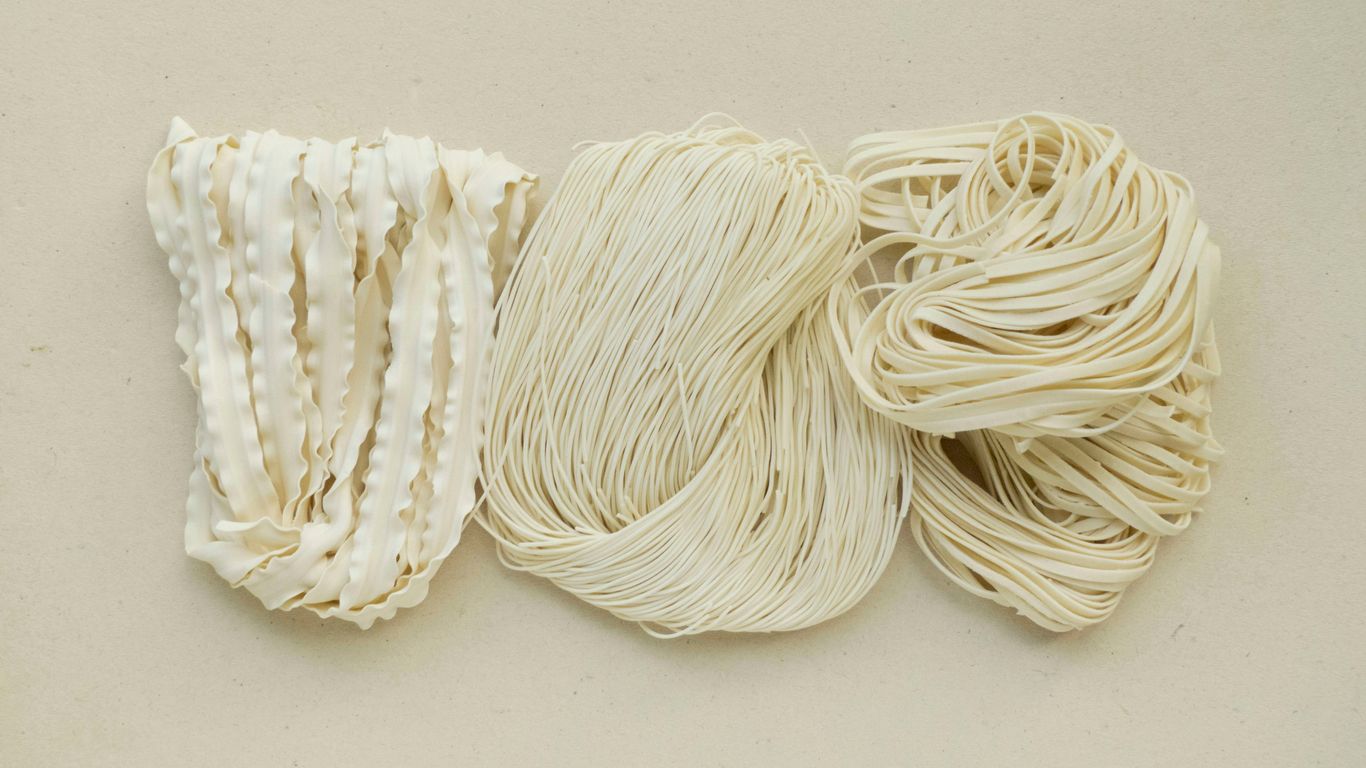
Luosifen is a regional rice noodle specialty associated with Liuzhou in Guangxi. Its recognizable profile usually combines rice noodles, a savory broth, pickled bamboo shoots, chili, and several toppings, with the bamboo shoots contributing much of the characteristic aroma. Before contacting suppliers, define the product as a commercial specification rather than relying only on the dish name.
What defines authentic Liuzhou luosifen
Authenticity is expressed through the relationship between the noodle, broth, sour bamboo shoots, seasoning, and toppings, not through one ingredient in isolation. Traditional broth may be flavored with river snails and pork bones, while packaged products can present that flavor through liquid, paste, powder, or concentrated seasoning components. A useful starting point is to review the Luosifen background and then ask the factory to identify which components are traditional, which are substituted, and which are optional.
For purchasing purposes, record sensory expectations in measurable or reviewable terms: noodle texture after preparation, broth color, acidity, chili level, aroma, inclusion size, and serving instructions. Do not describe a product as authentic merely because it is made in Liuzhou; the formula, processing method, and labeling should support that claim.
Instant, self-heating, and ready-to-cook formats
The format determines the package design, preparation instructions, shipping profile, and sometimes the applicable regulatory treatment. An instant product may require boiling or soaking, a self-heating product includes a separate heating system, and a ready-to-cook product may require cooking ingredients before serving. These categories should appear clearly in the request for quotation and sample brief.
Ask for the complete component list, preparation time, water volume, heating method, and storage conditions. Self-heating products deserve additional review because the heating pack, water activation, internal tray, and outer package affect both safety and transport documentation. Shelf-stable, chilled, and frozen products should not be treated as interchangeable simply because they share a product name.
Core components: rice noodles, broth, bamboo shoots, and toppings
Break the product into every packet and component before comparing suppliers. The rice noodle may be dry, semi-dry, or otherwise processed; the broth may be liquid or powdered; and toppings may include bamboo shoots, peanuts, tofu skin, beans, vegetables, or other ingredients. Each component can affect allergens, moisture control, shelf life, carton weight, and customs descriptions.
A purchase specification should state the expected noodle weight, sauce quantity, topping varieties, packet material, serving count, and acceptable variation. Request a component-by-component packing list for the finished retail unit so that the importer, broker, and quality inspector are working from the same description.
Retail, food-service, and private-label product specifications
Retail packs need consumer-facing artwork, clear preparation directions, and stable shelf presentation. Food-service formats may prioritize larger packs, simplified presentation, and consistent portioning, while private-label orders add artwork ownership, packaging approvals, and minimum print quantities. Decide the sales channel before sampling because a formula suitable for restaurants may not suit a retail shelf.
State the target market, pack size, units per carton, carton dimensions, target shelf life, storage conditions, and delivery destination in the initial brief. If you are comparing several factories, use one identical specification; otherwise, apparent price differences may simply reflect different noodle weights or topping quantities.
How to vet a Liuzhou luosifen factory
A credible supplier review should establish who makes the product, what the facility is licensed to produce, and whether its records match the goods being offered. Online photographs and a polished catalogue are useful introductions, but they do not replace documentation or sample verification. Treat factory selection as a staged process, moving from document review to physical or third-party inspection.
Factory qualifications, production scope, and export experience
Ask for the business license, food-production qualification, facility address, production categories, and evidence that the named entity is the actual manufacturer or an authorized trading company. Export experience should be checked against comparable packaged-food products and destination markets, not inferred from a general statement that the supplier “ships worldwide.”
The factory’s registered scope should make sense for the product and its components. Confirm whether sauces, pickled vegetables, noodles, and self-heating packs are made in-house or sourced from approved subcontractors, since responsibility for specifications and traceability may be divided.
Production capacity, minimum order quantities, and lead times
Capacity discussions should cover normal monthly output, available lines, seasonal constraints, packaging procurement, and the time needed for sampling and artwork approval. Minimum order quantity can apply to finished units, sauce packets, noodle production, printed film, cartons, or each flavor separately. Ask suppliers to state those thresholds plainly.
A realistic timeline separates sample preparation, label approval, material purchasing, production, inspection, and pickup. If a supplier gives only one total number, request the milestones behind it; that makes schedule changes easier to identify and communicate.
Quality-control systems and batch traceability
A factory should be able to explain how it identifies raw materials, production dates, finished batches, retained samples, and dispatch records. Traceability is especially valuable when a product contains several separately packed ingredients, because a complaint may concern only one sauce, topping, or packaging lot.
Review the inspection points for incoming ingredients, cooking or processing, filling, sealing, metal detection where applicable, carton packing, and final release. Batch-level evidence matters more than a broad statement that the supplier has quality control.
Factory audits, samples, and pre-shipment inspections
Begin with samples made from the proposed formula and packaging, rather than a catalogue sample that may be an older or standard version. Compare the sample against the written specification, and record preparation observations, smell, taste, texture, packet integrity, and label details. A factory audit can then test whether the site and controls support what the sample suggests.
Before shipment, an inspection can verify quantities, carton marks, dimensions, visible damage, packaging, date codes, and a defined set of product checks. Exporting Luosifen noodles provides a useful complementary framework for checking readiness, packaging, components, and shelf life before cargo leaves China.

The inspection report should identify the order, lot numbers, sampling method, photographs, defects, and release decision. A failed or conditional result should trigger a documented correction rather than an informal promise to improve next time.
Set product and food-safety requirements
Food safety requirements begin with the destination country, product format, ingredients, and packaging—not with the supplier’s preferred certificate package. The importer remains responsible for confirming which rules apply and which records authorities or customers may request. Give the factory a written compliance brief before finalizing the formula.
Ingredient specifications and allergen declarations
List every ingredient and compound ingredient, including seasonings, oils, preservatives, flavorings, toppings, and heating-pack contents where relevant to the package. Require the supplier to disclose sub-ingredients and processing aids sufficiently for the destination label and importer’s review.
Allergens can occur in noodles, sauces, peanuts, tofu skin, wheat-containing seasonings, or shared production environments. Ask for an allergen statement, cross-contact information, and a controlled process for notifying you when the formula or supplier changes.
Microbiological, chemical, and shelf-life testing
Testing should reflect the product’s moisture level, processing method, packaging, and intended shelf life. Depending on the destination and product, the review may include microbiological parameters, contaminants, additives, pesticide residues, or other chemical limits. A certificate without a clear sample identity, date, and test scope is difficult to use.
Shelf-life validation should connect the claimed period to storage conditions and package integrity. Request reports from an appropriate laboratory, confirm that the tested product matches the production formula, and retain samples from commercial batches when possible.
Food-contact materials for noodle and sauce packaging
Every inner packet, tray, cup, film, pouch, and closure that contacts food should be identified by material and intended use. Sauce packets may require different material performance from dry noodle bags, while self-heating formats introduce additional layers and heat exposure.
Ask for food-contact declarations or equivalent compliance records relevant to the destination market. Also review seal strength, leakage resistance, odor transfer, and compatibility with the stated storage and preparation conditions rather than accepting a generic “food grade” description.
Certificates, inspection reports, and traceability records
Create a document register covering supplier qualifications, ingredient records, laboratory reports, packaging declarations, production records, batch codes, and inspection results. Each document should identify the supplier, product, lot or formula where applicable, issue date, and responsible issuer.
For a broader document workflow, the import documentation archive is a useful reference when organizing invoices, packing lists, customs materials, and compliance records. Keep the register linked to purchase orders so a later complaint can be investigated without searching through unrelated files.

Document review is not a substitute for testing, and testing is not a substitute for correct labeling. The strongest process connects the approved formula, the tested sample, the production batch, and the exported cartons.
Build compliant packaging and labeling
Packaging has two jobs: protect the food during handling and communicate legally required information to the buyer. A label that looks attractive but omits an allergen, uses the wrong language, or makes an unsupported claim can delay launch or create a recall problem. Artwork should therefore be treated as a controlled technical document.
Required information for the destination market
Identify the importing country and sales channel before artwork begins. Requirements may cover the product name, ingredient list, allergen statement, net contents, nutrition information, responsible business, lot identification, date marking, storage instructions, preparation directions, and origin information.
Do not copy requirements from another market without checking the local rule. The same product may need different language, nutrition presentation, warning text, or importer details in different destinations.
Net weight, nutrition facts, allergens, and origin marking
Net weight should correspond to the declared contents and the measurement basis accepted in the destination market. Nutrition facts should be calculated from the actual formula and serving size, while allergen declarations should match both the ingredient statement and manufacturing controls.
Origin marking must be reviewed with the customs and labeling rules of the importing country. Separate the country of manufacture from the name of the regional dish so consumers are not misled about where the product was made.
Date coding, shelf-life claims, and storage instructions
Choose a date format that consumers, inspectors, and distribution partners can read consistently. Define whether the package uses a production date, best-before date, expiration date, or another legally accepted mark, and make sure the code remains legible after carton handling.
Storage instructions should reflect the validated product conditions. Avoid claiming a long shelf life simply because a competitor uses one; the statement should be supported by the formula, packaging, testing, and declared storage environment.
Translation, artwork approval, and private-label packaging checks
Use a qualified translation review for ingredient names, preparation directions, warnings, and claims. Then compare the final artwork with the approved specification, including packet count, net weight, barcode, lot area, importer information, and carton marks. Private-label buyers should also confirm ownership and permitted use of logos, recipes, photographs, and trademarks.
A simple approval sequence keeps changes visible:
- Approve the formula and component list.
- Review the destination-market label text.
- Check the translated artwork and barcode data.
- Approve a printed proof or production sample.
- Release the final file with a revision number.
This sequence prevents a supplier from producing cartons from an outdated file. It also gives the importer a clear record if artwork changes after the initial quotation.
Plan food-grade cross-border shipping
Packaged luosifen is often shelf-stable, but that does not make shipping automatic. Moisture, odor, heat, crushing, leakage, customs descriptions, and mixed components can all affect the result. A freight plan should begin while the product is being sampled, not after the factory announces that the cartons are ready.
Choosing sea, air, rail, or multimodal transport
Sea freight generally suits larger, less urgent volumes, while air or express may suit samples, launches, or time-sensitive replenishment. Rail and multimodal routes can be considered where the corridor, cargo profile, and destination support them. The correct choice depends on volume, urgency, budget, route availability, and documentation.
For operational comparison, China freight services outlines options including sea, rail, road, express, supplier pickup, consolidation, paperwork support, and final delivery coordination. Ask for quotes based on actual carton count, gross weight, dimensions, pickup address, and destination rather than a product name alone.
Temperature, humidity, odor, and contamination controls
Confirm the required storage range and whether the product can travel as ordinary ambient cargo. Keep cartons protected from rain, condensation, strong external odors, pests, and contact with chemicals or incompatible goods. Liquid sauces and self-heating components should be disclosed during booking so the carrier and forwarder can review the shipment correctly.
If cargo is consolidated with other shipments, request information about segregation, wrapping, pallet condition, and warehouse handling. Food-grade treatment is a chain of controls, not a label applied only at the factory gate.
Carton design, palletization, and container loading
Use cartons that withstand stacking, humidity, and the expected handling route. Confirm inner-unit orientation, carton gross weight, pallet dimensions, stretch wrap, corner protection, and whether pallets meet destination requirements. Record the final dimensions because even a small change can affect volumetric freight and container planning.
Loading photographs and a carton count provide practical evidence at handover. They can help resolve discrepancies between the factory’s packing list, the warehouse receipt, and the final shipping documents.
Customs documentation, tariff classification, and import clearance
The commercial invoice, packing list, transport document, product description, origin information, and any required certificates should agree with one another. Tariff classification must be confirmed for the actual product and destination; a noodle kit with sauces and toppings may require more careful review than plain dry noodles.
Provide the broker or customs representative with the ingredient list, label artwork, product format, value, carton details, and importer information early. Early document review can identify missing declarations before cargo reaches the port or airport. Related restricted-cargo guidance can be found in the shipping compliance archive, although each shipment still needs a product-specific review.
Compare supplier quotes and landed costs
A supplier quotation is only one part of the purchase decision. Two offers may show different unit prices because they include different noodle weights, packaging grades, testing scopes, or delivery terms. Build a comparison that separates factory costs from logistics and import costs.
Unit pricing, tooling, packaging, and sampling fees
Request a line-item quotation for the product, ingredient packets, retail packaging, master cartons, printing plates or tooling, artwork work, samples, laboratory testing, and inspection. Ask whether the price is based on a standard formula or your approved specification. Clarify which fees are one-time and which recur on every order.
Private-label packaging often has a higher first-order cost because printed materials may require minimum quantities. A lower-cost standard package may be useful for a market test, but only if it complies with the destination rules and supports the intended sales channel.
Freight, insurance, duties, taxes, and broker charges
Landed cost normally includes factory pickup, export handling, freight, insurance if purchased, destination charges, duties, taxes, customs brokerage, inspection fees, storage, and final delivery. Confirm whether the supplier quotation is EXW, FOB, CIF, DDP, or another term, and identify who is responsible for each handoff.
Use one shipment profile for every quote: same carton dimensions, weight, quantity, pickup city, destination, and delivery point. If you need assistance arranging pickup and comparing routes, request a quote with the cargo details available; missing measurements can materially change the result.
Payment terms, currency risks, and order milestones
Record the deposit, balance timing, payment method, currency, bank charges, and conditions for releasing the goods. Tie payments to milestones such as approved sample, packaging arrival, production completion, inspection result, and dispatch documents. This structure gives both parties a shared view of what must happen next.
Currency changes can affect a quote between sampling and production, especially when packaging or freight is priced separately. State how long the quotation remains valid and ask the supplier to identify any material, labor, or freight assumptions.
Cost comparisons for different order volumes
Volume affects more than the unit price. Larger orders may spread tooling and testing fees across more units, but they can also increase inventory exposure, storage needs, working capital, and the cost of a wrong formula. Smaller consolidated shipments may carry a higher per-unit freight cost but reduce the risk of overstock.
A comparison table helps expose those trade-offs before a purchase order is issued:
| Order profile | Main cost advantage | Main risk or trade-off | Useful comparison basis |
|---|---|---|---|
| Sample shipment | Fast learning with limited stock | High cost per unit | Delivered sample cost and review time |
| Small commercial order | Lower inventory exposure | Higher packaging and freight allocation | Landed cost per retail unit |
| Consolidated shipment | Combines cargo from suppliers | More handling and coordination | Total CBM, handling, and delivery charges |
| Full-container order | Better space utilization at scale | Greater cash and inventory commitment | Container landed cost and sell-through plan |
After calculating each scenario, test the effect of a changed freight rate, inspection fee, duty, or exchange rate. The best option is the one that fits the sales plan and risk tolerance, not automatically the one with the lowest quoted unit price.
Manage risks from sampling to repeat orders
A successful first shipment does not prove that every later batch will match it. Ingredients, packaging suppliers, personnel, production lines, and regulations can change. A repeat-order system should preserve the approved standard while making changes visible before they reach the market.
Using a purchase specification and quality agreement
The purchase specification should identify the formula, component weights, packaging materials, artwork revision, preparation directions, shelf-life target, storage conditions, carton configuration, inspection points, and acceptable defects. A quality agreement can add change-notification duties, record retention, sampling rights, complaint handling, and corrective-action expectations.
Keep the approved sample and photographs with the order file. If the factory proposes a substitute ingredient, packet film, carton, or production site, require written review before approval rather than accepting an informal equivalent.
Handling damaged goods, delays, and nonconforming batches
Agree in advance how damage, shortage, leakage, incorrect labeling, late readiness, and failed inspection will be reported. Evidence should include photographs, carton numbers, batch codes, packing-list comparisons, and the date and location of discovery. Remedies may include rework, replacement, credit, or another negotiated action, subject to the purchase agreement.
When a delay occurs, separate the cause from the response. Confirm whether the issue is production, packaging materials, inspection, pickup, booking, customs, or carrier schedule, then update the delivery plan and any downstream warehouse appointment.
Checking recalls, regulatory changes, and supplier continuity
Monitor destination-market notices and maintain a contact responsible for regulatory updates. Ask the supplier how it handles recalls, customer complaints, ingredient changes, and traceability exercises. For continuity, identify alternative approved packaging and ingredient sources where practical, while ensuring substitutions are re-evaluated for safety and labeling.
Supplier continuity also includes logistics readiness. Keep current factory contacts, pickup addresses, carton data, document templates, and emergency instructions so a shipment does not depend on one person’s memory.
Creating a launch checklist for compliant imports
Before launch, review the commercial product, the paperwork, and the physical shipping plan together. A concise checklist is most useful when each item has an owner and a clear approval status.
Suggested checks include:
- Approved formula, allergen review, and laboratory records.
- Final label artwork, translation, barcode, date code, and importer details.
- Verified factory documents, batch traceability, and inspection instructions.
- Confirmed carton dimensions, pickup plan, freight mode, insurance, and delivery address.
- Matched invoice, packing list, tariff classification, origin information, and import requirements.
Once these checks are complete, retain the final file as the baseline for replenishment. That makes deviations easier to spot and gives the next quotation a reliable starting point.
Conclusion
Sourcing Liuzhou luosifen is a coordinated product, compliance, and logistics project. Define the format and components first, verify the factory and records, approve packaging for the destination market, and compare freight using real cargo details. With written specifications, documented inspections, and an early customs review, you can make a more controlled decision about both the supplier and the shipment.
Frequently Asked Questions
What is Liuzhou luosifen?
Liuzhou luosifen is a regional Chinese rice noodle specialty associated with a savory, sour, spicy broth and toppings such as pickled bamboo shoots, peanuts, tofu skin, or other vegetables. Packaged versions vary considerably in ingredients, format, and preparation method.
What should I ask a luosifen factory before ordering?
Ask for its legal and food-production qualifications, product scope, ingredient list, packaging details, minimum order quantities, lead times, export experience, testing records, and batch-traceability process. Also confirm whether it manufactures every component or uses approved subcontractors.
Which luosifen format is easiest to ship internationally?
Shelf-stable dry or ambient formats are often simpler to plan than chilled or frozen products, but the correct choice depends on the formula, packaging, destination rules, and carrier requirements. Self-heating products require additional review of the heating components and transport conditions.
How can I verify a supplier’s product quality?
Request samples made to the proposed commercial specification, compare them with written requirements, review laboratory and traceability records, and use an independent or agreed pre-shipment inspection. Retain samples and photographs for future batch comparisons.
What information belongs on the package?
Common requirements include the product name, ingredients, allergens, net contents, nutrition information, date marking, lot code, storage and preparation instructions, origin marking, and responsible business details. Exact requirements vary by destination, so the final artwork should receive a local compliance review.
How should I calculate the landed cost?
Add the product price, packaging and tooling, sampling and testing, factory pickup, export handling, freight, insurance, duties, taxes, brokerage, destination charges, storage, and final delivery. Use identical quantities and carton data when comparing suppliers or transport modes.
When should shipping planning begin?
Begin during product development, before the final sample is approved. Early planning allows you to check carton dimensions, ingredients, tariff classification, import documents, route options, and any special handling requirements before production is complete.