
Key Takeaways
Keqiao is a broad textile sourcing ecosystem rather than one individual street or showroom. A successful purchase depends on matching the supplier to the product, approving quality in writing, and planning freight before production is finished.
- China Textile City brings together many fabric categories, supplier types, and market districts.
- Samples should confirm construction, color, weight, shrinkage, and print performance before bulk production.
- Quotes are comparable only when specifications, packaging, delivery terms, and payment conditions match.
- Freight planning should account for cargo volume, urgency, documents, duties, and destination requirements.
- A repeatable workflow makes seasonal reorders easier to control and less dependent on informal messages.
1. Understanding the Keqiao textile market
The Keqiao textile market in Shaoxing is best approached as a connected group of specialized trading areas, showrooms, workshops, mills, and service providers. Buyers can find everyday apparel fabrics, fashion materials, home textiles, unfinished cloth, and technical options within the wider China Textile City ecosystem. That range is useful, but it can also make an unplanned visit inefficient. Before contacting suppliers, define the fabric’s end use, composition, construction, finish, color range, and expected order volume.
How China Textile City is organized
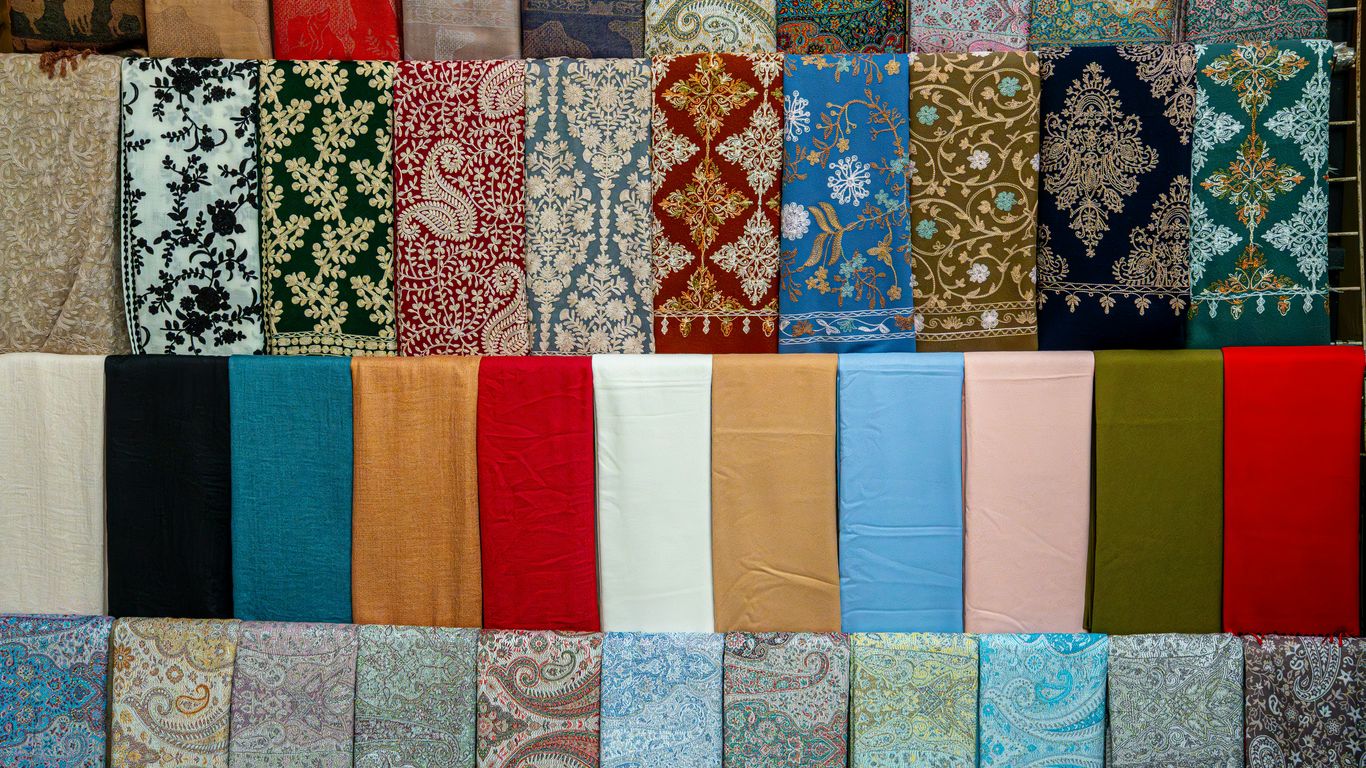
China Textile City is organized around product clusters and market areas, allowing buyers to move from broad product discovery to a narrower supplier search. General fabric areas are useful for building an initial reference set, while specialist markets can be more productive when you already know whether you need knitwear, lace, wool, printed cloth, or unfinished fabric. The China Textile City guide provides a useful orientation to the market’s structure and its relationship with Shaoxing Keqiao.
A practical visit begins with a map, a written specification sheet, and a system for recording stall numbers, contact details, sample codes, and quoted terms. Photographing the sample label beside the fabric can prevent confusion later, especially when several suppliers show similar polyester, rayon, or cotton qualities.
Key textile districts and product clusters
Different areas tend to attract different product groups. The North Market is associated with a broad mix that can include cotton, denim, canvas, mesh, lace, chiffon, suede, velvet, upholstery, and printed materials. Other areas are known for wool, boutique fabrics, knits, or international purchasing. These descriptions are useful starting points, not substitutes for checking a supplier’s current inventory.
The Keqiao market map can help first-time visitors understand why a single afternoon may not be enough for serious product development. Plan separate time for fabric discovery, supplier meetings, sample collection, and a second review after the options have been compared.
Fabrics commonly available for wholesale buyers
Wholesale buyers commonly encounter polyester, cotton, rayon, linen, silk, wool, nylon, blended fabrics, knits, woven constructions, coated materials, lace, mesh, jacquard, denim, and many printed or finished variations. Availability does not mean that every supplier can reproduce the same quality consistently. A fabric name is only a starting point; the actual specification should include fiber content, width, weight, construction, finish, and intended use.
For a wider product search, the Keqiao fabric market overview offers context on the range found across the market’s districts. Use that range to build a shortlist, then ask each supplier for a current sample and a written quotation against the same brief.
How Keqiao compares with other Chinese sourcing hubs
Keqiao’s main advantage is concentration: fabric discovery, textile trading, printing, finishing, and related services are found in one established regional ecosystem. A buyer who needs several fabric families may therefore compare more options without arranging visits to distant production centers. The trade-off is that market abundance can make accountability less obvious; a stall may represent a mill, a workshop, or another trading company.
The right comparison is not simply city against city. Compare the supplier’s technical fit, communication, sampling process, production control, export experience, and ability to hand over correctly packed cargo to your freight plan.
2. Finding the right wholesale fabric suppliers
Supplier selection in Keqiao should begin with the order rather than the salesperson. A market stall may be ideal for a small stock purchase, while a factory or specialized trading company may be better for repeat production, custom finishing, or a larger volume. Ask the same core questions of every candidate so that an attractive sample does not conceal weak production control. Keep commercial discussions separate from assumptions about who actually manufactures the fabric.
When to use market stalls, trading companies, or factories
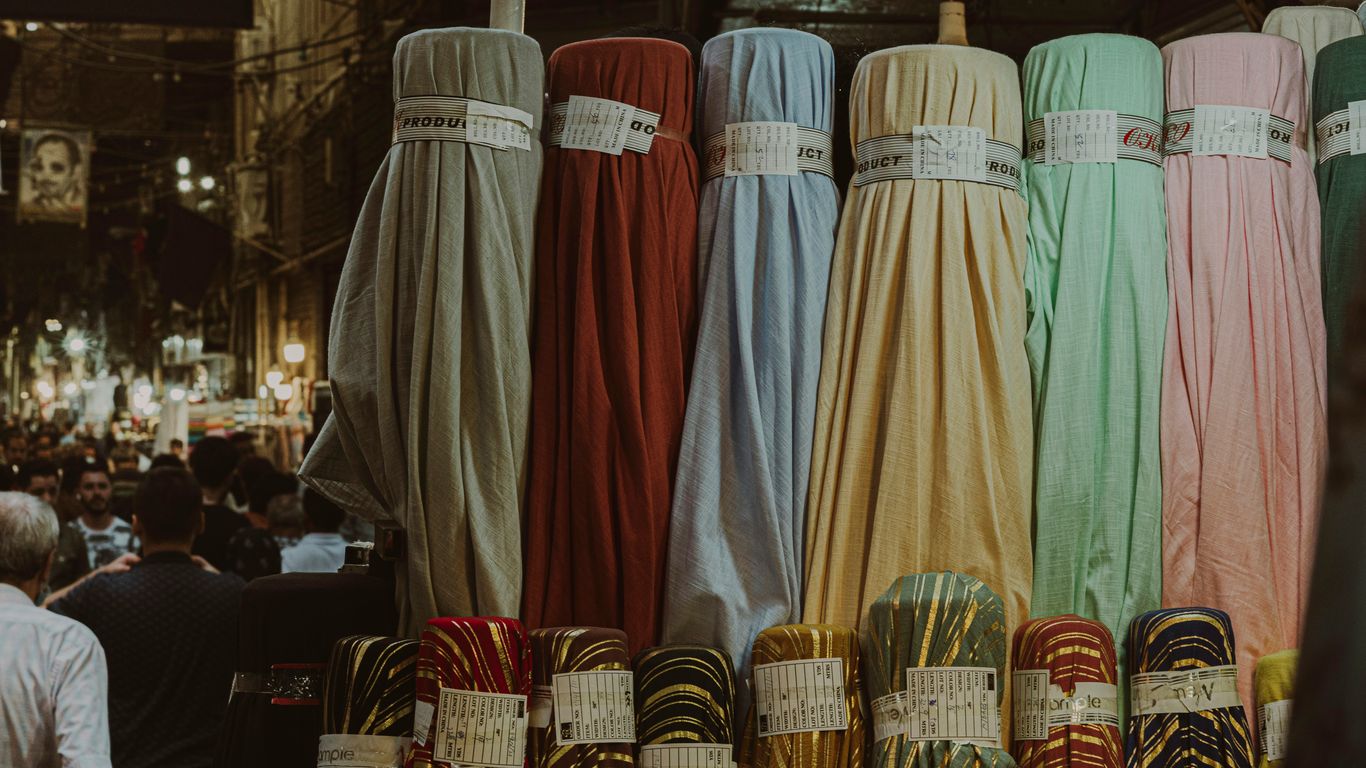
Market stalls are often efficient for browsing, comparing stock qualities, and finding smaller quantities. Trading companies can be useful when a project involves several fabric types or requires coordination among different workshops. Factories may offer clearer control over a particular construction or finishing process, but they may also expect higher minimums and a more defined technical brief.
Ask who will invoice you, who will make the fabric, and who will handle any correction if the delivered goods differ from the approved sample. The answer affects traceability, payment risk, and the practical route for resolving a quality issue.
How to match suppliers with order volume and product needs
Match the supplier to the commercial shape of the order. A seasonal test may require stock availability and a modest minimum, while a core program may justify development work, production scheduling, and a formal inspection. For a product with a demanding finish, the supplier’s process capability matters more than a low first quotation.
The following checkpoints keep the shortlist focused:
- Confirm whether the quoted fabric is stock, made-to-order, or newly developed.
- Match the supplier’s minimum order to your forecast and cash-flow plan.
- Check whether the stated width and weight are nominal or guaranteed tolerances.
- Ask how shade continuity will be controlled across separate production lots.
After this screen, retain two or three serious candidates rather than collecting dozens of unverified contacts. A smaller shortlist makes sample comparison and follow-up more disciplined.
Questions to ask about capacity, lead times, and customization
Ask for a realistic production lead time from written approval, not from the first conversation. Clarify monthly capacity, current schedule, greige fabric availability, dyeing or printing partners, and the point at which a design or color change becomes a new development. If a supplier cannot explain the sequence from approval to finished rolls, the quotation is not yet operationally useful.
Also confirm whether the supplier can provide lab dips, strike-offs, test reports, roll measurements, and packing photographs. These details connect sourcing to freight and reduce the chance that the final cargo is difficult to identify or measure.
Ways to verify supplier experience and business credentials
Request the legal company name, business license details, invoicing entity, factory or warehouse address, export experience, and references for comparable products. Check that the bank account name aligns with the contracting entity, and be cautious when payment instructions change through an informal message. A video call or site visit can clarify whether the supplier has the equipment and stock it claims to control.
Verification is not a one-time formality. Recheck the production party when a market seller changes its account, subcontracting arrangement, or delivery address, and record the result in the purchase file.
3. Sourcing printed cloth and custom textiles
Printed cloth can look straightforward in a showroom while hiding substantial differences in base fabric, print method, color reproduction, and finishing. Start by choosing the fabric construction and hand feel, then evaluate how the design performs on that base. Stock prints may reduce development time, whereas custom work gives greater control but usually adds approvals, minimums, and setup costs. Treat the approved strike-off as a production reference, not merely a visual preview.

Popular printing methods and suitable fabric bases
Common options include reactive, pigment, disperse, sublimation, digital, and rotary screen printing, but suitability depends on the fiber, construction, color depth, design scale, and required performance. Polyester may suit some disperse or sublimation applications, while cellulosic fibers may require a different process. The supplier should explain the selected method in relation to the actual base fabric rather than offering a generic printing label.
Ask how the print will affect hand feel, crocking, washing performance, color depth, and fabric width. A small design trial can reveal issues that are invisible on a supplier’s showroom sample.
Comparing stock prints with custom-developed designs
Stock prints are often useful when the design can be accepted as shown and the supplier can confirm current availability. Custom-developed designs require artwork files, repeat measurements, color references, sampling rounds, and a clear decision about ownership and permitted use. Confirm whether the quoted price includes screen charges, digital setup, artwork adjustment, and the number of revisions.
Do not compare a stock-print price directly with a custom-print price. The two options carry different development work, risk, lead time, and minimum order requirements.
Reviewing strike-offs, color standards, and print quality
Review a strike-off under consistent lighting and compare it with the approved color standard, artwork repeat, registration, edge definition, and print coverage. Check the reverse side as well as the face, because bleeding, uneven penetration, or excessive stiffness may affect garment construction and care performance. Sign and date the approved reference, then identify it by a sample code on the purchase order.
A useful review includes the intended wash or care process, since a print that looks correct before testing may change after laundering or rubbing. Record accepted variation in color, placement, and registration instead of relying on phrases such as “match the sample.”
Managing minimum order quantities and development fees
Custom printing may involve minimum meters, per-color screen charges, artwork fees, lab-dip costs, or a separate sample yardage charge. Ask which fees are refundable, which are credited against bulk production, and which remain payable if the order is canceled. For a new design, split the decision into development approval and production approval so that an attractive strike-off does not automatically commit you to a large order.
A written cost schedule also helps when comparing suppliers. It should show fabric, printing, finishing, packing, inland delivery, and any development charges as separate lines.
4. Evaluating textile quality before placing an order
Quality control starts with an agreed definition of the product. “Good fabric” is too vague for a purchase contract because a lightweight fashion fabric, curtain cloth, and performance textile have different acceptable characteristics. Use samples and measurable requirements to define what the supplier must deliver. This is also the point where a freight plan should begin collecting accurate roll counts and dimensions.

Checking fiber content, construction, and fabric weight
Verify the stated fiber content through the supplier’s documentation and, where the application warrants it, independent testing. Examine weave or knit structure, yarn regularity, width, selvage, surface finish, defects, and usable width. Measure fabric weight using a consistent method and state whether the target is based on conditioned or unconditioned material.
The purchase specification should distinguish nominal values from tolerances. It should also identify whether weight and width are measured before or after washing, coating, brushing, or other finishing processes.
Testing colorfastness, shrinkage, and dimensional stability
Testing should reflect the product’s expected use. Depending on the textile, that may include washing, perspiration, rubbing, light exposure, pilling, tear strength, tensile strength, or dimensional change. Ask the supplier which standard and test method applies, and do not treat an unspecified “passed test” as sufficient evidence.
For printed or dark fabrics, dry and wet crocking deserve particular attention. Record the test conditions, result, and sample identity so that a later dispute can be tied to a defined reference rather than memory.
Reviewing samples, lab reports, and inspection standards
Keep three references where possible: the development sample, the pre-production approval, and a production inspection sample. Compare all three for shade, hand feel, construction, width, weight, and visible defects. Lab reports can support the review, but they should be checked for the correct material, date, test method, and issuing laboratory.
An inspection should use a written checklist and a defined sampling approach. When goods are packed in rolls, note roll numbers, lengths, net and gross weights, carton or bale marks, and photographs before dispatch. This makes the cargo easier to reconcile at the freight warehouse.
Defining acceptable quality tolerances in the purchase contract
Put measurable tolerances in the purchase order or sales contract. Define acceptable ranges for width, weight, shrinkage, shade variation, print registration, defects, roll length, and the proportion of short rolls. State what happens when goods fall outside those limits: replacement, credit, rework, sorting, or another agreed remedy.
A contract cannot remove every production variation, but it can make the decision process clear. The more precise the reference documents, the less likely a disagreement will depend on different interpretations of a sample.
5. Negotiating prices and managing textile orders
Textile pricing reflects more than the cost of yarn or greige cloth. Fiber, construction, width, weight, dyeing, printing, finishing, order size, packaging, payment terms, and delivery location can all change the number. A low headline price may exclude development, inland delivery, inspection, or export-related charges. Negotiate from a complete specification and a target landed cost rather than from a single unit figure.
Understanding the factors behind wholesale fabric pricing
Ask whether the price is per meter, yard, kilogram, roll, or piece, and confirm the conversion used. Clarify whether the quote includes VAT, export packing, local transport, testing, printing setup, and delivery to a named location. Prices may also change with raw-material markets, exchange rates, seasonality, or a revised order quantity.
For repeat business, request price validity and a mechanism for reviewing changes. A supplier should be able to explain what has changed when a reorder price moves materially.
Comparing quotes on an apples-to-apples basis
Create a comparison sheet with the same columns for every supplier. Include fabric code, composition, width, weight, finish, color, quantity, MOQ, unit, development fees, packaging, delivery terms, payment schedule, lead time, and validity date. The table below shows a workable starting structure.
| Quote item | Supplier A | Supplier B | Supplier C |
|---|---|---|---|
| Unit price and unit | Per meter | Per meter | Per meter |
| Minimum order | 500 meters | 800 meters | 1,000 meters |
| Printing or setup fee | Listed separately | Included | Listed separately |
| Local delivery | Excluded | Included to warehouse | Excluded |
| Production lead time | Confirmed after approval | 25 days stated | To be confirmed |
The comparison exposes differences that are easy to miss in chat messages. Before selecting a quote, reconcile every blank field and confirm that each supplier is pricing the same construction, quantity, and delivery point.
Setting payment terms, production milestones, and reorder conditions
Tie payments to defined milestones such as order confirmation, approval of lab dips or strike-offs, production completion, inspection, and dispatch. Confirm the balance payment evidence required before release, including inspection photographs, packing lists, and final roll measurements. For reorders, record the original dye lot, approved shade, construction, and any permitted substitution.
A reorder clause should also explain how a discontinued yarn, finish, or print will be handled. This protects planning without assuming that every seasonal fabric will remain unchanged indefinitely.
Avoiding common sourcing and communication problems
Many textile problems begin with incomplete messages rather than deliberate misconduct. Use one specification file, one sample numbering system, and one written approval channel. Confirm changes in a dated message and ask the supplier to repeat the final requirements in its own words.
Avoid approving from compressed phone photographs, paying an entity different from the contract party without documentation, or allowing production to begin while color and construction remain open. Clear records are slower than casual chat at first, but faster when something needs to be checked.
6. Planning textile freight from Shaoxing
Freight should be discussed while the order is still being developed, not after the rolls are finished. Textile shipments vary widely in volume, density, value, urgency, and destination requirements. A useful plan combines supplier pickup, cargo measurement, packing, export documents, transport mode, customs responsibilities, and final delivery. Kunpeng Freight can coordinate supplier pickup, cargo inspection and consolidation, export handling, and air, sea, rail, road, or express shipping as part of the China-to-destination flow.
Choosing between sea, air, rail, and express shipping
Sea freight is commonly considered for larger, less urgent shipments; air can suit smaller or time-sensitive cargo; rail may be relevant on supported routes; and express is generally used for samples or small parcels. The appropriate choice depends on volume, urgency, destination, cargo value, and documentation. Compare the total route, not just the advertised transport charge.
For a broader operational reference, the China freight services guide explains how supplier pickup, export handling, consolidation, and several transport modes can fit into one shipment plan. Confirm available routes and schedules for the actual destination before promising an arrival date to your customer.
Preparing cartons, rolls, labels, and export documents
Ask the supplier to confirm roll count, roll length, net weight, gross weight, dimensions, packing material, and marks before pickup. Labels should identify the supplier, purchase order, fabric code, color, roll number, length, and any handling instructions required by the buyer or destination warehouse. Keep commercial invoice, packing list, sales terms, and any required origin or compliance documents consistent.
Documentation errors can delay handover even when the fabric itself is ready. The import documentation archive is a helpful reference when checking packing lists, invoices, customs information, and responsibilities before cargo leaves China.
Comparing consolidated and full-container freight services
Consolidated or LCL freight can suit smaller shipments or cargo collected from several suppliers, while FCL gives one shipper control of a full container. LCL charges may depend on chargeable volume and destination handling, whereas FCL planning must account for container utilization, loading, weight limits, and cut-off dates. Multiple suppliers require especially careful labeling and warehouse receiving procedures.
Ask how cargo will be counted, photographed, measured, and matched to the packing list. A consolidation plan is only useful when each supplier’s cartons or rolls remain identifiable through receiving and export handover.
Estimating freight costs, transit times, duties, and insurance
Build the estimate from verified cargo details: pickup location, number of rolls, dimensions, weight, CBM, cargo-ready date, destination address, transport mode, and delivery terms. Add origin charges, freight, destination handling, customs or brokerage costs, duties and taxes, insurance, storage risk, and final delivery where applicable. Transit times remain subject to carrier schedules, port or airport conditions, inspections, and customs processing.
Kunpeng Freight’s operational role can include checking cargo details before quoting and coordinating final delivery, but the importer remains responsible for supplying accurate product and customs information. Send a structured quote request when the core cargo details are available so the route can be assessed against real measurements.
7. Building a reliable Keqiao sourcing workflow
A reliable workflow turns market discovery into controlled purchasing. It starts with a product brief, moves through comparable sampling and written approval, and ends with inspection, measured cargo, and documented freight handover. The process should be repeatable enough for a small test order and a seasonal production program. It should also leave a clear record for anyone who joins the project later.
Preparing a product brief and supplier shortlist
Write the brief before opening supplier conversations. Include end use, composition, construction, weight, width, finish, color, print requirements, testing needs, quantity, target date, packaging, destination, and acceptable tolerances. Then shortlist suppliers based on documented capability rather than the number of attractive fabrics in a showroom.
Use a simple file structure for supplier credentials, quotations, samples, approvals, purchase orders, inspection records, and freight documents. The textile sourcing guide is a natural companion for organizing supplier selection, sample comparison, fabric specifications, and shipment planning.
Coordinating sampling, approvals, production, and inspection
Set decision dates for sample receipt, lab-dip approval, strike-off approval, purchase order confirmation, production start, inspection, cargo-ready date, and booking. One person should own the current version of each approval, while the supplier should acknowledge the final specification before production. Do not treat a showroom sample as approval for a different color, finish, or construction.
At completion, inspect against the agreed standard and reconcile roll measurements with the packing list. If the shipment includes several suppliers, prepare a receiving schedule so the freight warehouse can identify shortages or mixed marks immediately.
Using sourcing agents and local logistics partners effectively
An agent can help with translation, market navigation, supplier introductions, sampling, and local coordination, but the scope should be written down. Confirm whether the agent represents you, the supplier, or both; how fees are calculated; who owns samples and artwork; and who is authorized to approve changes. Logistics partners should receive the same product and packing information as the supplier.
Operational detail matters more than a broad promise of assistance. The China sourcing archive provides wider context on supplier checks, compliance, packaging, and freight coordination across Chinese sourcing hubs, which can help you identify the responsibilities that need to be assigned.
Creating a repeat-order process for seasonal textile demand
Save the approved fabric code, supplier, composition, construction, width, weight, finish, color standard, test results, price basis, and previous inspection notes. Before each reorder, confirm that raw materials, dye lots, printing files, packaging, and production capacity remain available. Request a new approval sample when any of those inputs changes.
A seasonal calendar should work backward from the required delivery date and include sampling, production, inspection, booking, customs, and destination receiving. Kunpeng Freight can support the shipping side by coordinating supplier handover, consolidation, export handling, and final delivery coordination, while your team retains control of product approval and commercial decisions.
Conclusion
Sourcing from Keqiao works best when market knowledge, supplier verification, textile quality control, and freight planning are treated as one connected process. Define the fabric precisely, compare suppliers on equal terms, approve measurable standards, and prepare cargo documents before production is complete. That discipline gives you a clearer basis for purchasing decisions and a more predictable handover from Shaoxing to the final destination.
Frequently Asked Questions
What is the Keqiao textile market?
The Keqiao textile market is a large textile trading and production ecosystem in Shaoxing, Zhejiang, with specialized markets, suppliers, workshops, mills, and related services covering many fabric categories.
Which fabrics can buyers source in Keqiao?
Buyers may find cotton, polyester, rayon, linen, silk, wool, nylon, blends, knits, denim, lace, mesh, jacquard, velvet, coated fabrics, printed cloth, home textiles, and unfinished materials, subject to supplier availability.
Should I buy from a factory or a trading company?
A factory may suit a defined product and repeat production, while a trading company may help coordinate several product types or workshops. The decision should reflect order size, customization, technical requirements, and accountability.
How can I check textile quality before bulk production?
Request representative samples, verify composition and construction, test relevant performance properties, define tolerances, and approve a dated reference sample before production begins.
What information should a fabric freight quote include?
Provide pickup address, destination, roll or carton count, dimensions, gross weight, CBM, cargo-ready date, product description, preferred mode, and any insurance, labeling, repacking, or customs requirements.
Is LCL or FCL better for textile shipments?
LCL can suit smaller or mixed-supplier shipments, while FCL may suit larger volumes that can efficiently use a full container. Compare chargeable volume, handling, timing, destination fees, and cargo requirements.
How early should freight planning begin?
Begin when the order is being quoted and before production starts. Early planning gives time to confirm packing, documents, cargo measurements, booking windows, and the responsibilities of the supplier, importer, and forwarder.
Plan Your Textile Shipment
When your suppliers, cargo details, and destination are ready, contact a freight partner to compare pickup, consolidation, transport, documentation, and final delivery arrangements for the order.