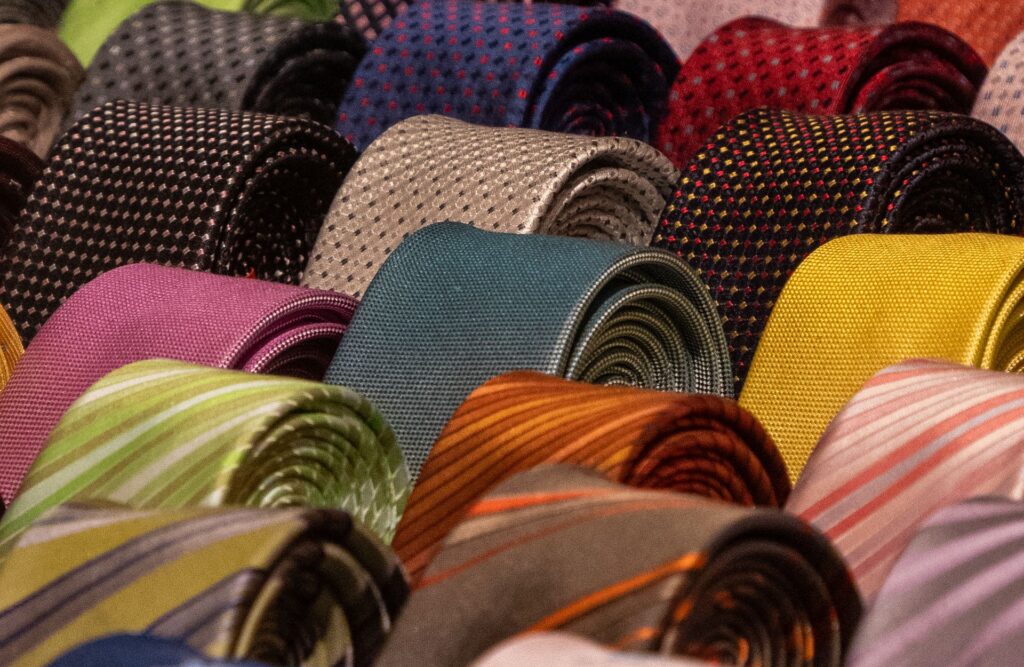
Key Takeaways
Shengzhou offers a deep neckwear supply base, but a successful order depends on more than finding an attractive catalog. Product specifications, supplier checks, inspection, and freight planning should be treated as one connected process.
- Define fabric, construction, measurements, branding, and packaging before requesting quotations.
- Compare factories, trading companies, and agents according to order size and oversight needs.
- Approve samples and color standards before bulk production begins.
- Calculate the full landed cost, including freight, duties, taxes, and inspection.
- Match sea, rail, air, express, or consolidated shipping to the cargo and delivery deadline.
Understanding Shengzhou’s necktie manufacturing ecosystem
Shengzhou is widely associated with neckwear production, and buyers can find suppliers covering design, fabric, sewing, finishing, and export coordination. The local ecosystem includes specialized factories as well as intermediaries that combine products from several workshops. That variety can suit both a small branded launch and a larger formalwear program, provided the buyer verifies who will actually make the goods.
Why Shengzhou is a major tie production hub
The region’s advantage is its concentration of skills and supporting suppliers rather than one single type of business. A buyer may be able to develop fabric, make a sample, arrange labels, and produce several neckwear styles through connected local operations. This concentration can reduce handoffs, but it does not remove the need to document specifications and responsibilities.
For a broader view of supplier coordination and international purchasing, the China sourcing and logistics guide is a useful companion. It places Shengzhou within the wider pattern of Chinese production hubs, where pickup, packaging, customs, and delivery need to be planned alongside manufacturing.
Product categories available from a Shengzhou tie factory
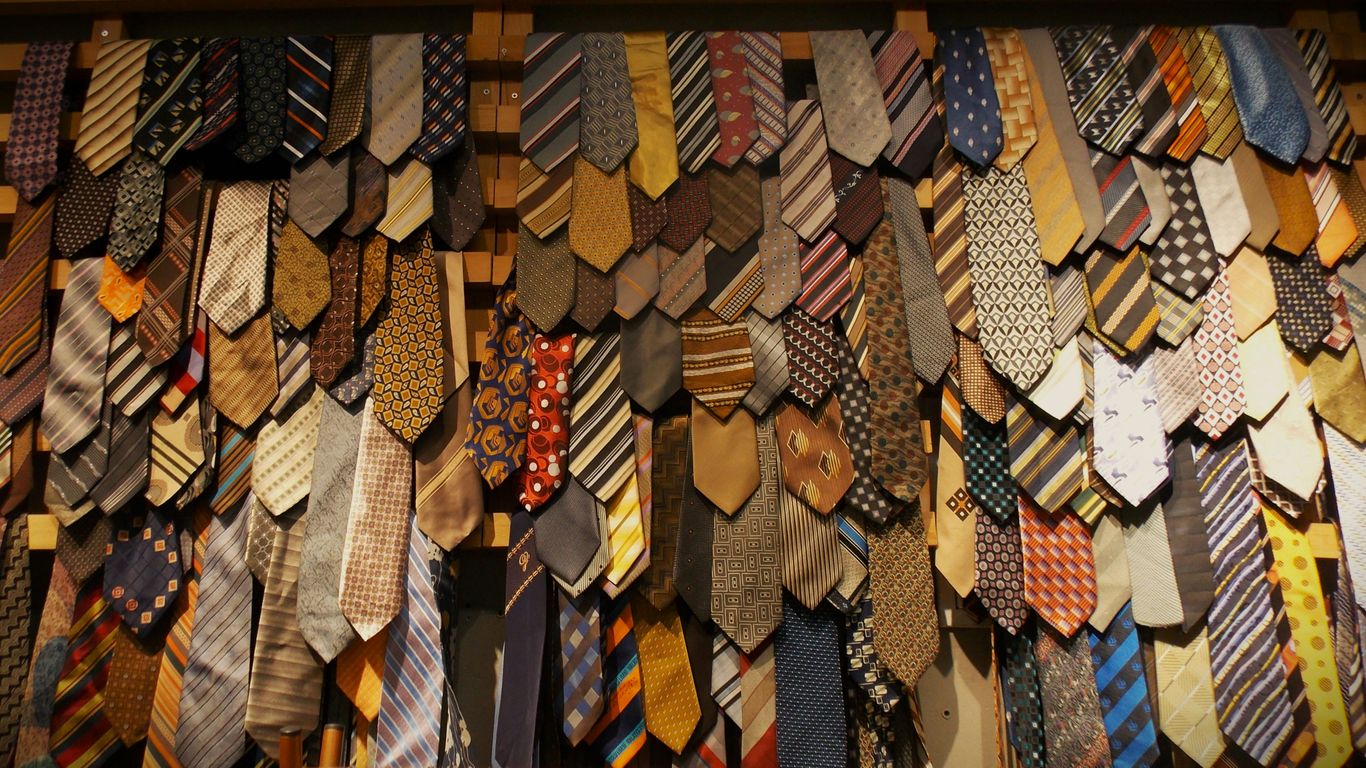
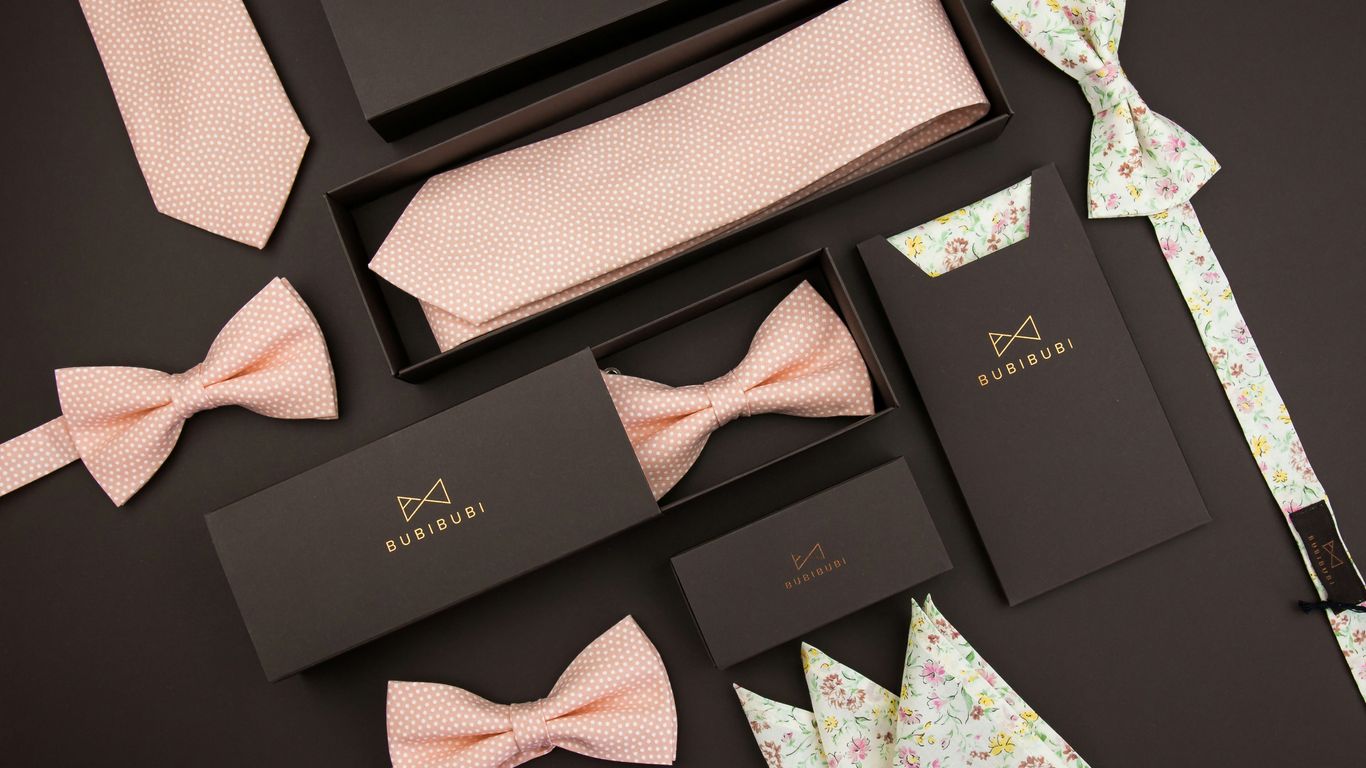
A Shengzhou tie factory may offer traditional neckties in woven or printed fabrics, along with bowties and related formal accessories. Some suppliers handle both handmade and machine-assisted construction, while others focus on particular materials or finishing steps. Ask for a current product list rather than assuming that a factory making one tie style also produces every accessory in the same facility.
Supplier discovery can include specialist networks and local introductions. The relevant tie and bowtie supplier directory can help establish a longer comparison list, although each candidate still requires independent verification.
Common buyer profiles and order volumes
Typical buyers include private-label fashion brands, uniform programs, promotional merchandise distributors, wedding retailers, and online sellers. Order volumes vary substantially: a small test run may require negotiation around a factory’s minimum, while a uniform or retail program may support repeat production in larger batches. The right supplier is therefore the one whose process and economics fit the order, not simply the one with the lowest quoted unit price.
Before contacting suppliers, prepare expected quantities by style and color. A sourcing brief that separates trial quantities from forecasted repeat orders gives factories a clearer basis for MOQ and price discussions.
Direct factories, trading companies, and sourcing agents
A direct factory may provide more visibility into production, while a trading company may offer a wider product mix and coordinate several workshops. A sourcing agent can be useful when you need local communication, sampling follow-up, or supplier comparisons, but the fee structure and decision authority should be written down. In every case, confirm the legal entity on the quotation, invoice, and export documents.
A supplier profile report such as this factory verification resource may help with background research. It should supplement, not replace, a current business license, bank-detail check, sample review, and a clear production agreement.
Choosing the right materials and formal wear products
Material selection affects appearance, hand feel, durability, care requirements, and price. It also affects how a design behaves during weaving, printing, folding, and packing. A well-written request separates the visual brief from measurable construction details, so the factory cannot interpret an important requirement too loosely.
Silk grades, blends, polyester, and recycled fabrics
Silk, polyester, recycled polyester, and blended fabrics each serve different market positions. Silk can support a premium look and feel, while polyester may suit uniforms, promotional programs, or price-sensitive collections. Ask for fiber composition, fabric weight, weave, finish, and test or certification documentation where relevant; “silk-like” is not a sufficient material specification.
For fabric comparisons beyond neckwear, this guide to wholesale textile sourcing explains why fiber, finishing, sample approval, and freight planning should be considered together. The same discipline applies when selecting tie cloth.
Woven ties, printed ties, and jacquard designs
Woven designs build the pattern into the cloth, while printed designs place artwork onto a prepared surface. Jacquard construction can create more dimensional patterning, but the result depends on yarn, repeat size, color count, and loom capability. Request a strike-off or woven development sample when the pattern, logo, or color relationship is central to the product.
Keep artwork in an editable format and identify the intended front, back, repeat, and placement. A digital image alone may not communicate scale accurately once the design is converted to a tie shape.
Bowties, pocket squares, scarves, and coordinated sets
Accessories can increase average order value and create a coherent formalwear range, but each item has its own measurements and finishing requirements. Bowties need attention to band adjustment and shape; pocket squares require hem and size consistency; scarves may require different fabric widths and edge treatments. Confirm whether all items will be produced by one facility or coordinated through several suppliers.
A coordinated set should be sampled as a set, not only as separate pieces. Color matching under the same lighting and against the same approved standard helps prevent small differences from becoming obvious at retail.
Linings, interlinings, labels, and hardware specifications
The lining and interlining influence body, recovery, knot formation, and the way a tie hangs. Labels, care marks, woven badges, hangtags, cartons, and bowtie hardware should be specified with dimensions, materials, placement, and packing instructions. These details are easy to overlook because they do not dominate a product photograph, yet they can create costly rework.
Use a component checklist and obtain written approval for substitutions. If a particular interlining or clasp is unavailable, the supplier should request approval before changing it rather than making a silent replacement.
How to evaluate a Shengzhou tie factory
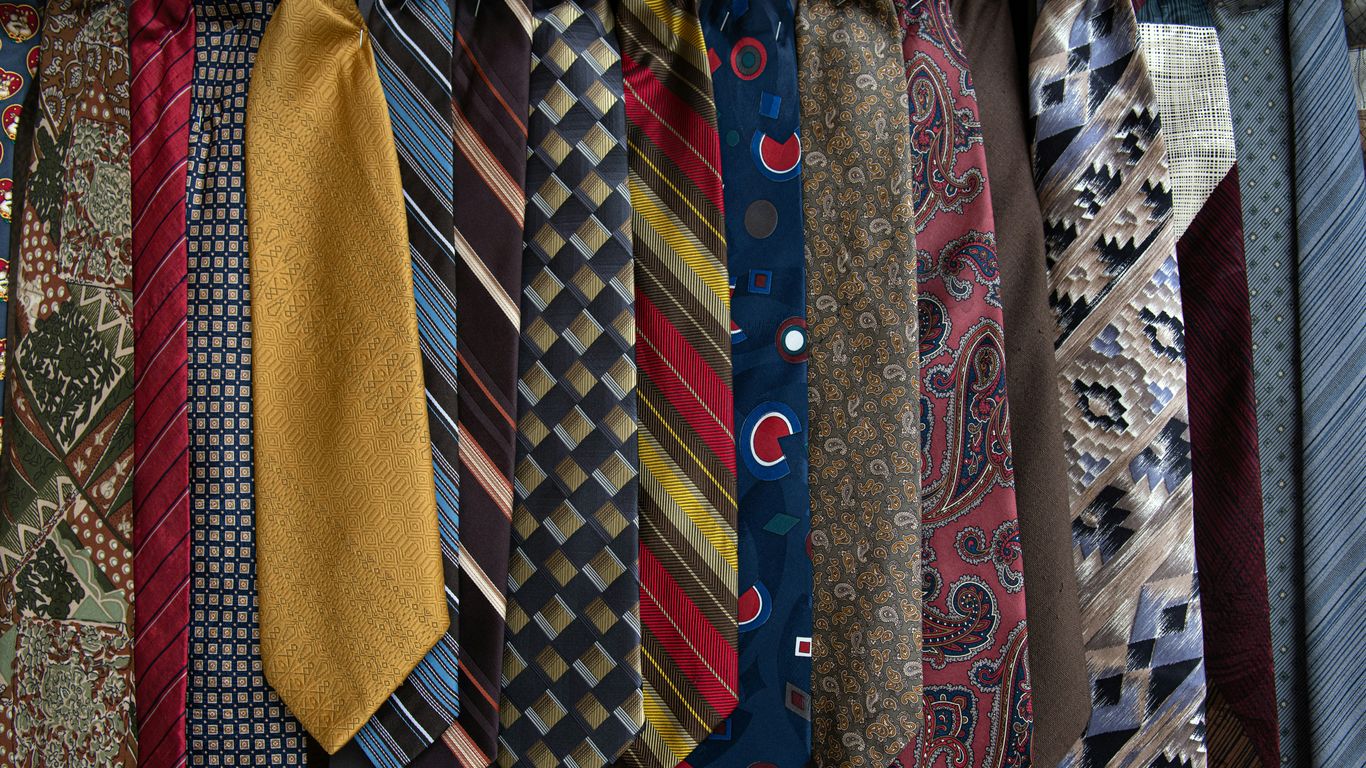
Supplier evaluation should combine documents, physical samples, production evidence, and communication quality. A polished catalog proves very little about current capacity or consistency. The goal is to establish whether the proposed supplier can make your product repeatedly and document the work well enough for an international shipment.
Reviewing factory capabilities and production experience
Ask which steps are performed in-house and which are subcontracted. Review comparable products, available equipment, sample lead times, monthly capacity, and the people responsible for approving fabric and finished goods. A factory with broad experience may still be a poor fit if your order is below its practical MOQ or outside its normal product range.
Written answers are useful, but visual evidence matters too. Request recent production photographs, close-ups of construction, and a description of how materials move from incoming inspection to packing.
Checking certifications, export records, and business licenses
Confirm the registered company name, address, business scope, export eligibility, and beneficiary name for payment. Certifications should be relevant to the material, destination market, or customer requirement; do not treat a generic certificate as proof of product quality. Export references or redacted shipping records can help establish experience, but they should be checked against the supplier’s legal identity.
If you are comparing manufacturing websites as part of supplier research, this SEO structure guide is useful for judging whether a supplier presents clear product, quote, and company information. Online presentation remains only one part of due diligence.
Comparing samples, workmanship, and production capacity
Compare samples against the same checklist: fabric composition, color, dimensions, tip shape, blade alignment, stitching, lining, label placement, and packaging. Record deviations rather than relying on memory. Capacity should be discussed in terms of your actual style and color mix, because a factory’s total output does not automatically represent available capacity for your order.
A practical comparison matrix prevents attractive samples from overshadowing weak process controls. Note who supplied each sample, its date, its stated materials, and whether it was made from production-intended components.
Identifying warning signs before placing an order
Warning signs include changing bank accounts, evasive answers about subcontracting, refusal to identify the legal seller, pressure to skip sampling, and quotations that omit basic cost or delivery assumptions. Inconsistent company names across email, invoices, and licenses deserve immediate clarification. A very low price may reflect a different fabric, construction, packing method, or delivery term rather than a genuine production advantage.
Pause when a supplier will not put a material or quality requirement in writing. Written approval protects margins because it gives both sides a reference when questions arise during production.
Managing customization, sampling, and production
Customization works best as a controlled sequence rather than a long stream of informal messages. The buyer supplies a complete brief, the factory returns a quotation and sample plan, and both sides approve a defined reference before bulk work starts. This approach reduces ambiguity around artwork, color, measurements, packaging, and revisions.
Preparing tech packs, artwork, and measurement specifications
A tech pack should state finished length and width, blade proportions, tip shape, fabric and lining composition, interlining, stitching, label placement, folding method, and carton requirements. Artwork should include dimensions, repeat information, color references, and logo placement. Add tolerances where a measurement cannot be exact, and specify which measurements are critical to fit or appearance.
For an importing workflow that covers product mix, labels, origin marking, HS classification, and delivery planning, consult this silk tie import guide. It complements the factory brief by addressing what happens after production.
Setting minimum order quantities and sample requirements
Ask for MOQ by style, color, fabric, and total order, since factories may calculate each differently. Clarify the number and type of samples required: development sample, pre-production sample, size or color set, and approval sample. Confirm whether sample charges, artwork fees, and courier costs are refundable or credited against a bulk order.
A sample should be judged against the final specification, not merely against the supplier’s own reference piece. Keep an approved physical sample or signed digital record available to the inspection team.
Approving colors, patterns, branding, and packaging
Color approval should identify the standard used, viewing conditions, and acceptable variation. Pattern scale and logo placement need separate approval, especially where a tie’s taper changes how artwork appears. Packaging instructions should cover individual sleeves, tissue, inserts, labels, barcode placement, inner cartons, and master-carton marks.
Do not approve bulk production from a screen image alone when color is commercially sensitive. A physical swatch, lab dip, or production-intended sample gives the factory a more dependable reference.
Building a realistic production timeline
A workable timeline includes quotation, material booking, artwork preparation, sampling, revisions, final approval, production, inspection, packing, pickup, export handling, and transport. Add time for public holidays, material delays, inspection findings, and carrier schedules. The date cargo leaves the factory is not the same as the date it arrives at your warehouse.
Count backward from the required delivery date and identify the decisions that can stop production. This makes it easier to decide whether a slower, cost-efficient sea movement is suitable or whether part of the order needs a faster mode.
Calculating sourcing costs and protecting margins
Unit price is only one line in a sourcing budget. A credible comparison includes product development, materials, labor, labels, packaging, pickup, inspection, export charges, freight, duties, taxes, and destination delivery. Cost assumptions should be written beside each quote so two apparently similar offers are genuinely comparable.
Breaking down unit prices, tooling, packaging, and sampling fees
Request an itemized quotation showing currency, trade term, validity period, MOQ, sample charges, artwork or setup fees, packaging, and payment schedule. For a custom woven design, ask whether development or loom-related charges apply and whether they recur on repeat orders. Confirm carton dimensions and gross weight because freight may be driven by volume as well as actual weight.
A simple cost sheet can separate one-time charges from recurring costs. That distinction prevents a small first order from appearing artificially cheap or a repeat order from carrying fees that should no longer apply.
Comparing silk tie costs with low-cost polyester alternatives
Compare silk and polyester on more than fabric price. Include expected rejection risk, finishing, care instructions, packaging, customer positioning, and the likely selling price. Polyester may support a lower-cost formalwear line, while silk may justify a premium range, but the choice should follow the product brief and customer expectations.
Ask for comparable samples in the proposed materials. A lower quotation is meaningful only when construction, measurements, packaging, and quality limits remain equivalent.
Negotiating volume pricing and repeat-order terms
Volume pricing should state the quantity break, style and color assumptions, material basis, lead time, and payment terms. Repeat-order terms should explain how long the price remains valid and what happens if yarn, silk, packaging, or freight costs change. It is also sensible to agree how artwork and approved samples will be retained for later production.
Negotiation is stronger when the factory understands the potential order pattern without being promised volumes you cannot support. A realistic forecast can earn better terms while preserving flexibility.
Accounting for duties, taxes, inspection, and landed cost
Landed cost is the amount required to place compliant, saleable goods at the destination, not simply the factory price plus freight. Check the likely HS classification, customs value, duty, import tax, broker charges, inspection, insurance, storage, and final delivery. Responsibility changes with the agreed Incoterm, so do not compare EXW, FOB, and delivered quotations as if they were identical.
Use a scenario range for exchange rates, carrier surcharges, and customs examination. A route-specific quote based on carton count, dimensions, weight, pickup point, destination, and cargo-ready date is more useful than a broad per-kilogram estimate.
Selecting low-cost shipping solutions from Shengzhou
The suitable shipping method depends on volume, urgency, destination, cargo readiness, and documentation. Sea freight is often practical for larger, non-urgent shipments; air and express can suit smaller or time-sensitive cargo; rail and road may be relevant on particular routes. The correct comparison is between total cost and delivery risk, not between headline freight rates alone.
Choosing sea freight, rail, air freight, or express delivery
Sea freight generally favors planned bulk movement, while air freight reduces transport time at a higher cost. Express services simplify small-parcel delivery but can be expensive for dense cartons. Rail and road options depend heavily on destination, available services, border conditions, and the shipment’s exact routing.
Kunpeng Freight coordinates air, sea, rail, road, and express shipping from China, so a mode comparison can be based on the shipment’s actual dimensions, urgency, and delivery point. The freight quote request should include those details rather than only the number of ties.
Comparing full container load and less-than-container load shipping
FCL gives one shipment exclusive use of a container, while LCL combines cargo from multiple shippers. FCL can offer simpler handling and better economics at sufficient volume; LCL avoids paying for unused container space but adds consolidation and deconsolidation steps. Compare the complete charge structure, including origin fees, destination fees, minimum charges, and handling.
The break-even point changes by route and season. Obtain both options using the same cargo description and delivery term before deciding.
Using consolidated freight for small and mixed orders
Consolidation is useful when ties, accessories, or cartons from multiple suppliers need to move together. Before pickup, confirm each supplier’s address, ready date, carton count, dimensions, gross weight, labels, and packing list. Mixed cargo should be separated clearly so counts and documents remain traceable after arrival at the consolidation point.
Kunpeng Freight can coordinate supplier pickup and cargo consolidation in China, with pickup counts, photographs, and measurements used to verify what is handed over. This is especially helpful when a small order is assembled from more than one workshop.
Planning export documents, customs clearance, and delivery terms
Prepare the commercial invoice, packing list, purchase information, product description, HS code, origin details, and consignee information early. Confirm who handles export declaration, import clearance, duties, broker communication, and final delivery under the selected Incoterm. Branded goods, unusual materials, and destination-specific labeling may require additional review.
Kunpeng Freight provides import paperwork assistance and customs documentation support as part of its China-to-destination coordination. Documentation support does not remove the importer’s legal responsibilities, so review the declared information carefully before shipment.
Controlling quality and reducing supply chain risk
Quality control begins before production, when the buyer defines measurable acceptance criteria. It continues through material approval, first-piece review, in-line checks, packing verification, and pre-shipment inspection. A short, specific inspection plan is more effective than a general request for “good quality.”
Inspecting fabric, color consistency, stitching, and shape
Inspect fabric composition, weave or print clarity, shade consistency, snags, stains, seam security, label placement, and finished dimensions. Check whether the tie lies flat, folds cleanly, and returns to shape after handling. Bowties also require checks on band adjustment, symmetry, clasp operation, and attachment points.
Photograph defects beside a ruler, approved swatch, or reference sample. Consistent evidence makes it easier to distinguish an isolated defect from a wider production issue.
Setting acceptable quality limits for ties and bowties
Define critical, major, and minor defects in advance, with an agreed sampling plan or inspection standard. Critical issues may involve unsafe hardware, incorrect fiber content, or a wrong branded design; major issues may affect appearance, dimensions, or function. Minor variation should have a stated tolerance rather than being left to personal judgment.
The limits should match the sales channel. A luxury retail collection may require tighter visual consistency than a promotional uniform order, but both need clear requirements and a documented approval process.
Scheduling pre-production, in-line, and pre-shipment inspections
A pre-production check confirms that the factory has the approved fabric, trims, artwork, and sample. An in-line inspection can identify cutting, sewing, or construction problems while correction remains practical. A pre-shipment inspection verifies finished quantity, workmanship, assortment, carton marks, and packing before the balance is released or cargo is collected.
Inspection timing should be written into the production schedule. Waiting until the goods are already packed limits the available remedies and can create avoidable freight delays.
Handling defects, delays, claims, and replenishment orders
Agree in advance how defects will be reported, what evidence is required, and whether the remedy is rework, replacement, credit, or replenishment. Delays should trigger a revised production date, updated cargo details, and a review of the shipping plan. Keep communication factual and preserve the approved specification, inspection report, invoice, and packing records.
When a replenishment order is needed, identify whether the root cause was material variation, workmanship, packing damage, or a counting error. Correcting the process as well as the goods reduces the chance of repeating the same problem.
Conclusion
Sourcing from a Shengzhou tie factory is most manageable when product development, supplier verification, quality control, landed-cost analysis, and freight are planned as one workflow. Clear specifications and approved samples protect the product, while accurate cargo details and early documentation support a more practical shipping decision.
Frequently Asked Questions
What products can be sourced from Shengzhou?
Buyers commonly source woven and printed neckties, bowties, pocket squares, scarves, and coordinated formalwear accessories, subject to each supplier’s capabilities and minimum order requirements.
How should I compare Shengzhou tie suppliers?
Compare legal identity, relevant production experience, samples, materials, construction, MOQ, capacity, communication, quality procedures, and export documentation rather than relying on price alone.
Is silk always better than polyester for ties?
No. Silk may suit a premium position, while polyester or blends may fit uniforms, promotional programs, or price-sensitive products. The right choice depends on use, customer expectations, and target margin.
What should a tie tech pack include?
Include fiber content, fabric construction, dimensions, tolerances, interlining, lining, stitching, artwork, label placement, packaging, carton marks, and any destination-market requirements.
When should samples be approved?
Approve the final production-intended sample before bulk manufacturing. Keep a signed or otherwise traceable record of the approved materials, colors, measurements, artwork, and packaging.
Which shipping method is suitable for a small order?
Express or air freight may suit urgent small shipments, while consolidated LCL can be more cost-efficient when timing allows. Compare total charges, transit variables, and destination handling for the specific cargo.
What documents are normally needed for import?
Common documents include a commercial invoice, packing list, transport document, product description, HS classification, origin information, and consignee details. Exact requirements depend on the destination and shipment terms.
Plan Your Shipment
Send your supplier address, carton details, cargo-ready date, destination, and preferred shipping method to Kunpeng Freight for a practical route and cost review.