
Key Takeaways
Shenzhen can support fast-moving electronics projects, but good results depend on disciplined supplier checks and logistics planning.
- Match the supplier type to the work you actually need, from assembly to full product development.
- Specify drone and wearable components, firmware, testing, and compliance requirements in writing.
- Verify factory ownership, certifications, quality controls, communication, and intellectual-property safeguards.
- Treat prototypes, pilot runs, inspections, and corrective actions as part of production—not optional extras.
- Calculate landed cost and lead time using real cargo details, documentation needs, and shipping buffers.
1. Understanding Shenzhen’s electronics manufacturing ecosystem
Shenzhen is best understood as a connected network rather than one factory district. Markets, component distributors, design houses, assembly plants, testing providers, and freight operators often sit within a workable distance of one another. That density can shorten development cycles, but it also makes supplier selection more complex. A useful Shenzhen electronics sourcing guide can help you understand the range of manufacturers, wholesalers, and OEM/ODM providers before you begin outreach.

The right sourcing decision starts with the product, not the market’s reputation. A simple assembled device may need a different partner from a connected product that requires firmware, mobile software, regulatory testing, and after-sales support.
Huaqiangbei markets, specialized clusters, and factory networks
Huaqiangbei is valuable for discovery, comparison, and component research, but a market stall is not automatically a production facility. Buyers may encounter distributors, trading companies, engineering teams, and factories through the same commercial network. Treat each introduction as a lead to verify rather than proof of manufacturing ownership.
The wider Pearl River Delta also matters. Component availability, PCB services, molds, packaging, and contract assembly can be coordinated across nearby industrial areas. This regional depth is one reason a buyer should map the supply chain around a product instead of evaluating only the company that sends the quotation.
What a Shenzhen electronics factory typically handles in-house
A Shenzhen electronics factory may handle some combination of PCB assembly, mechanical assembly, testing, packaging, and production scheduling. The exact boundary varies widely. Some suppliers own lines and inspection equipment, while others coordinate outside workshops for specialized processes.
Ask for a process map that identifies what happens on the supplier’s premises and what is subcontracted. You should also request sample inspection records, production photographs, and a clear explanation of how incoming parts, work-in-progress units, and finished goods are controlled.
OEM, ODM, EMS, and trading company differences
OEM generally means producing to your design or specification, while ODM usually involves adapting an existing product platform. EMS providers focus on electronics manufacturing services, often covering sourcing, assembly, testing, and sometimes prototyping. A trading company may be useful for access and coordination, but it may not own production equipment.
These labels are not enough by themselves. Compare design ownership, engineering responsibility, tooling control, purchasing transparency, and who will sign off on quality. The same quotation can carry very different risks depending on the supplier’s actual role.
When Shenzhen is the right sourcing location for a product
Shenzhen is often a strong fit when your product depends on dense component networks, short engineering feedback loops, or repeated revisions. It may be less suitable when the product is highly commoditized and another region offers a better manufacturing match, or when your expected volume cannot support the supplier’s development costs.
Consider the entire route from design approval to delivery. For shipments involving batteries, wireless functions, or several suppliers, electronics freight planning is part of the sourcing decision rather than a task to postpone until production is complete.
2. Sourcing consumer drones from Shenzhen suppliers
Consumer drones combine mechanical, electrical, software, and regulatory requirements in a small package. A supplier that can assemble a basic device may not have the engineering depth to tune flight behavior, integrate an application, or document radio performance. Your brief should therefore describe the intended use, operating environment, flight time target, camera function, control method, and destination markets.

Early discussions should separate what already exists from what must be developed. This distinction affects tooling, sample schedules, certification, minimum order quantities, and the amount of technical support you will need.
Core components, assembly stages, and supplier capabilities
A drone supply chain commonly includes motors, propellers, a frame, electronic speed controllers, a flight controller, a camera module, batteries, a remote controller, and charging accessories. Assembly may include PCB installation, motor and frame fitting, firmware loading, calibration, functional testing, and packaging.
Request a bill of materials with approved alternatives and component revision controls. A factory should be able to explain how it handles calibration, pairing, battery checks, firmware versioning, and final flight tests. If these activities are performed by another supplier, record that responsibility clearly.
Camera, flight controller, battery, and motor specifications
Camera resolution alone does not describe a useful drone configuration. Specify sensor behavior, stabilization, recording format, storage, transmission distance, and performance under the intended lighting conditions. For the flight system, document controller functions, positioning features, calibration methods, motor ratings, propeller dimensions, battery chemistry, capacity, connector, and charging requirements.
Keep approved samples and component references. Small changes to a motor, battery, or camera board can alter flight time, heat, balance, and software behavior even when the outside housing looks unchanged.
Firmware, app integration, and remote-control requirements
Firmware requirements should cover startup behavior, pairing, controls, failsafe responses, updates, and language support. If an application is required, define the supported mobile operating systems, connection method, permissions, user interface responsibilities, and any cloud dependency.
Do not assume that an existing app can be rebranded without technical or commercial limits. Confirm who owns the source code, who maintains updates, how crash reports are handled, and whether remote-control functions change by destination market.
Drone safety, radio-frequency, and aviation compliance
Drone compliance depends on the destination and the product’s technical configuration. Radio-frequency rules, battery transport requirements, labeling, user instructions, and aviation restrictions may all apply. The importer remains responsible for confirming the applicable rules in each target market, even when the supplier offers test reports.
Ask for the exact model and configuration covered by each report. A document for one radio module, battery, or software version may not cover a revised production unit. Build compliance review into the specification and approval process before placing a mass-production order.
Prototype testing for flight performance and durability
A prototype should be tested as a product, not merely displayed as evidence that the motors turn. Record flight duration, control response, video transmission, landing behavior, heat, charging, impact resistance, and performance after repeated use. Test both normal operation and foreseeable misuse.
A written test log makes supplier discussions more productive. It also separates design problems from assembly defects, which helps determine whether the next action is a component change, firmware revision, process correction, or better packaging.
3. Evaluating wearable technology manufacturers
Wearables place demanding functions into products that must remain small, comfortable, and reliable during daily use. Smartwatches, fitness trackers, earbuds, and related devices may share suppliers but not the same validation needs. A buyer must assess electronics, enclosure design, charging, connectivity, software, materials, and user data together.
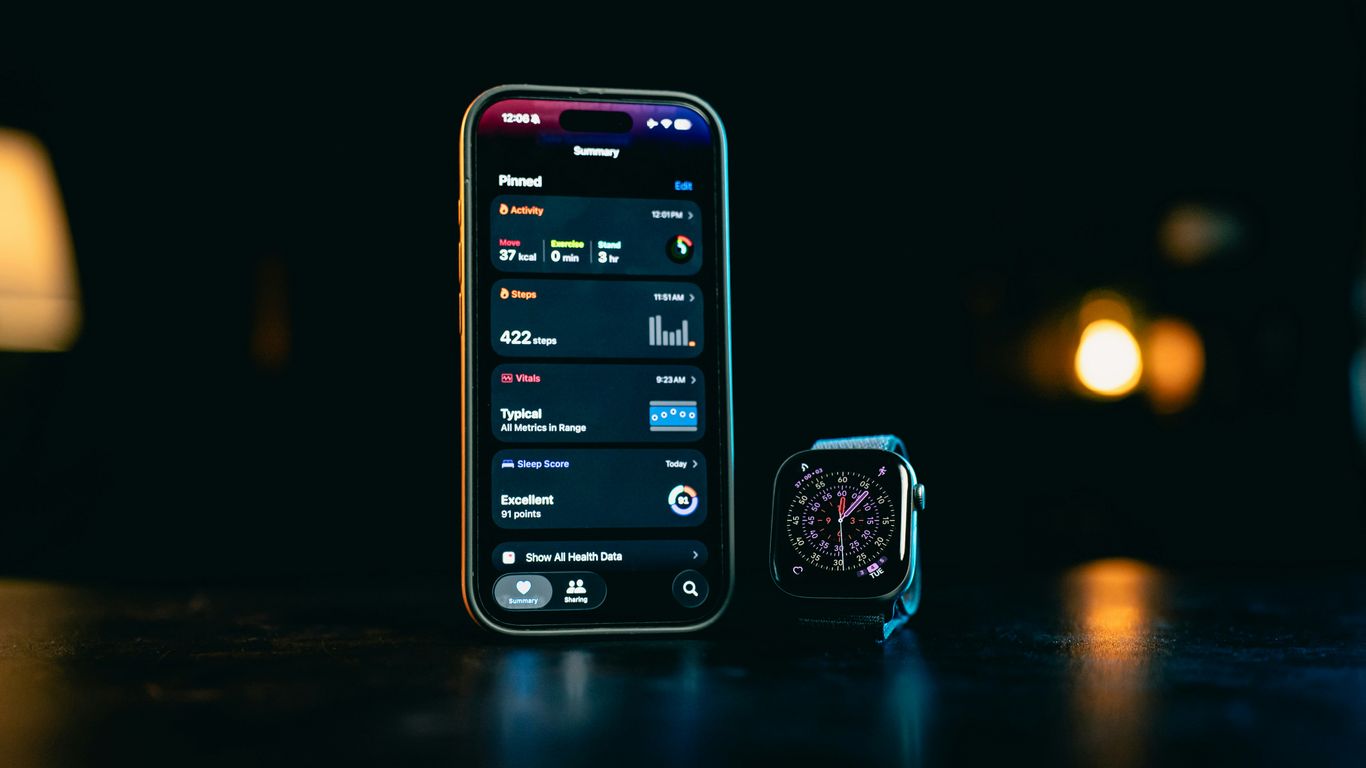
The most attractive sample is not necessarily the best production platform. Look for evidence that the supplier can maintain tolerances, component continuity, firmware control, and consistent assembly across the volume you expect.
Smartwatches, fitness trackers, earbuds, and other product categories
A smartwatch may require a display, sensors, charging contacts, Bluetooth connectivity, and an application. Earbuds add acoustic tuning, paired-device behavior, charging cases, and fit considerations. Fitness trackers may place greater emphasis on sensor placement, comfort, and repeatable readings.
Define the user experience before comparing catalogs. A supplier’s existing model can reduce development time, but it may also impose limits on enclosure changes, display choices, software customization, or accessory compatibility.
Sensors, displays, batteries, and compact PCB design
Wearable performance depends on the relationship between sensors, board layout, battery capacity, antenna placement, display power use, and thermal behavior. Ask for component part numbers and revision policies rather than relying on general descriptions such as “high accuracy” or “long battery life.”
Review charging behavior, battery protection, connector durability, and expected operating conditions. Compact PCB design leaves little room for uncontrolled substitutions, so approved component lists and engineering-change notices are especially useful.
Waterproofing, skin-contact materials, and device durability
Water resistance is a system property involving seals, adhesives, buttons, charging interfaces, acoustic openings, and assembly controls. Clarify the intended rating, test method, sample size, and whether the rating applies after normal wear. Skin-contact products also require careful review of materials, coatings, adhesives, and labeling.
Durability testing should reflect use rather than a single dramatic demonstration. Include charging cycles, strap or hinge movement, sweat exposure, drops, scratches, and repeated connection of accessories where relevant.
Bluetooth, mobile app, cloud, and data-security considerations
Connected wearables create responsibilities beyond the physical device. Confirm Bluetooth profiles, pairing behavior, supported phones, permissions, update delivery, account handling, cloud storage, and data deletion. Determine which party is responsible for hosting, security updates, privacy documentation, and technical support after launch.
The contract should identify access to firmware and application assets. It should also explain what happens if a third-party platform, operating system, or cloud service changes during the product’s life.
Customization limits for low and medium order volumes
Low and medium volumes usually require a practical compromise between differentiation and development cost. Cosmetic changes may be feasible before a new mold, PCB revision, or entirely new application. Ask suppliers to separate one-time engineering charges from recurring unit costs.
A staged approach can reduce exposure: begin with a proven platform, approve a limited cosmetic or packaging change, and reserve deeper customization for a later volume milestone. That plan is more credible when the supplier provides written tooling ownership and change estimates.
4. Vetting a Shenzhen electronics factory
Supplier vetting is a commercial and technical investigation, not just a request for a business license. You need to know who will manufacture the goods, who controls the design, how quality is measured, and how problems are escalated. A remote review can begin the process, but higher-risk products deserve independent checks or an in-person visit.

Use the same questions with each candidate. Consistent questions make differences in capability, cost, and accountability easier to see.
Confirming business licenses, facilities, and production ownership
Verify the legal entity named on the quotation and contract. Compare its registered details with the factory address, bank information, export arrangements, and the name of the entity receiving payment. Ask for a live video walkthrough or visit that shows production areas, storage, testing stations, and finished-goods handling.
A supplier may legitimately use subcontractors, but undisclosed subcontracting is a risk. Request a list of critical outside processes and identify who is responsible for their quality, confidentiality, and delivery.
Reviewing certifications, quality systems, and audit records
Certifications should be relevant to the product, destination, and exact configuration. Review the issuing body, scope, model number, validity, and test standard. Quality-system certificates can indicate process discipline, but they do not replace product-specific testing or inspection.
Ask to see redacted audit findings and corrective-action records. The way a supplier documents recurring defects often tells you more than a polished presentation. Keep copies in your sourcing file and set dates for closing open issues.
Comparing minimum order quantities, tooling, and pricing
Compare quotations on an equivalent basis. Include component assumptions, packaging, testing, tooling, sample charges, payment terms, production lead time, and the treatment of defective units. A low unit price may conceal a high mold charge, an inflexible MOQ, or exclusions that appear later.
The following comparison keeps early commercial discussions focused on the cost drivers that can change the project outcome:
| Cost or condition | Question to ask | Why it matters |
|---|---|---|
| Minimum order quantity | Is the MOQ per model, color, or component? | It determines inventory exposure. |
| Tooling | Who owns the mold and what is the maintenance charge? | It affects control and future revisions. |
| Engineering | Which design and sampling services are included? | It clarifies development responsibility. |
| Packaging | Are cartons, labels, and inserts included? | It changes both unit cost and freight volume. |
After normalizing these items, compare landed cost rather than factory price alone. That is the point at which a seemingly attractive quotation can be tested against your actual launch plan.
Assessing engineering support and communication practices
Good communication is specific, documented, and repeatable. Ask who will answer engineering questions, how changes are recorded, which language the technical documents use, and how quickly the supplier reports a production deviation. A responsive sales contact is useful, but technical accountability must sit with named staff.
Run a small communication test before committing. Send a short specification with an intentional question or ambiguity and assess whether the response identifies the issue, proposes options, and records assumptions.
Protecting designs, firmware, trademarks, and supplier information
Protect intellectual property through contracts, controlled file sharing, clear ownership of tooling and source code, and careful disclosure. Limit technical information to what a supplier needs at each stage. Record version numbers for CAD files, firmware, artwork, test reports, and approved samples.
Confidentiality terms are not a substitute for operational control. Keep supplier lists, pricing, and design archives organized, and make sure purchase documents identify the correct legal entities and ownership rights.
5. Managing prototypes, quality control, and production
Production quality is easier to manage when the product definition is precise before the purchase order. A sample approval should establish more than appearance; it should capture function, materials, firmware, packaging, and test results. The objective is to make the approved version reproducible.
The process should also identify how deviations are handled. If a component becomes unavailable or a factory proposes a substitution, the change should be reviewed before it reaches production.
Turning a product brief into a manufacturer-ready specification
A manufacturer-ready brief describes dimensions, materials, colors, interfaces, performance, labeling, packaging, firmware version, accessories, and acceptance tests. Use drawings, photographs, tolerance ranges, and reference samples where words could be interpreted in different ways.
Include the destination market and shipping constraints early. Battery information, wireless functions, carton dimensions, and labeling can affect both compliance and logistics. Specific acceptance criteria reduce disputes because both parties can point to the same approved standard.
Using engineering samples and pilot runs to reduce risk
Engineering samples answer design questions; pilot runs answer process questions. Approve samples in stages and retain a signed master sample or controlled digital record. During a pilot, check whether operators, fixtures, component supply, and test equipment can produce the approved result repeatedly.
Do not treat a successful prototype as proof of mass-production capacity. A pilot run should expose variation in assembly, software loading, packaging, and final inspection while changes are still manageable.
Setting inspection points from incoming parts to final assembly
Inspection works best when it is distributed across the process. Incoming parts should be checked against approved specifications, while in-process checks should focus on soldering, assembly orientation, torque, sealing, calibration, and firmware. Final inspection should confirm function, appearance, accessories, labeling, and carton counts.
A practical inspection sequence may include:
- Incoming component verification and quantity checks.
- First-article review before the line continues.
- In-process functional and visual checks.
- Final random inspection against the approved standard.
- Packing-list, carton, and shipment-photo confirmation.
This sequence creates evidence at each handoff rather than relying on a single inspection at the end. The resulting records are also useful when a defect appears after delivery.
Defining acceptance criteria for drones and wearables
Drone criteria may cover flight control, battery behavior, camera operation, pairing, motor noise, charging, and impact-related damage. Wearable criteria may include display response, sensor operation, Bluetooth pairing, charging, enclosure finish, strap or case fit, and water-resistance testing where applicable.
Set measurable limits wherever possible. “Works well” is difficult to enforce, while a defined pairing sequence, charging time range, cosmetic sample, or functional test is easier for both the factory and inspector to apply.
Handling defects, rework, warranty terms, and corrective actions
Your purchase agreement should define defect categories, reporting evidence, rework approval, replacement or credit procedures, warranty scope, and response times. It should also require a corrective-action report for recurring or systemic failures.
When a problem occurs, separate containment from root-cause correction. Count affected lots, preserve samples, stop further dispatch where justified, and agree on verification of the corrective action. A quick replacement may solve one shipment without preventing the same failure in the next run.
6. Planning international logistics for electronics products
Shipping electronics requires more detail than choosing a carrier and requesting a rate. Batteries, wireless functions, fragile components, carton dimensions, destination rules, and importer responsibilities can all affect the available route. A useful China freight logistics archive provides broader context, but each shipment still needs a cargo-specific review.
The best shipping mode depends on urgency, volume, value, destination, documentation, and tolerance for schedule variation. Build the logistics plan while samples and packaging are being developed, not after the factory announces that the goods are ready.
Choosing air freight, sea freight, rail, or express delivery
Express delivery is convenient for small urgent samples, while air freight can suit higher-value or time-sensitive commercial cargo. Sea freight is often appropriate for larger volumes when the schedule allows, and rail or road options may fit particular origins and destinations. Route availability and battery rules must be checked for the actual shipment.
Compare transit assumptions, cut-off dates, handling charges, customs responsibilities, and final delivery arrangements. Kunpeng Freight can be approached for a shipment-specific quote rather than a generic mode recommendation.
Packaging lithium batteries, fragile components, and finished devices
Packaging should protect the product and support compliant transport. Confirm battery classification, state of charge requirements where applicable, inner packaging, labels, test documents, and carrier acceptance before dispatch. Drones and wearables also need protection from crushing, moisture, vibration, and electrostatic damage.
Measure finished cartons after packing. The outer dimensions, gross weight, number of cartons, and battery details affect both freight pricing and document preparation. Photos taken during pickup or consolidation can help confirm what was actually handed over.
Export documents, HS codes, duties, and importer responsibilities
Typical documents may include a commercial invoice, packing list, transport document, export information, battery documents, and product-specific certificates. The correct HS code and declared value depend on the goods and destination rules. The importer remains responsible for duties, taxes, permits, and local compliance unless the agreed trade terms assign a defined responsibility differently.
Review documents before cargo collection. Errors in product descriptions, quantities, values, consignee details, or model numbers can create delays and additional costs. Customs authorities and carriers may also request supporting information during transit.
Consolidation, warehousing, and fulfillment near Shenzhen
When several suppliers are involved, consolidation can reduce fragmented shipping and simplify document control. A warehouse can receive cartons, count them, photograph condition, measure cargo, check labels, and combine shipments under an agreed plan. This is especially useful when factory completion dates do not align.
If the goods will move to a fulfillment center, confirm carton rules, labeling, appointment requirements, and delivery terms in advance. The warehouse should know which cartons belong to which purchase order and whether repacking or kitting is authorized.
Building realistic lead-time and buffer-stock plans
Lead time includes more than factory production. Allow for sample approval, component purchasing, assembly, inspection, export handling, carrier schedules, customs processing, and final delivery. Each stage can vary, particularly around holidays, peak seasons, port congestion, or document corrections.
Use a target date, a latest acceptable date, and a contingency action. Buffer stock should reflect demand volatility and replenishment time rather than a fixed percentage applied without analysis.
7. Calculating the total cost and launch timeline
A sourcing budget is only useful when it includes the costs that occur before, during, and after production. Unit price is a starting point, not the landed cost. For electronics, tooling, testing, firmware work, battery handling, inspection, and packaging can materially change the project economics.
Build a model that can be updated when specifications, quantities, shipping modes, or destination rules change. Keep estimates separate from confirmed charges so that uncertainty remains visible.
Separating unit price, tooling, certification, and engineering costs
List recurring and one-time costs separately. Recurring costs may include the product, accessories, packaging, and factory testing. One-time costs may include molds, fixtures, engineering samples, firmware changes, artwork, certification testing, and translation of manuals.
Ask whether a quoted engineering fee covers revisions, and record what happens if the project is paused. This prevents a later dispute over whether development work, tooling, or source files belong to the buyer.
Modeling shipping, tariffs, payment fees, and landed cost
A landed-cost model should include supplier price, inland pickup, inspection, consolidation, export handling, freight, insurance where selected, duties, taxes, destination charges, payment fees, and final delivery. Use the actual carton count, dimensions, weight, and battery information when requesting a freight estimate.
A China sourcing and shipping guide can help organize the categories, but rates and customs treatment remain shipment-specific. Compare at least two scenarios when timing allows, such as air for an initial launch quantity and sea or rail for replenishment.
Balancing order volume against inventory and cash-flow risk
Larger orders may improve unit economics but tie up cash and increase exposure to slow sales, design changes, storage, and warranty claims. Smaller orders can preserve flexibility while producing a higher unit cost or less favorable factory terms.
Model demand in conservative, expected, and strong cases. Include payment milestones and the time between supplier payment, production completion, customer sales, and replenishment. The right order size is the one your business can finance and manage, not simply the one with the lowest quoted unit price.
Creating milestones from supplier discovery to mass production
A workable timeline assigns an owner and decision gate to every stage. Typical milestones include supplier screening, specification release, quotation comparison, sample approval, compliance review, pilot production, inspection, booking, export documentation, and receipt at destination.
Do not put mass production on the calendar until the critical inputs are approved. A late change to firmware, packaging, battery configuration, or labeling can move the shipping date even when the assembly line itself is available.
Tracking quality, delivery, and cost KPIs after launch
After launch, monitor defect rate, rework, warranty returns, on-time production, document accuracy, freight variance, landed cost, and stock coverage. Review trends by supplier, model, batch, and destination rather than relying only on an overall average.
A monthly review can connect operational data to purchasing decisions. If defects rise after a component substitution or freight variance follows a carton change, the record gives you a basis for corrective action and a more accurate next quotation.
Plan the Shipment Early
When your Shenzhen sourcing project is ready for pickup, Kunpeng Freight can coordinate supplier collection, cargo inspection, consolidation, export handling, and international delivery across available air, sea, rail, road, and express options. Request a quote with the supplier address, destination, cartons, weights, dimensions, ready date, and any battery details so the route can be assessed against the real cargo.
Conclusion
A successful Shenzhen electronics project connects supplier capability, product specification, testing, compliance, and freight planning from the beginning. Verify who makes the goods, define what must be accepted, preserve control of changes, and calculate the full landed cost before committing cash. With those disciplines in place, Shenzhen’s dense manufacturing network can become a practical source of prototypes, production capacity, and international supply support.
Frequently Asked Questions
Is Shenzhen suitable for every electronics product?
No. Shenzhen is particularly useful for products that benefit from dense component, engineering, assembly, and logistics networks, but another manufacturing region may better suit a simple or highly specialized product.
How do I distinguish a factory from a trading company?
Verify the legal entity, physical facility, equipment, production records, and subcontracting arrangements. Ask who controls engineering, purchasing, quality, and the final invoice.
What should a drone sourcing brief include?
Include the intended use, flight behavior, camera and transmission requirements, battery, motors, controller, firmware, app functions, packaging, destination markets, and required compliance documents.
What should I check with a wearable manufacturer?
Review the component list, PCB and battery design, sensors, display, enclosure materials, charging, connectivity, application support, data handling, durability, and realistic customization limits.
When should quality inspections take place?
Use several checkpoints, including incoming parts, first article, in-process assembly, final function, packaging, and carton verification. The exact points should reflect the product’s main failure risks.
Which shipping method is best for electronics?
There is no universal answer. Compare express, air, sea, rail, and road options using shipment size, battery requirements, value, urgency, destination, documentation, and tolerance for schedule variation.
How should I calculate landed cost?
Combine product, tooling, engineering, certification, packaging, pickup, inspection, consolidation, freight, insurance if selected, duties, taxes, payment fees, destination charges, and final delivery. Use confirmed cargo details wherever possible.