
Key Takeaways
Shipping lighters from Shaodong requires classification, carrier approval, careful packaging, and consistent customs paperwork. Treat the shipment as regulated cargo from the first supplier conversation, not as ordinary consumer goods.
- Identify the fuel, ignition system, battery content, and applicable dangerous goods classification.
- Confirm the destination country’s import rules before production or pickup.
- Use packaging, marks, labels, and documents that match the approved transport method.
- Keep quantities, weights, values, HS codes, and product descriptions consistent.
- Control every handoff from the Shaodong factory to final delivery.
1. Identify the lighter type and applicable dangerous goods classification
Before you ask a carrier for a rate, establish exactly what is being shipped. A pocket lighter containing fuel is treated differently from an empty electric lighter, and a novelty design may introduce additional review questions. The product’s physical condition, fuel quantity, packaging, and destination all affect acceptance.

Determine whether the product contains liquefied gas, flammable liquid, or no fuel
Start with a written product description from the factory. Record whether the lighter contains butane or another liquefied gas, a flammable liquid such as lighter fuel, or no fuel at all. For electric models, confirm whether a battery is installed and identify its chemistry, capacity, and whether it can be removed.
Do not rely on a product name such as “USB lighter” or “torch lighter.” A model that appears electric may still contain fuel, while an empty model may require different testing or carrier evidence. Photographs of the product, packaging, and rating plate help a forwarder assess the shipment before booking.
Review UN numbers, hazard classes, and proper shipping names
Many fuel-filled lighters are associated with UN 1057 and Class 2.1 when they contain flammable gas, but the correct entry depends on the actual product and the applicable transport regulations. The proper shipping name, packing instruction, quantity limits, and declaration requirements should be confirmed against the current rules and the carrier’s acceptance policy.
A classification decision should be documented rather than guessed from an old booking. The lighter shipping classification guide can provide background, but it should not replace a route-specific review by the carrier or dangerous goods specialist.
Check how disposable, refillable, electric, and novelty lighters differ
Disposable and refillable models commonly require different attention to fuel quantity, valve design, and leakage protection. Electric lighters may shift the main concern toward batteries, charging components, and accidental activation. Novelty lighters can also attract closer scrutiny if their appearance or mechanism makes them resemble another article.
Build a model-by-model inventory instead of describing a mixed carton simply as “lighters.” Include samples, promotional units, and accessories. The Scouting for Boys reference, although unrelated to transport classification, illustrates the broader value of preparedness and observation; those same habits are useful when checking a varied product range.
Confirm destination-country restrictions before accepting the shipment
A shipment accepted for export is not automatically admissible at destination. Import rules may restrict fuel-filled lighters, impose age or safety requirements, require product testing, or limit delivery to particular channels. Ask the importer, customs broker, and relevant authority what evidence is needed before the supplier completes production.
Also check whether the destination treats empty products, batteries, and fuel-filled products differently. A written answer is preferable to an assumption, particularly when the order includes several designs or retail-ready packaging.
2. Prepare Shaodong suppliers and cargo for export
Supplier preparation is where many preventable problems can be found. A factory should provide exact specifications, carton details, and evidence of how the goods are made safe for transport. You should also agree who will arrange pickup, who will provide export documents, and who will answer technical questions after booking.

Verify the manufacturer’s product specifications and safety data
Request a model list, technical sheet, fuel details, dimensions, net weight, gross weight, carton quantity, and product photographs. Where available, obtain safety data, test reports, and packaging information. These documents allow the forwarder to compare the declared cargo with the physical shipment.
Ask the supplier to identify changes in model, fuel volume, ignition mechanism, or battery configuration. Even a small product revision can affect classification, packaging, or carrier acceptance.
Confirm export experience with hazardous goods and lighter shipments
A supplier that manufactures lighters may not have current experience preparing them for every transport mode. Ask for examples of export documents, carton markings, and prior carrier requirements, while independently checking whether those practices remain valid for your route.
The supplier should nominate one person who can respond quickly to questions about fuel, packing, and quantities. Unclear ownership often creates delays when a carrier requests additional evidence shortly before cutoff.
Inspect fuel quantity, ignition systems, batteries, and leakage risks
A pre-shipment inspection should verify that the physical cargo matches the approved description. Check fuel quantity, valve condition, ignition protection, battery installation, accidental activation risk, and signs of leakage. Photograph representative cartons and any inner packaging before the goods leave the factory.
A practical inspection sequence is easier to follow when it is written down:
- Match the model numbers to the approved product list.
- Count units and cartons, then record dimensions and weights.
- Check fuel, batteries, ignition controls, and visible damage.
- Photograph inner packs, outer cartons, marks, and palletization.
These records give the forwarder and customs broker a common reference. They also make it easier to investigate a discrepancy without reopening the entire order.
Align product labeling and carton markings with the planned transport mode
Retail branding and transport marking serve different purposes. The factory should know which marks are required on the outer package, whether orientation arrows are needed, and whether the carrier has a specific label format or placement rule.
Do not print a large quantity of cartons until the transport plan is confirmed. Air, sea, express, and multimodal services may apply different acceptance conditions, and changing labels after packing can be costly.
3. Choose a compliant transport method
There is no universal best method for lighter cargo. Air freight may suit urgent, smaller shipments but can have tighter dangerous goods acceptance rules. Sea freight may provide more practical capacity for commercial volume, while express and multimodal options depend heavily on the carrier, route, and destination.

Compare air freight, sea freight, express services, and multimodal shipping
Compare the complete route rather than the headline freight rate. Include factory pickup, dangerous goods handling, export clearance, port or airport charges, destination clearance, and final delivery. The sea freight option may suit larger consignments, while air freight service may be considered when timing and carrier acceptance justify the higher cost.
Express services can be convenient for samples, but not every express network accepts fuel-filled lighters. Multimodal shipping can reduce handling in some cases, yet each transfer must preserve the approved documentation and packaging.
Understand carrier acceptance rules for UN 1057 and related products
UN 1057 shipments are not accepted merely because the goods are small. The carrier may require a dangerous goods declaration, specific packaging, test evidence, quantity limits, or a booking made through an approved channel. The route may also restrict passenger aircraft, particular airports, or certain transshipment points.
Submit the product description, photographs, packing details, and proposed documents before the cargo is collected. Carrier approval before pickup is one of the simplest ways to avoid a stranded shipment.
Evaluate transit time, routing limits, and transshipment requirements
Ask for an indicative transit range and identify where the cargo changes hands. Schedules can move because of carrier capacity, weather, inspections, port congestion, or dangerous goods restrictions. A route with several transshipments creates more opportunities for handling errors and document mismatches.
Kunpeng Freight coordinates air, sea, rail, road, and express shipping, so the practical choice can be assessed against the cargo details and destination rather than selected by mode alone. The freight service overview is a useful starting point for comparing those operational options.
Decide when a dangerous goods freight forwarder is necessary
Use a specialist when the product contains fuel, the carrier requests formal declarations, the shipment combines several regulated items, or the destination rules are unclear. Specialist support is also sensible for a first shipment, a large commercial order, or a route involving several countries.
The forwarder should explain what it can prepare, what the exporter must sign, and which approvals remain the shipper’s responsibility. That distinction keeps compliance decisions visible instead of hiding them inside a quote.
4. Pack, mark, and label lighters for transport
Packaging must prevent the product from moving, leaking, igniting, or activating during ordinary handling. The approved design depends on the classification, transport mode, quantity, and packaging instruction. A retail carton that protects a lighter on a store shelf is not automatically suitable for international dangerous goods transport.
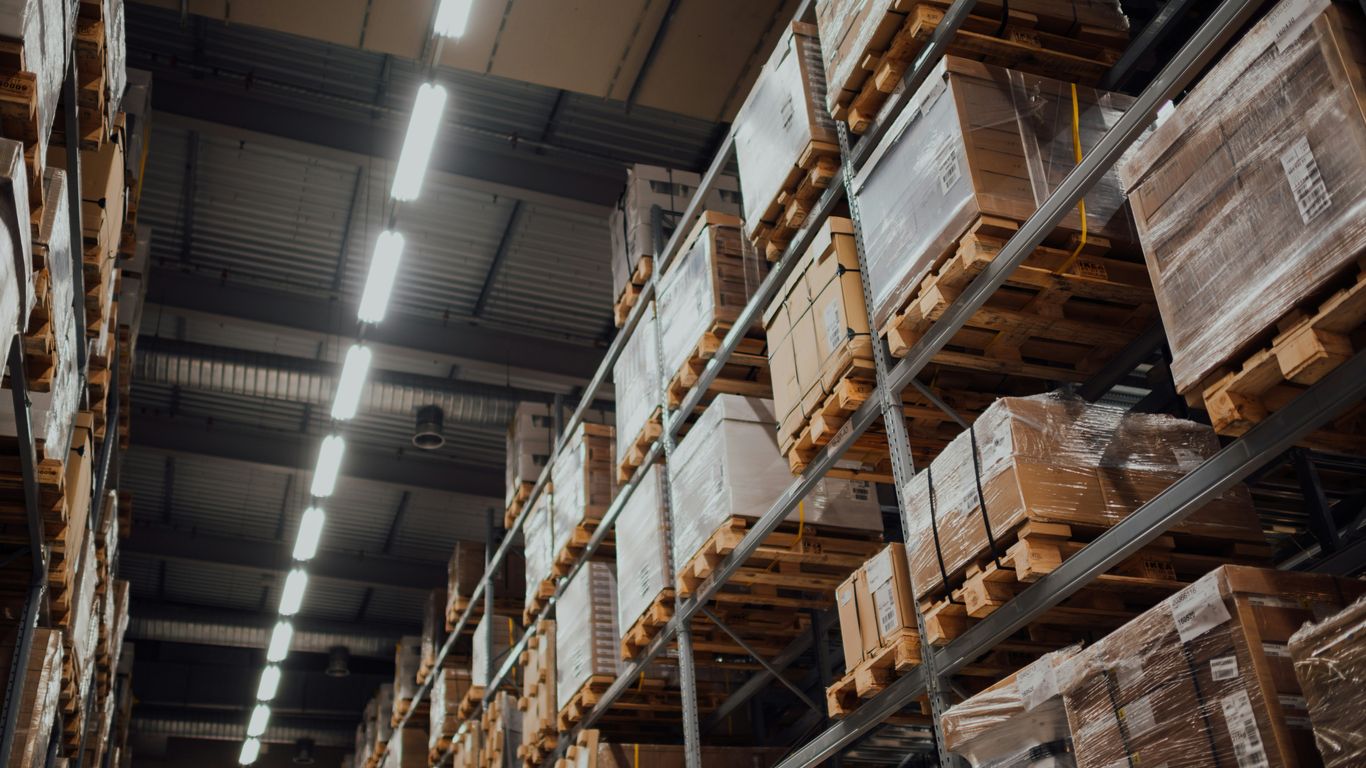
Use approved packaging that prevents movement, ignition, and leakage
Use the packaging specified for the confirmed classification and carrier. Inner packs should hold units in place, protect valves and ignition components, and limit contact between damaged products. The outer package must be strong enough for stacking and handling without crushing or opening.
Ask who tested or approved the packaging and keep the supporting record with the shipment file. Do not substitute a different carton size, filler, or pallet pattern without checking whether the change affects compliance.
Apply dangerous goods marks, handling labels, and orientation markings
Marks and labels must be legible, durable, correctly sized, and placed where handlers can see them. Depending on the shipment, this may include the applicable dangerous goods label, UN number, proper shipping name, shipper and consignee details, and orientation markings.
The exact requirements vary by mode and regulation. A label copied from a previous shipment may be wrong for a new route, so compare the final carton artwork with the approved booking instructions before loading.
Separate lighters from incompatible materials and sensitive cargo
Keep lighters away from materials that could worsen a leak, create a reaction, or be damaged by contact with fuel. Mixed cartons should be reviewed item by item, especially when they include batteries, liquids, aerosols, chemicals, or heat-sensitive goods.
If several suppliers are being consolidated, each item should retain its classification and supporting documents. Consolidation can be useful, but it must not turn separate cargo descriptions into one vague declaration.
Check how packaging requirements change for samples, bulk cartons, and pallets
Samples may use different quantities and handling channels from bulk commercial cartons. Bulk shipments require closer attention to stacking, pallet stability, carton count, and the relationship between inner and outer packaging. The carrier may also impose quantity or routing limits that do not appear in a small sample booking.
Before pickup, request photographs of the completed package and compare them with the approved packing plan. If the physical package differs, pause the booking until the change is reviewed.
5. Assemble the shipping and customs documentation
Documentation should describe the cargo as it exists, not as the buyer wishes it were described. Customs, carriers, and brokers compare the invoice, packing list, transport document, dangerous goods paperwork, and physical cartons. A clear file reduces questions and gives each party the same factual basis.
Prepare the commercial invoice with accurate product descriptions and values
Use a specific description such as the actual lighter type, fuel status, material, and intended use, subject to the broker’s classification advice. State the quantity, unit value, total value, currency, seller, buyer, country of origin, and agreed delivery term accurately.
Avoid descriptions such as “accessories,” “gifts,” or “samples” when they conceal the product. Values should be defensible and consistent with the purchase order and payment records.
Complete the packing list, bill of lading, or air waybill
The packing list should identify cartons, inner quantities, marks, dimensions, net weight, gross weight, and pallet details. The bill of lading or air waybill must then reflect the approved shipper, consignee, routing, and cargo description. The packing list guidance is relevant when checking these physical details before submission.
Kunpeng Freight provides customs documentation support and can coordinate document preparation, but the exporter and importer remain responsible for the truth of the information they provide. Review every figure against the inspection record before finalizing the transport document.
Provide the shipper’s declaration for dangerous goods when required
A shipper’s declaration may be required for air transport or for particular carrier and route combinations. It must be completed by someone qualified to prepare it, using the correct classification, proper shipping name, packing instruction, quantity, and emergency information.
Do not sign a declaration that has not been checked against the product and package. If the carrier changes the route or aircraft type, ask whether the document must be revised.
Match certificates, test reports, and permits to the import destination
The destination may require safety certificates, test reports, importer permits, labeling evidence, or documents for batteries and fuel components. Confirm which documents are mandatory, which are optional supporting evidence, and how long each remains valid.
For broader compliance planning, the customs documentation support page explains the role of invoices, packing lists, transport documents, permits, and destination-specific requirements. Keep originals and electronic copies in an organized shipment folder.
6. Manage export clearance from China and import clearance
Clearance works best when responsibilities are agreed before the factory is ready. The exporter, importer, freight forwarder, and customs broker may each control a different filing or approval. Put those duties in writing, including who supplies missing information and who pays charges caused by a hold.
Confirm the exporter, importer, and customs broker responsibilities
Confirm the legal names, addresses, tax or registration numbers, and authority of each party. Establish who is shown as exporter of record, who acts as importer of record, and who communicates with customs at destination.
Incoterms also matter because they allocate transport tasks and costs, but they do not remove the need for accurate dangerous goods declarations or import compliance. Make sure the commercial arrangement matches the operational booking.
Provide consistent HS codes, quantities, weights, and declared values
HS classification should be reviewed for the exact lighter type and destination tariff schedule. Use the same product descriptions, quantities, weights, and values across the invoice, packing list, declaration, booking, and customs entry.
A mismatch can prompt questions even when the goods themselves are compliant. The customs inspection guide discusses common triggers such as vague descriptions, inconsistent documents, and incorrect HS codes; those are practical risks to check before filing.
Anticipate customs inspections, document requests, and shipment holds
An inspection may require photographs, product specifications, certificates, transaction evidence, or a physical examination. Build time into the plan for those requests, and ensure someone can respond while the cargo is at the port, airport, or bonded facility.
If a shipment is held, ask for the precise reason and the required remedy. Avoid sending replacement descriptions that conflict with the original file; correct the record transparently and preserve the communication trail.
Account for duties, taxes, port fees, storage, and clearance charges
The landed cost includes more than the supplier invoice and main freight. Budget for export handling, dangerous goods fees, documentation, destination duties and taxes, broker charges, inspection costs, terminal fees, storage, and final delivery.
Ask for an itemized estimate with assumptions about weight, volume, mode, route, and clearance. Charges can change when cartons, routing, or inspection conditions differ from the original quotation.
7. Control delivery risks from factory pickup to final destination
A compliant booking can still fail through poor handoff control. The factory may pack a revised model, the forwarder may receive incomplete data, or the carrier may reject cargo that was not presented as approved. A simple chain of checks keeps the shipment’s physical condition and paperwork aligned.
Create a pre-shipment compliance checklist for the Shaodong supplier
The checklist should be signed off before pickup, not completed after a problem appears. Include the model list, fuel and battery status, approved classification, packaging photographs, carton count, dimensions, weights, marks, labels, invoice, packing list, and destination requirements.
The restricted cargo guidance provides a broader framework for coordinating supplier pickup, export documentation, import assistance, and final delivery. Use it as a process prompt, then tailor the checklist to the actual lighter models and route.
Track handoffs between the factory, forwarder, carrier, and customs broker
Record the date and condition of each handoff, the person responsible, the carton or pallet count, and the documents transmitted. Ask for pickup photographs and compare them with the factory’s packing record. This creates an evidence trail if a carton is missing or damaged later.
For a route-specific review, request a shipping quote with the pickup location, destination, carton details, fuel status, and preferred mode. Those details are more useful than a product name alone.
Respond to leakage, damaged packaging, rejected bookings, or delays
If leakage or damage is discovered, isolate the affected package and follow the carrier’s dangerous goods incident procedure. Do not rebox, relabel, or move it casually. For a rejected booking, ask whether the issue is classification, packaging, documentation, quantity, route, or carrier policy before selecting another service.
Keep the importer informed about revised timing and possible storage or rebooking charges. A prompt, factual response is safer than promising a delivery date that the revised route cannot support.
Review landed cost and compliance performance before repeating the shipment
After delivery, compare quoted and actual costs, transit milestones, inspection events, document requests, damage, and carrier acceptance. Record which packaging and routing decisions worked and which created extra handling.
Kunpeng Freight can use those shipment records when reviewing a future China-to-destination workflow, but each repeat order should still be checked for product changes and current carrier rules. Compliance is a continuing control, not a one-time approval.
Conclusion
To ship lighters from Shaodong hazardous goods requirements must be handled as part of the purchasing and logistics plan from the beginning. Classify the exact product, confirm destination restrictions, obtain carrier approval, pack and mark the cargo correctly, and keep every document consistent through clearance and delivery.
Frequently Asked Questions
Are all lighters classified as dangerous goods?
No. Classification depends on whether the lighter contains flammable gas or liquid, whether it has a battery or other regulated component, and how the applicable transport rules treat the specific product. Empty or electric models may require a different assessment.
What is UN 1057 used for?
UN 1057 is commonly associated with lighters containing flammable gas, but the correct proper shipping name, class, packing instruction, and transport conditions must be verified for the actual product and route.
Can fuel-filled lighters be shipped by air?
Some air carriers and routes may accept them under strict dangerous goods conditions, while others may refuse them or impose quantity and aircraft limitations. Obtain written carrier acceptance before pickup.
Is sea freight always suitable for bulk lighter shipments?
Sea freight can be practical for some commercial volumes, but suitability depends on classification, packaging, carrier policy, route, port restrictions, and destination clearance requirements. It is not automatically available for every lighter.
What should be shown on the commercial invoice?
The invoice should accurately identify the product, quantity, unit and total value, currency, seller, buyer, origin, and delivery terms. The description should not conceal the product as a generic accessory or gift.
What happens if the cartons do not match the documents?
The shipment may be delayed, inspected, rejected by the carrier, or held by customs. The discrepancy should be reported and corrected transparently before further movement whenever possible.
When should a dangerous goods specialist be involved?
Involve one before booking when the shipment contains fuel, uses a complex route, combines different regulated products, requires a shipper’s declaration, or is being exported for the first time. Early review is generally easier than correcting a rejected shipment in transit.