
Key Takeaways
Shipping vapes from China to Canada calls for product-specific checks before you book freight. Confirm the product, the route, and the importer’s responsibilities early; rules and carrier acceptance can vary.
- Identify the device, liquid, nicotine content, battery configuration, and intended market.
- Check federal, provincial, and territorial rules before dispatch.
- Get written carrier acceptance for the exact goods and route.
- Keep invoices, packing lists, transport documents, and product records consistent.
- Budget for freight, brokerage, taxes, duties, inspections, and possible delays.
1. Check whether the products can legally enter Canada
A shipment should not be booked on the strength of a general description like “vapes.” Canadian requirements can depend on the type of product, its ingredients, how it is presented, and whether it is intended for commercial sale. For vape shipping China to Canada, start by matching the goods to the rules that apply at the destination and to the carrier’s separate acceptance conditions. If eligibility is unclear, resolve that before a supplier prepares the cargo.
Identify the product type, ingredients, and intended use
Write down what each item actually is: a complete device, a refillable device, a prefilled pod, bottled e-liquid, empty hardware, or a loose battery. Record the liquid volume, nicotine strength and ingredients where relevant, battery details, model, and any accessories packed with it. Intended use matters too: commercial inventory and a personal parcel may face different practical handling and documentation expectations.
Check federal rules for vaping products and nicotine
Review current federal requirements for the specific product and intended import and sale. Do not assume that a product available in another market can be imported or sold in Canada on the same terms. Ask your broker or relevant Canadian authority to confirm any product-specific obligations before goods leave China, especially if the formulation, labeling, or market status is uncertain.
Review provincial and territorial sales restrictions
Federal import eligibility does not settle every question about where a product may be sold. Provinces and territories can have additional rules affecting vaping products, including sales and marketing restrictions. Check the rules in the actual destination market, and make sure that a distributor or retailer understands its own obligations before the shipment is released for sale.
Confirm applicable product, labeling, and packaging requirements
Compare the product and its packaging with applicable Canadian requirements before approving production. Check the actual label artwork, ingredient information, warnings, and package configuration rather than relying on a supplier’s general assurance of compliance. Keep the approved version on file so that the goods received can be compared against what was reviewed.
2. Choose a shipping method for vape products
Air, ocean, and courier services each have different booking, handling, and cost considerations. Vapes can include batteries and liquids, so a route that accepts ordinary cargo may not accept the particular device or its configuration. Compare service options only after you have assembled a precise product description and can share it with the carrier. A broader vape shipping guide can help frame the China-side planning, while this route still needs a Canada-specific review.
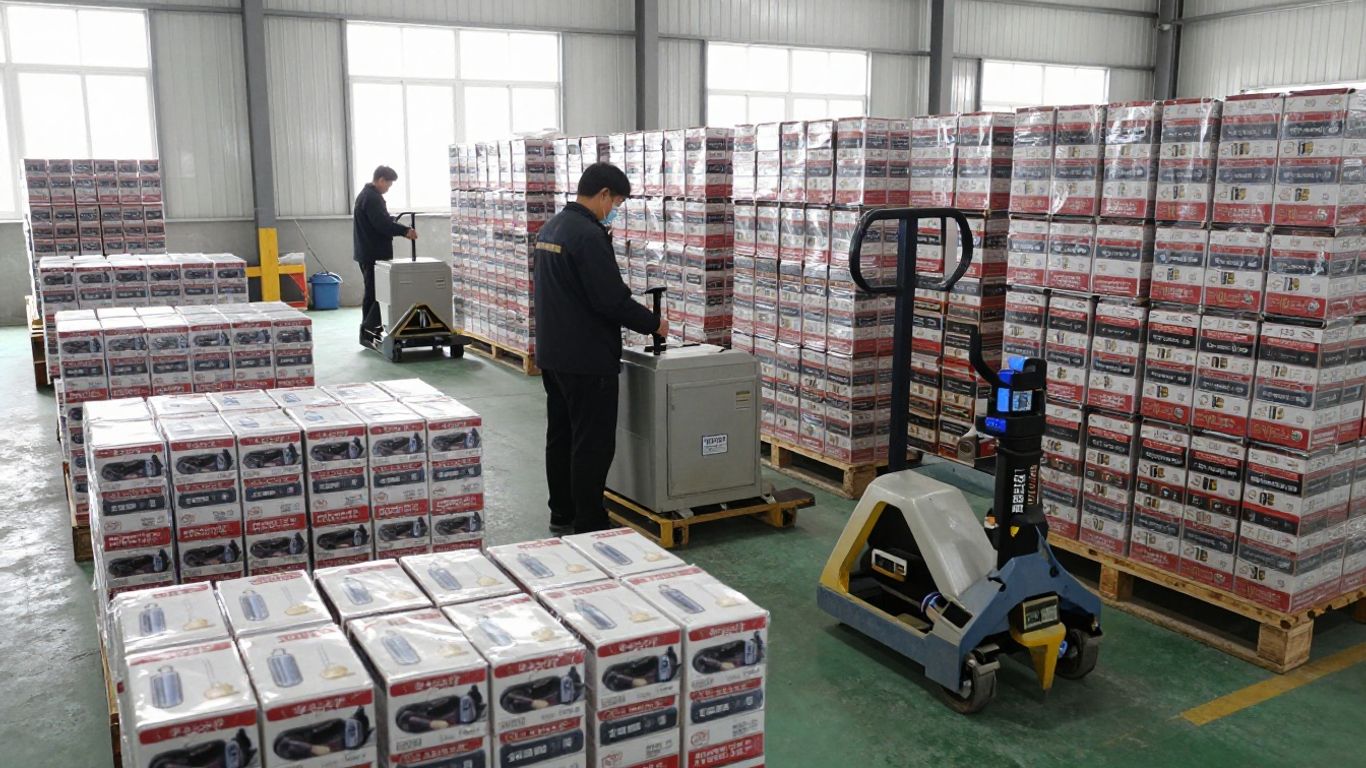
Compare air freight, ocean freight, and courier services
Air freight may suit time-sensitive cargo, while ocean freight may be worth comparing for larger shipments when the schedule allows. Courier services can have their own product restrictions, route limits, and documentation expectations. Kunpeng Freight coordinates air, sea, rail, road, and express shipping, so the practical choice depends on the specific cargo, route, volume, and required delivery window—not on a mode being universally preferable.
A high-level comparison can help narrow the questions to ask, but it is not a quote or an approval to ship.
| Method | Often considered when | Confirm before booking |
|---|---|---|
| Air freight | Time matters and cargo volume is manageable | Battery and liquid acceptance, packaging, and route availability |
| Ocean freight | Cargo is larger and lead time is flexible | Consolidation or container plan, destination charges, and sailing schedule |
| Courier | A door-to-door service is being considered | Product restrictions, service area, and customs handling responsibilities |
Use these distinctions to request comparable quotes for the same product details and delivery point. An ocean quote and an air quote may include different origin or destination services, so check what each price covers before comparing totals.
Account for lithium battery handling and carrier restrictions
Tell the carrier whether batteries are installed in devices, packed with devices, or shipped separately, and provide the relevant specifications requested for review. Include liquid contents and packaging details as well; the product name alone is not enough for a transport decision. Requirements can differ by carrier and route, so do not assume that acceptance by one service applies to another.
Match transit time and cost to shipment size
Consider shipment volume, urgency, cargo readiness, and delivery address together. A smaller shipment may not have the same cost profile as a consolidated or container shipment, and a fast line is not useful if the cargo is not ready or documentation is incomplete. For a second perspective on the commercial-freight distinctions, see this guide to commercial vape shipping.
Ask carriers to confirm they accept the specific products
Send a product sheet and clear cargo details to the carrier or forwarder before booking. Request confirmation for the exact device, battery arrangement, liquid contents, packaging, and full route, including any consolidation or transfer points. Keep that response with the shipment file; a general statement that a company ships vapes is not proof that it accepts your specific goods.
3. Prepare import documents before the goods leave China
Document preparation is easier when the supplier, forwarder, importer, and broker are working from the same product information. Start before pickup, while incorrect descriptions or missing specifications can still be corrected without disrupting a booked movement. Kunpeng Freight provides import paperwork assistance and customs documentation support, but the importer remains responsible for checking the accuracy of the information submitted. A useful customs clearance document guide also highlights why product details and transport records need to agree.
Build a commercial invoice with accurate product details and values
Describe each product clearly rather than using a vague phrase such as “electronic goods.” Include quantities, unit values, currency, seller and buyer details, and other information requested by the broker or customs process. The declared value should reflect the transaction accurately; do not alter a description or value to try to influence charges or avoid review.
Use a packing list that matches the shipment
A packing list should account for the actual cartons, quantities, and contents prepared for dispatch. Check that model names and unit counts match the commercial invoice, and verify carton dimensions and weights against the final cargo. A small discrepancy can trigger questions when the documents are compared with the goods.
Confirm the bill of lading or air waybill information
Check the shipper, consignee, notify party, destination, and cargo description before the transport document is finalized. Confirm that the information follows the booking instructions and matches the invoice and packing list. Correcting an error after departure can take time and may create extra charges or a clearance hold.
Gather permits, product records, and other documents that may apply
The documents required depend on the product, transport mode, and applicable Canadian rules. Before dispatch, ask the broker and carrier which product records, battery information, permits, or declarations they need. Keep the requested records together rather than searching for them only after customs or the carrier asks a question.
A compact pre-dispatch file often makes the review more orderly. Gather the relevant items for your shipment, then confirm the exact requirements with the parties handling it:
- Final product specifications and ingredient details, where relevant.
- Commercial invoice and matching packing list.
- Carrier-requested battery, liquid, and transport information.
- Any applicable permits or product compliance records.
This is a starting point, not a universal document list; the exact file may vary with the goods and route. Ask the broker to review the set before the supplier hands over the cargo.
4. Plan for Canadian customs clearance and taxes
Customs planning starts with an accurate description of the goods and a clear understanding of who is responsible for entry formalities. Duties and taxes depend on details such as classification, origin, value, and the applicable tax and excise rules. Avoid building a landed-cost estimate around an assumed rate before the classification and importer setup have been checked. Confirm current requirements with your broker and the relevant Canadian authorities.
Determine the tariff classification and country of origin
Work with a customs broker to identify the tariff classification that fits the actual product, rather than relying only on a supplier’s suggested code. Country of origin should also be established using the applicable rules; the dispatch point alone does not settle origin. These details can affect the applicable duty treatment and should be consistent across the entry documents.
Set up a business number and import-export account if required
Confirm what business and importer account setup is required for the entity responsible for the Canadian import. Check the current process with the Canada Border Services Agency or your customs broker before cargo is dispatched. Sorting this out in advance helps avoid a preventable delay when the shipment arrives.
Estimate duties, GST or HST, and vaping product excise duty
Ask your broker to estimate the applicable customs duty and GST or HST using the planned classification, value, and destination. Vaping products may also be subject to federal excise requirements, which can involve importer status and stamps depending on the circumstances. Review the official guidance on vaping excise duty applications and confirm with the Canada Revenue Agency or your broker whether the requirements apply to your shipment.
Decide who will act as importer of record and customs broker
Identify the business that will take responsibility for the import and decide whether it will use a customs broker. Agree in writing who will provide instructions, submit records, pay charges, respond to customs questions, and receive the goods. Do not treat a freight booking as an automatic transfer of importer responsibilities.
5. Estimate the full landed cost and delivery timeline
A freight rate is only one part of the amount you may pay to move the goods into Canada and deliver them to their final address. Ask for an itemized estimate based on actual cargo dimensions, weights, pickup location, route, and destination. Kunpeng Freight coordinates supplier pickup through final delivery, and its positioning is to present quotes around real cargo details; confirm which services and charges are included in any specific quotation. The delivery schedule also depends on readiness, carrier schedules, clearance, and possible inspections.
Include freight, insurance, brokerage, and destination charges
Build the estimate from pickup through the receiving point. Consider origin handling, freight, insurance, brokerage, terminal or destination charges, and final delivery where applicable. Check whether consolidation, storage, or special handling is part of the quoted service or billed separately.
Budget for taxes, duties, and possible inspection fees
Add estimated duty, GST or HST, and any applicable vaping excise duty to the freight-side charges. Keep some room for variable costs such as examination, storage, or additional handling if the shipment is selected for review or information is missing. These are possibilities to plan for, not charges that apply to every shipment.
Compare delivery terms and clarify who pays each charge
Make sure the supplier, buyer, and service provider agree on the delivery term and the point where responsibility changes. Ask who handles export formalities, import clearance, duties, and destination delivery under the agreed arrangement. A named term is useful only when everyone understands the exact obligations and costs attached to it.
Allow time for customs review, documentation requests, and delays
Treat quoted transit times as estimates rather than fixed delivery promises. Supplier readiness, vessel or flight schedules, transfer points, customs review, document questions, and local delivery capacity can all affect the final date. Build a buffer into inventory planning, especially when a launch or replenishment depends on the shipment.
6. Reduce compliance and shipment risks
Most avoidable shipment problems begin with assumptions: that a product description is detailed enough, that one carrier’s acceptance applies to another, or that paperwork can be fixed after departure. Give each party the same current product specifications and agree on who checks the documents before dispatch. Keep a clear record of approvals, booking details, and communications so the shipment can be explained consistently if questions arise.
Verify the supplier’s product specifications and shipping history
Ask the supplier for current specifications for each model and confirm that the packed goods match them. Check the battery and liquid details, packaging configuration, and any product records requested by the carrier or broker. Prior shipping experience may help identify operational questions, but it does not guarantee that a new shipment or route will be accepted.
Check that invoice descriptions match the goods and labels
Compare the invoice, packing list, product labels, and the cartons before pickup. The same model and product type should be described consistently, with quantities and values that reflect what is actually shipped. Resolve differences with the supplier before the documents are submitted or the cargo is loaded.
Arrange cargo insurance and keep proof of shipment records
Ask what cargo insurance covers, what exclusions apply, and how a claim would be supported. Retain the approved invoice, packing list, booking confirmation, transport document, product information, and delivery records in one shipment file. Clear records make it easier to answer questions from the carrier, broker, or insurer.
Confirm current requirements with Canadian authorities and your broker before dispatch
Rules and carrier policies can change, so recheck the requirements close to the booking date rather than relying on an old shipment file. A practical workflow is to confirm product eligibility, obtain carrier acceptance, and have the broker review the import details before cargo leaves the supplier. This keeps compliance decisions tied to the actual shipment rather than a generic product category.
When organizing business files, keep unrelated research separate from the product and import records for this shipment. For example, Zoot Scooter configuration information, Oli6Goat snack-label guidance, medical assistant training, public reception hours, or Gmail account setup does not establish vape import compliance. The customs file should contain evidence about these goods, their route, and their Canadian entry requirements.
Conclusion
A well-planned vape shipment begins with the exact product, not a generic freight request. Check Canadian eligibility, obtain written carrier acceptance, prepare consistent documents, and establish the importer’s customs and tax responsibilities before dispatch. Then compare the complete landed cost and allow for the reviews and schedule changes that can affect delivery.
Frequently Asked Questions
Can vapes be shipped from China to Canada?
Some commercial products may be eligible, but the answer depends on the product, applicable Canadian requirements, carrier acceptance, and the importer’s setup. Confirm each point before booking.
What product details should I give a carrier?
Provide the device type and model, battery configuration, liquid contents and volume, nicotine details where relevant, packaging information, and shipment quantity. Ask the carrier what supporting records it needs.
Is air freight or ocean freight better for vape products?
Neither mode is suitable for every shipment. Compare timing, size, route availability, handling conditions, and carrier acceptance for the exact goods before choosing.
What documents are commonly prepared for an import shipment?
An importer commonly prepares a commercial invoice, packing list, and bill of lading or air waybill, along with any product or transport records required for the goods. Confirm the exact list with the broker and carrier.
Will I pay GST or HST and vaping excise duty?
GST or HST and customs duty may apply, and vaping products may also be subject to federal excise requirements. The amount and process depend on the shipment and importer; have a broker confirm the current treatment.
Who is responsible for customs clearance?
The importer should identify who will act as importer of record and whether a customs broker will handle entry work. Agree in advance who provides documents, responds to requests, and pays assessed charges.
How long does shipping take?
Timing varies by transport mode, route, cargo readiness, carrier schedules, customs review, and final delivery arrangements. Use a current route estimate and leave a buffer rather than treating a quoted transit time as guaranteed.