
Key Takeaways
Vape imports require product checks as well as a workable freight plan. Confirm the rules for the specific product and shipment before cargo leaves China.
- Check German and EU market rules for the exact device and liquid configuration.
- Confirm notification, labeling, electronics, battery, and producer obligations before sale.
- Use accurate product descriptions and documents to support customs declarations.
- Compare freight modes only after carriers review battery and liquid details.
- Agree on Incoterms, costs, clearance roles, and delivery responsibilities in writing.
1. Determine whether the vape products can enter the German market
“Vape” can mean a battery-powered device, a bottle of e-liquid, a disposable product, or a bundle of these components. Their ingredients, nicotine content, intended use, and packaging can lead to different rules, so identify exactly what the supplier is shipping. For vape shipping China to Germany, establishing product eligibility should come before comparing transit times or accepting a freight quote.
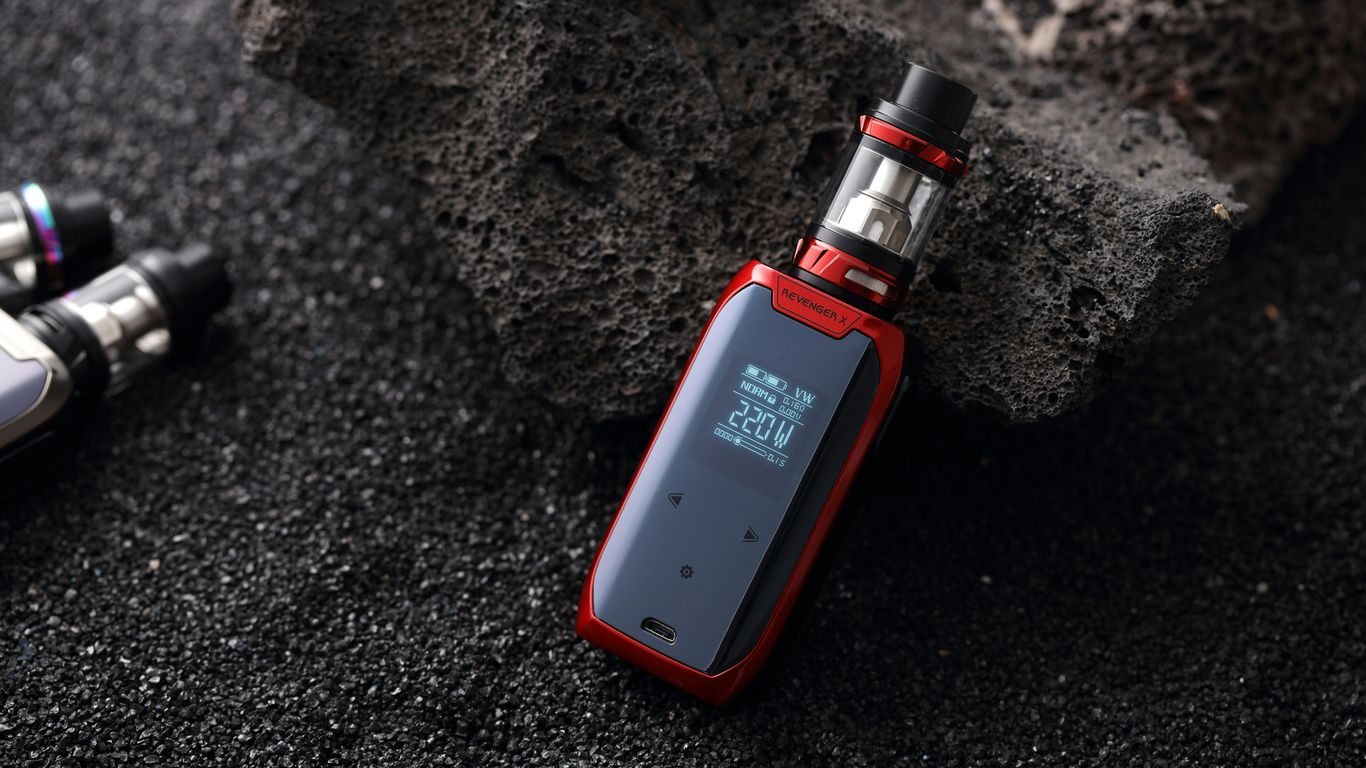
Distinguish devices, e-liquids, and nicotine-containing products
Ask the supplier for a component-level description: device type, whether it is disposable or refillable, e-liquid volume, nicotine concentration, and battery arrangement. A vape device with no liquid raises different product questions from a filled cartridge or a separate liquid bottle. Battery listings for unrelated products, such as the consumer replacement cells from About Batterie, do not establish the classification or transport status of a vape battery.
Check EU Tobacco Products Directive limits for nicotine products
For nicotine-containing e-cigarettes and refill containers within the scope of the EU Tobacco Products Directive, the commonly applicable limits include a maximum nicotine concentration of 20 mg/ml, a 2 ml capacity for cartridges or tanks, and 10 ml for refill containers. These limits are not a substitute for checking the product’s full configuration and current German implementation. Confirm that the formulation and container size comply before arranging a commercial import.
Confirm whether the shipment is for resale, business use, or personal use
Commercial goods intended for sale can trigger product notification, labeling, tax, and producer obligations that may not apply in the same way to an individual’s personal effects. Business samples are not automatically exempt simply because they are not yet being sold. State the real purpose of the shipment to the supplier, customs broker, and carrier; inaccurate descriptions can create problems at both export and import.
Identify restrictions that may apply to disposable or noncompliant products
Do not assume that a product can be imported just because a supplier can manufacture it or a forwarder can carry it. Check current German rules for the specific disposable design, battery, liquid, and intended market before placing an order. A disposable vape shipping guide can help flag transport considerations, but transport guidance does not establish that a product is legal to sell in Germany.
2. Meet EU and German product compliance requirements
Market access and transport acceptance are separate questions: a carrier may accept cargo that is not ready for sale, and a compliant retail product may still need special handling in transit. Assemble the technical and regulatory information early, then verify it against current EU and German requirements for the model being imported. This review is best completed before production quantities are packed.

Complete required e-cigarette notifications through EU-CEG
Manufacturers or importers placing covered e-cigarette products on the EU market generally need to submit the required information through the EU Common Entry Gate (EU-CEG) and observe the applicable notification timeline. The submission can involve product composition, emissions, toxicological information, and other technical details, depending on the product. Confirm who is responsible for the filing and retain evidence that the relevant product has been notified before it is placed on the market.
Verify labeling, packaging, and health-warning requirements
Check that the product and its packaging carry the required health warning, nicotine information, ingredients, instructions, and other particulars in the required form and language. Requirements can differ between nicotine and non-nicotine products and between device and refill packaging. Health-related text must be product-specific: general oral-care guidance, such as this Bundoora Family Dental Clinic guide, is not a substitute for prescribed vape warnings.
Assess CE marking and applicable electronics rules, including RoHS
Do not treat CE marking as a universal approval for every vape. Determine which EU product rules apply to the electrical and electronic components, then confirm the relevant conformity assessment, technical file, declaration, and marking obligations. RoHS restrictions may also apply to electrical and electronic equipment; ask the supplier for supporting records rather than relying on a logo printed on a box.
Check battery, chemical, and producer-responsibility obligations in Germany
Assess the battery, e-liquid, and electrical equipment obligations separately. Depending on the product and the importer’s role, German registration and take-back rules may apply to packaging, batteries, or electrical equipment; chemical rules can also affect ingredients, classification, and packaging. Obtain advice on the specific registrations before selling, and check whether the requirements will change during the product’s expected sales period.
3. Prepare customs declarations and calculate import charges
Customs clearance depends on consistent, specific information rather than a generic description such as “electronics” or “samples.” Confirm the commodity code, customs value, origin, quantities, and parties to the transaction before the shipment is booked. Kunpeng Freight provides import paperwork assistance and customs documentation support, while the importer remains responsible for the accuracy of its declarations.

Select the correct commodity code and describe products accurately
A customs code should reflect the product’s actual design and function, not simply the supplier’s preferred label. A device, liquid, and accessory may not share the same classification. Confirm the code with a customs professional or the relevant tariff database, and ensure that the commercial invoice, packing list, and declaration use matching descriptions and quantities.
Provide invoices, packing lists, and product or safety documentation
Prepare documents that reflect the cargo actually packed: commercial invoice, packing list, product specifications, and any safety or transport records requested for the goods. Before sending files, a simple email writing guide may be useful for keeping document requests clear, but the documents themselves must be complete and accurate. A focused document set makes it easier to resolve questions without guessing what is inside a carton.
A short pre-booking review can catch inconsistencies while the supplier can still correct them:
- Match invoice quantities and values to the packing list and purchase records.
- Describe each vape component and liquid separately where appropriate.
- Confirm that battery and liquid details match the product and transport documents.
- Keep supplier and importer names consistent across the paperwork.
After the review, retain the final versions and share them with the broker or forwarder responsible for the shipment. A consumer pricing discussion such as Cloudbuster pricing is not a basis for declaring the customs value; use the actual transaction and applicable valuation rules.
Arrange an EORI number and clarify importer-of-record responsibilities
Businesses conducting customs activity in the EU generally need an Economic Operators Registration and Identification (EORI) number. Confirm that the correct importing entity is named, holds the necessary number, and understands its responsibilities for declarations, taxes, and product compliance. A delivery term or a seller’s promise to “handle customs” does not by itself identify who is legally acting as importer.
Estimate customs duty, import VAT, and brokerage fees
Duty depends on the confirmed customs classification and other relevant factors, while German import VAT is calculated under applicable tax rules using the customs value and relevant costs. Brokerage, handling, and inspection-related charges may be separate from duty and tax. Treat early estimates as provisional until the commodity code, declared value, route, and clearance arrangement are confirmed.
| Charge or cost | What affects it | What to confirm |
|---|---|---|
| Customs duty | Commodity code, origin, and customs rules | Classification and any applicable preference |
| Import VAT | Taxable import value and applicable rate | Calculation basis and payment arrangement |
| Brokerage | Broker service and clearance scope | Included services and any extra fees |
| Terminal or handling costs | Route, cargo, and facility requirements | Which destination charges are excluded |
Use the quote and customs estimate together to calculate a realistic landed cost. The invoice value, freight charges, and agreed Incoterm should be understood before the goods depart, not reconstructed after an arrival notice.
4. Compare freight options for shipping vapes from China to Germany
The right mode depends on cargo readiness, shipment size, urgency, route, and carrier acceptance. Batteries and liquids can narrow the available services, so a standard rate for general cargo may not apply. Kunpeng Freight coordinates air, sea, rail, and express shipping; ask for an option based on the actual vape configuration rather than assuming one method will suit every order.

Weigh air freight speed against battery and carrier restrictions
Air freight may suit time-sensitive cargo, but acceptance depends on the battery arrangement, declared contents, documents, packaging, and airline or handling-agent rules. Share the battery specifications and liquid details before requesting a firm booking. A general air-freight quote is not proof that a carrier has approved the product.
Consider sea freight for larger shipments and longer transit times
For larger cargo volumes, sea freight may offer a cost-efficient alternative when the schedule allows for a longer and more variable transit. Confirm whether the cargo can move as less-than-container-load or full-container freight and ask how the carrier will handle any regulated components. Bulk retail categories, including sauna products covered in an online sauna shops guide, have different handling profiles; vape cargo still needs its own classification and acceptance check.
Check rail freight availability, routing, and handling limitations
Rail availability and transit depend on the route, service schedule, cargo details, and handling rules in effect when booking. Ask whether the proposed routing accepts the exact batteries and liquids in the shipment, and whether any transfer or terminal restrictions apply. Compare the full door-to-door plan rather than judging rail solely by the line-haul estimate.
Compare express courier and DDP offers without assuming compliance is included
Express courier can be practical for small consignments, but product and battery restrictions still apply. DDP describes an allocation of certain delivery costs and responsibilities; it does not automatically establish that product notification, labeling, or importer obligations have been met. Kunpeng Freight can coordinate express shipping, but confirm the service scope and who is responsible for each customs and tax step in writing.
5. Classify, package, and hand over the shipment safely
Vapes combine components that may each affect the transport classification: a lithium battery, an electronic device, and sometimes e-liquid. The shipper must provide accurate information so the carrier can determine the applicable rules for the selected mode. Never rely on a generic product name or assume that a previous shipment’s acceptance covers a different model.
Determine battery classification and applicable UN transport requirements
Identify the battery chemistry, watt-hour rating, whether it is installed in equipment or packed separately, and the number of batteries per package. The applicable transport requirements can differ by battery configuration and mode. Provide requested test summaries, declarations, and other battery information, and ensure the documentation corresponds to the model being shipped.
Confirm whether e-liquids meet dangerous-goods criteria
A liquid’s transport status depends on its properties and concentration, not simply on being called e-liquid. Give the carrier the relevant safety data and composition details so it can assess whether dangerous-goods rules apply. If the supplier cannot provide adequate product information, pause the booking until the classification can be resolved.
Follow carrier rules for packaging, marks, and shipping documents
Use packaging suitable for the product and route, with leak prevention for liquids and protection against movement or damage. Marking and document requirements depend on the final classification and carrier instructions; do not add or omit dangerous-goods marks based on assumptions. A battery transport guide offers further context on declarations and packaging, but the carrier’s shipment-specific instructions govern the handover.
Get written acceptance from the carrier or forwarder before dispatch
Written acceptance should identify the product configuration and any conditions on packaging, documents, or routing. Send the final carton count, dimensions, weight, photographs, and product details before cargo pickup, and ask the carrier or forwarder to confirm that the described goods are acceptable. Resolve differences between the approved information and the packed cargo before dispatch.
6. Manage the shipment from booking through German delivery
Once the cargo is accepted, coordinate the handover, export documents, international movement, customs entry, and final delivery as one sequence. Keep the supplier, importer, broker, and logistics contact aligned on the same product description and shipment data. For an overview of vape shipping from China to Europe, compare the route and cargo requirements with the specific German import plan rather than treating them as interchangeable.
Confirm Incoterms, insurance, and who pays duties and taxes
Incoterms allocate defined responsibilities between seller and buyer, but they do not replace product compliance or determine every legal role automatically. Confirm the named place, who arranges transport, who bears risk at each stage, and who pays import charges. Check whether the cargo is insured and what exclusions or documentation requirements apply.
Request a full quote that separates freight, surcharges, and clearance costs
Ask for a quote that identifies pickup, export handling, main transport, destination charges, customs services, taxes if included, and optional insurance separately. Send the product name and photos, pickup and delivery locations, carton count, gross weight, dimensions, cargo-ready date, and any battery or liquid details. Use request a quote when you have the shipment information ready, and ask which charges remain estimates.
Track customs milestones and respond quickly to document requests
Follow the shipment from supplier handover through export departure, arrival, customs processing, release, and final delivery. If customs or the broker requests a clarification, respond with consistent documents rather than creating a new product description mid-clearance. Kunpeng Freight coordinates supplier pickup, export handling, and final delivery, so confirm which milestones and updates are included in the booked service.
Keep compliance records and plan for delays, inspections, or rejected goods
Retain product files, notifications, invoices, transport approvals, and customs records in a place the responsible staff can access. Build time into the plan for carrier schedule changes, customs checks, missing paperwork, or a shipment that cannot be accepted as presented. A booking is one step in the process; do not promise a retail launch date until the cargo has cleared and delivery is confirmed.
Conclusion
A successful vape import starts with product eligibility and continues through accurate declarations, carrier approval, and clearly assigned delivery responsibilities. Confirm the product details and current German requirements before booking, then compare freight options against the actual cargo and a complete cost picture. For shipment coordination from China, contact Kunpeng Freight with the supplier location, carton details, product information, and preferred timing so the logistics team can assess the options.
Frequently Asked Questions
Can I import vapes from China to Germany for resale?
Potentially, but the product must meet applicable EU and German requirements for market access, notification, labeling, and any relevant electronics, battery, chemical, and producer-responsibility rules. Verify the exact model and intended use before ordering commercial quantities.
What nicotine limit applies to e-cigarettes in the EU?
For covered nicotine-containing e-cigarettes and refill containers, the Tobacco Products Directive sets a maximum concentration of 20 mg/ml. Capacity limits also apply to tanks or cartridges and refill containers, so check the product configuration and current rules.
Do vape products need an EU-CEG notification?
Covered e-cigarette products generally require submission of specified information through EU-CEG before being placed on the EU market, subject to applicable timelines and requirements. Confirm who is responsible for the notification and retain evidence for the relevant product.
Which documents are commonly needed to ship vapes?
Common documents include a commercial invoice, packing list, product specifications, and any battery, safety, or dangerous-goods documentation required for the cargo and route. The carrier or broker may request additional information based on the product configuration.
Is air freight allowed for vapes with lithium batteries?
It depends on battery configuration, documentation, packaging, and the rules of the airline and handling agents. Provide the exact battery details and obtain written acceptance before sending the cargo to the airport.
Is sea freight suitable for larger vape shipments?
Sea freight may be an option for larger shipments when the schedule and carrier rules fit the cargo. Confirm that the particular batteries and liquids are accepted and ask for the full route, handling, and destination cost details.
Does a DDP quote mean the products are compliant?
No. DDP concerns specified delivery costs and responsibilities; it does not by itself prove that product notifications, labeling, or other market-access obligations have been satisfied. Confirm product compliance and the importer’s responsibilities separately.