
Key Takeaways
Sourcing from Liushi can work well when product specifications, supplier checks, compliance, and freight planning are handled as one process.
- Define electrical ratings and application requirements before requesting quotations.
- Verify whether a supplier is a factory, trading company, or a combination of both.
- Treat certification, labeling, testing, and documentation as part of the purchase decision.
- Compare total landed cost rather than focusing only on the unit price.
- Confirm cargo details early so pickup, consolidation, customs, and delivery can be coordinated.
Understand Liushi’s electrical manufacturing ecosystem
Liushi, in Wenzhou, Zhejiang, is widely associated with concentrated low-voltage electrical manufacturing. The local supply base includes factories, component shops, exporters, and trading businesses serving both domestic and overseas buyers. That concentration can make supplier discovery easier, but it also means that product scope and factory capability vary considerably. A careful buyer still needs to match the order with the right production partner.

What Liushi is known for in low-voltage electrical equipment
Liushi is commonly linked with low-voltage electrical appliances, including circuit protection and distribution equipment. Industry sources describe a dense manufacturing ecosystem shaped by local material suppliers, production skills, testing routines, and export activity. The result is a broad market rather than one uniform factory standard, so location alone should not be treated as proof of capability.
A useful starting point is the Liushi sourcing map, which places regional specialization, production methods, and testing practices into a broader sourcing context. Use that background to form questions, not to replace factory-level verification.
Common switch and circuit breaker product categories
A buyer may encounter miniature circuit breakers, molded-case circuit breakers, residual-current devices, distribution boxes, enclosures, fuse switch disconnectors, timer switches, and related electrical components. The exact product family matters because tooling, testing equipment, materials, and certification records may differ between categories.
Ask suppliers to identify the precise model, rated values, accessory options, and intended application. Similar-looking devices can have materially different interruption ratings, pole arrangements, terminal designs, and operating characteristics.
How factory specialization affects sourcing decisions
Factory size is only one part of the assessment. A smaller specialist may have useful experience with a particular breaker family, while a larger operation may offer broader tooling or assembly capacity. The important question is whether the factory routinely makes the product you need at the required quality level and volume.
Review the manufacturing route from incoming materials through assembly and testing. Also ask which steps are performed in-house, which are outsourced, and how model changes are controlled between production batches.
When to work with a Liushi electrical component factory
A direct factory relationship can be suitable when you have repeat demand, a stable specification, or a need for private labeling and controlled production. It may be less suitable when the order combines many unrelated products or requires sourcing from several small suppliers. In those cases, a trading company or sourcing coordinator may simplify communication, but the underlying manufacturers still need to be identified.
The practical decision is not simply factory versus trader. It is whether the proposed supply arrangement gives you clear specifications, accountable quality control, reliable documentation, and a workable shipment plan.
Define product requirements before contacting suppliers
A clear request produces more useful quotations than a general request for “switches” or “breakers.” Before contacting a Liushi electrical component factory, record the electrical environment, installation conditions, performance expectations, packaging needs, and destination-market requirements. This reduces avoidable revisions after samples have been made. It also gives freight and customs teams more reliable information later in the order.
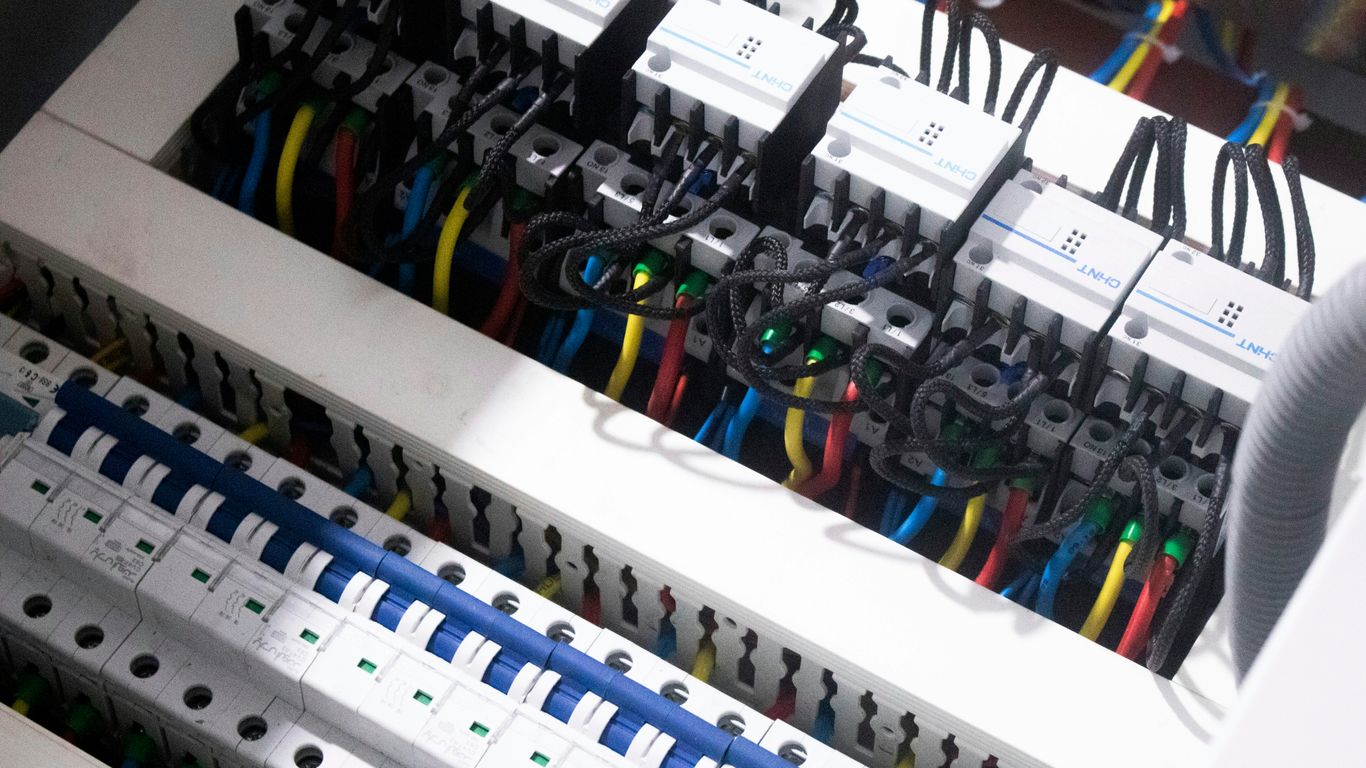
Matching switches and breakers to voltage, current, and frequency
Start with the system voltage, rated current, frequency, number of poles, and required breaking or interrupting capacity. State whether the equipment is intended for AC, DC, or another defined electrical application, and identify any short-circuit or fault conditions relevant to the design. Do not assume that a familiar product name communicates these details.
The supplier should confirm the rating information on a technical data sheet and sample label. If the destination market uses different conventions, have an engineer or qualified compliance professional review the proposed selection before production.
Choosing ratings for residential, commercial, and industrial applications
Residential products may prioritize compact installation and straightforward operation, while commercial and industrial applications may require higher fault performance, accessory compatibility, environmental protection, or more demanding duty cycles. The application should therefore be stated alongside the electrical rating rather than treated as an afterthought.
Describe the panel, machine, building, or distribution system in which the device will be installed. Include ambient temperature, expected switching frequency, load type, and available space when those factors affect selection.
Specifying enclosure, pole configuration, and operating characteristics
Enclosure material, dimensions, ingress protection, terminal arrangement, pole configuration, handle position, and mounting method should appear in the request. Also specify whether the device must be manually operated, remotely controlled, resettable, lockable, or compatible with defined accessories. These details often affect both price and production lead time.
Separate mandatory requirements from preferences. That distinction helps a supplier propose an acceptable alternative without silently changing a safety-critical feature.
Preparing drawings, samples, and technical data sheets
Send drawings with revision numbers, marked dimensions, material requirements, and tolerances where relevant. If a physical sample is available, photograph it clearly and identify the features that must remain unchanged. A concise technical data sheet should accompany the request so every supplier is quoting against the same information.
For a broader sourcing workflow, the supplier specification guide explains why photographs, drawings, and specification files help suppliers understand a request. Keep the same files attached to quotation reviews, purchase orders, inspections, and shipping instructions.
Evaluate and compare Liushi suppliers
Supplier evaluation should combine documentary evidence with direct observations and sample results. A polished website or low quotation does not establish manufacturing competence. Request records that show who the legal seller is, where production occurs, what equipment is available, and how exports have been handled. The goal is a traceable decision rather than a quick comparison of catalog pages.
Verifying business licenses, factory capabilities, and export experience
Check the legal company name, registered address, business scope, bank details, and contact information against the quotation and contract. Ask for current factory photographs or a video walkthrough, then compare those materials with the stated production scope. Export experience should be discussed in practical terms, such as destination markets, documentation handled, packaging formats, and experience with inspection requirements.
Supplier directories can be useful for initial research, including verified Liushi suppliers, but directory status is only a starting point. Request evidence directly from the supplier before placing an order.
Distinguishing manufacturers from trading companies
A trading company may offer access to several factories and simplify communication, while a manufacturer may provide more direct control over production. Neither label automatically determines quality. Ask who issues the invoice, who owns the tooling, where the goods are assembled, who performs testing, and who will handle a defect claim.
Some businesses operate as both manufacturer and trading company. That arrangement can be workable if the contract clearly identifies the production site and assigns responsibility for specifications, inspection, and corrective action.
Reviewing certifications, test reports, and quality systems
Request certificates that identify the exact model or product family, applicant or manufacturer, standard, scope, and validity. Test reports should be readable and relevant to the proposed configuration rather than generic documents for a similar-looking item. Ask how revisions, component substitutions, and certificate renewals are controlled.
Even when a supplier describes a formal quality system, examine how it operates in practice. Sample approval, incoming-material checks, production records, final testing, and complaint handling are more useful than a certificate viewed in isolation.
Comparing quotations beyond the unit price
A quotation should be normalized before comparison. Differences in included accessories, packaging, testing, tooling, minimum order quantity, payment terms, and delivery point can make two apparently similar offers quite different. The following table helps separate the main commercial variables.
| Quotation element | Question to ask | Why it matters |
|---|---|---|
| Product configuration | Are ratings, poles, accessories, and materials identical? | Small specification changes can alter suitability and price. |
| Tooling and setup | Is new tooling included, rented, or charged separately? | Ownership and future-use rights affect repeat orders. |
| Packaging | What carton, label, and protection standard is included? | Packaging affects damage risk and shipping volume. |
| Delivery basis | Is the price EXW, FOB, CIF, or another Incoterm? | Freight, insurance, and responsibility change by term. |
After normalizing these items, compare lead time, payment exposure, inspection arrangements, and the supplier’s response quality. A slightly higher unit price may be more workable if it includes the controls needed to prevent expensive rework or shipment problems.
Manage electrical safety and regulatory compliance
Electrical products must be assessed against the requirements of the destination market and the installation context. Compliance is not established merely because a supplier uses familiar technical language or displays a logo. The importer, manufacturer, testing body, and distributor may each have different responsibilities. Establish those responsibilities before production begins.
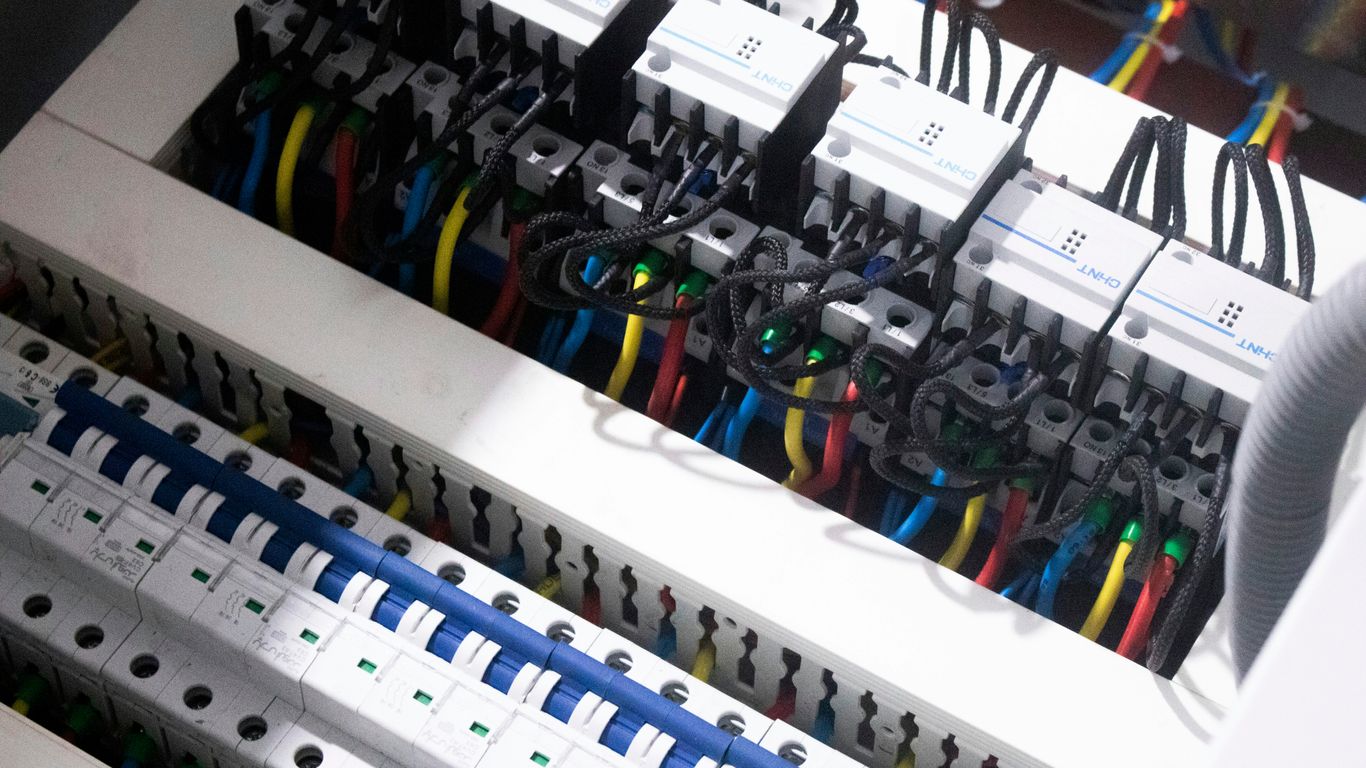
Identifying applicable US standards and certification marks
For the United States, identify the applicable product standard, installation code considerations, certification route, and required marking before approving a design. The correct path may depend on product type, intended use, voltage, construction, and whether the item is a component or a complete device.
Ask a qualified compliance professional or the relevant certification body to confirm the applicable requirements. Do not instruct a supplier to add a certification mark unless the product and manufacturing site are covered by the required authorization.
Checking UL, ETL, IEC, and regional requirements
UL and ETL marks are not interchangeable with an IEC reference, and an IEC test report does not automatically establish acceptance in every market. Confirm which standards and marks are recognized for the specific application and sales channel. Requirements may also vary between the United States, Canada, Europe, and other destinations.
The product model, factory, construction, critical components, and test conditions should align across certificates, reports, labels, and purchase documents. Any change should trigger a compliance review rather than being treated as a routine substitution.
Confirming labeling, packaging, and technical documentation
Review nameplate information, rated values, warnings, model numbers, traceability codes, country-of-origin statements, installation instructions, and carton markings. Documentation should match the shipped configuration and use consistent terminology across the invoice, packing list, product label, and technical file.
Packaging also has a compliance function. It must protect the goods while preserving labels and ensuring that cartons can be identified during inspection, consolidation, and final delivery.
Assigning responsibility for testing and compliance gaps
Write down who selects the standard, pays for testing, supplies samples, approves artwork, maintains certificates, and responds if a gap is found. Include a process for handling failed tests, changed components, incorrect labels, and goods that cannot legally be sold in the destination market.
A clear responsibility matrix avoids the common situation in which the buyer assumes the factory checked compliance while the factory assumes the buyer supplied the required standard. Resolve uncertainty before deposits are paid.
Build a reliable quality assurance process
Quality control begins with a reference specification and continues through production, inspection, packing, and delivery. For switches and breakers, visual similarity is not enough; materials, assembly, dimensions, contact performance, insulation, and operating behavior may all matter. The process should be proportionate to the product risk and order value. It should also leave records that can be reviewed if a problem appears later.
Approving pre-production samples and reference specifications
Approve a sample only after checking it against the drawing, data sheet, approved materials, labels, accessories, and intended application. Record photographs, measurements, test observations, and any agreed deviations. The approved sample should become the reference for production and inspection, not merely a demonstration item.
Give the sample a revision or approval code. This makes it easier to identify whether a later shipment follows the same configuration or has been changed without authorization.
Inspecting materials, assembly, and electrical performance
Inspection can cover incoming materials, molded parts, terminals, fasteners, assembly quality, markings, packaging, and functional operation. Electrical testing should follow the relevant product standard and an agreed inspection plan, with qualified personnel and suitable equipment. Define sampling levels and acceptance criteria before the goods are ready.
Do not rely on a final visual check to identify every defect. A documented process is more useful when it combines appearance, dimensions, operation, and required electrical tests.
Using factory audits and third-party inspection services
A factory audit can examine production flow, equipment, calibration, storage, traceability, worker instructions, and corrective-action records. A third-party inspection may be useful before shipment, especially when the buyer cannot visit Wenzhou or when the order is new. The inspection scope should be written clearly so the report answers practical release questions.
Photographs, carton counts, measurements, and test records are also useful during freight handover. When cargo is collected from several suppliers, consistent records help identify shortages or damage before consolidation.
Handling nonconformities, corrective actions, and warranty claims
If a defect is found, isolate the affected lot and document the model, batch, quantity, evidence, and proposed disposition. Ask for a root-cause explanation and corrective-action plan, then verify that the fix has been implemented in a subsequent sample or production check.
Warranty language should address notification periods, evidence, replacement or credit procedures, freight costs, and exclusions. Avoid accepting vague promises that do not explain how a claim will be handled across borders.
Plan freight from Wenzhou to the destination market
Freight planning should begin while the order is being quoted, not after cartons are finished. Switches and breakers are usually compact compared with many industrial goods, but their value, packaging density, destination, and delivery urgency can change the appropriate transport mode. Supplier pickup, cargo inspection, consolidation, export handling, customs documentation, and final delivery should be treated as connected steps.
The Liushi import planning guide provides a useful framework for linking supplier verification, product details, shipping choices, documentation, and landed-cost planning. For a shipment requiring coordination across these steps, request a quote using verified cargo information rather than a product description alone.
Choosing sea, air, rail, or courier transport
Sea freight is often suitable for larger, less urgent shipments, while air freight can fit time-sensitive cargo with manageable weight and volume. Rail or road options depend on the destination, route, border conditions, and service availability. Express courier is generally more practical for samples or small urgent consignments than for regular commercial volume.
Compare the full route, including pickup from Liushi, export handling, destination customs, final delivery, and any special documentation. The fastest transport mode is not necessarily the best choice if the order is not production-ready or the paperwork is incomplete.
Comparing LCL and FCL shipment economics
Less-than-container load, or LCL, allows smaller shipments to move with other cargo but introduces consolidation, handling, and destination deconsolidation steps. Full-container load, or FCL, gives more control over the container and may become more suitable as volume increases. The comparison should use actual carton dimensions, gross weight, cubic volume, and destination charges.
Ask for an itemized comparison that distinguishes origin charges, ocean or rail freight, documentation, customs-related fees, handling, and final delivery. A low headline rate can be misleading if important charges are excluded.
Preparing export documents and customs information
Prepare the commercial invoice, packing list, purchase information, product description, quantities, weights, dimensions, country of origin, and any required certificates or declarations. Confirm the appropriate HS classification with the customs party responsible for the import. Descriptions should identify the goods accurately without relying on vague terms such as “electrical parts.”
Before pickup, send the freight forwarder the supplier address, cargo-ready date, carton count, dimensions, gross weight, destination address, and preferred transport mode. Early review gives the team time to identify missing details or inconsistent documents.
Protecting switches and breakers from moisture, impact, and loss
Use packaging that prevents movement, crushed cartons, abrasion, and moisture exposure during handling and transshipment. Cartons should be numbered and matched to the packing list, with labels that remain readable after loading and warehouse handling. Photographing the cargo at pickup can create a useful condition record.
For multi-supplier orders, count and measure each consignment before consolidation. This supports accurate booking, helps detect shortages, and gives the buyer a clearer record of what entered the shipment.
Calculate landed cost and control sourcing risk
The purchase price is only one part of the financial decision. Landed cost can include development work, tooling, testing, packaging, inland pickup, export charges, international freight, insurance, duties, taxes, customs handling, storage, and final delivery. A written cost model makes supplier and transport comparisons more credible. It also exposes risks that are easy to miss when quotations are presented as a single delivered figure.
Adding tooling, testing, packaging, duties, and inland transport
List one-time and recurring costs separately. Tooling may be paid before production, testing may apply to samples or production lots, and packaging may change with branding or destination requirements. Inland transport from Liushi to the export gateway should be estimated from the actual supplier address and cargo readiness date.
Duties and taxes depend on classification, origin, customs value, and destination rules. Confirm these with the importer’s customs adviser rather than treating a preliminary estimate as a final amount.
Selecting Incoterms and clarifying freight responsibilities
Incoterms define important responsibilities for delivery, risk, and certain costs, but they do not replace a complete logistics plan. Confirm who books transport, who prepares export clearance, when risk transfers, who provides documents, and who handles destination charges. Make sure the commercial term on the purchase order matches the freight quotation.
A clear handover point is especially important when a supplier offers factory pickup, port delivery, or a delivered price. Written responsibilities reduce disputes when cargo is delayed, inspected, damaged, or held for missing information.
Setting payment terms, lead times, and production milestones
Tie production milestones to specific actions: specification approval, sample approval, tooling completion, material procurement, production start, inspection, packing, and cargo release. State what happens if a milestone slips and who must notify the other party. Payment terms should limit exposure while remaining commercially realistic for the supplier.
Keep the approved specification, quotation, purchase order, inspection plan, and shipping instructions in one controlled record. Document control reduces avoidable disputes when several people are involved.
Creating a backup plan for delays, recalls, and supply interruptions
Risk planning should cover both the factory and the route. Identify alternative production capacity, spare inventory, substitute transport modes, customer communication procedures, and recall or quarantine steps. Do not approve an alternative component or supplier without reviewing its technical and compliance effect.
For a shipment with multiple suppliers, a forwarder can coordinate pickup windows and consolidation, but the buyer still needs a clear priority list. Decide which cartons may ship separately, which must remain together, and what delay would justify switching modes.
Get a Freight Quote
Send the supplier address, product details, carton count, dimensions, weight, cargo-ready date, destination, and preferred method to Kunpeng Freight for an itemized review of pickup, consolidation, export handling, and delivery options.
Conclusion
Successful Liushi sourcing depends on connecting technical definition, supplier verification, compliance, quality control, and freight planning before production starts. When the specifications and cargo details are accurate, each party can make better decisions about testing, packaging, transport, customs, and final delivery. The result is a more traceable purchasing process with fewer surprises between the factory and the destination market.
Frequently Asked Questions
What should I ask a Liushi electrical supplier first?
Ask for the legal company details, exact product model, technical data sheet, applicable standards, production location, sample process, minimum order quantity, lead time, and quotation basis.
How can I tell whether a supplier is a factory?
Compare the legal entity with the factory address, request a production walkthrough, ask which processes are performed in-house, and verify who controls tooling, testing, and warranty handling.
Is an IEC report enough for importing into the United States?
Not necessarily. US acceptance depends on the product, application, applicable standard, certification route, marking, and destination requirements, so obtain qualified compliance advice for the exact configuration.
What information is needed for a freight quote?
Provide the pickup address, destination, product description, carton count, dimensions, gross weight, cargo-ready date, preferred transport mode, and any relevant customs or packaging requirements.
When is LCL preferable to FCL?
LCL may suit smaller shipments that do not justify a full container, while FCL may become more practical as volume, handling sensitivity, or consolidation complexity increases. Compare all origin and destination charges.
How should electrical products be packed for export?
Use secure inner protection, strong cartons, moisture control where appropriate, readable carton numbers, and a packing list that matches the physical shipment. Photograph the cargo at pickup when condition records are useful.
What should happen if an inspection finds defects?
Separate the affected goods, record the model and quantity, document the defect, agree on disposition, and require a corrective-action plan before approving rework, replacement, or shipment release.