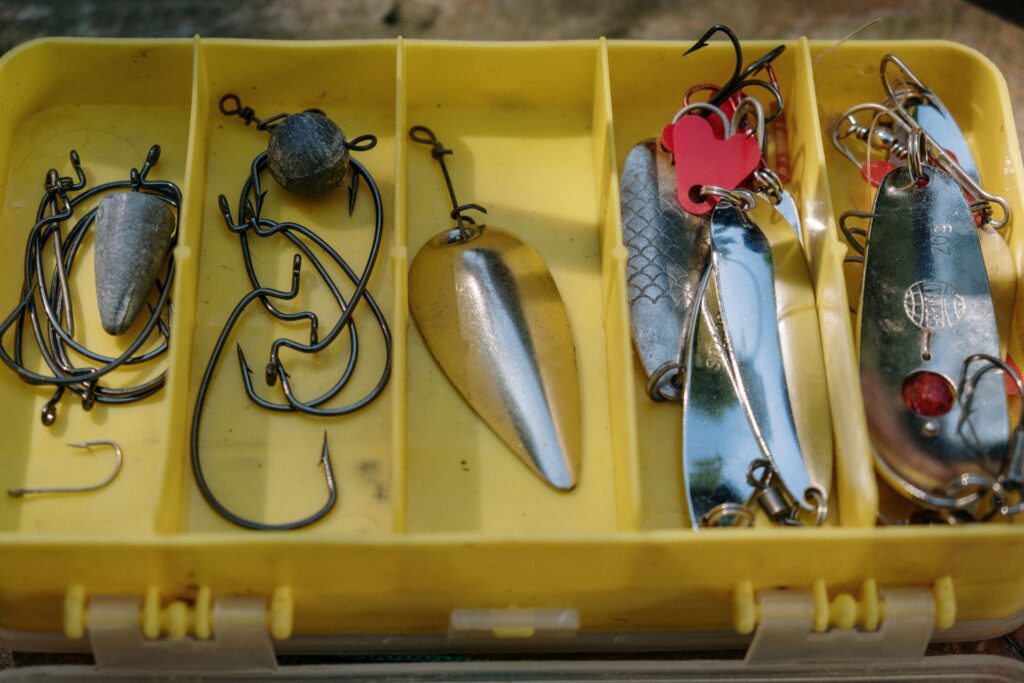
Key Takeaways
Sourcing hooks and lines from Poyang can work well when product specifications, supplier checks, and freight planning are handled as one process.
- Define hook, line, packaging, and labeling requirements before requesting prices.
- Distinguish a direct factory from a trading company or sourcing agent.
- Approve samples against written specifications rather than appearance alone.
- Compare freight, duty, inspection, and delivery costs as part of the landed cost.
- Keep production, export paperwork, and transport contingency plans aligned.
1. Understanding Poyang Dongyang’s fishing tackle supply base
Poyang Dongyang is best approached as a sourcing area rather than a single supplier. Buyers may encounter specialist hook manufacturers, broader tackle businesses, trading companies, and local agents serving different order sizes and product ranges. The right choice depends on whether you need standard hooks, a private-label assortment, custom packaging, or coordinated freight from several suppliers. Early clarity matters because a capable factory and a capable export partner solve different parts of the purchase.
Why Poyang is relevant to fishing hook sourcing
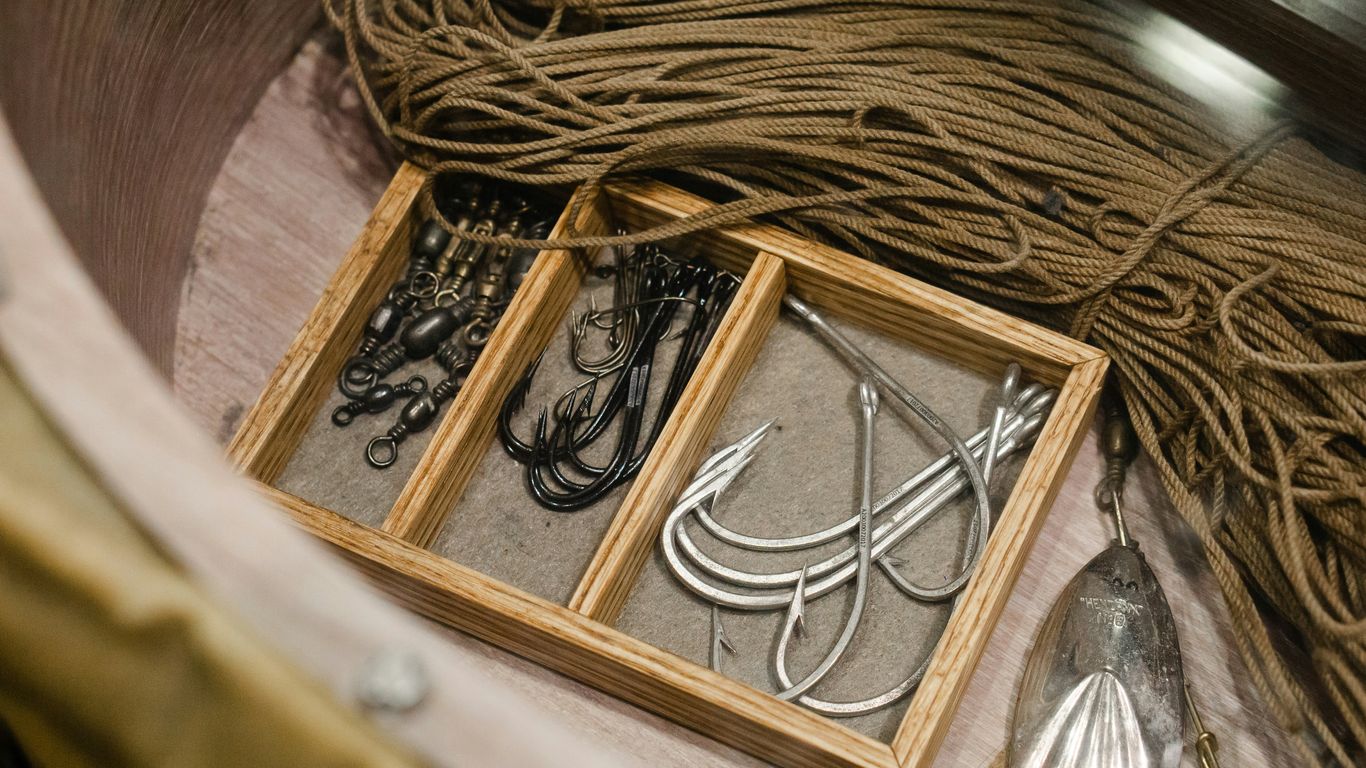
Poyang is associated with fishing tackle production, particularly fish hooks, and local manufacturers may offer experience with forming, grinding, heat treatment, plating, and inspection. That does not mean every supplier has the same equipment or quality controls. Treat the location as a useful starting point for supplier discovery, then verify the individual company, its current production scope, and its ability to export.
A buyer should also consider the practical advantage of dealing with a concentrated manufacturing area. Samples, revisions, packaging discussions, and factory visits may be easier to coordinate than when every component comes from a different region. For broader sourcing research, this fishing tackle sourcing guide provides a useful comparison point for evaluating products and freight as a connected workflow.
Product categories available from local manufacturers
A local supplier may handle several hook patterns, sizes, finishes, and packing formats, while another may focus on a narrower production range. Lines, leaders, swivels, snaps, lure components, and other outdoor goods may be available through adjacent suppliers or trading companies, but these should not be assumed to come from the same production line. Ask for a current product list and identify which items are made in-house, subcontracted, or purchased for resale.
The same discipline applies to private-label goods. A factory may support branded cards or bags without producing every item in a mixed assortment. Separate the product specification from the packaging specification, and confirm which party is responsible for each.
Differences between factories, trading companies, and sourcing agents
A direct factory can offer closer control over production details, but it may have a narrower catalog or less experience with small mixed orders. A trading company may combine products from several makers and simplify communication, although you need visibility into the underlying factories. A sourcing agent can help with communication, sampling, and inspections, but the service fee and responsibilities should be stated clearly.
Ask who issues the invoice, who owns the tooling, who approves substitutions, and who is responsible when a sample differs from the shipment. These questions often reveal more than a polished catalog. They also help you decide whether supplier coordination should be managed locally or through an independent logistics partner.
When a Poyang fishing hook factory is the right fit
A Poyang fishing hook factory is a reasonable fit when the supplier can meet your hook specifications, demonstrate repeatable production, and provide the documents needed for your market. It may be particularly suitable when you need a consistent hook program rather than a one-time assortment assembled from unrelated stock. Confirm production capacity before relying on a quoted lead time.
If the order includes goods from multiple Chinese suppliers, freight planning becomes part of the sourcing decision. A provider such as Kunpeng Freight can coordinate supplier pickup, cargo inspection, consolidation, export handling, and final delivery, but those responsibilities should be agreed before production begins. The factory remains responsible for making the goods to specification; the forwarder manages the transport workflow.
2. Choosing the right fishing hooks and lines for your market
The best tackle specification starts with the fishing conditions and the customer who will use the product. Freshwater, saltwater, commercial, recreational, and specialty applications place different demands on hook shape, wire, finish, and line construction. Retail packaging and legal labeling can also vary by destination. A supplier cannot quote accurately when the request says only “standard fishing hooks.”

Hook styles for freshwater, saltwater, and specialty fishing
Begin with the intended application: target species, bait or lure type, water conditions, expected load, and whether the hook is sold loose or incorporated into a finished tackle product. Freshwater assortments may prioritize small sizes and lighter wire, while saltwater applications may require different corrosion protection and heavier construction. Specialty products need their own drawings or reference samples because familiar names can mean different geometries across suppliers.
Describe the eye, shank, bend, point, barb, and overall shape in measurable terms where possible. A reference photograph helps, but it should support—not replace—a technical description. If you are replacing an existing hook, send a physical sample and identify which dimensions cannot change.
Selecting hook sizes, wire gauges, points, and finishes
Hook size numbers are not always interpreted identically across catalogs, so confirm actual dimensions and wire diameter. Specify point style, barb dimensions, eye orientation, temper, coating, color, and corrosion expectations. Ask whether the finish is applied before or after forming and how the supplier checks surface defects.
A sample review should compare more than visual symmetry. Check whether points are centered, eyes are closed, barbs are formed consistently, and the finish covers the intended surfaces. The fishing hook manufacturing reference can help a buyer frame questions around production processes, but individual supplier claims still require direct verification.
Comparing monofilament, fluorocarbon, braided, and leader lines
Line selection should be tied to use rather than marketing language. Monofilament is commonly considered for general-purpose applications, fluorocarbon for applications where abrasion and visibility characteristics matter, and braided line where a smaller diameter-to-strength relationship is desired. Leader lines may have different requirements from the main line, including abrasion resistance, stiffness, knot behavior, and terminal connection.
Request diameter, tensile strength, length, spool or coil format, color, elongation information where relevant, and tolerance ranges. Test the line supplied in the final packaging, because a line that performs acceptably in a sample spool can still vary if production controls are weak. Avoid treating a nominal diameter or strength figure as a universal performance guarantee.
Matching tackle specifications to customer and regulatory requirements
Your product brief should combine technical requirements with market requirements. Retailers may need barcode placement, multilingual warnings, country-of-origin marking, and packaging dimensions. Some destinations or channels may impose rules affecting materials, labeling, chemical finishes, or environmental claims. Confirm the applicable requirements with an importer of record, customs broker, or qualified compliance professional before placing the order.
A simple specification sheet should identify the product code, hook or line details, quantity per pack, packaging artwork version, inspection standard, and approved sample date. This creates a common reference for the factory, inspector, forwarder, and receiving team. It also reduces the risk that a low quotation is based on a different product.
3. Vetting a Poyang fishing hook factory
Supplier vetting is not a formality. A catalog can show attractive products without revealing whether the company makes them, how often it exports, or how it handles defects. The objective is to establish a traceable relationship between the legal seller, the production site, the quoted item, and the shipment. Ask for evidence proportionate to the size and risk of the order.
Reviewing production capabilities and equipment
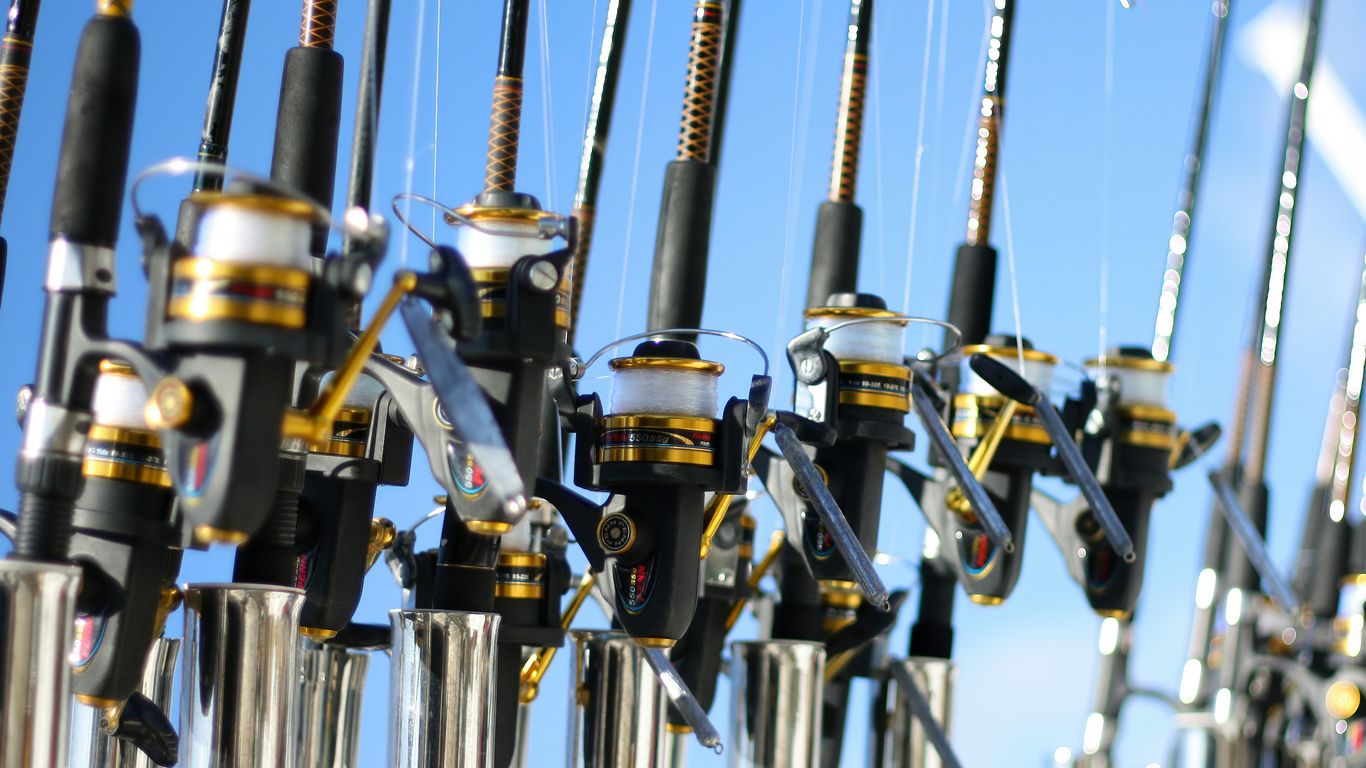
Request a description of the production flow from wire preparation through forming, heat treatment, grinding, finishing, inspection, and packing. Ask which stages are performed internally and which are outsourced. Equipment lists are useful, but the more revealing questions concern maintenance, process controls, batch identification, and how nonconforming goods are isolated.
If possible, review production samples from more than one batch. A factory that can make one excellent sample may still struggle with consistency at volume. You should also confirm whether its line products, packaging, or accessory items are made by the same company or sourced elsewhere.
Checking business credentials, export experience, and references
Verify the company’s registered name, address, business license, bank account name, and the identity of the contracting party. Compare these details across the quotation, sales contract, invoice, and payment instructions. Export history is relevant because a supplier familiar with your destination may understand common documentation needs, but it does not replace your own compliance review.
References should be checked carefully and should relate to similar products, order sizes, and markets. A directory listing or a general online profile is a starting point, not proof of current capacity. Keep records of the documents reviewed and the questions still awaiting answers.
Assessing minimum order quantities and production capacity
Minimum order quantity can apply per hook style, size, finish, color, package, or artwork version. Ask whether quantities can be combined across related products and whether a setup charge applies to each variation. A supplier’s total annual output is less useful than its available capacity for your requested specifications during the production window.
Build a simple capacity discussion around your forecast, first order, repeat order, and seasonal peak. Confirm raw material availability, expected production days, sample approval deadlines, and the point at which changes can no longer be accepted. This protects both sides from treating a preliminary quotation as a firm production commitment.
Questions to ask before requesting a quotation
A quotation is only comparable when each supplier is pricing the same brief. Before sending the request, assemble the details that affect product, packaging, and freight. Useful questions include:
- Which hook styles, sizes, finishes, and line constructions are made in-house?
- What are the MOQ, tooling, sample, packaging, and artwork charges?
- What inspection records or test reports can be supplied with the order?
- Which Incoterm, pickup address, carton dimensions, and production schedule are included?
These questions make supplier responses easier to compare and expose assumptions early. They also provide the information a freight forwarder needs to estimate pickup, consolidation, and transport options.
4. Managing samples, customization, and product quality
Samples are the bridge between a buyer’s description and a factory’s interpretation. They should be treated as controlled reference items, not informal gifts that disappear into a sales conversation. Record the sample code, revision date, dimensions, finish, packaging, and approval status. If there are several variations, approve each one that will appear in the commercial shipment.

Defining drawings, samples, and technical specifications
A useful specification pack may contain drawings, dimension tolerances, photographs, material requirements, finish descriptions, pack counts, carton marks, and approved artwork. State which features are critical and which may vary within an agreed range. For line products, include diameter tolerance, tensile strength target, length, winding format, and label details.
Use version control. A factory should be able to identify the exact drawing and sample used for production, while the buyer should be able to show which version was approved. This is especially important when a private-label order contains many sizes or colors that look similar in a warehouse.
Evaluating hook sharpness, strength, corrosion resistance, and consistency
A quality review should combine visual checks with appropriate functional tests. Inspect point sharpness, barb formation, eye closure, bend shape, coating coverage, and surface defects. Strength testing should use a defined method and sample quantity; informal hand bending is not a substitute for a documented test.
Corrosion testing should reflect the intended market and finish, with the method, exposure period, and acceptance criteria recorded. Compare multiple pieces from different cartons rather than approving only the most attractive sample. Consistent batch performance matters because a small defect rate can become a costly retail or warranty problem at scale.
Setting standards for line diameter, tensile strength, and packaging
Line specifications should state how diameter is measured, the permitted tolerance, the test method for tensile strength, and the acceptable range for length. Packaging requirements should cover spool tension, winding, moisture protection, labels, lot codes, and carton quantities. If the product is sold through eCommerce or fulfillment warehouses, confirm outer-carton limits and barcode placement before production.
The receiving team should be able to connect a carton to a production lot and an inspection record. This makes investigation faster if a customer reports a broken line, damaged package, or missing quantity. It also gives the supplier a factual basis for corrective action.
Approving private-label colors, finishes, packaging, and assortments
Private-label approval should cover the physical product and every customer-facing component. Confirm color references, plating or coating appearance, card stock, bag material, print position, language, barcode, pack count, and carton marks. Require a final pre-production package sample when artwork or assembly is complex.
Mixed assortments deserve special attention. List each SKU and quantity in the purchase order, and specify whether substitution is prohibited. A supplier may otherwise interpret “assorted hooks” as permission to change the mix, even when the buyer expects a fixed retail range.
5. Building a reliable purchasing and inspection process
A reliable purchase is built through records and checkpoints, not a single favorable quotation. The purchase order should connect the product specification to the commercial terms, schedule, inspection rights, packaging, and remedy for defects. Everyone handling the order should work from the same current documents. This is also where a logistics partner can help identify missing cargo details before booking.
Comparing quotations beyond the unit price
A low unit price may exclude tooling, inner packaging, inspection, export packing, inland transport, or documentation. Compare the complete commercial picture and ask suppliers to identify assumptions. The following table gives a practical comparison framework.
| Cost or term | What to confirm | Why it matters |
|---|---|---|
| Product price | Material, finish, quantity, and tolerance included | Prevents comparison of different specifications |
| Tooling and setup | New molds, dies, plates, or artwork charges | One-time costs can materially affect small orders |
| Packaging | Inner packs, labels, cartons, and palletization | Packaging changes volume and handling requirements |
| Delivery term | Named place, export responsibility, and handover point | Clarifies which party controls each transport stage |
| Inspection and claims | Timing, sampling method, and remedy | Establishes a process before a disagreement occurs |
After normalizing the quotations, calculate an indicative landed cost using product, packaging, inland movement, freight, insurance if selected, duty, taxes, broker charges, and destination delivery. The resulting comparison is more useful than a unit-price ranking.
Using pre-production samples and written specifications
The pre-production sample should be approved against the final purchase order, not against a general catalog image. Record deviations and obtain written acceptance for any approved change. Do not rely on a message such as “same as before” when multiple sizes, coatings, or artwork versions are in circulation.
A signed or otherwise acknowledged specification gives the inspector a clear basis for checking the goods. It also makes supplier discussions more objective if a production team claims that a variation is normal.
Planning in-process and pre-shipment inspections
Inspection timing depends on the order’s risk and complexity. An in-process check can identify wire, forming, finish, or packaging problems before the entire quantity is completed. A pre-shipment inspection can verify finished goods, assortment, carton counts, marks, and visible quality before release of the balance payment, if your contract uses that arrangement.
Define the sample size, defect categories, acceptance limits, test method, and reporting format in advance. Photographs should show the issue clearly and identify the carton or lot. If goods are consolidated from several suppliers, keep each supplier’s records separate even when the cargo shares one shipment.
Handling defects, replacements, and quality claims
A claim should state the purchase-order requirement, observed condition, affected quantity, evidence, and requested remedy. Possible remedies include sorting, rework, replacement, credit, or a negotiated adjustment, subject to the contract. Avoid broad accusations before the facts are established; a precise claim is more likely to produce a useful response.
Set a deadline for the supplier’s corrective-action plan and document the final disposition. If replacement goods are shipped later, identify them separately in the packing list and update the freight plan. For independent assistance with cargo inspection support, confirm the scope, location, and reporting format before the inspection is arranged.
6. Planning freight for hooks, lines, and outdoor goods
Fishing hooks and lines are often compact, but retail packaging, cartons, mixed SKUs, and other outdoor goods can increase volume quickly. Freight planning should start when the quotation is requested, not after production is finished. The decision depends on cargo-ready date, volume, urgency, destination, documentation, and how much coordination is required among suppliers.
Choosing between ocean, air, rail, and express shipping
Ocean freight is commonly considered for larger, less urgent consignments, while air can suit smaller or time-sensitive cargo when the higher transport cost is justified. Express services may fit samples or very small shipments, subject to product, destination, and account restrictions. Rail or multimodal routes may be relevant on particular corridors, but schedules, terminals, and cargo acceptance vary.
Ask for route-specific options rather than a generic promise. A freight quotation should identify the shipment basis, origin charges, destination assumptions, transit estimate, exclusions, and validity period. The China freight planning guide offers broader context on comparing transport modes and preparing cargo for international movement.
Preparing cartons, inner packaging, and pallet requirements
Cartons should protect points, coatings, spools, and printed packaging from movement and moisture. Use inner dividers or sealed bags where loose hooks could damage retail packs. Confirm carton dimensions, gross and net weight, carton marks, pallet dimensions, and whether the destination warehouse requires a specific pallet material or configuration.
Ask the supplier to provide final packing data before booking. Estimated dimensions are useful for an early budget but should not be treated as final when container space or air chargeable weight is tight. Photographing the packed cargo at pickup can help confirm what was actually handed over.
Understanding container utilization and shipment consolidation
Container planning is based on both volume and weight, along with the shape and stackability of cartons. A small order may be better suited to less-than-container-load consolidation, while several suppliers may collectively justify a full container. Consolidation adds coordination: cargo must arrive at the same facility or be transferred through a planned warehouse process.
A consolidator should receive supplier addresses, ready dates, carton counts, dimensions, and document status for every lot. If one supplier is late, decide whether to hold the shipment, send partial cargo, or use a different mode. The correct choice depends on inventory needs and the cost of delay.
Coordinating pickup, export documentation, and delivery terms
Confirm the supplier’s pickup address, contact person, cargo-ready date, loading hours, and whether the goods are packed for export. Match the agreed Incoterm to the actual handover and cost responsibilities. For several suppliers, issue a collection schedule and require each party to confirm carton counts at handover.
Kunpeng Freight describes its logistics work in terms of supplier pickup, cargo inspection, consolidation, export handling, and final delivery coordination. Those services can be useful for a multi-supplier tackle order, provided the quotation states which steps are included and which charges remain payable at origin or destination.
7. Managing import costs, compliance, and delivery risk
The purchase price is only one part of the import decision. Hooks, lines, packaging, freight, duties, taxes, brokerage, inspection, and destination delivery can all affect the final margin. Compliance errors can also create delays that are more expensive than a modest freight difference. Build the cost and document review before the goods are ready.
Calculating product, tooling, packaging, freight, and duty costs
Create a landed-cost worksheet for each shipment or SKU group. Include product price, tooling amortization, packaging, inland pickup, consolidation, export fees, freight, insurance if selected, customs charges, duty, taxes, broker fees, storage, and final delivery. Separate confirmed amounts from estimates and record the date and validity of each freight quotation.
For mixed orders, allocate shared freight and destination costs using a consistent method, such as volume, weight, value, or chargeable weight. The method does not need to be perfect, but it should be repeatable. This allows you to compare a direct factory order with a mixed shipment without hiding coordination costs.
Checking tariff classification and destination-market rules
Tariff classification depends on the product’s characteristics and the destination country’s customs rules. Hooks, lines, packaged tackle, and composite sets may not all receive the same classification. Do not select an HS code solely because it appears on an old supplier invoice; confirm it with your customs broker or relevant authority.
Review labeling, country-of-origin marking, packaging rules, product safety requirements, and any restrictions affecting coatings or materials. If the goods are sold through a marketplace or fulfillment program, check that channel’s requirements separately from customs requirements. A freight forwarder can help organize documentation, but the importer remains responsible for accurate declarations and regulatory decisions.
Preparing commercial invoices, packing lists, and certificates
The commercial invoice should identify the seller, buyer, product descriptions, quantities, unit values, currency, country of origin, and agreed trade terms. The packing list should match the actual carton count, dimensions, gross weight, net weight, and SKU breakdown. Descriptions such as “fishing accessories” may be too vague for customs review when a more precise description is available.
Prepare certificates or test documents only when required or commercially useful, and verify who is authorized to issue them. Before cargo is collected, compare invoice, packing list, purchase order, and labels. Documentation guidance from the import paperwork archive can help organize this review, although destination-specific advice should come from the responsible customs professional.
Reducing delays through production and freight contingency planning
A practical contingency plan identifies the risks most likely to affect the order: sample approval delays, raw-material shortages, rework, late cartons, vessel changes, inspection holds, document discrepancies, and destination storage. Assign an owner and a response for each risk. For example, a late supplier may trigger partial consolidation, revised booking, or a controlled switch to air for a limited quantity.
Keep a buffer between the factory’s estimated completion date and the required delivery date. Confirm communication channels, update frequency, and escalation contacts before production starts. A forwarder can coordinate route changes and cargo updates, but no transport plan removes the need for accurate product data and timely decisions.
CTA: Plan Your Shipment
Share your supplier addresses, cargo details, destination, and preferred shipping method with Kunpeng Freight for a practical review of pickup, consolidation, documentation, and delivery options.
Conclusion
Sourcing from a Poyang fishing hook factory is most reliable when product definition, supplier verification, inspection, and freight are treated as one connected workflow. Clear specifications reduce production ambiguity, while accurate packing data and early document checks make transport decisions more realistic. With those controls in place, buyers can compare suppliers on total landed cost and operational fit rather than unit price alone.
Frequently Asked Questions
What should I specify when buying fishing hooks in bulk?
Specify the hook style, size, wire diameter, point, barb, eye, material, finish, tolerances, pack count, packaging, and inspection requirements. Include drawings or an approved physical sample for unusual designs.
How can I tell whether a supplier is a factory or a trading company?
Compare the registered company name, production address, equipment, product scope, invoice details, and answers about subcontracting. A trading company may still be suitable, but its supplier relationships and responsibilities should be transparent.
Should I request samples before placing a production order?
Yes. Samples allow you to check dimensions, sharpness, finish, line performance, packaging, and assortment before committing to volume. Record the approved sample and connect it to the purchase order.
What line information belongs in a purchase specification?
State the line construction, diameter and tolerance, tensile strength and test method, length, color, winding or spool format, packaging, labels, and lot identification. Also describe the intended use and market.
Which shipping method is suitable for fishing tackle imports?
The appropriate mode depends on volume, urgency, destination, cargo-ready date, and documentation. Ocean, air, rail, road, express, and consolidated services each involve different cost, speed, handling, and schedule considerations.
What documents are commonly needed for an import shipment?
Common documents include a commercial invoice, packing list, transport document, and any certificates or declarations required by the destination. Product descriptions, quantities, values, weights, and trade terms should be consistent across the file.
How can an importer reduce quality and delivery risk?
Use written specifications, approve pre-production samples, set inspection criteria, verify final packing data, review documents early, and maintain schedule and freight contingencies. Keep supplier, inspection, and shipment records together for traceability.