
Key Takeaways
Shipping quartz clocks from Zhangzhou requires more than choosing a freight rate. Product details, protective packaging, documentation, and shipment visibility all affect the final result.
- Confirm the supplier’s production capability, quality controls, and export experience.
- Define clock specifications, batteries, inspection standards, and packaging before production.
- Compare ocean and air freight using volume, urgency, dimensional weight, and destination.
- Agree on pickup, consolidation, customs, insurance, and final-delivery responsibilities.
- Review landed cost and delivery performance after every shipment.
1. Evaluate Zhangzhou as a quartz clock sourcing hub
Zhangzhou is widely associated with clock and watch manufacturing in Fujian, with local suppliers producing wall clocks, alarm clocks, and related timekeeping products. The area can suit importers seeking both standard wholesale designs and customized production, but supplier capability varies considerably. Before you ship quartz clocks from Zhangzhou, assess the factory and the cargo plan together rather than treating freight as a separate final step.

A useful starting point is to compare product range, production control, order size, and export readiness. Public supplier information can help create an initial shortlist, while samples, factory records, and clear commercial terms should determine the final choice.
Identify the main quartz clock manufacturing capabilities
Ask whether the supplier makes the exact type of clock you intend to sell, including wall clocks, alarm clocks, decorative models, or digital products. Review dimensions, movement type, case material, glass or plastic components, dial printing, hand installation, and available colors. A broad catalogue does not necessarily mean that every model is produced in-house.
The Zhangzhou clock manufacturing overview provides useful background on the region’s timepiece cluster, but it should not replace direct supplier verification. Request a current catalogue, sample unit, production photos, and a description of which processes are handled internally or by subcontractors.
Compare factories, trading companies, and sourcing agents
A factory may offer stronger control over production and customization, while a trading company may combine products from several manufacturers. A sourcing agent can help with communication, sample collection, and inspections, but the roles and fees should be written down. Ask who issues the invoice, who owns the tooling, who approves substitutions, and who is responsible when specifications change.
For mixed orders, a trading company or agent may simplify coordination, though it can also add another information layer. Keep the product specification, approved sample, carton details, and shipment instructions in one shared record so that the supplier relationship does not obscure the physical cargo.
Verify product quality, certifications, and export experience
Request test reports or declarations relevant to the destination market, especially where clocks contain batteries, electrical components, or particular materials. Check whether the supplier has shipped to your target country and whether its cartons, labels, manuals, and markings meet the buyer’s requirements. The Quartz Wall Clock listing illustrates the kind of detail buyers should record, such as size, surface material, minimum order quantity, and warranty information.
Do not treat a marketplace listing as proof of current capacity or compliance. Confirm the information against a signed quotation, a pre-production sample, and the supplier’s current export documents. If the market requires a specific certification, have the responsible party identified before production begins.
Match supplier capacity to order volume and target market
A small trial order and a repeat wholesale program call for different questions. For a trial, focus on sample quality, responsiveness, packaging, and the supplier’s ability to prepare accurate cargo data. For regular orders, review production lead times, monthly capacity, replenishment planning, defect handling, and the supplier’s willingness to support inspections.
The wholesale clock manufacturer profile shows why buyers often examine product range, OEM or ODM capability, minimum order quantities, and export reach together. Those factors matter only when they match your market, sales forecast, and compliance needs. Avoid committing to a large quantity until the approved sample and commercial terms are stable.
2. Define product and packaging requirements before ordering
Quartz clocks are deceptively simple cargo: a clock may be light, but glass, hands, cases, and retail packaging can create breakage and dimensional challenges. Write the specification before requesting a final freight quote. The forwarder needs accurate carton count, dimensions, gross weight, and cargo-ready timing, not just a product name.

A detailed purchase specification also gives the inspection team something objective to check. It reduces the risk that a visually similar model, different movement, or unapproved battery compartment reaches the packing stage.
Specify clock sizes, movements, materials, and design details
Record the clock’s finished dimensions, dial diameter, case depth, movement type, hand style, numerals, logo placement, color references, and surface finish. State whether the face uses glass, acrylic, or another material, and identify any decorative parts that can detach during handling. Attach drawings or marked-up photographs when words could be interpreted in more than one way.
The clock product range demonstrates how different designs can vary in display, materials, sizes, and intended setting. Treat each model or SKU as a separate packing and inspection line. A shared carton assumption can lead to incorrect freight calculations when product dimensions differ.
Confirm power sources, batteries, and electrical specifications
Clarify whether each clock uses a replaceable battery, rechargeable cell, adapter, or another power source. Record the battery type, whether it is installed or packed separately, and how the supplier protects terminals against short circuits. Even ordinary batteries should be declared accurately to the forwarder so that the carrier can review the shipment requirements.
Ask for photographs of the battery compartment and a statement of the electrical specifications. If different SKUs use different cells, separate them in the packing list. This small amount of detail helps avoid document corrections and unexpected handling questions after pickup.
Set inspection standards for accuracy, appearance, and durability
Define what counts as an acceptable cosmetic defect, how timekeeping accuracy will be checked, and whether the hands must align at a specified position. Include checks for loose components, cracked faces, scratched cases, battery contact, movement noise, packaging damage, and the operation of any alarm or display feature. Agree on sampling levels and the treatment of failed units before production starts.
A written inspection standard should distinguish critical, major, and minor defects. It should also state how photographs, measurements, and test results are recorded. That evidence is more useful than a general statement that the goods were “checked.”
Design packaging to protect glass, hands, and clock faces
Use a fitted inner structure that prevents the clock from moving inside its retail box. Protect glass surfaces from direct contact, keep hands from being pressed against the dial, and test the carton for stacking and edge impacts. For larger wall clocks, confirm whether individual boxes need corner protection or additional outer-carton reinforcement.
Ask the supplier for a packing sample before mass production. Check the packed dimensions, carton count, pallet pattern, and gross weight against the freight quotation. Packaging affects freight cost as well as damage risk, so a design that saves a small amount of material may be expensive if it increases breakage or volumetric weight.
3. Choose between ocean and air freight from Zhangzhou
The right shipping method depends on shipment size, urgency, destination, product value, and how much packaging surrounds each clock. Ocean freight generally suits larger, less time-sensitive consignments, while air freight can be practical for samples or urgent replenishment. Compare both methods using the same cargo data and destination terms.
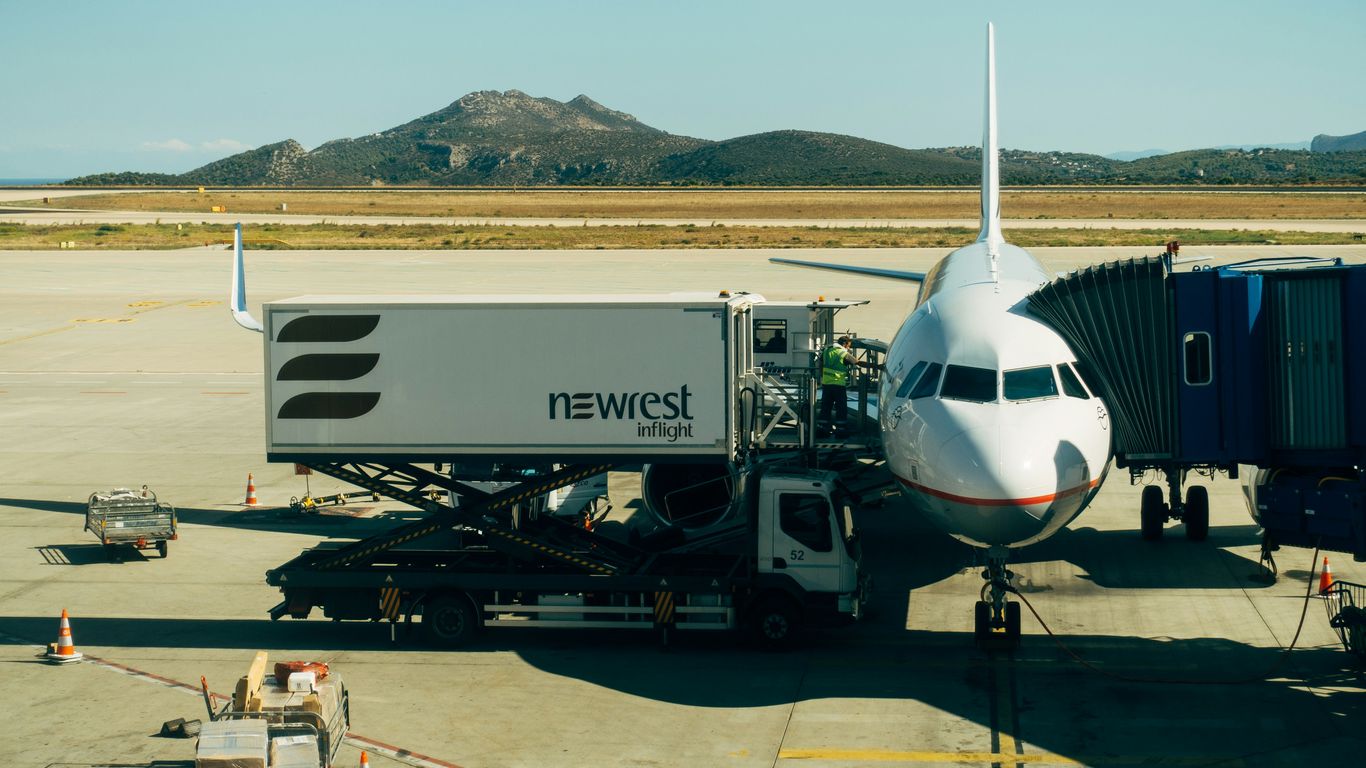
A side-by-side quotation should identify origin charges, freight, destination charges, customs-related items, delivery, and optional insurance. The air and sea freight comparison is a useful way to frame the trade-off between speed, capacity, cost, and cargo characteristics.
Compare transit times, shipping costs, and minimum volumes
Ask each forwarder for an indicative transit range, quote validity, cutoff dates, and the assumptions behind the price. Include pickup from the supplier and delivery to the final address when comparing door-to-door options. A low origin rate may not represent the lower total cost if destination handling, customs services, or local delivery are excluded.
For a small sample, express service may be more practical than either regular ocean or air freight. For a wholesale order, calculate the cost per clock and per carton after all known charges are included. Allow for carrier schedules and customs inspection rather than presenting a transit estimate as a fixed promise.
Use ocean freight for large or non-urgent clock shipments
Ocean freight is often a cost-efficient choice when the order fills substantial container space or can tolerate a longer transport window. Choose between full-container load and less-than-container load according to volume, handling sensitivity, and the value of keeping the cargo separate. Clocks with glass components may benefit from careful loading even when the transport mode is economical.
For a shipment requiring pickup and consolidation, sea freight from China can be considered alongside the supplier’s readiness date and the destination delivery plan. Confirm whether cartons from multiple factories can be combined, how the cargo will be measured, and when the container will be sealed.
Consider air freight for samples, urgent orders, or high-value products
Air freight may fit product samples, replacement units, launch stock, or time-sensitive replenishment. It can also reduce the time that high-value inventory remains in transit, although the higher transport cost must be tested against the commercial value of speed. Battery details and packaging remain relevant; air service does not remove documentation or handling requirements.
A service covering supplier coordination, export documentation, customs clearance, and final delivery may simplify an urgent movement, but the quoted scope must be checked line by line. Ask whether the rate includes pickup, screening, fuel adjustments, destination handling, and last-mile delivery.
Assess how dimensional weight affects air cargo pricing
Air carriers may calculate chargeable weight using actual weight or dimensional weight, whichever is higher. Because clocks often travel in protective cartons with empty space around the face, the outer dimensions can matter more than the scale reading. Measure the final packed cartons, not an early product sample.
Use the supplier’s confirmed carton dimensions and quantity to request the calculation. If a packaging revision changes the carton size, request a revised quote before dispatch. This is especially relevant for large decorative clocks, where protective packaging can materially increase chargeable weight.
4. Plan the logistics route and shipment arrangement
Zhangzhou cargo may require local pickup and movement to a suitable gateway before international transport. The best route depends on the supplier address, cargo volume, sailing or flight schedule, destination, and delivery point. Plan the handover early so that production completion does not become a last-minute transport problem.

A route plan should name the pickup location, consolidation point if any, export gateway, destination gateway, customs party, and final delivery address. China freight forwarding services can include comparisons among air, sea, rail, road, and express options, but the selected method still needs to reflect the actual clock shipment.
Select suitable ports and airports near Zhangzhou
Ask the forwarder which port or airport will be used and why it fits the shipment. The answer should account for inland pickup, sailing or flight frequency, cargo acceptance rules, cutoff times, and destination connectivity. A nearby gateway is not automatically the best option if its schedule creates a long wait or requires additional handling.
Confirm the factory’s loading address and whether the supplier can release cargo on the planned date. For air freight, verify the airport handover deadline and screening requirements. For ocean freight, confirm the container gate-in deadline and the relationship between cargo-ready date and vessel departure.
Compare port-to-port, door-to-door, and multimodal services
Port-to-port pricing can appear attractive but leaves pickup, customs, and final delivery for the importer to arrange. Door-to-door service provides a broader scope, though duties and taxes may remain separate. Multimodal arrangements can combine different transport legs, but each handover should have a named party and a tracking milestone.
Request an itemized quote showing what is included and excluded. If a destination address changes from a warehouse to a fulfillment center, ask whether labeling, appointment booking, or delivery restrictions alter the cost. Clear scope is more valuable than a vague promise of end-to-end service.
Decide between full-container load and less-than-container load
FCL gives the importer use of a container, while LCL combines cargo from multiple shippers. FCL may reduce handling points for a large order, whereas LCL can make sense when the shipment does not justify a full container. Compare not only the ocean rate but also origin consolidation, destination deconsolidation, storage, handling, and delivery charges.
The decision should also consider carton strength and stacking tolerance. If clocks are fragile, ask how the cargo will be positioned and whether it will share space with other goods. A smaller shipment can still require careful segregation and protective loading.
Coordinate factory pickup, consolidation, and final delivery
Provide the forwarder with each supplier’s contact, address, cargo-ready date, carton count, and loading instructions. At pickup, verify counts, photograph the cartons, and record actual dimensions and weight. When several suppliers are involved, establish which cargo may be consolidated and which must remain separated by SKU or purchase order.
The cargo consolidation process is relevant when multiple suppliers need to feed one export shipment. Confirm the warehouse receiving window, labeling system, consolidation deadline, and final delivery appointment before the first pickup. These details prevent a complete order from becoming several unconnected delivery problems.
5. Prepare export documents and customs information
Quartz clocks should be described accurately and consistently across the quotation, invoice, packing list, and transport document. Customs treatment depends on the product’s construction, destination, value, and applicable rules, so a forwarder should not guess from a short product nickname. Start document preparation while the supplier is finalizing the order.
The importer should remain responsible for confirming destination requirements with the relevant customs authority or broker. A forwarder can help organize information and identify missing fields, but the declared description, value, and importer details must be truthful.
Confirm the correct HS code and product description
Ask the supplier and customs broker to review the proposed HS classification rather than copying a code from an old shipment. Describe the goods by function and construction, including whether they are analog or digital, wall-mounted or tabletop, and whether they contain batteries or other regulated components. Keep the same description across commercial documents unless a broker instructs otherwise.
The China import documentation archive offers broader guidance on HS codes, Incoterms, and air-versus-sea decisions. Use general guidance as a starting point, then confirm the classification for the destination market and the exact clock model.
Compile commercial invoices, packing lists, and shipping documents
The commercial invoice should show seller, buyer, product description, quantity, unit value, total value, currency, and agreed trade term. The packing list should show cartons, net and gross weight, dimensions, SKU breakdown, and any pallet information. Transport documents must match the final cargo and consignee details.
A document review before pickup can identify mismatched quantities or incomplete addresses. Customs documentation support is particularly relevant when invoices, packing lists, transport documents, and special-cargo declarations must align. Send the latest version rather than allowing several drafts to circulate.
Check destination-country import duties and tax requirements
Estimate duties, import tax, broker fees, port or airport handling, and local delivery before approving the order. Rates can vary by classification, origin, declared value, and destination rules. If the clocks are sold through an online marketplace or delivered to a fulfillment center, check labeling and appointment requirements as well.
Do not assume that a freight quote includes import duties and taxes. Ask for them to be shown separately and identify who pays each charge. This makes the landed-cost calculation clearer and reduces surprises at destination.
Clarify Incoterms, customs responsibilities, and cargo insurance
Incoterms define important responsibilities, but they do not replace a complete shipping plan. Confirm who arranges export clearance, who pays origin charges, who carries transport risk at each stage, and who handles import clearance and taxes. Also state the insurance basis, claim procedure, and required evidence if goods arrive damaged.
The chosen term should match the importer’s operational ability. If the buyer does not have a destination broker or delivery partner, a broader service scope may be easier to manage, provided the quote clearly separates included services from duties and taxes.
6. Control freight risks for quartz clock shipments
Glass faces, delicate hands, painted surfaces, and small movements can be affected by rough handling. Damage prevention begins with product design and packaging, then continues through loading, documentation, and delivery. Treat fragile components as a process concern rather than relying only on a “fragile” label.
A practical risk plan also considers moisture, compression, theft exposure, inspection delays, and seasonal capacity. The aim is not to remove every variable, but to identify where evidence and contingency plans are needed.
Prevent damage from vibration, moisture, and pressure changes
Use internal cushioning that holds the clock firmly without pressing on the hands or glass. Add moisture protection when the route or packaging environment warrants it, and avoid sealing damp cartons. Ask whether the product requires a pressure or function check after transport if the design includes sensitive components.
Inspect a packed sample by gently moving the carton and checking for internal movement. This is not a substitute for formal testing, but it can reveal loose inserts, unprotected faces, or hands that can shift before the order is released.
Use container loading plans and protective cushioning
A loading plan should show carton orientation, stacking limits, weight distribution, aisle or access requirements, and the placement of heavier goods. Keep fragile clock cartons away from crush points and prevent sliding with suitable dunnage. For LCL cargo, ask how the cartons will be separated from incompatible or heavy freight.
Record loading photographs and seal information when the shipment is dispatched. The evidence helps compare the condition at origin with the condition at destination and supports a more precise investigation if cartons are damaged.
Inspect cartons, labels, and palletization before dispatch
Check carton markings, SKU labels, quantity, country-of-origin information, and handling instructions against the approved documents. Confirm that pallets are stable, wrapped appropriately, and suitable for the destination’s receiving equipment. Photograph damaged cartons before loading rather than allowing them to disappear into a mixed shipment.
A final dispatch checklist should include:
- Actual carton count and dimensions.
- Gross weight compared with the packing list.
- Visible carton, pallet, and product-label condition.
- Battery or special-cargo declarations, where applicable.
After the inspection, send the signed count and photographs to the buyer and forwarder. The record provides a shared baseline for pickup, consolidation, and delivery discussions.
Track delays, port congestion, and seasonal capacity constraints
Ask for milestone updates at pickup, warehouse receipt, booking confirmation, export release, departure, arrival, customs progress, and final delivery. Capacity can tighten around major holidays and peak retail seasons, while port or airport congestion can alter schedules. Build a reasonable buffer around product launches and inventory deadlines.
If a delay occurs, request the revised milestone, the reason, the next available option, and any cost or document impact. A clear escalation path is more useful than a generic status message, particularly when inventory is already committed to customers.
7. Build a reliable shipping workflow from Zhangzhou
A repeatable workflow turns one successful shipment into a process that can be improved. Start with verified product and cargo data, compare transport options, confirm responsibilities, and keep one version of the documents. The importer, supplier, and forwarder should each know what must happen before the next milestone.
For businesses that need coordinated pickup, documentation, and final delivery, Kunpeng Freight describes a quote-to-delivery workflow with supplier pickup, cargo consolidation, export documentation, and import paperwork assistance. Use those service categories as a discussion framework, then confirm the exact scope for your shipment.
Request comparable ocean and air freight quotations
Send every forwarder the same information: product description, supplier address, cargo-ready date, carton count, dimensions, gross weight, destination address, preferred delivery date, and any battery details. Ask for ocean and air options in parallel when the schedule is uncertain. A comparable quote makes differences in scope visible.
You can request a shipping quote after assembling the cargo details. Ask the forwarder to show the rate basis, validity period, estimated transit range, origin and destination charges, customs assumptions, and insurance availability.
Calculate total landed cost per clock and per carton
Divide the complete expected cost by both clock quantity and carton quantity. Include product cost, inland pickup, export handling, freight, consolidation, documentation, destination charges, duties, taxes, brokerage, insurance, and final delivery where applicable. Keep estimates separate from confirmed charges.
The cost per unit can change sharply when cartons are oversized or when a small order carries fixed handling fees. Recalculate after the supplier confirms final packing dimensions and after the forwarder issues the booking details.
Establish supplier, forwarder, and consignee communication steps
Set a simple communication sequence: the supplier confirms production and cargo readiness; the forwarder confirms pickup, measurements, booking, and documents; the consignee confirms customs and delivery instructions. Assign one contact for approvals and one backup for urgent issues. Written confirmations are particularly useful when multiple suppliers or time zones are involved.
For ongoing shipments, a shared tracker can include SKU, purchase order, carton count, pickup status, document status, booking reference, customs status, and delivery appointment. This creates visibility without requiring every participant to search through separate message threads.
Review delivery performance and improve future shipments
After delivery, compare quoted and actual cost, planned and actual milestones, carton condition, shortages, damage, customs questions, and communication quality. Ask whether the packaging, route, Incoterm, or consolidation plan should change. Keep the review factual and tied to evidence.
A forwarder that provides 24/7 shipment coordination may be useful when suppliers, carriers, and consignees operate across time zones, but responsiveness should still be assessed against actual updates and issue resolution. Use the post-shipment review to refine the next purchase order and freight brief.
Conclusion
To ship quartz clocks from Zhangzhou with fewer avoidable problems, connect sourcing, packaging, documentation, and freight planning from the beginning. Confirm what the supplier can produce, measure the final packed cargo, compare ocean and air options, and assign every customs and delivery responsibility clearly. A disciplined workflow will not remove every carrier or customs variable, but it will give you better information for making decisions and responding when plans change.
Frequently Asked Questions
Is Zhangzhou suitable for sourcing quartz clocks?
Zhangzhou is associated with a developed clock and watch manufacturing cluster, but suitability depends on the supplier’s product range, quality controls, export experience, minimum order quantity, and ability to meet your target-market requirements.
Should quartz clocks be shipped by ocean or air freight?
Ocean freight generally fits larger or less urgent shipments, while air freight may suit samples, urgent replenishment, or higher-value cargo. Compare total landed cost, volume, urgency, and dimensional weight before choosing.
What product details should be confirmed before ordering?
Confirm dimensions, movement, materials, face and hand design, power source, battery type, packaging, labeling, inspection standards, and approved samples for every SKU.
How can glass clock faces be protected during transport?
Use fitted inner packaging, cushioning, face protection, stable outer cartons, and loading instructions that prevent movement, compression, and contact with heavier goods.
What documents are normally needed for export?
Common documents include a commercial invoice, packing list, transport document, and any certificates or declarations required by the destination market and the specific product.
How does dimensional weight affect air freight?
Air carriers may charge according to actual or dimensional weight, whichever is higher. Final carton length, width, height, and quantity should be supplied when requesting an air-freight quotation.
What should be included in a freight quotation request?
Provide the product description, supplier pickup address, destination, cargo-ready date, carton count, dimensions, gross weight, battery details, preferred transport mode, delivery address, and any customs or insurance requirements.