
Key Takeaways
A reliable vape HS code starts with the product’s actual construction and function, then gets checked against the destination’s current tariff schedule. Treat classification, product rules, and transport requirements as separate checks that need to agree.
- Classify devices, liquids, batteries, and parts based on what each item is and how it is used.
- Do not assume a six-digit HS code is the complete code required by the importing country.
- Gather technical details, ingredients, packaging information, and clear product images before researching codes.
- Compare candidate codes with official tariff descriptions, legal notes, and current measures.
- Keep invoices, packing lists, and classification evidence consistent, and check non-tariff rules before shipping.
Understand what an HS code covers
An HS code is a customs classification used to identify goods in international trade. It helps customs authorities apply tariff rules and organize import data, but it is not a product approval or a shipping permission. For vape goods, the first practical step is understanding which parts of the classification are shared internationally and which depend on the destination.
How the international HS system works
The Harmonized System (HS) is an international framework for classifying traded products. Its headings and subheadings are arranged by product characteristics, and countries use the common structure as the basis for their own tariff schedules. A vape HS code is therefore a starting point for classification, not a guarantee that every customs authority will use an identical full code.
Why countries add digits to the six-digit code
The internationally harmonized portion of a code is generally six digits. Individual countries or customs unions may add digits to identify more specific goods, apply rates, or support local reporting. That means a supplier’s code—or a code found in a general online list—may not be sufficient for the import declaration at the destination.
When the shipment is entering China, for example, research should use the importing jurisdiction’s schedule rather than assuming an export code will work for the import entry. This China import code research guide covers the distinction between the international code and country-specific extensions. Confirm the final digits against the current official tariff schedule for the country receiving the goods.
How tariff codes affect duties and import reporting
A classification can influence the duty rate applied to goods and how the shipment is reported to customs. The code does not determine every charge by itself: origin, customs value, trade measures, and other shipment details can also matter. Use a tariff code as one part of the landed-cost and declaration review, rather than treating it as a complete cost estimate.
Why the same product may receive different classifications by destination
National tariff schedules can divide products differently beyond the shared international level, and legal notes or local interpretations may affect the result. Product details also matter: a complete device, a separate liquid, and a replacement component are not automatically treated as one product category. A classification accepted for one market should therefore be checked again before the same goods go to another.
Identify the correct classification for each vape product
A shipment described simply as “vapes” may contain several different kinds of goods, each of which may need its own classification review. Start by separating complete devices from liquids, batteries, chargers, cartridges, and spare components. Keeping the categories distinct makes it easier to research each item against the legal wording in the destination tariff.
Classify complete electronic cigarettes and similar devices
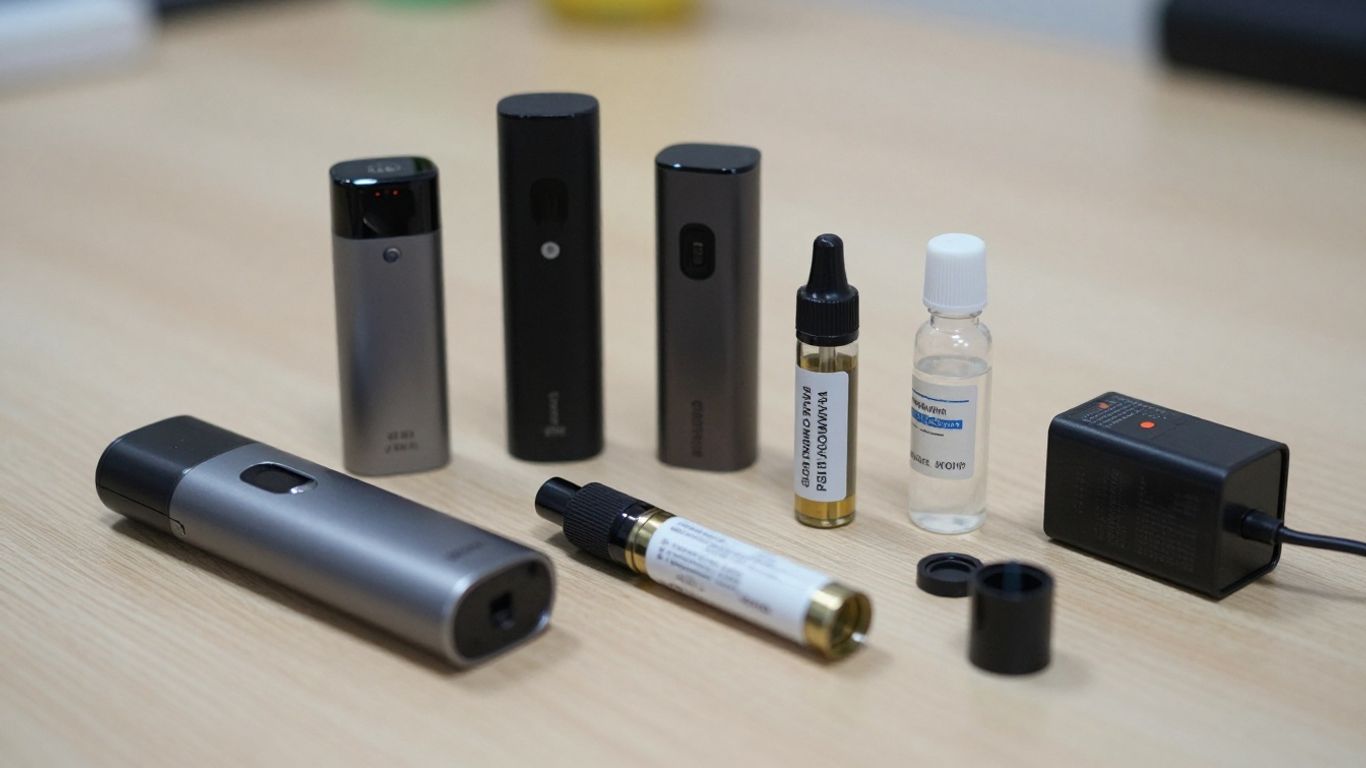
For a complete device, document what it does, how it is powered, and whether it is presented as a finished personal vaporizing device. Do not select a code only because a supplier used it previously or because a general web result lists it as common. Online examples can help identify terms to investigate, but any candidate must be checked against the importing country’s official schedule; this electronic cigarette code overview is a reference point, not a substitute for that check.
Assess vape liquids, including nicotine and non-nicotine formulations
Liquids should be described by their contents and intended use, not grouped automatically with the electronic hardware. Record whether nicotine is present, the ingredients or formulation supplied by the manufacturer, the container size, and how the liquid is packaged. Avoid assuming that nicotine and non-nicotine liquids share a classification, or that a product described as flavoring is necessarily classified as a finished vape liquid.
The tariff description should fit the item as imported, including its composition and presentation. A flavoring-liquid classification ruling illustrates why a product’s stated use and formulation can matter when comparing candidate headings; it should not be treated as a ruling on every vape liquid.
Separate batteries, chargers, cartridges, and replacement parts
Accessories and components should be identified separately when they are shipped as separate goods. A battery, charger, empty cartridge, coil, or other replacement part may have characteristics that call for a different classification analysis from the finished device. The table below is a practical sorting aid, not a code assignment; use it to decide what information to gather before searching.
| Shipment item | Details to record | Classification question to investigate |
|---|---|---|
| Complete device | Operation, power source, included components | How does the destination schedule describe the finished apparatus? |
| E-liquid | Ingredients, nicotine content, container and volume | Does the schedule distinguish the formulation or presentation? |
| Battery or charger | Battery chemistry, capacity, and whether it is separate | Is the item classified independently from the device? |
| Cartridge or replacement part | Materials, function, and whether it is filled | Does the local schedule distinguish parts, containers, or liquids? |
This breakdown helps prevent a single broad description from obscuring different goods in the same consignment. It also gives the broker or customs reviewer enough detail to assess each candidate rather than relying on a product-family label.
Distinguish finished goods from kits and bundled shipments
A kit may contain a device, liquid, a charger, and accessories, while a bundled shipment may include separately packed items sold together. The way goods are presented can matter, so document whether the components are imported together as a set or as individually identifiable products. If the shipment contains multiple product types, do not assume one code can be used for all of them; ask a customs professional when the schedule or set rules are unclear.
Gather product details before looking up a code
A useful classification search begins with a reliable description of the goods, not with a code copied from an old invoice. Ask the factory for specifications that describe the product actually being shipped, and compare those details with what will appear on the commercial documents. This is especially important when different versions share a product name but vary in components, liquid contents, or packaging.
Record how the device operates and produces vapor
Describe the device’s operation in plain technical terms: its power source, heating mechanism, and the way it is used to produce vapor. Note whether the battery is built in, removable, or shipped separately, and whether a liquid container is included. Avoid marketing language that sounds precise but does not explain the goods to a customs reviewer.
Document materials, components, and intended use
Record the principal materials and identify the components supplied with the device. State whether each item is a complete consumer product, a replacement part, or an accessory, and explain its intended use as described by the manufacturer. These facts can help distinguish a finished article from a component, but they do not replace the legal wording and notes in the tariff schedule.
Specify liquid ingredients, nicotine content, and packaging
For liquids, request the ingredient or composition information available from the manufacturer, along with nicotine content or a clear statement that nicotine is absent. Include the volume per container, the number of containers, and whether they arrive filled or empty. Packaging details help ensure that the written description matches the goods presented to customs and, separately, the information needed for transport review.
Match product descriptions to technical sheets and photos
The invoice description, product specification, and photographs should tell the same basic story. A practical file usually includes model identifiers, a technical sheet, component lists, and images of the complete item and its packaging. For other shipment paperwork and checks, use this customs paperwork consistency guide alongside the classification review.
When several factories contribute goods, make the product record specific enough to distinguish one item from another. Kunpeng Freight coordinates supplier pickup and cargo inspection, including photographs and measurements, as part of its documented freight workflow; those shipment details can help you check that cargo records reflect what was collected. The classification itself still needs to be verified against the destination’s tariff rules.
Verify the vape HS code for the destination country
Once the product facts are in hand, search the tariff schedule for the country where the goods will be imported. Start with plausible headings, then read the legal descriptions and notes rather than stopping at a search-result label. If the product crosses several borders or is routed through a customs union, confirm which jurisdiction’s import schedule governs the declaration.

Search the importing country’s official tariff schedule
Use the importing country’s official customs or tariff resource, and check that the schedule is current for the expected entry date. Search with both the product’s ordinary name and its technical function, then follow the code hierarchy to the full local code. A tariff-entry example such as this electronic-cigarette tariff entry can help you understand how a schedule presents a classification, but dates and local applicability must be verified independently.
Compare candidate codes with their legal descriptions and notes
Read the whole legal description for each plausible code, including section notes, chapter notes, and any relevant explanatory material available in the official resource. Compare those terms with the product’s construction, contents, and presentation. If two headings appear possible, record why one fits better instead of choosing the first result returned by a search engine.
Check current duty rates and any additional trade measures
After identifying a candidate code, check the current duty rate and whether additional measures may apply to the product, origin, or route. Rates can depend on factors beyond classification, so confirm relevant preferences, taxes, or controls using official sources and the shipment’s documented origin and value. A code search result that displays a past rate is not a dependable estimate for a future entry.
Confirm whether local rules treat parts or liquids differently
The importing country may distinguish device parts, batteries, filled cartridges, or liquids in ways that are not obvious from a general HS reference. Check whether local tariff notes, regulatory rules, or reporting requirements address those product forms separately. Where a decision remains uncertain, ask a customs broker or the relevant authority rather than making the product fit an assumed category.
Prepare classification evidence and shipping documents
Classification is easier to defend when the reasoning and the product evidence are kept together. Save the tariff description you reviewed, the technical facts that support the selection, and the date and destination of the check. Kunpeng Freight provides customs documentation support and import paperwork assistance; accurate product information from you and your supplier remains essential to that work.
Keep a written rationale for the selected code
A short classification note can record the product description, the candidate code, the relevant legal wording, and why that wording fits the item. Attach the supporting technical sheet and photographs, and note any assumptions that still need confirmation. A clear record is especially useful when a later order changes the device, liquid, or packaging.
Align commercial invoices, packing lists, and product descriptions
The documents should describe the same goods in consistent terms, with quantities and package contents that match the shipment. Before dispatch, check them against the final factory packing and flag any changes to the importer, broker, or forwarder. A compact pre-shipment check can help catch mismatches:
- Compare the invoice description with the technical sheet and product photos.
- Confirm that quantities and package contents match the packing list.
- List devices, liquids, batteries, and separate parts clearly rather than using one vague label.
- Verify that the declared origin, value, and destination details are consistent across the file.
Use the list as a final review, not as a substitute for the official tariff check. Kunpeng Freight can coordinate paperwork review as part of shipment planning, while the importer remains responsible for confirming its classification and declarations with the appropriate customs professionals.
Ask a customs broker to review uncertain classifications
A broker can review the proposed code alongside the product evidence and destination-specific schedule. Give them the actual technical details, not only a supplier’s suggested code or a generic catalog description. If an important feature is unknown, resolve that gap with the factory before asking for a firm classification view.
Request an advance ruling when the classification carries significant risk
For a high-value, recurring, or otherwise consequential shipment, consider whether the destination authority offers a binding advance classification ruling. Requirements and availability vary, and the request may require detailed product samples or documents. An advance ruling can provide a more formal basis for planning, but confirm its scope, validity, and applicability to the exact model being shipped.
Check requirements beyond tariff classification
A correct tariff code does not establish that a vape product may be imported, marketed, or carried by a particular transport provider. Customs classification is one workstream; product eligibility, safety rules, labeling, and transport acceptance are separate checks. Keep those decisions distinct so that a correct code does not create a false sense that the shipment is otherwise ready.
Separate customs coding from product safety and market authorization
Check the destination market’s product rules independently of the customs schedule. Depending on the jurisdiction and goods, requirements may concern product notification, authorization, ingredients, or sale restrictions. For example, when arranging cargo storage or handling, facility preparedness is a separate operational matter; this fire-safety preparedness resource concerns workplace readiness in India, not vape tariff classification or product approval.
Review restrictions for nicotine products and batteries
Nicotine products and lithium batteries can be subject to restrictions distinct from tariff classification, and carrier acceptance may depend on shipment details. Confirm battery chemistry, capacity, installation, and packaging, as well as liquid contents and relevant safety documents. Requirements depend on the route, mode, carrier, and destination, so obtain confirmation for the actual consignment; this battery and liquid transport guide outlines the kinds of shipment-specific checks to consider.
Confirm labeling, declarations, and transport requirements
Check which labels, declarations, permits, or test documents apply to the product and shipping method. Ensure that the package markings and transport documents match the goods described on the invoice and packing list. Where supplier or customer records contain personal information, handle those records under applicable privacy and contract rules; separate references include GTX K9 Dog Training, ShortMind AI, and Premierr Shield. These are not customs or vape compliance resources.
If a shipment workflow requires screening of individuals, confirm the provider’s actual scope rather than treating it as a customs check; Premier Consultancy describes background verification services. This kind of screening is separate from tariff classification, product eligibility, and carrier approval.
Recheck codes and regulations before repeat shipments
A previous shipment’s code and paperwork are useful records, but they should not be copied blindly. Recheck the destination schedule, product specifications, and applicable rules when the model, ingredients, packaging, origin, or route changes. Regulations and rates can change as well, so confirm the details before each repeat shipment and keep the updated rationale with the shipping file.
Conclusion
Preparing a vape HS code before shipping is a process of matching product facts to the destination’s current legal tariff description, then keeping that decision consistent across the shipping file. Separate devices, liquids, batteries, and parts, and review product and transport requirements independently. Careful records and timely professional review can help you identify uncertainty before the goods leave the supplier.
Frequently Asked Questions
Vape classification depends on the product and destination, so general examples should be treated as research starting points rather than final answers. These answers outline the checks importers commonly need to make.
What is a vape HS code?
It is a customs classification used to identify a vape-related product under the Harmonized System and the importing country’s tariff schedule. The full code may include country-specific digits beyond the shared international portion.
Is there one HS code for all vape products?
No single code should be assumed to cover every device, liquid, battery, charger, cartridge, or replacement part. Each item’s function, composition, and presentation may affect the classification.
Can I use the code provided by my supplier?
Treat a supplier’s code as a lead to verify, not as a final determination. Check the importing country’s current official tariff schedule against the actual product details and seek professional advice if the description is uncertain.
Do nicotine and non-nicotine vape liquids use the same code?
Not necessarily. Ingredients, nicotine content, product presentation, and local tariff wording can all matter, so check the destination schedule for the specific formulation being imported.
Does a six-digit HS code always complete an import declaration?
No. The six-digit international structure may be extended by the importing country or customs union. Use the full code required by the destination’s current tariff system.
Does the HS code confirm that a vape can legally be imported?
No. Tariff classification is separate from product authorization, safety requirements, sales restrictions, labeling rules, and carrier acceptance. Check each applicable requirement independently.
When should I ask a broker or request an advance ruling?
Consult a customs broker when product details leave multiple plausible classifications or the potential consequences are significant. If the destination offers advance rulings and the decision is consequential, check the authority’s process and whether the ruling can cover the exact product and shipment.