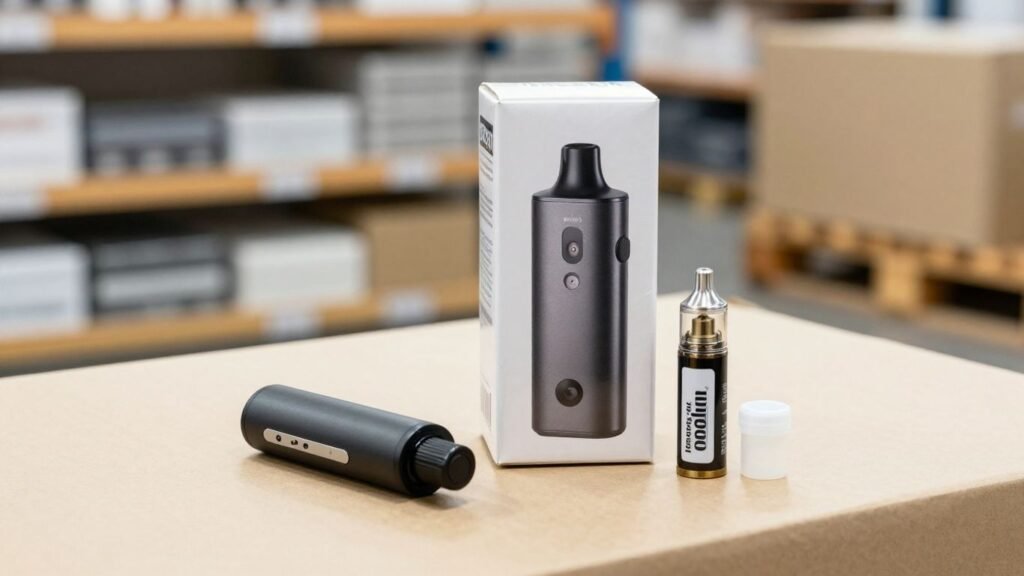
Key Takeaways
Vapes may face transport controls because of their batteries, liquid contents, or both. Check the exact product, route, destination rules, documents, packaging, and carrier acceptance before booking.
- Classification depends on the product’s details and the rules for each transport mode.
- Import eligibility and product requirements vary by destination market.
- Battery specifications, test documentation, and e-liquid information help carriers assess a shipment.
- Packaging and labels should match the product configuration and carrier instructions.
- Get shipment-specific carrier acceptance in writing before cargo leaves the supplier.
Why vapes may be classified as dangerous goods
A vape shipment is not classified by its product name alone. Battery type, liquid formulation, quantity, and how the items are packed can affect the transport assessment. The phrase dangerous goods vape shipping covers several separate checks, not one universal rule. Confirm the details against the applicable transport regulations and the carrier’s current requirements.
Lithium-ion batteries can trigger dangerous goods rules
Many vape devices include lithium-ion batteries, which are subject to transport rules that depend on battery specifications and how the battery is shipped. The relevant details may include watt-hours, whether the battery is installed in a device, and whether spare batteries are included. Use the battery maker’s documentation rather than an estimate based on the device’s size. Guidance on vape battery shipping can help you identify which battery details to gather before requesting a quote.
E-liquid ingredients and quantities may affect classification
E-liquid should be described accurately, including its ingredients and quantity, because its properties can affect how it is assessed for transport. Do not assume that every liquid or nicotine concentration has the same classification. A current safety data sheet, when applicable, can give carriers information they need to assess the formulation. Requirements may differ by mode and route, so the document is supporting information, not a substitute for classification.
Device configuration changes how a shipment is assessed
A shipment of devices with batteries installed is not necessarily assessed in the same way as one with spare batteries packed separately. E-liquid shipped with devices also changes what is in the package. Before booking, record the configuration rather than describing the goods simply as “vapes.” This comparison is a useful starting point for collecting information, not a classification decision:
| Shipment detail | What to record | Why it matters |
|---|---|---|
| Battery installed | Battery type and specifications | Supports the transport assessment |
| Spare batteries | Quantity and packing arrangement | May affect packing and carrier acceptance |
| E-liquid included | Ingredients and amount | Helps assess liquid-related requirements |
| Device type | Disposable, refillable, or another format | Clarifies exactly what is being shipped |
Use the completed details to ask the carrier or freight partner how the whole shipment should be handled. Avoid applying a decision for one configuration to a different product or packing arrangement.
Classification depends on the applicable transport rules
Dangerous goods classification depends on the governing rules for the transport mode and the exact goods, and carrier policies can add restrictions. A product accepted for one route or service may not be accepted on another. For additional context on why these products can raise transport questions, see this overview of vape hazmat rules. Use it as background, then verify the current requirements that apply to your shipment.
How shipping mode affects vape shipments
The shipping mode affects which rules, services, and handling procedures may apply. Air, sea, and postal or courier services do not necessarily accept the same products or quantities. A route may also include several carriers, each with its own review process. Kunpeng Freight coordinates air, sea, rail, road, and express shipping from China, so importers can compare available modes against the actual cargo and route.
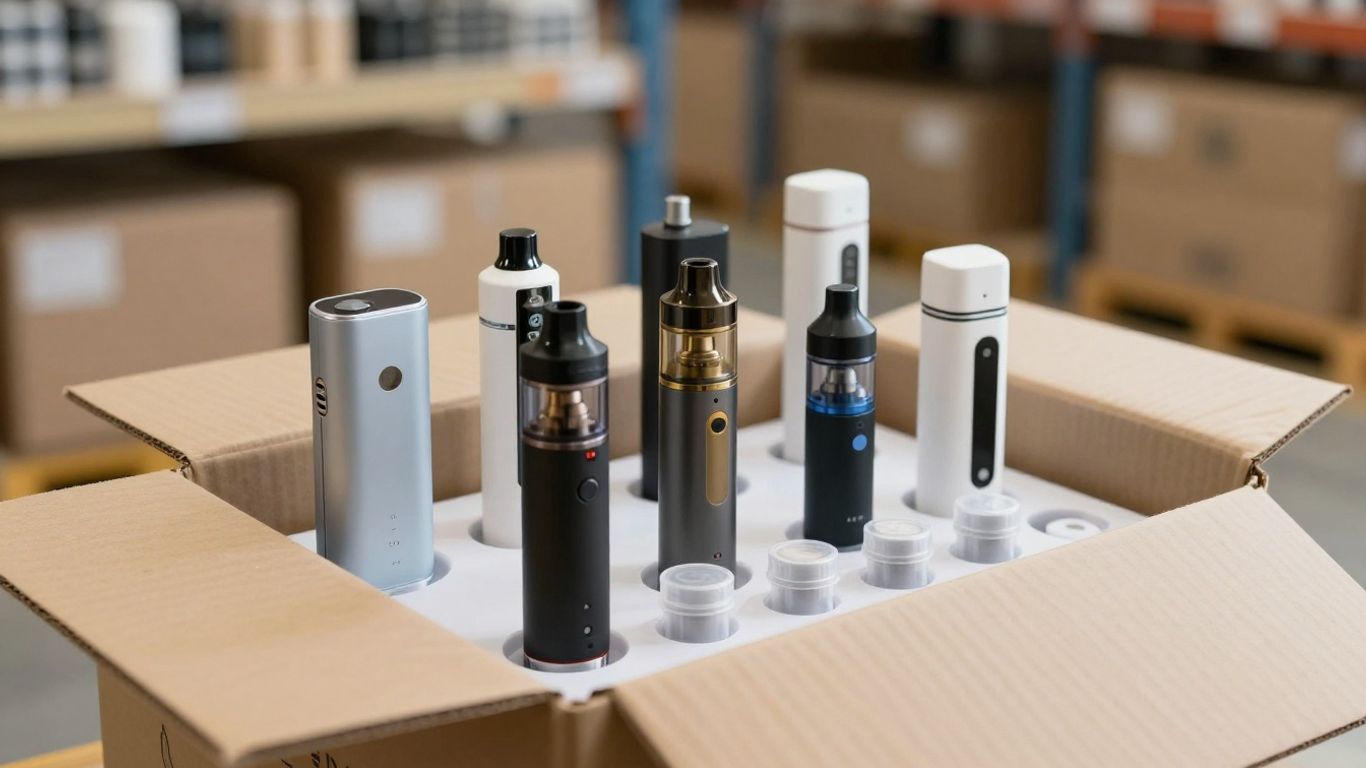
Air freight can have stricter limits and carrier restrictions
Air transport rules and carrier policies can limit the batteries, liquid products, and quantities accepted on a particular service. Carriers may require more detailed product information before they can confirm eligibility. Prepare the battery specifications and product configuration before requesting an air quote, and do not assume that a previous shipment approval applies to a new route or package. A dedicated air freight vape guide covers common preparation questions to discuss with your forwarder.
Sea freight may require different declarations and handling
Sea freight follows its own dangerous goods requirements and carrier procedures. The fact that a shipment may be unsuitable for one air service does not automatically establish that it can move by sea. Share the same accurate product and packing details when asking about ocean freight, and confirm the required declarations and handling in writing. Kunpeng Freight coordinates sea freight as one of its shipping options; the specific service depends on cargo details, route, and carrier acceptance.
Postal and courier services may refuse vape products
Postal operators and courier services can apply restrictions that differ from freight services, and some may not accept vape products at all. Check the exact provider, service, origin, destination, and product type before preparing a parcel. For example, US domestic mail has specific restrictions described in USPS vape mailing rules; those rules should not be treated as a universal rule for every country or private carrier. Confirm the current terms directly with the service you plan to use.
Check rules for every leg, including transit and last-mile delivery
A shipment can change hands between origin pickup, main transport, customs processing, and final delivery. Confirm that every leg can handle the product, including any transit points and the last-mile service. Ask who is responsible for each handoff and whether a service change could affect acceptance. A route that works for the international leg still needs a suitable delivery option at the destination.
What to verify in the destination market
Transport acceptance and import permission are separate questions. A carrier may be willing to move cargo that the destination market restricts, while a product allowed for import may still face transport limits. Check the rules for the actual destination and intended use, such as resale or business use. As a China-to-destination reference, vape shipping guidance discusses the need to verify product legality, customs, and carrier acceptance.
Confirm whether vapes and nicotine products can be imported
Before paying a supplier or booking freight, confirm whether the product can be imported into the destination market. Rules may distinguish between devices, e-liquids, nicotine products, and personal-use goods. If a product is prohibited or requires prior approval, a transport booking will not resolve that issue. Seek current guidance from the relevant destination authorities or a qualified customs professional.
Check product, labeling, and registration requirements
Some markets require product notifications, registrations, specific warnings, or other local labeling before goods can be sold or distributed. Verify which requirements apply to the exact device and liquid rather than relying on a label used in another country. Rules for cosmetics or household goods, such as this cosmetics ingredient guide or household-goods import guide, do not determine vape requirements; use sources that match the product and market. Separate guides covering AI music video exports, online gaming performance, and calorie deficit planning address different topics altogether, underscoring why the source needs to fit the question.
Review age restrictions, excise taxes, and customs duties
Importers should check age-related controls, any excise tax, customs duties, and other import charges that may apply. Rates and procedures can depend on the product, its declared value, and the destination’s classification. Do not treat the supplier’s description or a past shipment’s charge as a current calculation. Confirm who will act as importer of record and who is responsible for declarations and payment.
Verify local rules for flavors, nicotine strength, and disposable devices
Local rules may restrict specific flavors, nicotine strength, container sizes, or disposable formats. These rules can change and may differ within a broader region, so verify the destination jurisdiction rather than assuming a neighboring market has the same requirements. Ask the supplier for precise product specifications, including liquid volume and nicotine details where applicable. Check the current market rules before finalizing an order.
Which documents and product details to prepare
Documents are only useful when they describe the actual goods being shipped. Gather product, battery, and liquid information early enough for the carrier or forwarder to review it before pickup. Keep commercial documents consistent with the cargo and with one another. Kunpeng Freight provides import paperwork assistance and customs documentation support as part of its freight forwarding services; the importer remains responsible for confirming the accuracy and completeness of the information supplied.

Gather accurate battery specifications and UN 38.3 test documentation
Record the battery chemistry, configuration, and capacity from reliable manufacturer documents. Where applicable, obtain the UN 38.3 test documentation or test summary for the battery model being shipped and check that it matches the goods. Avoid substituting a document for a similar-looking battery or another model. A carrier may ask for further details before deciding whether a particular service is available.
Obtain a current safety data sheet for e-liquid where applicable
Request a current safety data sheet for the e-liquid when applicable, and confirm it identifies the formulation being shipped. It can support a carrier’s assessment of the liquid, but it does not by itself establish import eligibility or replace required transport declarations. If the product’s ingredients or concentration have changed, check that the document is still accurate. Provide the same product description in the shipping request and related paperwork.
Confirm dangerous goods declarations and shipping descriptions
If a dangerous goods declaration or a specific shipping description is required, use the classification confirmed for the exact product and mode. Do not guess at a UN number, hazard class, or packing group. A freight partner or qualified dangerous goods specialist can help identify what information the carrier needs, but the shipper must provide accurate product data. Ask which declarations are required before cargo is packed or collected.
Match invoices, packing lists, and customs classifications to the goods
The commercial invoice, packing list, and customs classification should describe the goods consistently and accurately. Check quantities, values, descriptions, and package counts against the supplier’s final packing details. This short review is easier when each item has a clear source document:
- Product description and model details from the supplier.
- Battery specifications and applicable test documentation.
- E-liquid description and safety data sheet, where applicable.
- Final quantities, values, and carton details for customs documents.
Use those records to resolve inconsistencies before dispatch rather than after a customs or carrier query. Keep copies of the documents and any revisions associated with the final shipment.
How to check packaging and labeling requirements
Packaging should protect the goods while meeting the rules that apply to their battery and liquid configuration. The correct approach depends on the classification, transport mode, and carrier instructions. Do not assume ordinary retail packaging is sufficient for transport. Confirm the applicable package design, marks, labels, and handling requirements before the supplier closes the cartons.
Use packaging suited to the battery and product configuration
The packaging must be suitable for the actual device, battery arrangement, and any liquids included. Requirements can vary with the classification and service, so get instructions tied to the product and route. Check that the package protects goods during normal handling and that any required inner or outer packaging is used. Ask the carrier or forwarder to review the planned arrangement before dispatch.
Prevent accidental activation and protect devices from damage
Devices should be protected against damage and accidental activation during handling and transit. The appropriate method can depend on device design and carrier requirements, so confirm how the product should be secured. Review whether switches, buttons, or other controls could be triggered by movement inside the carton. Make sure the packing method matches the configuration the carrier reviewed.
Separate or secure spare batteries as required
Spare batteries may have separate packing requirements from batteries installed in devices. Record how many are included and how they are protected from damage or contact with other items. Do not combine or pack them based on assumptions drawn from another shipment. Confirm the required arrangement for the applicable mode and carrier before finalizing the cartons.
Confirm marks, labels, and handling instructions with the carrier
The marks and labels required on a package depend on its classification and the transport rules. Use only the labels and handling instructions confirmed for the shipment; unnecessary or incorrect markings can create confusion. Ask who will apply them and at which stage of packing. Keep a record of the final label instructions alongside the shipment documents.
How to confirm carrier acceptance before shipping
Carrier acceptance should be based on the exact goods, package configuration, route, and service—not a general description of the product category. Request review before the supplier hands over the cargo, and share the supporting documents rather than relying on a verbal summary. Confirm any limits or conditions that affect pickup and delivery. Kunpeng Freight’s documented workflow includes reviewing documents early and coordinating cargo details, which can help organize the information needed for a shipment-specific discussion.
Ask carriers to review the exact product and shipment configuration
Send the carrier or freight partner a clear description of the devices, batteries, e-liquid, quantities, and proposed packing. Attach relevant specifications and documents, and identify the origin, destination, and intended service. Ask for confirmation tied to those details, since a change in model, quantity, or packing may require a fresh review. Written confirmation gives the shipper a record of what was submitted for acceptance.
Check quantity limits, service availability, and route restrictions
Limits may apply to individual packages, the total shipment, or the service selected. Confirm that the requested quantity can travel on the full route, including transit and last-mile delivery. Ask whether a different service or schedule is needed if the first option is unavailable. Do not treat a quote as final carrier acceptance unless the carrier has reviewed the product details and confirmed the booking conditions.
Confirm whether a trained dangerous goods shipper is required
Some shipments may require preparation or declarations by a person with the applicable dangerous goods training. Ask the carrier or forwarder whether that applies to the classification and transport mode in question. Confirm who will prepare documents, pack the goods, and apply any required marks or labels. Assign these responsibilities before pickup so the supplier and importer understand their roles.
Keep written approvals and a shipment-specific compliance checklist
A short written record can keep the final shipment aligned with what the carrier reviewed. Include the agreed service, route, product details, documents, package arrangement, and any acceptance conditions. For a practical final check, keep these items together:
- Carrier acceptance for the stated goods, quantity, route, and service.
- Final battery and liquid specifications with supporting documents.
- Confirmed packaging, marks, labels, and handling instructions.
- Consistent invoice, packing list, and customs information.
Compare the packed cargo against that record before collection. If any detail changes, ask whether the carrier needs to review the shipment again.
Conclusion
Vapes are not automatically treated alike in international transport: battery and liquid details, packing, route, carrier rules, and destination-market requirements all matter. Verify import eligibility, prepare accurate documents, and obtain written, shipment-specific carrier acceptance before cargo leaves the supplier. A careful review up front helps you identify gaps while there is still time to address them.
Frequently Asked Questions
Are all vapes classified as dangerous goods?
No single answer applies to every vape product. Classification depends on the product’s batteries, liquid contents, configuration, transport mode, and applicable rules.
Can I ship vape devices by air?
Possibly, but air carriers and services may impose restrictions or limits. Provide exact product and battery details and confirm acceptance for the route before booking.
Does sea freight avoid dangerous goods requirements?
No. Sea freight has its own transport rules and carrier procedures. Confirm the classification, documentation, packing, and acceptance requirements for the specific shipment.
What battery information should I request from a supplier?
Ask for the battery type, specifications, and relevant test documentation, including UN 38.3 documentation where applicable. Make sure the documents match the battery model in the goods.
Do I need a safety data sheet for vape liquid?
A current safety data sheet may be applicable and can help a carrier assess the liquid. Confirm whether it is required for the formulation, route, and service, and ensure it matches the product being shipped.
Can a carrier quote confirm that my vapes are accepted?
Not necessarily. Ask whether the carrier has reviewed the exact product, quantity, packing, route, and documents, and request written acceptance before dispatch.
What should I check before importing vapes into a new market?
Verify that the products may be imported and review local product, labeling, registration, age, tax, and customs requirements. Rules can differ by jurisdiction and product type, so check current official guidance.