Key Takeaways
A successful vape supplier pickup in China starts with verified cargo details and a clear handoff plan. The shipment still needs product-specific carrier approval and accurate export paperwork before it moves.
- Confirm models, quantities, carton measurements, battery details, and liquid contents before pickup.
- Agree who coordinates collection, consolidation, export handling, and delivery.
- Check destination requirements and obtain carrier acceptance for the exact cargo and route.
- Compare freight options against timing, cargo volume, and total charges—not just the transport rate.
- Keep consistent documents and records of collection, cargo condition, and carrier handoff.
1. What vape supplier pickup in China includes
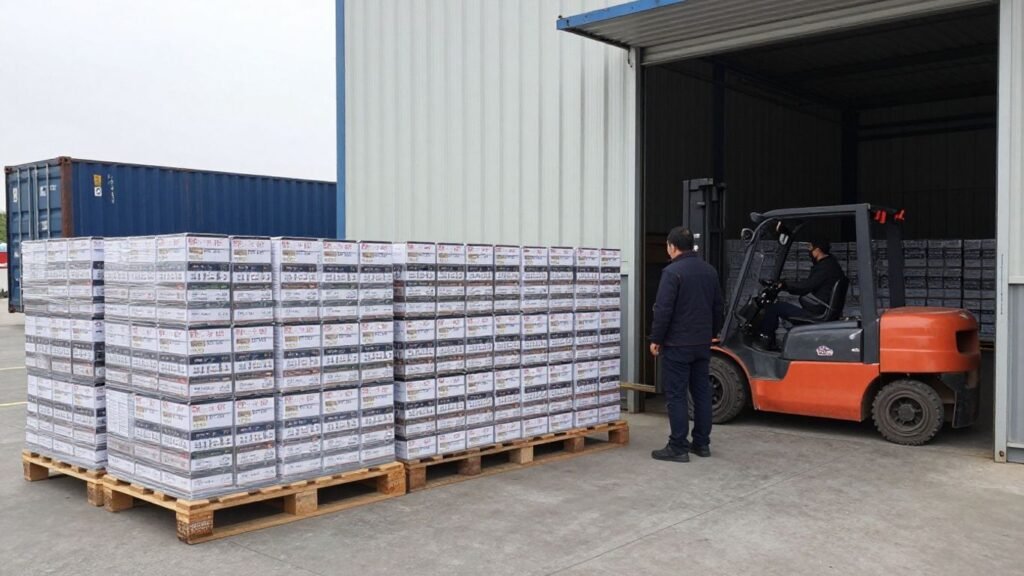
A pickup is the first stage of a commercial shipment, not a confirmation that the goods can travel on every route. The work may include arranging collection from a factory, checking received cartons, combining supplier orders, and preparing cargo for export. You should also establish who handles each later step, including booking, customs documentation, and delivery planning. A useful overview of the factory-to-delivery vape process can help you see how pickup fits into the full route.
Where factory pickup ends and freight forwarding begins
Factory pickup usually means collecting cargo from the address agreed with the supplier and recording what was handed over. Freight forwarding begins to cover the wider movement: preparing cargo for transport, arranging a carrier, coordinating export handling, and planning the next handoff. The boundary is not always obvious when a supplier offers a shipping arrangement, so ask what is included and what remains your responsibility. A commercial vape freight overview also explains why product details, carrier acceptance, and destination rules matter beyond the factory gate.
Pickup, consolidation, and door-to-door service options
A basic collection can suit an order from one factory that is already packed and ready. If you are buying from several suppliers, consolidation can bring the goods together for coordinated export, although it adds warehouse handling and timing considerations. Door-to-door service extends the plan to the destination, but you should confirm exactly which transport, clearance support, and delivery charges are included. Kunpeng Freight provides a Supplier Pickup service that coordinates supplier collection, export handling, documentation, and delivery planning.
When to use a supplier’s forwarder or appoint your own
A supplier’s forwarder may be convenient when the supplier controls the booking and the service scope is clear. Appointing your own forwarder can make it easier to coordinate several suppliers or compare the complete route, but it also means you need to confirm handoff points and responsibilities. Ask for the route, included services, and charges in writing either way. The choice should rest on clear responsibility at each handoff, not simply on who arranged the first truck.
2. Confirm the shipment is ready for collection
Before a vehicle is dispatched, make sure the cargo description is specific enough for a carrier to assess. A product name such as “vape” does not explain whether cartons contain devices, liquid, batteries, or a combination. Confirm the delivery destination and route as well as the factory’s readiness, since requirements can vary by market and carrier. A pickup appointment based on incomplete information may need to be revised once the actual cargo is checked.
Verify product details, quantities, and carton dimensions
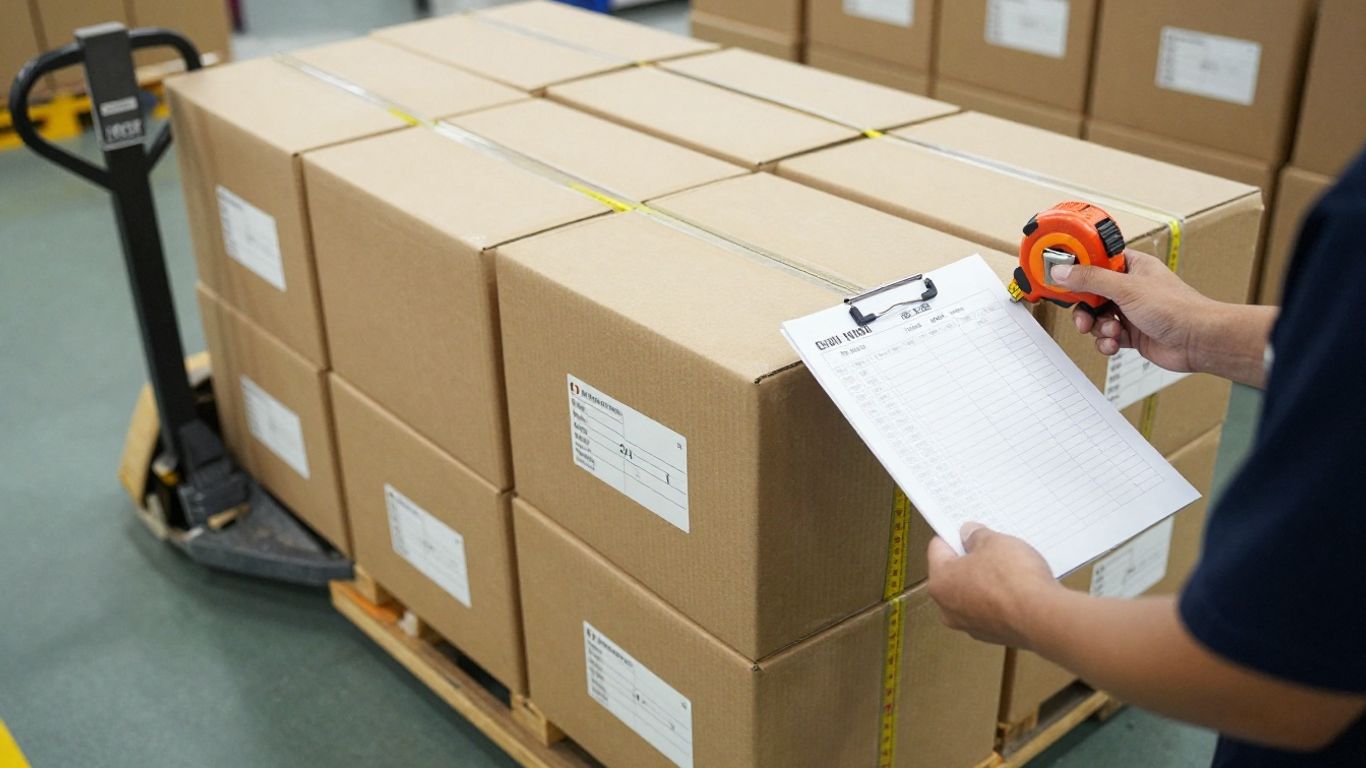
Ask each supplier for the model or product type, quantity, number of cartons, gross weight, and outer-carton dimensions. Compare the information with the purchase order and packing list, and resolve differences before booking. Include whether products are packed individually or mixed within cartons, since that affects how the receiving warehouse can identify and handle them. Keep the same verified figures for the pickup instruction and later shipping documents.
Check battery types, nicotine content, and product classifications
Describe the actual cargo configuration rather than relying on a broad category. Record whether a device contains a battery, whether batteries are installed or packed separately, and whether the shipment includes e-liquid or nicotine-containing products. The carrier and route determine what documentation and handling may be required, so seek written acceptance for the exact goods before dispatch. A general vape shipping guide can offer background, but it cannot replace a product-specific review.
Agree on pickup address, access requirements, and collection window
A factory address may not be the same as the loading entrance or warehouse gate. Confirm the contact person, loading hours, vehicle access, and any site instructions, then agree on a collection window that gives the supplier time to finish packing. For a useful handoff, confirm these details together rather than relying on scattered messages:
- Exact pickup address and on-site contact
- Ready date and agreed collection window
- Carton count, estimated weight, and dimensions
- Loading access or vehicle restrictions
After the supplier confirms these points, share the same information with the driver or warehouse receiving team. That reduces avoidable calls and makes it easier to identify a mismatch when the cargo arrives.
3. Choose a pickup and consolidation plan
The right collection plan depends on where the goods are located, when each supplier will finish, and whether the orders can travel together. One factory may need a straightforward pickup, while several suppliers may require staggered collections and temporary warehouse storage. Decide in advance whether cargo can be combined and how long it can wait, especially if individual orders have different readiness dates. Kunpeng Freight can coordinate supplier pickup and consolidation through its Supplier Pickup service.
Collect from one factory or coordinate multiple suppliers
A single-factory collection is usually easier to schedule because one supplier can confirm the cargo and loading time. With multiple factories or trading companies, collect each supplier’s contact, address, ready date, and package details in one working plan. A late order can affect the consolidation schedule, so set a cutoff date for goods that must join the same shipment. Keep supplier-level carton counts visible even after orders are combined.
Compare direct pickup with delivery to a consolidation warehouse
Direct pickup to a departure point can reduce intermediate handling when one supplier’s cargo is ready and the route is practical. Delivery to a consolidation warehouse can make sense when orders come from several sources or need a coordinated export handoff. The warehouse option may introduce receiving, storage, or handling charges, which should be included in the comparison. For bulk cargo with scheduling flexibility, sea freight planning may help frame the trade-off between volume, lead time, and shipment size.
Set handling instructions for fragile devices and mixed cartons
Tell the warehouse or carrier how cartons are marked and whether any outer packaging is fragile or prone to crushing. If cartons from different suppliers are combined, preserve a record of which products and quantities belong to each supplier. Photos at receipt can help document visible damage or packaging issues before the cargo moves again. When instructions are specific, the receiving team has a clearer basis for checking and preparing mixed cargo.
4. Prepare packaging and shipment documents
Export preparation is easier when the carton markings, cargo description, invoice, and packing list all tell the same story. Start with the supplier’s records, then verify them against the actual cargo and the carrier’s requests. Vape products may require further product or battery information, depending on the configuration and route. Treat document preparation as an early check, not paperwork to assemble after a booking is already underway.

Confirm export-ready packaging and carton labels
Ask the supplier to confirm that cartons are closed, stable for handling, and marked in a way that can be matched to the packing list. Review any carrier-specific packaging and labeling requirements before cargo is released; requirements can differ with the goods and transport method. If cartons are repacked at a warehouse, confirm whether the carton count or measurements will change. Update the cargo record if they do.
Assemble the commercial invoice and packing list
The invoice should describe the goods accurately and state the transaction value, while the packing list should show how the goods are arranged across cartons. Check that quantities, descriptions, and carton data agree with supplier records and the cargo. Keep the shipment’s documents in a dedicated file; approval and audit-trail tools address a different recordkeeping workflow, while cold-chain shipment records cover temperature-sensitive pharmaceutical cargo rather than vape products. Likewise, buying property in Sharjah, Argentine residency options, and bathroom renovation planning involve separate paperwork and are not substitutes for export documents. The practical point is simple: records should match the specific transaction and goods being moved.
Gather battery, safety, and product documents requested by the carrier
Ask the carrier or forwarder which product and battery documents are required for the proposed route. Requirements may depend on battery configuration, liquid content, and the carrier’s acceptance process, so do not assume a document used for one model will cover another. Submit the requested records early enough for review, and correct inconsistencies before the cargo is booked. Keep copies of the final documents with the shipment file.
5. Select the export freight method
Air, sea, and rail freight each bring different timing, handling, and cost considerations. The best comparison starts with cargo readiness, volume, destination, and how much flexibility you have on arrival timing. A quoted transport rate alone does not describe the full cost or confirm that a carrier will accept the products. Kunpeng Freight provides a Supplier Pickup service that can coordinate delivery planning as part of the wider shipment workflow.
Compare air, sea, and rail options for timing and cost
Air freight may suit cargo where timing matters and the route and carrier accept the products. Sea freight is often considered for larger shipments with more schedule flexibility, while rail can be relevant on routes where a suitable service is available. Actual transit and total charges depend on the route, cargo details, handling needs, and carrier schedules. Use the table as a starting point for questions, not as a promise about a particular shipment.
| Mode | What to weigh | Questions before booking |
|---|---|---|
| Air | Timing, chargeable weight, and product acceptance | Is this exact cargo accepted on the proposed route? |
| Sea | Shipment volume, lead time, and port handling | Is there enough schedule flexibility for the sailing plan? |
| Rail | Route availability and handoff points | Does the service match the destination and cargo requirements? |
Once you have answers, compare like with like: include pickup, origin handling, documentation, freight, and destination charges where applicable. A lower quoted line item may not reflect the full route or service scope.
Check carrier acceptance rules for vapes and lithium batteries
Carrier rules can depend on the product type, battery configuration, liquid contents, and the selected route. Confirm acceptance in writing for the exact cargo rather than relying on a previous shipment or a general statement about vape products. A change in model or packaging may affect the review, so keep the carrier’s approval connected to the final cargo description. Do not release the goods for collection until the proposed transport plan has been checked.
Choose freight terms that clarify costs and responsibilities
Agree which party pays each transport and handling charge, who arranges export clearance, and where the forwarder’s service ends. If a quote includes delivery, check whether import duties, taxes, brokerage, or other destination charges are included or billed separately. The quote should identify the planned route and any assumptions about the cargo. Clear terms make it easier to compare offers and resolve questions when the plan changes.
6. Manage China export clearance and handoff
Export clearance depends on accurate shipment details and clearly assigned responsibilities. Confirm who will act as exporter and who will prepare or submit the customs declaration; these roles should not be left to assumption. Ensure the party handling the declaration has the correct product information and supporting documents before cargo arrives at the export facility. A complete file helps the people managing pickup, customs, and carrier booking work from the same details.
Confirm the exporter of record and customs declaration details
Ask the supplier and forwarder who will be shown as the exporter and who is responsible for the export declaration. Confirm that the required company and shipment information is available before pickup, and ask what supporting paperwork is needed. If the parties have different assumptions about who files or supplies information, resolve that before cargo reaches the export point. Keep a copy of the agreed responsibilities in the shipment record.
Check that product descriptions and declared values match the cargo
Use clear descriptions that reflect the actual goods, not vague labels that obscure what is being shipped. Review the invoice value and declared product details against supplier records, carton contents, and any product documents submitted for carrier review. Correct errors before declaration rather than trying to reconcile inconsistent versions after a query. Consistent information supports a cleaner handoff between supplier, forwarder, and customs representative.
Track warehouse receipt, security screening, and carrier booking
Ask for confirmation when the warehouse receives the cargo, then compare the received count with the pickup record. If the cargo is inspected, screened, or remeasured, note any changes and update relevant documents before booking. Keep the booking confirmation and the handoff record together so that everyone can see which carrier and route were arranged. If a screening or schedule change affects the plan, confirm the revised next step with the responsible party.
7. Control costs, delays, and shipment risks
The final cost can include more than the line-haul freight charge. Pickup, warehouse handling, consolidation, storage, documentation, and destination services may each be priced separately. Delays can also arise when product details change, documents need correction, or a carrier requests further review. The Supplier Pickup service from Kunpeng Freight coordinates supplier collection, cargo consolidation, export handling, and delivery planning, while the specific quote and route still depend on the shipment details.
Review pickup, consolidation, storage, and documentation fees
Ask for an itemized quote that identifies the services included and any charges that could change with the final cargo data. Check whether pickup is priced by address, distance, or another basis, and ask how warehouse storage and additional handling are charged. Confirm if documentation support or destination delivery is included, and whether duties and taxes are outside the quote. This helps you compare the same scope across different plans.
Plan for inspections, restricted-goods checks, and schedule changes
Build some flexibility into the plan in case a carrier needs to review the product configuration or an inspection delays release. Reconfirm the cargo details if a supplier changes a model, battery arrangement, liquid content, or packaging after the initial review. Keep your receiving team informed if the route or estimated schedule shifts. A practical plan identifies who will communicate an update and who can approve any additional cost.
Keep proof of collection, cargo condition, and freight handoff
Retain the pickup confirmation, carton count, photographs of visible cargo condition, and warehouse receipt. Keep booking details and later handoff records with the same shipment file so you can trace when custody changed. If the received count or condition differs from the pickup record, report it promptly and preserve the supporting information. That record gives the parties a shared reference if a question arises during transit or delivery.
Conclusion
A reliable vape supplier pickup in China depends on more than getting cartons out of a factory: verify the cargo, agree on the handoffs, confirm carrier acceptance, and keep documents aligned from collection through export. A careful plan makes costs and responsibilities easier to understand while leaving room for route-specific checks and schedule changes.
Frequently Asked Questions
What information should I send before arranging a vape pickup?
Provide the product types and models, quantities, battery and liquid details, carton count, weights, dimensions, pickup address, destination, and requested timing. The carrier may ask for additional product or safety records before confirming acceptance.
Can a forwarder collect from several vape suppliers?
A forwarder may coordinate pickups from multiple suppliers and consolidate the cargo, subject to timing, warehouse arrangements, and carrier acceptance. Confirm each supplier’s readiness date and the charges for receiving, handling, and storage.
Does a factory pickup booking mean the carrier has accepted the goods?
No. Collection and transport acceptance are separate steps. Confirm that the carrier accepts the exact products and configuration on the intended route before releasing the cargo.
Which documents are commonly requested for vape shipments?
The shipment typically needs commercial and cargo details such as an invoice and packing list, and the carrier may request battery, safety, or product documents. Requirements depend on the goods, route, and carrier, so confirm the current list directly.
Should vape products be sent by air, sea, or rail?
Compare modes based on the destination, shipment size, timing needs, route availability, carrier rules, and full cost. No mode is suitable for every vape shipment, and acceptance should be confirmed before booking.
What should I check in a freight quote?
Check the pickup scope, consolidation or storage fees, export handling, freight charges, documentation, destination delivery, and whether duties, taxes, or brokerage are included. Ask what assumptions the quote makes about the cargo and route.
How can I reduce the risk of a pickup delay?
Confirm the goods are packed and ready, verify the address and collection window, and send accurate product and carton information in advance. Resolve differences between the cargo, invoice, packing list, and carrier requirements before pickup.