Key Takeaways
Ocean freight can suit vape orders when shipment volume and a flexible inventory plan outweigh the need for speed. Before booking, confirm the exact cargo, carrier acceptance, destination rules, and full landed cost.
- Compare FCL, LCL, and air freight against your cargo volume and delivery deadline.
- Budget for origin, ocean, destination, customs, tax, and brokerage charges—not just the freight rate.
- Share accurate product, battery, liquid, and packaging details for a shipment review.
- Confirm import requirements and carrier acceptance before cargo is dispatched.
- Track the shipment from supplier pickup through destination release, allowing room for delays.
When vape sea freight from China is a good fit
Vape sea freight from China can be a practical choice when you are moving a commercial order and can plan around ocean transit. Whether it fits depends on the shipment’s size, product configuration, route, destination requirements, and delivery date. A lower ocean rate does not settle the question if extra handling, port fees, or delay risk erodes the difference. Review those details before you commit inventory or promise a delivery date.
Order volume and shipment size that favor ocean freight
Ocean freight becomes more worth considering as cargo volume grows, but there is no single order quantity that makes it right for every importer. A full container can suit a large shipment, while smaller orders may move as LCL cargo, where goods share container space. Ask for the cargo’s measured volume and dimensions rather than estimating from unit count alone. Kunpeng Freight can coordinate supplier pickup and cargo inspection, including counts, photographs, and measurements, so the quote reflects the shipment being moved.
Lead-time flexibility for planned inventory replenishment
Ocean freight is easier to plan when your stock forecast includes enough time for pickup, export handling, sailing, arrival, and release. Build the schedule backward from when inventory must be available, then allow a buffer for changing vessel schedules and customs checks. If a portion of an order is urgently needed, splitting the shipment by urgency may be more useful than treating every carton the same way. The choice is about matching transport time to the replenishment plan, not simply selecting a slower service for a lower rate.
Product and destination requirements that can affect carrier acceptance
A general description such as “vape products” is not enough for a carrier review. Disposable devices, reusable hardware, prefilled pods, e-liquid, and loose batteries can have different transport considerations, and acceptance can vary by route and carrier. Share a precise product description and verify destination eligibility before booking. A commercial vape shipping guide is a useful starting point for organizing product, documentation, and destination checks, but the actual shipment still needs its own review.
Choose between FCL, LCL, and air freight
The choice among full container load, less-than-container-load, and air freight turns on more than the headline rate. Consider shipment size, handling, delivery timing, and whether the route and carrier will accept the exact vape products. Ask for comparable service scopes so you are not weighing a port-to-port ocean quote against an air quote that includes more of the journey. Kunpeng Freight coordinates air, sea, rail, road, and express options, with the appropriate mode depending on the shipment details and destination.
When a full container load makes sense
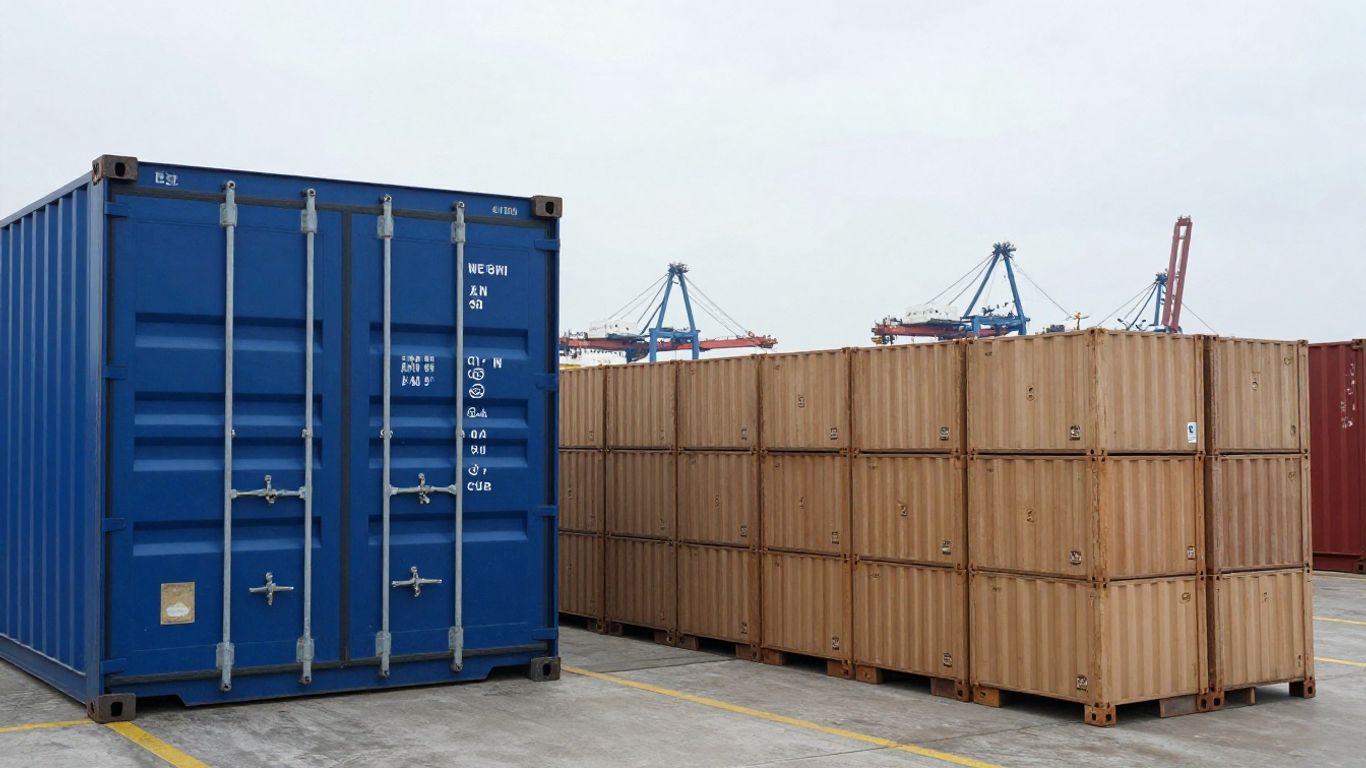
A full container load, or FCL, means the shipment uses a container without sharing its space with other customers’ cargo. It can be a fit when the volume justifies the container and you want to manage a larger, consolidated load as one shipment. Confirm container suitability, loading plans, and any destination restrictions before treating FCL as the default. A container that is not well matched to your cargo can leave you paying for unused space.
How less-than-container-load shipping affects cost and handling
LCL lets smaller shipments share container space, which may avoid booking a full container when your order is modest. The trade-off is that consolidation and deconsolidation add handling steps, and charges may depend on the cargo’s measured volume or weight. Request a breakdown that states what is included at origin and destination. For a clearer comparison, use a table like this to identify the main operational differences before reviewing actual quotes.
| Option | Often considered when | Practical point to check |
|---|---|---|
| FCL | Cargo volume supports a dedicated container | Container size, loading plan, and unused space |
| LCL | A shipment is too small to fill a container | Consolidation, handling, and minimum charges |
| Air freight | Delivery timing is a higher priority | Chargeable weight, route, and battery acceptance |
The table is a starting framework, not a price estimate: rates and service inclusions depend on the shipment and route. Compare the total bill and handling plan for each option, including delivery to the final receiving location. A sea freight comparison can help frame the broader cost-and-time trade-off, but vape cargo still requires product-specific acceptance checks.
Compare ocean and air freight using total delivery time
Transit time is only one part of the delivery calendar. Include supplier preparation, pickup, export processing, time waiting for the next departure, destination handling, customs, and final delivery. Air freight may reduce transport time on an eligible route, but cargo acceptance and documentation still need to be confirmed. For ocean freight, ask what schedule the quote assumes and avoid treating an estimated sailing date as a guaranteed arrival date.
Compare the full landed cost
A useful comparison starts with the cost of getting the goods from the supplier through to the place where you can receive and use or sell them. The ocean rate is only one line in that calculation; origin handling, destination fees, customs charges, and delivery can change the total. Request quotes based on verified cargo dimensions, weights, pickup and delivery points, and product details. That is more reliable than comparing headline rates built on different assumptions.
Include origin charges, ocean freight, and destination fees
Ask the forwarder to distinguish the ocean freight charge from fees at origin and destination. Depending on the agreed service, charges may include pickup, export handling, consolidation, port or terminal costs, documentation, and final delivery. Check whether the quote is port-to-port or includes additional legs. A vape shipping cost breakdown can help you think through the range of charges to ask about when comparing estimates.
Account for customs duties, taxes, and brokerage
Customs duty, tax, and brokerage depend on the product, destination, declared value, tariff classification, and import arrangement. Clarify who will act as importer of record and who is responsible for each import charge before the shipment departs. Check that the commercial invoice and packing list accurately describe the goods and agree with the physical cargo. A shipment file should stay focused on its actual contents; unrelated subjects such as a privacy policy, cataract lens implants, pet supplies, or aviation staffing have no place in cargo declarations.
Estimate the landed cost per unit before placing a bulk order
To estimate landed cost per unit, divide the expected total shipment cost by the number of sellable units, while keeping any non-freight import or handling charges in view. Use realistic figures for fees that vary, and note which assumptions could change after final measurements or customs review. This calculation helps compare shipment sizes and transport modes without mistaking an attractive freight quote for the whole cost. Keep a record of the assumptions so you can update the estimate when the supplier confirms final packing data.
Confirm product, battery, and import requirements
Transport acceptance and legal permission to sell are separate questions. A carrier may review whether it can move a particular shipment on a proposed route, while the destination market may impose its own import, labeling, product, and sales requirements. Confirm both before booking; neither should be inferred from a generic product category. This early review can also reveal whether missing records or unclear product details need to be resolved before cargo is ready.
Identify the vape product details needed for shipping review
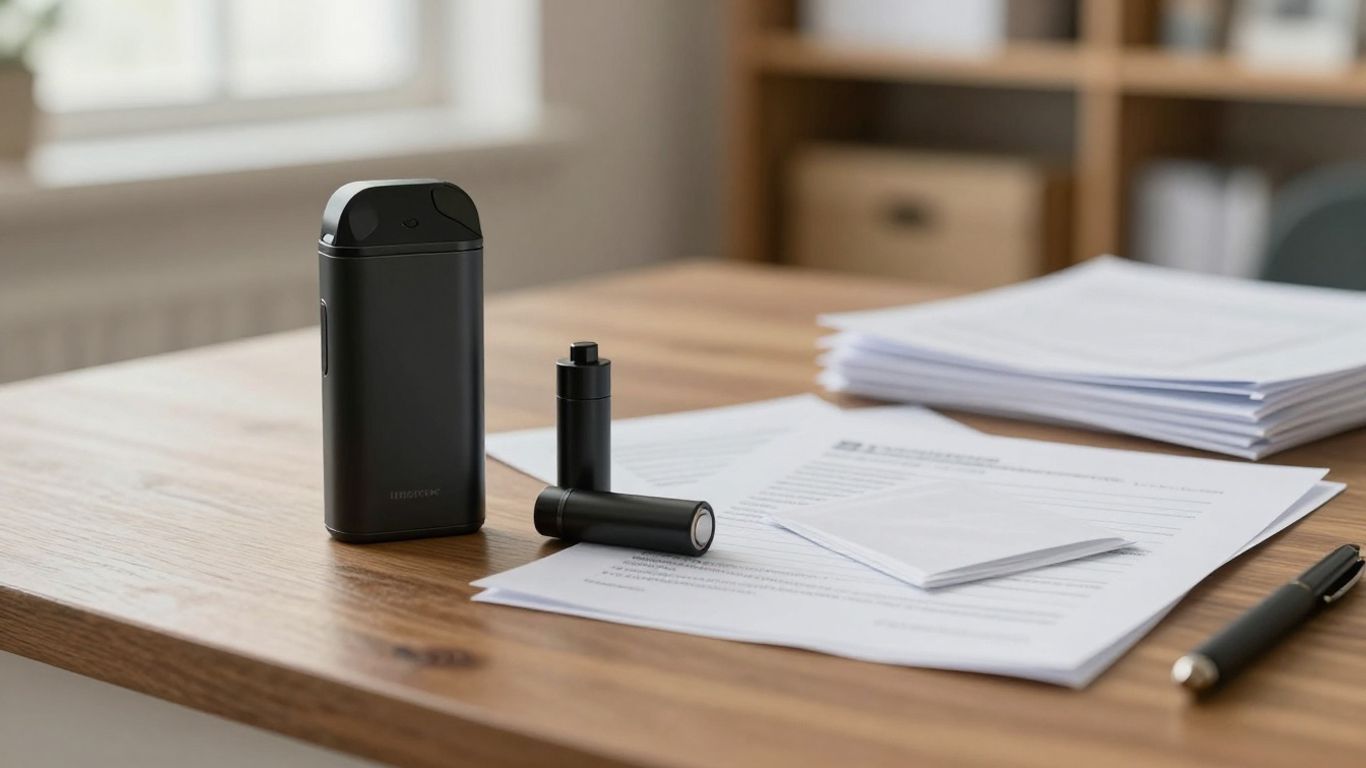
Prepare a description that matches the products being shipped, including the device type and configuration, whether liquid is present, and how batteries are supplied or installed. Include model details and carton quantities, and provide product documents requested by the carrier or forwarder. The more specific the information, the less likely a quote or acceptance decision is to rely on an incorrect assumption. A commercial vape freight overview also outlines why product types and route acceptance need to be considered together.
Check lithium battery classification and applicable transport rules
Battery requirements depend on factors such as chemistry, configuration, and whether batteries are installed in equipment or shipped separately. Ask the supplier for the applicable battery information and supporting documents, then have the forwarder and carrier review the proposed transport route. Do not assume that documents or acceptance for one mode automatically apply to another. Keep packaging and marking instructions specific to the cargo and the carrier’s requirements.
Verify import, labeling, and sales requirements in the destination market
Check the destination’s current rules for the exact vape product before production or dispatch, including any requirements that apply to its liquid contents, labeling, or sale. Requirements can differ between markets and product types, so general guidance is not a substitute for checking the rules that apply to your shipment. To keep the verification organized, gather the core facts in one place:
- Product model and device type
- Battery configuration and supporting information
- Liquid contents and relevant product details
- Destination, importer, and intended sales channel
Use those details to confirm the route and import plan with the relevant parties before shipping. If product eligibility remains unclear, resolve that question before cargo is handed over rather than relying on a transport booking as proof that the goods can be sold.
Prepare the shipment for ocean transport
Once product and import checks are underway, align the physical cargo, documents, and booking details. A mismatch between the goods and their paperwork can lead to questions, corrections, or delays, while packaging that is unsuitable for the cargo can create handling problems. Share the final carton data and instructions with the supplier, forwarder, and any consolidation warehouse. A little coordination before loading is usually easier than trying to correct missing details after the cargo has entered the shipping process.
Use packaging and marks approved for the specific cargo
Packaging and marks should follow the requirements established for the actual products, batteries, and route. Confirm how devices are secured and whether any liquid-bearing products need additional measures to prevent leakage. Do not assume that ordinary retail packaging is enough for transport. Ask the forwarder to confirm applicable instructions with the carrier before cartons are sealed and dispatched.
Assemble accurate commercial and transport documents
The commercial invoice and packing list should match the goods, quantities, values, and carton details. The forwarder may also need transport and product information to review export handling and carrier acceptance. Kunpeng Freight supports export handling and customs documentation, and can review documents early as part of coordinating the China-to-destination shipment flow. Keep the cargo description consistent across the paperwork, and resolve differences with the supplier before booking.
Confirm cargo readiness, container loading, and booking cutoffs
Confirm when goods will be packed and available for pickup, then work backward from the booking and cargo cutoffs supplied for the planned sailing. For FCL, agree who will load the container and how the loading details will be verified; for LCL, check the receiving warehouse’s cargo cutoff. Multiple suppliers may need coordinated pickup or consolidation before the shipment can be booked. Reconfirm the final dimensions, weight, and carton count once the cargo is ready so that the booking reflects what is actually moving.
Select a forwarder and manage the shipping timeline
A forwarder should be able to explain the proposed route, the service scope, and what information is still needed for a vape shipment review. Ask who is responsible for pickup, export paperwork, booking, destination coordination, customs support, and final delivery. Make sure the quote and responsibilities are clear before the supplier dispatches the goods. For businesses assessing exposure to global shipping bottlenecks, a realistic schedule and contingency plan matter as much as the planned sailing.
Ask how the forwarder handles vape and battery cargo
Ask whether the forwarder will review the exact product and battery details with the relevant carrier, and what documents or packaging information it needs before confirming a booking. A clear answer should distinguish a preliminary estimate from written acceptance for the proposed cargo and route. Also ask which costs are included and which responsibilities remain with you or your supplier. If any details are undecided, get a list of what needs to be confirmed before the cargo is released.
Track milestones from pickup in China through destination release
A visible timeline makes it easier to spot missing information while there is still time to address it. Track supplier readiness, pickup, warehouse receipt or consolidation, export handling, booking, departure, arrival, customs processing, and final delivery. Kunpeng Freight provides shipping coordination and updates as part of its broader freight service, while the specific milestones and timing depend on the route and shipment. Use the updates to confirm the next action and the person responsible, not only to note that cargo has moved.
Plan for inspections, port delays, and changes to sailing schedules
Build room into the inventory plan for inspections, port congestion, documentation questions, and schedule changes. Keep a contact at the supplier and importer available to respond if more information is requested, and avoid scheduling sales or production around an unconfirmed arrival date. If a delay would disrupt stock availability, consider whether a separate urgent shipment is workable for eligible cargo. Treat estimates as planning inputs and revise the plan when confirmed milestones change.
Conclusion
Ocean freight can make sense for a bulk vape order when its volume, timing, product configuration, and destination requirements align. Compare the full landed cost, confirm carrier acceptance and import rules, and keep documents and cargo details consistent. With those checks in place, you can choose FCL, LCL, or another mode based on the shipment you actually have—not only the quoted freight rate.
Frequently Asked Questions
Is sea freight suitable for every vape product?
No. Acceptance depends on the exact product, battery and liquid configuration, route, carrier policy, and destination requirements. Confirm these details before booking.
Should I choose FCL or LCL for a vape order?
FCL may fit cargo volume that supports a dedicated container, while LCL can suit smaller shipments sharing container space. Compare handling, charges, and delivery needs using actual cargo measurements.
Is ocean freight always less expensive than air freight?
Not necessarily. The full comparison depends on shipment size, route, minimum charges, handling, destination fees, and how quickly the goods need to arrive.
What details should I give a forwarder for a quote?
Provide the product type, battery and liquid details, carton count, dimensions, gross weight, pickup location, destination, and requested delivery scope. Accurate details support a more meaningful estimate and review.
Does carrier acceptance mean the products can be sold in the destination market?
No. Transport acceptance and market eligibility are separate. Verify import, labeling, and sales requirements for the destination and exact product.
What costs should I include in a landed-cost estimate?
Consider pickup and origin handling, ocean freight, destination and delivery charges, customs duties, taxes, and brokerage. Confirm which items are included in the quote and who is responsible for them.
How much time should I allow for ocean shipping?
Allow for supplier readiness, pickup, booking, ocean transit, destination handling, customs, and final delivery. Schedules can change, so use route-specific estimates with a buffer rather than relying on a fixed arrival date.