
Key Takeaways
Sourcing tumblers from a Yongkang vacuum flask factory can work well when product verification and freight planning are handled together.
- Treat 304 stainless steel as a specification to verify, not a marketing phrase.
- Compare suppliers by equipment, testing, samples, communication, and production control.
- Approve a detailed product brief and pre-production sample before bulk manufacturing.
- Calculate landed cost with packaging, inspection, duties, and freight included.
- Match shipping mode, Incoterms, documents, and insurance to the actual cargo.
Why source from a Yongkang vacuum flask factory
Yongkang is widely associated with stainless steel drinkware and related hardware production. For an importer, the practical benefit is access to suppliers, tooling resources, finishing services, and packaging partners in one manufacturing area. That concentration can simplify development, but it does not remove the need for careful qualification. A factory location is a starting point, not proof of quality or export readiness.

Yongkang’s role in China’s drinkware manufacturing cluster
The local manufacturing ecosystem includes factories making vacuum flasks, tumblers, travel pots, coffee pots, auto mugs, and office cups, alongside companies handling forming, welding, polishing, coating, and assembly. This proximity may make sample revisions more practical than working with a scattered supply base. Buyers should still confirm which processes are performed in-house and which are subcontracted.
A useful overview of the regional supply chain is this Yongkang drinkware sourcing guide, which connects supplier evaluation with specifications, customization, inspections, and shipping decisions. Reading the manufacturing discussion alongside freight planning helps prevent a common mistake: choosing a product before understanding how it will be packed and exported.
Product categories available from local suppliers
Local suppliers may offer double-wall vacuum bottles, insulated tumblers, tea flasks, coffee cups, sports bottles, and gift-oriented drinkware. The same basic body can often be paired with different lids, handles, coatings, capacities, and branding treatments. Ask for a current catalog, but use it only to identify possibilities; the final specification should be written separately for your project.
Some suppliers specialize in a narrow group, while others coordinate several product lines through partner factories. Confirm the actual producer for each requested model, especially when the quotation includes custom tooling, unusual finishes, or several lid components.
Advantages for private-label and wholesale buyers
Private-label buyers can benefit from local access to color matching, logo application, packaging development, and repeat production. Wholesale buyers may value standard models with established tooling and shorter development work. In both cases, the commercial advantage comes from matching the product to a realistic order quantity rather than requesting every available option.
A disciplined brief also makes quotation comparison easier. Include capacity, steel grade, wall construction, lid materials, coating, logo method, carton details, and destination market requirements before asking for a final price.
Risks of relying on factory claims without verification
Supplier descriptions can blur the difference between a factory, a trading company, and a production coordinator. Claims about steel grade, insulation, certifications, and monthly capacity should therefore be checked against samples, records, and observed operations. Written confirmation is useful, but it is not a substitute for testing.
Background research can also be misleading when unrelated supplier pages are treated as endorsements. For example, Synergy Oviedo Chiropractic concerns community health programs rather than drinkware manufacturing, so it illustrates why buyers should verify that a source actually matches the purchase decision. The same discipline applies to supplier catalogs and certificates.
How to evaluate 304 stainless steel tumblers
A good tumbler assessment starts with material, but it should end with the complete user experience. Capacity, heat retention, drinking comfort, leakage resistance, odor, appearance, and packaging all affect whether the item performs in its target market. Ask suppliers to provide measurable specifications rather than general descriptions. Written acceptance criteria give both sides a clearer basis for approval.

Understanding 304 stainless steel and food-contact safety
304 stainless steel is commonly selected for food-contact drinkware because of its corrosion resistance and suitability for many beverage applications. The grade should be stated for the relevant component, particularly the interior that contacts the beverage, and supported by material documentation or testing where required. Do not assume that a 304 claim covers every metal part, coating, or accessory.
Food-contact compliance also depends on the destination market, inks, coatings, plastics, and silicone components. Ask which tests were performed, by whom, under what standard, and for which exact model. A report for a similar-looking product may not apply to the item being ordered.
Comparing insulation performance, capacity, and lid designs
Insulation performance should be measured using an agreed method, starting temperature, ambient conditions, test duration, and acceptable temperature range. Capacity should be checked by filling the finished product, since the nominal volume may differ from usable volume after the lid and inner structure are included.
Lid design deserves equal attention. Review thread engagement, hinge strength, drinking openings, venting, straw compatibility, and cleaning access. A lid that performs well in a sample may still create complaints if its seal is difficult to fit or if its opening is uncomfortable during ordinary use.
Checking welds, coatings, seals, and odor resistance
Inspect the interior and exterior welds for consistency, sharp edges, pinholes, discoloration, and incomplete joining. Coatings should be checked for color consistency, adhesion, scratches, and resistance to the cleaning method expected in the market. Silicone seals should sit evenly and remain secure after repeated opening and closing.
Odor testing is simple but useful. Wash samples according to the proposed care instructions, fill them with water or a mild beverage, and check for residual smell after storage. Repeat the test with several samples because one clean unit does not establish batch consistency.
Matching tumbler specifications to the target market
A commuter tumbler, outdoor bottle, promotional gift, and office cup may share a body shape while requiring different specifications. Consider local drinking habits, cup-holder dimensions, dishwasher expectations, climate, retail packaging, language requirements, and applicable compliance rules. Market fit is often determined by small details such as grip, weight, lid operation, and cleaning instructions.
Set priorities before requesting revisions. For one buyer, leak resistance may matter most; for another, a low package volume or a particular coating may have greater commercial value. The factory should know which requirements are mandatory and which are negotiable.
How to identify and qualify a reliable supplier
Supplier qualification is a staged process rather than a single document check. Start with the company’s legal identity and manufacturing address, then examine equipment, staff, quality systems, samples, and export communication. Keep records of names, dates, documents, and promised actions. This creates an evidence trail when several suppliers appear similar.
Confirming factory capability and production equipment
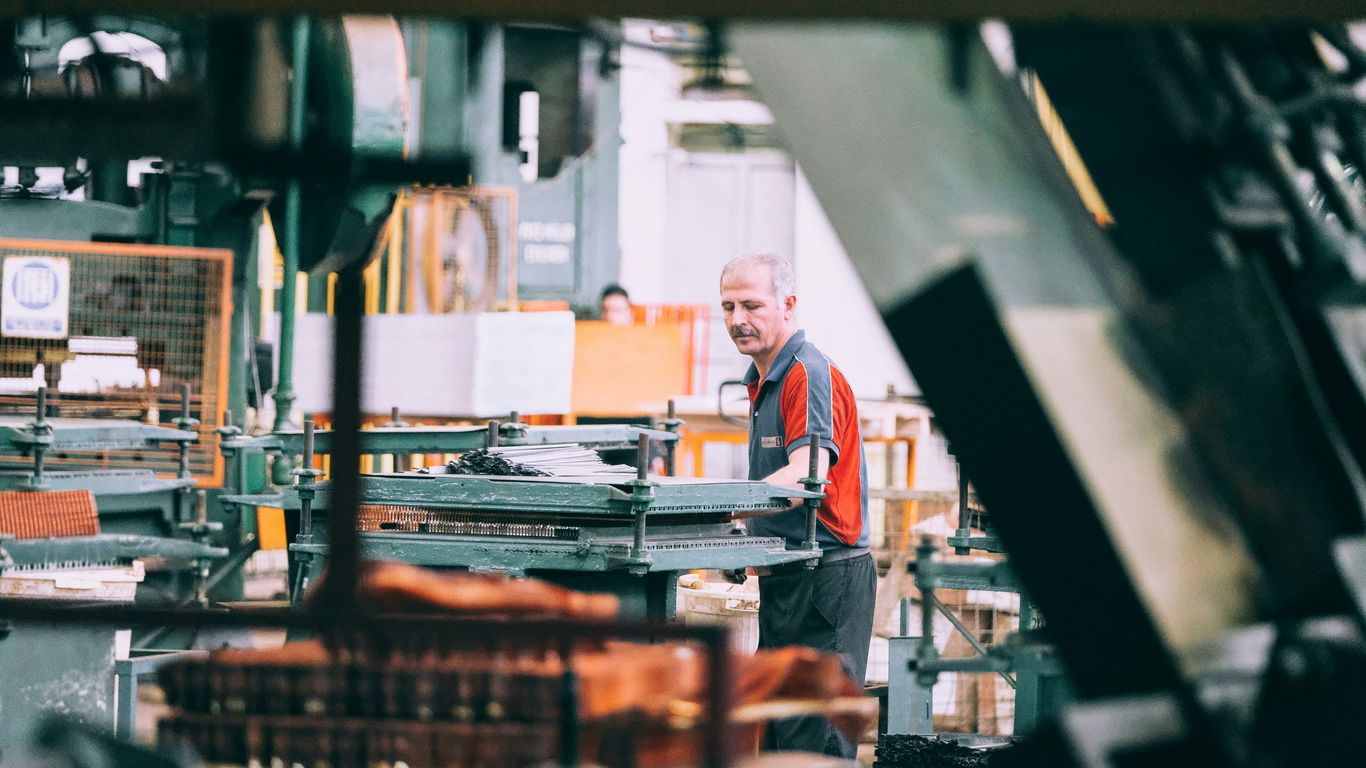
Ask for a video call or visit showing forming, welding, polishing, coating, assembly, inspection, and packing areas. The aim is not to collect impressive photographs; it is to establish whether the supplier can repeat the requested process at the planned volume. Ask which equipment is owned, which work is outsourced, and how production is scheduled.
Capacity should be discussed in relation to your model, not as a broad monthly number. A supplier may have ample total output but limited experience with a particular lid, finish, or custom shape. Request examples of comparable work and ask how tooling changes are recorded.
Reviewing certifications, testing reports, and compliance documents
Check the issuing laboratory, report date, product identification, tested materials, and destination-market standard. Confirm that the model number, color, coating, lid, and packaging in the documents correspond to the goods you will buy. If the supplier provides only a certificate logo, request the underlying report.
A useful document review also covers commercial paperwork, carton information, product markings, and any declarations needed for import. Research sources should be kept separate from evidence: a general China supplier research archive can help frame questions, but it does not replace model-specific verification.
Assessing minimum order quantities and sample policies
Minimum order quantity affects tooling recovery, unit price, packaging, and cash flow. Ask whether the minimum applies per color, per logo, per capacity, or per shipment. Clarify sample charges, courier costs, refundable deposits, revision limits, and the expected sample lead time before approving development.
Samples should be labeled and retained as reference units. If the supplier changes steel, lid parts, coating, or packaging after approval, require a revised sample or documented written approval. This prevents a low-cost development sample from becoming an unapproved bulk variation.
Using factory audits and reference checks before ordering
An audit should examine identity, production flow, material control, quality records, labor and safety conditions, storage, packing, and finished-goods release. Reference checks can add context, but ask specific questions about consistency, communication, corrective actions, and repeat orders rather than accepting a general recommendation.
When a supplier declines reasonable verification or repeatedly changes basic answers, pause the order. Price alone rarely compensates for uncertainty about ownership, process control, or accountability.
Managing product development and quality control
Quality control begins before manufacturing, when the buyer defines what “acceptable” means. A product brief, approved sample, inspection plan, and packaging artwork should form one connected record. This reduces interpretation problems between sales staff, production teams, inspectors, and freight handlers. It also makes later claims easier to assess.

Defining specifications in a detailed product brief
Include drawings or clear photographs, dimensions and tolerances, capacity, net weight, steel grade, wall construction, lid materials, seal details, coating, logo position, color reference, care instructions, and packaging requirements. State the tests required for leakage, insulation, coating adhesion, odor, and appearance.
For custom work, identify the approval owner and revision procedure. A brief that says “premium quality” is open to interpretation; a brief that defines the measurable and visible requirements gives the supplier something that can be checked.
Reviewing prototypes, samples, and pre-production approvals
Review samples under normal use, not only under showroom lighting. Fill and carry the tumbler, open the lid repeatedly, wash it, inspect the seal, and compare dimensions against the brief. Photograph approved details and mark the sample with a date or reference code.
Before bulk production, ask for confirmation that materials, tooling, artwork, and packaging match the approved version. If a change is unavoidable, document its effect on performance, cost, and timing before production continues.
Setting inspection criteria for appearance and performance
An inspection plan should separate critical, major, and minor defects. Critical issues may include contamination, sharp edges, or a dangerous component; major issues may include leakage, failed insulation, incorrect capacity, or serious coating defects. Agree on sampling levels and defect limits with the supplier and inspector before the goods are finished.
A practical release process may include these checks:
- Confirm quantity, model, color, and carton counts.
- Measure dimensions, weight, capacity, and selected functional results.
- Examine welds, coating, logos, seals, lids, and internal cleanliness.
- Photograph defects and record carton or batch references.
The inspection report should lead to a clear decision: release, rework, hold, or additional testing. Sharing findings promptly gives the factory time to correct issues before the cargo is collected.
Controlling packaging, labeling, and private-label details
Packaging must protect the tumbler while remaining suitable for storage, retail handling, and freight. Confirm inner protection, carton strength, unit orientation, carton dimensions, gross weight, marks, barcodes, country-of-origin information, and any destination-specific labeling.
Private-label artwork should be approved separately from the product sample. Check spelling, colors, logo size, placement, warning text, care instructions, and barcode readability. The final packing list should reflect the actual carton configuration, not an early estimate.
Building a cost-effective sourcing and pricing plan
A unit quotation is only one part of the buying decision. The commercial plan should combine product cost, development expenses, inspection, inland movement, freight, duties, brokerage, storage, and final delivery. These figures change with volume, route, season, and cargo dimensions. Build the model around real carton data as soon as samples are available.
Breaking down product, tooling, packaging, and inspection costs
Request separate prices for the tumbler, lid, seal, coating, logo, tooling, sample, packaging, testing, inspection, and any setup charges. Ask whether tooling remains usable for future orders and whether a change in design creates a new charge. This detail matters when comparing a standard product with a private-label version.
Inspection and packaging are not cosmetic extras. A small inspection charge can identify a shipment-wide defect before export, while stronger packaging may reduce damage and repacking work. Include both in the landed-cost model rather than treating them as unexpected deductions from margin.
Comparing quotations on a like-for-like basis
A lower quote may exclude a logo, individual boxes, export packing, testing, or a particular lid. Normalize every quotation to the same product brief, quantity, packaging, payment terms, delivery point, and documentation assumptions. Then compare the total commercial exposure, not just the factory unit price.
| Cost element | Question to confirm | Why it matters |
|---|---|---|
| Product | Which materials and components are included? | Prevents specification gaps |
| Packaging | Is retail and export packing included? | Affects damage risk and carton volume |
| Inspection | Who checks the goods and when? | Influences release confidence |
| Freight | Which route, mode, and delivery scope apply? | Changes landed cost and responsibility |
After normalizing the offer, ask the supplier to confirm exclusions in writing. That short step often explains why two apparently similar quotations produce different margins.
Planning order quantities, lead times, and cash flow
Order quantity should reflect expected sales, minimums, shelf life of packaging, storage capacity, and the cost of tying up cash. Separate development time, production time, inspection time, pickup, export handling, and transit when building the schedule. Carrier availability and customs processes can add variables that are outside the factory’s control.
Use a milestone calendar with deposit, sample approval, production start, inspection, balance payment, cargo-ready date, pickup, booking, and document release. The calendar should be shared with the supplier and logistics provider so a finished order does not wait for a missing booking or document.
Avoiding hidden costs that reduce landed margins
Check for tooling revisions, low-volume color charges, carton upgrades, storage, destination handling, customs examinations, duties, taxes, demurrage, delivery appointments, and currency changes. Also confirm whether the quoted freight is based on actual or estimated weight and volume.
For smaller orders from multiple suppliers, consolidation may improve practical efficiency, but it introduces additional receiving, counting, storage, and coordination work. Cost-efficient does not always mean the lowest line-item freight rate; it means understanding the full chain.
Choosing international shipping solutions from Yongkang
Shipping decisions should follow the cargo profile and delivery requirement. Tumbler shipments are generally non-hazardous, but their volume, retail packaging, declared value, and destination rules still affect the best route. Obtain actual carton count, dimensions, gross weight, pickup address, cargo-ready date, and delivery address before requesting a firm comparison.
A forwarder can coordinate supplier pickup, cargo inspection, consolidation, export handling, and final delivery, but each responsibility should be stated clearly. Request a shipping quote only after the core cargo details are ready, or send the information available and identify what remains unknown.
Comparing sea freight, rail, air, and express delivery
Sea freight is often considered for larger, less urgent shipments, while air and express services may suit samples, replenishment, or time-sensitive stock. Rail and road options depend on the destination, available routing, border conditions, and cargo requirements. Transit estimates are subject to carrier schedules, port operations, customs, and inspections.
| Mode | Typical fit | Main trade-off |
|---|---|---|
| Sea | Larger planned shipments | Lower transport cost may come with longer transit |
| Rail | Certain inland or cross-border routes | Route and service availability vary |
| Air | Urgent or higher-value cargo | Higher cost and dimensional-weight sensitivity |
| Express | Samples and small parcels | Convenient, but limited for larger commercial volumes |
Compare the complete service scope for each option. Pickup, export clearance, destination handling, duties, and final delivery may be quoted separately, so the mode label alone is not enough.
Selecting suitable Incoterms for different buyer needs
Incoterms define where responsibility, cost, and risk transfer between seller and buyer. They do not by themselves settle every customs, product compliance, or payment question. Confirm the named place, export responsibility, import responsibility, insurance expectations, and delivery scope in the purchase documents.
A buyer with an established import team may prefer greater control over freight, while a buyer needing coordinated delivery may request a broader service arrangement. The right choice depends on experience, destination requirements, and the ability to manage each handoff.
Preparing export documents and customs information
Prepare the commercial invoice, packing list, purchase information, transport details, and any required certificates or declarations. Product descriptions should be specific enough for classification and consistent across documents. Confirm HS-code assumptions with the customs professional or importer responsible for the destination.
The packing list should show carton quantity, dimensions, gross and net weight, and contents. If multiple suppliers are consolidated, maintain receiving records so each carton can be traced to its supplier and purchase order.
Protecting shipments through packaging and cargo insurance
Use dividers, sleeves, protective bags, and suitable outer cartons according to the product’s finish and transport route. Confirm whether cartons can be stacked and whether palletization is required at the destination. Photograph cargo condition and carton marks at pickup or consolidation.
Insurance terms should be reviewed before dispatch, including covered risks, exclusions, claim deadlines, evidence requirements, and declared value. Good packaging and insurance serve different purposes: packaging reduces exposure, while insurance addresses eligible losses after an incident.
Creating a dependable long-term supply process
A repeatable process turns a successful first order into a manageable supply program. Keep the approved specification, inspection standard, artwork, carton data, supplier contacts, and shipping instructions in one controlled record. Review changes before they reach production. This is especially useful when seasonal demand creates pressure to reorder quickly.
Coordinating production schedules with freight bookings
Set the cargo-ready date only after the supplier confirms production capacity and packaging completion. Share the likely booking window early, then update the carrier or forwarder when quantity and dimensions are confirmed. A shipment should not be treated as ready merely because the product is assembled; cartons, documents, inspection, and balance-payment arrangements must also be complete.
Kunpeng Freight can coordinate supplier pickup, cargo inspection, consolidation, export handling, and final delivery as part of a China-to-destination workflow. The practical value is keeping handoffs visible: who has the cargo, what has been checked, and which document or booking milestone comes next.
Tracking quality, delivery, and supplier performance metrics
Track defect rates, inspection results, on-time production, document accuracy, carton variance, freight discrepancies, and response times. These measures should be reviewed by order and by supplier, not remembered informally. A recurring minor issue may reveal a process weakness before it becomes a major claim.
Freight performance also benefits from records of pickup timing, warehouse receipt, booking confirmation, export release, departure, arrival, customs status, and final delivery. Updates are more useful when they identify the next action and the responsible party.
Planning replenishment orders and seasonal demand
Use sales history, promotional calendars, production lead time, freight variability, and safety stock to plan replenishment. Place repeat orders early enough to allow for sample or artwork changes, factory holidays, peak shipping periods, and destination storage limits. Avoid ordering purely from a previous season’s volume if the product mix or market has changed.
Keep a small reserve of approved packaging materials or confirm that the supplier can reproduce them consistently. Replenishment is easier when the specification and artwork are controlled, rather than recreated from old email attachments.
Resolving defects, delays, and warranty claims efficiently
When a problem occurs, record the affected model, batch, carton, quantity, photographs, inspection evidence, and customer impact. Separate confirmed facts from assumptions and request a corrective-action plan with an owner and deadline. Possible remedies include rework, replacement, credit, additional inspection, or changes to the next production run.
Kunpeng Freight can assist with cargo information and shipment coordination, while product remedies remain a matter between buyer and supplier unless separately agreed. Clear responsibility prevents a freight delay, manufacturing defect, and destination claim from becoming one confused dispute.
Conclusion
Sourcing from a Yongkang vacuum flask factory is most reliable when product definition, supplier verification, inspection, landed-cost planning, and international freight are treated as one connected workflow. Verify the 304 specification, approve the finished sample, document carton details, and choose transport according to volume and urgency. With each handoff recorded, repeat orders become easier to control and easier to improve.
Frequently Asked Questions
Why is Yongkang associated with vacuum flask manufacturing?
Yongkang has a concentrated stainless steel and hardware manufacturing ecosystem that supports drinkware production, tooling, finishing, assembly, and related services.
What should a buyer verify about 304 stainless steel?
Confirm which components use 304 stainless steel and request material documentation or relevant food-contact testing for the exact product being ordered.
How can I compare two tumbler factories fairly?
Give both suppliers the same product brief, quantity, packaging requirements, testing expectations, delivery terms, and documentation requirements before comparing their quotations.
What should a tumbler sample test include?
Check dimensions, usable capacity, leakage, lid operation, insulation performance, odor, welds, coating adhesion, cleaning, and overall appearance under normal use.
Which shipping mode is best for tumblers?
The suitable mode depends on volume, urgency, route, carton dimensions, budget, destination handling, and whether the shipment is a sample, replenishment order, or larger commercial load.
What documents are commonly needed for export?
Commercial invoices, packing lists, transport information, and any required certificates or declarations are commonly involved, but exact requirements depend on the goods and destination.
How can a buyer reduce problems on repeat orders?
Keep an approved specification and sample, use consistent inspection criteria, record supplier performance, confirm changes in writing, and coordinate production with freight and document milestones.