
Key Takeaways
International vape shipments require separate checks for destination rules, product details, carrier acceptance, and customs documentation. A shipment that clears one checkpoint may still be stopped at another.
- Confirm that the specific product may be imported and sold in the destination market.
- Record device, liquid, and battery details before requesting a freight quote.
- Check registration, packaging, labeling, and importer obligations early.
- Obtain carrier acceptance for the cargo and route before booking.
- Budget for duties, taxes, brokerage, inspections, storage, and possible returns.
Can you ship vapes internationally? Start with destination-country rules
The short answer is sometimes, but there is no single international rule that makes every vape shipment acceptable. The destination country may regulate import, retail sale, product design, and nicotine content separately, while the origin country and carrier add their own restrictions. For commercial importers, destination eligibility comes first: freight planning cannot make a prohibited product legal. So, can you ship vapes internationally? Only after the product, market, importer, and route have been checked together.
Check whether the product is legal to import, sell, and distribute
Begin with the exact destination market, including any national and local requirements that apply to your intended sales channel. A product may be allowed to enter under one set of conditions but still be ineligible for commercial sale, or require a licensed importer or advance authorization. Verify the rules with the relevant authorities or qualified local advisers, and keep a record of the source and date of each check. A freight guide on vape dangerous-goods requirements can help identify transport questions, but it does not replace an import decision from local authorities.
Distinguish rules for disposable vapes, refillable devices, and e-liquids
Regulators and carriers may treat a complete disposable device differently from a refillable device, replacement pod, or bottle of e-liquid. The contents matter: a product may combine an electronic device, a battery, and liquid, each with separate handling or documentation considerations. Describe the actual configuration instead of relying on a broad label such as “vape products.” This distinction also helps you compare shipment requirements consistently across suppliers and product lines.
Verify restrictions on nicotine content, flavors, and product features
Check the applicable rules for nicotine strength, flavor, liquid volume, tank or pod design, and any other regulated product feature. Requirements can vary by market and can change, so do not assume a product accepted in one country will qualify in another. Keep the specification sheet aligned with the physical product, including the liquid composition and device model. If a product has multiple versions, check each one rather than applying a single approval to the whole range.
Confirm age limits, sales channels, and licensing requirements
Commercial imports may be subject to age-verification rules, restrictions on online or other sales channels, and licensing or registration duties for the importer. These are business requirements as well as product questions: confirm who is permitted to import and distribute the goods before placing an order. In the United States, for example, postal and customs restrictions should be checked directly rather than inferred from a general shipping article; see the international mailing restrictions for a starting point on mail rules. Confirm the current destination requirements with the responsible authority before dispatch.
Classify the products before booking a shipment
Once the destination market is clear, document exactly what the shipment contains. Customs descriptions, battery details, and liquid information help carriers and brokers assess the cargo; vague descriptions can slow that review or produce an inaccurate declaration. Kunpeng Freight coordinates supplier pickup, cargo inspection, and consolidation, which can help importers verify shipment details before export handling. The vape customs clearance guide provides another useful reference for matching cargo information to import paperwork.
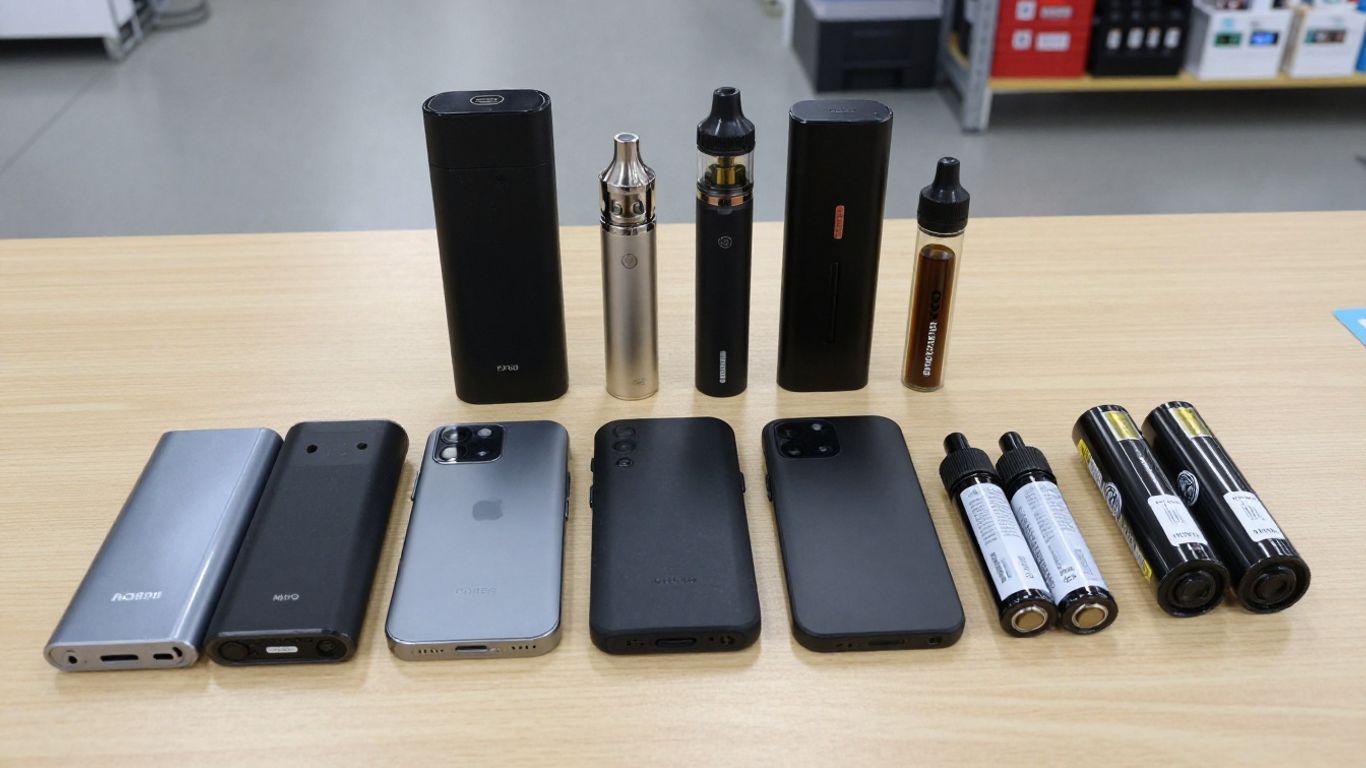
Identify the device, e-liquid, and battery components
Build a product-level record showing whether each item is a disposable vape, a refillable device, a pod, a cartridge, or e-liquid. Note whether a battery is installed, packed with the device, or shipped separately, and collect its chemistry and capacity details from the supplier. For liquids, record ingredients and volume as shown in the product documentation. These details let a broker or carrier review the actual cargo rather than guess from a product name.
Determine applicable customs tariff codes and product descriptions
Tariff classification depends on the goods and the importing jurisdiction, so do not select a code from a similar product listing without checking. Ask a customs broker or the relevant authority to confirm the tariff code, and use a clear description that matches the item, materials, and function. The following comparison is a starting point for gathering facts, not a substitute for a formal classification decision.
| Product type | Details to record | Classification question |
|---|---|---|
| Disposable device | Device format, battery, and liquid contents | How is the complete device treated in the destination market? |
| Refillable device | Hardware, battery configuration, and included accessories | Is the device classified separately from its consumables? |
| E-liquid or refill | Ingredients, nicotine status, and volume | Do liquid composition or nicotine rules affect the declaration? |
Use the table to organize supplier data before a broker reviews it. If a shipment combines several categories, list them separately on internal records and ensure the final customs documents accurately reflect the packed goods.
Check whether lithium batteries trigger dangerous-goods requirements
A vape containing a lithium battery may be subject to transport rules that depend on battery chemistry, capacity, configuration, mode, and route. Ask the supplier for the battery specifications and applicable test documentation, then have the carrier or a qualified dangerous-goods provider confirm what applies. Requirements are not interchangeable across air, ocean, road, or rail transport. A battery description that is incomplete or inconsistent with the product can delay acceptance.
Ask authorities or a customs broker to resolve unclear classifications
When product features do not fit a straightforward category, seek a written classification view before shipment. A customs broker can advise on tariff treatment and entry documentation, while the relevant regulator can clarify product eligibility or market rules. Keep their responses with the product file and make sure the answer addresses the exact model and destination. If the classification is still uncertain, pause booking rather than building a shipment around an assumption.
Meet product registration, labeling, and compliance requirements
Transport acceptance and product compliance are different tests. A carrier may agree to move cargo even though the goods are not registered or labeled for sale in the destination market. Check the product and importer obligations before manufacturing or dispatch, because packaging changes and approvals can affect timing and cost. Keep the documents tied to specific models and versions so an approval for one item is not mistakenly applied to another.
Gather required safety tests and technical documentation
Request the product specifications, applicable test reports, battery information, and any supporting safety documentation from the supplier. Check that the model numbers, manufacturer details, and test documents correspond to the goods you intend to import. Where battery documentation is needed, confirm that it covers the battery type and configuration actually shipped. A document with a similar product name is not enough if the underlying design or manufacturer differs.
Check packaging, language, health warnings, and ingredient disclosures
Review the packaging requirements for the destination, including language, warnings, ingredient disclosures, and any required product information. Compare the final artwork with the product formulation and technical records; labels that describe a different version can create compliance problems. Ask the local importer or regulatory adviser to confirm required wording and placement. Build time into the order process for label review, printing, and any necessary rework.
Confirm registrations, certifications, and importer responsibilities
Determine whether products must be registered or certified before import or sale, and identify which party is responsible for each filing. A factory’s statement that a product is “compliant” does not establish that the importer has completed all local obligations. Assign an owner and due date for each requirement, and retain evidence of submissions or approvals. If a local license or importer registration is needed, confirm it is active before goods leave the supplier.
Match product claims and marketing materials to local regulations
Claims on packaging, product pages, and advertising may be regulated separately from technical product specifications. Review claims about ingredients, performance, or intended use against local rules and the product evidence supporting them. Avoid carrying marketing language from one market into another without review. This is particularly important when a single product range has localized packaging or different formulations.
Choose a shipping method and carrier that will accept the cargo
The shipping method should fit the cargo details, route, volume, urgency, and destination requirements. Air, ocean, rail, road, and express services can differ in transit time, cost structure, and acceptance rules; the service name alone does not confirm that vapes are eligible. Kunpeng Freight coordinates air, sea, rail, road, and express shipping for goods moving from China, with the choice depending on shipment specifics. For an overview of shipping vapes from China, compare the operational requirements before selecting a route.
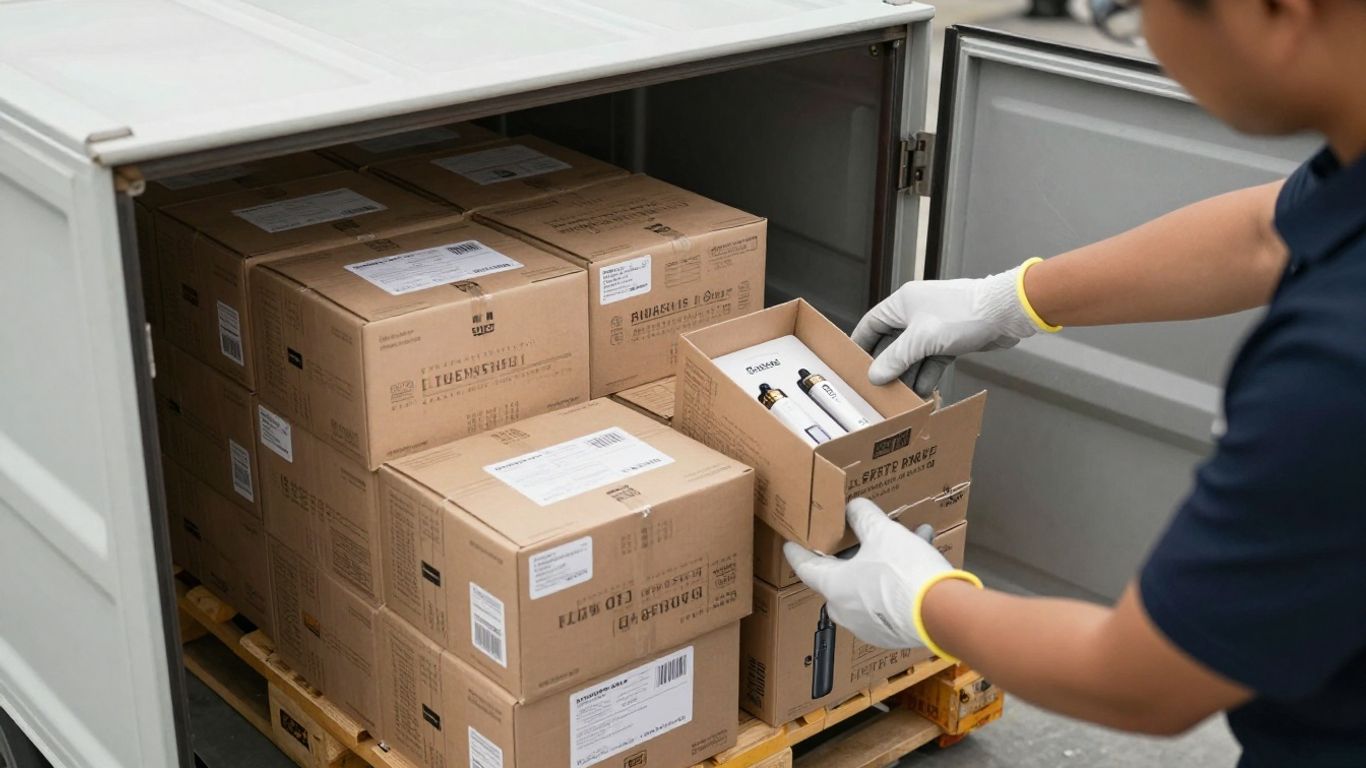
Compare air, ocean, and express options for cost and transit time
Compare the full delivery plan rather than the headline transit estimate. Air or express may suit urgent or smaller cargo when the carrier accepts the goods, while ocean freight may be considered for larger shipments with more flexible inventory timing. Actual schedules depend on route, carrier capacity, handling, and customs processing. Kunpeng Freight can coordinate the available mode options and shipment flow from supplier handover through delivery, but the appropriate choice depends on your cargo and priorities.
Confirm carrier policies for vapes, nicotine products, and batteries
Get acceptance confirmation for the exact product, battery configuration, liquid contents, origin, destination, and route before booking. Carrier policies can differ even where a shipment appears permissible under general transport rules. A compact pre-booking check can make the request more useful:
- Identify device type, nicotine status, and liquid volume.
- Provide battery chemistry, capacity, and installation status.
- State the origin, destination, route, and requested transport mode.
- Ask for written confirmation of service availability and required documents.
Use the response to finalize the booking and document any conditions the carrier sets. If details change, such as battery configuration or destination, seek confirmation again rather than assuming the earlier approval still applies.
Follow packaging and handling rules for lithium batteries
Follow the carrier’s applicable packing, marking, and handling instructions for the battery classification and transport mode. Packaging should protect the goods from damage and, where relevant, prevent accidental activation or leakage. Do not rely on a generic parcel-packing guide for regulated cargo; confirm the requirements for the particular product and route. Make sure the package contents and shipping documents describe the same configuration.
Plan for route restrictions, inspections, and seasonal delays
A route may be unavailable for a particular cargo type, or it may require additional handling and review. Customs inspections and carrier schedules can also affect arrival, especially around peak periods. Allow contingency time in your inventory plan and ask which route alternatives are feasible if the first option cannot accept the shipment. Confirm the service scope and expected milestones before goods are handed over.
Prepare customs paperwork and calculate landed costs
Accurate documents connect the supplier’s cargo to the carrier booking and import declaration. Product names, quantities, values, and battery details should agree across the commercial invoice, packing list, and supporting records. Kunpeng Freight provides import paperwork assistance and customs documentation support as part of its coordination of international shipments from China. For country-specific work, confirm the required entry documents and importer details with your broker or local authority.
Provide accurate commercial invoices and packing lists
The commercial invoice should describe the goods clearly and state the correct quantities and values. The packing list should match the actual cartons and contents, including the way different devices, liquids, or accessories are packed. Avoid broad descriptions that conceal product type or omit battery and liquid details where they are requested. Review both documents against the final cargo inspection and supplier records before export.
Include permits, certificates, and battery documents when required
Attach permits, registrations, certificates, and battery documents when the destination, carrier, or transport mode requires them. Confirm that every document applies to the product model and shipment configuration, and that the names and quantities match the commercial paperwork. A document should support the relevant requirement; it is not a universal shipping permit. Send the carrier or broker the complete file early enough to resolve discrepancies before dispatch.
Assign responsibility for duties, taxes, and customs clearance
Agree in advance who will pay duties and taxes, arrange customs clearance, and provide any importer identification or permits. Incoterms can help define responsibilities between buyer and seller, but they do not remove the importer’s legal obligations in the destination market. Make sure the parties understand who will respond if customs requests more information. Written responsibilities reduce the risk of a shipment arriving with no clear party prepared to act.
Budget for brokerage, inspections, storage, and possible returns
A freight quote is only one part of the landed cost. Include duties, taxes, brokerage, handling, inspection charges, storage if clearance is delayed, and the cost of returning or disposing of cargo if entry is refused. Request an itemized quote based on verified product and cargo details, and ask which charges are estimates or route-dependent. The final cost can change when actual weight, volume, inspections, or carrier requirements differ from the information used to quote.
Build controls for repeatable, compliant importing
A one-time approval does not automatically cover later orders, product revisions, or new destinations. Keep a controlled record for each model and shipment, with a clear owner for regulatory checks, booking, documents, and exception handling. For a business importing from several suppliers, a consistent workflow can make missing information visible before cargo is ready. Treat every material change as a reason to review the relevant steps again.
Screen suppliers and verify product documentation before purchase
Check that suppliers can provide complete specifications, consistent model identification, and the documentation required for your product and destination. Compare samples or production records with the version intended for shipment, particularly when private-label packaging or a revised battery is involved. Keep a short evidence trail showing what was checked and by whom. Broader company research may cover unrelated topics such as warehouse construction, ABA therapy, Poly Shield Coatings, slab leak repair, or bat removal; keep those resources separate from product compliance records.
Check rules again when products, routes, or regulations change
Review requirements when you add a flavor, alter nicotine content, switch device models, change suppliers, or ship to a new market. Recheck carrier rules if the route or transport mode changes, too. A previous shipment’s acceptance is useful history, not proof that a later shipment meets current rules. Make the date and scope of each review visible in the product file.
Track shipment milestones and retain records for audits
Record supplier handover, cargo inspection, booking confirmation, export documentation, departure, arrival, and customs progress. Keep copies of invoices, packing lists, permits, carrier approvals, and any broker correspondence with the shipment record. Kunpeng Freight coordinates supplier pickup, cargo inspection and consolidation, export handling, documentation support, and final delivery, while shipment records help the importer follow each handoff. Retention periods and audit requirements vary, so confirm how long your business must keep the relevant records.
Create a contingency plan for holds, rejections, or rule changes
Decide who will respond if a carrier declines the cargo, customs requests clarification, or a destination rule changes before arrival. Identify whether the shipment can be rerouted, held, returned, or otherwise handled lawfully, and who approves related costs. Keep supplier, broker, carrier, and importer contacts available to the people managing exceptions. A practical fallback plan is specific to the product and route, rather than a generic promise that every shipment can be redirected.
Conclusion
International vape shipping can be possible for commercial importers, but only when the product is eligible, its classification and documentation are sound, and both the carrier and destination market accept the shipment. Check those conditions before booking, then keep the same discipline as products, routes, and regulations change.
Frequently Asked Questions
Can you ship vapes internationally for commercial sale?
Sometimes. The product must meet the destination country’s import and sales rules, the importer must satisfy any licensing or registration requirements, and the carrier must accept the cargo for the selected route.
Are disposable vapes treated the same as refillable devices?
Not necessarily. Product format, battery configuration, liquid contents, and local regulations can affect classification and shipping requirements, so check each product type separately.
Can e-liquid be shipped with vape devices?
It depends on the liquid, destination rules, packaging requirements, transport mode, and carrier policy. Disclose the contents and volume accurately and obtain carrier confirmation before dispatch.
Do lithium batteries make vapes dangerous goods?
Lithium batteries can trigger transport requirements, but the applicable rules depend on battery chemistry, capacity, configuration, route, and shipping method. Verify the product details with the carrier or a qualified dangerous-goods provider.
What documents are commonly needed for a vape shipment?
Commonly requested records may include a commercial invoice, packing list, product specifications, permits or certificates, and battery documents where applicable. The exact set depends on the product, destination, and carrier.
Who pays duties and taxes on an international vape shipment?
The buyer and seller should agree who is responsible, using their commercial terms and Incoterms as a guide. The importer should also confirm local legal obligations and customs-clearance arrangements.
What should an importer do if a shipment is held or rejected?
Contact the carrier, customs broker, and relevant supplier to learn the reason, then confirm lawful options such as providing missing records, holding the cargo, or arranging a return. Do not reroute or relabel goods to avoid a restriction.