Key Takeaways
Dehua porcelain sourcing becomes more predictable when product decisions, factory checks, quality standards, and freight planning are handled together.
- Blanc de Chine is valued for its warm white appearance, fine molding, and long Dehua tradition.
- Figurines, tea sets, tableware, and giftware require different specifications and inspection points.
- Factory evaluation should cover materials, tooling, capacity, samples, decoration, and communication.
- Protective packaging must control abrasion, impact, movement, and dimensional weight.
- Freight method, documentation, duties, and delivery timing should be assessed before production begins.
Understand Dehua porcelain and Blanc de Chine
Dehua porcelain is a white Chinese ceramic tradition associated with Dehua in Fujian province. Buyers often encounter the term Blanc de Chine, meaning “white from China,” when looking for pale decorative pieces, tea ware, and small household ceramics. The material’s appearance can be refined and understated, but commercial results still depend on clay preparation, forming, firing, finishing, and inspection. For useful historical context, this overview of Dehua porcelain history provides a good starting point.

What makes Dehua porcelain distinctive
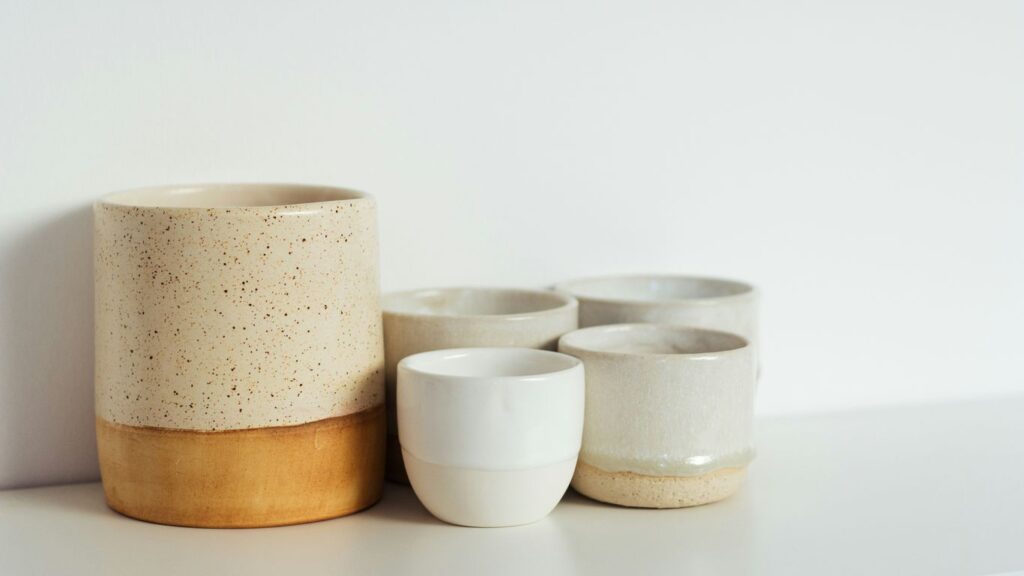
Dehua ware is known for white or ivory-toned surfaces and a close relationship between the porcelain body and glaze. Historically, the region’s clay and established kiln practice supported small molded objects, vessels, religious figures, and decorative pieces. Contemporary buyers should not treat “white porcelain” as a complete specification: the target shade, translucency, surface sheen, texture, and firing consistency should be stated clearly in the purchase documents.
A sample is especially useful because photographs can hide small differences in warmth, gloss, and relief. If the order includes several shapes, approve representative examples from each mold rather than assuming one sample represents every item.
How Blanc de Chine differs from other white porcelain
Blanc de Chine generally refers to the Dehua tradition rather than to every white ceramic product made in China. Its appeal often comes from a soft white or ivory appearance, clean silhouettes, and molded detail without necessarily relying on painted decoration. Other white porcelain may use different bodies, glazes, firing practices, or decoration systems, so a buyer should compare physical samples instead of selecting only by color in a catalog.
The distinction matters commercially. A retailer selling sculptural pieces may prioritize tone and fine relief, while a tea-set buyer may care more about rim finish, fit, stability, and repeatable dimensions. Both may use white porcelain, but their acceptance criteria are not the same.
Traditional craftsmanship and modern production
Dehua production can combine hand finishing with pressing, slip casting, mold work, trimming, glazing, and kiln firing. Traditional influence may be visible in the subject, silhouette, or surface treatment, while modern production supports repeat orders and more consistent output. Ask the supplier which stages are manual, which are machine-assisted, and where variation is expected.
A factory quotation should also identify whether the price includes mold development, sample revisions, decoration, individual wrapping, master cartons, and export packing. These details prevent a low unit price from concealing separate charges later in the order.
Dehua porcelain compared with Jingdezhen porcelain
Dehua and Jingdezhen are both important Chinese ceramic centers, but their histories and production identities differ. Dehua is strongly associated with white wares and Blanc de Chine, while Jingdezhen is widely known for a broader porcelain tradition that includes painted and decorated forms. The comparison is useful only when tied to the actual product: a buyer choosing a molded white figurine may have different priorities from one commissioning extensively hand-painted tableware.
For procurement, origin alone does not establish quality. Compare the proposed body, glaze, forming method, decoration, sample consistency, and factory controls. A supplier that explains these points clearly is more useful than one that relies on regional reputation alone.
Choose the right Dehua porcelain products
The right product depends on who will use it, how it will be displayed, and what price the market can support. Figurines can be judged mainly as decorative objects, while tea sets must work comfortably and survive repeated handling. Tableware and giftware introduce further questions about food contact, decoration, presentation, and replenishment. Treat the product concept and its intended customer as one sourcing decision.
Blanc de Chine figurines for décor and collections
Figurines invite close inspection, so buyers should assess facial features, hands, folds, attached elements, balance, and the clean transition between molded sections. A restrained white finish can make tiny flaws more visible, especially under retail lighting. Define whether the piece is intended for a shelf, altar, gallery-style collection, seasonal display, or gift assortment.
Size and pose also affect freight risk. Tall, thin, or projecting forms need stronger internal supports than compact shapes. If a piece includes detachable parts, state whether they should be packed separately and how the customer will reassemble them.
Tea sets for household, hospitality, and retail use
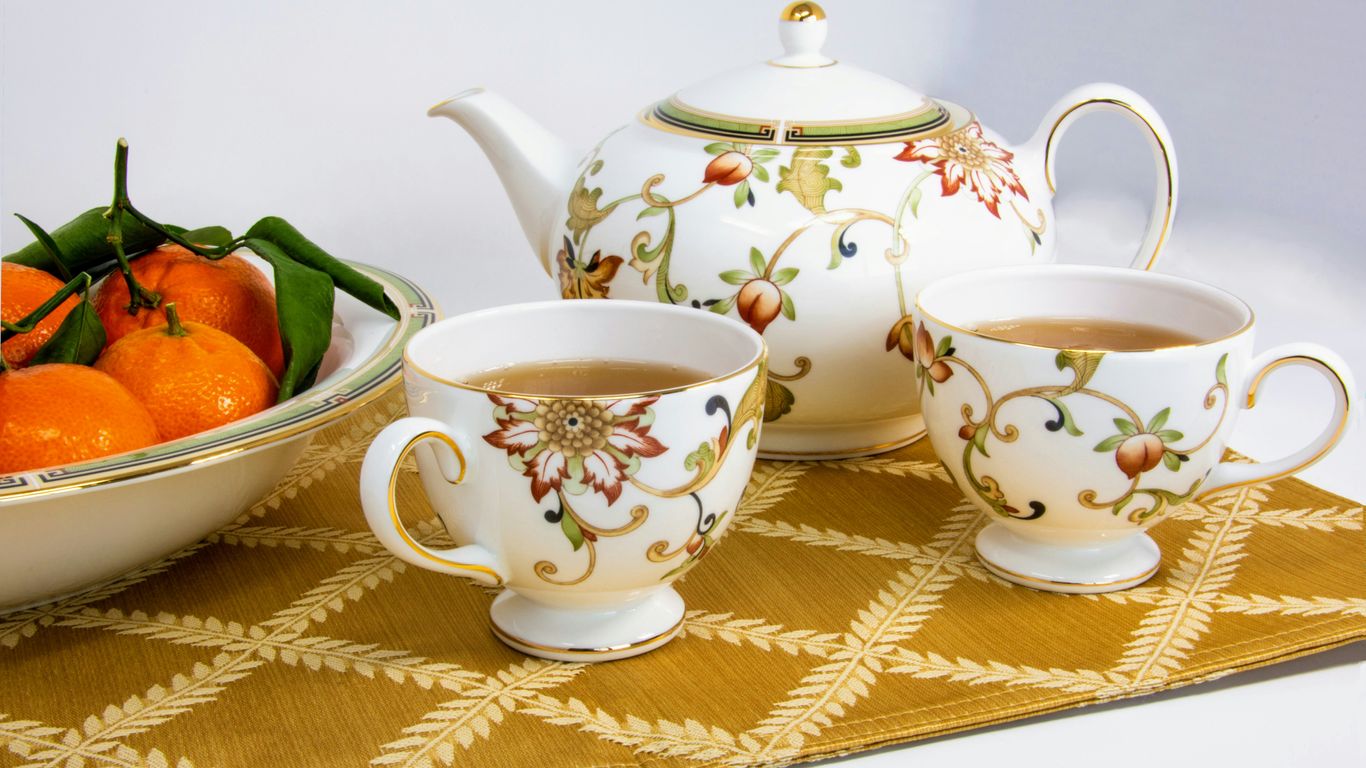
Tea sets need a functional brief, not just an attractive reference image. Specify cup capacity, pot volume, handle clearance, lid fit, pouring behavior, foot stability, and the intended use environment. Household buyers may accept small handmade variation, whereas hospitality or retail customers usually expect a tighter range of dimensions and finish.
The glaze and decoration should also be assessed for cleaning, staining, and repeated handling. Before production, test the complete set together, including the relationship between pot, lid, cups, tray, or accessories.
Custom tableware and giftware opportunities
Custom work may involve a new silhouette, a logo, a seasonal motif, a gift box, or a coordinated family of items. Begin with a simple reference pack containing drawings, dimensions, color references, artwork files, and photographs from several angles. If the design is adapted from an existing form, confirm who owns the mold and whether the factory may sell the same shape to other customers.
Packaging can become part of the product experience. A presentation box, insert card, barcode label, or protective sleeve should be specified before the quotation so that it is priced and sampled rather than added informally at the end.
Matching product type to target customers and price points
A product’s market position should guide how much complexity you introduce. More parts, hand finishing, custom decoration, and elaborate packaging can improve presentation but may increase inspection time, breakage exposure, and landed cost. The following working comparison helps organize an initial brief.
| Product type | Main buyer priority | Useful specification | Common risk |
|---|---|---|---|
| Figurine | Appearance and detail | Height, pose, finish, base | Fragile projections |
| Tea set | Fit and usability | Capacity, lid fit, stability | Functional inconsistency |
| Tableware | Repeatable daily use | Dimensions, glaze, food-contact needs | Variation across batches |
| Giftware | Presentation and price | Set contents, box, labels | Packaging damage |
Use the table as a starting point, then convert each priority into a measurable sample or inspection requirement. For adjacent home-furnishing research, a porcelain tile shower, Bianco Dolomite, or quartz and granite project has different specifications and should not be mixed into a ceramic tableware brief.
Find and evaluate a Dehua porcelain factory
A suitable Dehua porcelain factory is not simply the supplier with the lowest quotation. You need evidence that the business can make the proposed form, repeat the approved finish, communicate changes, and prepare cargo for export. Factory evaluation is most useful when it connects production capability with your exact product and order size. It should also leave a written record of what was checked.

Where to search for manufacturers and suppliers
Search through trade platforms, regional ceramic directories, exhibitions, referrals, and supplier introductions, then verify each candidate independently. Ask for a current catalog, factory address, product photos from different angles, export experience, and examples close to your proposed item. A trading company may still be suitable, but you should understand which workshop will actually produce and pack the goods.
Shortlist several candidates before requesting detailed quotes. Comparing only one supplier makes it difficult to separate a realistic price from an incomplete scope or an unrealistic production promise.
Factory capabilities, equipment, and production capacity
Ask how the factory forms the body, makes or sources molds, handles trimming and glazing, and manages kiln loading. Capacity should be discussed in relation to the specific shape, decoration, and monthly order quantity rather than as a broad claim. Request information about current lead times, peak-season constraints, subcontracted processes, and the space used for finished-goods storage.
A site visit, video call, or third-party inspection can help confirm whether the described workflow matches the operation. Photos of equipment are useful, but they do not replace questions about who controls the process and how defects are recorded.
Assessing customization, mold development, and branding
Customization begins with a clear boundary between an existing catalog item and a new development. Confirm the drawing revision, prototype stages, mold ownership, tooling charges, revision limits, artwork format, and branding method. Logos may be applied through decals, transfer printing, carving, relief, or another process, and each can affect appearance and durability.
Keep approved artwork and sample photos with the purchase order. If you need a private-label presentation, specify the mark on the product, carton, insert, and outer shipping label separately. For broader supplier research, this China suppliers archive can help frame the difference between sourcing, production, and logistics decisions.
Questions to ask before requesting a quotation
A quotation is easier to compare when the factory receives the same information you expect it to price. Provide product drawings or reference photos, estimated quantities, packaging expectations, destination, and target delivery window. Then ask the supplier to identify exclusions rather than leaving them implicit.
At minimum, clarify these points before comparing offers:
- Is the quoted item an existing mold or a new development?
- Which body, glaze, decoration, and color reference will be used?
- What are the sample charge, mold charge, minimum order, and payment stages?
- How are cartons, inner protection, labels, and export packing priced?
- What happens if the approved sample cannot be matched in production?
The answers reveal whether the supplier understands the order as a complete project. They also provide useful material for a later inspection checklist and freight quotation.
Define product specifications before ordering
Good specifications reduce interpretation at the factory and disputes after production. They should describe both the product and the way it will be handled, packed, inspected, and delivered. A short written brief is usually more valuable than a long message thread with conflicting revisions. Keep one controlled version and mark all later changes by date.
Clay body, glaze finish, and color consistency
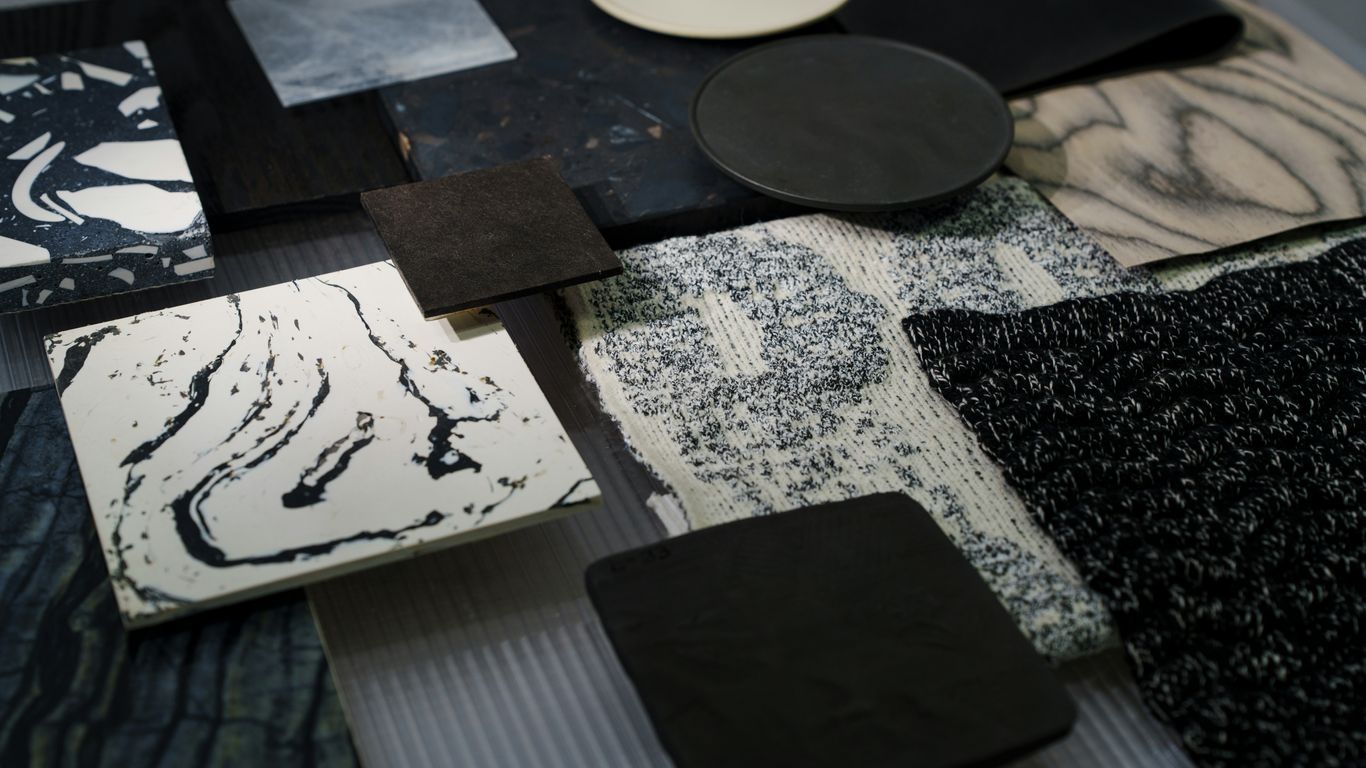
State the required body and finish in practical terms: warm white or cooler white, glossy or satin, smooth or textured, opaque or slightly translucent, and acceptable variation between pieces. Include reference samples or color cards where possible, but recognize that ceramic firing can create variation. The supplier should explain the expected tolerance before production.
Do not approve a finish from a single photograph. Review the sample in neutral light and, for a larger order, consider whether a retained reference piece will be available for inspection.
Dimensions, weight, packaging, and functional requirements
Record finished dimensions, item weight, assembled dimensions, carton quantity, carton size, and gross weight. For functional products, add capacity, fit, stability, pouring, stacking, cleaning, or other use requirements. These figures affect not only production but also freight calculations and warehouse planning.
A small change in shape can alter both breakage risk and dimensional weight. Share the final carton data with the forwarder before booking so the shipping comparison is based on realistic cargo information rather than an early estimate.
Decoration methods, logos, and custom designs
Artwork files should include dimensions, placement, colors, orientation, and the required distance from edges or handles. Confirm whether the decoration is underglaze, overglaze, printed, applied, carved, or molded, and ask how the method affects the sample and care instructions. Brand marks should be checked on the actual shape because curvature can distort a flat design.
Keep decoration approval separate from structural approval. A piece may have the correct logo but still fail because its lid, base, wall thickness, or balance is wrong.
Minimum order quantities, lead times, and sample policies
Minimum order quantities may apply to the product, color, decoration, packaging, or mold. Ask for each threshold separately. Lead time should be divided into design and tooling, sampling, production, inspection, packing, and delivery preparation so that a single broad number does not hide dependencies.
Sample policies also need precision. Confirm whether the sample is refundable, how many revisions are included, who pays courier costs, and whether production may begin only after written approval. When timing is sensitive, request a quote with product photos, carton data, pickup details, destination, and the preferred freight method.
Manage quality control for porcelain orders
Ceramic quality control works best when it starts before the kiln is loaded. The approved sample, written specifications, packaging plan, and defect definitions should all point to the same product version. Inspection is not a substitute for a capable factory, but it gives you evidence before the cargo leaves China. Plan it as part of the order rather than as an emergency response.
Reviewing pre-production and approval samples
Review samples for shape, dimensions, weight, glaze, color, decoration, fit, and packaging. Photograph them from several angles and record any accepted variation in writing. If the sample changes after approval, issue a new approval rather than relying on a verbal message.
For repeat orders, compare a current production sample with the retained approved reference. This helps identify gradual drift in color, mold wear, decoration placement, or packing method.
Checking figurines for detail, balance, and surface flaws
Inspect figurines under consistent light and from the intended viewing distance. Look for incomplete detail, pinholes, blisters, cracks, rough bases, uneven glaze, leaning poses, loose attachments, and damage to projecting elements. Balance should be tested on a flat surface, particularly for tall or narrow pieces.
Separate cosmetic defects from structural defects and record both. A retail buyer may tolerate a small tonal difference but reject a crack, unstable base, or visibly damaged face.
Testing tea sets for fit, stability, and usability
Test each component as a set rather than inspecting cups, pots, and lids in isolation. Check that lids seat correctly, handles are comfortable, bases sit flat, and the product pours as intended. If the set is for repeated use, follow the proposed care instructions during testing and document any change in finish or fit.
Packaging trials should include the assembled set and its accessories. A product that passes a bench test can still fail if the packed components touch one another during transport.
Setting inspection standards and acceptable defect levels
Write an inspection plan that identifies the sample size, critical defects, major defects, minor defects, measurement tolerances, and required photographs. The factory and buyer should agree on the plan before production. If a third party will inspect, provide the same reference files and approval sample.
A practical report should show quantities checked, defects found, carton numbers, measurements, and images. That record supports a clear decision to release, hold, rework, or negotiate the shipment.
Plan protective ceramic packaging and shipping
Ceramic freight planning starts with the shape and surface of the item, not with a preferred carrier. A smooth finish can be scratched by loose accessories, while thin projections can break from movement inside a carton. Packaging must limit contact, impact, compression, and shifting through handling. This ceramic packaging guidance is useful when turning product risks into delivery requirements.
Selecting inner protection for fragile porcelain pieces
Use a protective layer that prevents abrasion first, then add cushioning that absorbs movement and impact. Molded pulp, foam, honeycomb board, dividers, sleeves, and fitted inserts may be appropriate depending on the product. Fragile parts should be separated, and empty spaces should be controlled without placing pressure on delicate surfaces.
Test the packed unit before mass packing. Open several trial cartons and inspect both the product and the protective material for rubbing, compression marks, or movement.
Using cartons, pallets, and export-ready packaging
Specify inner pack count, master-carton count, carton dimensions, gross weight, markings, pallet requirements, and stacking limits. Double-boxing may be sensible for high-value or unusually fragile items, but it should be tested because extra material increases volume. Cartons need enough strength for the intended stacking and handling route.
Record the final packing method with photographs and a packing list. Consistent carton numbering helps match inspection findings, supplier handover counts, and freight documents.
Comparing sea freight, air freight, and courier delivery
Sea freight is often considered for larger or less urgent volumes, while air freight and courier services may suit samples, urgent replenishment, or smaller shipments. The right choice depends on cargo volume, breakage risk, destination, required delivery window, documentation, and budget. A route comparison should include pickup, export handling, origin charges, freight, destination charges, duties, and final delivery where applicable.
For a broader view of shipping options and coordination, the Shipping & Logistics Archives provides related China-origin freight topics. Do not compare modes using freight price alone; speed, handling frequency, and the cost of delayed or damaged stock also matter.
Reducing breakage, dimensional weight, and shipping costs
Reduce avoidable cost by finalizing carton dimensions, using efficient inserts, consolidating compatible cargo, and removing unnecessary empty space without weakening protection. Dimensional weight can make a light but bulky shipment expensive, while dense packing can raise breakage risk. Ask for quotes using confirmed carton counts and measurements.
Supplier pickup and cargo consolidation can also simplify coordination when products come from more than one location. Any consolidation plan should preserve carton identity, inspection records, and the packing requirements of each product.
Handle import planning and supplier communication
Import planning joins factory information with freight, customs, and delivery decisions. A supplier may know the product well but not your destination requirements, while a forwarder may need accurate cargo data before offering a meaningful route. Keep responsibilities visible in writing. Early clarification usually costs less than correcting inconsistent documents after dispatch.
Confirming Incoterms, payment terms, and documentation
Confirm the agreed Incoterm and identify which party handles pickup, export clearance, freight, insurance, import clearance, duties, and final delivery. Payment terms should match sample approval, production milestones, inspection, and release of cargo. Request a commercial invoice, packing list, purchase order, and any documents required for the destination.
Names, quantities, values, carton counts, weights, and product descriptions should remain consistent across documents. If the supplier uses a different description from the one in the freight booking, resolve the difference before shipment.
Preparing for duties, product regulations, and labeling
Check the likely tariff classification with the relevant customs adviser or authority, since duties and requirements depend on the product and destination. Tableware may raise different questions from decorative figurines, and gift sets may require additional labeling or packaging information. Do not assume that a supplier’s domestic label meets the rules of your market.
Adjacent imports can have entirely different compliance needs: commercial bat removal, online skincare consultations, and home-improvement goods are not governed by the same product rules as porcelain. Treat such comparisons only as a reminder to classify each shipment on its own facts.
Building a realistic sourcing timeline
Build the schedule backward from the required arrival or inventory date. Include design confirmation, mold work, samples, approval, production, inspection, packing, supplier pickup, export handling, transit, customs processing, and final delivery. Add contingency for revisions, peak periods, carrier schedules, and possible inspection holds.
A forwarder can compare modes more accurately when the cargo-ready date and carton data are known. If the order includes multiple suppliers, allow time for each pickup and for consolidation checks before export.
Maintaining quality and supply continuity after the first order
After the first shipment, save the approved sample, final specifications, carton photographs, inspection report, and freight documents together. Record which changes were accepted and which defects were corrected. For repeat orders, ask the factory to confirm whether the mold, clay body, glaze formula, decoration process, and packing method remain unchanged.
Kunpeng Freight can coordinate supplier pickup, cargo inspection and consolidation, export handling, and shipping by air, sea, rail, road, or express, with import paperwork and customs documentation support. A structured handover of supplier addresses, carton data, and cargo-ready dates allows its team to review the shipment before booking. For another sourcing perspective, this guide to daily-use tableware sourcing reinforces the value of samples, specifications, quality control, and freight planning.
Conclusion
Sourcing Dehua porcelain is a coordinated process: define the body and finish, approve the form, verify the factory, inspect the production, protect the cargo, and prepare accurate import documents. When those steps are connected before dispatch, buyers can make clearer decisions about product quality, landed cost, freight method, and delivery risk.
Frequently Asked Questions
What is Blanc de Chine?
Blanc de Chine is a term commonly used for white porcelain associated with Dehua in Fujian, China. It is often recognized for white to ivory-toned surfaces and molded decorative forms.
Is Dehua porcelain suitable for tea sets?
It can be suitable for tea sets when the body, glaze, dimensions, fit, stability, and intended use are properly specified and tested. A decorative sample alone does not prove functional performance.
How should I compare Dehua porcelain suppliers?
Compare relevant product experience, forming and glazing methods, customization ability, sample quality, capacity, communication, packaging, lead time, and total quoted scope rather than unit price alone.
What should a porcelain sample include?
A sample should represent the proposed shape, dimensions, body, glaze, decoration, logo placement, and packaging approach. Any accepted variation should be recorded before production.
Which freight method is best for porcelain?
Sea, air, and courier freight each suit different combinations of volume, urgency, destination, handling risk, and budget. Use confirmed carton dimensions and weights when comparing options.
How can porcelain breakage be reduced during shipping?
Separate pieces and detachable parts, prevent abrasion, cushion impact, control internal movement, use suitable cartons, and test the complete packed unit before mass packing.
What import documents are commonly needed?
Common documents may include a commercial invoice, packing list, purchase order, transport document, and destination-specific compliance or customs paperwork. Exact requirements depend on the product and importing country.