
Importing optical lenses and eyewear from Danyang becomes more manageable when product specifications, supplier checks, compliance, inspections, and freight planning are handled as one process.
Key Takeaways
- Define lens, frame, packaging, and labeling requirements before requesting prices.
- Verify whether a supplier is a factory, trading company, or export intermediary.
- Compare quotes using the same specifications, Incoterms, quantities, and delivery assumptions.
- Confirm destination-market compliance before production, not after the goods are packed.
- Treat inspection, documentation, and landed-cost planning as part of the purchase price.
Understand Danyang’s optical manufacturing market
Danyang is widely recognized as a Chinese optical manufacturing center, but the local market is not uniform. Suppliers may specialize in lenses, frames, sunglasses, finished eyewear, components, or export coordination. For an importer, the useful question is not simply whether Danyang can supply a product, but which type of supplier can make and document the exact product required. A clear understanding of the market helps you avoid comparing unlike offers.
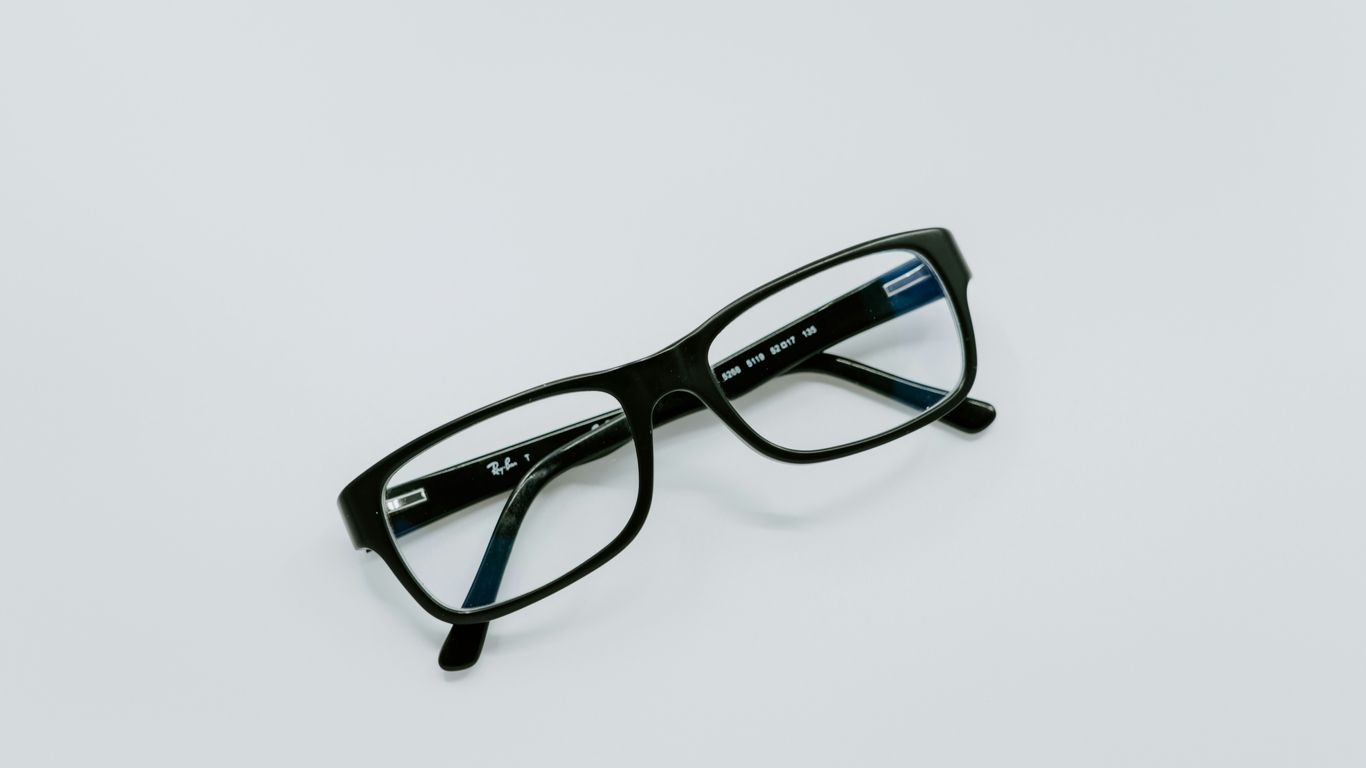
Why Danyang is a major eyewear sourcing hub
Danyang’s concentration of optical businesses can give buyers access to a broad supplier base and related production services in one region. That density may simplify sampling, supplier visits, component sourcing, and collection of goods for export. It does not remove the need for due diligence: a large manufacturing cluster still contains businesses with different equipment, quality systems, export experience, and commercial terms.
The market also supports different buying models. A business may order standard catalog items, request private-label packaging, or develop a specification requiring several rounds of sampling. Planning the model first makes conversations with suppliers more precise.
Product categories available from local suppliers
Local suppliers may offer prescription and non-prescription lenses, lens blanks, coated finished lenses, frames, sunglasses, optical parts, and finished glasses. Availability depends on the supplier and should be confirmed against a written product list rather than inferred from a website or marketplace image. Product descriptions should identify the material, index, design, coating, color, size, and intended use where relevant.
For market research, shipment databases such as Danyang Web Optical Glasses can provide background on observed lens categories and coatings. Such information can help you form questions, but it should not replace a supplier’s current catalog, sample approval, or technical documentation.
Differences between factories, trading companies, and exporters
A factory generally controls at least part of the production process, while a trading company may coordinate products from several factories. An exporter or freight intermediary may focus on documentation, consolidation, and overseas communication without manufacturing the goods. These labels are not automatically a measure of quality; the key is to establish who makes each item, who checks it, and who accepts responsibility when it does not match the order.
Ask for the legal entity named on the contract and invoice, the production address, the location of quality checks, and the party responsible for export documents. For additional context, a profile such as Danyang Kangju Optical Glasses illustrates how a supplier may describe its production history and product scope, but every buyer should verify current claims directly.
How product quality and pricing vary by supplier type
Factory-direct purchasing can offer closer communication with production, while a trading company may provide broader assortment and easier coordination across product categories. A specialist exporter may be useful when the main challenge is documentation and shipment handling. Prices can differ because of material choices, coating processes, inspection standards, packaging, order volume, and the amount of coordination included.
Do not treat the lowest unit price as the lowest purchase cost. A lower quote may exclude packaging, testing, tooling, export handling, or replacement provisions. Request comparable quotations and record every assumption before selecting a supplier.
Define your product requirements before sourcing
A supplier cannot quote or manufacture accurately from a product photograph alone. Before contacting factories, prepare a brief covering the optical specification, physical dimensions, branding, packaging, inspection standard, and destination market. This reduces revisions and makes competing quotes easier to compare. It also gives your freight partner better information for estimating carton volume and handling needs.

Choosing lens materials, coatings, and prescriptions
State the lens material and index, lens design, prescription range, diameter, base curve, and coating requirements. If the order includes progressive, bifocal, photochromic, blue-light, hard-coated, or multi-coated products, define the exact feature and testing expectation rather than using a broad marketing term. Prescription data should follow a consistent format and be reviewed for completeness before production.
Clarify whether the supplier is providing finished lenses, blanks, or another form of product. Ask how prescription accuracy, coating adhesion, tint consistency, and optical performance will be checked. A signed specification should identify acceptable variation and the procedure for handling a failed sample.
Specifying frames, sunglasses, and finished eyewear
For frames and sunglasses, document material, color, dimensions, hinge construction, lens shape, logo placement, and surface finish. For finished eyewear, also specify assembly, lens insertion, accessories, cases, cloths, boxes, and any prescription or non-prescription configuration. Reference samples should be numbered and retained so that later production can be compared with an approved version.
Branding requires separate artwork and placement instructions. If packaging is printed, review file requirements and print areas through a suitable packaging artwork guide before sending files. This is especially useful when a logo must remain legible at a small size.
Setting standards for dimensions, tolerances, and packaging
Dimensions should cover frame width, bridge, temple length, lens diameter, carton size, and the number of units per inner and outer carton. Set tolerances for dimensions, color, alignment, scratches, bubbles, coating marks, and other defects that matter to the buyer. Packaging should protect lenses and frames from rubbing, pressure, moisture, and movement during transport.
A practical specification also states carton marks, unit labels, barcode requirements, country-of-origin information, and packing orientation. These details affect both inspection and customs documentation, so they should not be left to informal messages.
Preparing technical drawings, samples, and product specifications
Send a concise specification sheet with drawings, photographs, measurement points, artwork, and a numbered sample. Ask the supplier to confirm each requirement in writing and identify anything it cannot meet. Keep the approved sample and final specification together with the purchase order.
A useful preparation sequence is:
- Define the product and destination market.
- Request a sample made to the proposed specification.
- Record test results, dimensions, and approved cosmetic details.
- Convert the approval into a purchase order and inspection checklist.
This sequence creates a reference that purchasing, quality control, and shipping teams can use consistently.
Find and evaluate Danyang optical suppliers
Supplier discovery is only the first stage. A polished catalog does not prove that the business owns the stated equipment, controls production, or can export under the required documents. Build a short list, then verify each candidate using legal records, samples, factory information, references, and clear written answers. It is sensible to use more than one source when researching a local manufacturing cluster.

Where to search for manufacturers and exporters
You can begin with trade platforms, industry directories, local referrals, exhibitions, and shipment records. Search using specific terms such as lens material, coating, frame type, or finished eyewear rather than only “optical supplier.” The broader China sourcing guides can also help organize questions around supplier verification, HS codes, Incoterms, and freight choices.
Trade data may reveal product descriptions or past shipment activity, but it does not prove that a supplier can reproduce your specification today. Contact candidates directly and request current samples, business details, export references, and a quotation based on your exact requirements.
How to verify business licenses and production capabilities
Request the company’s registered name, business license, address, contact person, bank-account name, and export documentation details. Compare these records with the name on the quotation and contract. If payment is requested to an unrelated account, pause the transaction until the relationship is explained and documented.
Ask which processes are performed in-house and which are subcontracted. A factory visit, live video tour, production photographs, equipment list, and sample records can help establish whether the stated capability is current. Verification should cover not only manufacturing but also packing, storage, and loading arrangements.
Questions to ask about certifications and quality control
Ask which standards or certifications apply to the product and destination market, what entity issued them, and which models or materials they cover. Request test reports with dates, product references, and laboratory details. Confirm whether routine production checks are recorded and whether nonconforming goods are segregated.
Supplier answers should be specific enough to convert into inspection criteria. For example, ask how lens power, coating adhesion, frame alignment, color, and packaging are checked, how often records are reviewed, and who authorizes shipment release.
Red flags that may indicate an unreliable supplier
Be cautious when a supplier refuses to identify the legal entity, gives changing bank details, avoids samples, or offers a price that cannot be reconciled with the specification. Vague answers about coatings, testing, production location, or lead time also deserve follow-up. A rushed request for full payment before verification increases transaction risk.
Keep research sources separate from unrelated commercial listings. For example, AirDNA, All City Bathroom Remodeling, Cliento, and FFS Beauty describe businesses or services outside optical sourcing; they should not be treated as evidence of a Danyang supplier’s capability. This kind of source discipline prevents accidental mixing of records during supplier evaluation.
Compare quotes and negotiate the purchase
A quotation is useful only when its assumptions are visible. Ask every supplier to price the same product, quantity, packaging, delivery term, and inspection expectation. Then separate product cost from tooling, sampling, documentation, and freight-related charges. This gives you a realistic comparison before a deposit is paid.

Breaking down unit prices, tooling fees, and sample costs
Request the unit price by model and quantity tier, along with sample fees, molds or tooling, artwork charges, packaging, testing, and replacement terms. Confirm whether taxes, export charges, and inland delivery to the collection point are included. For custom frames or packaging, clarify who owns the tooling and whether it can be transferred if the supplier changes.
A supplier’s commercial terms may contain assumptions similar to those outlined in FFS Beauty, such as acceptance, delivery responsibility, and product variation. That page is not an optical contract, but it is a reminder to read supply terms carefully and record what happens after payment and delivery.
Understanding minimum order quantities and lead times
Minimum order quantities may apply per color, model, prescription range, or packaging style, not merely to the total order. Ask whether the quoted lead time begins after deposit, sample approval, artwork approval, or receipt of prescription data. Also ask how production changes around public holidays, factory maintenance, and material shortages.
Create a schedule with approval dates, production milestones, inspection timing, pickup date, departure estimate, and destination delivery window. Treat carrier schedules and customs processing as variables rather than fixed promises.
Choosing payment terms that reduce transaction risk
Payment terms should match the level of trust established through verification and sampling. A deposit may be required to start production, but the balance should be tied to clearly defined milestones where commercially possible. Use a written contract that names the product, specification, quantity, price, delivery term, inspection process, and remedy for nonconforming goods.
Check the beneficiary name and banking instructions independently before payment. Keep purchase orders, invoices, approvals, messages, and inspection records in one file. Good documentation does not eliminate risk, but it makes disagreements easier to investigate.
Negotiating custom branding, packaging, and replacement policies
Negotiate branding by specifying logo artwork, position, color, print method, packaging materials, unit packing, carton marks, and approval procedure. Define what constitutes a defect and whether the remedy is replacement, credit, rework, or refund. Agree on who pays for return freight or disposal when goods fail the approved standard.
Do not accept “same as sample” without identifying the sample. Use photographs, measurements, and a signed reference sheet. A precise agreement is more valuable than a general promise of quality.
Check compliance before importing optical products
Compliance depends on the destination market, product classification, intended use, and claims made on the packaging. Optical lenses, frames, sunglasses, and finished eyewear may be subject to different rules. Before production, consult the relevant customs authority, product regulator, testing laboratory, or qualified import adviser. The supplier can provide documents, but the importer remains responsible for confirming what is required in the destination country.
Identifying the regulations in your destination market
Determine the applicable product rules, labeling language, safety requirements, registration obligations, restricted materials, and customs classification. Confirm the correct HS code with an authorized source rather than copying a supplier’s assumption. If the goods are sold as medical or prescription products, establish whether additional obligations apply.
Prepare a compliance checklist for each SKU and keep it aligned with the commercial invoice and packing list. The customs inspection guide explains why vague descriptions, inconsistent values, and incorrect codes can create avoidable clearance problems.
Reviewing lens, frame, and sunglasses testing requirements
Ask which tests apply to the exact material, coating, frame construction, tint, and market. Obtain current reports that identify the tested product and relevant standard. Testing a similar model is not necessarily enough if the material, coating, or construction changes.
Review the reports before placing the production order. Where the destination authority requires importer-side testing or registration, allow time and budget for that work rather than assuming the supplier’s certificate covers every obligation.
Confirming labeling, documentation, and product traceability
Labels should match the approved product and destination rules. Depending on the market, records may need model numbers, material information, manufacturer details, country of origin, warnings, batch references, or importer information. Confirm whether labels are applied to each unit, inner box, outer carton, or all three.
Use consistent descriptions across the purchase order, invoice, packing list, test documents, and shipping instructions. The packing list guide is useful for checking carton contents, weights, dimensions, marks, and references before cargo leaves China.
Assigning responsibility for defects and regulatory noncompliance
The contract should state who supplies test documents, who approves artwork, who pays for corrective work, and what happens if goods fail inspection or cannot be imported. Separate manufacturing defects from damage in transit and from a buyer’s labeling error. Insurance may address some transport risks, but it does not replace compliance planning.
Have the supplier acknowledge the approved specification and documentation list. Your freight forwarder can review shipping paperwork and coordinate movement, while the importer should retain control of product compliance decisions.
Plan inspections and quality control
Inspection should begin with an approved reference, not with a vague expectation that goods will be acceptable. Define what will be checked, how samples are selected, and what defect level triggers corrective action. A staged approach allows problems to be found before the complete order is packed and shipped.
Approving pre-production and production samples
Request a pre-production sample when the item is customized, and compare it with the drawings, artwork, and commercial specification. After production begins, approve a production sample from the actual run where possible. Keep dated photographs and written approvals so later changes can be identified.
Do not let an urgent shipment bypass approval without recording the commercial risk. A small delay before mass production is often easier to manage than a large quantity that requires rework.
Inspecting optical performance and frame construction
Inspection criteria may include lens power, optical center, prism, thickness, diameter, tint, coating condition, frame dimensions, hinge movement, screw security, and lens seating. The exact tests should follow the product specification and destination requirements. Inspectors should use calibrated or suitable equipment and record results by model or batch.
For finished eyewear, check assembly and function as well as appearance. A frame that looks acceptable may still have poor alignment, loose hardware, or uneven lens insertion.
Checking coatings, alignment, color, and cosmetic defects
Define acceptable and unacceptable defects in advance. Check scratches, pits, bubbles, coating marks, color variation, logo placement, surface contamination, frame deformation, and packaging damage under consistent lighting and viewing conditions. Compare production pieces with the approved sample rather than relying on memory.
Record defect photographs, quantities checked, and the supplier’s corrective response. Reinspection should verify that the agreed correction was completed before cargo is released.
Arranging third-party inspections before shipment
A third-party inspection can add independent evidence when the order is high value, customized, or difficult for the buyer to visit. Provide the inspector with the purchase order, approved sample, drawings, tolerance sheet, packing instructions, and destination requirements. Ask for a report that distinguishes critical, major, and minor findings where that classification is appropriate.
Inspection is not a substitute for supplier selection or laboratory testing. It is one control point in a wider process, and the final release decision should follow the contract.
Organize shipping and import clearance
Once the order is approved, shipping should be planned from actual carton counts, dimensions, gross weights, pickup location, cargo-ready date, and destination address. Optical goods can be compact but fragile, and frames, cases, and retail packaging may substantially change the shipment volume. A forwarder should base the quote on verified cargo details rather than a rough product description.
Choosing between air freight, sea freight, and courier services
Air freight can suit urgent or higher-value cargo when speed matters, while sea freight may fit larger shipments where transit time can be planned around inventory needs. Courier services can be practical for samples or small consignments, subject to route, customs, and product restrictions. Rail or road options may also be considered for particular origins and destinations.
Compare the trade-off between freight cost, handling, transit variability, insurance, and delivery requirements. The air freight service and sea freight service pages illustrate why the right choice depends on cargo details, not on a universal preference. For multiple suppliers, supplier pickup can help coordinate collection before consolidation.
Selecting Incoterms and calculating the landed cost
Incoterms allocate responsibilities for delivery, costs, and risk, but they do not replace a complete freight quotation. Compare EXW, FOB, CIF, DAP, or another suitable term by listing factory charges, pickup, export handling, freight, insurance, destination fees, duties, taxes, customs brokerage, and final delivery.
The China Incoterms guide explains the practical differences between common terms. Use those definitions alongside a shipment-specific quote, because the same Incoterm can produce different total costs on different routes.
Preparing commercial invoices, packing lists, and customs documents
The invoice should describe the goods accurately, show seller and buyer details, quantities, values, currency, and agreed terms. The packing list should match the physical shipment, including cartons, contents, net and gross weights, dimensions, and marks. Add transport documents, certificates, licenses, test reports, and origin documents when required.
Have someone compare the documents before pickup and again after packing. Documentation assistance can be useful when several suppliers are consolidated, but the importer must confirm that descriptions and values are accurate. Request shipping help when you need a structured review of the cargo details and route options.
Managing customs duties, insurance, and delivery timelines
Estimate duties and taxes with the correct classification and customs value, then include destination handling, storage, brokerage, and possible inspection charges. Consider cargo insurance based on the goods’ value and the risks of damage, loss, or delay. Confirm who receives the shipment, who unloads it, and what happens if customs requests additional documents.
Keep a timeline with supplier release, pickup, export clearance, departure, arrival, import clearance, and final delivery. Carrier schedules and customs inspections can change, so maintain practical inventory room and ask for updates when a milestone moves. A coordinated process from supplier handover to final delivery gives you clearer responsibility at each stage.
Conclusion
To import optical lenses from Danyang successfully, treat sourcing, specification, compliance, inspection, and shipping as connected decisions. Verify the supplier and product before production, compare complete landed costs, and keep every document consistent from purchase order through customs clearance. With those controls in place, you can choose a suitable supplier and shipping method based on evidence rather than assumptions.
Frequently Asked Questions
What products can I import from Danyang?
Danyang suppliers may offer prescription and non-prescription lenses, lens blanks, coated lenses, frames, sunglasses, optical components, and finished eyewear. Availability, customization, and documentation vary by supplier, so confirm each item in writing.
How do I verify a Danyang optical supplier?
Check the registered business information, production address, export experience, samples, certifications, test reports, quality procedures, bank details, and contract entity. Where practical, use a factory visit or independent verification.
What should an optical lens specification include?
Include material, index, design, prescription range, diameter, coatings, color, base curve, tolerances, packaging, labeling, inspection criteria, and destination-market requirements. Attach drawings and an approved sample when possible.
Should I order samples before placing a production order?
Yes. Samples allow you to evaluate optical performance, construction, color, coating, dimensions, packaging, and branding before committing to a larger quantity. Customized products may require both pre-production and production samples.
Which shipping method is best for optical products?
Air freight, sea freight, courier, rail, or road may be suitable depending on shipment size, urgency, route, value, handling needs, and budget. Compare total landed cost and timing rather than choosing by mode alone.
What customs documents are usually needed?
Common documents include a commercial invoice, packing list, transport document, and any required certificates, licenses, test reports, or origin documents. Exact requirements depend on the destination market and product classification.
How can I reduce the risk of receiving defective eyewear?
Use a written specification, approve reference samples, define defect criteria, inspect production, and arrange an independent inspection before shipment when appropriate. Tie payment and release decisions to documented checks where commercially possible.