Key Takeaways
International vape freight requires checks on the product, destination rules, transport mode, and carrier acceptance before packing begins.
- Identify each device, battery, cartridge, and liquid, including battery details and liquid contents.
- Confirm destination eligibility and get carrier acceptance for the specific route and shipment.
- Pack batteries and devices to prevent damage, short circuits, and accidental activation.
- Seal liquids, protect breakable parts, and choose cartons that suit the cargo and handling conditions.
- Make shipping documents consistent with the actual goods, and review the whole shipment before dispatch.
Confirm what you can ship and which rules apply
Vape shipments can contain several different regulated components, so the first task is to describe the cargo precisely. Rules may depend on the product, its ingredients, the battery configuration, the destination, and the transport mode. Do not assume that acceptance for one route or service means another will accept the same goods. Start with the product facts, then check the rules that apply to the full journey.
Identify the vape devices, batteries, cartridges, and liquids in the shipment
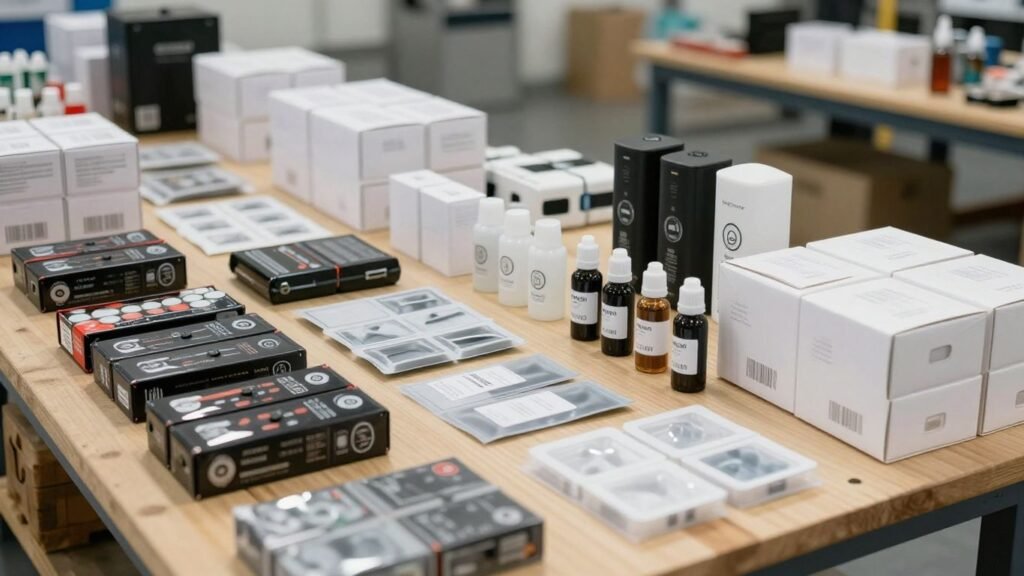
Make an inventory that distinguishes complete devices, spare batteries, cartridges, pods, and bottles of e-liquid. For each battery, collect its chemistry and capacity information; for each liquid, confirm ingredients and volume with the supplier. These details help a carrier assess the shipment and help the importer prepare an accurate declaration. Keep this cargo record separate from unrelated packing research, such as a Bradenton family trip packing guide, which covers personal travel rather than freight.
A compact inventory can make gaps easier to spot before you request a quote:
- Device type and whether a battery is installed
- Spare battery count and available battery specifications
- Cartridge, pod, or e-liquid type and quantity
- Supplier product documents and any applicable safety information
Compare the inventory with the supplier’s invoice and packing list; product names and quantities should agree. If you are shipping from China, international vape shipping checks offer additional planning context for destination rules, carrier policies, and cargo descriptions.
Check destination-country import rules and product restrictions
Import eligibility is not universal: countries may treat devices, nicotine products, liquids, flavors, and product designs differently. Verify the destination’s current import and product requirements before the cargo leaves the supplier, and check whether local or regional rules also apply. Confirm who will act as importer of record and whether permits or product approvals are needed. For Singapore-specific fire-safety requirements concerning petroleum and flammable materials, consult the relevant Singapore fire-safety rules; do not treat them as a substitute for vape import checks.
Keep transport permission and permission to import or sell as separate questions. A package may meet a carrier’s handling conditions yet still face restrictions at destination. An IQ testing FAQ or habit-change strategies concerns entirely different subjects and should not be confused with the product or import guidance needed for this shipment.
Confirm that the carrier and freight forwarder accept the shipment
Give the carrier or forwarder a complete description before booking, including battery details, liquid contents, quantities, and the destination. Ask for confirmation for the actual route and service, preferably in writing, rather than relying on a broad statement that vapes are accepted. A carrier may have its own packaging, documentation, or booking conditions in addition to transport regulations. Kunpeng Freight coordinates freight options and export handling, so providing verified cargo details early supports a more informed route discussion.
Compare requirements for air, ocean, and ground transport
The mode affects the applicable transport rules, handling process, and possible documentation. Air, ocean, and road movements do not necessarily use identical provisions, and a shipment may pass through more than one mode or country. For long instructions and carrier documents, text-to-audio reading can be one way to review material while away from a screen, but the written requirements still need to be checked directly.
A mode comparison is useful as a starting point, not a substitute for carrier confirmation:
| Mode | What to check | Planning consideration |
|---|---|---|
| Air | Battery and liquid acceptance, packing, and required documents | Confirm the specific service and route before booking |
| Ocean | Applicable dangerous-goods provisions and carrier requirements | Check handling and documentation for the full route |
| Ground | Road rules, route restrictions, and any cross-border conditions | Confirm whether the shipment changes mode en route |
| Multimodal | Requirements for every mode and transfer point | Make sure details remain consistent across handoffs |
The table shows why a mode name alone is not enough to establish eligibility. Ask the forwarder to confirm the rules for the planned route and shipment configuration before you finalize cartons or labels.
Prepare lithium batteries and vape devices
Battery preparation begins with accurate specifications, not with a label chosen by guesswork. The device configuration and battery condition affect how the goods must be assessed for transport. Pack to prevent physical damage, short circuits, and accidental activation during handling. If the supplier cannot provide clear battery information, resolve that gap before dispatch.
Determine battery chemistry, watt-hours, and whether batteries are installed or spare
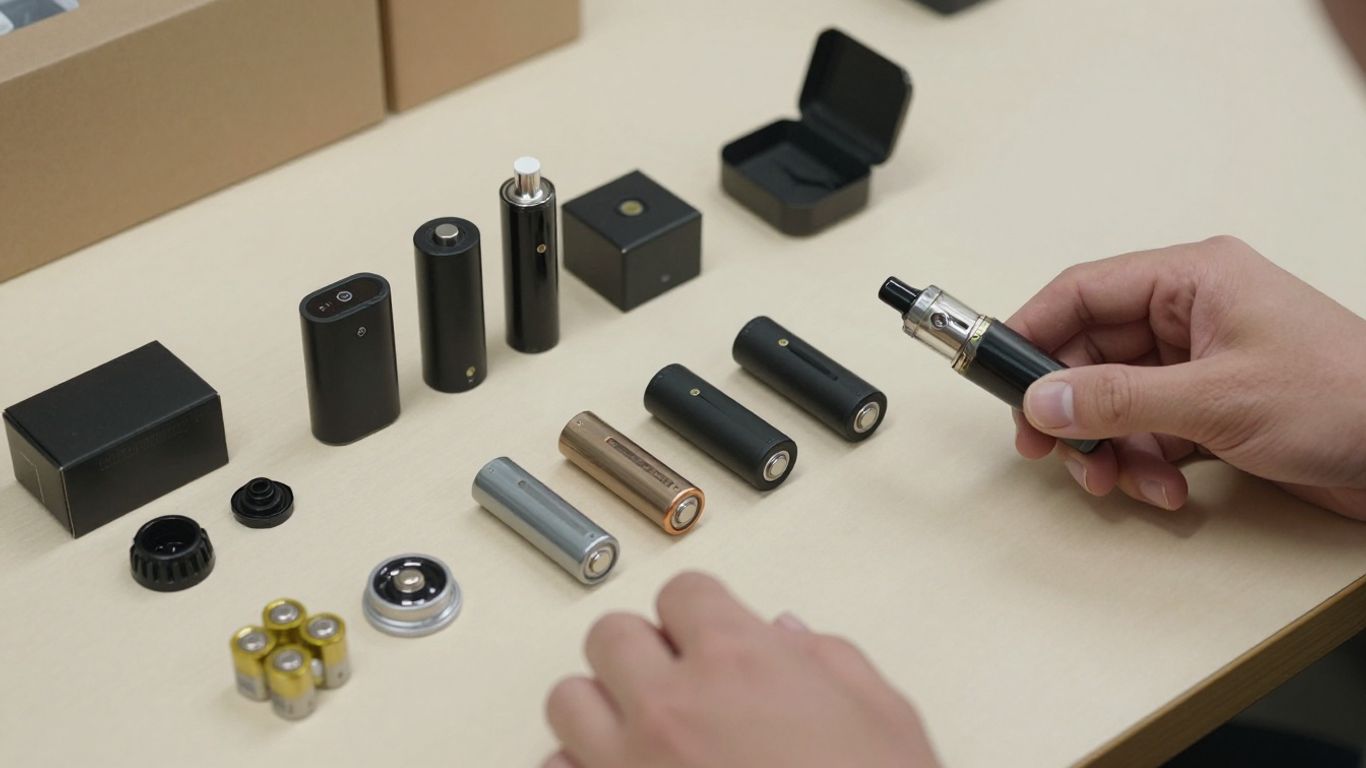
Ask the supplier for the battery chemistry and capacity information, including watt-hours where applicable, and establish whether each battery is installed in a device or packed separately. Do not infer specifications from a product photo or model name. Battery type and configuration can affect classification, permitted quantities, and packaging requirements. A route-specific lithium battery shipping guide can help you identify which battery facts to verify with the supplier and carrier.
Prevent short circuits and accidental activation during handling
Protect exposed terminals from contact with conductive materials, and keep devices from switching on during movement. Use packaging that holds each item securely rather than allowing loose devices or batteries to shift against one another. Follow the carrier’s instructions for any individual protection, separation, or packing configuration. Kunpeng Freight coordinates cargo inspection and supplier pickup; clear packing details help ensure the goods presented for shipment match the information provided for booking.
Keep damaged or defective batteries out of routine freight shipments
Do not include a battery that is swollen, leaking, visibly damaged, or otherwise suspected to be defective in an ordinary shipment. Isolate the issue and seek direction from a qualified dangerous-goods professional and the carrier before arranging any movement. Routine packing steps do not make a suspect battery safe to ship. Record the condition and keep it out of the consignment unless a specific permitted process is confirmed.
Confirm testing, documentation, and quantity requirements for the route
Ask the supplier for applicable battery test information and verify that the documents match the battery model and configuration in the cargo. Carriers may request battery documents, dangerous-goods declarations, or other supporting records depending on the shipment and mode. Quantity limits and conditions can vary, so confirm them for the exact route rather than applying a general rule. For air freight from China, air freight vape shipping requirements describe the kinds of battery, packaging, and booking checks to raise with the forwarder.
Contain e-liquids, cartridges, and pods
Liquids need attention as both product contents and potential leak sources. Their ingredients and classification can affect transport acceptance, while the container and closure determine how well they stay contained during handling. Protect the liquid first, then prevent a leak from spreading to other cargo if a container fails. Verify the destination’s product restrictions separately from transport classification.
Verify liquid contents and any applicable transport classifications
Obtain reliable information about the liquid’s ingredients, nicotine content if present, and container volume. Do not assign a transport classification based only on a product name or a supplier’s informal description. The carrier or a qualified dangerous-goods adviser can assess the available information against the relevant rules. Keep the product description consistent across supplier records, shipping paperwork, and any safety documents.
Seal containers and use secondary containment to control leaks
Check closures before packing and use suitable secondary containment where appropriate to keep a leak from spreading. The exact method should follow the carrier’s instructions and the relevant transport requirements; a sealed bag by itself does not establish compliance. Keep liquid containers upright where the packaging design and handling plan allow, and avoid relying on outer cartons as the only barrier. A clear packing arrangement also makes it easier to inspect the consignment before sealing the freight unit.
Cushion glass cartridges and other breakable components
Place fragile items in individual protection or dividers so they cannot strike each other or the carton walls. Use cushioning that limits movement without putting undue pressure on glass or closures. Include the cartridge or pod dimensions when selecting an insert, since a loose fit can lead to rattling and breakage. After packing, gently check for movement and adjust the insert rather than filling empty space haphazardly.
Check whether destination rules restrict specific liquids or ingredients
Destination rules may distinguish among nicotine content, flavors, container sizes, and product types. Verify the rules for the country and, where relevant, the subnational market before arranging freight. Also confirm whether product notifications, approvals, or importer qualifications apply. A transport classification does not answer whether the goods may be imported or sold, so keep those reviews distinct.
Choose vape packaging for shipping
Good freight packaging keeps the individual items stable and protects the shipment through ordinary handling and transfers. The appropriate materials depend on the cargo’s weight, fragility, and leak risk, as well as the carrier’s specific instructions. Retail presentation packaging may not be sufficient as an outer shipping pack. Think in layers: protect the product, restrain movement, and then protect the packed units inside a suitable freight carton.

Use inner boxes, dividers, and cushioning to limit movement
Group products in inner boxes or compartments so devices, batteries, and cartridges do not collide during transit. Fit dividers closely enough to limit movement while avoiding pressure on delicate parts. Test the packed unit for shifting before closing the outer carton. If you are comparing retail packaging with freight protection, custom vape packaging boxes are one packaging category to assess for product fit, while the finished freight pack still needs to meet the carrier’s requirements.
Select leak-resistant bags and absorbent materials where appropriate
For liquid containers, consider leak-resistant secondary bags and compatible absorbent material when appropriate to the contents and the applicable rules. These materials are supporting controls, not a replacement for a sound primary container or required dangerous-goods packaging. Keep absorbent material from interfering with labels or closures. The final arrangement should be easy to inspect and should contain leakage without allowing it to reach other goods.
Choose cartons suited to the shipment’s weight and handling conditions
Choose an outer carton that can support the packed weight and withstand the planned handling. Consider the size and weight of each packed unit, the number of transfers, and whether cartons will be stacked or palletized. Avoid an oversized carton that lets the contents move, and do not overload a carton beyond its practical strength. Kunpeng Freight can coordinate cargo inspection and consolidation; sharing carton counts and dimensions helps align the shipment details with the planned handling.
Protect cartons from crushing, moisture, and punctures
Close and secure cartons in a way that suits their construction and the carrier’s instructions. Keep vulnerable edges and corners from taking the full force of stacking, and use protective measures appropriate to the route and handling environment. Do not cover marks or labels that must remain visible. If the cargo is palletized, ensure the cartons remain stable and are protected from protrusions or shifting during movement.
Mark, label, and document the freight
Shipping marks and paperwork should describe the actual cargo, not a simplified name that hides batteries or liquids. Requirements depend on classification, quantities, route, and carrier, so apply dangerous-goods marks only when the relevant rules require them. Customs records also need to match the goods and destination. Review documents before cargo handover, while the supplier can still clarify missing or inconsistent information.
Apply dangerous goods marks and labels only when required
Do not add hazard labels or marks as a precaution unless they are required for the shipment’s classification and configuration. Incorrect or missing marks can create delays and handling problems. Confirm the correct marks with the carrier or dangerous-goods adviser, and make sure they remain visible on the packed freight. Kunpeng Freight provides customs documentation support and export handling, which can help coordinate a review of the shipping information with the route plan.
Describe products and quantities accurately on shipping documents
Use a clear product description and state quantities consistently across the commercial invoice, packing list, and transport documents. Identify the relevant device and battery configuration, and describe liquids accurately rather than hiding them under a vague accessories label. If the supplier’s records differ from the packed cargo, resolve the discrepancy before booking. Clear records give the carrier and customs officials a more useful account of what is moving.
Prepare customs invoices, codes, and permits required for the destination
Check the destination’s customs requirements and prepare the invoice, packing list, tariff classification, and permits or approvals that apply. Confirm the code with the appropriate customs professional rather than copying a code from an unrelated product. Include values, country of origin, and quantities in line with the transaction and cargo records. Keep a copy of the final documents available to the importer and forwarder.
Check whether the carrier requires safety data or battery documents
Ask the carrier which safety data or battery documents it expects for the exact products and route. Documents should correspond to the goods actually packed, including relevant model and formulation details. If the supplier cannot provide a requested record, address that before the cargo is collected. Read lengthy instructions carefully; a tool for listening to written material may help with review, but it does not replace checking the carrier’s document requirements.
Inspect and secure the shipment before dispatch
A final inspection catches practical mismatches that can be missed when paperwork and packing are handled separately. Compare the physical cartons with the inventory, verify the marks and documents, and confirm that the shipment matches the accepted configuration. Secure freight for the handling method planned, whether cartons move individually or as a unit. Dispatch only after the carrier’s instructions and the prepared cargo agree.
Pack devices, batteries, and liquids in the required configuration
Check that devices, installed or spare batteries, and liquids are packed in the configuration accepted by the carrier. Verify that closures are secure, individual protection is in place, and products cannot shift or activate. Compare the finished pack against the supplier’s specifications and any route-specific instructions. If anything has changed since acceptance, notify the carrier or forwarder before handover.
Separate incompatible items and check mixed-load restrictions
Review whether the shipment combines materials that need separation or cannot travel together under the applicable rules. Do not assume that products from one supplier form a compatible load simply because they were packed in the same shipment. Confirm any mixed-load restrictions with the carrier or dangerous-goods adviser. Make the final packing plan clear to the warehouse team so items are not rearranged after review.
Secure cartons on a pallet or in a crate for freight handling
When cartons are palletized or crated, secure them so they remain stable through lifting and transfers. Keep the load within the pallet footprint and protect cartons from straps, edges, or other contact that could puncture or crush them. The outer unit should allow required marks and labels to remain visible. Record the final number of cartons and dimensions so the documents reflect the cargo presented for collection.
Review packaging, labels, and paperwork against carrier instructions
Before dispatch, compare the finished shipment with the carrier’s acceptance and packing instructions one last time. Check product counts, carton condition, required marks, and document consistency, and retain photos or inspection notes where useful for the shipping record. Kunpeng Freight coordinates supplier pickup, cargo inspection and consolidation, export handling, and delivery arrangements; confirm responsibilities and handover details with the relevant parties before collection. Early review is more useful than trying to correct a mismatch after the cargo has entered the transport network.
Conclusion
Careful vape freight preparation starts with a precise cargo inventory and ends with a physical check that the packed goods, carrier acceptance, and documents all match. Verify destination rules and route-specific requirements before you seal the cartons, and treat batteries, liquids, and fragile components according to their particular risks. That process gives you a clearer basis for choosing vape packaging for shipping and arranging international freight.
Frequently Asked Questions
Can vapes be shipped internationally?
Sometimes, but eligibility depends on the destination’s import rules, the product details, the battery and liquid configuration, and the carrier’s policy for the route. Confirm each of these before booking.
Do vape shipments always count as dangerous goods?
Not necessarily. Classification depends on the shipment’s contents and configuration, including batteries and liquids. Ask the carrier or a qualified dangerous-goods adviser to assess the specific goods.
What battery information should I request from a supplier?
Ask for the battery chemistry and capacity details, including watt-hours where applicable, and confirm whether batteries are installed in devices or packed separately. Make sure any supporting documents match the actual battery model.
How should e-liquids be packed for freight?
Use secure primary containers and appropriate secondary containment where required or suitable, then protect the units from movement and impact. Follow the carrier’s packing instructions for the contents and route.
Do I need dangerous-goods labels on every carton?
No. Apply marks and labels only when required for the shipment’s classification and transport rules. Confirm which marks apply with the carrier or dangerous-goods adviser before applying them.
Is air freight or ocean freight better for vape products?
Neither is best for every shipment. Compare route, urgency, shipment volume, carrier acceptance, documentation, and handling requirements before choosing a mode.
What should I check just before dispatch?
Confirm the packed configuration, carton condition, required marks, document consistency, and carrier acceptance. If the goods or route have changed since the initial review, seek updated confirmation before handover.