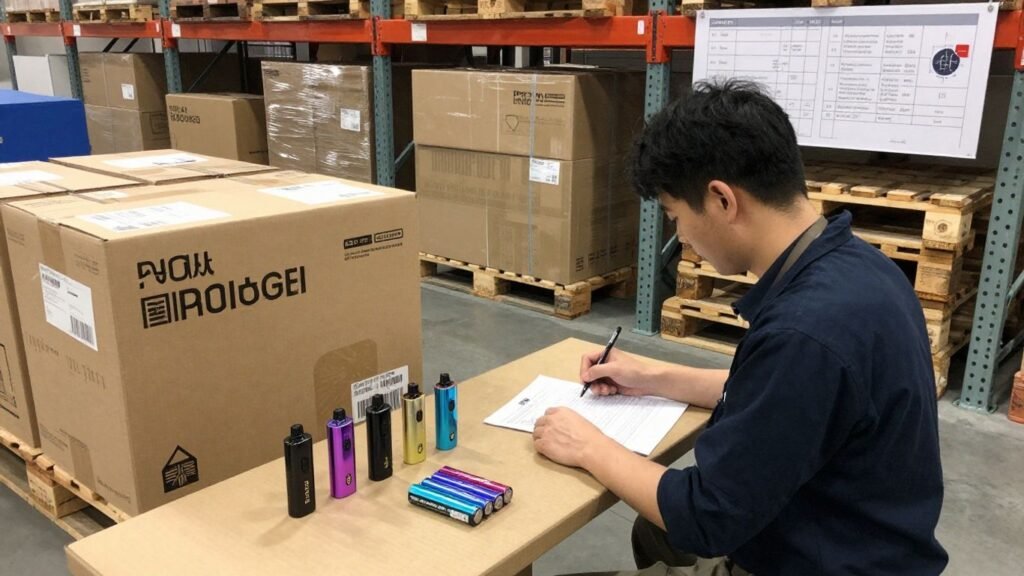
Key Takeaways
A vape shipment’s battery, product contents, route, and destination all affect what can be accepted and how it must be prepared. Confirm those details before booking rather than relying on a generic battery document set.
- Identify the battery chemistry, capacity, and whether it is installed or shipped separately.
- Check the rules for the transport mode and the specific carrier and route.
- Match test information, export declarations, and shipping documents to the actual cargo.
- Confirm destination-country rules for the device, e-liquid, and nicotine content.
- Obtain written carrier acceptance and recheck requirements before dispatch.
Identify the vape and battery classification
Start with the physical product, not the shipping label or supplier’s general description. A disposable device, a reusable vape with a built-in cell, and a package of spare batteries may need different assessments. For lithium battery vape shipping, exact battery and product details are the foundation for every later decision.
Check whether the battery is lithium-ion or lithium-metal
Ask the supplier to identify the battery chemistry and provide its specifications for each product model. Vape devices commonly use rechargeable lithium-ion batteries, but do not infer chemistry from the product’s appearance or marketing description. If the supplier cannot verify the chemistry, pause the freight quote and request reliable product or battery documentation.
The distinction matters because lithium-ion and lithium-metal batteries are assigned different UN numbers and transport provisions. A battery’s chemistry should be consistent across the specification sheet, test information, and shipment paperwork. If documents describe a different battery model from the one installed in the device, ask the supplier to resolve the discrepancy before cargo is collected.
Distinguish batteries installed in devices from spares shipped separately
Record whether each battery is installed in the vape, packed with the device but not installed, or shipped on its own. A carton may contain more than one configuration, especially when it combines finished devices, replacement batteries, and accessories. Treat each configuration as a separate line in the cargo review rather than assuming one classification covers everything.
This detail affects the applicable packaging and handling instructions. Include the number of devices and batteries, the battery configuration, and the carton arrangement in information sent to a forwarder or carrier. Kunpeng Freight coordinates supplier pickup and cargo inspection, which can help confirm that the collected shipment matches the details provided for planning.
Use the battery’s watt-hour rating and UN number to confirm its shipping category
Obtain the battery’s watt-hour rating for lithium-ion cells or batteries, or the relevant lithium content information for lithium-metal batteries. The supplier should also provide the correct UN number for the battery and configuration. Do not guess a shipping category from voltage alone or reuse a classification from a different vape model.
A useful way to organize the initial review is to keep the core facts together, then have the carrier or dangerous goods provider confirm how they apply to the shipment:
| Detail to verify | What to record | Why it matters |
|---|---|---|
| Battery chemistry | Lithium-ion or lithium-metal | Helps identify the relevant transport provisions |
| Battery configuration | Installed, packed with, or separate | Affects classification and packing instructions |
| Capacity information | Watt-hours or lithium content, as applicable | Helps confirm the shipment category |
| UN number | Number matching the battery and configuration | Supports consistent declarations and documentation |
The table is a starting point, not a substitute for a formal classification. Share the information with the carrier or qualified dangerous goods provider, and resolve any mismatch between the battery label, product specification, and test documents before booking.
Determine which rules apply to the shipment
There is no single set of instructions that automatically covers every vape shipment. Requirements depend on the battery, how it is packed, the transport mode, the route, and the carrier’s own acceptance policy. A shipment that can move by one method may not be accepted by another, even when the cargo itself is unchanged.
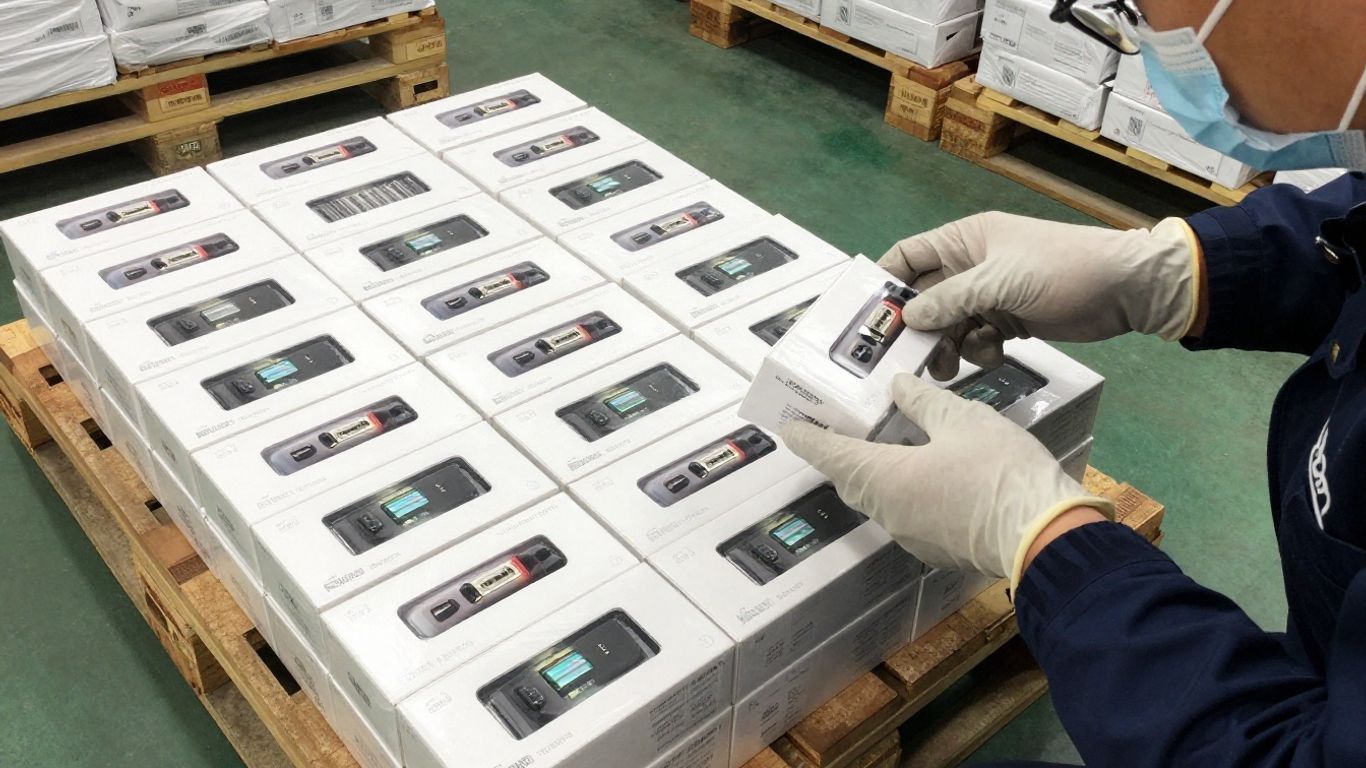
Compare requirements for air, sea, and road transport
Air, sea, and road transport each have their own dangerous goods rules and operational limits. Air freight may involve especially detailed booking, packing, and documentation checks, while sea or road movements still require the correct classification and compliance with the applicable rules. A route may also combine several modes, so check each relevant leg rather than only the international portion.
| Transport mode | Questions to resolve before booking | Practical consideration |
|---|---|---|
| Air | What battery category, packing, and documents will the airline accept? | Confirm acceptance for the exact route and configuration |
| Sea | Which maritime provisions and carrier conditions apply? | Verify the planned service and any transshipment legs |
| Road | Which national or regional rules apply to the route? | Check requirements for every country crossed |
Use the comparison to narrow down viable options, not to assume one mode is automatically simpler. Kunpeng Freight coordinates air, sea, rail, road, and express shipping, so the route discussion can account for the cargo, timing, and carrier acceptance together.
Check the applicable ICAO/IATA, IMDG, or ADR provisions
For air transport, check the applicable ICAO Technical Instructions and IATA Dangerous Goods Regulations; sea shipments are governed by the IMDG Code, and road transport may fall under ADR or other relevant national rules. Which provisions apply depends on the route and the shipment details, including the battery type and how it is packed. Regulations and carrier procedures can change, so verify the current requirements for the planned dispatch.
A guide to shipping vapes by air can help you organize questions about classification, battery documents, packaging, and booking. Use it as planning context, then confirm the operative requirements with the carrier and dangerous goods provider for your shipment; a general guide cannot approve a specific consignment.
Confirm route-specific rules with the carrier and dangerous goods provider
A published rule and an available freight service are not the same thing. Ask whether the carrier accepts the exact vape product and battery configuration on the requested route, including any transfer points. If a forwarder or dangerous goods provider is reviewing the cargo, give them the product specifications and documents early enough to flag gaps before pickup.
For a US-bound shipment involving THC or hemp products, regulations and carrier policies can differ from those for nicotine vapes; US THC vape shipping guidance is scoped to that issue. Do not apply a rule for one product type or jurisdiction to another. Keep the product contents, destination, and route explicit in every acceptance request.
Verify China export and carrier acceptance requirements
Before the factory hands over the cargo, confirm what the shipment contains and what the proposed carrier will accept. Export handling and transport approval are separate checks: accurate export information does not guarantee that a carrier will take a particular vape product. Kunpeng Freight coordinates export handling and documentation support as part of its China-to-destination shipping work, while acceptance remains specific to the route, cargo, and carrier.
Ask whether the carrier accepts vape products and lithium batteries on the chosen route
Describe the device accurately, including whether it is disposable or reusable, whether it contains e-liquid, and whether nicotine is present when relevant to the destination. Provide the battery chemistry, capacity, configuration, quantity, and intended route. Ask for written confirmation tied to those details rather than a general statement that the carrier handles electronics or batteries.
The answer may depend on service type, destination, and the carrier’s current restrictions. If the cargo includes multiple product types, ask about each one, including separate batteries or liquid products. Confirm who is responsible for any additional review or required documents before you authorize pickup.
Prepare product specifications and the UN 38.3 test summary
Request product specifications that identify the actual battery installed in or packed with each model. Obtain the UN 38.3 test summary for the relevant battery type where required, and check that the model or cell details match the cargo. A document for a similar-looking battery is not a safe substitute for evidence tied to the battery being shipped.
An SDS may provide supporting safety information, but it is not a universal shipping permit. The document set can vary with the product, battery, route, and carrier; vape SDS requirements explains why accurate product details matter. If a report or safety document is incomplete or inconsistent, ask the supplier or document issuer to clarify it before the freight provider makes a booking request.
Confirm export declarations, customs details, and any required dangerous goods documentation
The commercial description, quantities, battery details, and declared values need to reflect the cargo being exported. Customs documents and dangerous goods documents serve different purposes, so prepare each according to the shipment and the responsible party’s instructions. Ask the forwarder which party supplies each document and who checks it before submission.
A document review is more useful when every file refers to the same SKU and shipment configuration. Kunpeng Freight can review shipping information early and coordinate cargo handling from supplier pickup, but the importer and supplier should still verify product and customs details. Keep the final versions together and make sure changes to product contents or carton quantities are reflected throughout the file set.
Package, mark, and document the shipment
Good preparation starts with the actual device and carton, not a label chosen in advance. Packaging, marks, labels, and transport documents depend on the assigned category and the instructions for the selected carrier. Do not apply generic battery labels or use a template without confirming that it fits the shipment.
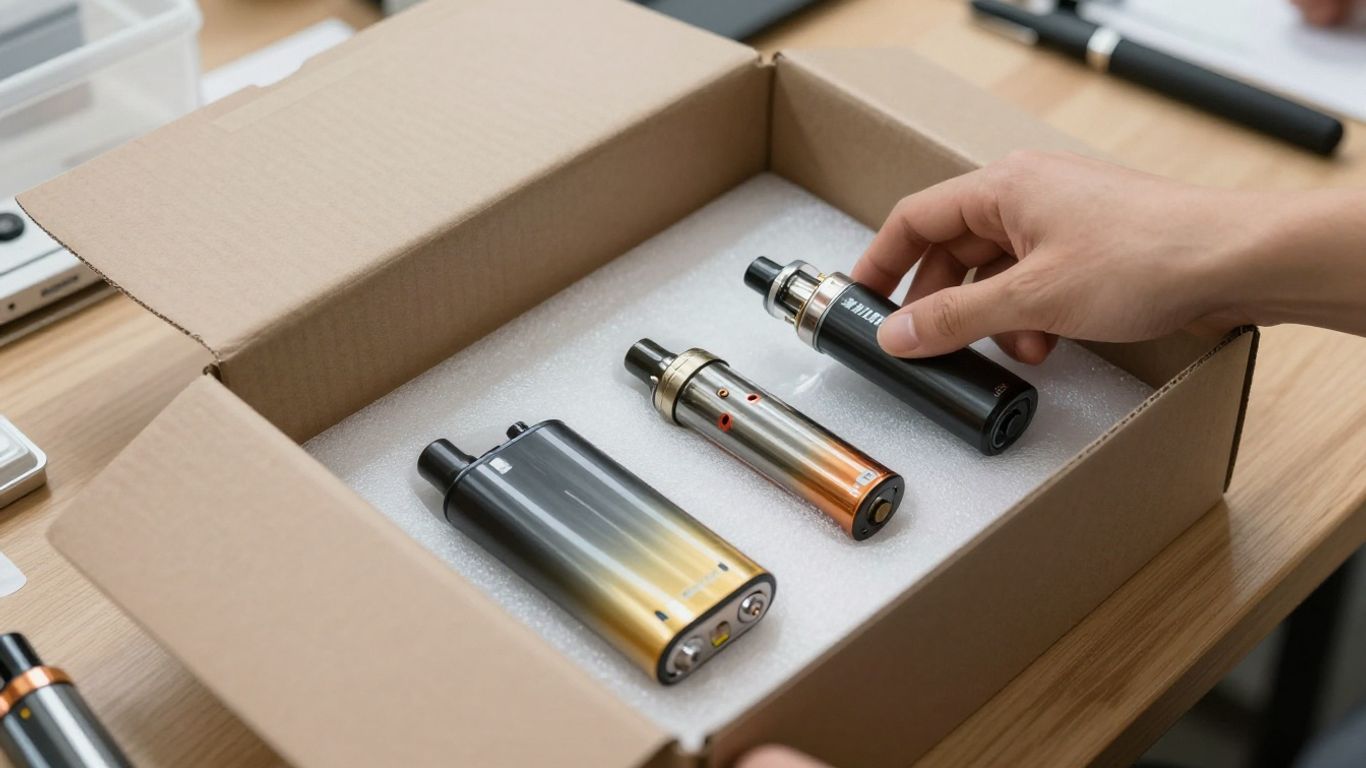
Protect devices against damage, accidental activation, and short circuits
Devices should be protected against movement and impact during handling, and measures should prevent accidental activation. Battery terminals must be protected from short circuits in the manner required for the assigned category and carrier. If the shipment contains e-liquid, check the product and carrier instructions for preventing leakage as well as battery-related risks.
Ask the supplier for photos of the packed products and cartons if you cannot inspect them yourself. During pickup or consolidation, cargo counts and photographs can help compare the physical shipment with the packing information. If the actual configuration differs from the approved description, stop and have the documents and acceptance reviewed again.
Apply the packaging, marks, and labels required for the assigned shipment category
The classification and transport mode determine which packaging provisions, marks, and labels apply. Confirm them against the current rules and carrier instructions before cartons are closed or delivered to the export warehouse. The right label cannot correct an incorrect classification, and marking requirements should not be guessed from a sample label found online.
A simple pre-handover sequence can keep packaging checks tied to the shipment decision:
- Confirm the final battery and device configuration against the approved classification.
- Check that protective packaging prevents movement, activation, and short circuits as required.
- Verify required marks and labels against the carrier’s instructions for the selected route.
- Photograph the finished cartons and record their count and dimensions.
After these checks, compare the carton photos and details with the carrier’s acceptance confirmation. If the packaging or contents changed after review, request updated instructions rather than assuming the previous approval still applies.
Match the commercial invoice and packing list to the actual product and battery details
Use product descriptions that identify the goods clearly and consistently across the invoice, packing list, and any dangerous goods paperwork. Quantities, SKU names, carton counts, and weights should match the final packed cargo. Include battery information where requested, and avoid vague descriptions that conceal the presence of a battery or e-liquid.
Before documents are submitted, compare them with the physical cartons and supplier records. If the cargo has been consolidated from several suppliers, reconcile the combined packing list with each supplier’s contribution. A vape shipping documents guide offers further context on matching files to the actual SKU, battery, liquid, and carton configuration.
Check destination-country and product restrictions
Transport approval does not establish that a product can be imported or sold at its destination. Rules may differ for nicotine and non-nicotine products, device types, liquid ingredients, and intended use. Check both the destination’s import requirements and the obligations that apply to the importer before the goods leave China.
Review import rules for e-cigarettes, nicotine, and vaping products
Confirm whether the destination permits the specific device and any e-liquid it contains or ships with. Check for restrictions on nicotine content, ingredients, product type, and intended use, and distinguish commercial imports from personal-use shipments where the rules do so. If a product’s status is uncertain, seek guidance from the relevant authority or a qualified local compliance professional before ordering transport.
Do not assume that a product accepted by a carrier is lawful to import. For example, US requirements concerning THC or hemp products are distinct from ordinary transport questions, and the US vape policy overview should be read only within its stated scope. Kunpeng Freight coordinates import paperwork assistance and customs documentation support, but destination product eligibility must be confirmed for the specific market and goods.
Confirm age limits, registration, labeling, and product compliance requirements
Some markets impose age controls, product registration or notification, packaging rules, and specific labeling requirements. Identify which obligations apply to the product and importer, and confirm whether approvals must be in place before shipment. Requirements can depend on nicotine content, device type, and whether goods are intended for resale.
Keep the compliance check tied to the exact model and destination rather than relying on a supplier’s general claim that a product is export-ready. If you are shipping into a market with detailed product rules, confirm the applicable requirements with the importer or local adviser and ensure the product documents and labels support that review.
Check whether postal services or local carriers impose additional restrictions
Postal operators and local delivery companies may apply restrictions beyond the rules used for the international freight leg. Ask whether the final-mile provider accepts vape products and batteries, and whether there are limits on service, location, or delivery type. A shipment can clear one stage and still encounter a restriction later in the route.
Treat the full journey as one plan: export pickup, international transport, import handling, and final delivery. Confirm who will arrange each handoff and who will respond if the local carrier requests additional information. This is especially useful when the freight quote includes several providers or a change of transport mode.
Plan a compliant lithium battery vape shipping workflow
A workable process begins with verified cargo information and ends with a final check before dispatch. Requesting a quote before identifying the battery, product contents, and destination restrictions can lead to avoidable rework. Kunpeng Freight coordinates supplier pickup, cargo inspection and consolidation, and delivery planning, giving importers a way to organize the China-side steps around the shipment’s verified details.
Collect battery and product data before requesting a freight quote
Prepare one record for each SKU and configuration before comparing services. Include product photos, battery information, device and liquid details, quantities, carton dimensions, destination, and any available test or safety documents. A guide to shipping vapes from China provides a broader overview of route, customs, and product checks to consider alongside battery classification.
The more precise the cargo record, the more meaningful a freight quote can be. At a minimum, gather the chemistry and capacity, whether batteries are installed or separate, product type, e-liquid details where relevant, and the planned destination. If supplier information is incomplete, mark the gap clearly instead of treating an assumption as a confirmed specification.
Get written carrier approval before booking or handing over cargo
Send the verified product and battery information to the carrier or its authorized booking channel and request written acceptance for the proposed service. Confirm that the approval covers the specific route and configuration, and ask whether any additional paperwork or packaging review is required. Keep the response with the final shipment file so that the supplier, forwarder, and importer are working from the same decision.
Do not hand over cargo on the strength of a general quote alone. Quotes, service availability, and carrier acceptance are separate matters; confirm each one before dispatch. If the product, packaging, or route changes, return to the carrier for a fresh review rather than relying on approval for the earlier plan.
Recheck current rules and shipment documents before dispatch from China
Do a final comparison of the actual packed cargo, carrier confirmation, and paperwork just before dispatch. Check for changes in quantities, battery models, carton configuration, route, or destination requirements. The rules and carrier procedures may also have changed since the first inquiry, so confirm that the documents and instructions remain current.
The unrelated resources CEON Foundation Services, eigenKOR, Google Reviews and Local SEO, a Dallas ADU guide, and an IVA deduction guide address other topics and are not authorities for vape shipping requirements. For this shipment, rely on the applicable transport rules, destination guidance, and written carrier instructions. Keep an updated copy of the approved shipment details with the cargo file.
Conclusion
Shipping vapes from China starts with a precise account of the device and battery, then follows through classification, route approval, packaging, documentation, and destination checks. Confirm each step against the actual cargo and obtain written carrier acceptance before handover. A careful review before dispatch is far easier than resolving a mismatch after the shipment is already moving.
Frequently Asked Questions
Can vapes with lithium batteries be shipped internationally?
They may be transportable on some routes, but acceptance depends on the battery configuration, applicable rules, carrier policy, and destination restrictions. Confirm all of these for the specific shipment before booking.
How do I know whether a vape battery is lithium-ion or lithium-metal?
Request the battery specification from the supplier and check that it identifies the chemistry and matches the battery used in the actual product. Do not infer chemistry from the device’s appearance or model name.
What does UN 38.3 documentation show?
The UN 38.3 test summary relates to testing of the relevant lithium battery type. Check that the information corresponds to the battery in the goods and ask the carrier or dangerous goods provider what documentation is required for the route.
Are spare vape batteries treated the same as installed batteries?
Not necessarily. Batteries installed in devices, packed with devices, or shipped separately can fall under different packing and transport provisions. Identify each configuration separately and verify its treatment.
Is an SDS enough to approve a vape shipment?
No. An SDS can provide supporting safety information, but it is not a universal shipping permit or carrier approval. Requirements depend on the cargo, route, transport mode, and carrier.
Can a carrier accept a vape that the destination country restricts?
Carrier acceptance and import legality are separate questions. Verify that the product is allowed into the destination market as well as confirming that the carrier accepts it for transport.
Should I book freight before the cartons are packed?
You can request a preliminary quote with accurate product and battery details, but final acceptance may depend on the packed configuration and documentation. Confirm approval and recheck the cargo details before handing it over.