
Key Takeaways
Huiyang can be a useful starting point for acoustic guitar and ukulele sourcing, but a successful order depends on more than finding a factory with an attractive catalog.
- Treat Huiyang as a manufacturing cluster with several supplier types, not as one single factory.
- Define body shape, materials, hardware, finish, setup, packaging, and branding before requesting prices.
- Approve samples and measurable quality standards before production begins.
- Compare freight methods and Incoterms against cargo volume, urgency, risk, and destination requirements.
- Calculate the full landed cost and create a repeatable replenishment process before scaling orders.
Understanding Huiyang’s guitar manufacturing cluster
Huiyang, in Huizhou, Guangdong, is widely associated with China’s guitar manufacturing industry. Its production base developed over several decades and includes instrument factories, component suppliers, private-label manufacturers, trading companies, and export-support businesses. For an importer, that density can create useful choice, but it also means that supplier identity and capability must be checked carefully.

Why Huiyang is a major musical instrument sourcing destination
The Huiyang guitar industry cluster is centered around Qiuchang Subdistrict and has evolved from an OEM-oriented base toward independent brands and more automated production. The region’s long history has helped build a local network for woodworking, finishing, assembly, hardware, electronics, packaging, and export coordination. That network may shorten the distance between a buyer’s specification and a workable production plan.
Industry descriptions often refer to Huiyang as the “Capital of China’s Guitar Industry.” Such labels are useful context, but they should not replace supplier-level verification. A factory’s current equipment, staffing, export experience, and quality system matter more to a purchasing decision than the reputation of the wider cluster.
For background on the area’s development, Huiyang’s guitar industry cluster offers useful context on its manufacturing history and movement from OEM production toward brands and intelligent manufacturing. Buyers can use that context to understand why several factories may offer similar-looking instruments while differing substantially in construction, materials, and service.
What products Huiyang factories typically produce
Factories in the area may produce acoustic guitars, classical guitars, electric guitars, basses, ukuleles, guitar parts, and related accessories. The precise mix varies considerably. One workshop may focus on entry-level instruments, another on solid-wood construction, and another on accessories or electronics rather than complete instruments.
A catalog is therefore only a starting point. Ask whether the quoted model is made in-house, assembled from purchased components, or supplied through another manufacturer. This distinction affects lead times, customization control, traceability, and the way defects are handled after shipment.
Component specialization can also be relevant when you need a complete product program. For example, J&D Guitars is described in the available industry material as a musical-instrument producer and exporter associated with Huizhou, while separate local suppliers may focus on pickups, EQ systems, plastics, bone components, or other hardware. These categories should be confirmed against the actual supplier you are considering rather than assumed from a regional listing.
How the Huiyang guitar factory ecosystem supports private-label buyers
Private-label sourcing usually involves more than placing a logo on an existing instrument. You may need a modified body shape, selected wood grades, a particular neck profile, custom rosette or inlay, retail packaging, a hangtag, a setup standard, and a destination-market label. A cluster with nearby component and packaging suppliers can make those discussions more practical, provided the factory accepts responsibility for coordinating them.
Ask for a written development path. It should identify who supplies each component, who approves artwork, which sample becomes the reference, and when the buyer must approve production. A written specification prevents drift when a salesperson, workshop, finishing line, or packaging vendor interprets the order differently.
Some sourcing decisions also benefit from guidance outside musical instruments. A useful private-label sourcing process illustrates the broader discipline of defining product requirements, comparing supplier types, and aligning customization with compliance and delivery planning. The product category differs, but the purchasing logic is similar.
When to source directly from a factory or through a trading company
Direct factory sourcing can provide clearer access to production staff, samples, technical decisions, and cost drivers. It may suit an importer with enough volume to communicate specifications, inspect production, and manage freight and documents independently. A trading company can be useful when you need a mixed order, several product categories, translation support, or access to factories that do not actively manage overseas accounts.
The key question is not whether one supplier type is always better. Ask who owns the specification, who controls production, who issues the commercial documents, and who is responsible when the delivered instruments differ from the approved sample. A transparent trading company may be safer than an unverified factory contact, while a capable factory may be more efficient than a general intermediary.
Before making contact, it helps to follow a structured supplier evaluation guide. Although the linked material concerns another instrument category, its emphasis on distinguishing workshops, factories, and export-oriented suppliers applies well to guitar sourcing.
Choosing the right acoustic guitar and ukulele specifications
A factory cannot quote accurately from a product name alone. “Acoustic guitar” may describe several body shapes, wood combinations, scale lengths, bracing systems, finishes, and electronics packages. A useful sourcing brief turns those choices into information that a factory can price, sample, inspect, and reproduce.

Acoustic guitar body shapes, tonewoods, and construction options
Start with the playing position and intended buyer. Dreadnought, concert, auditorium, and travel formats have different proportions, projection, comfort, and packaging implications. Then define the top, back, and sides; whether the instrument is all-solid, solid-top with laminate back and sides, or fully laminate; the neck material; bracing; scale length; nut width; and fretboard and bridge materials.
Wood names alone are not enough. State whether the grade is visual, structural, or both, and whether substitutions require approval. A supplier should also confirm moisture expectations, joining methods, bracing details, neck reinforcement, and the finishing process. When the specification is precise, sample comparisons become meaningful rather than subjective.
Construction choices affect both sound and risk. Solid wood may require more careful moisture management than laminate construction, while a thinner body or unusual cutaway can affect tooling and production consistency. Ask the factory to explain which elements are standard, which are modified, and which require a new mold, jig, or production setup.
Ukulele sizes, materials, and tuning considerations
Ukuleles are commonly discussed by size, including soprano, concert, tenor, and baritone. Size affects scale length, neck feel, body volume, case dimensions, carton efficiency, and often the expected tuning. Your purchase order should state the exact size, scale, tuning, string type, action target, and whether the instrument is intended for beginners, schools, performers, or gift retail.
Material choices should be described as carefully as they are for guitars. Specify the top, back, and sides; neck and fingerboard materials; binding; bridge; tuners; and finish. If the design uses a distinctive wood appearance, request approval rules for grain, color variation, knots, and cosmetic repairs.
A short specification checklist helps keep sales, engineering, and inspection conversations aligned. For each model, record:
- Instrument size, scale length, tuning, and string specification.
- Wood construction, component materials, and acceptable visual variation.
- Neck profile, nut width, fret count, action, and intonation target.
- Finish, color reference, logo placement, and packaging configuration.
This information does not eliminate variation, but it makes variation discussable. It also gives an inspector something more useful than a general instruction such as “check sound quality.”
Hardware, electronics, finishes, and customization choices
Hardware can change the price and the user experience quickly. Identify tuner type and ratio, bridge pins, saddle and nut material, strap buttons, pickup or preamp model, battery access, output jack location, and any included accessories. If electronics are optional, quote the acoustic and electro-acoustic versions as separate SKUs so that inventory and compliance records remain clear.
Finishes should be specified by sheen, color reference, coating system where relevant, and permitted surface marks. Logo printing, laser engraving, inlays, rosettes, pickguards, and headstock designs should be supplied as controlled artwork files. Confirm whether the factory has the equipment in-house or sends the work to a subcontractor.
Accessories and retail packaging deserve the same attention as the instrument. Gig bags, boxes, humidifiers, picks, straps, manuals, barcodes, and carton labels affect both unit cost and shipping dimensions. If the product is sold through an online channel, ask for packed dimensions and gross weight before finalizing the quotation.
Balancing product quality, target pricing, and order volume
A target price is useful only when tied to a defined specification and quantity. Reducing cost through materials, hardware, finish, packaging, or inspection can produce very different commercial results. Decide which characteristics customers will notice and which can remain standard before asking the supplier to make compromises.
Use a tiered comparison rather than a single price target. The following framework helps expose the trade-offs:
| Decision area | Lower-cost approach | Higher-specification approach | Buyer question |
|---|---|---|---|
| Body construction | Laminate or standard top | Selected solid or upgraded construction | What sound and positioning are required? |
| Hardware | Standard tuners and fittings | Upgraded tuners, pickup, or preamp | Which features support the selling price? |
| Finish | Standard color and sheen | Custom color, artwork, or specialty finish | Is the customization worth the setup cost? |
| Packaging | Standard carton and accessories | Branded retail packaging and expanded kit | Will the pack improve sales or protection? |
The right balance depends on order volume, channel, warranty exposure, and cash flow. A modest first order may justify a standard platform with controlled branding, while a larger launch may support tooling and deeper customization. Treat every change as a cost, quality, and lead-time decision rather than a free upgrade.
Finding and evaluating a Huiyang guitar factory
Supplier discovery is only the first stage. A polished website, broad catalog, or fast reply does not establish that the same company owns the production line or can reproduce the model you want. The evaluation should move from identity and capability to samples, documentation, commercial terms, and inspection access.

Where to identify qualified manufacturers and export suppliers
Build a shortlist from industry directories, trade exhibitions, referrals, regional business records, and supplier platforms. Search by product and construction capability rather than by location alone. For example, ask for acoustic guitars with a defined body shape, ukuleles in specified sizes, or electro-acoustic models with a named electronics configuration.
Request the company’s legal name, factory address, business license details, export history, principal product categories, and the name of the person responsible for technical communication. Check whether the quotation entity, bank account, sample sender, and production address are consistent. Any unexplained mismatch deserves a written explanation before money changes hands.
A guitar sourcing and shipping guide can help organize this initial process, especially when supplier capability, factory certification, product type, and export handling need to be reviewed together. The goal is a shortlist that can be compared on evidence, not merely on response speed.
Factory audits, production capabilities, and certification checks
A factory audit should examine the production flow from incoming materials to final packing. Look for woodworking, bending or forming, bracing, neck work, fret installation, finishing, assembly, setup, and packing areas. Ask which steps are performed internally and which are outsourced, and how outsourced work is inspected when it returns.
Verify equipment against the product you intend to buy. CNC equipment may support repeatability, but it does not by itself confirm material quality, setup accuracy, or final inspection. Confirm production capacity in practical terms: current orders, staffing by process, normal lead time, peak-season constraints, and the number of lines available for your models.
Certification checks should be specific to the destination and product. Request current certificates, test reports, timber or material declarations where applicable, and examples of labels and manuals. Check the issuer, scope, model or product coverage, validity period, and legal entity named on each document. A certificate for one product family should not automatically be treated as coverage for another.
Reviewing samples, catalogs, and quality-control documentation
Order samples that represent the proposed production model, not only the supplier’s best showroom piece. Record the sample number, date, materials, hardware, finish, strings, setup, and packaging. Photograph the instrument from consistent angles and keep a written comparison against your specification.
During review, assess feel and function as well as appearance. Check neck alignment, fret ends, intonation, action, tuner operation, bridge security, finish consistency, pickup noise, and the condition of the case or carton. Have more than one player review the instrument when tone and playability are central to the product promise.
Quality documents should show how the factory controls recurring work. Useful records may include incoming-material checks, in-process inspection sheets, final inspection criteria, calibration records, defect classifications, and corrective-action reports. Documentation is not proof of perfect production, but it reveals whether the supplier has a repeatable method for finding and resolving problems.
Questions to ask before requesting a formal quotation
A formal quotation is easier to compare when the supplier has already answered the operational questions. Ask about model development, sample timing, production lead time, payment schedule, MOQ, packaging, replacement policy, inspection access, and export terms. Also ask how the supplier handles approved deviations when a material or component becomes unavailable.
Clarify whether prices include individual bags, cartons, accessories, labels, barcodes, and export packing. Confirm whether tooling remains available for repeat orders and whether the factory can retain approved artwork and specifications. If the order includes several models, request separate prices and minimums for each SKU instead of one blended figure.
Keep a question log and send the same core brief to every shortlisted supplier. Consistent questions make it easier to tell whether a lower quotation reflects genuine efficiency or simply leaves out packaging, setup, inspection, or documentation costs.
Managing pricing, minimum order quantities, and private labeling
The first factory price is rarely the full purchasing cost. A useful comparison includes the instrument, options, packaging, development work, payment terms, inland movement, inspection, and freight assumptions. It should also identify what can change before shipment and who bears each resulting cost.
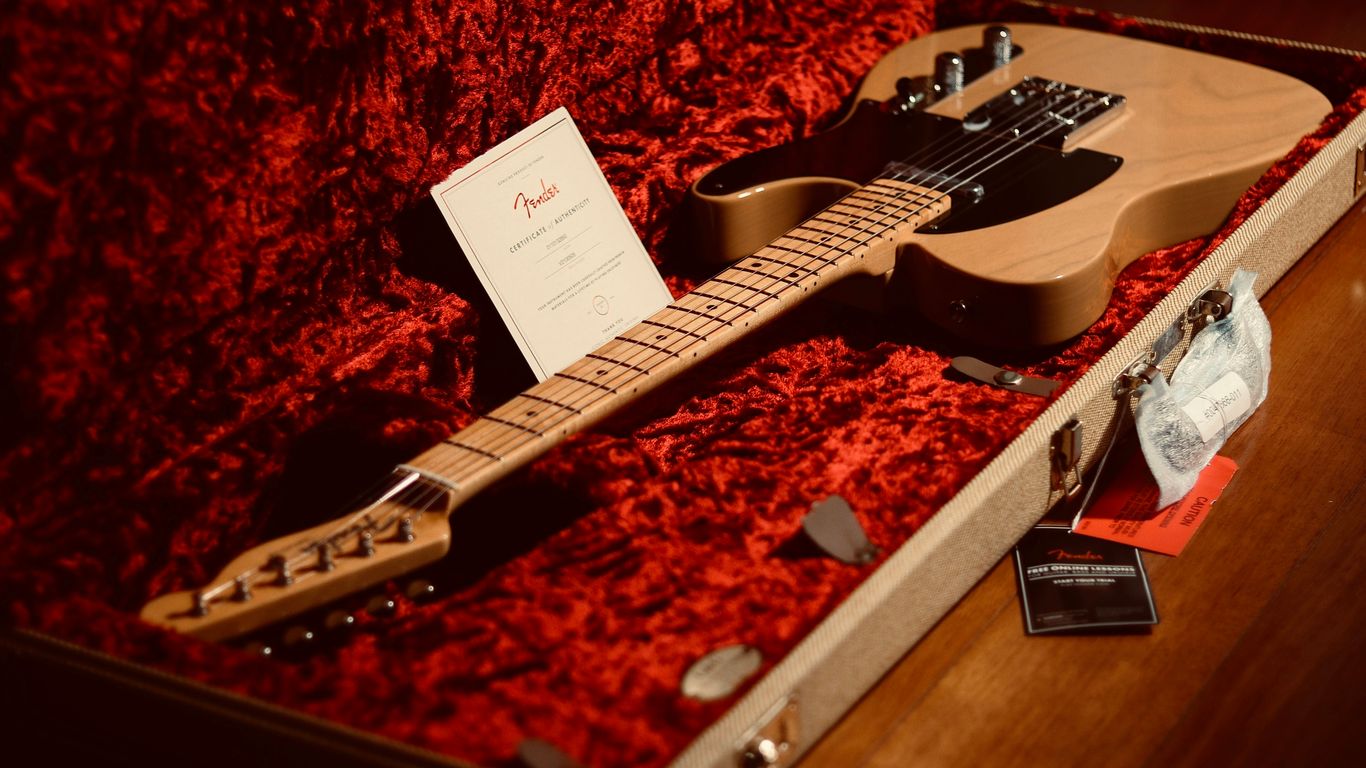
What should be included in a factory quotation
Ask for a model-by-model quotation in a consistent currency and unit basis. It should identify the specification, quantity, packaging, production lead time, sample treatment, tooling, payment terms, validity period, and named Incoterm. If the price is based on FOB, clarify the named port; if it is EXW, confirm which pickup location and loading responsibilities apply.
The quotation should separate one-time charges from recurring unit costs. It should also state whether taxes, export handling, cartons, labels, inspection access, and replacement parts are included. Ambiguity at this stage tends to reappear as a surprise invoice or a disagreement during production.
For international planning, accurate carton data is just as important as the unit price. Ask for carton count, dimensions, gross and net weight, cubic volume, palletization, and whether the packing list will use the same figures. Those details are necessary for freight comparisons and customs preparation.
Comparing minimum order quantities and tiered pricing
MOQ may apply per model, color, finish, or logo treatment. A factory might accept a lower total quantity while requiring a minimum for each SKU, or it might quote a better unit price only when several models share components and packaging. Ask the supplier to show the price and lead-time effect at your likely first order, reorder, and expansion quantities.
For a mixed assortment, consider whether consolidation across models is practical. Several suppliers or production lines may create a more complex pickup and inspection plan, but they can also prevent a small buyer from holding excessive inventory of one model. The comparison should include handling and coordination costs, not just the factory unit price.
Payment terms deserve equal attention. A deposit may be required before materials are purchased, with the balance due before release. Tie the final payment to agreed documents and an inspection outcome where commercially reasonable, while recognizing that an inspection does not replace a clear contract or remedy process.
Estimating tooling, packaging, branding, and sample costs
Custom headstocks, molds, jigs, rosettes, inlays, color matching, and branded packaging can generate development charges. Ask whether each fee is refundable, amortized into a future order, or retained if the project stops. Confirm who owns the artwork, tooling, and production files, and whether they can be used by another supplier.
Samples may be charged at a different price from production units because they use manual work, special materials, or expedited scheduling. Request a sample invoice that identifies shipping, revisions, and the conditions for crediting the charge against a production order. Approve one controlled reference sample rather than allowing several informal versions to circulate.
Packaging should be tested as part of the product, not added at the very end. A retail box that looks attractive but increases carton volume or leaves the bridge vulnerable may create a higher landed cost and more claims. Ask for a packed sample and review the inner supports, humidity protection, labeling, and stacking assumptions.
Protecting margins when exchange rates and material prices change
Wood, metal hardware, strings, electronics, cartons, and freight can all change in price. A quotation validity period and adjustment clause should identify which inputs may trigger a revision and what evidence the supplier must provide. Avoid accepting an open-ended right to change the price after production approval.
Build a margin model with a sensitivity range rather than a single optimistic exchange rate. Include samples, tooling, inspection, bank charges, inland transport, freight, duty, tax, brokerage, storage, damages, and expected marketplace or fulfillment fees. If you sell through more than one channel, calculate the economics separately because packaging and delivery requirements may differ.
A broader landed-cost planning guide is useful for comparing product price, freight, duties, taxes, and Incoterms in a consistent way. The merchandise in that guide is different, but the discipline of comparing EXW, FOB, CIF, DAP, or DDP responsibilities is directly relevant to guitar imports.
Building a reliable product quality-control process
Quality control begins before the first sample is made. Musical instruments combine natural materials, precise geometry, finish work, hardware, and subjective playability, so a buyer needs both measurable criteria and a defined listening and playing review. The process should identify what is acceptable, what requires rework, and what is a rejection-level defect.
Defining measurable specifications for guitars and ukuleles
Create a specification sheet for every SKU. Include dimensions and tolerances, materials, finish, logo placement, hardware, strings, action, neck relief, intonation, electronics function, accessories, carton configuration, and acceptable cosmetic variation. Use photographs or marked drawings for features that words may not describe clearly.
Separate critical, major, and minor defects. A loose bridge, serious neck issue, unusable tuner, or failed pickup is not equivalent to a small finish mark in a hidden area. State the inspection sampling method, acceptable quality limit if used, and the treatment of defects found after delivery.
The approved sample should be identified by a reference number and retained by both parties when possible. Any later change to wood, hardware, finish, or packaging should require written approval. This protects the buyer from quiet substitutions made to meet a production date.
Inspecting wood, neck alignment, fretwork, finish, and setup
Inspect wood for cracks, open joints, unstable areas, excessive filler, and unacceptable color or grain variation. Check the neck for alignment, relief, twist, and secure attachment. Fretwork should be examined for sharp ends, uneven height, buzzing, poor dressing, and inconsistent spacing.
Playability checks should follow a consistent method. Measure action at the specified fret, inspect intonation across the fingerboard, test every fret, operate every tuner, and verify the bridge, saddle, nut, strap buttons, and electronics. For ukuleles, include tuning stability and the specified tuning in the test record.
Finish inspection should cover the top, back, sides, neck, headstock, binding, bridge area, and logo. Record defects with photographs and location codes. A repeatable inspection takes longer than a casual visual check, but it gives the factory a clear basis for correction.
Using pre-production samples and production approval checkpoints
A pre-production sample should use the materials, artwork, hardware, strings, and packaging intended for the order. Review it before the factory makes the full quantity. If the sample differs from the development version, list each deviation and obtain written agreement on the final reference.
Set approval checkpoints for materials, first completed units, mid-production output, final packing, and shipment release. These checkpoints are especially useful when several models share a production schedule. They allow a problem to be corrected while rework is still practical rather than after all cartons are sealed.
Do not treat approval as a single email saying “looks good.” Attach the specification, photographs, test results, and any accepted deviations. The more precise the approval record, the easier it is to distinguish a manufacturing defect from a change that the buyer accepted.
Planning third-party inspections and defect-resolution procedures
A third-party inspection can provide an independent count, visual review, functional test, packaging check, and comparison against the approved standard. Define the inspection date, sampling level, defect categories, test equipment, and report format before the inspector visits. The factory should know what the inspector will check and what evidence will be required.
Agree on a response procedure for failed or conditional inspections. It may include rework, reinspection, replacement of units, credit, spare parts, or a documented concession. Put deadlines and responsibility for inspection charges in the purchase agreement rather than relying on informal messages.
Inspection is one part of risk control, not a substitute for supplier selection. A weak specification can produce a technically “passed” order that still disappoints customers, while a strong supplier can be undermined by unclear packaging or an unapproved material change.
Preparing guitars and ukuleles for cross-border shipping
Instruments are vulnerable cargo. They can be affected by compression, vibration, impact, moisture, and rapid temperature changes, and their cartons often contain voids that make stacking less stable. Freight planning should therefore begin while the packaging and order quantity are still flexible.
Choosing cartons, inner packaging, and container loading methods
Each instrument should be secured against movement inside its case, gig bag, or retail box. Protect the headstock, bridge, tuners, and finish from contact with neighboring surfaces. Use inner supports that absorb movement without pressing excessively on the top or neck, and test the packed unit rather than approving packaging from a drawing alone.
Outer cartons should be strong enough for the planned handling and stacking conditions. Define carton dimensions, gross weight, marks, orientation instructions where appropriate, and the number of units per carton. For container loading, consider weight distribution, crush risk, pallet use, bracing, and whether cartons will be exposed to damp floors or walls.
A packed drop or vibration test may reveal weaknesses that are not visible during factory handling. Even when formal testing is not required, a controlled trial shipment can show whether the selected carton, inner support, and loading pattern are adequate for the route.
Comparing sea freight, air freight, rail, and courier options
Sea freight is often suitable for larger, less urgent shipments, especially when carton volume justifies a consolidated or full-container movement. Air freight can reduce transit time for valuable or time-sensitive orders but usually has a higher transport cost. Rail may fit certain China-to-destination corridors, while courier service can suit samples or very small consignments.
The decision should consider cargo volume, urgency, value, damage exposure, destination, customs complexity, and the cost of stockouts. A fast method is not automatically efficient if the order is bulky and the sales deadline is flexible. Conversely, a lower-cost method may be unsuitable if it misses a launch or replenishment window.
A musical instrument shipping guide provides a useful reminder that packaging, transport mode, handoff responsibility, and documentation need to be planned together. The handling requirements differ among instruments, but the underlying freight questions remain relevant.
Understanding shipping documents, customs data, and Incoterms
The commercial invoice should describe the goods accurately, with model information, quantities, unit values, currency, seller and buyer details, and agreed terms. The packing list should match the actual carton count, dimensions, weights, and contents. Customs data may also require HS classification, country of origin, material information, and destination-specific declarations.
Incoterms allocate responsibilities for transport, risk, export handling, and import arrangements, but they do not replace a complete sales contract. Confirm who books freight, who pays origin charges, who clears import customs, who pays duties and taxes, and where risk transfers. Do not compare one supplier’s FOB price with another supplier’s DDP price as though they were the same service.
Documents should be reviewed before cargo is ready. Correcting an invoice or packing list after loading can delay clearance or create discrepancies between the shipment and the customs entry. Keep the approved specification and commercial documents together in the order file.
Reducing damage, moisture, and temperature risks in transit
Wooden instruments should be packed with the route and season in mind. Ask the factory about moisture control, desiccants, ventilation, carton liners, and storage before pickup. Rapid temperature changes can contribute to finish or structural problems, so avoid leaving packed instruments exposed to extreme conditions during transfers where practical.
Cargo photographs at pickup provide a useful record of carton condition, labels, quantity, and loading. When multiple suppliers are involved, count and measure each batch before consolidation. This creates a baseline for investigating shortages or visible damage later.
Insurance terms should be checked rather than assumed. Confirm what risks are covered, what exclusions apply, how valuation is calculated, and which documents are required for a claim. Damage prevention and accurate evidence remain important even when cargo insurance is arranged.
Planning landed costs and import compliance
The import budget should cover the complete movement from supplier handover to the receiving address. Product price is only one component; origin charges, freight, insurance, duties, taxes, brokerage, storage, inspection, and final delivery may all affect the result. Building the model before placing the order helps prevent a viable factory price from becoming an unviable delivered price.
Calculating product, freight, duty, tax, and brokerage costs
Start with the purchase price and add development or packaging charges that belong to the order. Then add inland pickup, export handling, freight, insurance where applicable, destination charges, customs brokerage, duty, import tax, storage, and final delivery. For consolidated cargo, confirm how shared charges are allocated among suppliers or product lines.
Use realistic cargo data. A small change in carton dimensions can alter cubic volume, container utilization, or air-freight chargeable weight. Ask for a quote based on measured or verified packing data, and record the assumptions behind each freight offer.
A simple cost table can make competing quotations comparable:
| Cost component | Basis to confirm | Common source of variance |
|---|---|---|
| Product and packaging | Unit price, SKU, quantity | Material, branding, or MOQ changes |
| Origin movement | Pickup address and cargo data | Multiple suppliers or remote pickup |
| International freight | Mode, route, volume, weight | Carrier schedules and space availability |
| Import charges | HS code, customs value, destination | Duty, tax, inspection, or brokerage rules |
| Final delivery | Address, appointment, handling | Residential, warehouse, or fulfillment requirements |
After totaling the components, calculate landed cost per unit and compare it with the expected selling price and margin. Keep a second scenario for exchange-rate or freight changes so that the purchase decision is not based on a single fragile estimate.
Checking destination-country safety and labeling requirements
Requirements vary by destination, sales channel, instrument type, materials, and electronics. Check product labeling, importer information, country-of-origin marking, packaging rules, timber or material declarations, chemical restrictions, battery requirements if applicable, and consumer product or electrical standards relevant to the model.
A guitar with an onboard preamp may create different documentation questions from a purely acoustic instrument. A retail package may also need barcodes, care instructions, warnings, or language-specific information. Confirm requirements with the destination customs authority, a qualified compliance professional, or the importer of record rather than relying only on the factory’s general export experience.
Keep evidence organized by SKU. Store test reports, supplier declarations, artwork approvals, invoices, packing lists, and inspection reports in the same product file. This makes repeat orders easier and reduces the chance that an old document is applied to a revised model.
Selecting a freight forwarder and customs partner
Choose a logistics partner that can explain the proposed route, origin pickup, consolidation plan, documents, destination handoffs, and charge basis. Ask whether the quote is for port-to-port, door delivery, or another defined service. Confirm who will communicate with the factory, who checks cargo details, and who handles discrepancies before export.
For a small order or sample, express or air options may be practical. For larger assortments, sea freight or consolidation may make more sense, while rail or road can depend heavily on the destination corridor. A capable forwarder should explain the trade-offs instead of presenting one method as universally suitable.
Kunpeng Freight coordinates supplier pickup, cargo inspection and consolidation, export handling, air, sea, rail, road, and express shipping, along with import paperwork and customs documentation support. Those documented services can be relevant when you want one operating workflow from factory handover through delivery, but the appropriate route still depends on verified cargo details and destination requirements.
Creating a repeatable purchasing and replenishment workflow
A repeatable workflow begins with a controlled product brief and approved sample. It continues through quotation comparison, purchase order, production checkpoints, inspection, pickup, document review, freight booking, customs clearance, delivery confirmation, and post-shipment review. Assign an owner to each stage so that an unanswered question does not remain hidden between the factory and forwarder.
Keep records of actual carton data, production dates, inspection findings, freight charges, clearance issues, damage, and customer returns. Compare those records with the original estimate after every shipment. The results can improve the next quotation, packaging design, reorder point, and mode selection.
Kunpeng Freight can coordinate the China-to-destination logistics flow, while the importer remains responsible for accurate product information and destination compliance. For a first order, prepare the product brief, supplier contact, pickup address, carton data, destination, preferred method, and required documents before sending a quote request. This gives the logistics team enough information to identify missing details and compare practical shipping options.
Conclusion
Sourcing from a Huiyang guitar factory is best approached as a controlled process rather than a quick catalog purchase. Define the instrument precisely, verify the supplier and sample, approve production standards, and treat packaging, documents, freight, and landed cost as part of the product decision. With those steps in place, Huiyang’s broad manufacturing network can be assessed on evidence and used more deliberately for acoustic guitars, ukuleles, and private-label programs.
Frequently Asked Questions
Is Huiyang suitable for acoustic guitar sourcing?
Huiyang is a significant guitar manufacturing cluster with factories and suppliers covering different product levels and capabilities. Suitability depends on matching a specific supplier to your materials, construction, volume, quality requirements, and export needs.
What should be included in a guitar sourcing brief?
Include body shape, dimensions, materials, construction, hardware, electronics, finish, branding, strings, setup, packaging, quantity, destination, and target timing. Clear specifications make quotations, samples, inspections, and repeat orders easier to compare.
How can a buyer verify a guitar factory?
Check the legal entity, physical address, production processes, export history, equipment, certifications, subcontracting arrangements, and quality records. Request representative samples and confirm that the quotation entity matches the company responsible for production and documents.
How many samples should be ordered before production?
At least one representative sample is needed, but additional samples may be useful for different SKUs, finishes, or electronics configurations. The approved sample should be documented with photographs and a written specification rather than evaluated from memory.
Which shipping method is best for guitars and ukuleles?
The appropriate method depends on volume, urgency, value, destination, packaging, and customs requirements. Sea, air, rail, road, courier, and consolidated services each involve different cost, speed, handling, and risk trade-offs.
What costs belong in landed cost?
Landed cost can include product, packaging, development charges, inland pickup, export handling, freight, insurance, destination charges, duty, tax, brokerage, storage, inspection, and final delivery. The exact components depend on the route, Incoterm, cargo data, and destination.
Should a first order use private labeling?
Private labeling can be introduced with controlled changes such as artwork, packaging, or a standard instrument platform. More complex construction changes may require tooling, higher MOQs, longer development, and additional approval, so the first order should match available budget and operational capacity.