
Key Takeaways
Sourcing from a Shaodong lighter factory can be commercially attractive, but the product, fuel, packaging, transport mode, and destination rules must be planned together.
- Define the lighter design, fuel status, packaging, and labeling before requesting prices.
- Verify the supplier through licenses, samples, testing records, audits, and inspections.
- Treat fuel-filled lighters as regulated dangerous goods and confirm the classification with specialists.
- Compare freight methods by cargo characteristics, carrier acceptance, documentation, cost, and timing.
- Keep supplier, freight, customs, and inspection documents consistent from pickup through delivery.
1. Understand the Shaodong lighter manufacturing market
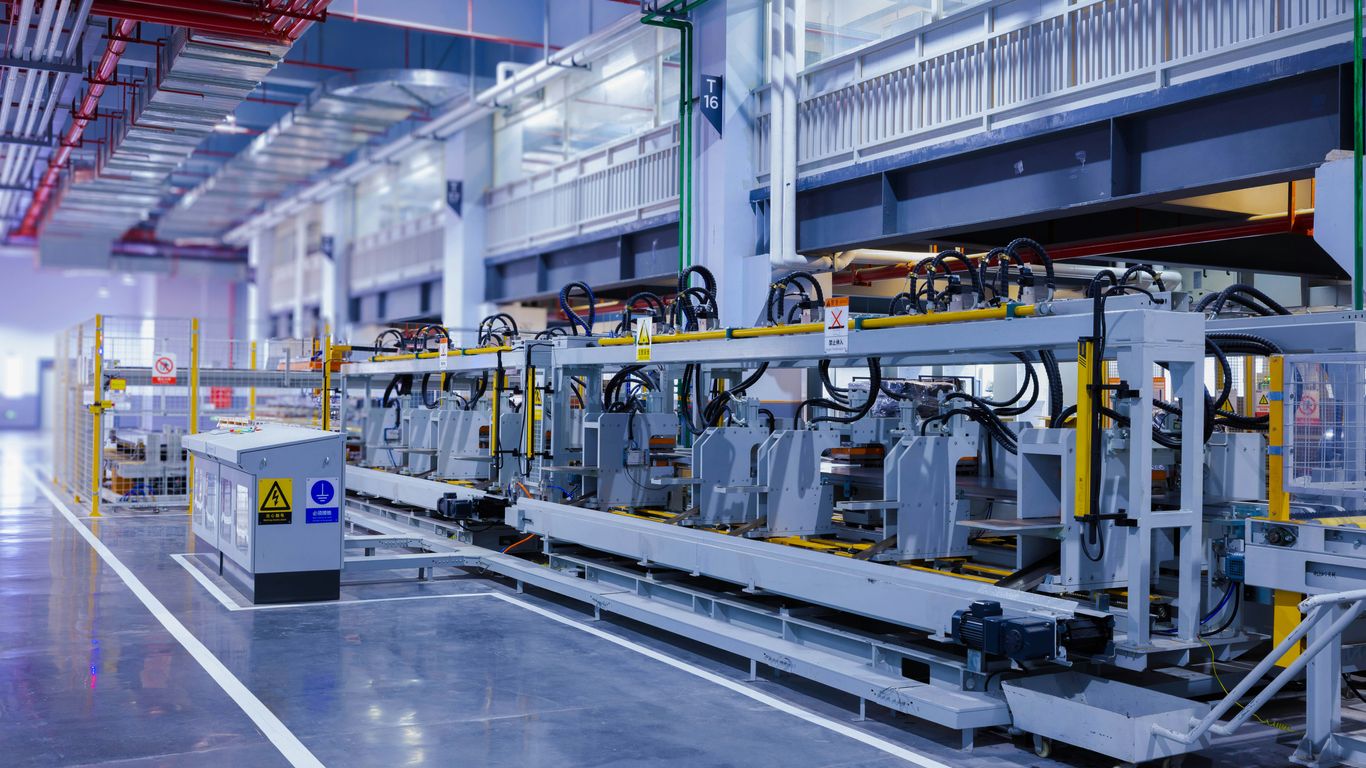
Shaodong is widely recognized as a major center for disposable lighter production in Hunan, China. Its supplier base includes automated factories, smaller workshops, trading companies, and intermediaries serving different export markets. That variety gives buyers choice, but it also means that a low quoted price does not by itself establish production capability or compliance. A careful sourcing process begins by understanding what the local ecosystem can provide and which type of supplier fits the order.
Why Shaodong is a major lighter production hub
Shaodong’s lighter industry developed around concentrated manufacturing knowledge, supporting suppliers, labor, machinery, and established export relationships. Public reporting describes the city as supplying a substantial share of the global disposable lighter market, although published production estimates vary by source and year. The practical point for an importer is that the region offers a deep pool of suppliers familiar with high-volume production and export packaging.
The city’s manufacturing history also explains why buyers may encounter both highly automated plants and less formal operations. A factory’s location in Shaodong is a useful starting clue, not a substitute for verification. For broader background on the region’s scale and industrial development, see this Shaodong lighter industry overview.
Common types of disposable and refillable lighters
The first sourcing decision is the product family. Disposable plastic gas lighters, electronic or piezo ignition models, refillable utility lighters, torch-style products, and novelty formats can differ substantially in construction, fuel system, testing, packaging, and transport treatment. A quote request that says only “disposable lighter” leaves too much room for suppliers to substitute components or assumptions.
Describe whether the lighter is disposable or refillable, whether it contains fuel at shipment, how it ignites, and whether the flame is fixed or adjustable. Also identify any intended use, such as household lighting, candles, grills, or promotional distribution. These details affect both the commercial comparison and the compliance review.
How to evaluate a Shaodong lighter factory
A credible Shaodong lighter factory should be able to explain its production process, component sources, inspection points, output capacity, sample policy, and export experience in clear terms. Ask for the legal company name, business license, factory address, production photographs, and the names of the entities shown on invoices and shipping documents. Confirm that the company receiving payment is connected to the operation that will manufacture the goods.
Supplier websites can help you build an initial shortlist, but they are not proof of current capacity or product conformity. For example, a public supplier profile for Shaodong Lianhua Lighter Manufacture Co., Ltd. describes plastic disposable and electronic lighter production; a buyer should still verify the specific model, records, and order terms directly.
Factory, trading company, and sourcing agent differences
A factory controls production directly, while a trading company may combine products from several plants. A sourcing agent can help locate suppliers, negotiate, inspect, and coordinate communication, but may add a service fee or make the actual manufacturer less visible. None of these structures is automatically unsuitable. The risk comes from unclear responsibility when a defect, document mismatch, or shipment delay occurs.
Ask who owns the tooling, who approves substitutions, who issues the commercial invoice, and who is responsible for corrective action. If several suppliers are being combined, establish whether the shipment will be consolidated under one exporter or handled as separate consignments. Written answers are more useful than general assurances given during an introductory call.
When private-label production makes sense
Private-label production can make sense when you have a defined sales channel, repeat demand, and enough volume to justify custom printing, colors, packaging, or tooling. It is less suitable when the order is exploratory and the market response is unknown. Custom artwork should be treated as part of the technical specification, not as a final cosmetic detail.
Before approving a private-label order, clarify artwork ownership, print tolerances, sample approval, minimum order quantities, lead time, and treatment of obsolete packaging. Consider a pilot quantity if the product will be sold in a market with demanding consumer-safety rules. The goal is to reduce the chance of paying for a large run before the physical product and paperwork have been checked.
2. Define product specifications before requesting quotes
A reliable quotation starts with a description that two suppliers would interpret in the same way. Include the lighter format, ignition system, fuel condition, dimensions, materials, decoration, packaging, and destination market. Buyers should also state whether they need samples, inspection, pickup, consolidation, or delivery to a particular warehouse. The more precise the brief, the easier it is to compare like with like.

Choosing lighter formats, ignition systems, and fuel types
State whether the product is a standard disposable lighter, refillable lighter, utility lighter, electronic model, or another format. Identify the ignition method and fuel type, and say whether the goods will be shipped filled, partially filled, or empty. Do not assume that “electronic” means fuel-free; the actual construction and shipment condition must be confirmed with the supplier.
Request a component description covering the body, valve, flint or electronic ignition parts, fuel reservoir, cap, and any safety mechanism. If the supplier proposes an equivalent component, require approval before production. Small changes to a valve, reservoir, or ignition assembly may affect performance, testing, and transport classification.
Setting requirements for flame height and adjustment
Flame behavior should be written as a measurable requirement rather than described as “strong” or “normal.” Specify whether the flame must be fixed, adjustable, soft, or torch-like, and identify acceptable operating conditions where relevant. A sample approved by appearance alone may not establish a repeatable production standard.
Ask the factory how flame height is checked, what adjustment range is expected, and how units outside tolerance are removed. Record the approved sample and retain photographs or measurement notes with the purchase order. This gives the inspection team a reference that is more concrete than a short product name.
Selecting materials, finishes, and branding options
List the body material, surface finish, colors, logo method, and any restrictions on inks or coatings. Clarify whether the design uses pad printing, heat transfer, labels, engraving, or molded decoration. Artwork files should include dimensions, placement, colors, and acceptable registration tolerance.
Branding also creates practical ownership questions. Confirm who supplies the artwork, whether the factory may reuse it, and how unused printed packaging will be controlled. If the lighter is intended for a regulated market, confirm that branding will not cover required warnings, markings, or traceability information.
Confirming packaging, carton quantities, and labeling
Packaging affects product protection, warehouse handling, freight calculations, and dangerous-goods acceptance. Ask for the number of units per inner box, inner boxes per carton, carton dimensions, gross and net weights, carton marks, and pallet details if applicable. The final packing arrangement should be approved before mass production, because a change in carton size can alter the shipment plan.
A packing list must describe the physical cargo accurately rather than relying on vague language. This packing list guidance is useful when checking quantities, weights, dimensions, and carton marks before documents are issued. Apply the same discipline to product labels and outer-carton markings, especially where the shipment contains fuel.
Preparing a product specification and quotation request
Send each supplier one structured request instead of a series of scattered messages. Include the target quantity, model reference, destination, required delivery point, packaging, branding, inspection expectations, and whether the goods contain fuel at handover. Ask suppliers to separate product cost, packaging, tooling, inland charges, and any testing or document fees.
A useful request should also ask for lead time from sample approval, production capacity for the requested quantity, payment terms, quotation validity, and the proposed shipping condition. If you are comparing quotes across several suppliers, the same quotation comparison guide principle applies: compare scope, inclusions, timing, and assumptions rather than just the headline figure.
3. Verify factory quality, safety, and compliance
Lighters combine small components, ignition, pressure, and fuel, so quality control cannot be reduced to a visual check. Verification should cover the supplier’s legal identity, production process, safety records, sample performance, and export documentation. The destination market may impose additional requirements beyond the factory’s normal domestic process. Build these checks into the purchase timeline before the deposit is paid.

Reviewing business licenses and production capabilities
Request the supplier’s current business license and compare its registered activities with the goods being offered. Confirm the factory address, production departments, equipment, workforce, and usual order size. If production is outsourced, identify the subcontractor and decide whether that arrangement is acceptable before signing.
Capacity should be tested against the actual order, not a broad annual claim. Ask how many lines will be assigned, what the normal daily output is, and how the factory handles peak-season demand. A site visit, live video walk-through, or independent audit can help establish whether the stated operation matches the sales presentation.
Checking lighter safety certifications and test reports
Ask for certificates and test reports that apply to the exact model, construction, and destination market. Check the issuing laboratory, test date, model reference, sample description, and any limitations. A certificate for a visually similar lighter may not support a different valve, ignition system, fuel configuration, or packaging arrangement.
Treat documents as evidence to review, not as a promise that every future batch will be identical. Request the factory’s internal quality procedures and records for incoming components, assembly, leak testing, ignition checks, and finished-goods sampling. When the destination authority or carrier has a specific format, confirm it before production.
Testing ignition reliability, gas leakage, and child resistance
Samples should be tested for repeated ignition, flame stability, leakage, physical damage, and operation after ordinary handling. Where child-resistant design is required, use the applicable recognized test method and an appropriately qualified laboratory rather than relying on an informal adult check. The exact test scope depends on the product and destination.
Keep samples from the approved batch and record the model, date, fuel condition, and packaging. Test results should be connected to the production order so that a later dispute is not based on an unidentified sample. Documented test evidence matters because it provides a traceable basis for decisions about release, rework, or rejection.
Using samples, factory audits, and third-party inspections
A sensible inspection sequence usually has three stages: pre-production review, during-production inspection, and pre-shipment inspection. The first confirms materials and artwork, the second checks assembly and process consistency, and the third verifies finished quantity, packaging, markings, and documents. The depth of inspection should reflect the order value and the consequences of failure.
Third-party inspectors should receive the approved specification, defect definitions, sampling plan, and photographs. An audit can examine records, equipment, worker practices, storage, and corrective-action procedures. These steps do not remove all risk, but they make problems visible while there is still time to correct them.
Identifying quality risks in low-cost lighter sourcing
Very low prices may result from simpler decoration or efficient production, but they can also signal omitted testing, substituted components, weak packaging, or an unrealistic delivery assumption. Compare the full offer, including inspection, documentation, inland movement, and rejected-goods treatment. A supplier that avoids basic questions about fuel condition or test scope presents a greater commercial risk.
Do not approve a quote until you understand what is included and what is excluded. A restricted cargo archive can help frame questions about challenging goods, but the lighter’s own classification and carrier requirements still need product-specific confirmation. Cost discipline is useful only when the purchase remains legally importable and physically safe.
4. Classify disposable lighters for international transport
The presence of fuel is central to transport planning. A lighter that contains flammable gas is not handled like an ordinary plastic household article, and carrier acceptance can vary by mode, route, packaging, and quantity. The supplier, freight forwarder, carrier, exporter, and importer must work from the same description. Classification should be confirmed before the order is packed or a booking is requested.

Why disposable lighters are treated as hazardous goods
Fuel-filled lighters can release flammable vapor and ignite if damaged, exposed to heat, or accidentally activated. That combination creates risks during storage, loading, transit, and handling at terminals. Even a small item can therefore trigger dangerous-goods controls when it contains fuel.
The fact that a lighter is small or inexpensive does not remove the transport issue. Tell every logistics party what the product is and whether it contains fuel. Concealing or describing it as ordinary plastic cargo can lead to refusal, delay, penalties, or unsafe handling.
Understanding UN numbers, hazard classes, and shipping descriptions
A dangerous-goods entry normally requires a UN number, proper shipping name, hazard class, packing information, and related transport details. Lighters are commonly associated with UN 1057 and Class 2.1 in certain fuel-filled configurations, but the correct entry depends on the product and applicable transport rules. Do not copy a classification from an unrelated model.
Provide the supplier’s technical description, fuel details, test information, and packing arrangement to a dangerous-goods professional. The final shipping description must match the physical cargo and the carrier’s booking requirements. This lighter shipping guide explains why classification, packaging, markings, and customs checks should be coordinated before production is complete.
Distinguishing lighters with fuel from empty lighter bodies
An empty lighter body may be treated differently from a completed lighter containing fuel, but “empty” must be meaningful and supported by the actual condition of the goods. Residual gas, pressure, or contaminated components can change the assessment. The buyer should obtain a written description of what the supplier means by empty and how the condition is achieved.
Separate product descriptions, photographs, packing arrangements, and documents should be used when a shipment contains both empty bodies and completed lighters. Never assume that removing a retail package changes the underlying dangerous-goods status. The forwarder and carrier need the factual product condition, not a convenient commercial label.
Confirming transport rules for gas-filled and butane products
Gas-filled and butane products may face different acceptance rules for ocean, air, rail, courier, or road transport. Airlines and express carriers often apply tighter restrictions than ocean carriers, and some routes may not accept the cargo at all. A carrier’s acceptance must be checked for the specific origin, destination, quantity, packaging, and service level.
Ask whether the shipment requires an approved package, limited quantity treatment, declaration, inspection, or special booking. Confirm cut-off times and whether the cargo must move through a designated terminal. A mode that appears faster on paper may become slower if the carrier rejects the booking or requests new documents.
Gathering the safety data and dangerous goods documentation
Before booking, assemble the product specification, fuel information, safety data where applicable, test reports, packing details, carton count, weights, dimensions, and proposed classification. The exporter may also need a dangerous-goods declaration or packing certificate depending on the transport mode. The importer should keep copies for customs and internal compliance records.
Make sure the model number and shipment description remain consistent across the invoice, packing list, declaration, booking, and labels. If a document uses a different quantity or weight, resolve the discrepancy before cargo handover. Consistent information is one of the simplest ways to prevent a routine document review from becoming a shipment delay.
5. Plan hazardous goods shipping from Shaodong
Shipping from Shaodong involves more than selecting a port or asking for a freight rate. Cargo normally needs inland pickup, supplier handover, packing review, export handling, carrier approval, international transport, destination customs, and final delivery. Dangerous goods add another layer of booking and documentation checks. Plan the complete route while the product is still at the quotation stage.
Comparing ocean, air, rail, and courier options
Ocean freight is often considered for larger, less urgent consignments, while air may suit time-sensitive cargo only when the airline and route accept the goods. Rail and road options depend on the corridor, border requirements, and carrier rules. Express courier services can be convenient for ordinary samples but may be unavailable or restricted for fuel-filled lighters.
Compare each option using the actual carton count, weights, dimensions, fuel status, destination, urgency, and required delivery point. A cost-efficient mode is not necessarily the one with the lowest initial rate if it introduces re-packing, storage, or repeated booking attempts. Transit estimates should remain indicative because carrier schedules, inspections, and dangerous-goods acceptance can change.
Working with freight forwarders experienced in dangerous goods
Choose a forwarder that will review the cargo before pickup and explain what the carrier needs. Ask who will arrange supplier collection, inspect or photograph the cartons, verify measurements, prepare export paperwork, and coordinate the dangerous-goods booking. You should also know who communicates a rejection and what corrective options are available.
Kunpeng Freight coordinates China-origin pickup, cargo details, export handling, and international shipping options including air, sea, rail, road, and express services. For a restricted shipment, the relevant capability is not a broad promise of acceptance; it is the early review of the actual product, documents, route, and carrier requirements.
Preparing declarations, packing certificates, and commercial invoices
The commercial invoice should identify the seller, buyer, product description, quantity, value, currency, and trade terms. The packing list should show carton quantities, weights, dimensions, and marks. Dangerous-goods documents must use the classification and wording confirmed for the particular shipment.
Prepare documents before the cargo is ready so discrepancies can be corrected without holding loaded cartons. Guidance on customs documentation is helpful for organizing the wider file, while the dangerous-goods declaration must still be completed according to the applicable modal rules. Keep one controlled version of each document.
Meeting packaging, quantity, and container requirements
Packaging must protect the lighters from movement, impact, leakage, and accidental activation while meeting carrier and regulatory requirements. Confirm inner and outer packaging, carton strength, orientation, labels, and any limits on quantities per package or container. Do not let the factory change the packing method after the booking documents have been issued without a review.
The forwarder may require photographs or an inspection before accepting the cargo. If several suppliers are consolidated, separate the goods clearly and confirm whether their documents can be combined. Consolidation can be useful, but it increases the need for accurate counts and controlled handoffs.
Estimating freight costs, surcharges, and transit times
A useful freight comparison separates pickup, export handling, dangerous-goods processing, documentation, ocean or air freight, terminal charges, destination fees, customs service, duty and tax, storage, insurance, and final delivery. Ask which charges are estimated and which depend on actual carrier billing. Also clarify whether the rate assumes standard or special packaging.
For a shipment with multiple cost variables, request an itemized quote tied to verified cargo details. Kunpeng Freight’s operating model includes structured cargo information for quoting and route discussion, but the final amount still depends on the shipment, route, carrier, and destination charges. The buyer should budget for inspection or customs delays rather than treating a preliminary rate as a fixed landed cost.
6. Navigate disposable lighter import rules
Import rules vary by destination and may cover product safety, child resistance, labeling, customs classification, packaging, and importer records. The buyer remains responsible for confirming what can legally enter the market, even when a supplier offers an export-ready product. Begin with the destination country and intended sales channel, then work backward to the product and shipment plan.
Checking destination-country customs and product regulations
Identify the customs authority, consumer-safety regulator, and any agency responsible for flammable products in the destination market. Confirm whether the goods require product registration, testing by an approved laboratory, special marking, or an importer declaration. Requirements can differ between commercial imports, samples, promotional goods, and consumer retail products.
Give the broker the complete description before arrival. A cross-border customs guide illustrates the broader principle that commercial goods, restricted goods, permits, and accurate declarations must be treated differently. The lighter shipment needs its own classification and documentation review rather than a generic customs assumption.
Reviewing US import requirements for lighters
US importers should confirm applicable requirements with US Customs and Border Protection, the Consumer Product Safety Commission, and other relevant authorities before ordering. Requirements may concern child-resistant design, performance testing, markings, packaging, records, and the importer’s ability to support the entry. The exact obligations depend on the lighter type and intended distribution.
Do not rely solely on a supplier’s statement that a model is suitable for the United States. Match the model number, test report, package, label, and invoice description. If the goods will be sold through a marketplace or fulfillment network, check that channel’s additional acceptance rules as well.
Confirming child-resistant design and consumer safety obligations
Child resistance is a product-safety requirement, not simply a packaging preference. Determine which standard applies, whether the complete lighter or package is tested, how samples are selected, and whether the report covers the production model. Keep evidence that links the test to the goods being imported.
A design change made for branding or cost reduction can affect the test result. Require written approval for changes to the ignition mechanism, guard, cap, fuel system, or body. The same careful comparison used when evaluating other regulated products—such as the technical claims discussed in this Class IV MLS therapy reference—does not replace the lighter-specific rules, but it reinforces the need to match evidence to the exact product.
Meeting marking, labeling, and packaging requirements
Labels may need product identification, warnings, country-of-origin information, importer details, age guidance, or dangerous-goods marks depending on the market and transport stage. Confirm which information belongs on the retail pack, inner carton, outer carton, and shipping document. Placement matters when labels must remain visible after palletizing or consolidation.
Review artwork before printing and inspect finished cartons before shipment. Do not cover required warnings with promotional stickers or allow handling marks to obscure the dangerous-goods information. If packaging is customized, retain an approved file and photograph for future inspection reference.
Understanding customs classification, duties, and importer responsibilities
The importer or appointed customs broker must confirm the tariff classification, declared value, origin, duties, taxes, and any additional fees. HS-code research should be based on the actual product and destination tariff schedule. A factory’s suggested code may be useful as a starting point but should not be accepted without review.
Importer responsibilities also include maintaining records, responding to customs questions, and managing product recalls or corrective actions where required. Customs clearance is not the same as consumer-market compliance: cargo can enter and still fail a later product-safety review. Treat both obligations as part of the landed-cost and launch decision.
7. Build a compliant sourcing and delivery workflow
The safest workflow connects sourcing, product approval, inspection, dangerous-goods classification, freight booking, customs, and final delivery. Each handoff should have an owner and a document trail. This reduces the chance that one team approves a product while another books a shipment under an inaccurate description. It also gives the importer a practical response plan when conditions change.
Comparing supplier quotations beyond the unit price
Compare the product specification, packaging, testing, tooling, lead time, payment terms, export experience, and rejected-goods policy alongside the unit price. Confirm whether the quote includes inland delivery from Shaodong, export documentation, inspection access, and any dangerous-goods preparation. A low unit price can be offset by special packing, storage, rework, or destination charges.
Use one comparison sheet for every supplier and record assumptions beside each figure. A landed-cost planning guide offers a useful structure for connecting supplier selection, specifications, freight, customs, and delivery. The objective is not simply to choose the lowest quote; it is to choose an offer whose total obligations are understood.
Setting inspection checkpoints before production and shipment
Set approval points before materials are ordered, after the first production units are made, during the run, and before cargo release. At each point, record the sample reference, defect standard, quantity checked, photographs, and corrective action. The supplier should know what happens if an inspection fails and who authorizes rework.
For higher-risk consignments, arrange a final check of carton counts, weights, dimensions, marks, labels, and documents before loading. If cargo is consolidated, photograph each handoff and preserve the packing information for every supplier. These records help distinguish a factory defect from damage or shortage occurring later in transit.
Aligning Incoterms, insurance, and liability terms
Incoterms allocate specific responsibilities for transport, export, import, and risk, but they do not replace a complete sales contract. Confirm the named place, who arranges pickup, when risk transfers, who handles dangerous-goods paperwork, and who pays destination charges. Avoid using an Incoterm without identifying the exact location and responsibilities around it.
Review insurance for fuel-filled goods and confirm exclusions before shipment. Clarify liability for leakage, rejected cargo, customs holds, storage, destruction, and regulatory nonconformity. If a supplier or carrier will not accept a responsibility, record that limitation before payment and booking.
Creating a document checklist for customs clearance
A controlled document file should include the purchase order, approved specification, commercial invoice, packing list, transport document, product photographs, test reports, classification information, dangerous-goods declaration where required, and insurance details. Add permits, certificates, or origin documents if the destination authority requests them. Check names, quantities, weights, model numbers, values, and addresses across every file.
A short working checklist can prevent avoidable omissions:
- Match the product description and model across all documents.
- Reconcile carton count, net weight, gross weight, and dimensions.
- Confirm the dangerous-goods classification and carrier acceptance.
- Verify consignee, importer, delivery address, and Incoterm details.
After the checklist is complete, send the controlled file to the broker and forwarder before departure. Kunpeng Freight can coordinate import paperwork assistance, customs documentation support, and final delivery coordination as part of a China-to-destination shipping workflow, subject to the actual cargo and route.
Handling rejected shipments, recalls, and compliance disputes
A rejected booking or inspection result should trigger a documented hold, not an improvised relabeling exercise. Identify the reason, preserve the original evidence, and ask the carrier, laboratory, broker, or authority what correction is acceptable. Repacking, re-testing, return, destruction, or a change of transport mode may each have different costs and legal consequences.
If a product reaches the market and a safety problem is discovered, follow the destination’s recall and reporting procedures. Keep supplier communications, batch records, inspection reports, and customer distribution data organized. A clear contract should also explain who pays for corrective action when the issue results from an approved specification, an unauthorized substitution, or a transport handling failure.
Conclusion
A successful Shaodong lighter purchase depends on treating sourcing and logistics as one connected project. Define the exact lighter, verify the factory, test the product, classify fuel-filled goods correctly, and confirm destination rules before production and booking. When every party works from matching specifications and documents, you have a much clearer basis for comparing cost, timing, risk, and delivery options.
Frequently Asked Questions
Is Shaodong a suitable place to source disposable lighters?
Shaodong is a major lighter manufacturing center with suppliers serving domestic and export markets. Suitability depends on the individual factory’s product, quality controls, documentation, capacity, and ability to meet the destination market’s requirements.
Are disposable lighters dangerous goods when shipped internationally?
Fuel-filled lighters are generally treated as regulated dangerous goods because they can contain flammable gas or liquid. The exact classification, packaging, documentation, and carrier acceptance depend on the product condition and transport mode.
Can empty lighter bodies be shipped as ordinary cargo?
Not automatically. The actual condition must be confirmed, including whether fuel or pressure remains and whether the components create another transport concern. Obtain a product-specific assessment before booking.
What should a lighter quotation include?
A quotation should identify the model, fuel and ignition system, quantity, packaging, branding, tooling, lead time, payment terms, delivery point, and any inspection or documentation charges. Freight and destination costs should be separated from the product price.
What documents are commonly needed for import clearance?
Common documents include a commercial invoice, packing list, transport document, product description, classification information, and any required testing, safety, origin, or dangerous-goods documents. The final list depends on the destination and shipment method.
How should a buyer verify a lighter factory?
Request the legal business information, production details, relevant test reports, samples, references where appropriate, and evidence of export experience. Use a factory audit or third-party inspection when the order value or compliance risk justifies it.
What is the safest way to plan shipping from Shaodong?
Disclose the product and fuel condition before requesting a booking, then work with a forwarder and carrier that can review dangerous-goods requirements for the actual route. Confirm packaging, declarations, costs, and customs responsibilities before the supplier releases the cargo.