Key Takeaways
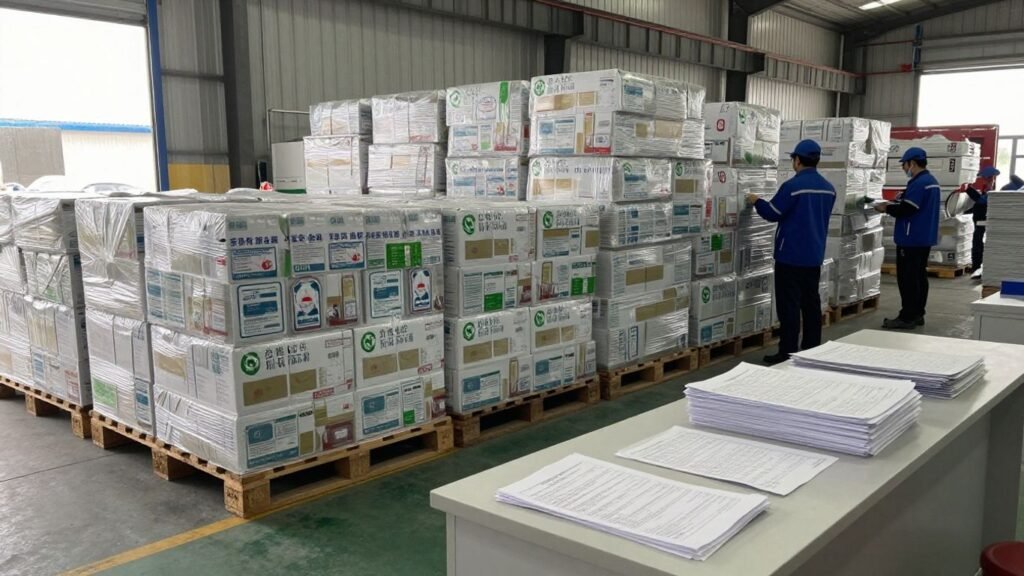
E-liquid shipments need product-specific checks before booking, not just a freight quote. Confirm what is in the liquid, whether the route and destination accept it, and who is responsible for each document and handoff.
- Confirm nicotine content, ingredients, destination rules, and carrier acceptance before dispatch.
- Compare freight options based on volume, timing, handling, and the confirmed route.
- Use the safety data sheet and carrier guidance to determine packaging and transport requirements.
- Keep invoices, packing details, and customs information consistent across the shipment file.
- Agree on clearance responsibilities and maintain records from supplier pickup through delivery.
1. Confirm the product can be shipped to its destination
Before requesting a booking, establish exactly what the supplier is sending and where it will go. E-liquid shipping from China can depend on the formula, nicotine content, packaging, destination rules, and the policies of every carrier handling the cargo. Confirm the details early; a broad description such as “vape product” is not enough to assess a specific shipment.
Identify whether the e-liquid contains nicotine, and determine its source
Ask the supplier for the formulation details, nicotine content, and the source of any nicotine, and make sure the answers match the product being shipped. Do not assume that nicotine-free and nicotine-containing liquids follow the same import or carrier rules. The exact product composition also matters when assessing how the goods should be described and reviewed; readers looking for background can consult e-liquid formulation research, while treating it as research rather than shipping approval.
Check US federal, state, and local import and sales restrictions
Import eligibility and permission to sell are separate questions, and rules may vary by product and jurisdiction. Check current federal requirements as well as the rules that apply in the intended state and locality, then confirm whether any product approvals or restrictions affect the shipment. A freight booking cannot make a product eligible for import or sale, so resolve those questions before cargo leaves the supplier.
Review carrier and transport-provider rules before booking
A carrier can decline cargo even when the importer believes the product is permitted at destination. Ask the proposed forwarder, carrier, and any consolidation or transfer facility to review the actual product details and route before you commit. A vape shipment planning guide can provide a useful checklist of destination, carrier, freight, and documentation questions to raise.
Gather product details, including ingredients, packaging, and intended use
A complete product file helps the broker and transport provider assess the shipment without guessing. Collect the formula or ingredient information, nicotine status, intended use, packaging format, quantity, and carton details, then reconcile those details with the supplier’s commercial paperwork. It can help to keep the pre-booking review focused on these four items:
- Product name and a plain, accurate description.
- Ingredients and nicotine content, including source if applicable.
- Packaging type, unit count, and carton dimensions.
- Destination, intended use, and importer details.
Keep the product description consistent across the booking request and documents. If the order includes other goods, assess them separately rather than relying on a generic product-sourcing checklist; for instance, Kia auto parts have their own supplier and quality considerations that do not determine how e-liquid should be shipped.
2. Choose a freight method for e-liquid shipping from China
The right transport method depends on cargo volume, urgency, route availability, and confirmed acceptance of the product. Compare the complete movement, not just the headline transit time: origin handling, transfers, customs processing, and final delivery all affect the plan. Kunpeng Freight coordinates air, sea, rail, road, and express shipping, with the choice depending on the shipment and destination.

Compare air freight, ocean freight, and courier services
Air freight, ocean freight, and courier services can differ in price structure, handling, and practical availability for a particular liquid. Ask for confirmation based on the actual product and route rather than assuming that a service marketed for general cargo will accept it. This comparison is a starting point, not a substitute for acceptance from the providers involved.
| Method | Questions to ask | Considerations |
|---|---|---|
| Air freight | Is the product accepted on this route? | Check handling rules, flight availability, and timing. |
| Ocean freight | Can the shipment move under the proposed booking? | Consider volume, sailing schedules, and port handling. |
| Courier | Will the courier accept this product and destination? | Confirm parcel limits, service coverage, and delivery terms. |
Once you have route-specific answers, compare costs and timing on the same basis. An option that appears faster or less expensive at first may not be usable if a carrier or transfer point will not accept the cargo.
Weigh transit time against cost, shipment size, and handling needs
A small urgent shipment and a larger replenishment order often call for different comparisons. Ask for itemized costs based on real cargo measurements and clarify which charges are estimates and which depend on later events, such as inspections or schedule changes. Transit ranges should be treated as planning guidance, not a guaranteed delivery date.
Confirm the route accepts the product’s ingredients and hazard classification
Do not book based only on a product name or a prior shipment of a different formula. Provide the safety data sheet and exact shipment details to the relevant transport providers, then confirm whether they accept the goods and what conditions apply. If a route includes several carriers or facilities, acceptance needs to cover each handoff.
Clarify who handles export, import, and final-mile delivery
A freight plan should identify who arranges collection, export handling, customs paperwork, import clearance, and delivery to the final address. Kunpeng Freight coordinates international shipping from China, including delivery planning; confirm the specific services, responsibilities, and charges for your shipment before booking. Clear handoffs help prevent a cargo movement from stalling because each party assumed another would file or arrange the next step.
3. Assess dangerous-goods and packaging requirements
Liquid cargo needs a transport review before it is packed and handed over. The product’s classification and the requirements applied by the chosen carrier determine what documents, packaging, labels, and handling may be needed. Avoid making a classification decision from the product category alone; use the shipment’s actual technical information and get confirmation from the providers on the route.
Use the safety data sheet to assess transport classification
Request a current safety data sheet from the supplier and check that it describes the product being shipped. It gives transport providers information they may need to assess composition, hazards, and handling, but it does not replace their own review or the rules that apply to the route. If the sheet is missing, outdated, or inconsistent with the product, resolve that discrepancy before cargo handoff.
Check whether the liquid is regulated as dangerous goods or restricted cargo
A product can face transport restrictions even where it is not treated the same way by every mode or provider. Ask the carrier or qualified transport adviser to confirm the classification and any restrictions for the actual goods, quantity, and route. Do not relabel or describe cargo inaccurately to avoid a restriction; that can create delays and compliance problems.
Confirm packaging, labeling, and marking requirements with the carrier
Packaging requirements can depend on the classification, container type, shipment mode, and carrier rules. Obtain instructions for the specific booking and verify whether any labels or marks are required before packing is finalized. General guidance on preparing cargo for international freight can help frame questions about securing containers and protecting goods, but the carrier’s approval for this shipment is the controlling check.
Plan for leaks, breakage, temperature exposure, and inspection
Packaging should be suitable for the containers and the expected handling sequence, with practical attention to closures, secondary containment where required, and protection against breakage. Ask the provider whether temperature exposure or inspection procedures affect the packing plan. These are operational precautions, not a substitute for applicable packaging standards; have the final arrangement reviewed before dispatch.
4. Prepare export and shipping documentation
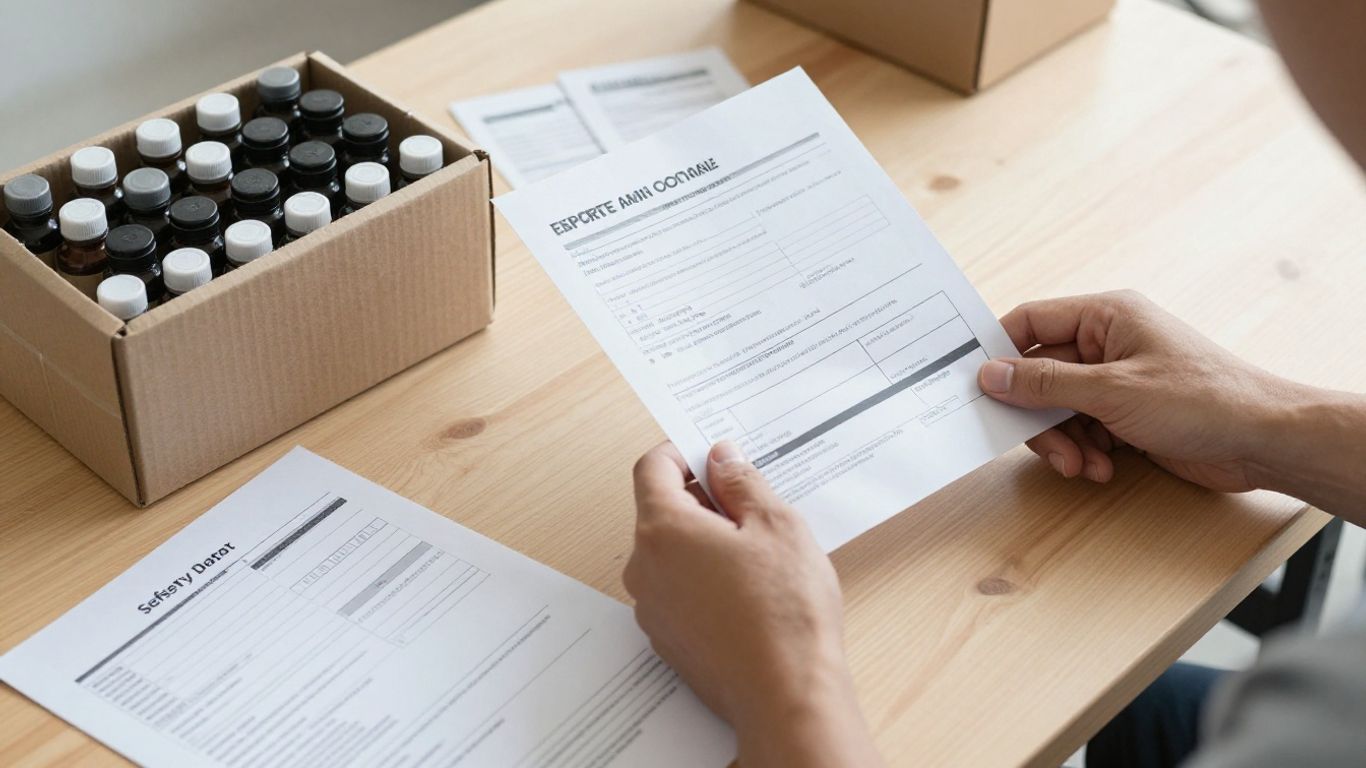
Documents should tell one consistent story about the cargo: what it is, how much is moving, who is shipping it, and who will receive it. Differences between a booking, invoice, packing list, and product file can lead to questions at export, transit, or import. Kunpeng Freight provides import paperwork assistance and customs documentation support; confirm which documents your shipment requires and who will prepare and submit each one.
Create a commercial invoice with accurate product descriptions and values
Use a clear description that matches the goods and the supplier’s product information; avoid vague wording that conceals what is in the cartons. Show the transaction value and other invoice details accurately, and make sure the seller, buyer, and shipment information agree with the rest of the file. A customs broker can advise on the information needed for the intended entry.
Match the packing list to the shipment’s quantities, weights, and cartons
The packing list should reflect the cargo actually prepared for pickup, including carton count, contents, weights, and dimensions. Compare it with the supplier’s final packing details rather than copying figures from an earlier order. When cargo is consolidated from more than one supplier, confirm which party is responsible for the consolidated list and how each supplier’s cartons are identified.
Provide the safety data sheet and any requested product test documents
Share the safety data sheet with the parties who need it and provide other product documents only when requested or applicable. Confirm that the documents identify the same formula and product as the invoice and shipment. If the supplier cannot provide a requested record, raise that issue before booking rather than waiting for a carrier or customs query.
Arrange the bill of lading or air waybill and any required shipper declarations
The transport document depends on the mode: an ocean movement generally uses a bill of lading, while an air shipment uses an air waybill. Check the shipper and consignee details, routing, and cargo description before the document is finalized. Any shipper declaration required for the classification must reflect the confirmed transport assessment, not an assumption made during booking.
5. Prepare for US customs and agency review
Customs preparation begins before the shipment arrives. The importer should work with a customs broker to determine the entry approach, identify any agency requirements, and understand potential charges. Requirements can depend on the exact product and current rules, so use the shipment’s details rather than relying on a previous clearance as a guarantee for a new order.
Select an appropriate tariff classification with a customs broker
Ask a customs broker to review the product information and select an appropriate tariff classification. Classification can affect duty treatment and reporting, and should not be chosen solely because a similar shipment used a particular code. Give the broker a precise description, composition details, and supporting product documents so the advice is based on the actual goods.
Identify the importer of record and confirm entry-filing responsibilities
Decide who will act as importer of record and who will prepare, submit, and respond to the entry filing. Confirm that the importer can provide the required information and has made arrangements with the broker before cargo departs. Spell out responsibilities in writing so the supplier, forwarder, broker, and consignee are not working from different assumptions.
Check whether FDA requirements or other agency filings apply
Ask the broker or relevant compliance adviser whether FDA requirements or other agency filings apply to the specific product and intended use. Do not assume that every e-liquid shipment follows the same path, or that customs release alone resolves all product obligations. Verify current requirements before dispatch and allow time to address questions or requests for additional information.
Budget for duties, taxes, broker fees, and possible examination costs
Request an estimate of the costs that may apply, including duties, taxes, brokerage, and any examination or handling charges that could arise. The final amount may differ if classification, valuation, routing, or inspection circumstances change. A realistic landed-cost plan should distinguish known charges from estimates and make clear who pays each one.
6. Coordinate the shipment from supplier pickup to delivery
Once the product, route, and documents are ready, keep each handoff visible from factory or supplier pickup through final delivery. Agree on what updates you will receive and who should be contacted if a detail changes or an inspection is requested. This is also the point to confirm that the shipment plan, quote, and final cargo details still match.
Verify supplier details and document consistency before cargo handoff
Check the pickup address, contact information, cargo readiness, carton count, and final measurements with the supplier. Compare those details against the invoice and packing list before the cargo is released. Kunpeng Freight coordinates supplier pickup and can arrange cargo inspection and consolidation; confirm the scope for your order and resolve discrepancies before collection.
Agree on Incoterms, insurance, and responsibility for customs clearance
Incoterms describe how certain responsibilities, costs, and risks are allocated between buyer and seller. Confirm the agreed term, who arranges insurance, and who handles export and import clearance; do not rely on a shorthand label without understanding the agreed responsibilities. If a forwarder is coordinating transport, separately confirm what is and is not included in its service and quote.
Track milestones and respond quickly to document or inspection requests
Follow the key milestones, such as supplier release, pickup, export processing, departure, arrival, customs review, and final delivery. Respond promptly if a broker, carrier, or customs authority requests clarification, since unresolved questions can hold up the next step. For broader operational context, the Axionic blog covers topics including delivery governance and technology decisions, though it is separate from freight and customs advice.
Keep shipment, entry, and compliance records for future orders
Retain the final invoice, packing list, transport documents, entry records, product information, and correspondence about classification or carrier acceptance. Use those records to make future orders easier to compare, while still rechecking product, route, and regulatory changes each time. If records include personal information, review how it is handled; Kiwi Sheepskins describes privacy practices for orders and international processing.
Conclusion
A reliable plan for e-liquid shipping from China starts with the product itself and continues through carrier approval, accurate paperwork, customs preparation, and clearly assigned delivery responsibilities. Confirm each decision against the actual shipment, keep the documents aligned, and leave room in the schedule and budget for review or inspection. That groundwork makes the shipping process easier to manage without assuming every route or order will work the same way.
Frequently Asked Questions
Can e-liquid be shipped from China to the United States?
It may be possible for some products and routes, but eligibility depends on the product, destination requirements, carrier acceptance, and import arrangements. Confirm each before dispatch.
Does nicotine-free e-liquid have the same shipping rules as nicotine-containing liquid?
Not necessarily. The formulation and applicable carrier and destination rules can differ, so verify the exact product rather than assuming the requirements are identical.
Which freight method should I choose for e-liquid?
Compare air, ocean, and courier services based on confirmed carrier acceptance, shipment size, urgency, route, handling, and total charges. No method suits every shipment.
What documents are commonly requested for an e-liquid shipment?
A commercial invoice, packing list, transport document, and safety data sheet are common starting points. The carrier, broker, or relevant authority may request other records depending on the shipment.
Is e-liquid automatically classified as dangerous goods?
No single answer applies to every formula and route. Use the product’s safety data sheet and obtain a classification review from the transport provider or a qualified adviser.
Who should arrange US customs clearance?
The importer of record and broker responsibilities should be agreed before booking. Confirm who will file the entry, provide information, and respond to questions.
What can delay delivery after cargo leaves the supplier?
Carrier review, incomplete or inconsistent documents, customs or agency questions, inspections, and schedule changes can affect timing. Build flexibility into the plan and respond quickly to information requests.