Key Takeaways
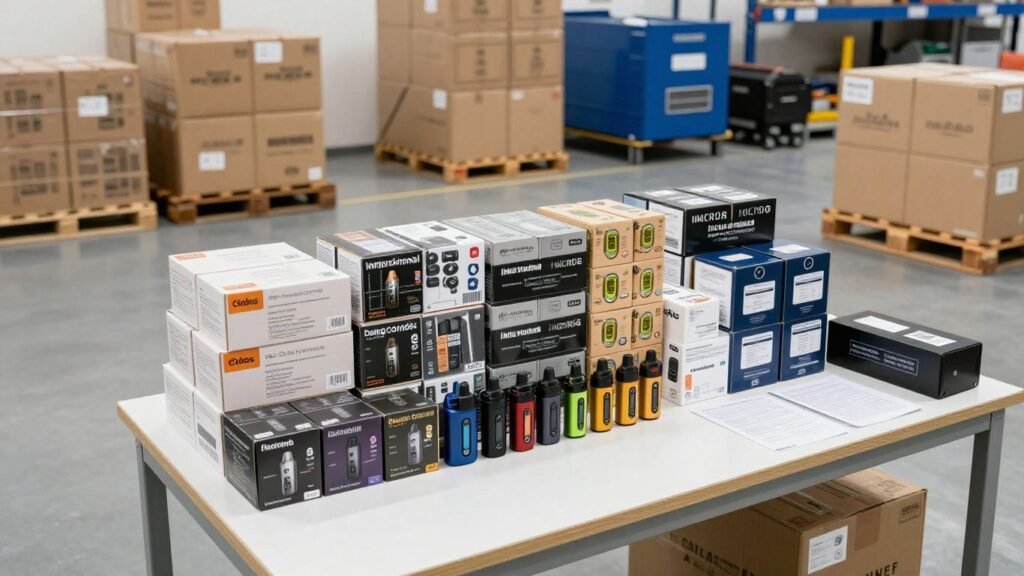
Shipping vapes from China to the United States involves separate product-eligibility, customs, and freight checks. Work through each one before the cargo leaves the supplier.
- Confirm the exact product and its U.S. marketing status before booking freight.
- Prepare accurate customs descriptions, values, origin details, and tariff classifications.
- Verify battery and liquid details against the chosen carrier’s requirements.
- Keep invoices, product specifications, and shipping declarations consistent.
- Agree who will answer customs and carrier questions, and budget for possible delays and extra charges.
Assess whether you can legally ship vapes from China to USA
A factory’s ability to make a vape does not establish that the product can legally enter or be marketed in the United States. Before comparing freight quotes, identify the exact device, liquid, and intended use, then check the product’s regulatory status. A carrier’s willingness to transport cargo is a separate question from whether U.S. authorities will allow it to enter.
Identify the product type, ingredients, and intended use
Start with a precise inventory: disposable or refillable device, pod or cartridge, spare battery, and any e-liquid shipped separately. Record nicotine content, liquid volume, battery chemistry and capacity, and whether the battery is installed or packed separately. These details help define the shipment for regulatory review and carrier assessment; a broad description such as “electronic accessories” is not enough.
Check whether each tobacco product has the required FDA marketing authorization
For each product and relevant variation, verify its status with the appropriate U.S. regulatory records and qualified counsel. FDA registration or product listing, and an application that has been submitted or is under review, should not be treated as marketing authorization. A product’s flavor, formulation, device, or nicotine strength may matter, so do not assume that authorization for one item covers another.
Understand how FDA import screening can lead to detention or refusal
FDA may review an entry and request information or take action if a product appears to lack required authorization or otherwise raises compliance concerns. A shipment can therefore face detention, refusal, or other delays even when the transport documents are complete and the carrier accepted the booking. For a wider view of the paperwork and regulatory checks, see this guide to vape customs clearance.
Confirm who is responsible for compliance as the importer
Identify the U.S. importer of record and decide who will answer questions from customs, FDA, and the carrier. The factory, freight forwarder, and broker may support different parts of the process, but their involvement does not automatically make them responsible for the importer’s product-compliance decisions. Keep contact details and authority to provide records clear before dispatch.
Prepare for U.S. customs entry
Customs entry depends on what the shipment actually contains, how it is classified, and how its value and origin are documented. Do not rely on a supplier’s old invoice or a tariff code copied from a different product. Review the entry plan with a qualified customs broker before the shipment is released for export.

Classify the device and its components under the correct HTS codes
The correct Harmonized Tariff Schedule classification depends on the product’s construction and function, and components may not all share one code. A broker can help review the proposed classification against product specifications and the current tariff schedule. The table below is a planning aid, not a substitute for a binding classification decision or broker review.
| Shipment element | Details to verify | Entry consideration |
|---|---|---|
| Vape device | Function, construction, and whether disposable or reusable | Classification may depend on design and use |
| Battery | Chemistry, capacity, and whether installed or separate | May require separate transport and entry details |
| E-liquid or pod | Ingredients, nicotine content, and volume | Describe contents accurately and check applicable rules |
| Accessories | What each item is and how it is used | Do not assume every component follows the device code |
Use the table to identify questions for the broker, not to assign codes by analogy. Customs classification is product-specific, and a seemingly small design difference can affect the analysis.
Calculate duties and other applicable import charges
Import charges depend on factors such as the final classification, customs value, country of origin, and entry circumstances. Ask the broker to explain the assumptions behind any estimated duty and to identify charges that are not included, such as brokerage or examination-related costs. A quote that lists only the freight rate is not a complete landed-cost estimate.
Set up the importer of record and customs broker
Confirm the importer of record before cargo pickup and make sure the broker has the information needed to prepare the entry. The broker can handle customs filing within the agreed scope, but the importer should understand its own obligations and remain available to respond to requests. A VPN service review concerns network privacy, not the authority or responsibilities of an importer of record.
Keep invoices and origin details consistent with the actual shipment
The commercial invoice, packing list, and customs declaration should match the goods, quantities, values, and country of origin in the cartons. If the supplier changes a model, adds accessories, or adjusts quantities, revise the documents rather than leaving a discrepancy for inspection to uncover. Kunpeng Freight can assist with import paperwork and customs documentation support as part of the shipping workflow, based on the details provided for the shipment.
Meet freight requirements for batteries and vape liquids
Vape cargo can have transport restrictions because it may include lithium batteries and liquid contents. Requirements depend on the battery configuration, shipment mode, route, packaging, and carrier, so one approval should not be assumed to apply everywhere. Share exact product details with the carrier or freight provider before booking.
Determine the battery classification and applicable UN number
Ask the manufacturer for the battery’s chemistry, watt-hour rating or other required capacity information, and whether it is installed in the device, packed with it, or shipped separately. Those details help determine the applicable transport classification and UN number. Do not infer classification from a product name or a similar-looking model; a 12V 100Ah charging-time guide explains a different battery question and is not a transport classification reference.
Gather UN 38.3 test summaries and other carrier-required battery documents
Request the UN 38.3 test summary for the exact battery type and confirm that its identifying information corresponds to the goods. Carriers may also request safety data or other documentation depending on the product and route. Before cargo is tendered, check that the manufacturer’s records, package configuration, and booking declaration all describe the same battery.
Check rules for devices, spare batteries, and lithium battery packing
A device with a battery installed may be treated differently from a shipment of spare batteries. The permitted package configuration, marks, labels, and documents can vary by mode and carrier, so have the carrier confirm what it will accept for the exact cargo. A practical pre-booking review should cover these four points:
- Whether the battery is installed, packed with the device, or shipped separately.
- Whether the battery documents match the manufacturer and model in the shipment.
- Whether packaging, marks, and labels meet the carrier’s stated requirements.
- Whether spare batteries or mixed configurations change the booking conditions.
Use the answers to finalize the packing plan and declaration before pickup. For mode-specific preparation, review this air-freight battery guidance, then obtain confirmation for the actual route and service rather than relying on a general checklist.
Confirm liquid, air-freight, and carrier restrictions before booking
Tell the carrier whether the cargo contains nicotine e-liquid, the liquid volume, and how it is packed. Air, ocean, and express services can have different acceptance rules, and a forwarder’s general ability to move regulated goods does not guarantee that a particular carrier will accept this product. Written confirmation for the route and configuration is useful when later booking or documentation questions arise.
Build a shipment file that supports review
A clear shipment file makes it easier for a broker, carrier, or regulator to understand what is in the cartons without reconciling conflicting descriptions. Prepare it from verified product and carton details, not from generic supplier templates. Kunpeng Freight can coordinate cargo inspection and consolidation, which can help establish the quantities and condition recorded at handover.
Match product descriptions and quantities across all documents
Compare the product names, model numbers, quantities, and package counts on the invoice, packing list, booking details, and declarations. If several suppliers are combined into one shipment, keep each supplier’s goods traceable in the supporting records. For more background on planning the full international route, see this guide to shipping vapes internationally.
Collect product specifications and ingredient information
Keep manufacturer specifications for the device, battery, and liquid together with ingredient information and nicotine details where applicable. Each record should identify the model or formulation it describes; a general brochure may not establish what is inside a particular SKU. A sun-damage treatment guide addresses skincare, not vape ingredients or import compliance, so it cannot stand in for product-specific records.
Check labels and packaging against applicable U.S. requirements
Review the actual retail package and labels against the requirements that apply to the product and its intended market. Do not assume that packaging prepared for another country is acceptable in the United States, or that a shipping mark proves retail compliance. Keep photographs or approved artwork with the product file so the importer and broker can refer to the same version.
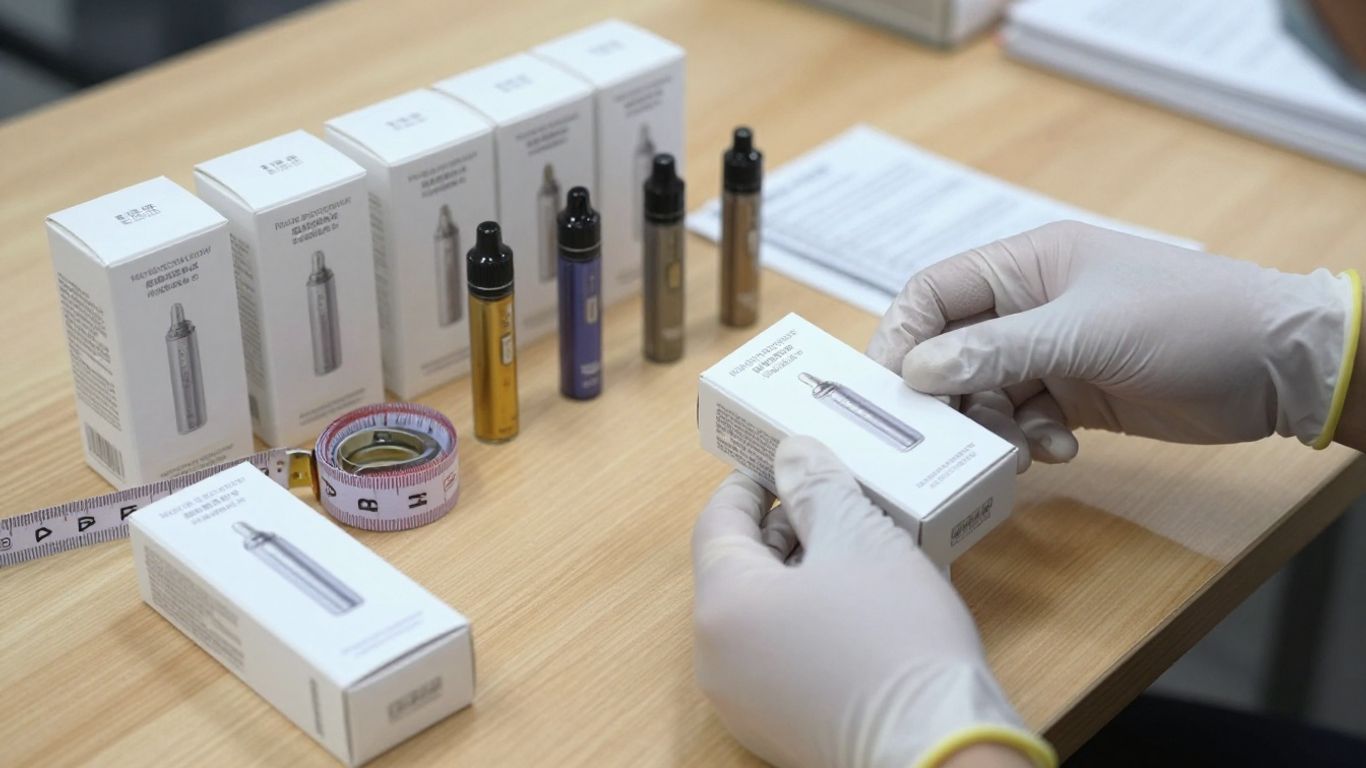
Arrange pre-shipment inspection for samples, cartons, and markings
Before dispatch, check samples against the purchase specification and verify that the packed cartons match the declared product and count. Inspection can also confirm carton markings and reveal mismatches while the supplier can still correct them. A personalized longevity plan is a medical service, not evidence about vape formulation, so rely on the actual manufacturer’s product documentation for ingredient review.
Choose a shipping method and understand delivery terms
The right transport option depends on product acceptance, shipment size, timing, route, and the full delivered cost. Air, ocean, and express services are not interchangeable for restricted cargo, and a short quoted transit estimate does not include every step from supplier pickup to final delivery. Compare what each quote covers and confirm the route before cargo is handed over.
Compare air, ocean, and express freight for cost, speed, and restrictions
Air freight may suit shipments where timing matters, while ocean freight may fit larger loads with a more flexible schedule; express service depends on the carrier’s product and route rules. Compare total transit plans, not just line-haul estimates, and account for pickup, export handling, import clearance, and final delivery. This U.S. vape shipping overview outlines why product status and importer arrangements should be reviewed alongside freight options.
Check whether the carrier will accept the specific vape products
Give the carrier the actual device type, liquid and nicotine details, battery configuration, and packaging information. Ask for acceptance for the named service and route, preferably in writing, before relying on a booking estimate. A guide to express vape shipping checks can help frame the details to confirm, but carrier approval still needs to match the shipment in front of you.
Review what DDP covers—and what it does not resolve
DDP is a delivery term that assigns specified costs and responsibilities to the seller, but the agreed scope and local arrangements matter. It does not make an otherwise ineligible product compliant, guarantee FDA acceptance, or erase the need for accurate shipment information. Read the quotation and sales terms to see who is responsible for import entry, duties, taxes, and responses to official requests.
Budget for brokerage, storage, inspections, and other accessorial charges
Ask for an itemized estimate that separates freight from customs-related and destination charges. Depending on the route and events, costs may include brokerage, storage, examinations, handling, or a change in delivery arrangement. Kunpeng Freight can coordinate supplier pickup, cargo handling, and delivery planning; confirm each quoted service and charge against the actual cargo details before you authorize dispatch.
Reduce the risk of holds, losses, and unexpected costs
Most avoidable problems begin before departure: unclear product status, inconsistent declarations, incomplete battery records, or no agreed contact for official questions. Build time for review instead of treating booking as the final compliance check. The shipment is ready only when the goods, paperwork, carrier conditions, and importer arrangements line up.
Recognize common triggers, from missing FDA authorization to inaccurate declarations
Potential trouble points include an unresolved marketing-authorization question, descriptions that conceal the product type, quantities or values that do not match the invoice, and battery documents that refer to a different model. Carrier acceptance does not resolve product eligibility, and complete customs paperwork does not guarantee release. Treat each review as a separate checkpoint, not as a substitute for the others.
Agree in advance who handles customs questions and document requests
Name the person who will receive and answer inquiries from the broker, carrier, or government agency, and identify who can obtain technical records from the factory. Set a process for responding promptly with corrected or additional documents when appropriate. This prevents a request from sitting unanswered while responsibility is passed between supplier, forwarder, and importer.
Plan for detention, demurrage, return, or destruction scenarios
Ask what charges may accrue if an entry is held or cargo cannot be released, and who can authorize a return or other disposition. Available options depend on the reason for the hold, applicable rules, carrier terms, and the decisions of the relevant authorities. Do not assume that a shipment can simply be rerouted after it has been refused; understand the cost and decision path before booking.
Verify the shipment and compliance position before cargo leaves China
Before release from the supplier, compare the final packed goods with the approved product file, invoice, packing list, and transport documents. Confirm the importer and broker are ready, the carrier has accepted the exact cargo, and the route and delivery scope remain as quoted. A final check is less costly than discovering after departure that the shipment description or supporting records do not match.
Conclusion
Shipping vapes from China to the USA requires more than finding a carrier: confirm product eligibility, prepare accurate customs and battery records, and agree who will handle each decision and request. Review those pieces together before pickup, then choose a route and delivery term that fit the cargo and the risks you are prepared to manage.
Frequently Asked Questions
Can I ship vapes from China to the USA?
A shipment may be transportable, but that does not establish that the product is eligible for U.S. import or marketing. Check the exact product, regulatory status, importer arrangements, and carrier acceptance before booking.
Does FDA registration mean a vape is approved for sale?
No. Registration or product listing should not be treated as FDA marketing authorization. Verify the status that applies to the exact product and seek qualified regulatory advice when needed.
What documents should I prepare for vape customs clearance?
Common records include a commercial invoice, packing list, product specifications, ingredient details, battery information, and any carrier-required transport documents. The broker may request other information depending on the product and entry.
Do vape batteries need UN 38.3 documents?
Carriers commonly ask for a UN 38.3 test summary for lithium batteries, but exact document requirements depend on the shipment and service. Make sure the battery records correspond to the specific model being shipped.
Can I use express shipping for vape products?
Possibly, but acceptance depends on the carrier, route, product contents, and battery configuration. Provide complete specifications and obtain confirmation for the exact shipment before tendering it.
Does DDP guarantee customs clearance?
No. DDP allocates specified costs and responsibilities under the agreed terms; it does not guarantee regulatory acceptance or release. Confirm who handles the entry and what happens if authorities request information or hold the goods.
What costs should I budget for besides freight?
Consider duties and taxes, brokerage, pickup and delivery, handling, storage, inspections, and possible delay-related charges. Which costs apply depends on the route, entry, service scope, and shipment circumstances.